Wyoming Homeowners Discover Ways To Grow Beautiful Gardens With Almost No Irrigation
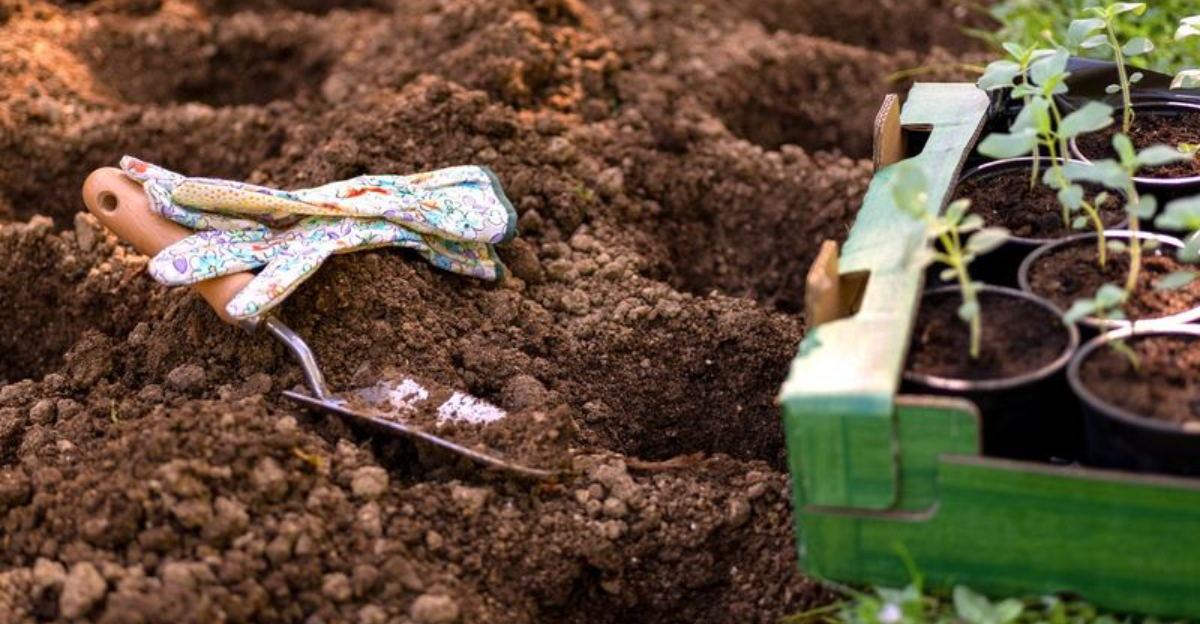
Wyoming homeowners are proving that a beautiful garden can bloom even in places where water runs scarce.
Across the state, yards that once seemed too dry for color now burst with hardy plants that laugh in the face of long, hot days.
Smart choices and a light touch allow these gardens to thrive with almost no irrigation, turning patches of soil into pockets of charm.
Residents lean into plants that know the land well, the kind that dig deep, hold tight, and flourish under wide-open skies.
Each garden feels like a small victory, showing that a little grit and the right mix of greenery can work wonders.
Neighbors stroll past and marvel at blooms that stand tall without a hose in sight, as if the landscape itself is lending a hand.
This shift brings new pride to homeowners who once thought lush yards were out of reach. In Wyoming, gardens now grow with spirit as strong as the wind.
1. Native Plant Selection Makes All The Difference
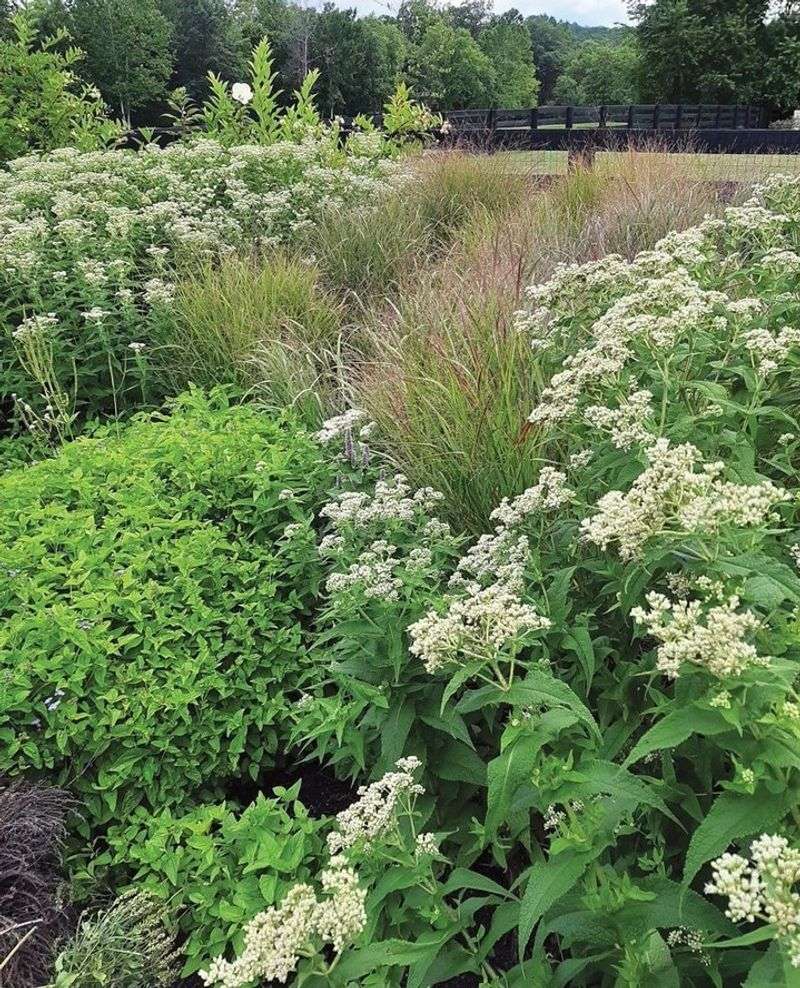
Choosing plants that naturally thrive in Wyoming’s climate eliminates much of the watering burden right from the start.
Native species like penstemon, prairie coneflower, and blanket flower have evolved over thousands of years to survive the state’s dry conditions and temperature extremes.
Their deep root systems tap into moisture far below the surface where typical garden plants can’t reach.
Homeowners who switch to native plantings often report cutting their water usage by more than half while enjoying more vibrant blooms.
These hardy plants also require less maintenance overall since they’re perfectly adapted to local soil conditions and weather patterns.
Plus, they attract beneficial pollinators like butterflies and native bees, creating a healthier ecosystem in your yard.
Local nurseries throughout Wyoming now stock impressive selections of native perennials and shrubs specifically chosen for their drought tolerance.
Staff members can help you select varieties that match your garden’s sun exposure and soil type.
By working with nature instead of against it, you’ll spend less time watering and more time enjoying your beautiful outdoor space.
The initial investment in native plants pays dividends for years as these perennials return stronger each season.
Many Wyoming gardeners mix different native species to create colorful displays that change throughout the growing season.
2. Deep Mulching Locks In Precious Moisture
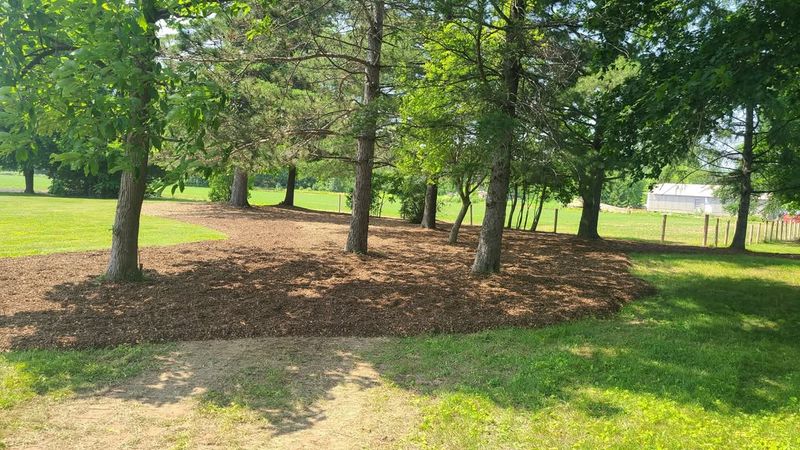
Applying a generous layer of organic mulch creates a protective barrier that dramatically reduces water evaporation from your garden soil.
Successful Wyoming gardeners typically spread mulch four to six inches deep around plants, creating an insulating blanket that keeps roots cool and moist.
Materials like wood chips, shredded bark, or straw work exceptionally well in our climate.
Mulch does more than just retain moisture, it also suppresses weeds that compete with your plants for limited water resources.
As organic mulches break down over time, they enrich the soil with nutrients and improve its structure.
This creates a healthier growing environment where plants develop stronger root systems capable of finding water on their own.
Timing matters when applying mulch to maximize its benefits throughout the growing season.
Early spring application helps warm soil retain winter moisture, while refreshing mulch in early summer protects against the hottest, driest months.
Keep mulch pulled back a few inches from plant stems to prevent rot and allow air circulation.
Many Wyoming homeowners source free or low-cost mulch from local tree service companies or municipal composting programs.
Some even create their own mulch by shredding fallen leaves and grass clippings.
The investment of time and effort pays off with healthier plants that need far less supplemental watering.
3. Soil Amendment Transforms Water Retention Capacity

Wyoming’s naturally sandy or clay-heavy soils often struggle to hold onto moisture, but strategic amendments can completely transform their water-holding abilities.
Adding generous amounts of compost, aged manure, or other organic materials creates a sponge-like structure that captures and slowly releases water to plant roots.
Gardeners who commit to improving their soil texture see remarkable improvements in plant health with minimal watering.
Compost works like magic in garden beds by increasing the soil’s capacity to absorb water during occasional rains or infrequent watering sessions.
It also feeds beneficial microorganisms that help plants access nutrients more efficiently.
Aim to mix at least three to four inches of compost into the top six to eight inches of soil before planting.
For existing gardens, top-dressing with compost once or twice per season gradually improves soil quality without disturbing established plants.
Worms and other soil creatures naturally incorporate the organic matter deeper over time.
Some Wyoming homeowners create their own compost from kitchen scraps and yard waste, turning potential trash into gardening gold.
Clay soils especially benefit from organic amendments that break up dense particles and improve drainage while paradoxically increasing moisture retention.
Sandy soils gain structure and substance that prevents water from draining away too quickly.
Better soil means healthier, more resilient plants that laugh in the face of drought conditions.
4. Strategic Grouping Based On Water Needs
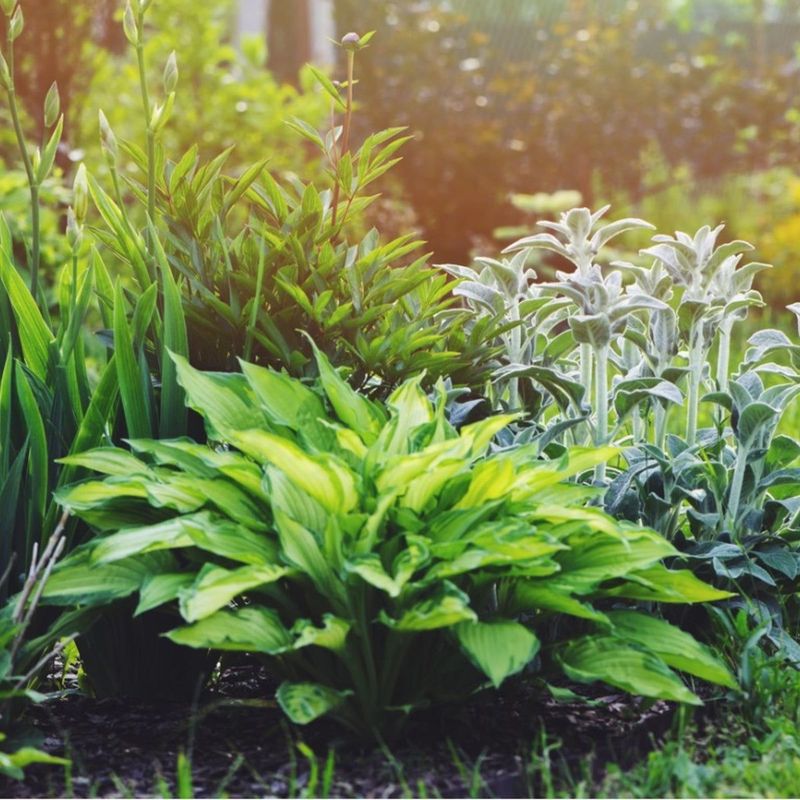
Organizing your garden by grouping plants with similar water requirements, a technique called hydrozoning, allows you to target irrigation efforts where they’re actually needed.
Instead of watering the entire yard uniformly, you can focus limited water resources on areas that truly require it.
Most Wyoming gardens work best with distinct zones: one for extremely drought-tolerant natives, another for plants needing occasional water, and perhaps a small area for thirstier edibles.
Placing your most water-dependent plants closest to the house makes practical sense for several reasons.
They’re easier to monitor and water when needed, and they benefit from runoff from roof edges during rare rainstorms.
Meanwhile, hardy native perennials and ornamental grasses can occupy outlying areas where they’ll thrive on natural precipitation alone.
Thoughtful garden design considers not just aesthetics but also the practical realities of water availability in Wyoming’s climate.
Creating raised berms or sunken basins in different zones helps direct whatever water you do apply exactly where it’s needed most.
Berms drain quickly for plants preferring drier conditions, while basins capture and hold moisture for those needing a bit more.
This zoning approach eliminates the wasteful practice of overwatering drought-tolerant plants just to keep thirstier neighbors happy.
Each plant gets exactly what it needs, nothing more and nothing less.
The result is a healthier, more sustainable garden that respects Wyoming’s water limitations.
5. Rainwater Harvesting Captures Nature’s Gifts
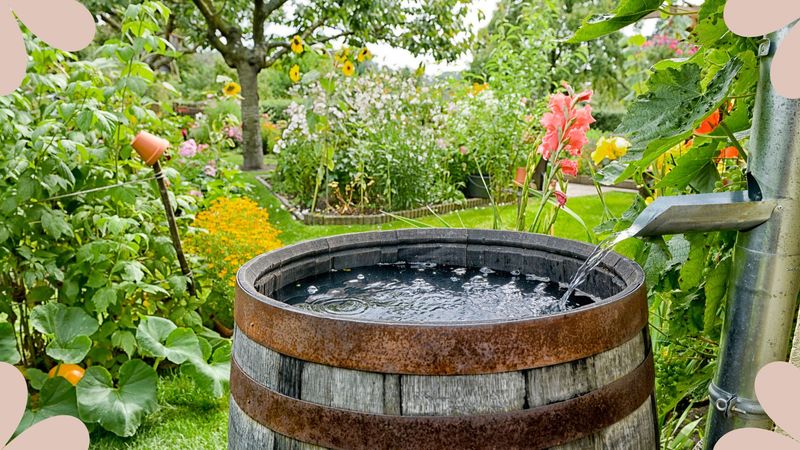
Even in Wyoming’s dry climate, capturing the rain that does fall can provide a surprisingly valuable water source for gardens.
Simple rain barrels connected to roof downspouts collect hundreds of gallons during spring storms and summer thundershowers.
This free water can sustain container gardens, vegetable patches, or newly planted areas during dry spells without tapping into municipal supplies or wells.
A typical residential roof sheds enormous amounts of water during even modest rainfall events.
Just a quarter-inch of rain on a 1,000-square-foot roof produces more than 150 gallons of harvestable water.
Multiple barrels connected in series can store this bounty for use during the inevitable dry periods between storms.
Modern rain harvesting systems range from simple 50-gallon barrels to elaborate underground cisterns holding thousands of gallons.
Most Wyoming homeowners start small with one or two barrels and expand their collection capacity as they see the benefits.
Overflow valves prevent flooding near foundations while directing excess water to garden beds or swales.
The stored rainwater is naturally soft and free of chlorine, making it ideal for sensitive plants and seedlings.
Using collected rainwater also reduces strain on well systems in rural areas where pumping capacity might be limited.
Some creative gardeners even connect their barrels to simple drip irrigation systems that slowly distribute water exactly where it’s needed.
Harvesting rain transforms an intermittent resource into a reliable garden asset.
6. Ground Cover Plants Shade Soil And Reduce Evaporation
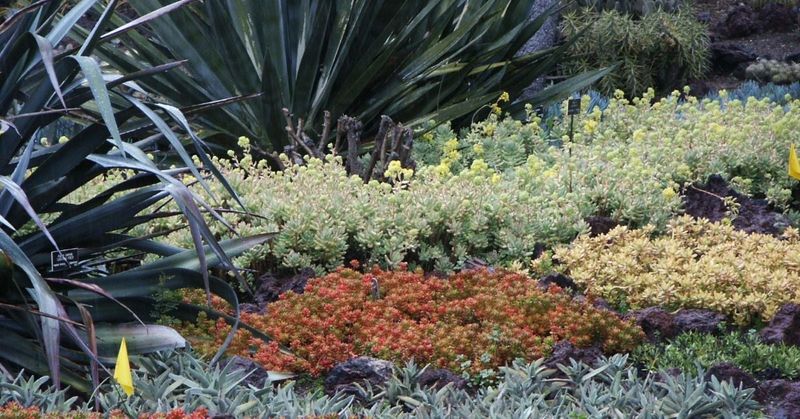
Bare soil exposed to Wyoming’s intense sun and constant wind loses moisture at an alarming rate through evaporation.
Smart gardeners combat this by planting low-growing ground covers that create a living blanket over the soil surface.
Species like creeping thyme, sedum, and snow-in-summer spread horizontally to shade the ground while requiring virtually no supplemental water once established.
Ground covers serve multiple purposes beyond moisture conservation in challenging climates.
Their dense growth crowds out weeds that would otherwise compete for limited water resources.
Many varieties produce attractive flowers or interesting foliage textures that add visual interest at ground level throughout the growing season.
Establishing ground covers requires some initial watering to help roots take hold, but patience pays off tremendously.
After the first season, most drought-tolerant varieties become completely self-sufficient even in Wyoming’s driest summers.
They spread naturally to fill gaps and create continuous coverage that protects soil from moisture loss.
In areas where traditional grass lawns struggle, ground covers offer an attractive and practical alternative.
They require no mowing, minimal fertilization, and dramatically less water than thirsty turf grass.
Between stepping stones or in rock gardens, ground covers soften hard edges while maintaining the low-water philosophy.
The cooling effect of ground covers also benefits nearby plants by lowering soil temperature and creating more favorable growing conditions.
This living mulch approach represents one of the most elegant solutions to Wyoming’s garden water challenges.
7. Timing Plantings To Match Natural Moisture Availability
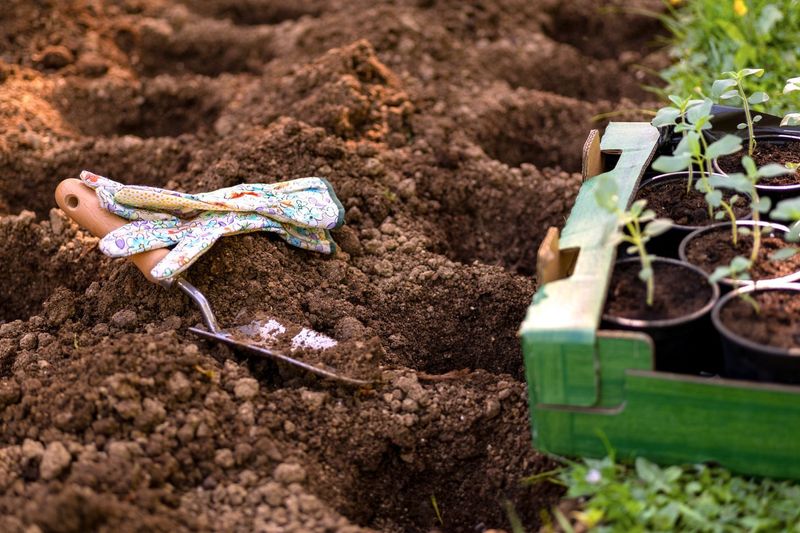
Working with Wyoming’s natural moisture cycles rather than fighting against them makes gardening far more successful with minimal irrigation.
Spring planting takes advantage of snowmelt and seasonal rains that naturally saturate the soil.
Seeds and transplants establish strong root systems during this favorable period, preparing them to weather the dry summer months ahead.
Fall presents another excellent planting window that many Wyoming gardeners overlook.
Cooler temperatures and occasional autumn moisture allow plants to settle in without the stress of summer heat.
Roots continue growing even after top growth slows, giving plants a head start for the following spring.
Avoiding mid-summer planting eliminates the intensive watering requirements that new plants need during establishment.
Even drought-tolerant species struggle when transplanted during hot, dry periods and demand regular watering to survive.
Patience in timing saves both water and frustration while improving overall success rates.
Direct seeding of annuals and vegetables works best in late spring after soil warms but while some residual moisture remains.
Quick-maturing crops can produce harvests before the peak of summer drought arrives.
Succession planting in smaller batches spreads out water needs rather than creating one massive irrigation demand.
Observing natural patterns helps gardeners align their activities with favorable conditions.
When nature provides moisture, take full advantage by getting plants in the ground.
During extended dry spells, focus on maintenance rather than new plantings that would require constant attention.
8. Windbreaks Protect Gardens From Drying Winds
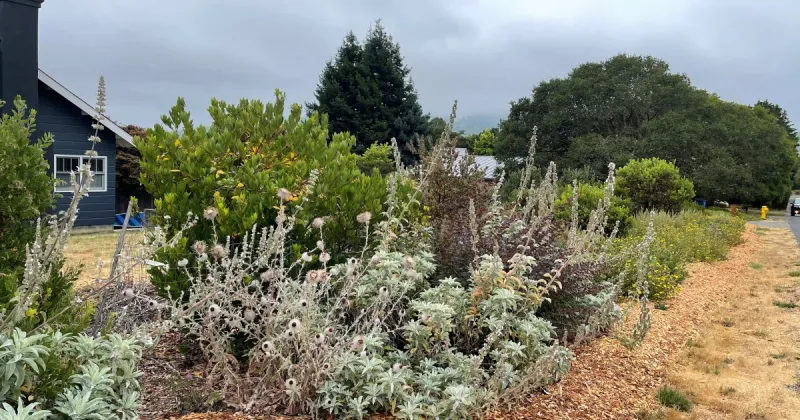
Wyoming’s relentless winds accelerate moisture loss from both soil and plant leaves through a process called transpiration.
Creating barriers that block or deflect wind can reduce garden water needs by 30 percent or more.
Homeowners use various strategies from solid fences to living hedgerows of hardy shrubs that filter wind while adding beauty to the landscape.
Properly positioned windbreaks create sheltered microclimates where less hardy plants can thrive with minimal watering.
The protected zone extends roughly ten times the height of the barrier, so even a modest six-foot fence or hedge shelters a sixty-foot area.
Strategically placed windbreaks on the prevailing wind side of gardens make the biggest impact.
Living windbreaks from drought-tolerant shrubs like lilac, buffaloberry, or Russian olive provide year-round protection while requiring little care once established.
These plantings also offer habitat for beneficial birds and insects that help control garden pests naturally.
Spacing individual shrubs appropriately allows wind to filter through rather than creating turbulence over the top.
Solid structures like privacy fences or strategically placed outbuildings also serve as effective wind barriers.
Some gardeners combine approaches, using fences as the primary barrier with softer plantings in front to create layered protection.
Even temporary solutions like burlap screens or snow fencing help young gardens establish before permanent windbreaks mature.
Reducing wind exposure keeps soil moisture from evaporating and prevents plants from losing water through their leaves.
The calmer conditions also reduce plant stress and physical damage from constant buffeting.