Yard Features Arkansas Homeowners May See Restricted Under New Rules
Across Arkansas, cities and neighborhoods are re-evaluating which yard features fit their vision for clean, safe, and well-maintained communities.
As areas grow and local ordinances evolve, certain habits that were once overlooked—like storing old equipment in the yard or parking cars on the grass—are drawing stricter attention.
Some updates address curb appeal and property values, while others focus on reducing fire hazards, preventing drainage problems, or keeping neighborhoods free of pests.
HOAs are also updating guidelines to maintain a consistent look across communities.
These rule changes often start small, appearing in one city before spreading to nearby towns.
For homeowners, understanding which yard features may soon face restrictions helps avoid unexpected notices or fines.
With a little awareness and planning, residents can adapt smoothly and keep their yards compliant, attractive, and trouble-free.
Overgrown Grass And Weeds Exceeding Local Height Limits
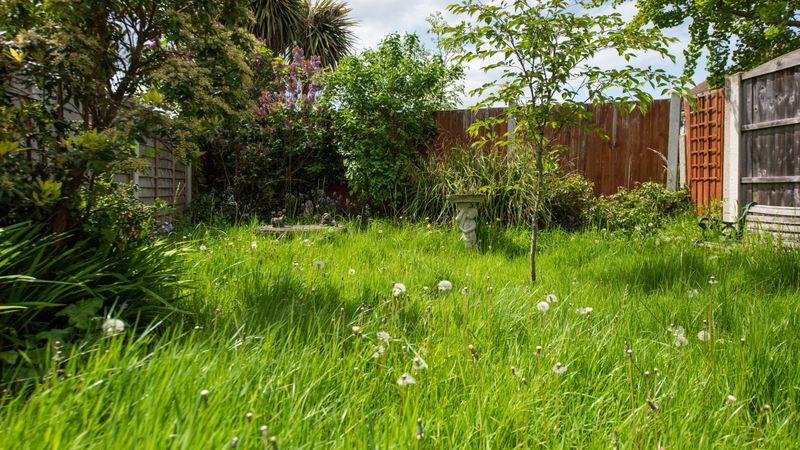
Letting your grass grow wild might feel like a time-saver, but Arkansas cities are cracking down harder than ever on overgrown lawns.
Most municipalities set strict height limits between 8 and 12 inches for grass and weeds, and code enforcement officers are patrolling neighborhoods more frequently.
If your yard crosses that line, you could receive a citation, a fine, or even have the city mow it for you and bill you later.
The reasoning behind these rules goes beyond aesthetics.
Tall grass can harbor pests like ticks and snakes, create fire hazards during dry seasons, and lower property values for entire blocks.
Neighbors often complain when one yard starts to look neglected, which prompts quicker action from local authorities.
Staying ahead of the mower is your best defense.
Set a regular mowing schedule, especially during spring and summer when growth accelerates.
If physical limitations make yard work tough, consider hiring a local lawn service or asking a neighbor for help.
Many Arkansas towns also offer grace periods or warnings before issuing fines, so responding quickly to any notice can save you money.
Keeping your grass trimmed is not just about following the law—it shows respect for your community and keeps everyone’s property looking its best.
Junk Or Scrap Materials Stored In Visible Areas
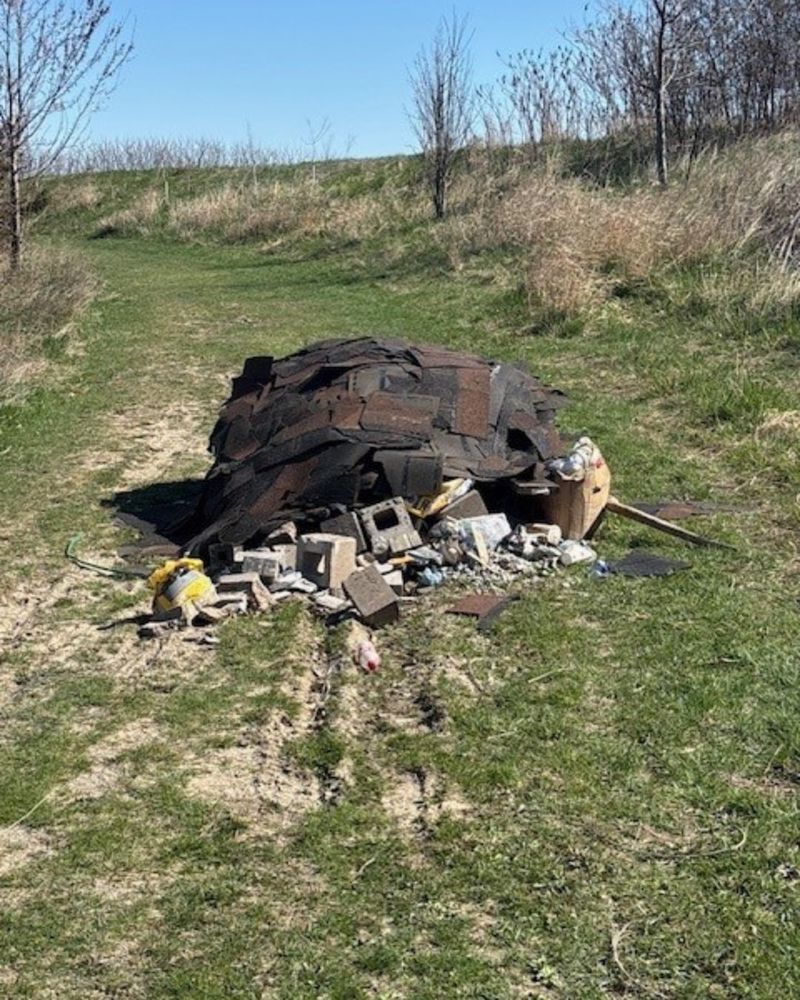
Old tires, scrap metal, and piles of random debris might seem harmless if you plan to use them someday, but Arkansas nuisance ordinances are targeting these eyesores with renewed energy.
Cities across the state are enforcing rules that prohibit storing junk or scrap materials in areas visible from the street or neighboring properties.
What you consider a temporary storage solution, your city might classify as a code violation.
These ordinances exist to maintain neighborhood appeal and prevent health hazards.
Piles of junk can attract rodents, mosquitoes, and other pests that pose risks to public health.
They also make neighborhoods look rundown, which can hurt home values and discourage new residents from moving in.
If you need to store materials temporarily, keep them in a garage, shed, or behind a privacy fence that blocks them from view.
Many cities allow short-term storage during home improvement projects, but you may need to notify code enforcement or obtain a permit.
When in doubt, check your local ordinances online or call city hall to ask about specific rules in your area.
Getting rid of unwanted items through bulk trash pickup, recycling centers, or donation programs is often easier and cheaper than dealing with fines.
A clean, organized yard benefits everyone and keeps your property in good standing with local authorities.
Unpermitted Fences Or Fences That Exceed Allowed Height
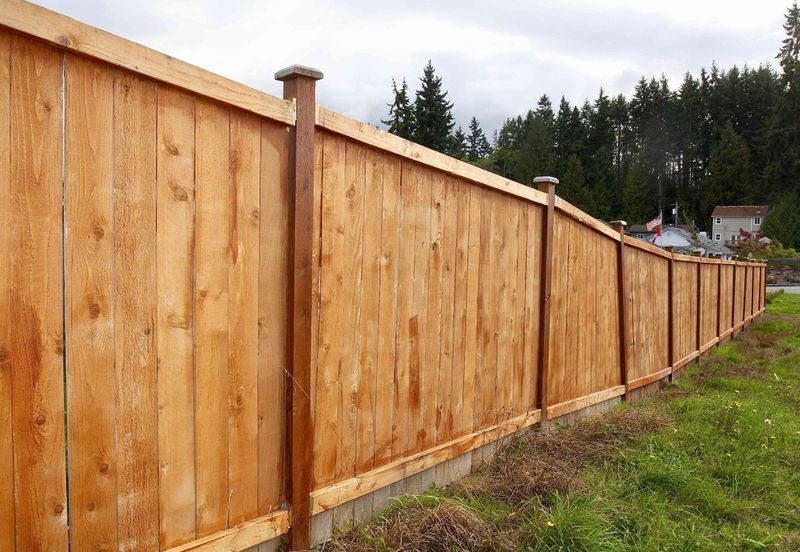
Building a fence might seem like a straightforward weekend project, but Arkansas cities like Fayetteville and Little Rock have strict regulations about height, placement, and materials.
Installing a fence without a permit or exceeding the allowed height can result in fines and orders to remove or modify your structure.
Front yard fences typically face tighter restrictions than backyard ones, and corner lots often have special rules to maintain visibility for drivers.
Height limits vary by location, but many cities cap front yard fences at 3 to 4 feet and backyard fences at 6 feet.
Exceeding these limits can block sightlines, create privacy concerns for neighbors, and violate zoning codes designed to keep neighborhoods open and welcoming.
Before you dig the first post hole, visit your city’s planning or zoning department to learn the rules.
You may need to submit a site plan, pay a permit fee, and wait for approval before construction begins.
Some cities also regulate fence materials, prohibiting chain-link in front yards or requiring specific styles to match neighborhood aesthetics.
If you already have a non-compliant fence, check whether your city offers a grace period or amnesty program to bring it up to code.
Taking proactive steps now can save you from costly removal and replacement later.
A properly permitted fence adds value, security, and beauty to your home without legal headaches.
Parking Vehicles On Grass Or Unpaved Surfaces
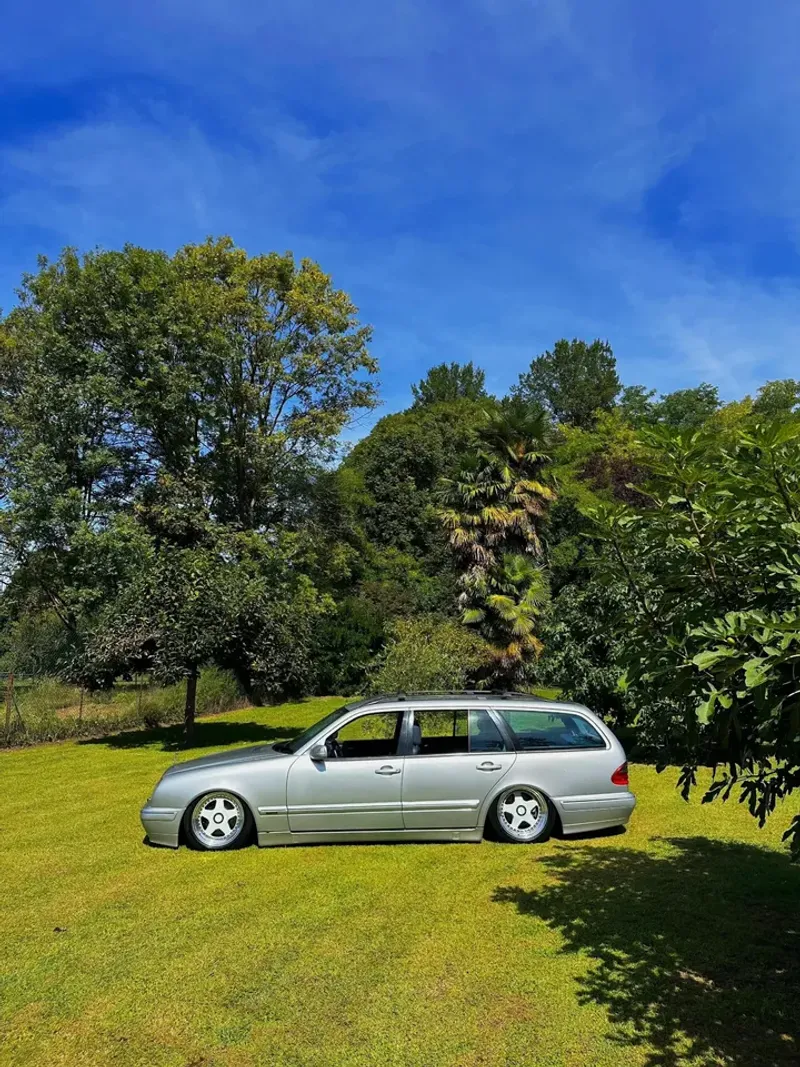
Parking your car on the lawn might seem convenient, but many Arkansas municipalities, including Little Rock, have banned the practice outright.
These rules apply to cars, trucks, trailers, and recreational vehicles, and enforcement is becoming more consistent as neighborhoods push for stricter compliance.
Violators can face fines, warnings, and repeat citations if the behavior continues.
The reasons behind these bans are both practical and aesthetic.
Parking on grass damages your lawn, creates muddy ruts, and can lead to soil compaction that prevents healthy growth.
It also looks messy and can lower property values for you and your neighbors.
In some cases, parking on unpaved surfaces can cause stormwater runoff issues and violate environmental regulations.
If your driveway is full, consider adding a paved parking pad or carport with the proper permits.
Many cities allow gravel or paver driveways as long as they meet specific standards and are installed correctly.
For temporary situations, like hosting guests, check whether your city offers short-term parking exceptions or permits.
Always park vehicles on hard, stable surfaces to avoid damage to your yard and stay compliant with local laws.
Taking care of your lawn and parking responsibly shows pride in your home and respect for your community.
A well-maintained driveway and yard make your property more attractive and keep you on the right side of city regulations.
Outdoor Storage Buildings Not Screened Or Properly Permitted
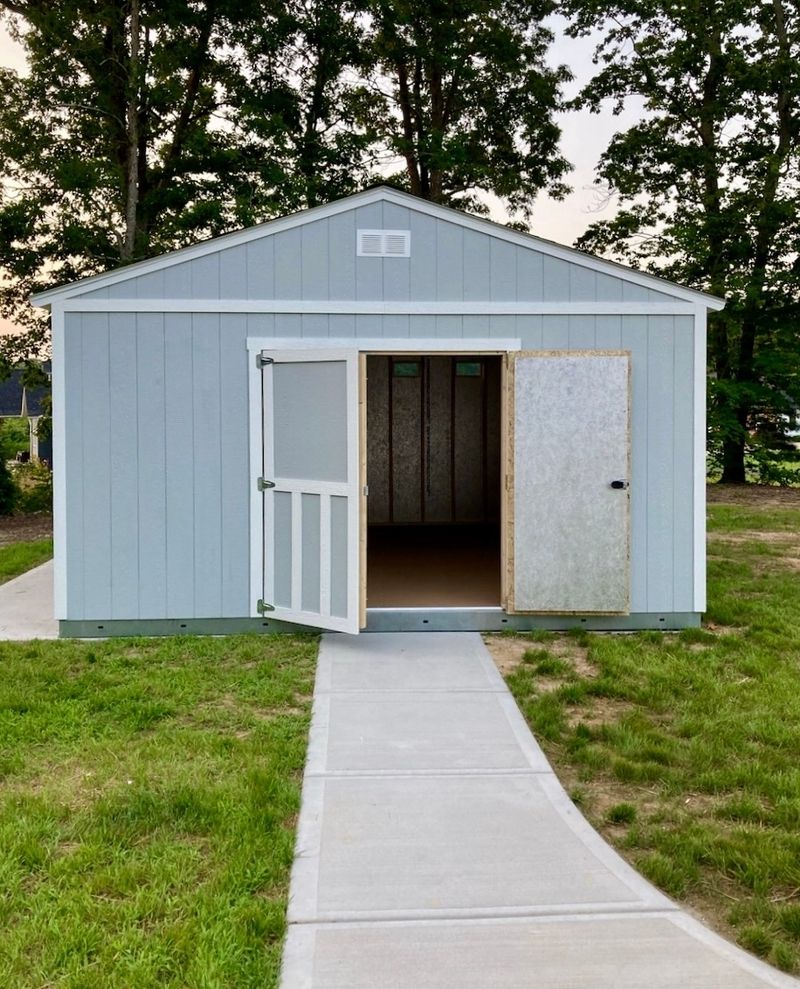
Sheds and outdoor storage buildings are incredibly useful, but newer zoning rules in Arkansas require them to meet strict setback, size, and visibility regulations.
Placing a shed too close to your property line, exceeding size limits, or failing to obtain a permit can result in fines and orders to move or remove the structure.
Even small sheds often require permits, so assuming you can skip the paperwork is a risky move.
Setback rules ensure that structures remain a safe distance from property lines, streets, and other buildings.
These regulations prevent fire hazards, maintain access for emergency vehicles, and protect your neighbors’ views and property rights.
Size limits prevent oversized structures that dominate small yards or block sunlight.
Before you buy or build a shed, check your local zoning code and apply for any required permits.
You may need to submit a site plan showing the shed’s location, dimensions, and distance from property lines.
Some cities also require sheds to match your home’s exterior or be screened from view with fencing or landscaping.
If you already have an unpermitted shed, contact your city’s building department to explore your options.
You may be able to apply for a retroactive permit or make adjustments to bring the structure into compliance.
A properly permitted shed adds valuable storage space and enhances your property without legal complications.
Following the rules from the start saves time, money, and stress down the road.
Chickens, Roosters, Or Other Small Livestock In Suburban Neighborhoods

Backyard chickens have surged in popularity, but Arkansas cities are responding with varied and sometimes restrictive regulations.
While some communities embrace urban farming, others are limiting the number of birds allowed, banning roosters entirely, or prohibiting livestock in certain zoning districts.
Before you bring home your first chick, research your local ordinances to avoid fines or forced removal of your flock.
Roosters are the most commonly restricted birds because of their loud crowing, which can disturb neighbors and violate noise ordinances.
Even hens can be limited by number, coop placement, and property size requirements.
Some cities require permits, regular inspections, or neighbor approval before allowing chickens.
If your city allows backyard chickens, follow all rules carefully.
Keep coops clean, secure, and set back from property lines to minimize odors and noise.
Provide proper fencing to prevent birds from wandering into neighbors’ yards.
If you live in an HOA-controlled neighborhood, check your community’s covenants as well.
Many HOAs ban livestock entirely, even if city rules permit them.
Raising chickens can be a rewarding hobby that provides fresh eggs and teaches valuable lessons about sustainability.
However, respecting local laws and being a considerate neighbor are essential to keeping your flock legal and your community happy.
When done right, backyard chickens can thrive without causing conflict or code violations.
Recreational Vehicles, Boats, And Trailers Stored In Yards
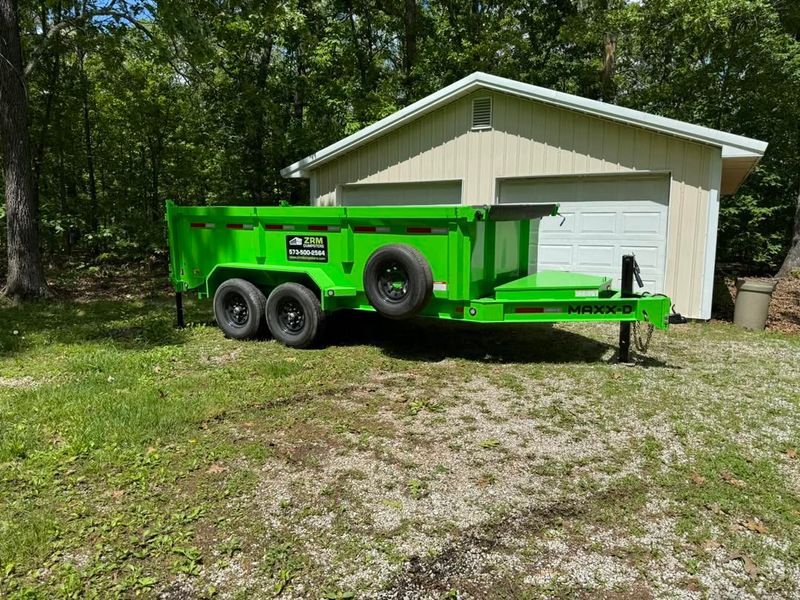
Owning an RV, boat, or trailer opens up exciting adventures, but storing these large items in your yard can violate Arkansas city ordinances.
More municipalities are requiring screening, limiting storage duration, or outright prohibiting long-term RV and boat storage in visible areas.
What you see as convenient parking, your city might view as a neighborhood eyesore and a code violation.
These rules aim to maintain curb appeal and prevent streets and yards from looking like parking lots.
Large vehicles can block sightlines for drivers, create safety hazards, and lower property values.
Some cities allow RVs and boats in driveways for short periods, such as 24 to 72 hours for loading and unloading, but prohibit permanent storage.
If you need to keep your RV or boat at home, check whether your city allows storage behind a fence or in a side yard that is not visible from the street.
You may also need to register the vehicle, maintain current license plates, and prove it is operational.
For long-term storage, consider renting a space at a local storage facility designed for recreational vehicles.
These facilities offer security, convenience, and peace of mind without risking fines or neighbor complaints.
Respecting storage regulations keeps your neighborhood attractive and your property compliant.
A little planning and communication with your city can help you enjoy your recreational vehicles without legal trouble or strained relationships with neighbors.
Excessive Outdoor Lighting That Shines Into Neighboring Homes
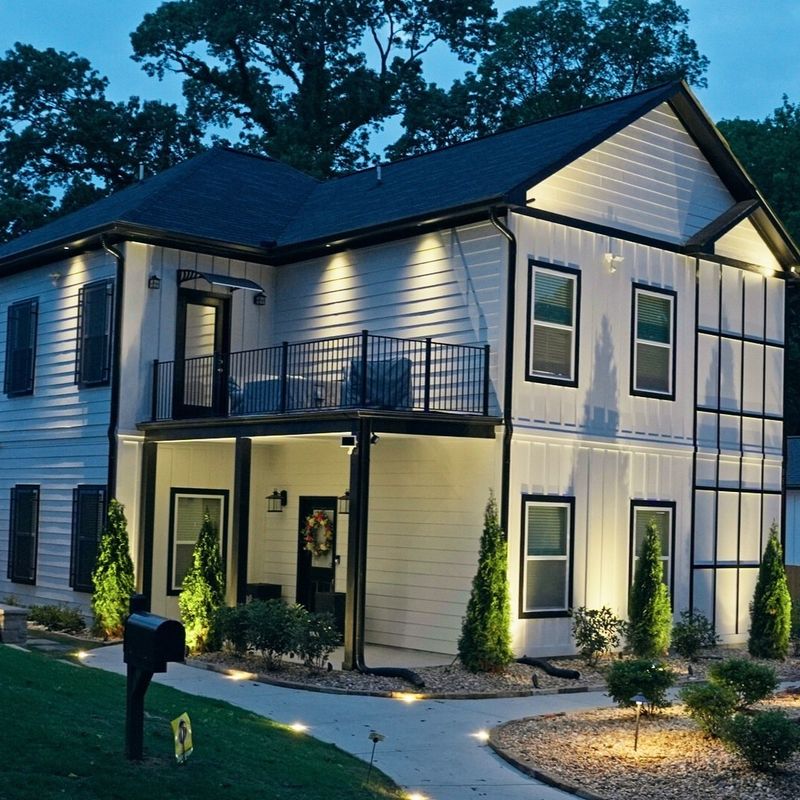
Security and landscape lighting can enhance your home’s safety and beauty, but excessive brightness that spills into neighboring properties is becoming a hot-button issue in Arkansas.
More neighborhoods are adopting dark-sky ordinances and light nuisance rules to protect residents from intrusive glare and preserve natural nighttime environments.
If your outdoor lights are too bright or poorly aimed, you could face complaints and potential code violations.
Light pollution affects more than just your neighbors’ sleep.
It disrupts wildlife, wastes energy, and reduces everyone’s ability to enjoy starry skies.
Bright lights shining into bedroom windows can cause serious frustration and strain neighborhood relationships.
To stay compliant and considerate, choose fixtures with shields or downward-facing designs that direct light where you need it without spreading it everywhere.
Use motion sensors or timers to limit when lights are on, and select bulbs with appropriate brightness for your needs.
If a neighbor complains about your lighting, take it seriously and make adjustments.
Simple changes like repositioning fixtures, lowering wattage, or adding shields can resolve issues quickly and preserve good relationships.
Many cities offer guidelines or free consultations to help homeowners design lighting systems that balance security with courtesy.
Being mindful of how your lights affect others shows respect and prevents conflicts.
Thoughtful outdoor lighting keeps your property safe and attractive while allowing everyone to enjoy peaceful, restful evenings.
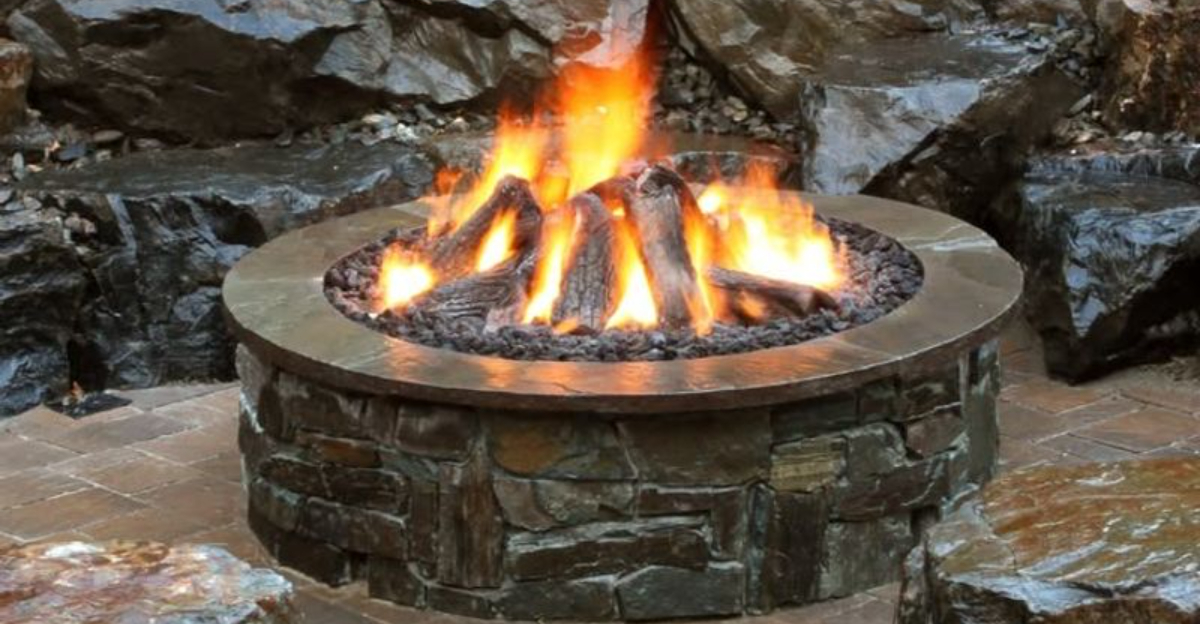
Fire Pits Or Burn Barrels Used During Burn Restrictions
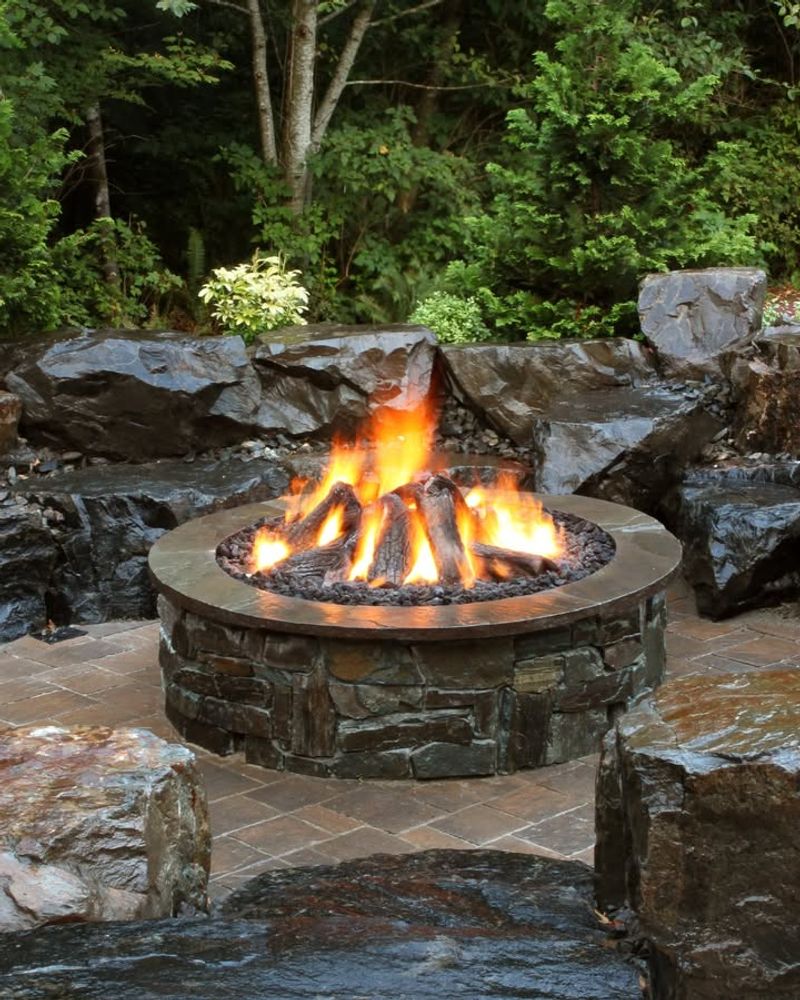
Fire pits and burn barrels are popular for cozy evenings and yard waste disposal, but Arkansas burn bans are enforced more strictly than ever.
During dry months and high fire danger periods, many counties prohibit open burning entirely, and violations can result in hefty fines or even criminal charges.
Ignoring burn restrictions puts your property, your neighbors, and entire communities at serious risk.
Burn bans are issued by county judges or state agencies based on weather conditions, drought levels, and fire risk assessments.
Even recreational fires in fire pits may be prohibited during these periods, regardless of how safe you believe your setup is.
Before lighting any outdoor fire, check current burn restrictions through your county’s website, local news, or the Arkansas Department of Agriculture Forestry Division.
Many counties post daily updates and offer hotlines for quick information.
If burning is allowed, follow all safety guidelines: keep fires small, never leave them unattended, have water or extinguishers nearby, and avoid burning on windy days.
Consider alternatives like composting yard waste, using a chipper for branches, or taking debris to a local disposal site.
Respecting burn bans protects lives, property, and natural resources.
Wildfires can spread rapidly in dry conditions, and a single spark from an illegal fire can cause devastating damage.
Enjoying your fire pit responsibly and staying informed about restrictions keeps everyone safe and keeps you on the right side of the law.
Dilapidated Or Unsafe Play Structures

That old swing set or treehouse might hold sentimental value, but if it has become unsafe, Arkansas code enforcement officers are taking notice.
Broken play structures, unstable decks, and hazardous yard equipment are being cited more frequently as cities prioritize safety and property maintenance.
Structures with missing boards, rusted hardware, or rotting wood pose serious injury risks and can result in fines or mandatory removal orders.
Children are naturally drawn to play structures, even ones in neighboring yards, so a dangerous playset is not just your problem.
Liability concerns also come into play if someone gets hurt on your property, even if you did not give permission for them to use the equipment.
Inspect your yard structures regularly for signs of wear, rot, or instability.
Tighten loose bolts, replace worn parts, and remove any structure that cannot be safely repaired.
If you are unsure whether something is safe, consult a professional or err on the side of caution and take it down.
Many cities offer free bulk trash pickup or disposal services for large items like old playsets.
Removing hazards promptly protects children, improves your yard’s appearance, and keeps you compliant with local safety codes.
If you want to keep a play structure, maintain it properly and ensure it meets current safety standards.
A safe, well-maintained play area adds joy and value to your home, while a neglected one invites trouble and legal issues.
Invasive Plants Listed For Control Or Removal

Invasive plants like kudzu, Japanese honeysuckle, and Johnsongrass might seem harmless or even attractive, but Arkansas cities and counties are increasingly targeting them for control or removal.
These aggressive species choke out native plants, damage structures, and disrupt local ecosystems.
Allowing invasive plants to spread on your property can result in citations, mandatory removal orders, and costs for professional eradication.
Kudzu is perhaps the most notorious invader, capable of growing a foot per day and covering entire trees, buildings, and fences.
Johnsongrass spreads rapidly through lawns and gardens, making it nearly impossible to eliminate once established.
These plants do not just stay on your property—they spread to neighbors’ yards and public lands, creating community-wide problems.
Check your local noxious weed list to identify invasive species in your area.
Many counties offer free identification services and control recommendations through extension offices.
Early detection and removal are key to preventing infestations from getting out of hand.
Removing invasive plants often requires persistent effort, including cutting, digging, and sometimes chemical treatments.
Professional landscapers or environmental services can help with large infestations.
Replacing invasive species with native plants benefits your yard and the environment.
Native plants require less water, support local wildlife, and enhance your property’s natural beauty.
Taking responsibility for invasive plant control protects your investment, supports your community, and preserves Arkansas’s natural heritage for future generations.
Front Yard Vegetable Gardens In HOA-Controlled Neighborhoods
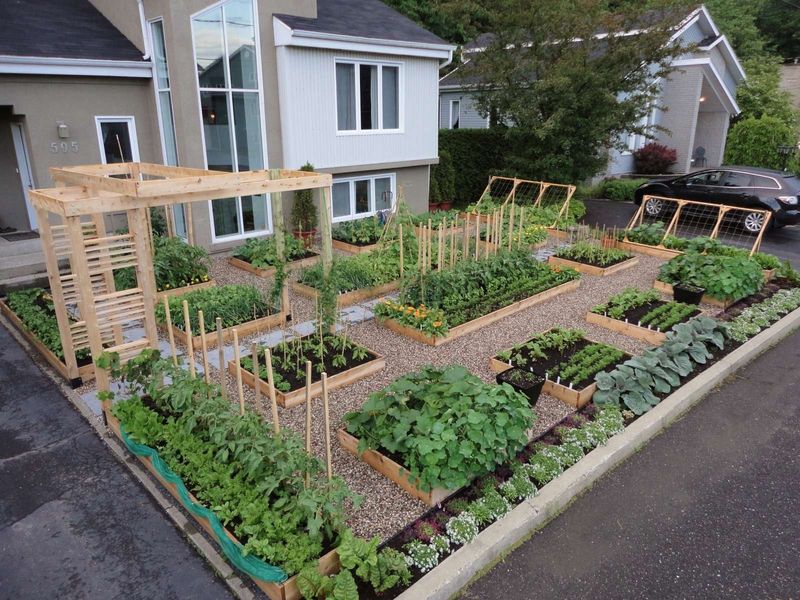
Growing your own vegetables is rewarding and sustainable, but front yard gardens are stirring controversy in HOA-controlled Arkansas neighborhoods.
Many homeowners associations restrict or prohibit edible gardens in front yards to maintain uniform appearances and uphold community standards.
Violating these rules can result in fines, forced removal of your garden, and ongoing disputes with your HOA board.
HOAs argue that front yard gardens can look messy, attract pests, and reduce curb appeal.
However, many gardeners counter that well-designed vegetable gardens can be beautiful, productive, and environmentally friendly.
The debate continues, but HOA rules are legally binding, and ignoring them can lead to serious consequences.
Before planting, review your HOA’s covenants, conditions, and restrictions carefully.
Some associations allow front yard gardens if they meet specific design standards, such as raised beds, neat borders, or mixed ornamental and edible plantings.
Others ban them entirely or limit edible plants to backyards.
If your HOA prohibits front yard gardens, consider requesting a variance or proposing rule changes at the next board meeting.
Presenting a well-designed plan and showing examples of attractive edible landscapes can help build support.
Alternatively, focus your gardening efforts on your backyard or use containers on patios and porches.
Many vegetables thrive in pots and raised beds, giving you flexibility without violating HOA rules.
Respecting community guidelines while advocating for change keeps you in good standing and promotes thoughtful conversations about sustainable living.