10 Yard Features That Could Be Restricted In Tennessee Neighborhoods
Many Tennessee homeowners dream of creating the perfect outdoor space, filled with decorative touches, functional structures, and elements that reflect personal style.
However, if you live in a neighborhood governed by a homeowners association, you might be surprised to learn that certain yard features are subject to strict rules.
From fences and sheds to whimsical decorations like flamingos, knowing what may be restricted helps you avoid violations, fines, or disputes with your HOA.
Here are ten yard features that Tennessee HOAs commonly regulate or restrict entirely, along with tips to stay compliant while keeping your outdoor space beautiful and functional.
1. Fences That Push Height Or Style Boundaries

Picture this: you want privacy, security, or maybe just a nice backdrop for your garden beds.
A fence seems like the obvious solution, right?
Not so fast if you live under HOA rules.
Most associations in Tennessee have detailed guidelines about fence height, material, color, and even placement.
Your dream six-foot privacy fence might violate a rule limiting front yard fences to four feet.
Some HOAs only allow certain materials like wood or vinyl and ban chain link altogether.
Placement matters too.
Installing a fence too close to the street or a neighbor’s property line can trigger complaints.
Even the color might need approval—bright white might be fine, but bold red could be off-limits.
Before you dig post holes or call a contractor, check your community’s covenants.
Submit plans and get written approval to avoid tearing down your brand-new fence.
Understanding these limits saves you time, money, and neighborhood drama.
A little homework upfront makes all the difference when planning your perfect yard boundary.
2. Outbuildings And Structures Without The Green Light
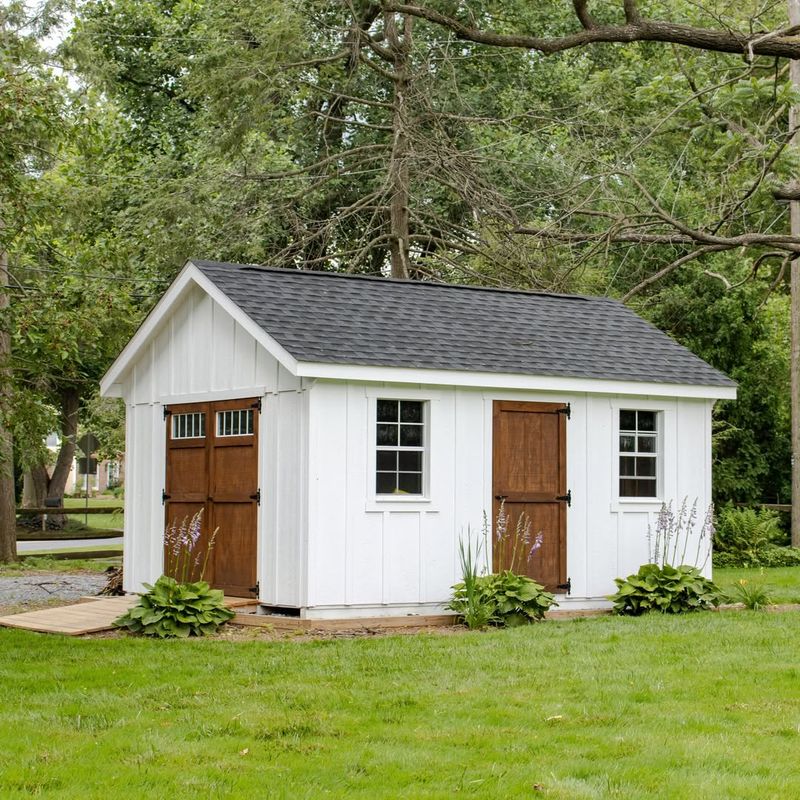
Ever thought about adding a shed for garden tools or a charming gazebo for summer evenings?
These additions seem harmless enough, but HOAs often have strict rules about outbuildings.
Permanent structures like large sheds, greenhouses, or gazebos usually require advance approval.
Associations want to ensure these additions match the neighborhood’s overall look and don’t obstruct sightlines or violate setback requirements.
Size, color, roofing material, and even window style might be regulated.
Some communities ban outbuildings entirely in certain zones, especially front or side yards.
Others allow them only if they’re hidden from street view or painted to match your home.
Temporary structures like pop-up canopies might also fall under scrutiny depending on how long they stay up.
Skipping the approval process can lead to removal orders and fines.
Even if your neighbor has a similar structure, rules may have changed since theirs was built.
Always submit detailed plans showing dimensions, materials, and placement before starting construction.
Getting that approval letter protects your investment and keeps your relationship with the HOA smooth and stress-free.
3. Swimming Pools, Hot Tubs, And Water Features
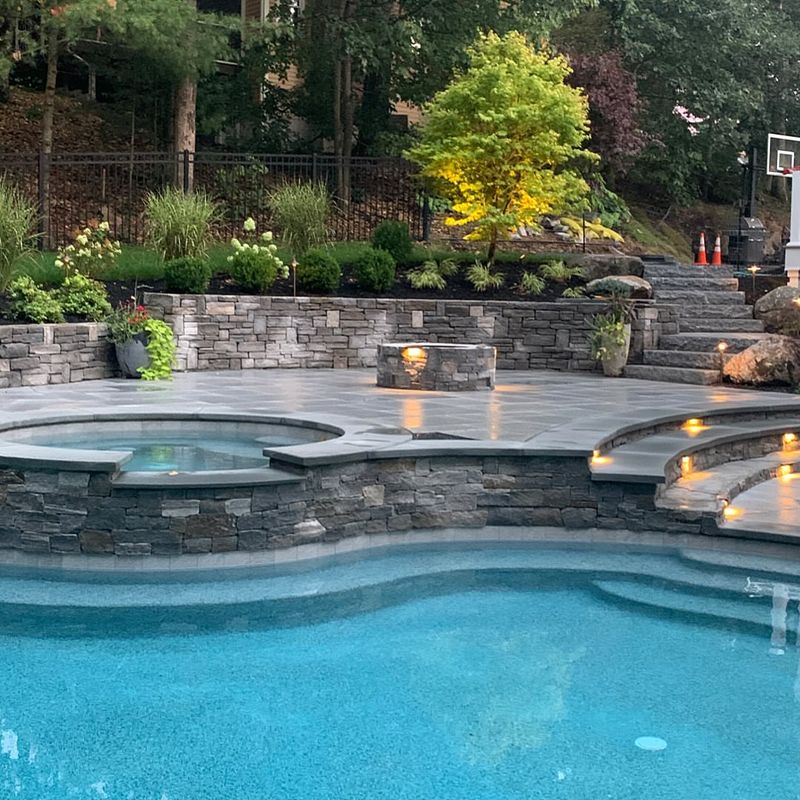
A backyard pool or hot tub sounds like the ultimate summer upgrade.
But in Tennessee neighborhoods with HOAs, these water features come with layers of regulation.
Inground pools typically require permits from both your local government and your HOA.
Associations often mandate specific fencing heights and styles for safety, plus proper drainage to prevent water runoff issues.
Even the pool’s location matters—setbacks from property lines and neighbor views are common concerns.
Hot tubs face similar scrutiny.
While they’re smaller, they still need approval, especially if they’re permanently installed or visible from the street.
Some HOAs restrict above-ground pools entirely or require screening with landscaping or fencing.
Permanent water features like fountains or ponds might also need a thumbs-up.
Noise from pumps, potential mosquito breeding, and aesthetic consistency all factor into HOA decisions.
Skipping these steps can result in costly removal or modification orders.
Before you start digging or shopping, review your community guidelines and submit a complete application with diagrams, dimensions, and safety plans to ensure your aquatic dream becomes a reality without headaches.
4. Eye-Catching Outdoor Décor And Yard Decorations
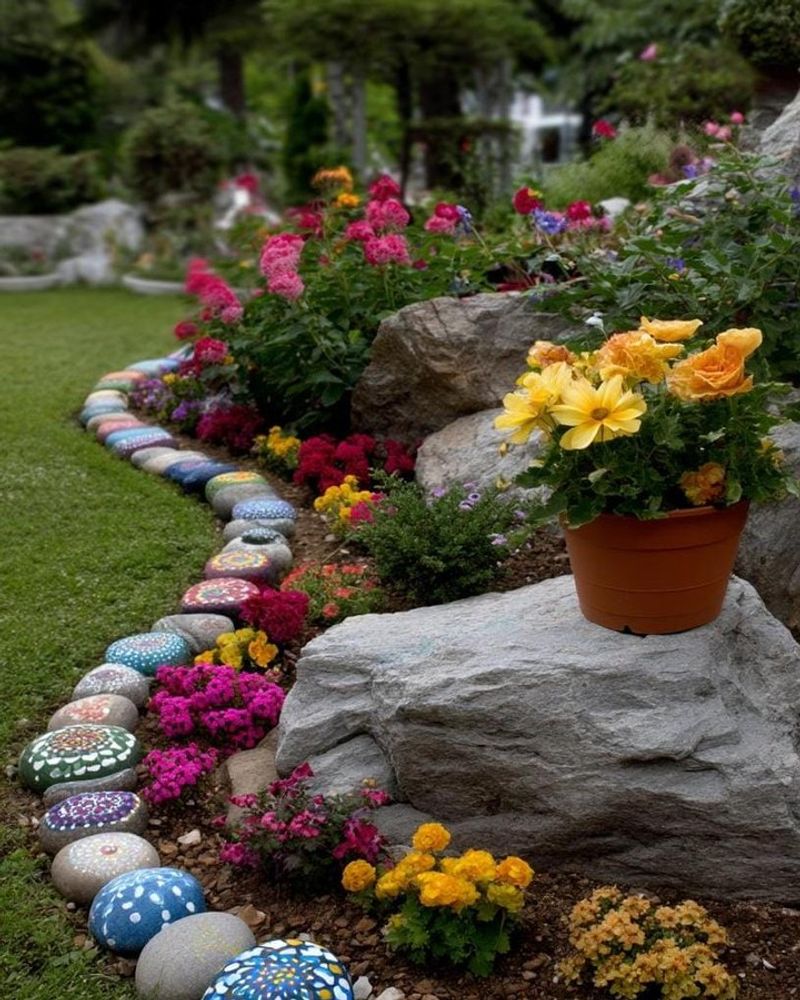
Expressing your personality through yard décor is fun—until your HOA decides it clashes with the neighborhood vibe.
Bright paint colors, whimsical ornaments, and flashy decorations often fall under association rules.
Many Tennessee HOAs enforce aesthetic standards to maintain property values and visual harmony.
That neon pink flamingo or oversized garden gnome might be deemed too bold or non-conforming.
Even holiday decorations can be restricted in timing, size, or brightness.
Excessive decorative lighting, like multi-colored string lights or spotlights, might violate guidelines meant to reduce visual clutter.
Some associations allow tasteful seasonal displays but require removal within a specific timeframe after holidays.
Permanent fixtures like statues or fountains may need pre-approval.
What seems like harmless self-expression can trigger violation notices.
Before you decorate, read your HOA’s rules on colors, materials, and placement.
If you’re unsure, ask the board for clarification or submit photos of what you plan to install.
Staying within guidelines doesn’t mean sacrificing style—it just means choosing décor that complement your home and respects community standards while still showcasing your unique taste and creativity.
5. Loud Or Permanent Outdoor Audio Systems
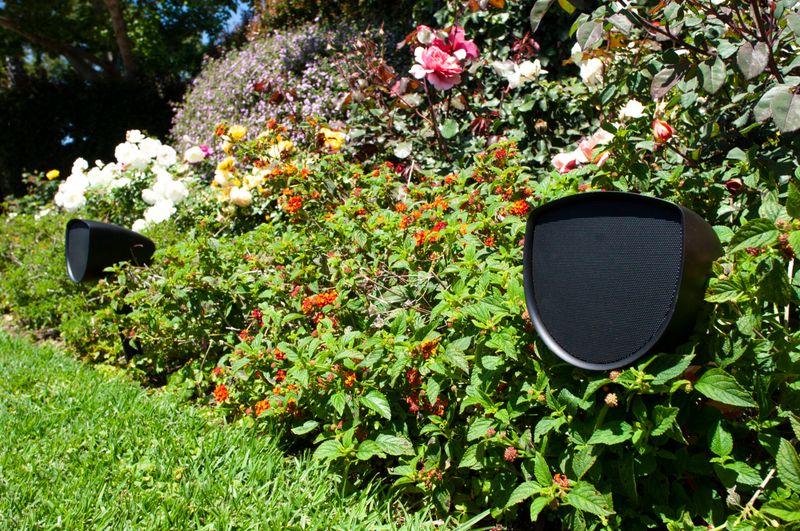
Imagine hosting a backyard barbecue with your favorite playlist streaming through outdoor speakers.
Sounds perfect, right?
But if those speakers are permanent or too loud, your HOA might have something to say.
Many associations regulate outdoor audio systems to preserve neighborhood tranquility.
Permanent installations, especially those visible from public areas or neighboring properties, often require approval.
Volume levels and usage times might also be restricted to prevent disturbances.
Even temporary setups can cause issues if they’re used frequently or at high volumes.
Noise complaints from neighbors can lead to violation notices, fines, or mandated removal of equipment.
Some HOAs specify acceptable decibel levels or quiet hours that residents must follow.
Before installing a sound system, check your community’s noise ordinances and HOA covenants.
Consider speaker placement that minimizes sound travel to neighboring yards.
Portable systems offer flexibility without the commitment of permanent fixtures.
Communicating with neighbors about your plans can also prevent conflicts.
Enjoying your outdoor space with music is absolutely possible—you just need to balance personal enjoyment with community respect and follow the established guidelines to keep everyone happy and harmonious.
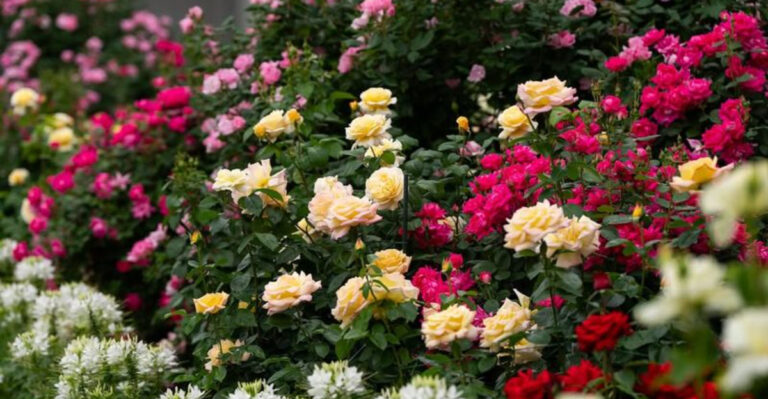
6. Landscaping Choices And Plant Restrictions
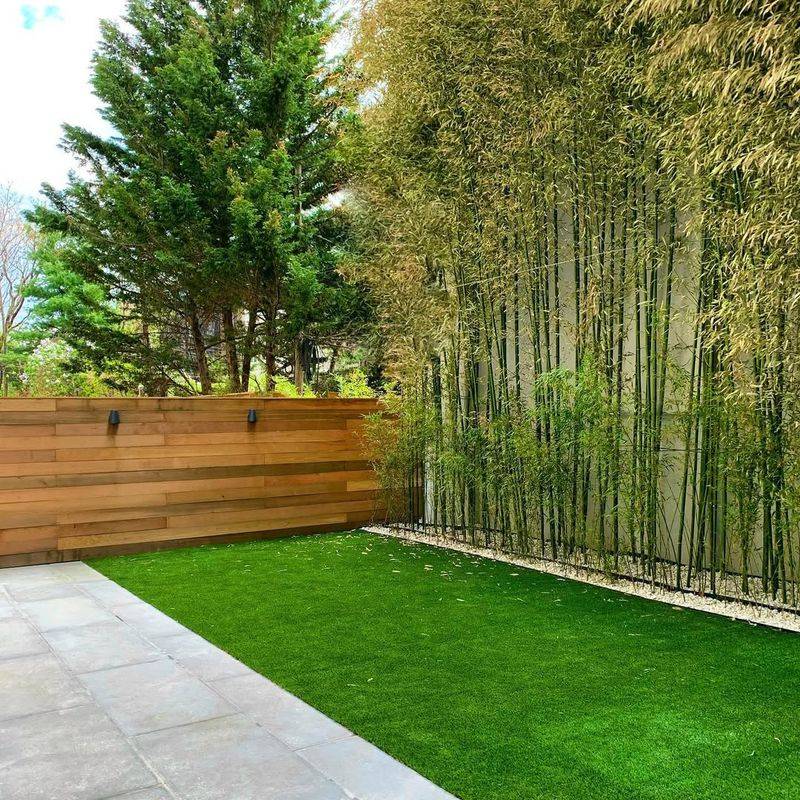
Choosing plants for your yard should be straightforward, but HOAs sometimes limit what you can grow.
Invasive species, overly tall plants, or landscaping that strays from the neighborhood aesthetic might be restricted.
Some Tennessee associations ban specific plants known to spread aggressively or require excessive maintenance.
Bamboo, certain ornamental grasses, and fast-spreading ground covers often make the prohibited list.
Height restrictions prevent trees or shrubs from blocking views, obstructing sidewalks, or overshadowing neighbors.
HOAs may also enforce a cohesive landscaping style.
If your community favors manicured lawns and traditional shrubs, a wildflower meadow or rock garden might need approval.
Native plants are usually encouraged, but even those could face scrutiny if they look untidy or grow too tall.
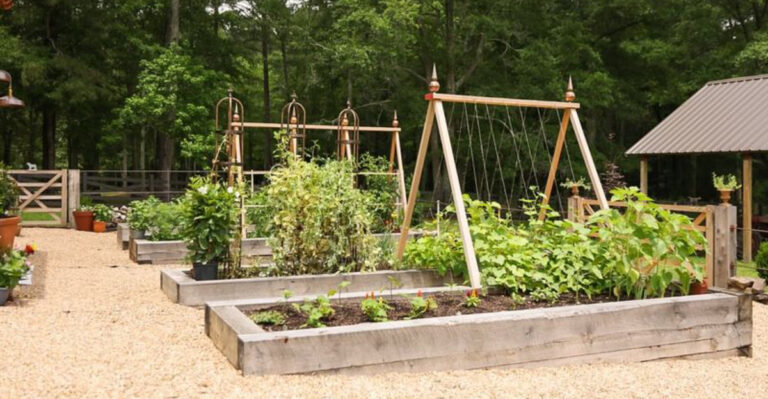
Before planting, consult your HOA’s landscaping guidelines.
Submit a plan if you’re making significant changes, especially in front yards visible from the street.
Working with approved plant lists and professional landscapers familiar with local rules can help.
Thoughtful planning ensures your yard looks beautiful while meeting community standards, letting you enjoy gardening without worrying about violation notices or forced removal of your favorite plants and trees.
7. Parking Oversized Vehicles In Visible Areas
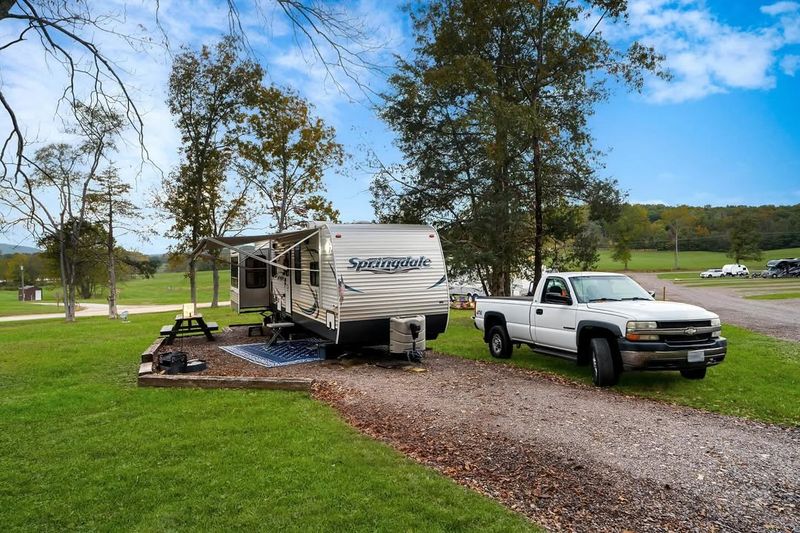
Your RV, boat, or work truck might be essential, but parking it in your driveway or yard could violate HOA rules.
Many Tennessee associations restrict oversized or commercial vehicles in visible areas.
These rules aim to maintain curb appeal and prevent neighborhoods from looking like parking lots.
Boats, trailers, RVs, campers, and commercial trucks often must be stored in garages, backyards, or off-site facilities.
Even pickup trucks with commercial signage might be restricted if they’re parked in front yards or driveways overnight.
Size limits vary by community.
Some HOAs allow vehicles under a certain length or height, while others ban anything beyond standard passenger cars.
Temporary parking during loading or unloading is usually permitted, but long-term visible storage is not.
Violating these rules can result in fines or towing at your expense.
If you need to keep a large vehicle at home, check if your HOA allows screened storage or permits for specific situations.
Communicating with your board about your needs might lead to reasonable accommodations.
Understanding parking restrictions before buying an RV or boat saves hassle later and helps you plan appropriate storage solutions that comply with community standards.
8. Lawn Maintenance And Yard Upkeep Standards
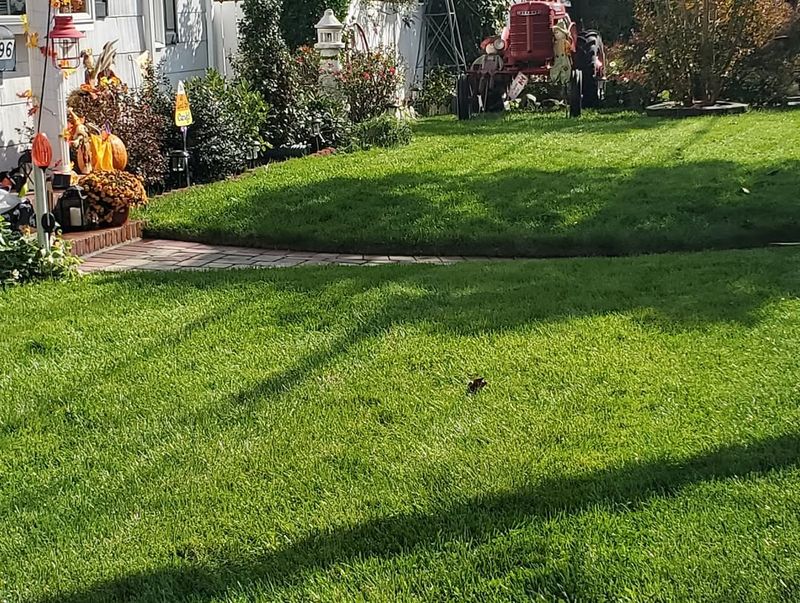
Mowing your lawn might seem like a personal choice, but HOAs often have specific requirements about yard maintenance.
Regular mowing, edging, and weed control are typically mandatory to keep neighborhoods looking tidy.
Associations set standards for grass height, often requiring lawns to stay below a certain number of inches.
Overgrown grass, weeds, or unkempt landscaping can trigger violation notices and fines.
Even during winter dormancy, when grass naturally browns, some HOAs expect yards to look maintained.
These rules extend beyond grass.
Flower beds should be weeded, mulch refreshed, and shrubs trimmed.
Bare patches might need reseeding, and fallen leaves should be cleared promptly.
HOAs argue that consistent maintenance protects property values and community appearance.
If you’re unable to keep up with maintenance due to health, travel, or other reasons, consider hiring a lawn service.
Some associations offer temporary leniency with proper communication and documentation.
Ignoring maintenance rules leads to escalating fines and potential liens on your property.
Staying on top of yard care not only keeps your HOA happy but also makes your home more enjoyable and attractive, creating a welcoming environment for you, your family, and your neighbors throughout every season.
9. Outdoor Lighting Type, Brightness, And Fixture Style
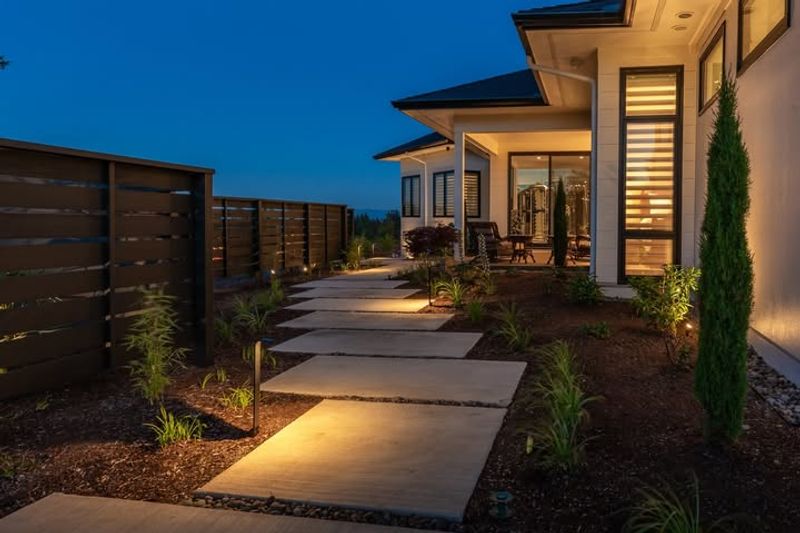
Lighting up your yard for safety and ambiance makes sense, but HOAs often regulate outdoor lighting to prevent light pollution and maintain aesthetics.
Fixture type, brightness, and placement might all require approval.
Many associations limit the brightness of outdoor lights to avoid glare that bothers neighbors or creates excessive illumination visible from the street.
Floodlights, spotlights, or overly bright security lights might be restricted or require shielding to direct light downward.
Color temperature and fixture style may also be regulated to ensure consistency across the neighborhood.
Decorative lighting like string lights, lanterns, or pathway lights might need approval, especially if they’re permanent installations.
Motion-sensor lights are usually acceptable, but constant illumination could violate rules.
Some HOAs prohibit colored or flashing lights outside of approved holiday periods.
Before installing new lighting, review your HOA’s guidelines on wattage, fixture design, and placement.
Submitting a lighting plan with photos or specifications can expedite approval.
Choosing fixtures that balance functionality with community standards helps you enjoy a well-lit yard without complaints.
Proper lighting enhances your home’s safety and beauty while respecting neighbors’ comfort, ensuring your outdoor space remains welcoming and compliant with all established community regulations and expectations.
10. Temporary Structures And Yard Modifications
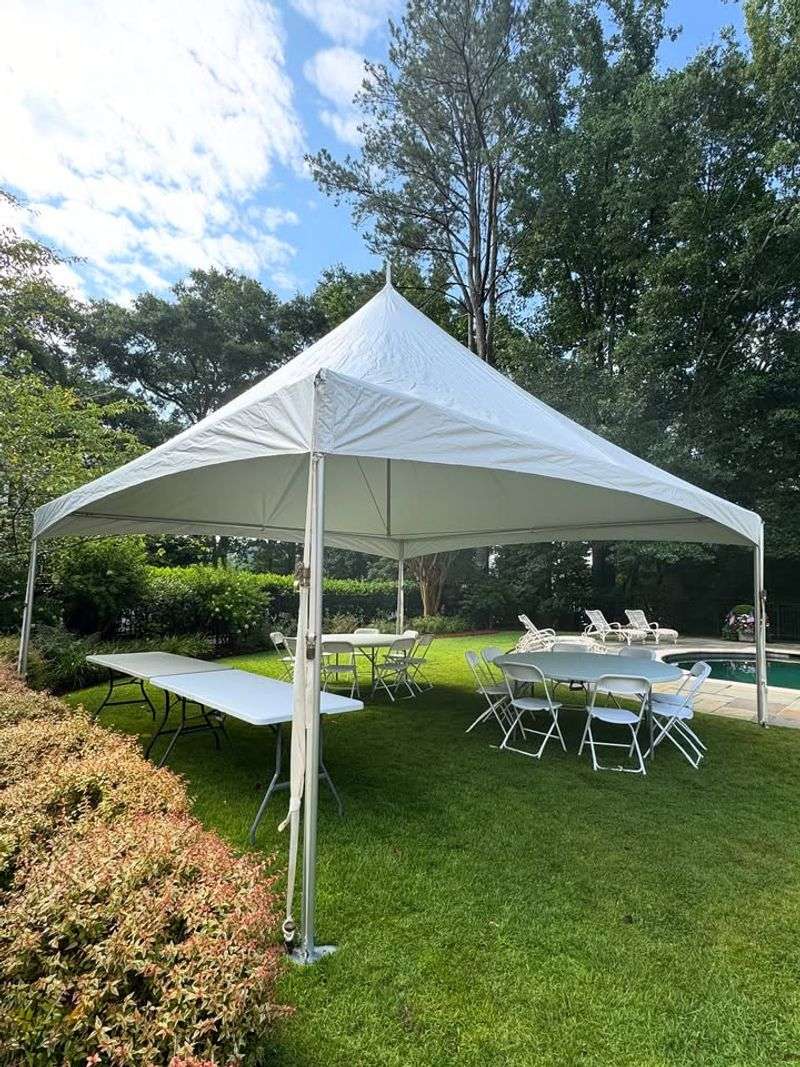
Sometimes you need a temporary fix—a tent for a party, a tarp over equipment, or a clothesline for drying laundry.
But even temporary structures can run afoul of HOA rules in Tennessee neighborhoods.
Associations often regulate tents, canopies, tarps, and portable shelters, especially if they remain visible for extended periods.
What starts as a weekend camping tent might become a violation if it stays up for weeks.
Clotheslines, while eco-friendly, are frequently banned or restricted to backyards where they’re not visible from the street.
Satellite dishes and antennas present another challenge.
Federal law protects your right to install them, but HOAs can still regulate size, placement, and appearance to some extent.
Temporary storage pods or construction dumpsters typically require approval and time limits.
Before setting up any temporary structure, check your HOA’s rules on duration, placement, and appearance.
Many associations allow temporary items for events with advance notice but expect prompt removal afterward.
Keeping communication open with your HOA prevents misunderstandings.
Temporary doesn’t always mean unrestricted, so planning ahead and seeking approval when needed keeps your yard functional and compliant, allowing you to use your outdoor space flexibly while respecting community guidelines and maintaining positive relationships with neighbors and your association.