Common Yard Features That May Face Local Restrictions In Iowa
Spring flips a switch across Iowa yards. Lawns wake up, garden centers fill with eager shoppers, and suddenly everyone has a new backyard idea.
A raised bed here, a fire pit there, maybe a patio or a fresh row of flowering shrubs. The urge to upgrade outdoor spaces hits hard once the soil starts warming.
One small detail often slips under the radar. Not every yard feature works the same way everywhere.
Local ordinances, zoning rules, and safety guidelines can shape how certain projects take shape in Iowa neighborhoods. Cities and counties set these rules to reduce fire risks, manage drainage, protect wildlife habitat, and keep public spaces safe.
None of that means creativity stops at the property line. Smart planning simply helps projects run smoother.
A quick look at common restrictions can save time, money, and a few unexpected headaches once the shovel finally hits the ground.
1. Backyard Fire Pits And Outdoor Burning
Evenings around a small backyard fire can be one of the most enjoyable parts of Iowa’s outdoor season. As temperatures cool in late spring and fall, many homeowners gather around fire pits to relax or spend time with friends and family.
Because open flames carry safety concerns, many cities in Iowa have adopted rules that guide how these features are used.
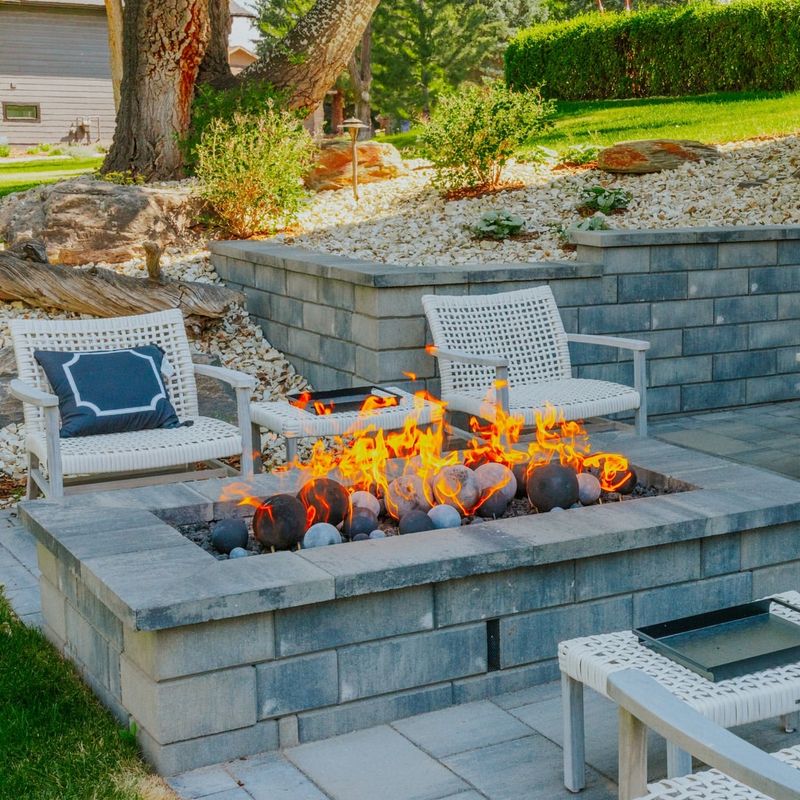
Local fire codes often regulate the size and placement of fire pits. Many communities require them to sit a certain distance from homes, fences, trees, or other structures.
These setbacks help reduce the risk of sparks reaching nearby materials. Some towns also restrict what fuels may be used.
Natural wood is typically acceptable, while yard debris, treated lumber, or household waste may be prohibited due to smoke and air quality concerns.
Weather conditions also play a role. During dry periods, burn bans or temporary restrictions may limit outdoor fires until moisture levels improve.
These decisions are usually made by local officials based on current conditions.
For homeowners planning to add a fire feature, choosing a small, contained design often works well. Metal fire bowls or masonry fire pits with spark screens can help manage embers and smoke.
Placing the feature on a non-flammable surface such as gravel, stone, or pavers can also improve safety. With thoughtful placement and attention to local rules, fire pits can remain a welcoming part of many Iowa yards.
2. Tall Plants Near Streets And Sidewalks
Driving through neighborhoods in Iowa, it is easy to notice how landscaping shapes the look of each street. Flowering shrubs, ornamental grasses, and perennial borders add beauty to residential areas.
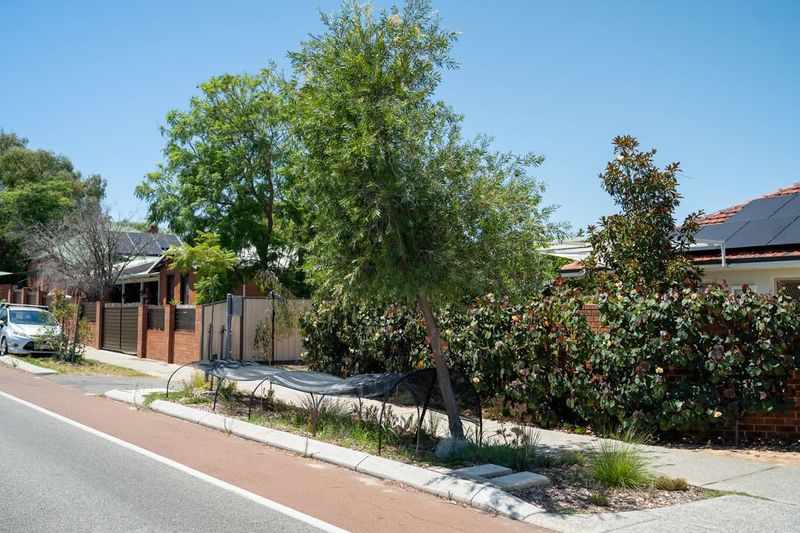
At the same time, cities often enforce vegetation rules near intersections, sidewalks, and driveways to keep visibility clear for drivers and pedestrians.
Tall plantings located close to streets can sometimes create blind spots. When shrubs or grasses grow into the line of sight at corners or near driveway exits, drivers may have difficulty seeing oncoming traffic or people walking along sidewalks.
For this reason, many Iowa communities include visibility triangles in their zoning codes. These rules limit the height of plants within a certain distance of intersections.
Gardeners in Iowa can still enjoy a wide range of landscape plants while following these guidelines. Lower growing perennials such as coneflowers, prairie dropseed, or daylilies often work well in areas close to sidewalks.
Taller shrubs and grasses can be placed farther back in the yard where they will not interfere with sightlines.
Routine pruning also helps maintain safe plant heights. During the growing season, many shrubs respond well to light trimming that keeps them neat while preserving their natural shape.
With thoughtful placement and seasonal maintenance, Iowa landscapes can remain attractive while supporting safe travel through neighborhoods.
3. Invasive Plant Species In Residential Landscapes
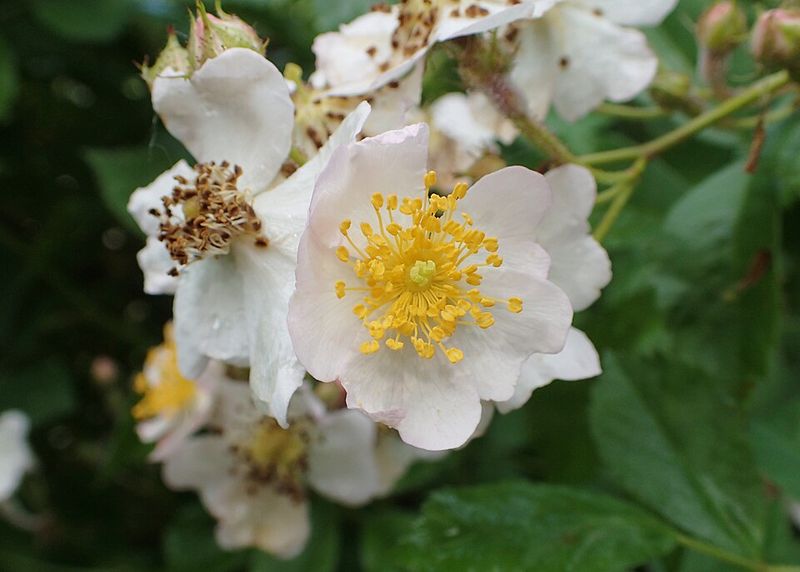
Gardeners across Iowa often enjoy trying new plants, especially varieties that grow quickly or create dense screens along property lines.
While these plants can look attractive in a landscape, some species have a tendency to spread beyond the garden and into nearby natural areas.
Invasive plants can move into prairies, woodlands, and stream corridors where they compete with native vegetation.
Once established, they may spread through seeds, underground stems, or fast growing shoots that expand well beyond the original planting site.
Over time, this growth can reduce plant diversity in natural habitats.
Several plants frequently discussed in Midwest gardening include bush honeysuckle, garlic mustard, and multiflora rose. These species have shown the ability to spread aggressively in parts of Iowa.
Although homeowners are generally not prohibited from planting many of these species, conservation programs often encourage gardeners to consider alternatives that fit better with local ecosystems.
Many native plants grow well in Iowa’s climate, which includes humid summers, cold winters, and periods of heavy rainfall. Shrubs such as ninebark and serviceberry offer seasonal interest with flowers, berries, and fall color.
Native grasses and perennials can also add texture and movement while supporting pollinators.
Choosing plants that stay well behaved in the landscape helps gardens remain easier to manage over time. It can also strengthen the connection between residential yards and the surrounding natural environment found across Iowa.
4. Yard Waste Burning And Debris Disposal
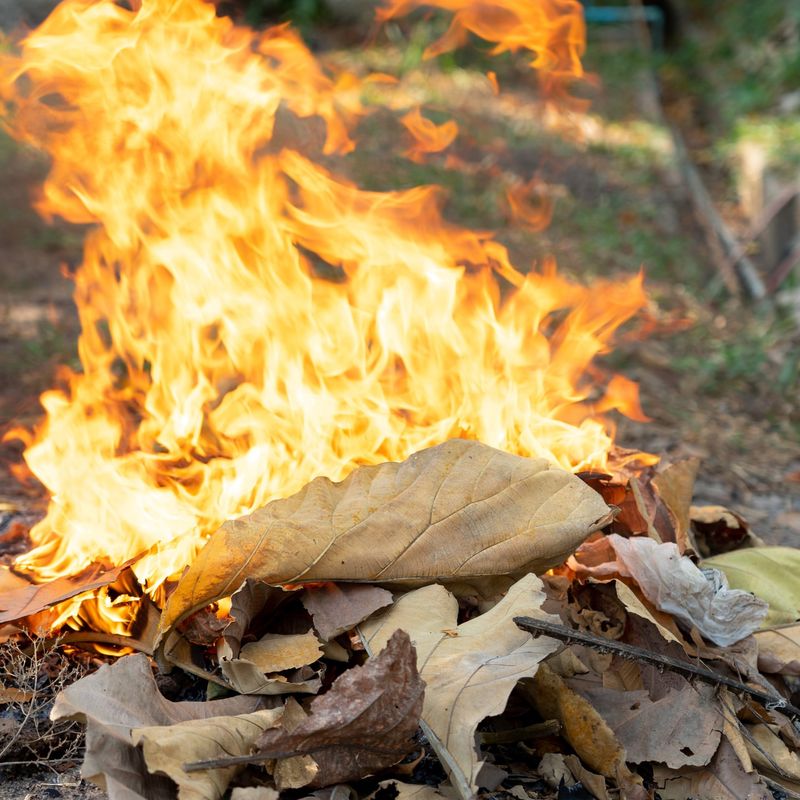
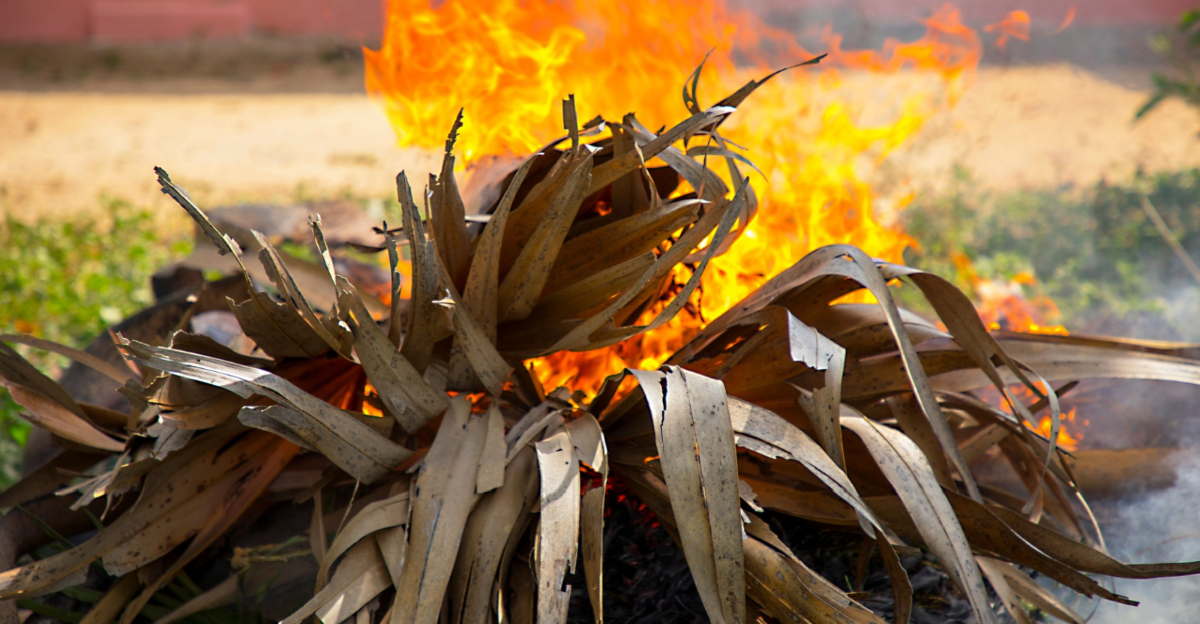
After a busy weekend of raking leaves or trimming branches, many homeowners are left with piles of yard debris.
While burning yard waste was more common in the past, many Iowa communities now regulate or discourage this practice due to air quality and safety concerns.
Smoke from burning leaves or grass clippings can travel through neighborhoods and affect nearby homes. Because of this, several cities restrict yard waste burning within city limits or allow it only during specific times of year.
Regulations often focus on reducing smoke, preventing accidental fires, and encouraging more environmentally friendly disposal options.
Composting has become a popular alternative for many gardeners in Iowa. Leaves, grass clippings, and small plant materials break down naturally when placed in a compost pile or bin.
Over time, the material transforms into nutrient rich compost that can be returned to garden beds or lawns.
Municipal yard waste programs also provide convenient options. Many communities offer seasonal pickup services or designated drop-off locations where residents can dispose of leaves, branches, and garden debris.
These materials are often processed into compost or mulch that can later be reused in landscaping projects.
Using composting or municipal programs can help gardeners manage yard waste while supporting soil health. These approaches also align well with the broader goal of maintaining clean air and safe neighborhoods throughout Iowa.
5. Large Impermeable Patios And Hardscaping
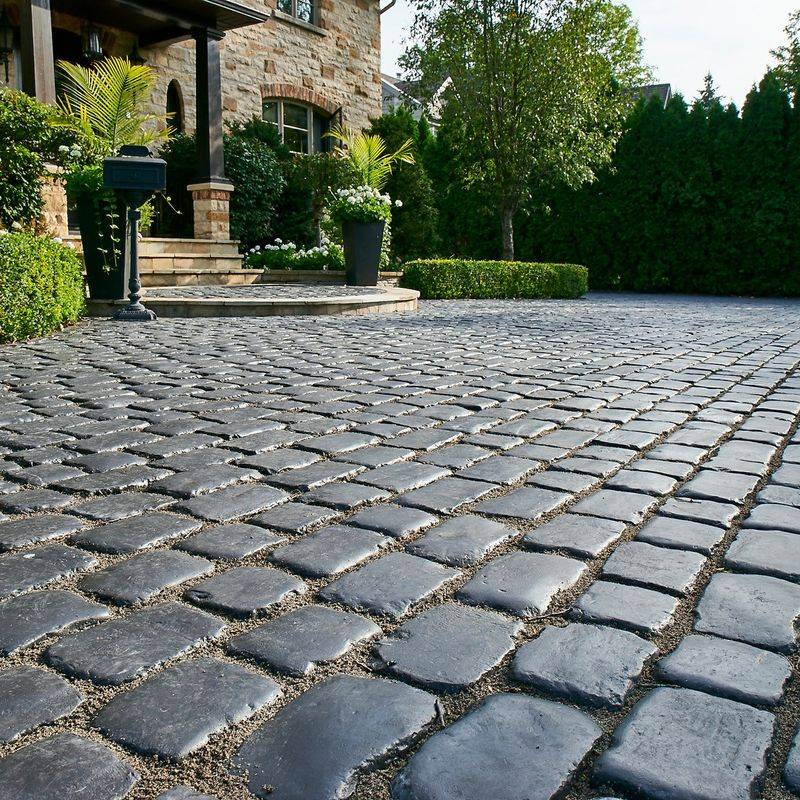
Outdoor living areas have become a popular feature in many Iowa landscapes. Patios, seating areas, and garden paths can transform a backyard into a comfortable place for relaxing or gathering with friends.
When large areas of paving are added, however, water movement across the property sometimes changes.
Rain that falls on concrete or tightly fitted pavers cannot easily soak into the soil. Instead, the water moves across the surface and into nearby drains or streets.
During strong storms, this runoff can contribute to drainage challenges in some neighborhoods.
Because of this, stormwater management has become an important topic in many Iowa communities.
Building codes and development guidelines occasionally address how much of a property may be covered with hard surfaces, particularly during larger construction projects or major property renovations.
Homeowners planning patios or walkways often explore materials that allow water to move through the surface more easily. Permeable pavers, gravel paths, and spaced stone designs leave small openings where rainfall can filter into the soil below.
These designs can help reduce runoff while still creating attractive outdoor living spaces.
Incorporating planting beds, rain gardens, or lawn areas near paved spaces can also help slow and absorb rainfall. With a thoughtful layout, patios and walkways can fit comfortably into Iowa landscapes while supporting healthy drainage.
6. Outdoor Lighting That Affects Neighboring Properties
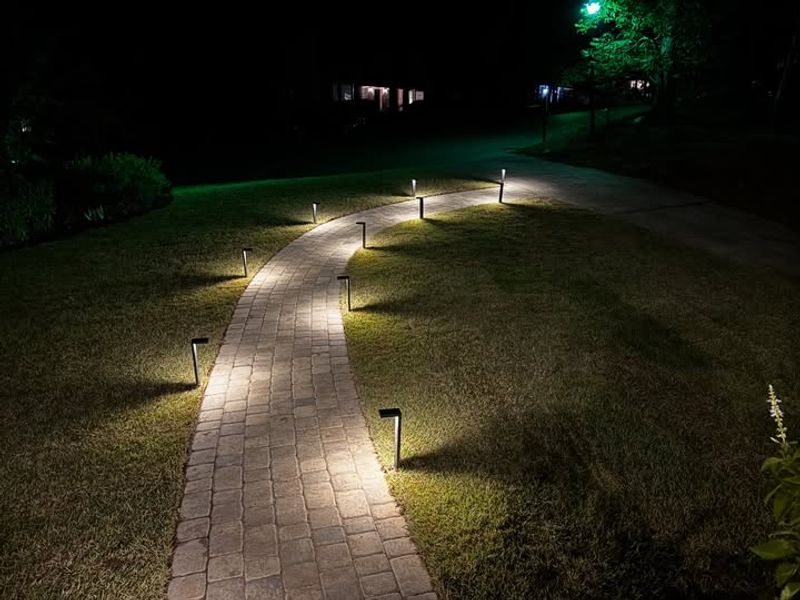
Warm summer evenings often bring life to Iowa yards long after sunset. Path lights, porch fixtures, and garden lighting can make outdoor spaces easier to use while highlighting plants and landscape features.
Occasionally, very bright lighting can create concerns in residential neighborhoods. Light that shines across property lines or directly into neighboring windows may lead to complaints or nuisance concerns.
For this reason, some local ordinances in Iowa address outdoor lighting placement and intensity. These rules typically focus on reducing glare and directing light toward the ground rather than outward toward nearby homes or streets.
Thoughtful lighting choices can make a noticeable difference. Fixtures that include shields or hoods help guide light downward where it is most useful.
Lower intensity bulbs often provide enough illumination for walkways and seating areas without creating excessive brightness.
Landscape lighting can also highlight specific garden features such as ornamental trees, flowering beds, or stone pathways.
When placed carefully, these lights add depth and visual interest to outdoor spaces while maintaining a comfortable nighttime environment.
Balanced lighting helps homeowners enjoy their gardens after dark while respecting the quiet atmosphere that many Iowa neighborhoods value.