11 Yard Features That Could Soon Be Banned In Wisconsin Neighborhoods
Most Wisconsin homeowners take pride in their yards, but local rules across the state are changing fast. Some outdoor features that were once common are now under scrutiny because of safety, environmental, or neighborhood standards.
Ignoring these changes could lead to fines, required removal, or costly redesigns. Your backyard favorite might be on the chopping block without you realizing it.
Features under review include structures or installations that affect stormwater runoff, block sightlines, interfere with natural drainage, or conflict with updated zoning codes.
Some water features, oversized hardscape areas, certain types of fences, and unpermitted structures may soon face restrictions.
Being aware of what local councils are proposing helps you plan wisely and avoid surprises. Know the rules before you build something you might have to take down later.
Wisconsin homeowners who stay informed and adapt their landscapes now can protect both their property value and their peace of mind. Stay ahead of the rules and keep your yard trouble-free.
1. Tall Privacy Fences
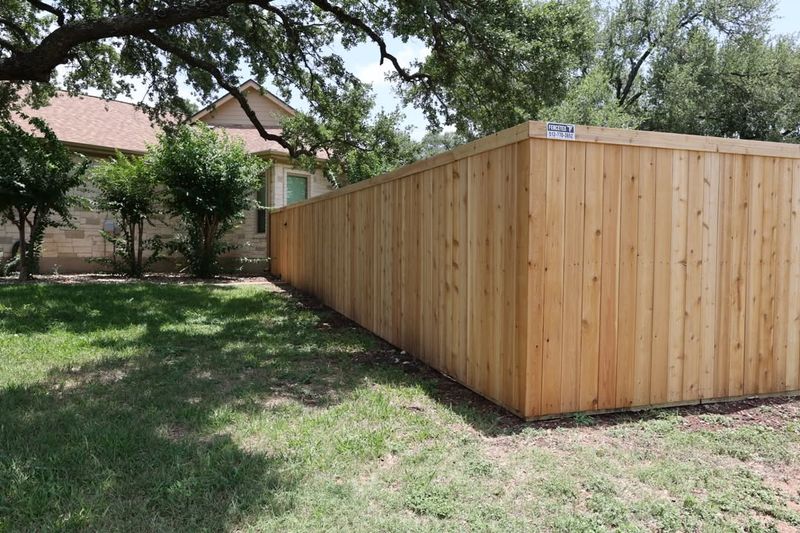
Six-foot privacy fences, once standard in Wisconsin neighborhoods, are increasingly under scrutiny. Many municipalities are reducing maximum allowable heights to 4 or 5 feet, especially in front yards.
The reasoning centers on safety and community aesthetics. Taller fences can block sightlines for drivers at intersections, creating hazards for pedestrians and vehicles alike.
Some neighborhood associations argue that shorter fences foster a friendlier, more open environment, while still providing reasonable privacy for homeowners.
Even when privacy is a priority, Wisconsin residents may need to consider setbacks, fence style, and materials to comply with local regulations.
In some communities, variance permits may be required for taller installations. Homeowners who install fences without approval could face fines or be required to lower existing structures.
Beyond safety and legal considerations, landscaping alongside fences, shrubs, trellises, and hedges, can enhance privacy while staying within height limits.
By balancing aesthetic desires with municipal rules, Wisconsin homeowners can maintain private spaces while promoting safe streets and neighborly interaction.
Awareness of current ordinances is essential, particularly for those planning new installations or replacing older fencing. Planning carefully now prevents future conflicts with authorities and ensures a functional, attractive yard.
2. Chicken Coops
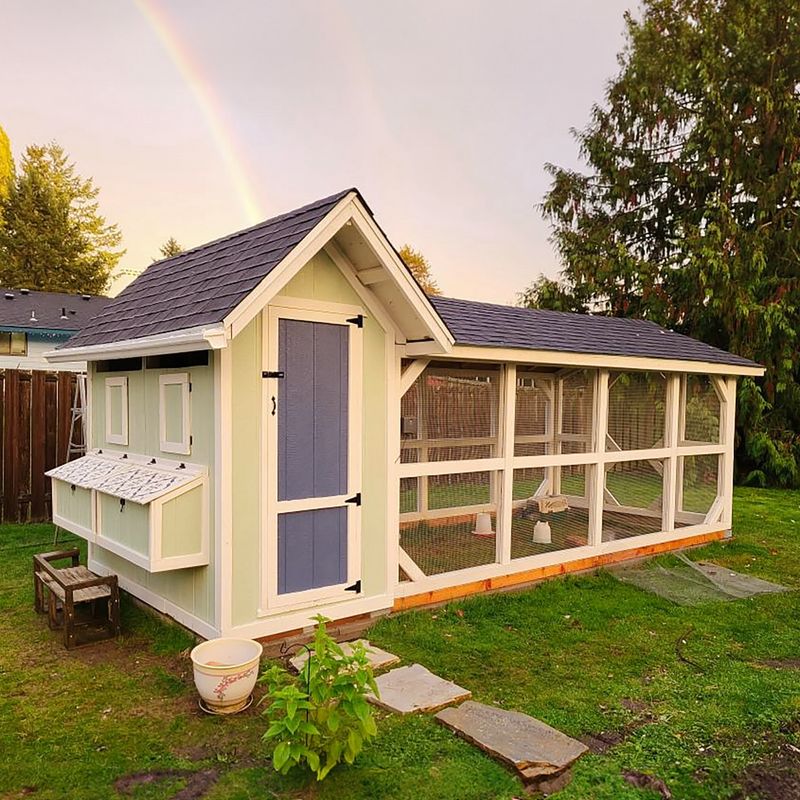
Backyard chickens have become popular in Wisconsin, but many communities are placing strict limits on keeping poultry. Urban and suburban areas often restrict the number of hens to 3 or 4 and prohibit roosters entirely.
Noise complaints and predator concerns drive these rules, as foxes, raccoons, and neighborhood dogs can threaten both birds and surrounding properties.
Some municipalities require permits, inspection, or even prohibit keeping chickens in dense residential areas.
Homeowners may also face specific setback rules, such as keeping coops away from property lines or neighbor homes. Wisconsin residents raising chickens must consider sanitation, odor control, and predator-proofing to comply with local ordinances.
Backyard poultry enthusiasts need to understand that these regulations balance the benefits of local egg production with neighborhood safety and aesthetics.
Proper planning includes securing coops with fencing, ensuring clean conditions, and positioning coops in rear yards where allowed.
For families with children, coops must be safe and accessible while avoiding conflicts with neighbors. Consulting local ordinances before establishing or expanding a flock prevents fines and helps maintain harmonious relationships in Wisconsin communities.
3. Front Yard Vegetable Gardens

Front yard vegetable gardens are becoming increasingly regulated in Wisconsin. While growing food is environmentally friendly, some municipalities are restricting garden size, visibility from the street, or requiring decorative borders.
The goal is to balance aesthetics with urban or suburban property standards. Some towns mandate that gardens be located in rear yards or adhere to strict maintenance standards to prevent overgrowth or messy appearances.
Property owners may also need to consider fencing, edging, or landscaping elements that preserve neighborhood charm. These rules often stem from concerns about property values, consistent curb appeal, and potential conflicts with neighbors.
In Wisconsin, front yard gardens can be permitted if designed thoughtfully, but checking local ordinances is crucial. Raised beds, decorative containers, and well-kept borders often meet regulations while providing food production benefits.
Planning a garden with both practicality and compliance in mind allows homeowners to enjoy fresh produce without violating community rules. Proper spacing, aesthetics, and signage can also help neighbors appreciate your garden rather than view it as a nuisance.
Understanding municipal standards now prevents disputes or fines later, keeping your Wisconsin yard productive and attractive.
4. Above-Ground Pools
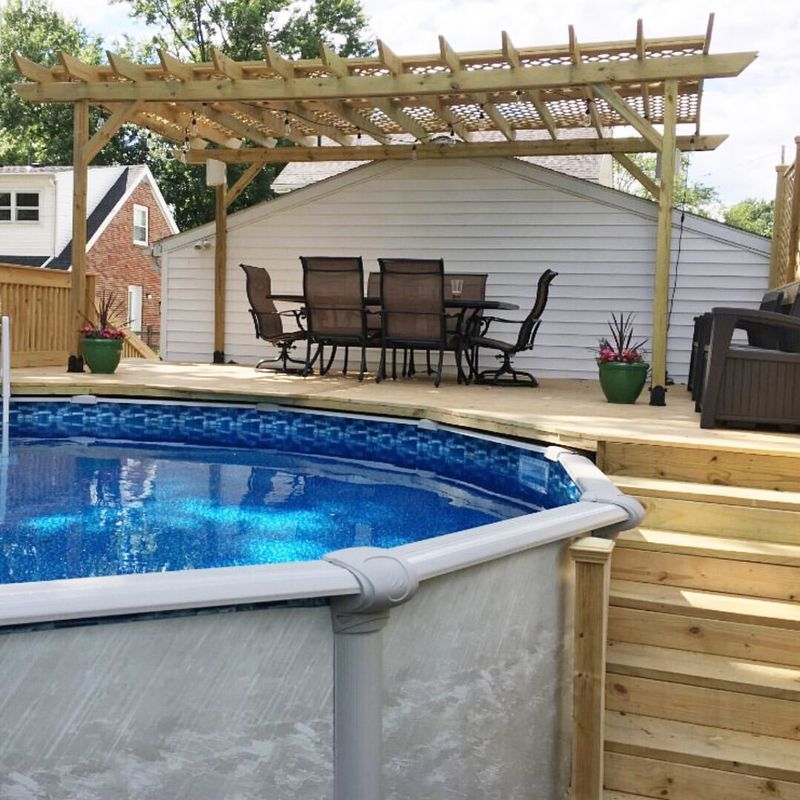
Above-ground pools in Wisconsin are facing stricter regulations due to safety and aesthetic concerns.
Many municipalities require fencing and locking gates around pools over 24 inches deep, while homeowner associations may mandate that pools be located in rear yards only.
Setbacks from property lines are often enforced to prevent hazards and maintain neighborly spacing. Some communities even ban above-ground pools entirely, encouraging in-ground alternatives instead.
Safety is a major driver of these rules, as unsupervised pools can lead to drowning incidents. In addition to physical safety, aesthetic regulations aim to ensure that large pools do not disrupt the visual character of the neighborhood.
Wisconsin homeowners must consider both city ordinances and HOA guidelines before installing a pool. Compliance may include submitting plans, installing appropriate fencing, and following maintenance rules.
Thoughtful placement and adherence to regulations allow families to enjoy recreational swimming while protecting children, pets, and neighbors.
Homeowners should also regularly inspect fences, gates, and pool covers to ensure continued compliance and safety throughout the summer months.
5. Elaborate Holiday Decorations
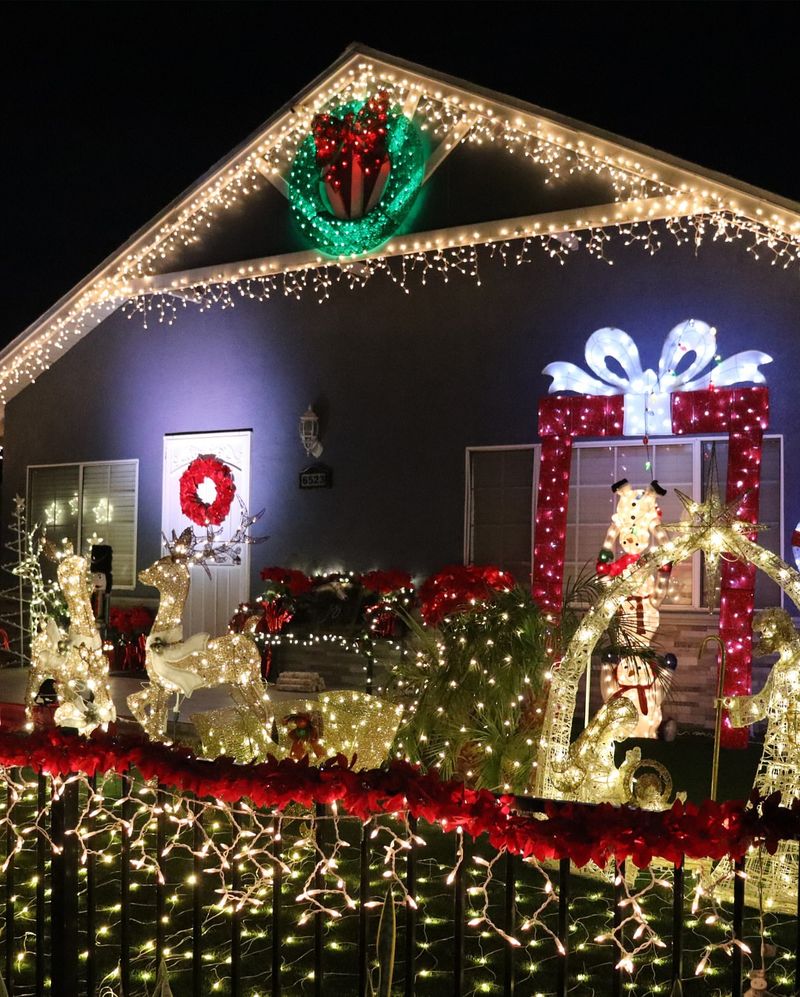
Spectacular holiday displays in Wisconsin are increasingly subject to regulations. Municipalities and homeowner associations often impose limits on installation duration, lighting wattage, and noise associated with animated displays.
Excessively bright or loud decorations can disturb neighbors, creating conflicts and prompting formal complaints.
Some communities require that lights be turned off by a specific time, while others restrict certain high-intensity displays to avoid traffic hazards or visual clutter.
Homeowners planning elaborate decorations should check local ordinances in advance to prevent fines or mandatory removal. Creative solutions, such as energy-efficient LEDs, timers, and motion sensors, allow residents to celebrate without violating rules.
Wisconsin residents also need to consider the impact of decorations on wildlife, snow accumulation, and pedestrian safety. Coordinating with neighbors and adhering to guidelines can help maintain festive cheer while respecting the community.
Maintaining a balance between creative expression and responsible display ensures that holiday decorations are enjoyed safely and legally. Thoughtful placement and moderation prevent disputes and enhance seasonal enjoyment for everyone in the neighborhood.
6. Recreational Vehicles Parked On-Site
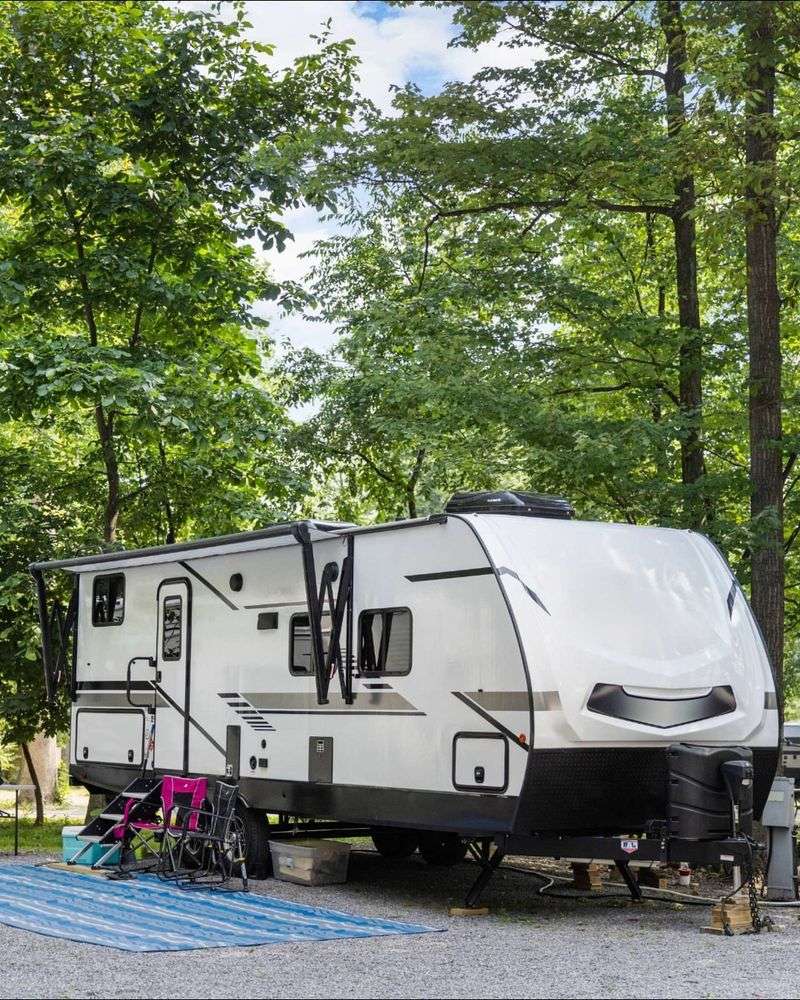
Parking campers, boats, or RVs in Wisconsin driveways is increasingly regulated. Many communities now allow vehicles in driveways for only 48-72 hours for loading or unloading.
Year-round storage may require placement in rear yards, complete screening from street view, or storage at off-site facilities. These rules aim to maintain neighborhood aesthetics and prevent large vehicles from becoming permanent, unsightly fixtures.
Municipalities often have penalties for extended parking without compliance. RV owners should check both city ordinances and HOA guidelines before storing recreational vehicles.
Proper barriers, gates, or enclosures can provide legal storage while keeping property visually appealing. These restrictions apply to seasonal and full-time residents alike, ensuring fairness and consistency.
Planning for RV storage now can save homeowners from fines or forced relocation. Clear communication with local authorities regarding allowable storage periods and locations is essential.
Following these guidelines helps preserve neighborhood charm and safety, while still allowing residents to enjoy recreational vehicle ownership in Wisconsin.
7. Rain Barrels And Cisterns
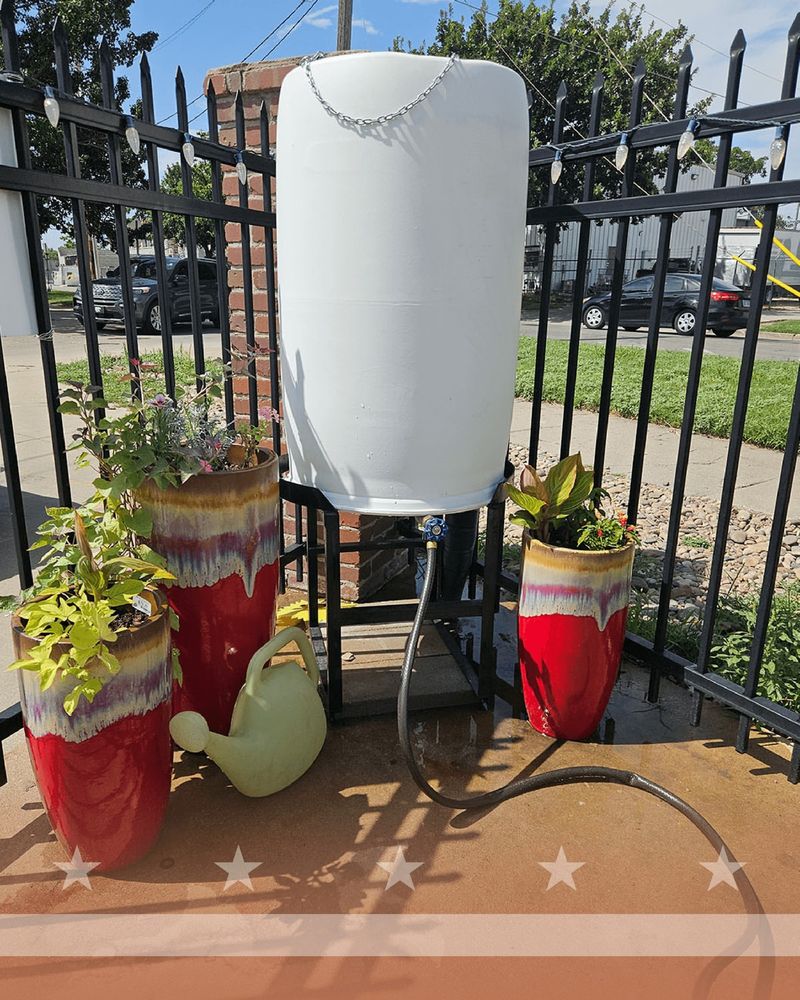
Rain barrels and cisterns, while environmentally beneficial, face growing scrutiny in Wisconsin. Municipalities may limit their size, appearance, and placement to maintain neighborhood aesthetics.
Many require professional installation, regular inspections, and adherence to overflow management rules. Containers may need to blend with home exteriors or be hidden from public view.
These regulations aim to prevent mosquito breeding and ensure proper water management. Homeowners interested in harvesting rainwater must check local ordinances and HOA rules.
Some towns also specify material types or drainage systems to reduce environmental or structural risks. Properly installed rain barrels and cisterns continue to provide sustainable water use while complying with safety and aesthetic standards.
Awareness of local rules prevents fines and promotes responsible stewardship of collected water.
Wisconsin residents can still enjoy the environmental benefits of rainwater harvesting by planning installations carefully and following regulatory guidelines. These measures help balance conservation efforts with neighborhood expectations.
8. Clotheslines
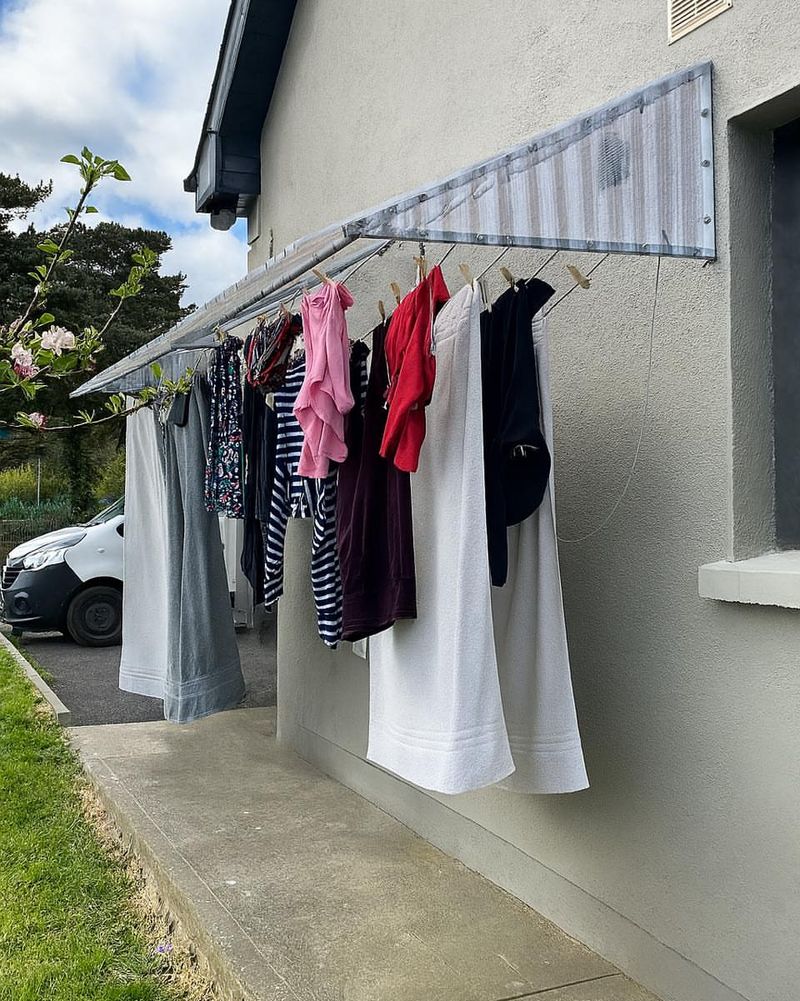
Outdoor clotheslines are disappearing from many Wisconsin yards due to increasing “right to dry” restrictions imposed by homeowner associations and municipalities. Concerns often focus on aesthetics rather than environmental impact.
Where permitted, regulations commonly restrict placement to rear yards, set usage times (typically 9 a.m. to 5 p.m.), and prohibit permanent installations. These rules aim to maintain uniformity in neighborhood appearances and avoid complaints from neighbors.
Despite the energy-saving benefits of air drying, residents must comply with ordinances to avoid penalties. Creative solutions include retractable or temporary lines that comply with time and location restrictions.
Educating neighbors about the environmental and cost-saving benefits of clotheslines can sometimes ease tension. Maintaining tidy lines, using discreet installation methods, and following guidelines allows homeowners to enjoy sustainable drying practices legally.
Awareness of current municipal and HOA rules is essential before installing or using outdoor clotheslines in Wisconsin.
9. Large Playground Equipment
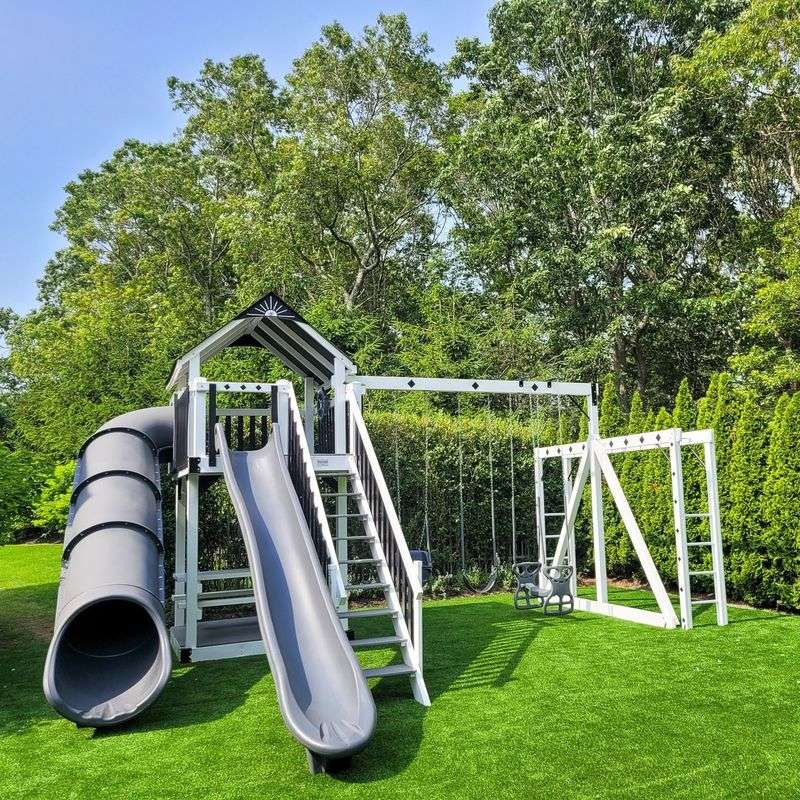
Backyard playsets, trampolines, and other large recreational equipment face increasing restrictions in Wisconsin. Safety concerns, such as fall hazards, drive height and placement rules, while visual impact and neighbor considerations influence other regulations.
Many municipalities now require permits for equipment over eight feet tall and mandate minimum distances from property lines. Some areas restrict bright colors, limit overall footprint, or require removal once children outgrow the equipment.
Compliance ensures safe play and reduces conflicts with neighbors or HOA standards. Planning placement carefully allows homeowners to provide recreational opportunities while following municipal rules.
Regular inspections and maintenance enhance safety and longevity, particularly for trampolines and elevated platforms. Creative landscaping, screening, or natural barriers can satisfy both safety and aesthetic requirements.
Adhering to these regulations protects children, neighbors, and property while allowing active outdoor play in Wisconsin yards.
10. Artificial Turf
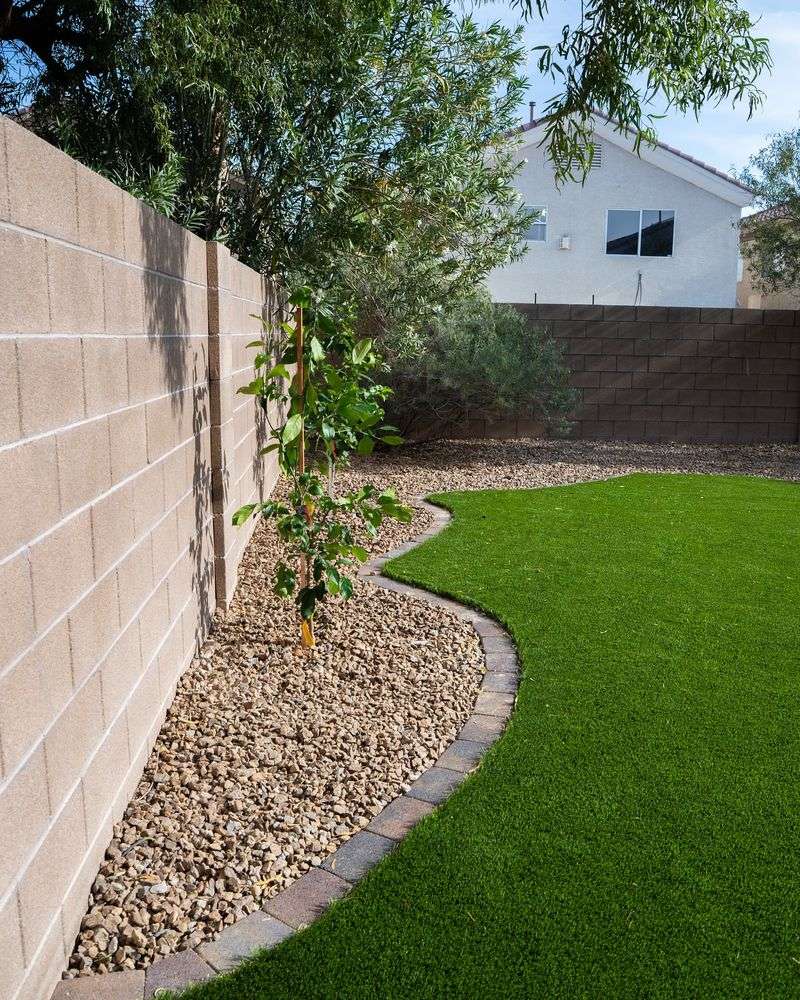
Synthetic turf installations face growing scrutiny in Wisconsin despite water-saving benefits. Concerns include drainage issues, heat accumulation, and environmental impact from plastic materials.
Municipal regulations often limit artificial turf to rear yards or small accent areas. Some communities require professional installation, drainage systems, and eco-friendly materials.
Full-yard synthetic lawns are increasingly restricted, especially in neighborhoods with aesthetic standards. Homeowners must comply with ordinances to avoid fines or remediation orders.
Proper installation and maintenance ensure durability, water management, and compliance. Thoughtful planning allows for sustainable landscaping while balancing municipal concerns.
Wisconsin residents should research local rules and HOA guidelines before replacing natural lawns with synthetic turf.
11. Wood-Burning Fire Pits
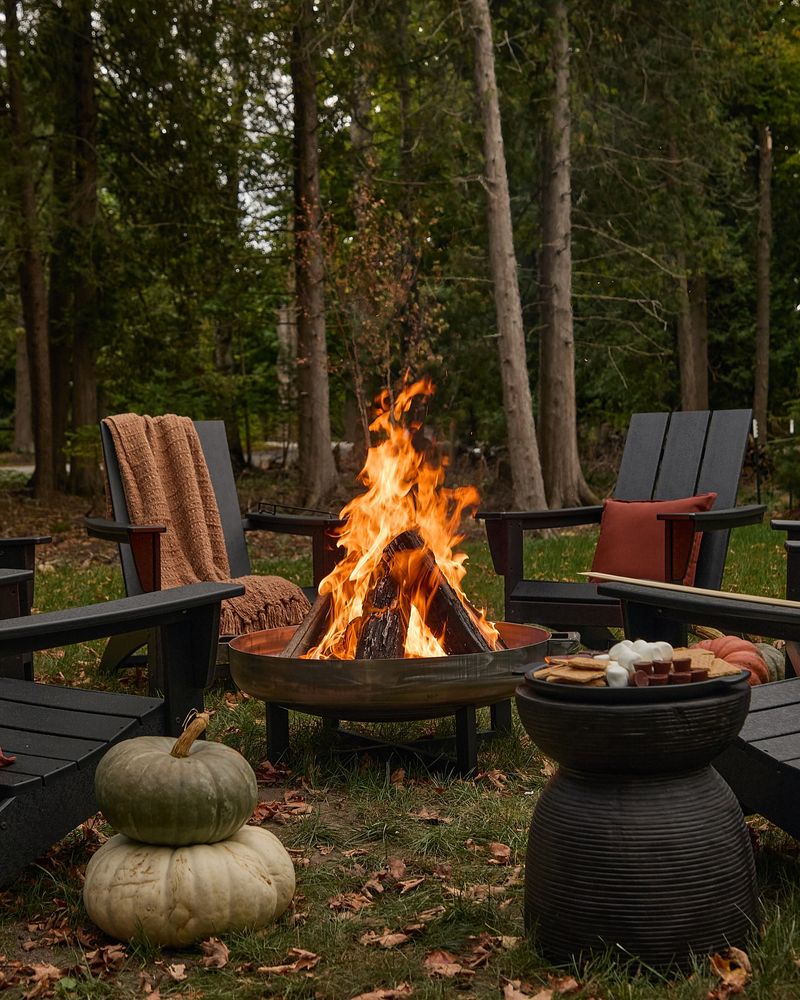
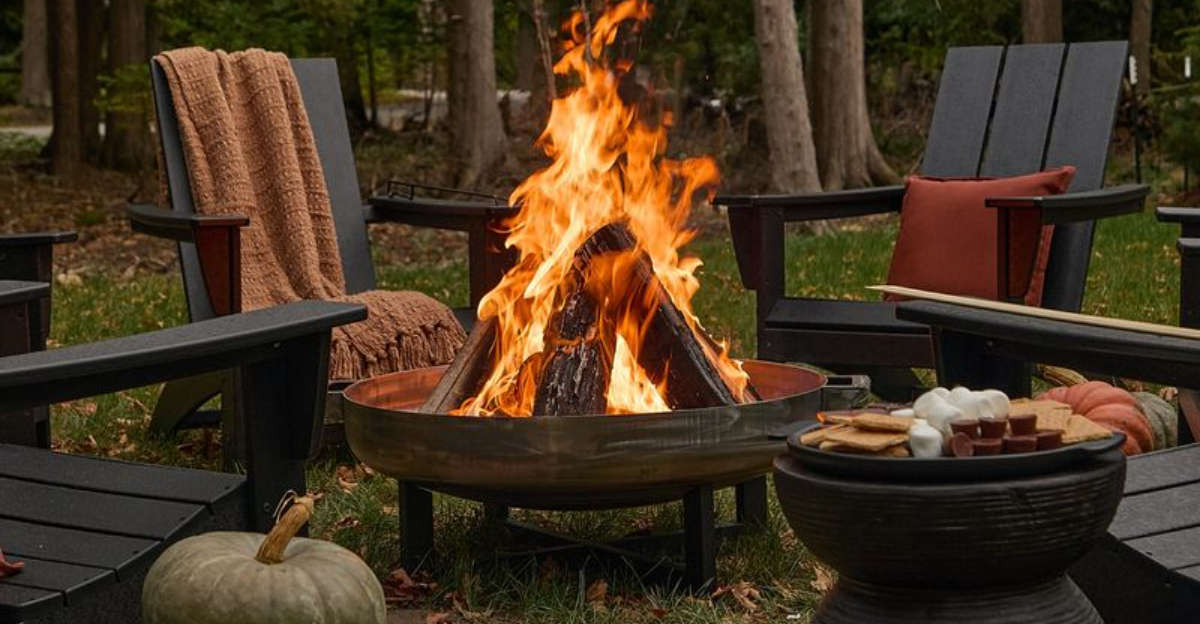
Wood-burning fire pits in Wisconsin are increasingly regulated due to fire safety concerns and smoke complaints. Municipalities often require minimum distances from structures and property lines.
Many also restrict usage hours or require permits for operation. Some communities ban wood-burning entirely in favor of natural gas alternatives.
These measures reduce neighborhood smoke, limit fire hazards, and maintain aesthetics. Homeowners must follow regulations to avoid fines or mandatory removal.
Safe placement, fireproof bases, and proper supervision are essential. Fire pits remain a popular way to enjoy outdoor evenings, but careful adherence to rules ensures safety and neighborhood harmony.
Homeowners can still enjoy Wisconsin summers by combining compliance with creative design and responsible use.