Yard Features That May No Longer Be Allowed In Arkansas

Your backyard might feel like a private retreat—but in Arkansas, not everything you plant, build, or install is automatically okay.
New regulations, zoning laws, and safety codes mean some yard features that were once common could now be restricted—or even illegal.
From fences and ponds to certain plantings, staying informed is key to avoiding fines and costly removals.
What used to be perfectly fine might now be breaking the rules—know before you build!
These eleven yard features are commonly affected by updated regulations, and many homeowners only find out the hard way when inspectors show up.
Understanding which items are restricted, how to get permits, and which alternatives are allowed can save time, money, and frustration.
Don’t let outdated practices turn your backyard into a legal headache.
For Arkansas residents, knowing the rules ensures your yard remains both beautiful and compliant.
With a little planning and awareness, you can design a space that’s safe, stylish, and completely within the law.
Your dream yard can still exist—just make sure it follows the rules.
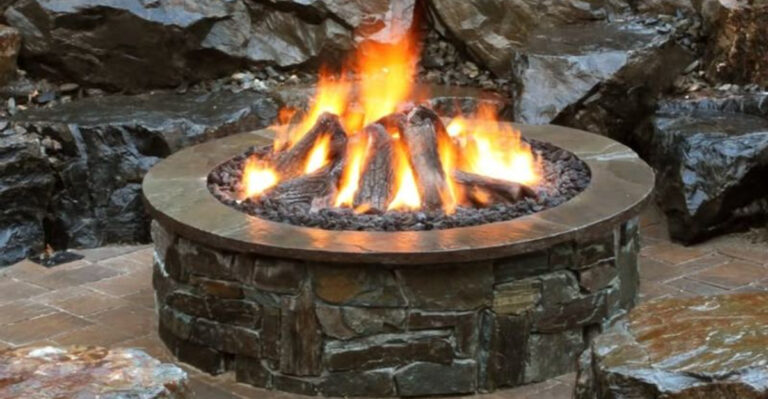
Unpermitted Fire Pits And Backyard Burn Areas
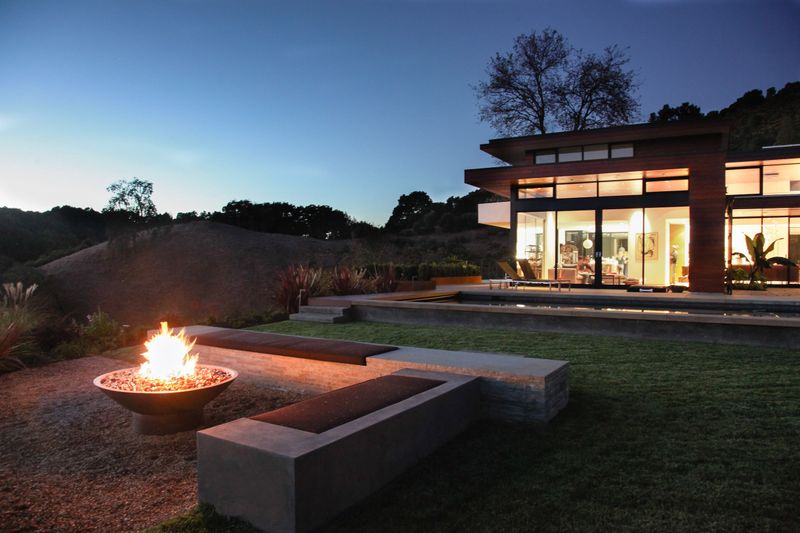
Gathering around a crackling fire on cool Arkansas evenings has been a beloved tradition for generations, but modern fire codes have changed the rules dramatically.
Many cities and counties now require homeowners to obtain permits before installing permanent fire pits or conducting any type of outdoor burning.
The regulations vary widely depending on your location, with some municipalities banning recreational fires entirely during drought conditions or high wind warnings.
Local fire marshals enforce these codes to prevent wildfires and protect neighborhoods from smoke and ember hazards.
Even portable fire pits may need to meet specific clearance requirements, sitting at least fifteen to twenty-five feet away from structures, fences, and overhanging branches.
Some areas mandate spark arrestors or safety screens, while others restrict the types of fuel you can burn.
Seasonal burn bans are increasingly common across Arkansas, particularly during summer months when vegetation is dry and fire danger peaks.
Violating these restrictions can result in fines ranging from hundreds to thousands of dollars, plus liability for any damage your fire causes.
Before lighting up, check with your city’s fire department and review both municipal ordinances and any homeowner association rules that might apply to your property.
Outdoor Trash Piles And Compost That Attract Wildlife
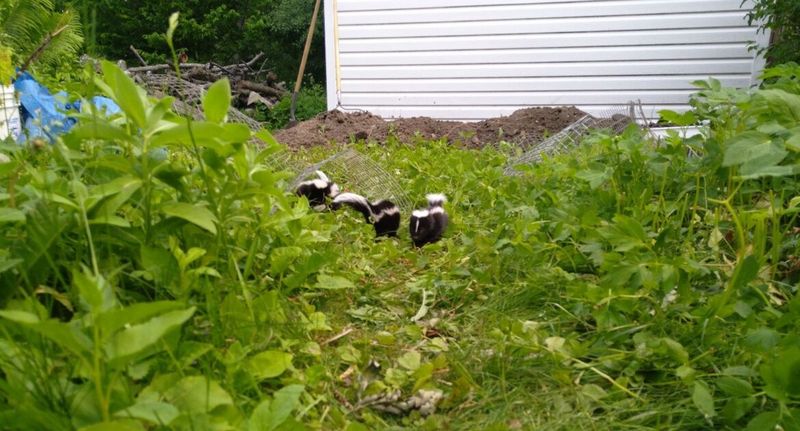
Composting has surged in popularity as more Arkansans embrace sustainable gardening practices, but improperly managed organic waste can quickly become a code violation.
Health departments and code enforcement officers have authority to cite homeowners whose trash piles, open compost bins, or debris heaps attract raccoons, opossums, rats, and other unwanted visitors.
What starts as an eco-friendly initiative can transform into a neighborhood nuisance when animals scatter garbage across multiple properties.
Arkansas nuisance ordinances typically require trash and compost to be stored in sealed containers that prevent animal access.
Leaving bags of grass clippings, food scraps, or yard waste exposed invites wildlife and creates odor problems that neighbors often report to authorities.
Many cities specify container types, pickup schedules, and proper placement away from property lines.
Enclosed composting systems with secure lids and proper ventilation usually satisfy regulations while still allowing you to recycle kitchen and garden waste.
Tumbler-style composters or fully enclosed bins keep materials contained and speed up decomposition.
Building your compost pile directly on the ground without barriers almost guarantees visits from curious critters.
Smart composters balance green and brown materials, turn their piles regularly, and position bins away from neighboring homes to minimize complaints and stay compliant with local health codes.
Invasive Plants That Are Being Phased Out
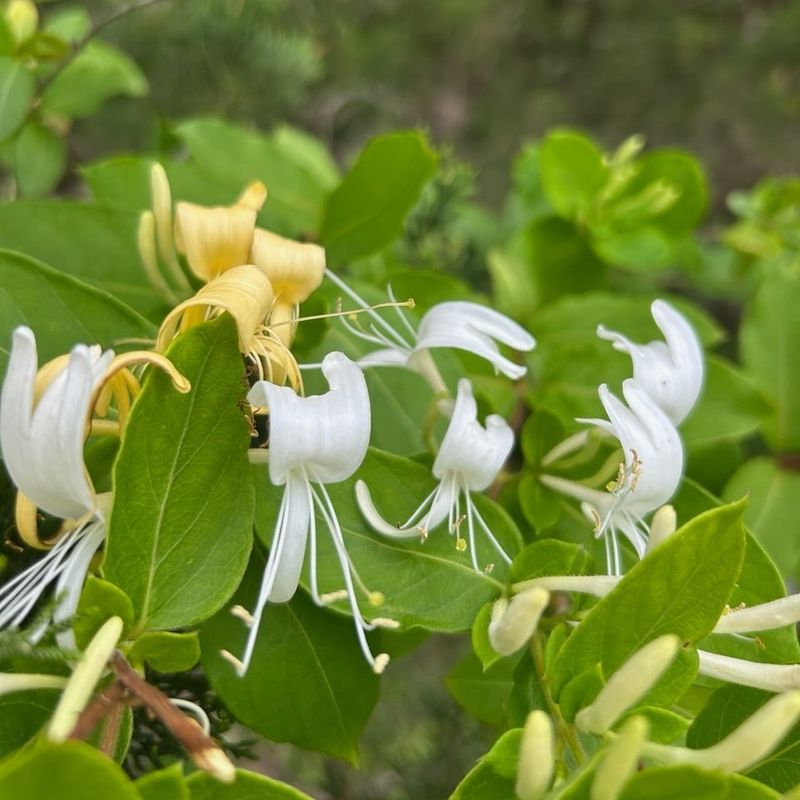
Bradford pear trees once lined Arkansas streets and subdivisions, celebrated for their showy white blooms and rapid growth, but these ornamental favorites have become ecological nightmares.
State agencies and municipalities now actively discourage planting invasive species and some jurisdictions require property owners to remove plants that threaten native ecosystems.
Bradford pears, privet hedges, Japanese honeysuckle, and burning bush are among the common landscape plants facing increasing restrictions.
These aggressive growers escape cultivation, spread into natural areas, and outcompete native plants that local wildlife depends on for food and shelter.
Arkansas Natural Heritage Commission and county extension offices maintain lists of invasive species and offer guidance on removal and replacement options.
Some cities provide free native plant vouchers when homeowners agree to remove invasive specimens from their properties.
Removing established invasive plants requires persistence because many resprout vigorously from roots or spread through prolific seeds.
Chemical treatments, repeated cutting, and sometimes professional removal services become necessary for complete eradication.
Replacing invasives with native alternatives like serviceberry, redbud, or oakleaf hydrangea supports pollinators and birds while satisfying environmental regulations.
Forward-thinking homeowners are getting ahead of potential mandates by voluntarily transitioning their landscapes to regionally appropriate plants that enhance rather than harm Arkansas natural heritage.
Unfenced Or Free-Roaming Livestock In Residential Areas
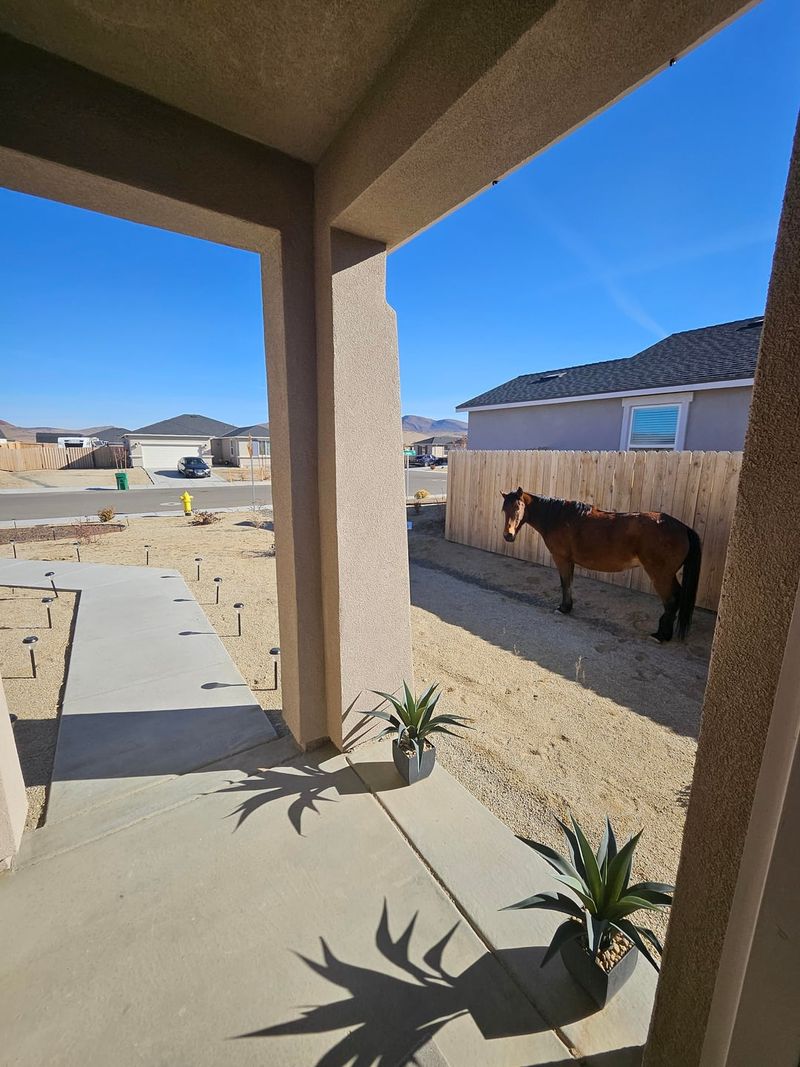
Urban chicken keeping has exploded in popularity, with backyard coops popping up in neighborhoods that once prohibited any form of livestock.
However, Arkansas cities have responded with detailed zoning regulations that specify exactly which animals are allowed, how many you can keep, and what type of enclosures you must provide.
Free-ranging chickens, goats wandering between properties, or ducks swimming in shared drainage areas typically violate multiple ordinances.
Most residential zones now permit small numbers of hens but prohibit roosters due to noise complaints.
Regulations commonly require coops to sit a minimum distance from neighboring homes, often twenty-five to fifty feet, and mandate secure fencing to prevent animals from roaming.
Goats, pigs, and larger livestock usually remain restricted to agricultural zones or properties meeting minimum acreage requirements.
Animal control officers respond to complaints about loose livestock and can impound animals or issue citations to owners who fail to maintain proper enclosures.
Some homeowner associations ban livestock entirely, regardless of city ordinances.
Before bringing chickens or other animals home, research your city’s specific animal-keeping regulations, verify your property meets size and setback requirements, and confirm your HOA permits livestock.
Proper housing, secure fencing, and considerate management keep your urban farming dreams legal and your neighbors happy.
Structures Built Without Permits (Sheds, Pergolas, Fences)
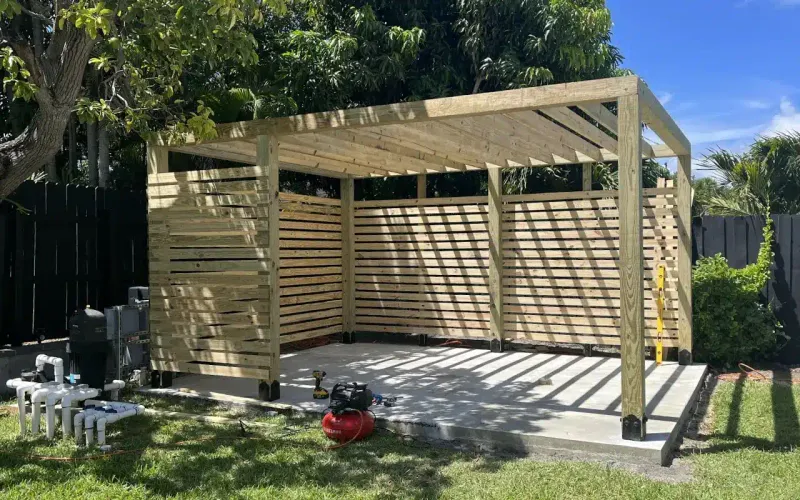
Building that dream storage shed or charming pergola might seem like a straightforward weekend project, but Arkansas municipalities require permits for most permanent structures regardless of size.
Homeowners who skip the permitting process face enforcement actions ranging from stop-work orders to fines and mandatory removal of completed structures.
Even fences often require permits and must meet specific height restrictions and setback requirements from property lines.
Building codes ensure structures meet safety standards, respect setback rules that maintain space between buildings and property boundaries, and comply with height restrictions.
Sheds typically need permits when they exceed a certain square footage, usually around 100 to 200 square feet, or when they include electrical wiring or plumbing.
Pergolas, gazebos, and covered patios almost always require review because they add covered space to your property.
Setback violations are particularly common, with homeowners placing structures too close to rear or side property lines.
These mistakes can force expensive relocations or modifications after neighbors complain or inspectors discover the violation.
Smart builders apply for permits before purchasing materials, submit site plans showing exact placement, and schedule inspections at required stages.
The modest permit fees and brief approval process provide legal protection and peace of mind.
Unpermitted structures can also complicate property sales, as title companies and buyers often demand either proof of permits or removal of unpermitted improvements.
Overgrown Or Neglected Yards Classified As A Nuisance

Life gets busy and yards sometimes grow wild, but Arkansas nuisance ordinances give cities authority to intervene when properties become eyesores or health hazards.
Code enforcement officers measure grass height, document accumulated debris, and issue violation notices when vegetation exceeds height limits typically set between six and twelve inches.
What begins as a friendly warning can escalate to daily fines and city-hired crews mowing your lawn at your expense.
Tall weeds and brush create habitats for ticks, mosquitoes, and rodents while reducing property values throughout the neighborhood.
Abandoned equipment, construction debris, and piles of branches compound the problem and often violate separate storage ordinances.
Most cities follow a progressive enforcement process: initial notice, opportunity to correct the violation, follow-up inspection, and escalating penalties for continued non-compliance.
Elderly homeowners, those facing health challenges, or residents dealing with financial hardship sometimes struggle to maintain their properties and may qualify for assistance programs.
Many Arkansas communities offer reduced-cost mowing services or volunteer programs that help vulnerable residents avoid code violations.
For others, hiring a lawn service or arranging regular maintenance prevents violations and preserves neighborhood relationships.
If you receive a violation notice, respond promptly, communicate with code enforcement about your correction timeline, and document your compliance efforts with dated photographs showing progress toward bringing your property up to standards.
Trees Or Hedges Blocking Roads, Sidewalks, Or Sightlines

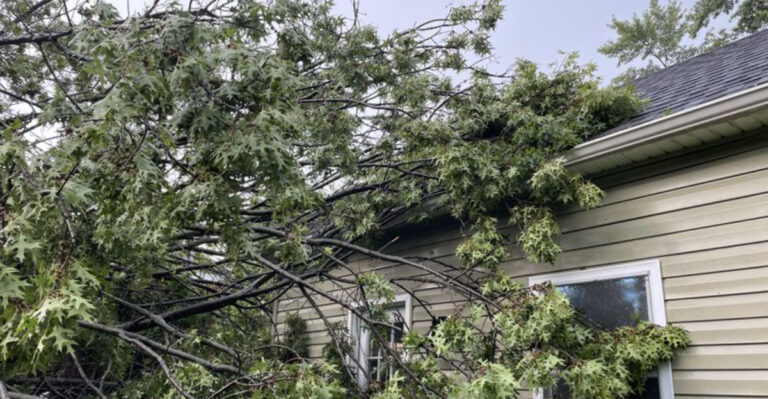
Mature trees and lush hedges add character and privacy to Arkansas neighborhoods, but branches extending into streets or blocking sidewalks create safety hazards and violate right-of-way regulations.
Municipal codes typically require property owners to maintain clear vertical and horizontal zones above sidewalks and streets, usually eight feet of clearance over walkways and fourteen feet over roadways.
Overgrown vegetation at corner lots poses particular dangers by obscuring driver visibility at intersections.
Public works departments and code enforcement officers issue trim notices when landscaping encroaches on public spaces or creates hazardous conditions.
Pedestrians forced into streets to avoid low-hanging branches, cyclists dodging thorny overgrowth, and drivers unable to see approaching traffic at corners all represent liability risks.
Property owners bear responsibility for maintaining vegetation on their land, even when roots or branches extend over public property.
Cities can trim or remove offending plants at the owner’s expense if violations persist after notice periods expire.
Regular pruning keeps trees healthy while maintaining required clearances.
Corner-lot owners should keep bushes and hedges below three feet in height within triangular visibility zones extending back from intersections.
Professional arborists can assess your trees, recommend appropriate trimming schedules, and ensure work meets safety standards without damaging plant health.
Proactive maintenance prevents violations, protects pedestrians and drivers, and preserves your valuable landscape investments.
Unapproved Drainage Ditches Or Yard Grading

Homeowners battling soggy yards or standing water often attempt DIY drainage solutions, but altering your property’s grade or adding drainage features without permits can create serious problems.
Arkansas stormwater regulations prohibit modifications that redirect runoff onto neighboring properties or overwhelm public drainage systems.
Well-intentioned grading projects can concentrate water flow, cause erosion, and even contribute to downstream flooding during heavy rains.
Municipal stormwater management plans carefully balance how water moves through developed areas, and individual property changes can disrupt these systems.
Filling low spots, building berms, or cutting drainage channels changes how water flows across your land and where it goes next.
Engineering review ensures proposed changes won’t create new problems while solving yours.
Unpermitted drainage work discovered during routine inspections or after neighbor complaints can require expensive corrections.
Cities may demand restoration to original grades, installation of proper drainage infrastructure, or engineered solutions certified by licensed professionals.
French drains, swales, and retention areas all need proper design and placement to function effectively without causing harm.
Before moving dirt or digging drainage features, consult with your city’s stormwater management department, obtain required permits, and consider hiring a professional who understands local soil conditions and drainage patterns.
Proper planning protects your investment, maintains good neighbor relations, and keeps you compliant with increasingly strict stormwater regulations.
Outdoor Storage Of Boats, RVs, Or Work Vehicles
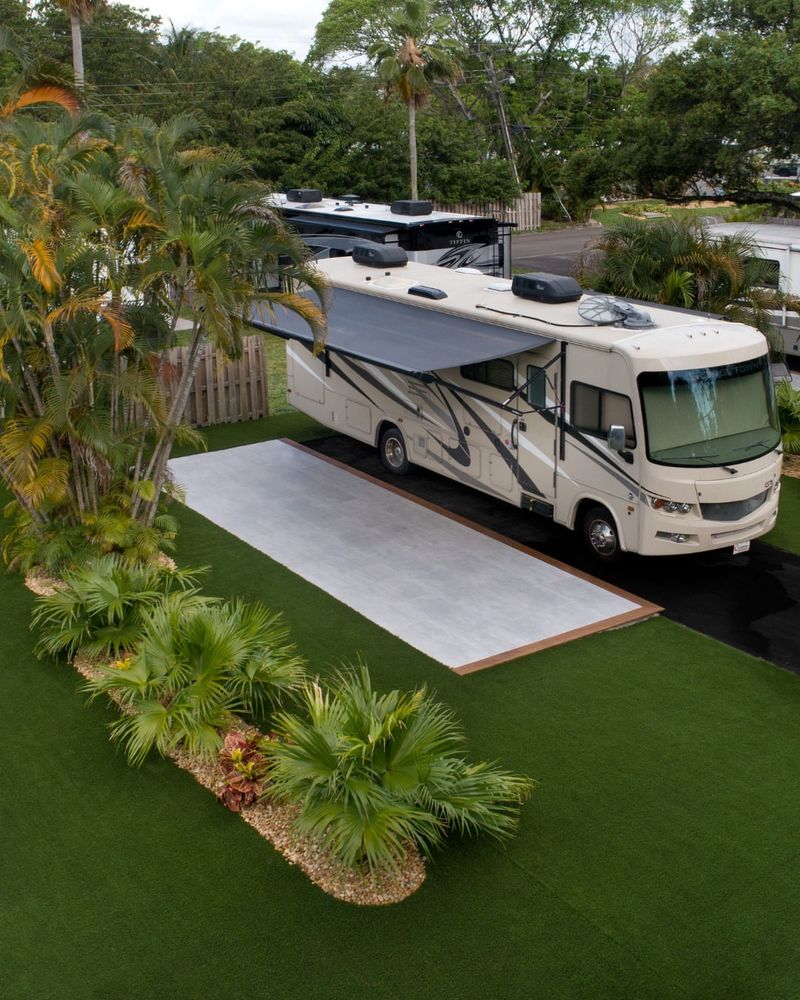
Parking your boat or recreational vehicle in your driveway seems reasonable after spending good money on these investments, but many Arkansas neighborhoods now restrict or prohibit storing large vehicles and equipment in residential areas.
Zoning ordinances and homeowner association rules increasingly limit where and how long you can park boats, RVs, campers, trailers, and commercial vehicles on residential properties.
These restrictions aim to maintain neighborhood aesthetics and prevent residential streets from resembling storage lots.
Common regulations prohibit parking oversized vehicles in front yards or require them to sit behind the front building line of your house.
Some ordinances allow temporary parking for loading and unloading but limit continuous storage to seventy-two hours or less.
Commercial vehicles, work trucks with company logos, or equipment trailers often face stricter rules, with some neighborhoods banning them entirely from overnight parking.
Homeowner associations frequently impose even tighter restrictions than city codes, sometimes requiring all recreational vehicles to be stored off-site in designated facilities.
Violators receive warning notices, accumulate fines, and in extreme cases face legal action from their associations.
Off-site storage facilities have multiplied across Arkansas to meet demand from homeowners subject to these rules.
If you’re considering purchasing a boat, RV, or work vehicle, research your local ordinances and HOA covenants first.
Finding compliant storage solutions before bringing large equipment home prevents conflicts and protects your property investment.
Ponds Or Water Features That Create Safety Or Mosquito Risks

Water features transform ordinary yards into tranquil retreats, but Arkansas regulations increasingly scrutinize ponds, fountains, and decorative pools for safety and health concerns.
Unfenced ponds pose drowning hazards, particularly in neighborhoods with young children, while stagnant water breeds mosquitoes that can carry West Nile virus and other diseases.
Health departments and code enforcement agencies can require modifications or removal of water features that violate safety codes or create public health risks.
Residential ponds typically require permits when they exceed certain depths or surface areas, with regulations varying by jurisdiction.
Fencing requirements mirror swimming pool rules in many areas, mandating barriers at least four feet high with self-closing, self-latching gates.
Properly designed ponds include circulation systems, aeration, or biological controls that prevent mosquito breeding.
Stagnant decorative pools, forgotten birdbaths, and neglected fountains become mosquito nurseries within days.
Neighbors often report problematic water features when mosquito populations explode or when they fear for children’s safety.
Citations require homeowners to install fencing, add circulation equipment, treat water with approved larvicides, or fill in offending features entirely.
Planning water features with safety and health considerations from the start prevents costly retrofits.
Include pumps or fountains that keep water moving, stock ponds with mosquito-eating fish, maintain proper depths and slopes, and install code-compliant fencing around deeper water.
These proactive measures create beautiful, compliant water features that enhance your property without creating hazards or nuisances.
What Arkansas Homeowners Should Check Before Making Yard Changes
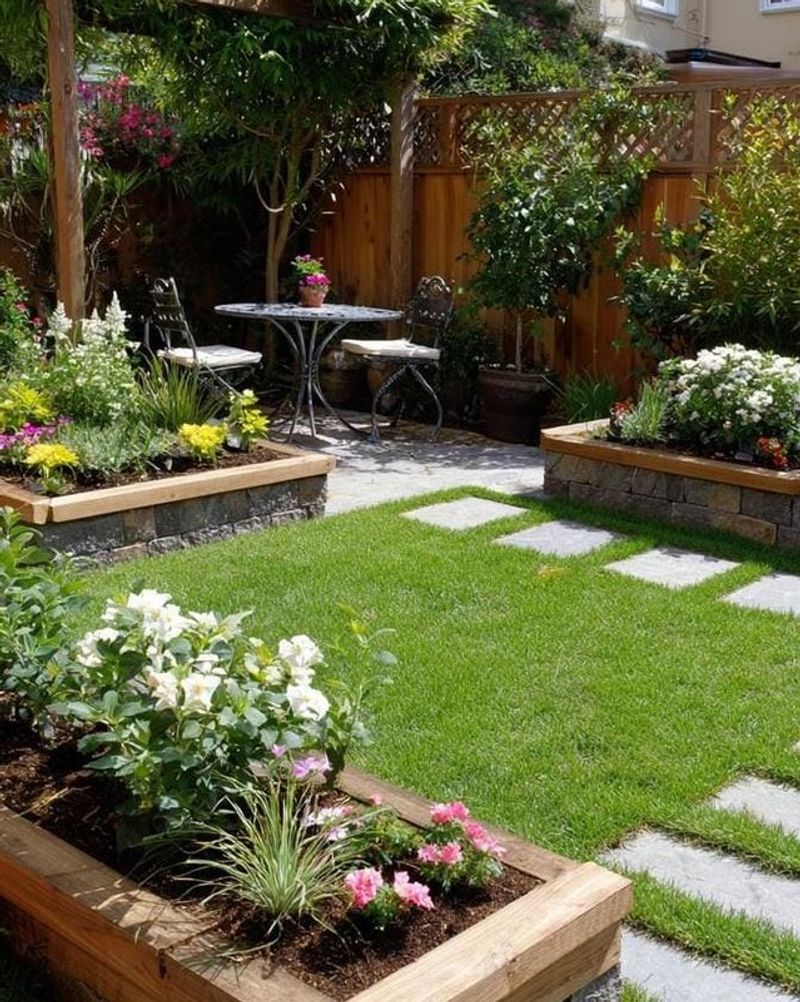
Protecting your investment and avoiding costly mistakes requires research before starting any significant yard project in Arkansas.
Start by contacting your city’s planning or building department to learn which projects require permits and what approval process you’ll need to follow.
Many municipalities now offer online permit systems and searchable ordinance databases that make research convenient.
Understanding setback requirements, height restrictions, and use limitations specific to your zoning district prevents design mistakes and wasted effort.
Homeowner association rules often exceed city requirements, so review your CC&Rs (covenants, conditions, and restrictions) and architectural guidelines carefully.
Some associations require pre-approval for any exterior changes, including landscaping, paint colors, and structure additions.
Missing this step can force expensive modifications even when your project complies with city codes.
Utility location services prevent dangerous and costly accidents when digging for posts, ponds, or drainage features.
Calling 811 before you dig brings utility companies to mark underground lines at no charge.
Property surveys establish exact boundary locations, preventing encroachment disputes with neighbors.
County extension offices provide valuable information about appropriate plants, invasive species to avoid, and sustainable landscaping practices.
Taking time for thorough research, obtaining proper permits, and following established processes protects you from violations, fines, and forced removal of improvements.
The modest investment in planning and permits provides legal protection and peace of mind while you enjoy your enhanced outdoor spaces.