13 Yard Features That Might Not Be Allowed Much Longer In Colorado
Colorado yards are changing fast. What used to be acceptable backyard features are now drawing fresh scrutiny from local councils, neighborhood associations, and even state guidelines.
I remember walking through a friend’s yard last summer and noticing a beautiful water feature that everyone admired, only to learn it was recently tagged for potential removal under new rules.
That opened my eyes to how quickly standards can shift without much warning. From sizable hardscape areas to oversized structures or landscape elements that interfere with drainage and sightlines, some features once taken for granted may soon face restrictions.
Homeowners who stay informed have a better chance of planning ahead, adapting designs, and avoiding fines or forced changes.
Knowing what might be on the chopping block empowers you to protect both your investment and the look of your outdoor space.
Keeping up with evolving yard standards now could save you time, money, and surprises down the road.
1. Large Grass Lawns
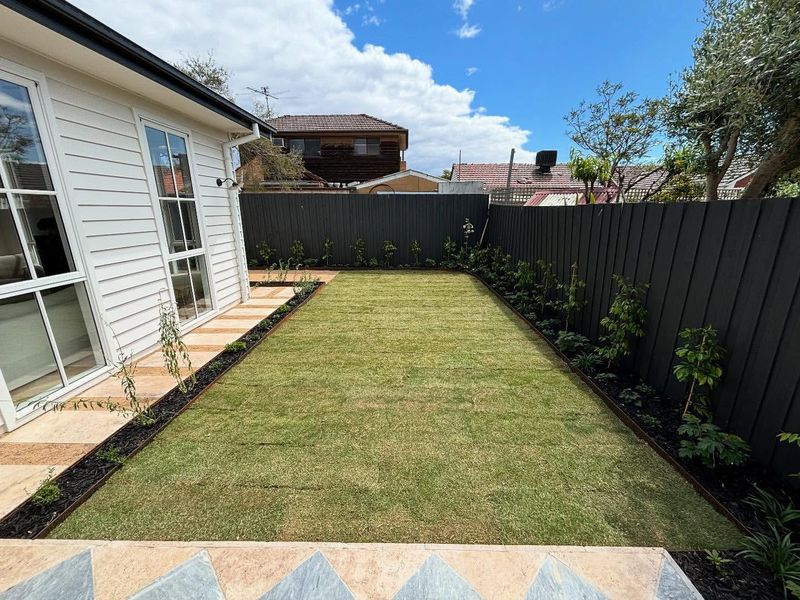
Large expanses of turfgrass are increasingly problematic in Colorado’s semi-arid environment. Traditional lawns require significant irrigation, often consuming over 20,000 gallons of water annually for a single property.
Counties are beginning to implement regulations that limit lawn size for new construction, often restricting areas to between 500 and 1,000 square feet.
Homeowners may soon face requirements to replace existing turf with native plantings or drought-tolerant alternatives, which can reduce water usage substantially while still maintaining aesthetic appeal.
Native grasses such as blue grama, buffalo grass, or fescues are adapted to Colorado’s soil and climate, requiring minimal supplemental watering while providing habitat for pollinators and soil organisms.
Transitioning lawns also improves soil health and reduces maintenance needs, such as mowing frequency and chemical applications.
Educating communities about the benefits of smaller, native plant-focused yards supports sustainable water use and helps homeowners prepare for potential municipal mandates.
By reducing traditional lawn footprints and incorporating thoughtful landscaping designs, Coloradans can maintain beautiful outdoor spaces that conserve water, support local wildlife, and promote long-term resilience in the face of increasingly variable weather conditions.
2. Ornamental Water Features
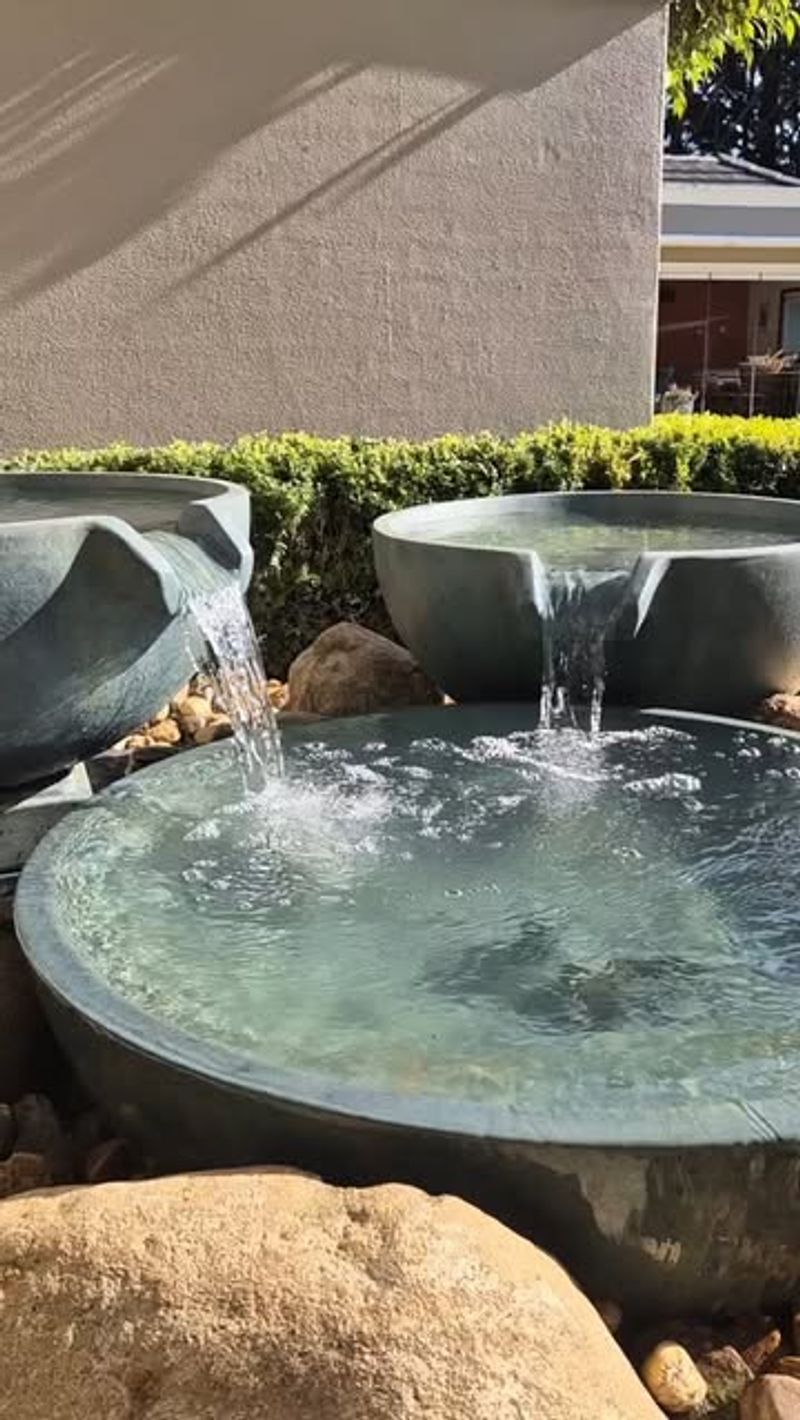
Ornamental water features, including ponds, fountains, and backyard streams, are beautiful additions to Colorado properties but come with hidden environmental and regulatory challenges.
Evaporation rates in the state’s arid climate can quickly waste thousands of gallons of water, and without proper circulation, stagnant water can encourage algae growth and attract pests.
Local authorities are beginning to require permits for larger or non-recirculating water features, and size limitations may become common in new landscaping regulations.
Homeowners are encouraged to integrate recirculation pumps and water-efficient designs, such as drip-fed waterfalls or rainwater harvesting systems, to reduce resource usage.
Water features that connect to natural waterways can also introduce non-native species, impacting local aquatic ecosystems and potentially harming native plants and animals.
Beyond environmental concerns, poorly maintained features may increase maintenance costs and risk structural issues.
By combining aesthetic appeal with sustainable practices, property owners can enjoy water features responsibly.
Choosing native aquatic plants, adding natural filtration systems, and designing closed-loop water circulation ensures that backyard ponds and fountains contribute to wildlife habitat, environmental stewardship, and long-term enjoyment for both residents and surrounding communities.
3. Non-Native Plant Species
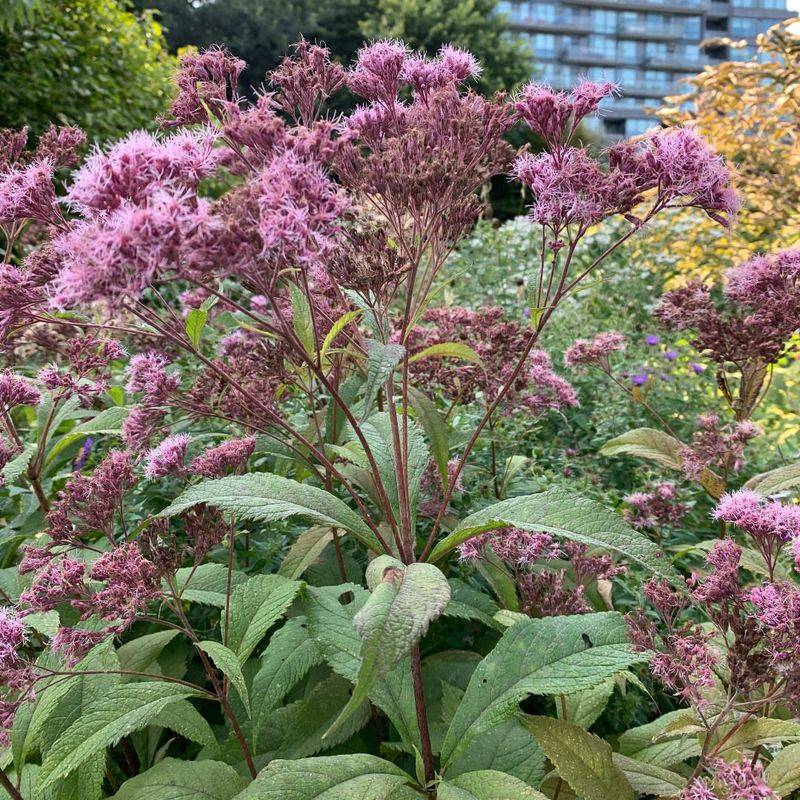
Exotic plants have long been popular in Colorado landscaping for their ornamental value, but many species are now recognized as threats to native ecosystems.
Plants such as Russian olive trees, Japanese barberry, and Siberian elm establish quickly and outcompete native vegetation, reducing biodiversity and altering soil composition.
Counties increasingly maintain noxious weed lists, and future regulations may limit the sale and planting of certain species.
Non-native plants often require additional water and fertilizers, putting strain on limited local resources, while native plants thrive with minimal input and support local pollinators, insects, and wildlife.
Educating homeowners about alternatives, such as bur oak, mountain mahogany, or blue grama grass, allows for aesthetically pleasing landscaping without compromising ecological integrity.
Property owners can further support native ecosystems by avoiding aggressive ornamentals, planting locally adapted species, and restoring natural habitats on their lots.
These practices help maintain pollinator populations, provide cover for birds and small mammals, and reduce the need for chemical treatments and supplemental irrigation.
Thoughtful landscaping with native plants not only preserves Colorado’s ecological balance but also ensures long-term resilience and sustainability in the face of increasing environmental pressures.
4. Artificial Turf
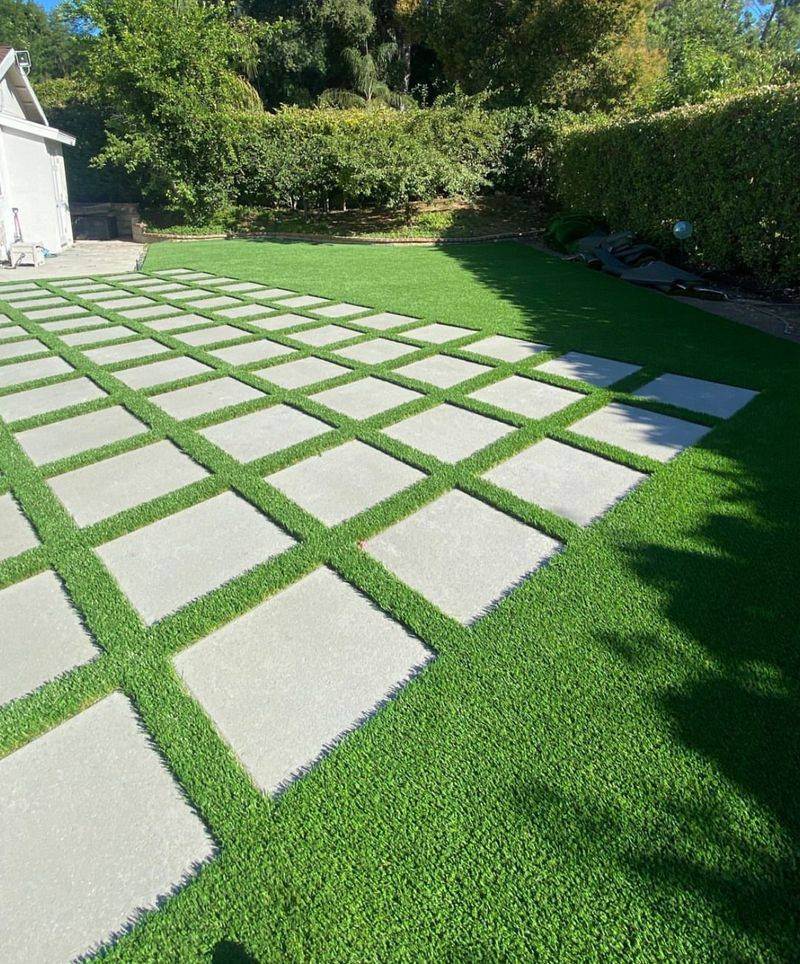
Artificial turf has long been marketed as a water-saving alternative to traditional lawns, but in Colorado, it comes with significant environmental considerations.
Plastic surfaces absorb and reflect heat, creating localized heat islands that can raise ambient temperatures and stress nearby plants.
The synthetic materials also shed microplastics, which can enter storm drains and eventually reach rivers, streams, and reservoirs, affecting water quality and aquatic life.
Lawmakers are reviewing potential limits on synthetic lawns, particularly near waterways and ecologically sensitive areas.
While low-maintenance and visually appealing, artificial turf does not support native insects, pollinators, or soil organisms, reducing biodiversity.
Permeable surfaces and native grass blends are increasingly recommended as alternatives, offering both aesthetic appeal and environmental benefits without contributing to microplastic pollution.
Homeowners can also combine small synthetic areas with native plantings to maintain usability while reducing ecological impact.
Properly planned landscaping can provide the appearance and function desired while protecting Colorado’s fragile semi-arid environment, promoting water conservation, and supporting local ecosystems.
Transitioning to sustainable surfaces ensures long-term resilience and reduces the ecological footprint of residential outdoor spaces.
5. Outdoor Heating Elements
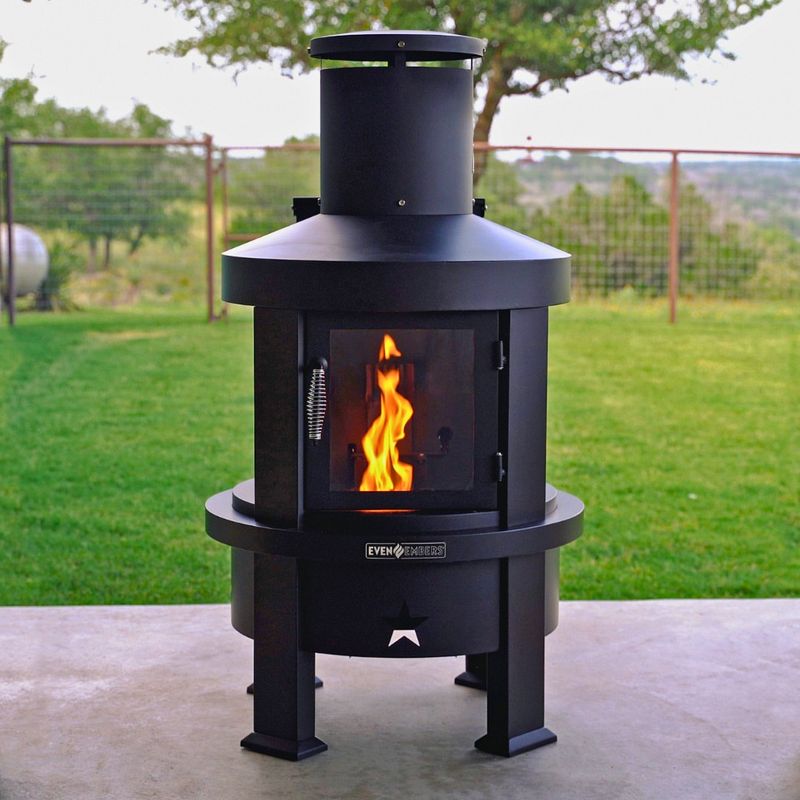
Patio heaters, fire pits, and outdoor fireplaces provide warmth and ambiance, but they also have environmental and regulatory implications in Colorado.
These heating elements contribute to local air pollution, emitting fine particulate matter and carbon-based compounds that reduce air quality.
Mountain communities with high wildfire risk view open flames and high-heat appliances as potential ignition sources, prompting some municipalities to implement seasonal restrictions or permit requirements.
Safety concerns, combined with increasing environmental awareness, may lead to more permanent limitations on certain outdoor heating practices.
Homeowners can mitigate impact by choosing propane or natural gas heaters, which produce fewer emissions, or using electric heating options that focus warmth efficiently without affecting local air quality. Thoughtful placement and timing can minimize smoke and heat transfer to nearby vegetation.
Combining sustainable practices with responsible use allows residents to enjoy outdoor warmth without overburdening Colorado’s fragile ecosystems.
Educating homeowners about safer alternatives supports both community safety and environmental stewardship, maintaining enjoyment of outdoor spaces while reducing risk to surrounding landscapes and local wildlife.
6. Certain Fencing Materials
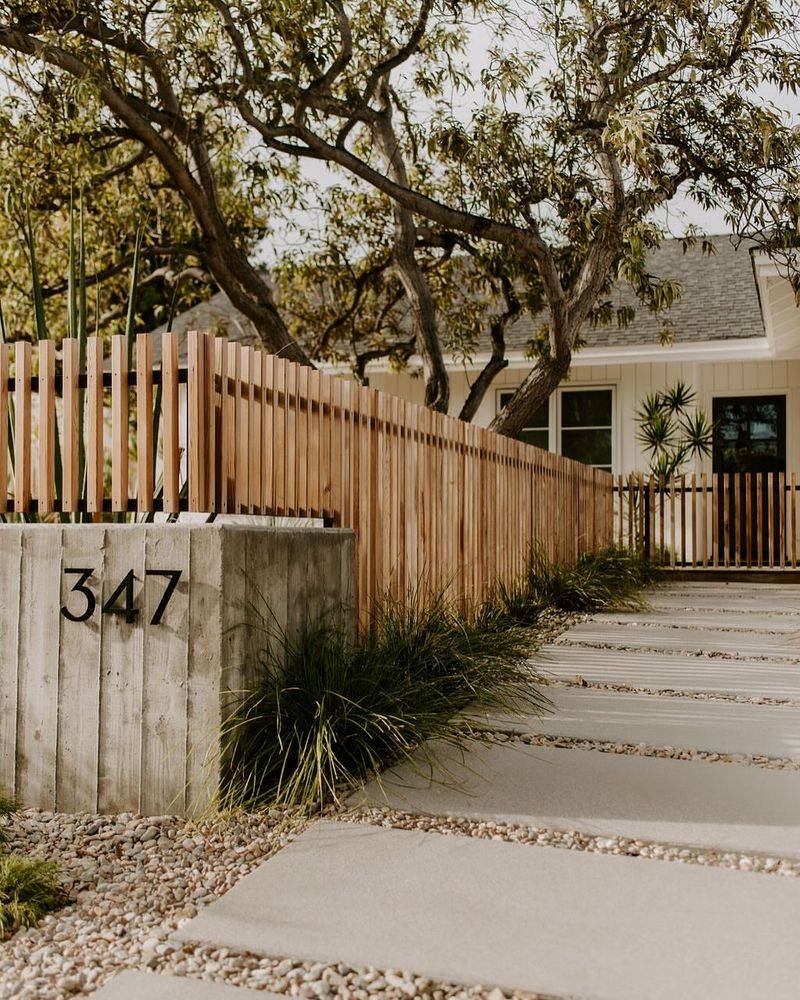
Fencing plays a critical role in defining property boundaries, but certain types of barriers disrupt wildlife movement and natural ecosystems in Colorado.
Solid privacy fences, fences with sharp tops, and those constructed without wildlife passage can interfere with deer, elk, and smaller animals navigating seasonal migration corridors.
Colorado communities increasingly encourage wildlife-friendly fencing designs, incorporating gaps, smooth surfaces, and specific height standards that allow animals to move safely through residential areas.
Regulations may soon mandate these features in new construction or require retrofitting existing barriers.
Homeowners can proactively select fencing materials such as smooth wood, woven wire, or split rail styles that balance privacy, security, and ecological compatibility.
Combining wildlife-friendly design with landscaping that encourages pollinators and native vegetation provides multiple environmental benefits, including habitat continuity and reduced human-animal conflicts.
Thoughtful fencing helps maintain the natural patterns of movement for Colorado wildlife, prevents unintentional entrapment, and contributes to biodiversity while meeting human property management needs.
Choosing ecologically sensitive fencing ensures residential areas coexist harmoniously with the region’s diverse animal populations.
7. Chemical Pesticides And Herbicides
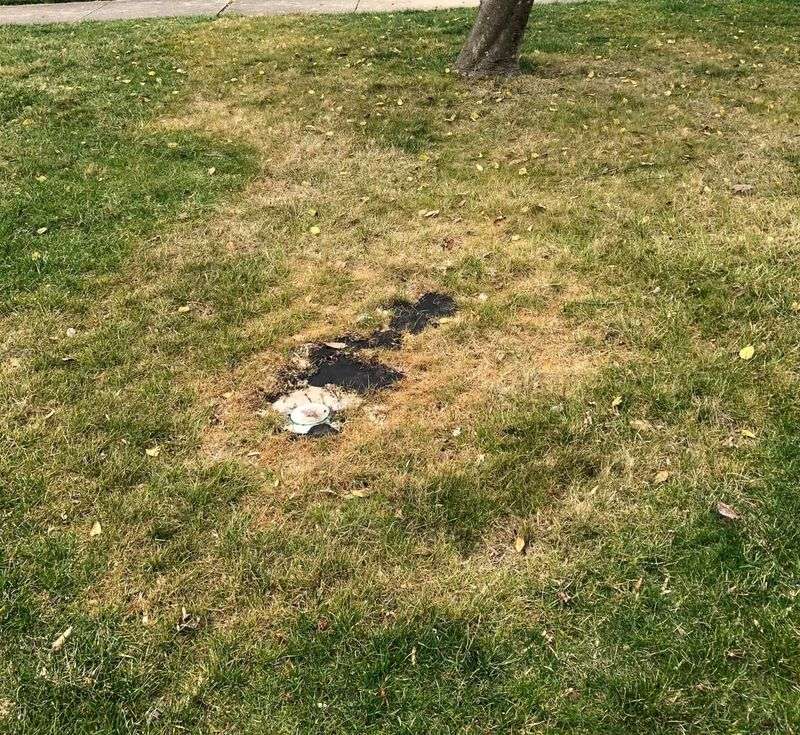
Chemical lawn and garden treatments, including pesticides and herbicides, pose growing concerns for Colorado’s environment.
Compounds such as neonicotinoids, glyphosate, and other synthetic chemicals can drift into local waterways, impacting aquatic ecosystems and harming beneficial insects like bees and butterflies.
Counties are beginning to regulate or ban certain products for residential use to protect pollinator populations, maintain soil health, and prevent contamination of public water sources. Even small applications can accumulate over time, creating long-term effects on local biodiversity.
Homeowners can minimize risk by switching to organic or low-toxicity alternatives, such as compost teas, natural insecticidal soaps, or slow-release fertilizers.
Integrated pest management strategies, including habitat enhancement for natural predators and manual plant care, can reduce reliance on chemical treatments.
By adopting sustainable gardening practices, Colorado residents contribute to pollinator support, cleaner water, and more resilient soils.
Community education on the ecological impacts of chemicals reinforces sustainable behaviors and ensures the state’s outdoor spaces remain vibrant, healthy, and ecologically balanced for years to come.
8. Bright Outdoor Lighting
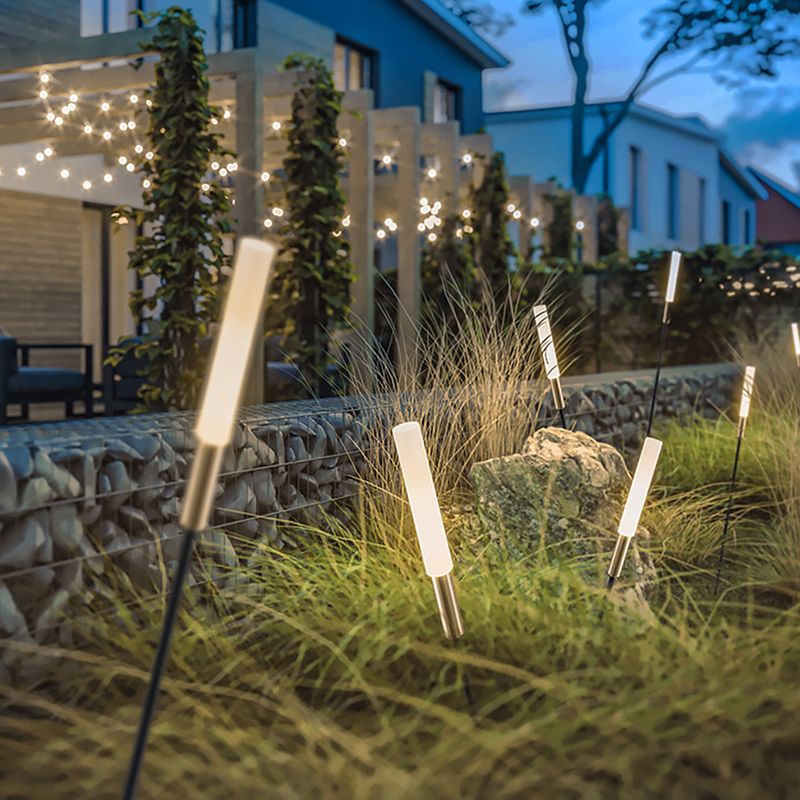
Excessive outdoor lighting disrupts wildlife and contributes to light pollution, a growing concern in Colorado.
Bright floodlights, string lights, and decorative fixtures can interfere with nocturnal animal behavior, including birds, bats, and pollinators that rely on natural light cycles.
Light spilling into neighboring properties also reduces privacy and impacts human health by disrupting sleep patterns.
Several Colorado municipalities have implemented dark sky ordinances to preserve the state’s famously clear night skies, requiring downward-facing fixtures, timers, and brightness limits for residential lighting.
Motion sensors and solar-powered options are encouraged to reduce unnecessary illumination while maintaining safety. Homeowners can choose low-voltage amber lights for pathways and patios, which provide visibility without overwhelming local wildlife.
By strategically positioning lights, limiting duration, and selecting warmer color temperatures, residents can balance security and aesthetic needs with ecological responsibility.
Thoughtful lighting preserves Colorado’s nighttime environment, supports pollinators and migrating species, and allows people to enjoy stargazing, creating a harmonious relationship between urban living and natural ecosystems.
Adopting these practices ensures that neighborhoods remain both safe and ecologically sustainable.
9. Raised Garden Beds With Treated Lumber
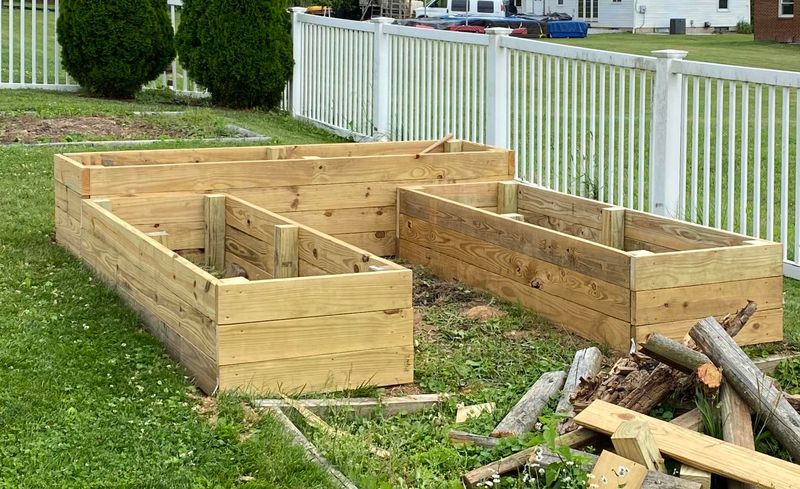
Raised garden beds offer convenience, but in Colorado, using pressure-treated lumber can introduce harmful chemicals into soil and plants.
Chemicals like copper, chromium, and arsenic, which are sometimes present in older treated wood, can leach into the soil, especially during irrigation or heavy rain, and potentially contaminate vegetables.
Many communities are considering regulations restricting treated wood in food-growing areas. Homeowners seeking safe alternatives can use untreated cedar, redwood, stone, or composite materials for bed construction.
These materials resist rot naturally while providing durability without chemical exposure. Using raised beds also allows for improved soil quality and better drainage, which is particularly valuable in Colorado’s semi-arid climate.
Proper preparation of bed soil, including compost enrichment and mulching, reduces pest pressure and improves plant health.
Choosing the right construction materials ensures both food safety and environmental protection, while still taking advantage of the benefits of raised beds, including ease of access and enhanced growing conditions.
Adopting these safer materials aligns gardening practices with long-term sustainability and health-conscious choices for families.
10. Excessive Hardscaping
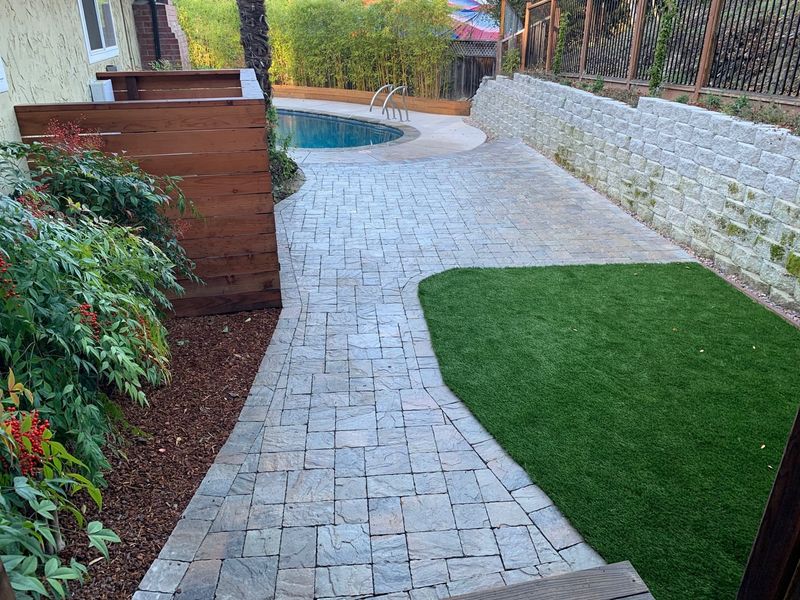
Extensive paved areas and large concrete patios prevent natural water absorption, causing increased stormwater runoff and erosion in Colorado’s varied landscapes.
Excessive hardscaping can overwhelm drainage systems, increase flood risk, and reduce infiltration that replenishes groundwater.
During heavy rain, runoff carries soil, fertilizers, and other pollutants into streams, impacting water quality. Municipalities along the Front Range and in mountainous areas are establishing limits on impervious surfaces for residential properties.
Homeowners are encouraged to implement permeable paving, gravel with proper underlayers, or interlocking pavers with gaps for vegetation.
Rain gardens, bioswales, and strategically placed native plantings absorb water while providing aesthetic and ecological benefits.
These practices reduce runoff, support pollinators, and maintain healthier soil. Removing some hardscape or retrofitting existing areas with sustainable designs can also enhance property value and improve outdoor enjoyment.
Thoughtful landscaping balances functionality, beauty, and environmental responsibility, ensuring that Colorado gardens contribute to ecosystem health, prevent unnecessary erosion, and maintain natural water cycles for the surrounding community.
11. Non-Electric Powered Equipment
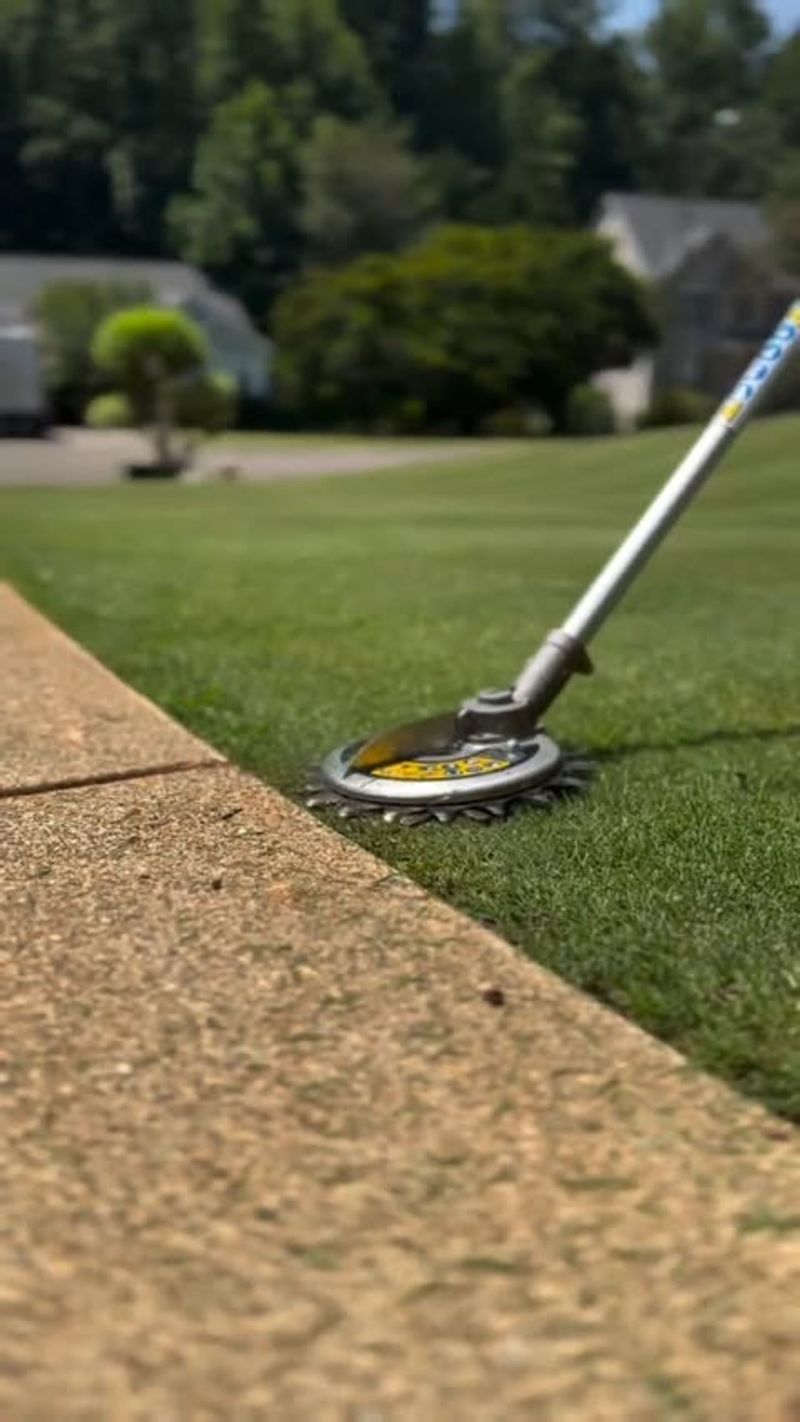
Gas-powered mowers, leaf blowers, and trimmers emit significant air pollution, which affects Colorado’s already sensitive air quality. A single gas mower operating for an hour can produce emissions comparable to multiple cars, including volatile organic compounds that contribute to smog formation.
Noise pollution from these tools also affects neighborhood quality and local wildlife behavior. Colorado municipalities are beginning to incentivize the adoption of electric, battery-powered, or manual equipment.
Residents switching to electric mowers and trimmers notice quieter operation, reduced maintenance costs, and improved safety. Battery technology improvements allow longer run times, making electric options practical for most residential yards.
Using non-electric tools reduces greenhouse gas emissions, prevents chemical smog formation, and protects pollinators sensitive to air contaminants. Additionally, cleaner equipment improves outdoor enjoyment for people and animals alike.
Homeowners can combine manual methods, such as hand pruners and push mowers, with electric tools for sustainable yard maintenance.
Making this transition demonstrates environmental responsibility, supports public health, and aligns with statewide goals for reducing air pollution while maintaining attractive and functional landscapes.
12. Invasive Water Features
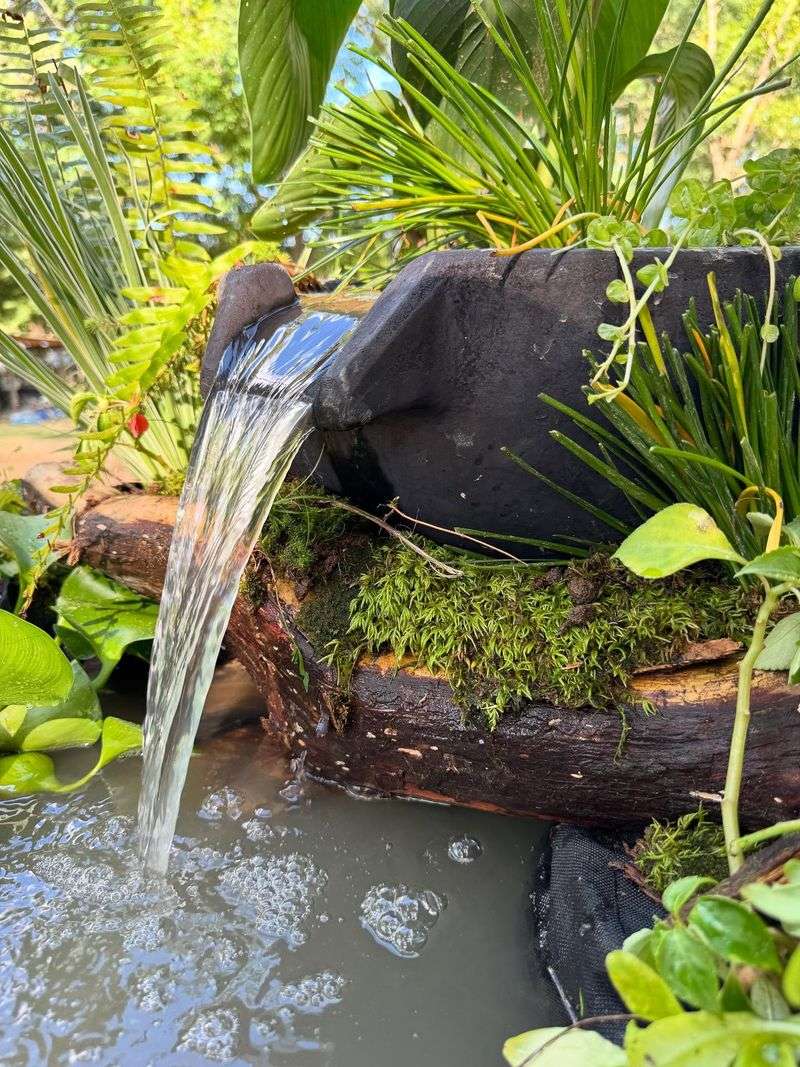
Backyard streams, waterfalls, and ponds that connect to natural waterways pose significant environmental risks in Colorado.
These features can unintentionally introduce non-native aquatic plants, fish, and microorganisms into rivers, lakes, or streams, disrupting local ecosystems.
Invasive species often outcompete native flora and fauna, altering food webs and reducing biodiversity. Water chemistry can also be affected, with added nutrients or chemicals from fertilizers or pond treatments impacting downstream habitats.
Colorado municipalities are considering permitting requirements and inspections for backyard water features that could influence natural water sources. Homeowners are encouraged to use closed-loop or recirculating systems that isolate backyard water from natural waterways.
Adding native aquatic plants not only enhances the beauty of ponds but also provides habitat for pollinators, amphibians, and beneficial insects while controlling algae naturally.
Proper design, maintenance, and prevention of overflow into local streams ensure that these water features support local wildlife rather than harming it.
Thoughtful backyard water management balances recreation, aesthetics, and conservation, helping residents protect Colorado’s fragile water resources while maintaining functional and attractive landscape elements.
13. Resource-Intensive Vegetable Gardens
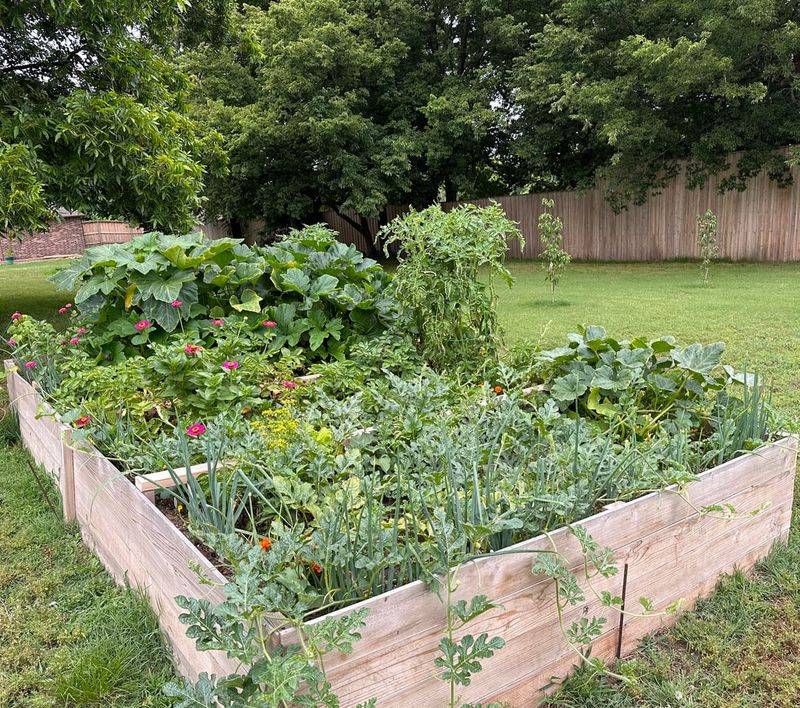
Vegetable gardens that rely on high water usage, such as corn, tomatoes, and certain leafy greens, are coming under scrutiny in Colorado’s semi-arid climate.
These crops require significantly more water than native or drought-tolerant alternatives, creating stress on municipal supplies, especially during drought periods.
Some communities are implementing water allocation limits for residential gardens, encouraging homeowners to choose crops adapted to local conditions. Raised beds with mulch, drip irrigation, and timing watering for early morning or late evening can increase efficiency while minimizing waste.
Selecting drought-tolerant vegetables such as kale, peppers, and beans reduces water demand and ensures productive yields even during dry months.
Crop rotation and companion planting enhance soil health, reduce pest pressure, and allow more sustainable management.
Educating gardeners about climate-adapted crops and efficient watering practices promotes responsible resource use.
By prioritizing water conservation, Colorado residents can maintain productive vegetable gardens without overtaxing local water systems, protecting community resources, and supporting environmental sustainability.
Thoughtful garden design allows residents to enjoy homegrown produce while aligning with long-term ecological and water conservation goals.