10 Yard Features That Put Native Wildlife At Risk In Pennsylvania
Pennsylvania yards often aim for comfort, order, and curb appeal, yet some familiar features quietly stack the deck against native wildlife.
What looks harmless to homeowners can spell trouble for birds, pollinators, amphibians, and small mammals that share the space.
Smooth lawns replace food sources, night lighting disrupts natural cycles, and tidy habits erase shelter that once meant survival.
As development tightens its grip, backyards matter more than ever as pockets of refuge or risk.
Small choices ripple outward, sometimes faster than expected.
A fountain, fence, or favorite plant can tip the balance without warning.
This topic shines a light on overlooked dangers hiding in plain sight and encourages a second look at how everyday yard decisions shape the fate of local species across the Keystone State.
1. Reflective Glass Windows And Doors
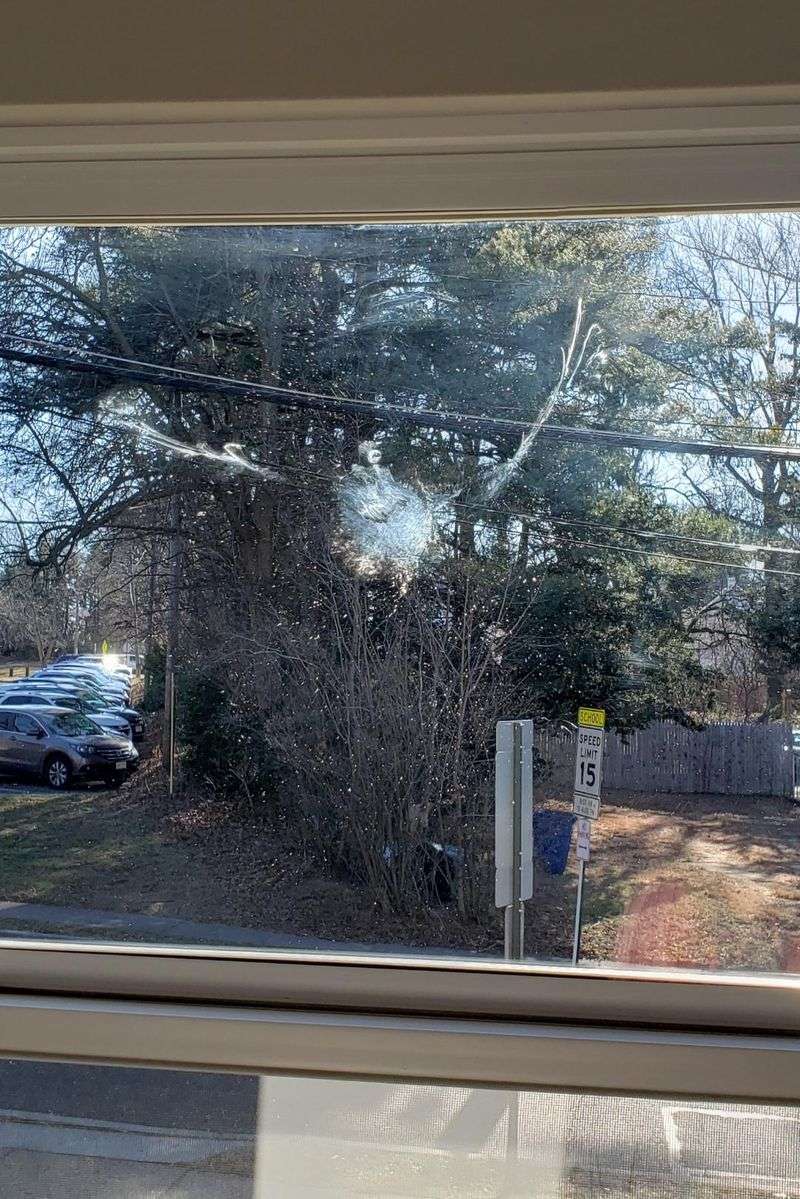
Glass surfaces create invisible barriers that confuse birds every single day.
Windows reflect trees, sky, and clouds, making birds think they can fly right through.
Millions of birds crash into windows across Pennsylvania each year, causing serious injuries.
Sliding glass doors pose an even bigger threat because they cover larger areas.
During migration seasons in spring and fall, the problem becomes worse as tired birds travel through unfamiliar areas.
Young birds learning to fly face particular danger since they have less experience judging distances.
You can reduce this risk by adding decals, screens, or external shutters to break up reflections.
Spacing stickers two inches apart works best because birds will not try to fly through small gaps.
Moving houseplants away from windows also helps since greenery attracts birds closer to the glass.
Closing curtains or blinds when you leave home provides another simple solution.
Some homeowners install netting a few inches from windows to create a soft barrier.
These changes make your home safer while still allowing you to enjoy natural light and views of your yard.
2. Outdoor Cats Roaming Freely
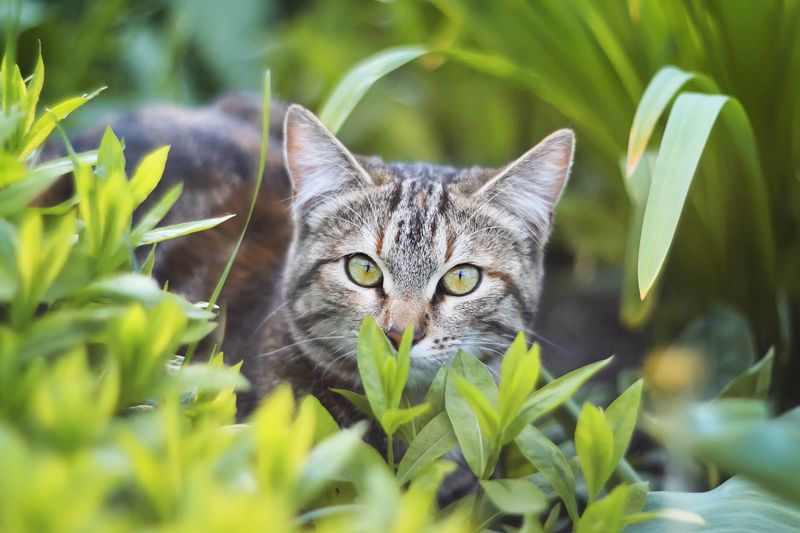
Cats are natural hunters, and their instincts remain strong even when well-fed at home.
A single outdoor cat can catch dozens of birds, small mammals, and reptiles throughout the year.
Pennsylvania’s native species did not evolve alongside domestic cats, so they lack proper defenses against these predators.
Ground-nesting birds like towhees and sparrows become especially vulnerable when cats patrol yards.
Baby rabbits, chipmunks, and young squirrels also fall victim to roaming felines.
Even cats wearing bells can still catch wildlife because many animals freeze when startled rather than run.
Outdoor cats face their own dangers too, including cars, diseases, and encounters with larger predators like coyotes.
Keeping cats indoors or building enclosed outdoor spaces protects both your pets and local wildlife.
Catio structures give cats fresh air and outdoor time without letting them roam freely.
If you must let cats outside, do it only during supervised times on a leash.
Training cats to walk on harnesses takes patience but provides a safe compromise.
Your neighbors’ wildlife will thrive better when cats stay contained and protected.
3. Pesticides And Chemical Lawn Treatments
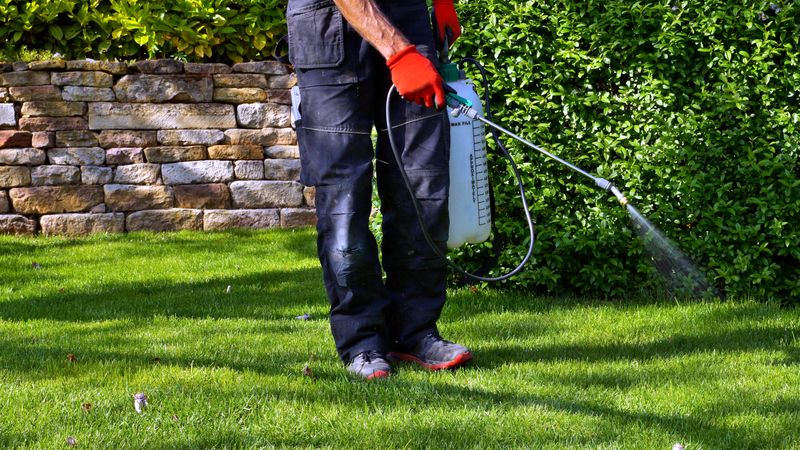
Chemical treatments promise perfect lawns but create toxic environments for creatures living in your yard.
Insects form the foundation of food chains, and pesticides eliminate beneficial species along with pests.
Birds that eat poisoned insects can become sick or develop weakened immune systems.
Amphibians like salamanders and frogs absorb chemicals directly through their permeable skin as they move across treated grass.
Pollinators such as native bees and butterflies suffer tremendously from widespread pesticide use.
These chemicals also wash into storm drains during rain, eventually reaching streams where fish and aquatic insects live.
Earthworms, which improve soil health and feed many birds, decline dramatically in chemically treated yards.
Children and pets face health risks too when playing on freshly treated grass.
Switching to organic lawn care methods protects your family and local ecosystems simultaneously.
Tolerating some clover, dandelions, and other lawn plants actually benefits pollinators searching for food.
Spot-treating problem areas instead of broadcasting chemicals across entire lawns reduces harm significantly.
Natural alternatives like neem oil and insecticidal soaps target specific pests without widespread damage.
4. Non-Native Invasive Plants
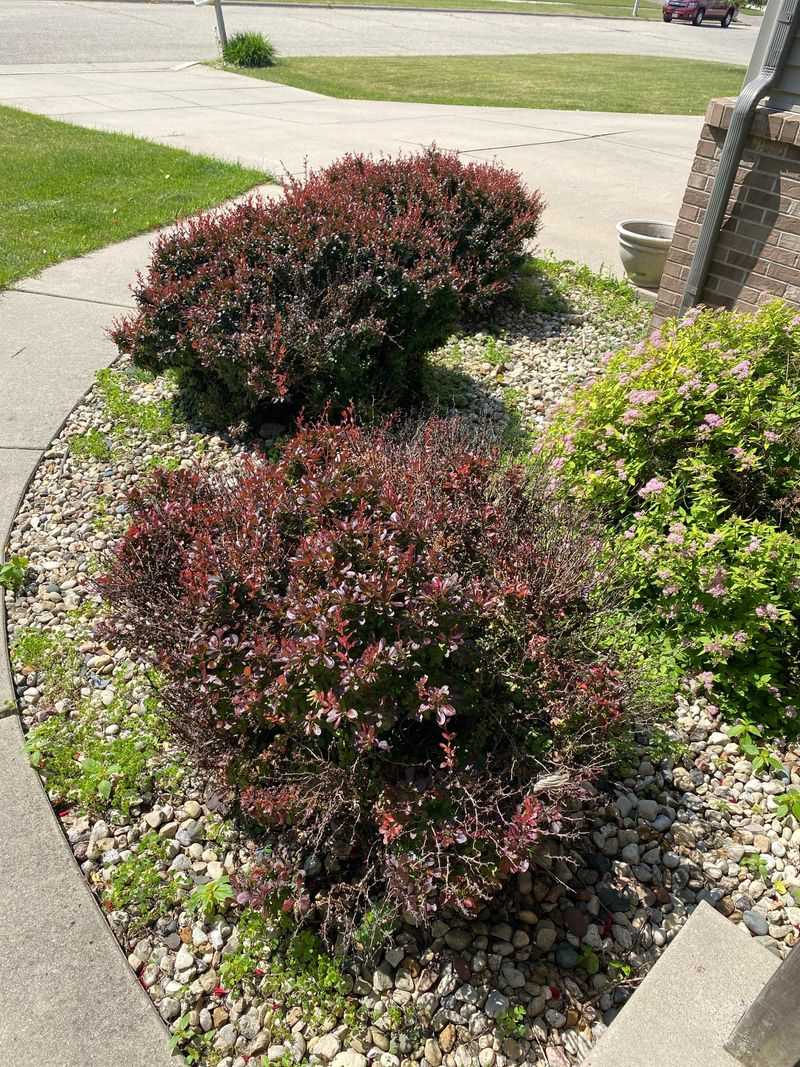
Certain ornamental plants sold at garden centers spread aggressively and crowd out native vegetation.
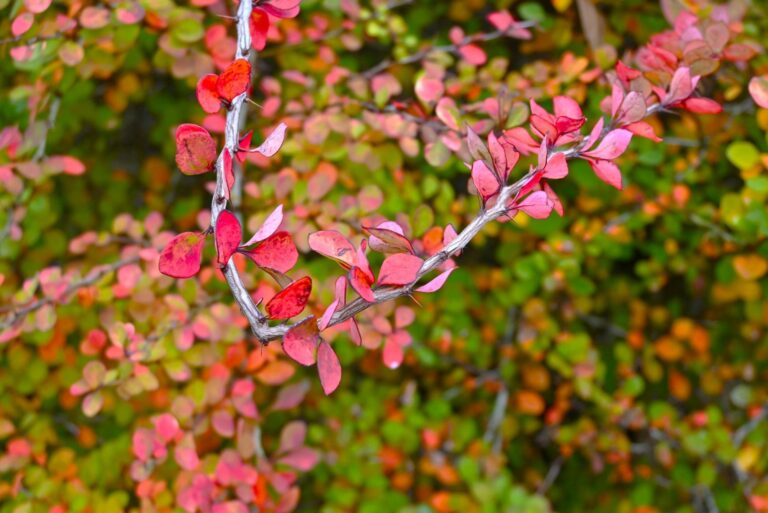
Species like burning bush, Japanese barberry, and English ivy might look attractive but provide little value to local wildlife.
Native insects evolved alongside native plants and often cannot eat or use invasive species for shelter.
When caterpillars cannot find appropriate host plants, bird populations decline because they rely on caterpillars to feed their young.
A single oak tree supports over 500 species of caterpillars, while most invasive plants support fewer than five.
Invasive plants also spread beyond your property into natural areas, disrupting entire ecosystems.
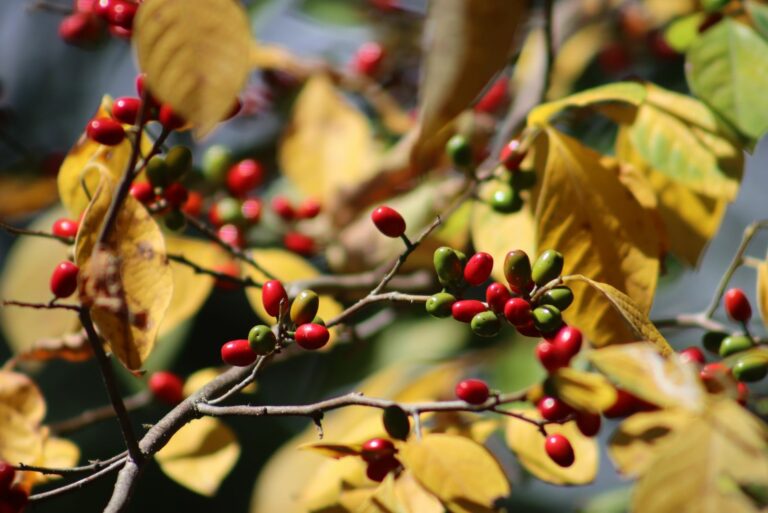
Birds eat the berries from plants like autumn olive and spread seeds through their droppings, expanding the invasion.
These aggressive plants shade out wildflowers that pollinators depend on for nectar and pollen.
Replacing invasive species with native alternatives creates habitat that actually supports local wildlife.
Pennsylvania natives like serviceberry, dogwood, and viburnum offer beautiful landscaping plus ecological benefits.
Local native plant sales and nurseries can help you choose appropriate species for your specific conditions.
Making this switch gradually transforms your yard into a genuine wildlife refuge over time.
5. Uncovered Window Wells And Basement Stairwells
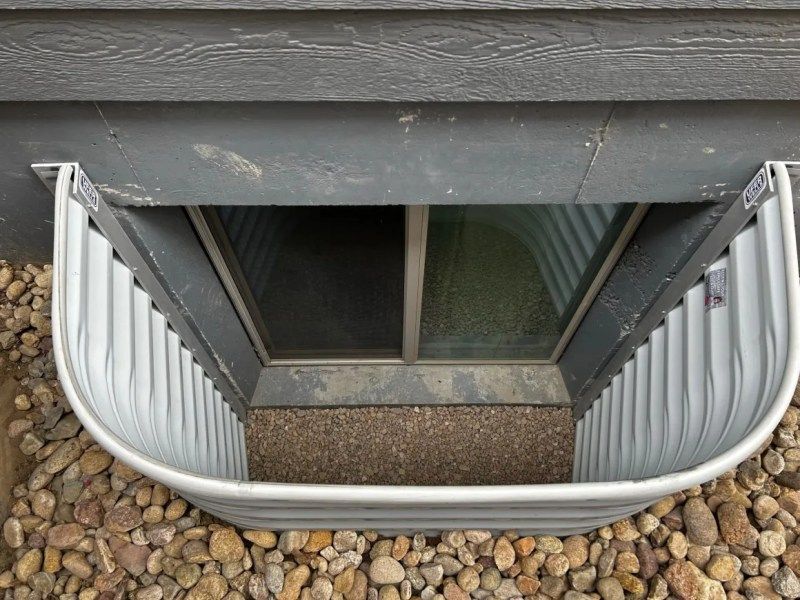
Window wells and sunken stairways create dangerous traps that capture small animals unable to climb out.
Chipmunks, toads, snakes, and baby rabbits frequently fall into these spaces while exploring yards at night.
Once trapped, animals cannot escape the smooth walls and may become stranded for days.
Without food, water, or shelter from weather, trapped creatures suffer tremendously before someone discovers them.
Predators like house cats sometimes find trapped animals, creating additional stress and danger.
Some window wells fill with water during heavy rains, creating drowning hazards for any creature stuck inside.
Snakes hunting for prey often end up trapped themselves, unable to scale the vertical surfaces.
Installing inexpensive covers over window wells solves this problem completely while still allowing light into basement spaces.
Clear plastic covers let sunshine through while preventing animals from falling in.
For stairwells, adding small ramps or textured surfaces gives trapped animals an escape route.
Check wells regularly during spring and summer when young animals explore their surroundings most actively.
These simple modifications prevent suffering while maintaining your home’s functionality and appearance without any real drawbacks.
6. Netting And Garden Mesh Left Unsecured
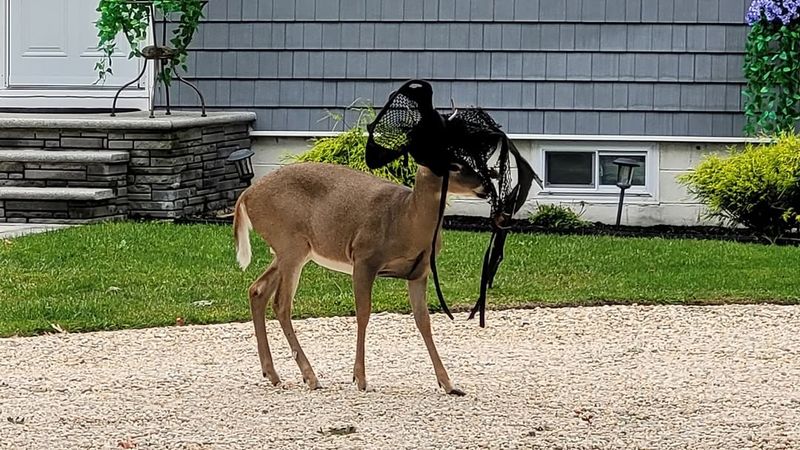
Gardeners use netting to protect fruits and vegetables from hungry animals, but loose mesh creates serious entanglement hazards.
Birds can become tangled in netting when they land on it or try to reach food underneath.
Snakes, turtles, and small mammals also get caught in loose mesh as they move through gardens.
Once entangled, animals panic and twist themselves tighter into the material, making escape impossible.
Their struggles can cause injuries to wings, legs, and other body parts.
Netting with large holes poses particular danger because animals push partway through before getting stuck.
Leaving netting in place during winter months increases risks since fewer people check gardens regularly.
Old, deteriorating netting becomes even more dangerous as it develops tears and loose strands.
If you must use netting, choose tight weaves with small holes that prevent animals from pushing through.
Secure all edges tightly to the ground and check for gaps where creatures might enter.
Remove netting promptly after harvest season ends rather than leaving it up year-round.
Consider alternative protection methods like row covers, cages, or fencing that pose fewer entanglement risks while still protecting your crops effectively.
7. Decorative Water Features Without Escape Routes
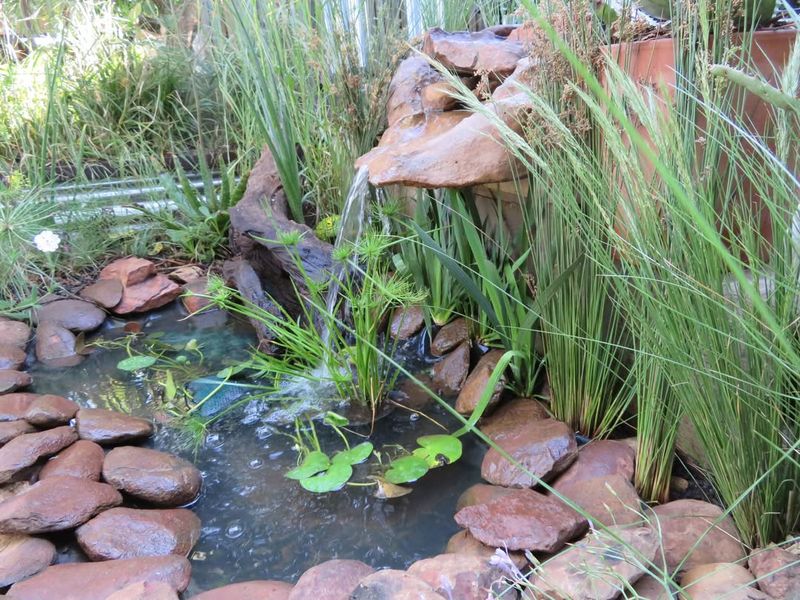
Ponds, fountains, and birdbaths attract thirsty wildlife but can become traps when animals cannot climb back out.
Small mammals like shrews and voles sometimes tumble into water features while drinking at the edges.
Smooth-sided containers offer no grip for tiny claws trying to escape.
Frogs and toads can swim well but may exhaust themselves searching for an exit from steep-sided ponds.
Even strong swimmers eventually tire and cannot survive indefinitely in water without rest.
Decorative fountains with deep basins and slippery surfaces pose particular danger to small creatures.
During hot summer days, many animals desperately seek water and take risks they might normally avoid.
Baby birds learning to bathe sometimes misjudge water depth and struggle to get out.
Adding rocks, branches, or textured ramps to water features provides crucial escape routes.
Position stones so they create a gradual slope from deep water to the edge.
Rough surfaces like stacked flat rocks give animals something to grip while climbing.
For birdbaths, place a few stones in the center so birds have shallow areas for safe bathing and drinking.
8. Exterior Lighting Left On All Night
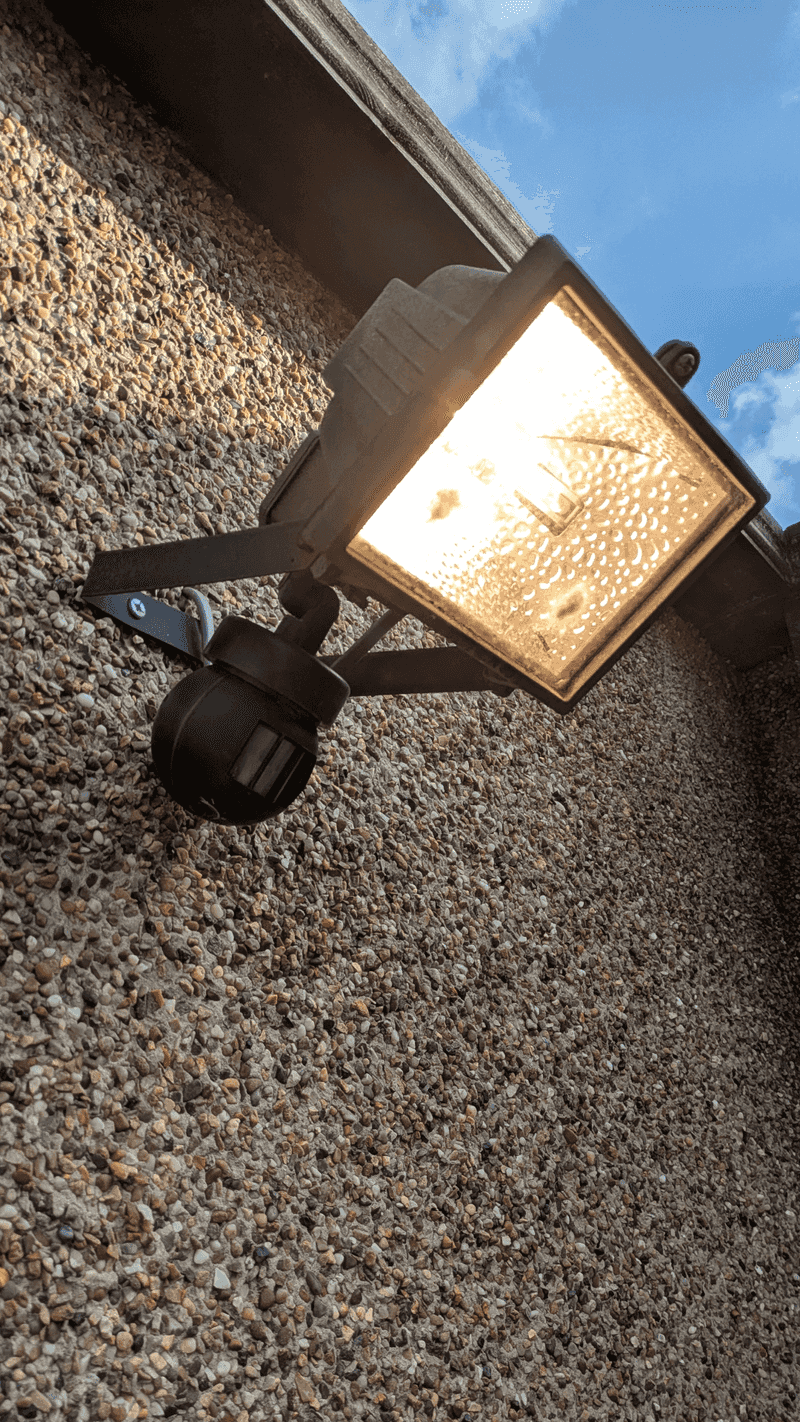
Artificial lights disrupt natural behaviors of nocturnal animals that evolved to navigate by moonlight and starlight.
Moths and other night-flying insects swarm around bright lights, exhausting themselves and becoming easy prey.
This behavior draws them away from their natural activities like pollinating night-blooming flowers and reproducing.
Bats, which eat thousands of insects nightly, find their hunting disrupted when lights alter insect behavior.
Migrating birds become disoriented by bright lights and sometimes circle illuminated areas until exhaustion.
Artificial lighting also confuses birds about when to begin their dawn chorus and other daily activities.
Fireflies, which communicate through bioluminescent flashes, cannot find mates effectively in brightly lit environments.
Pennsylvania’s firefly populations have declined partly due to increased light pollution in residential areas.
Nocturnal mammals like opossums and raccoons alter their natural movement patterns to avoid lit areas.
This forces them into less suitable habitat and increases their exposure to predators and traffic.
Using motion-sensor lights instead of constant illumination reduces impact while maintaining security.
Warm-colored bulbs cause less disruption than bright white or blue-toned lighting for wildlife trying to navigate at night.
9. Roadside Ditches And Culverts
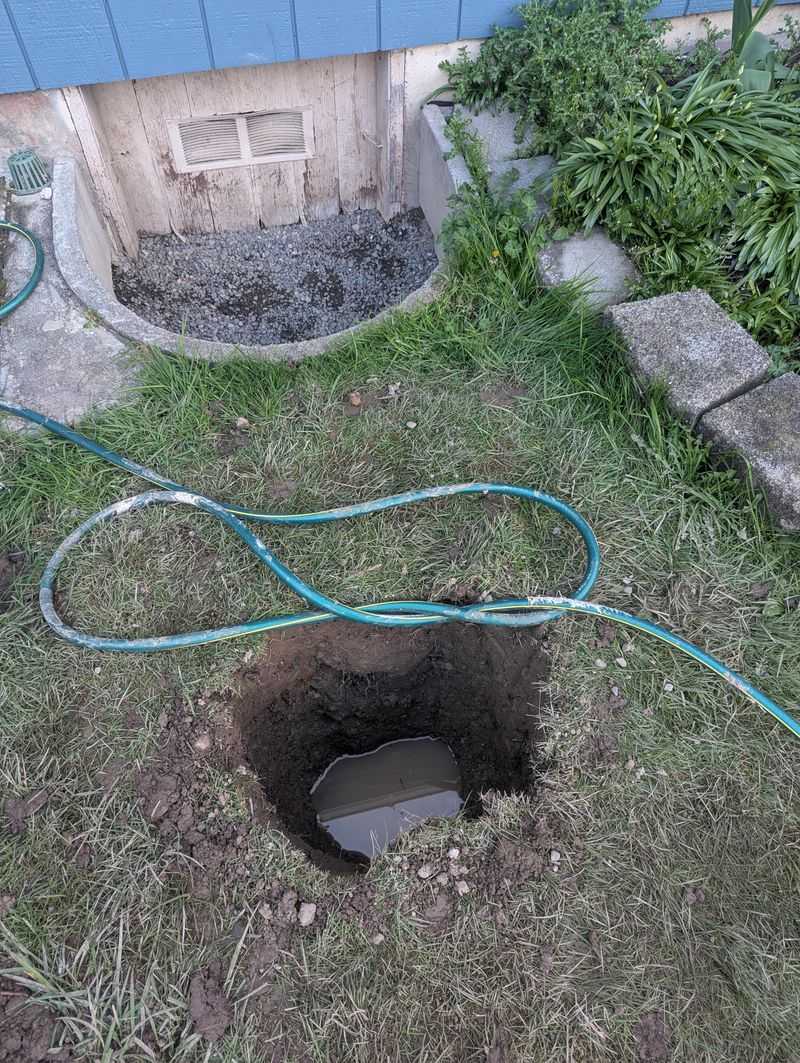
Drainage systems along driveways and roads channel water efficiently but create obstacles for small animals crossing through yards.
Turtles moving between wetlands often become trapped in deep ditches with steep concrete sides.
Amphibians migrating to breeding ponds each spring encounter these barriers and cannot continue their journey.
Culverts designed only for water flow become dangerous passages where animals get stuck or swept away during storms.
Young mammals exploring their territories sometimes fall into drainage ditches and exhaust themselves trying to escape.
Fast-flowing water during heavy rains can sweep small creatures into culverts where they become trapped or injured.
Some animals attempt to use culverts as shortcuts but encounter grates or dead ends that block their path.
Smooth concrete surfaces provide no texture for claws or toe pads to grip during escape attempts.
Installing small ledges or textured surfaces along ditch walls helps animals climb out safely.
Some communities add wildlife ramps or modified culverts that accommodate both drainage and animal movement.
Checking ditches regularly during active wildlife seasons helps you rescue any trapped creatures.
Working with neighbors to modify shared drainage systems creates safer corridors for animals moving through residential areas.
10. Lawn Mowers And String Trimmers Used Carelessly
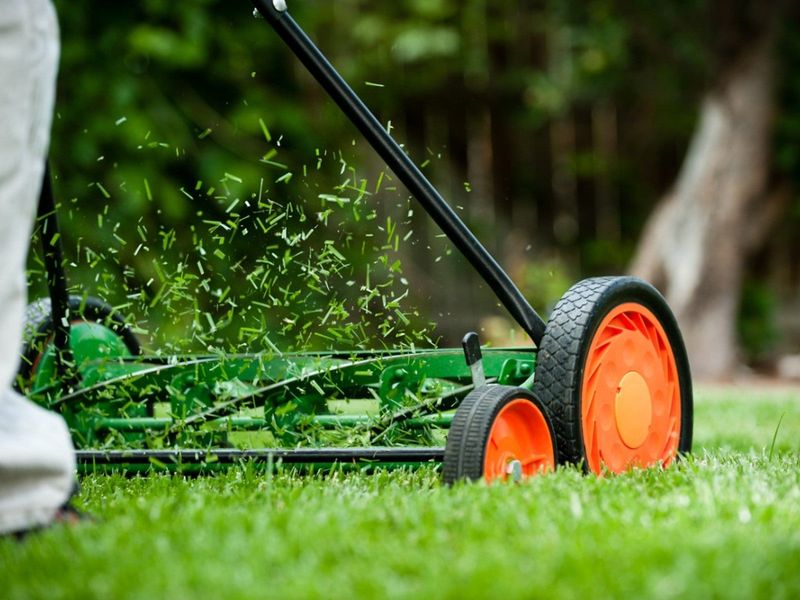
Routine yard maintenance equipment poses serious threats to small animals hiding in grass and vegetation.
Ground-nesting birds like meadowlarks and killdeer build nests in grassy areas where mowers cannot distinguish them from regular turf.
Baby rabbits huddle motionless in shallow nests hidden among grass blades, relying on camouflage for protection.
Box turtles and other reptiles move slowly and cannot escape fast-moving mower blades.
Amphibians resting in damp grass near downspouts and shady spots face danger from trimmers and mowers.
String trimmers cause particular harm because they can reach into areas where animals seek shelter near fences and buildings.
Mowing at high speeds reduces your ability to spot and avoid creatures in your path.
Cutting grass very short eliminates cover that small animals need for protection from predators and weather.
Walking your yard before mowing helps you locate nests, young animals, and slow-moving reptiles.
Raising mower height to three inches or more preserves some cover while keeping your lawn manageable.
Leaving unmowed patches near edges and corners creates refuge areas where wildlife can escape equipment.
Mowing less frequently allows animals more time to relocate and reduces overall disturbance to your yard ecosystem.