11 Yard Features You Could Soon Be Banned From Having In Massachusetts Neighborhoods

Massachusetts yards are evolving—and not always in the direction homeowners expect. As local governments push for stricter safety, environmental, and aesthetic standards, certain backyard features that once seemed harmless could soon be on the chopping block.
Homeowners who aren’t paying attention might face fines, removal notices, or forced redesigns. Your dream backyard could be out of step with new neighborhood rules!
From oversized structures and unpermitted sheds to certain water features, artificial turf, or even specific plantings, municipalities are tightening codes to protect water quality, manage fire risk, and preserve community character.
What’s allowed in one town might be restricted in another, and staying informed is the first step to avoiding costly surprises. Just because it’s popular doesn’t mean it’s always legal, especially now.
Massachusetts residents who plan ahead can tailor their outdoor spaces to meet both their needs and evolving regulations, keeping yards beautiful and compliant. Your landscape can be stylish, functional, and completely allowed!
1. Artificial Turf With PFAS Chemicals

Artificial grass might seem like the perfect solution for a low-maintenance lawn that stays green year-round without watering or mowing. Many Massachusetts families have embraced synthetic turf for sports areas, pet runs, and entire front yards.
However, growing environmental concerns are pushing several municipalities to hit the brakes on new installations.
The problem centers on PFAS, often called forever chemicals because they do not break down naturally in the environment. These substances can leach into soil and groundwater, potentially contaminating drinking water sources for entire communities.
Health experts worry about long-term exposure effects, especially for children who play on these surfaces regularly.
Several Massachusetts towns are now considering outright bans or strict limitations on artificial turf containing PFAS. Some communities already require special permits that scrutinize the chemical makeup of proposed installations.
If you are thinking about switching to synthetic grass, check your local regulations first and ask suppliers about PFAS-free alternatives.
Natural lawn care is making a comeback as homeowners seek safer options. Native grasses, clover lawns, and low-maintenance ground covers offer green solutions without the chemical concerns.
Your yard can still look fantastic while protecting local water supplies and keeping your family safe from potentially harmful substances.
2. Large Structures Without Permits In Setback Areas
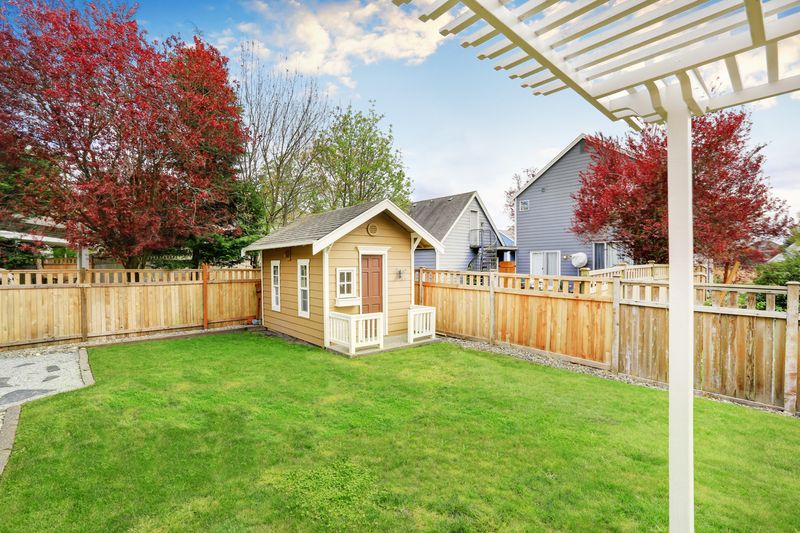
Building that dream shed or adding a detached garage sounds exciting until zoning officials show up with violation notices. Massachusetts towns enforce setback requirements that dictate how close structures can sit to property lines, streets, and neighboring homes.
These invisible boundaries exist for good reasons, including fire safety, neighborhood aesthetics, and maintaining adequate space between buildings.
Homeowners often assume smaller structures do not need official approval, but that assumption can prove expensive. Even a modest garden shed or extended patio might violate setback rules if placed too close to the front or side yard boundaries.
Local codes vary widely, with some towns allowing six feet from side lines while others demand ten or more.
Getting caught with an unpermitted structure in a setback area means facing fines and potentially tearing down your investment. Zoning boards rarely grant retroactive approval for violations, especially when neighbors complain.
The application process before building might seem tedious, but it protects you from heartache later.
Smart homeowners consult their town building department before breaking ground on any outdoor structure. Bringing your plans in early lets officials guide you on proper placement and required permits.
A simple conversation can save thousands in wasted materials and legal fees while keeping your relationship with neighbors friendly and your property value intact.
3. Yard Features That Obstruct Required Open Space
Open space requirements might sound like planning jargon, but they directly affect what you can build in your yard.
Massachusetts zoning bylaws mandate that residential properties maintain certain percentages of unpaved, unbuilt land to preserve neighborhood character and environmental health.
When homeowners cover too much ground with decks, patios, or other structures, they violate these critical limits.
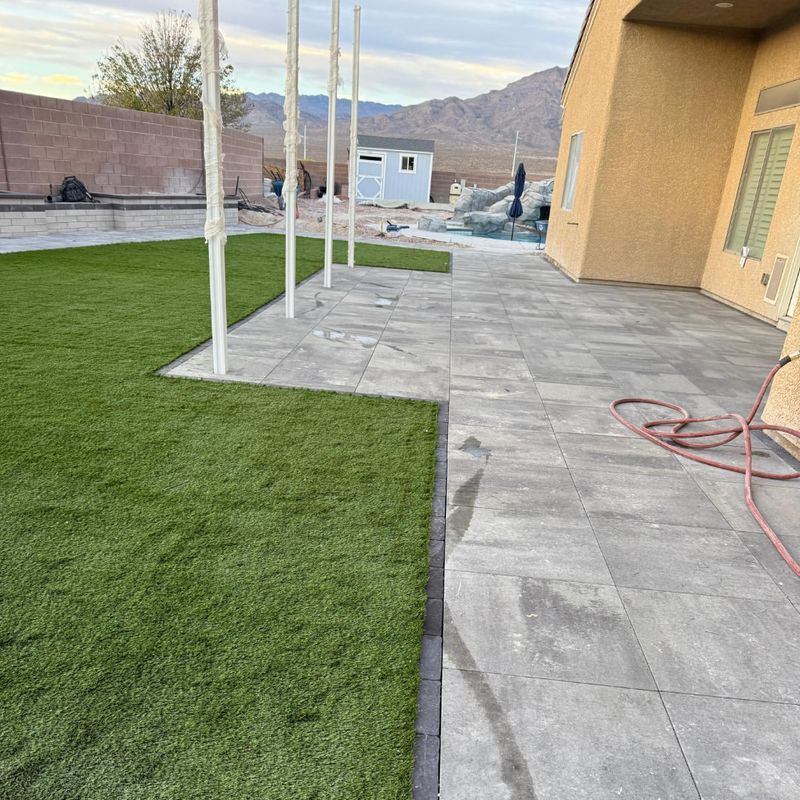
Towns calculate lot coverage by measuring all impermeable surfaces and structures against total property size. A sprawling composite deck, oversized gazebo, or extensive paver patio might push your coverage past legal thresholds.
These limits prevent neighborhoods from becoming concrete jungles while ensuring adequate green space for stormwater absorption and wildlife habitat.
Violations often come to light during property sales, refinancing, or neighbor complaints. Suddenly, that beautiful outdoor entertainment area becomes a liability that must be reduced or removed before transactions can proceed.
Buyers walk away, mortgage companies refuse loans, and your investment turns into a expensive mistake.
Before expanding your hardscaping or adding substantial yard structures, calculate your current lot coverage and compare it against local maximums. Many town websites provide coverage calculators and zoning maps.
If you are already close to limits, consider permeable paving options or elevated deck designs that preserve open ground beneath. Creative solutions let you enjoy outdoor living while respecting community standards and protecting your property value.
4. Wireless Towers Or Tall Antennas Without Special Permits
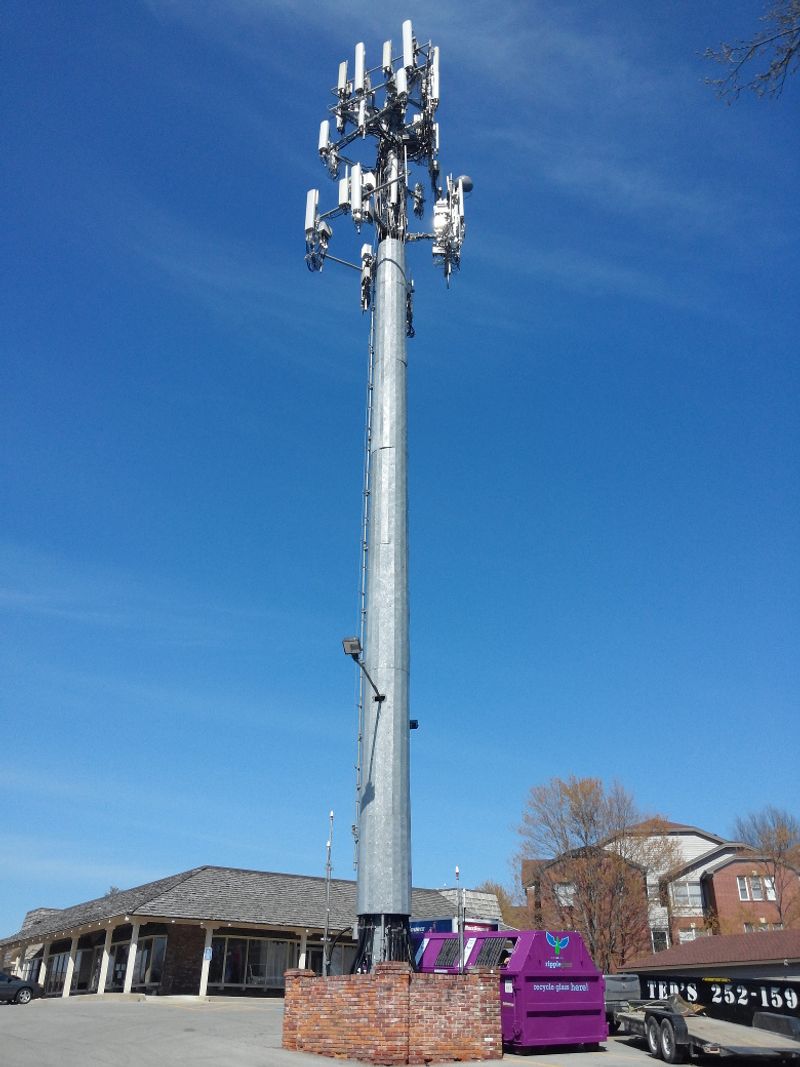
Amateur radio enthusiasts and tech-savvy homeowners sometimes install tall antennas or small wireless towers to boost connectivity or pursue hobbies.
These vertical structures can enhance signal reception dramatically, but they also trigger strict local regulations in Massachusetts residential zones.
What works perfectly from a technical standpoint might violate neighborhood appearance standards or safety codes.
Height restrictions vary by community, with many towns capping residential antenna structures at specific footage above rooflines. Towers that exceed these limits require special permits involving public hearings where neighbors can voice concerns.
Visual impact, property values, and potential falling hazards all factor into approval decisions.
Federal communications law protects certain antenna installations, but local governments still maintain authority over placement, height, and safety features. The balance between homeowner rights and community standards creates a complex regulatory landscape.
Installing without proper permits can result in removal orders and fines, even if your antenna serves legitimate purposes.
If wireless reception is poor at your location, explore alternatives before erecting tall structures. Modern signal boosters, mesh networks, and directional antennas often solve connectivity problems without triggering zoning battles.
When towers become necessary, work with your town early in the planning process.
Providing detailed plans, demonstrating safety measures, and addressing neighbor concerns proactively increases approval chances while maintaining good community relationships and keeping your project legal.
5. Fencing Above Height Limits
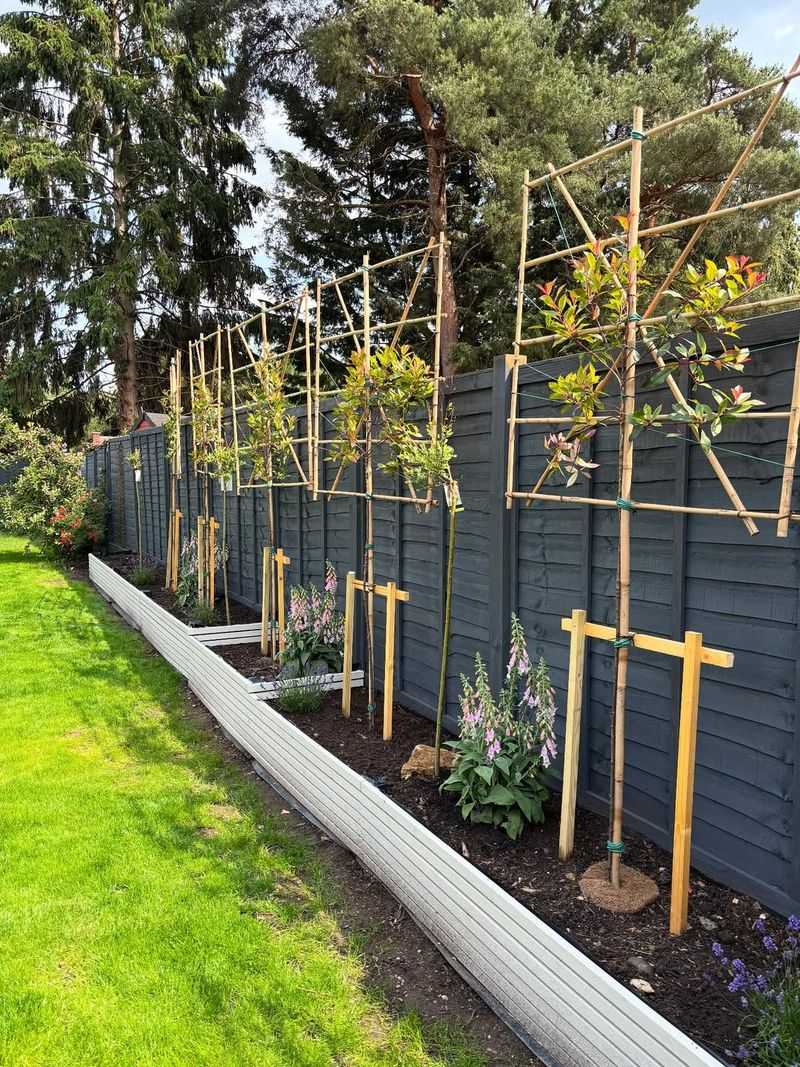
Privacy fences offer security and seclusion, making yards feel like personal retreats away from busy streets and curious neighbors. Massachusetts homeowners love the protection tall fences provide for pools, gardens, and outdoor living spaces.
However, local codes strictly regulate fence heights to balance privacy needs against neighborhood openness and sightline safety.
Front yard fences typically face the tightest restrictions, often limited to three or four feet to maintain street visibility and community aesthetics.
Side and rear yards usually allow taller barriers, commonly six feet, though some towns permit eight-foot fences with special approval. Installing fencing that exceeds these limits without variance approval brings zoning enforcement and mandatory removal.
Corner lots face additional complications because they have two front yards by definition, limiting fence options significantly. Drivers need clear sightlines at intersections, so tall fences near corners create safety hazards that towns take seriously.
What seems like a reasonable privacy fence might actually obstruct traffic visibility and violate multiple code sections.
Before purchasing fencing materials, verify your local height limits and obtain required permits. Many towns offer online zoning information or quick consultations at building departments.
If standard heights do not meet your privacy needs, explore landscaping alternatives like strategic tree plantings or tiered hedges.
Combining code-compliant fencing with natural screening creates effective privacy while keeping you on the right side of local regulations and maintaining positive neighbor relations.
6. Yard Lighting That Causes Light Spillover

Outdoor lighting enhances security, extends usable hours for patios and gardens, and showcases beautiful landscaping after sunset. Well-designed lighting systems add value and enjoyment to Massachusetts properties.
But overly bright fixtures or poorly aimed lights that spill onto neighboring properties increasingly violate municipal lighting ordinances designed to protect dark skies and neighborhood tranquility.
Light pollution affects more than stargazing opportunities. Excessive brightness disrupts wildlife patterns, interferes with neighbor sleep, and wastes energy on illumination that serves no useful purpose.
Many Massachusetts communities now enforce strict standards on fixture brightness, shielding requirements, and allowable spillover at property lines.
Common violations include unshielded floodlights, overpowered spotlights aimed at landscape features, and security lights that trigger constantly from wildlife or wind. Even decorative string lights can cause problems when they shine directly into neighboring windows.
Enforcement typically follows neighbor complaints, leading to required modifications or complete fixture removal.
Creating compliant outdoor lighting starts with choosing appropriate fixtures and wattages for each application. Downward-facing, fully shielded fixtures concentrate light where needed while minimizing sky glow and neighbor impact.
Motion sensors prevent unnecessary illumination, and timers ensure lights turn off at reasonable hours. Warm color temperatures feel more inviting than harsh blue-white LEDs while reducing light pollution effects.
Your yard can stay safely lit and beautifully highlighted without bothering neighbors or violating emerging lighting standards.
7. Excessive Impervious Surfaces
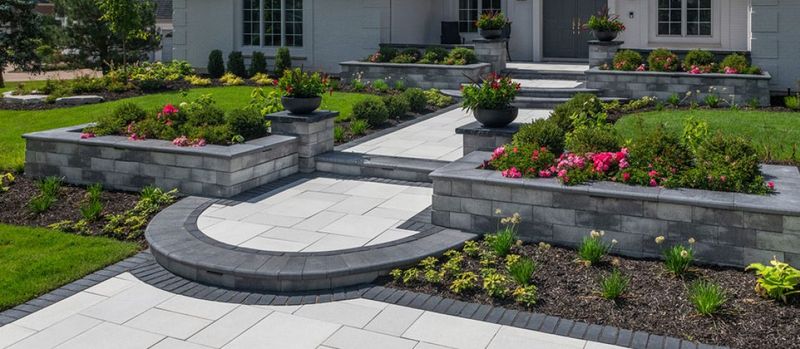
Paving projects transform muddy yards into clean, functional spaces perfect for parking, entertaining, and play areas. Driveways, patios, and walkways add convenience and curb appeal to Massachusetts homes.
Unfortunately, covering too much ground with concrete, asphalt, or pavers creates environmental problems that communities are increasingly addressing through strict impervious surface limits.
When rain falls on natural ground, soil absorbs water and filters it slowly into aquifers. Paved surfaces send runoff rushing into storm drains, carrying pollutants directly into streams, ponds, and eventually drinking water sources.
Excessive hardscaping overwhelms drainage systems, causes flooding, and degrades water quality throughout watersheds.
Massachusetts towns combat these issues by capping the percentage of each lot that can be covered with impermeable materials. Expanding your driveway, adding a basketball court, or creating extensive paver patios might push your property over legal limits.
Violations discovered during inspections or sales require expensive removal or mitigation measures.
Homeowners can enjoy functional outdoor spaces while respecting impervious surface caps through smart design choices. Permeable pavers, porous concrete, and gravel stabilization systems allow water infiltration while providing solid surfaces for vehicles and foot traffic.
Rain gardens and bioswales manage runoff from necessary paved areas beautifully. Calculate your current coverage before planning projects, and explore permeable alternatives that satisfy both your needs and environmental regulations.
Your yard stays functional, your community water stays clean, and your property remains compliant.
8. Signs Or Advertising Displays
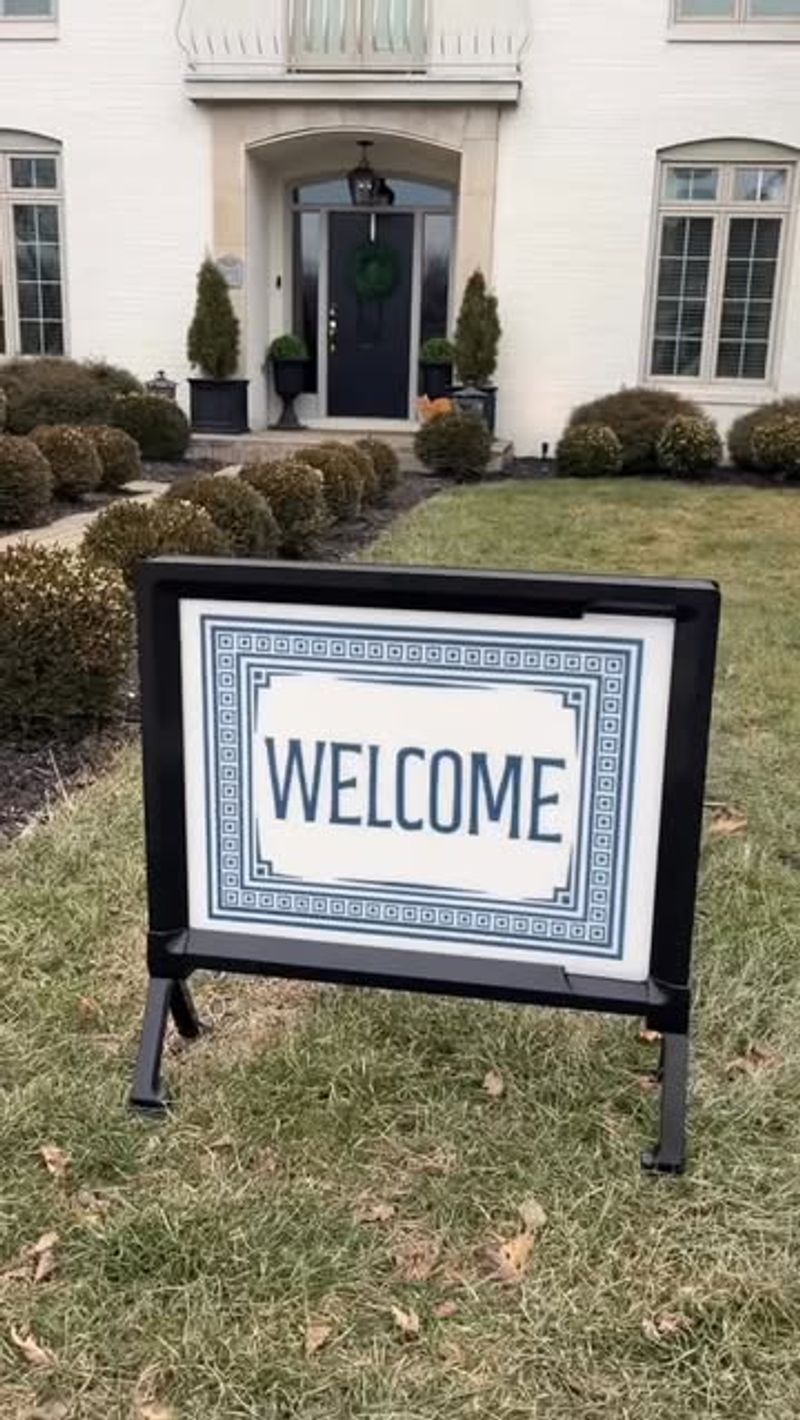
Expressing yourself through yard signs supports causes, celebrates occasions, and shares information with your community. Political campaign signs appear regularly during election seasons, and birthday banners mark special celebrations.
Massachusetts law protects certain sign rights, but local bylaws strictly limit commercial advertising and excessive personal displays in residential zones.
The distinction between protected and prohibited signs confuses many homeowners. Political signs enjoy strong First Amendment protections during campaign periods, though towns can regulate size and placement.
Religious expression and certain personal messages also receive legal protection. However, advertising your business, promoting commercial services, or displaying large promotional banners typically violates residential zoning codes.
Homeowners running businesses from their properties face particular challenges. That tasteful professional shingle or service advertisement might seem reasonable, but residential zones generally prohibit commercial signage regardless of business legitimacy.
Even small directional signs for home-based services can trigger violations and fines. Understanding your town specific sign ordinance prevents conflicts and penalties. Most communities publish clear guidelines on allowable sign types, sizes, and durations.
Election signs usually must come down within days of voting, and temporary celebration banners have time limits. If you operate a home business, explore alternative marketing through online presence, vehicle graphics parked off-property, or community bulletin boards.
Your message reaches potential customers without violating zoning codes or annoying neighbors who value residential character.
9. Live-In RVs, Tiny Homes, Or Unpermitted Granny Suites Without Approval
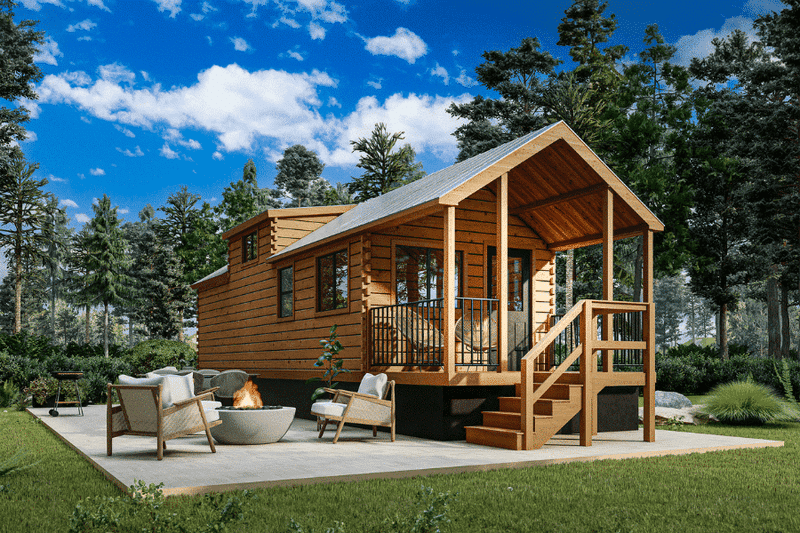
Housing affordability challenges inspire creative solutions, and many Massachusetts families consider accessory dwelling options to accommodate relatives or generate rental income. Recreational vehicles, tiny homes, and converted garage apartments seem like practical answers to space and budget constraints.
However, using these structures as living quarters without proper permits violates most local zoning codes and triggers serious enforcement actions.
Massachusetts zoning laws generally prohibit using RVs or temporary structures as permanent residences in residential yards.
Health and safety concerns drive these restrictions, as such dwellings often lack proper utilities, sanitation, and building code compliance.
Even well-appointed tiny homes on foundations require special permits and must meet specific standards that vary by community.
Granny suites or accessory apartments face complex approval processes involving lot size requirements, parking provisions, and owner occupancy rules. Some towns welcome these units as housing solutions, while others ban them entirely.
Installing one without navigating the permit maze results in cease-and-occupy orders, fines, and potential legal liability if occupants suffer injuries.
Families needing accessory housing should research local accessory dwelling unit ordinances before investing in structures or renovations.
Many Massachusetts communities recently updated regulations to encourage compliant accessory apartments that address housing needs legally.
Working with town planners early identifies feasible options and required approvals. Legal accessory dwellings add property value and provide flexible housing, while unpermitted structures create liabilities that haunt you during sales or emergencies.
10. Ground-Mounted Solar Panels Above Certain Heights Without Permits

Solar energy offers Massachusetts homeowners fantastic opportunities to reduce electricity costs and environmental impact through generous state incentives and net metering programs.
Ground-mounted solar arrays work beautifully for properties where roof installations prove impractical due to shading, orientation, or structural limitations.
However, local zoning codes impose height and setback restrictions that can complicate or prohibit ground solar projects without special permits.
Communities balance renewable energy goals against neighborhood aesthetics and property line considerations.
Solar panels mounted on tracking systems or elevated frames might exceed residential accessory structure height limits, typically ranging from ten to fifteen feet.
Setback requirements also apply, keeping panels certain distances from property boundaries to prevent shading or visual impacts on neighbors.
State law preempts some local solar restrictions, but municipalities retain authority over placement, height, and safety features. The interplay between state renewable energy policies and local zoning creates confusion for homeowners eager to go solar.
Installing without required permits risks enforcement actions despite environmental benefits and state incentives.
Before investing in ground-mounted solar, consult both your town building department and experienced solar installers familiar with local regulations.
Many communities offer streamlined permitting for compliant systems, and installers can design arrays that maximize energy production within zoning constraints.
Roof mounts, solar canopies over parking areas, or community solar subscriptions provide alternatives when ground systems face regulatory hurdles. Your commitment to clean energy succeeds best when planned within local rules that protect both your investment and neighborhood harmony.
11. Structures Or Use That Lie In Regulated Floodplain Or Wetland Buffers
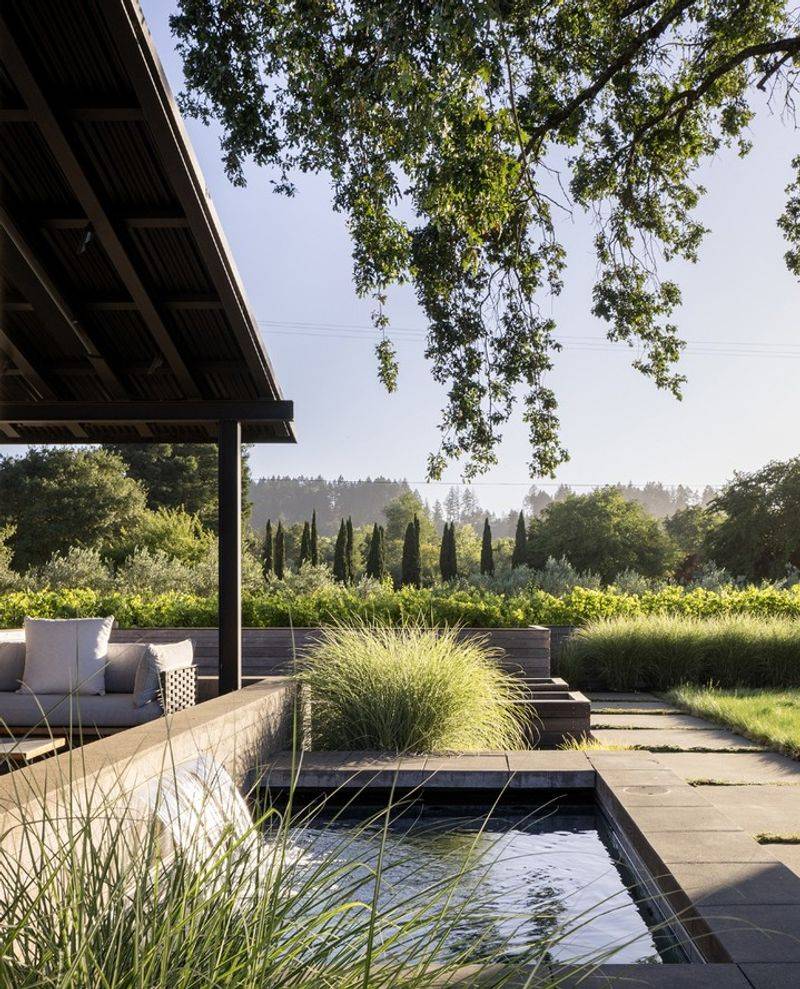
Massachusetts beautiful natural landscape includes countless wetlands, streams, and floodplains that provide critical environmental functions and habitat.
Properties adjacent to these features offer scenic views and nature connections that many homeowners treasure. However, building or even landscaping within regulated buffer zones surrounding wetlands and floodplains requires strict permitting from both state and local authorities.
Wetland buffer zones typically extend fifty to one hundred feet from water edges, prohibiting construction, filling, or vegetation removal without special approval.
These protected areas filter pollutants, prevent erosion, and maintain wildlife corridors essential to ecosystem health.
Floodplain regulations prevent structures in areas prone to flooding, protecting both property owners and emergency responders from dangerous situations.
Homeowners often discover buffer restrictions only after planning projects or during property transactions. That perfect spot for a deck or garden shed might sit squarely in a protected zone where building is prohibited.
Even seemingly minor activities like planting non-native species, removing trees, or grading soil can violate wetland protection laws and trigger significant fines.
Before planning any yard improvements, check whether your property includes or abuts regulated wetlands or floodplains. Town conservation commissions maintain maps and provide free consultations on buffer boundaries and allowable activities.
Projects within buffer zones require detailed applications and often professional wetland delineation.
Respecting these natural areas protects water quality, prevents flooding, and preserves the environmental features that make Massachusetts special while keeping your property legally compliant and valuable.