9 Yellow Flowering Plants That Bring Lasting Color To Georgia Yards
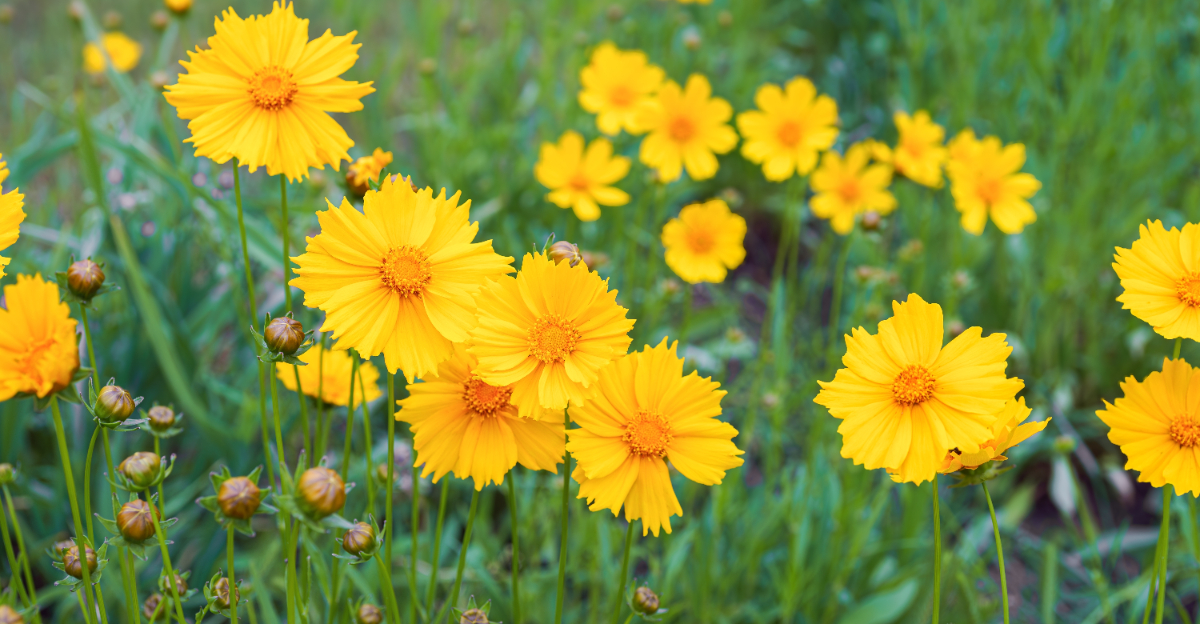
Bright yellow flowers can change the whole feel of a yard in Georgia. They stand out against green lawns, red clay, and even cloudy spring skies.
If your landscape feels a little flat or faded, yellow is the color that wakes it up fast.
Some yellow blooms last for weeks. Others keep going from spring into summer heat without slowing down.
The right picks handle Georgia humidity, strong sun, and sudden storms without losing their glow.
You don’t need a full makeover to make a difference. Just a few well-placed yellow plants can turn a simple yard into a space that feels alive and cheerful.
Once you see how bold and lasting these blooms are, you may wonder why you didn’t plant them sooner.
1. Coreopsis Delivers Bright Yellow Blooms From Late Spring Into Summer
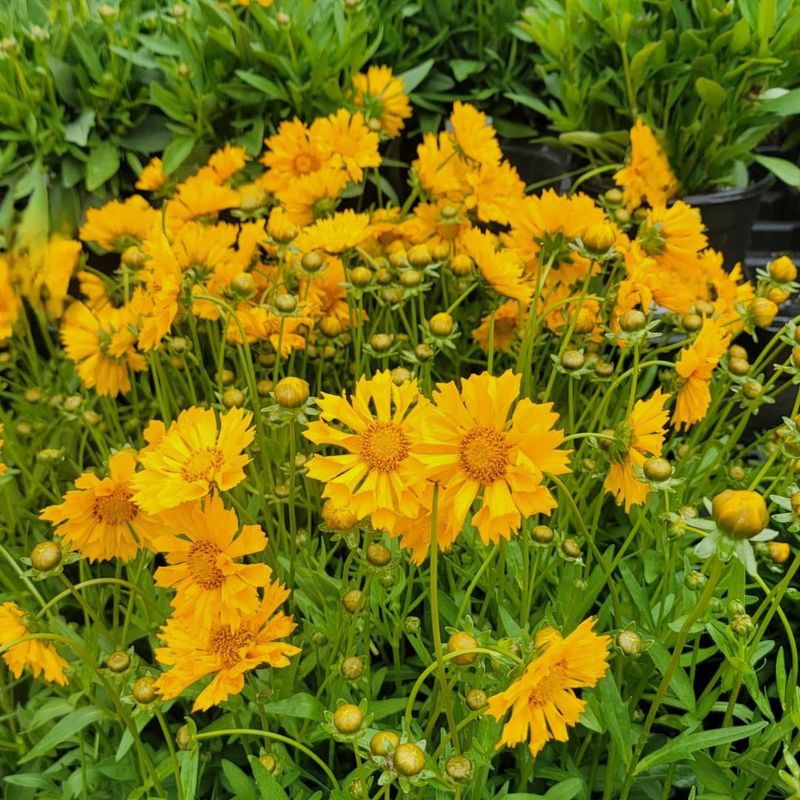
Georgia’s native Coreopsis laughs at poor soil conditions that would stress other flowering plants. Sandy patches, clay spots, or areas with minimal nutrients won’t stop these cheerful bloomers from producing waves of golden flowers.
Once established, they’ll keep flowering for six to eight weeks straight without demanding fertilizer or special amendments.
Pollinators swarm to Coreopsis like it’s the only restaurant in town. Butterflies and native bees visit constantly throughout the day, making your yard a hub of beneficial insect activity.
This helps your entire garden thrive, not just the Coreopsis patch.
Deadheading spent flowers extends the bloom period significantly. Snip off faded blooms every week or so, and new buds will keep forming into early summer.
Some gardeners in north Georgia report blooms lasting into July with regular maintenance.
Water needs drop dramatically after the first growing season. Mature plants handle Georgia’s occasional dry spells without wilting or dropping buds.
Full sun exposure brings out the most prolific flowering, though they’ll tolerate light afternoon shade in the hottest regions around Savannah and Brunswick.
They rarely struggle with pests or disease, which makes them a low-stress choice for busy Georgia gardeners. In well-drained soil, clumps slowly expand each year, filling bare spots with reliable color.
A quick trim after the main bloom cycle can even encourage a lighter second flush before summer heat fully settles in.
2. Black-Eyed Susan Handles Georgia Heat Without Fading
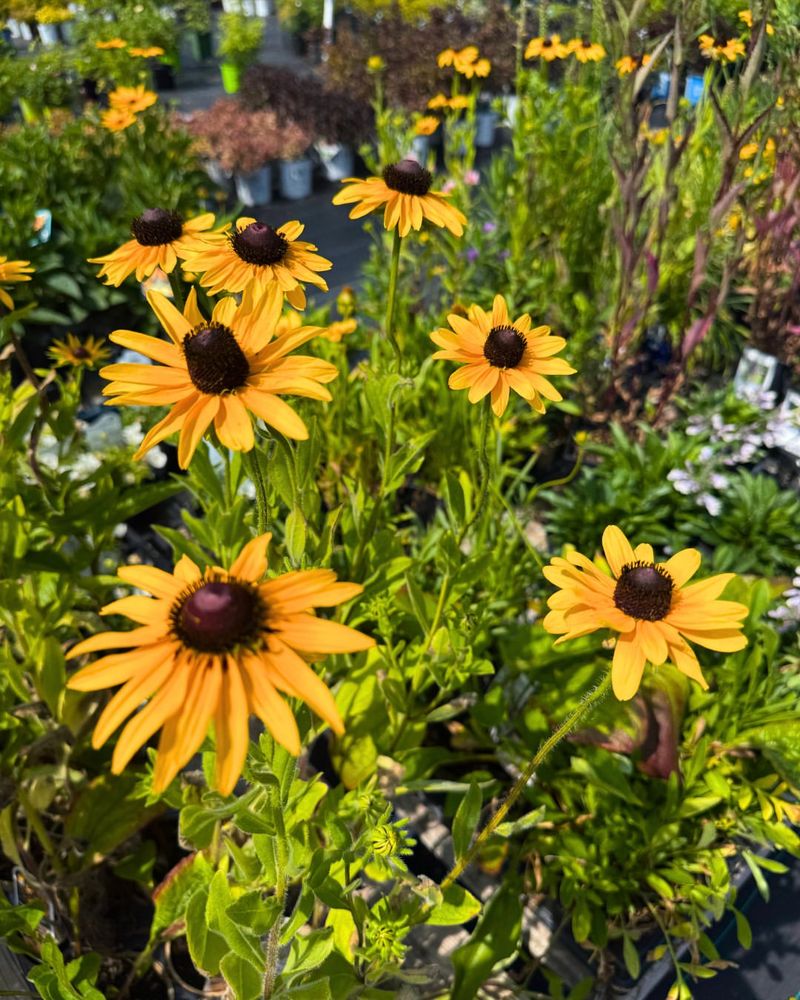
Few flowers power through Georgia summers like Rudbeckia. While other plants wilt and sulk when July humidity hits, Black-Eyed Susans keep pumping out fresh blooms like nothing’s wrong.
Their dark centers contrast beautifully with golden petals, creating eye-catching displays that last from June through September across most of Georgia.
Clay soil doesn’t intimidate these tough performers. Gardens around Atlanta and Augusta often deal with heavy clay that drains poorly and compacts easily.
Black-Eyed Susans adapt without complaint, sending roots deep enough to find moisture even when surface soil turns hard.
Cutting flowers for indoor arrangements actually encourages more blooms outdoors. Bring armfuls inside for vases, and the plant responds by producing additional flowering stems.
This makes them perfect for gardeners who love fresh-cut bouquets but don’t want to sacrifice outdoor color.
Reseeding happens naturally in most Georgia locations. Spent flowers drop seeds that sprout the following spring, gradually expanding your patch without any effort.
Thin out excess seedlings if they become too crowded, or transplant them to fill bare spots elsewhere in your landscape.
3. Lantana Keeps Blooming Even During Intense Georgia Summers
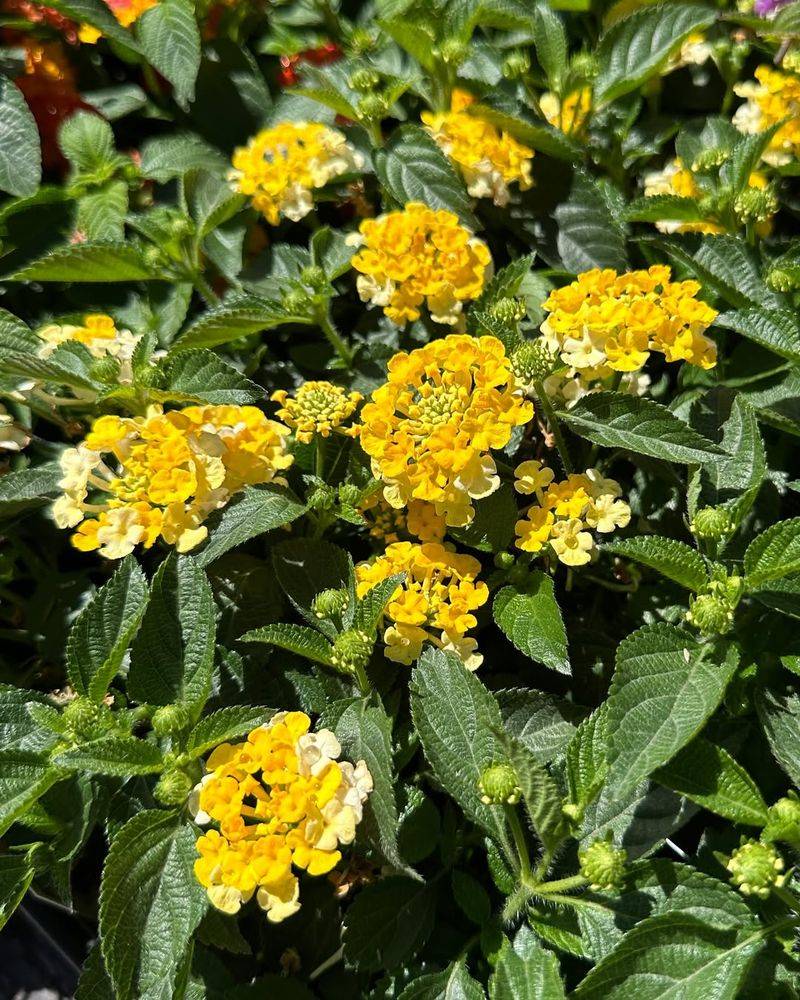
Scorching afternoons in Macon or Columbus don’t slow down Lantana one bit. This heat-loving plant actually performs better when temperatures soar, producing more flower clusters as summer intensifies.
Each bloom cluster contains dozens of tiny flowers that open gradually, creating a long-lasting display that refreshes itself constantly.
Drought tolerance makes Lantana ideal for Georgia gardeners tired of dragging hoses around. Established plants survive on rainfall alone during typical summers, only needing supplemental water during extended dry periods.
Their deep root systems tap into moisture reserves that surface-rooted annuals can’t reach.
Butterflies treat Lantana patches like mandatory rest stops on their migration routes. Monarchs, swallowtails, and fritillaries visit repeatedly throughout the day, often staying for extended feeding sessions.
Hummingbirds also check in regularly, especially during early morning hours.
Pruning keeps plants compact and encourages bushier growth. Trim back leggy stems in mid-summer, and new branches will fill in quickly with fresh foliage and flower buds.
In south Georgia, some Lantana varieties survive mild winters and return as perennials, though most gardeners treat them as annuals and replant each spring.
They thrive in full sun, where at least six hours of direct light fuels the heaviest blooming. Good drainage is essential, especially in areas with heavier clay soil, since soggy roots can weaken the plant.
Once settled in, Lantana keeps color going strong well into fall, often blooming right up until the first frost in Georgia.
4. Daylilies Return Year After Year With Reliable Yellow Blooms
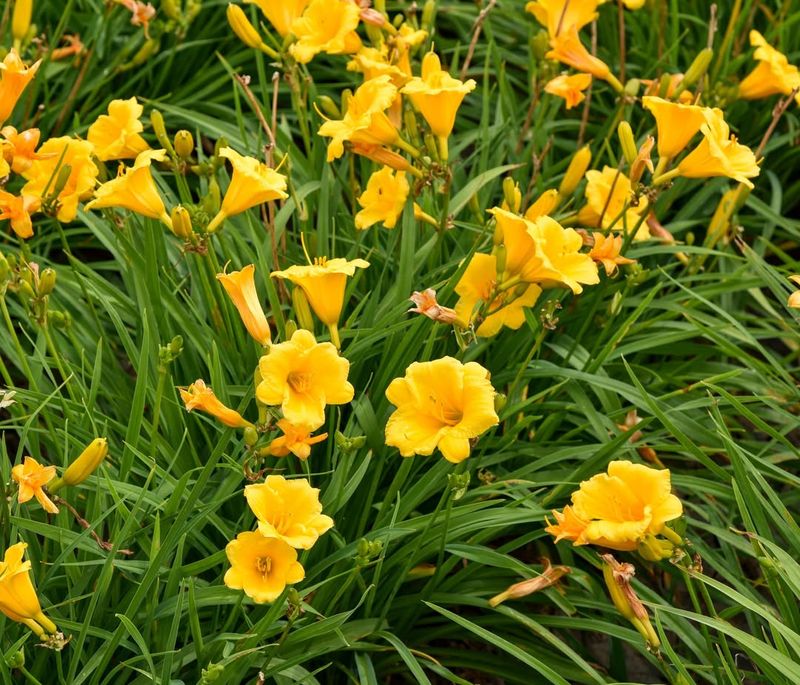
Plant daylilies once, and they’ll greet you every summer for decades. These perennials establish deep root systems that survive Georgia’s occasional winter freezes and bounce back stronger each year.
Their clumps gradually expand, creating fuller displays without requiring division for several years.
Adaptability to different soil types makes daylilies nearly foolproof across Georgia. Sandy coastal soils near Brunswick work just as well as the red clay around Rome or the loamy ground in middle Georgia.
They adjust their growth to match available nutrients and moisture without showing stress.
Each flower lasts only one day, but buds keep opening in succession for weeks. A mature clump produces dozens of buds on multiple stalks, ensuring constant color throughout the bloom period.
Snap off spent flowers daily to keep plants looking tidy and prevent seed formation that drains energy.
Dividing clumps every four to five years rejuvenates older plants and provides free starts for other garden areas. Dig up clumps in fall or early spring, separate them into smaller sections with at least three fans of leaves each, and replant immediately.
Divided sections bloom the very next summer.
5. Yellow Coneflower Attracts Pollinators And Stands Up To Humid Weather
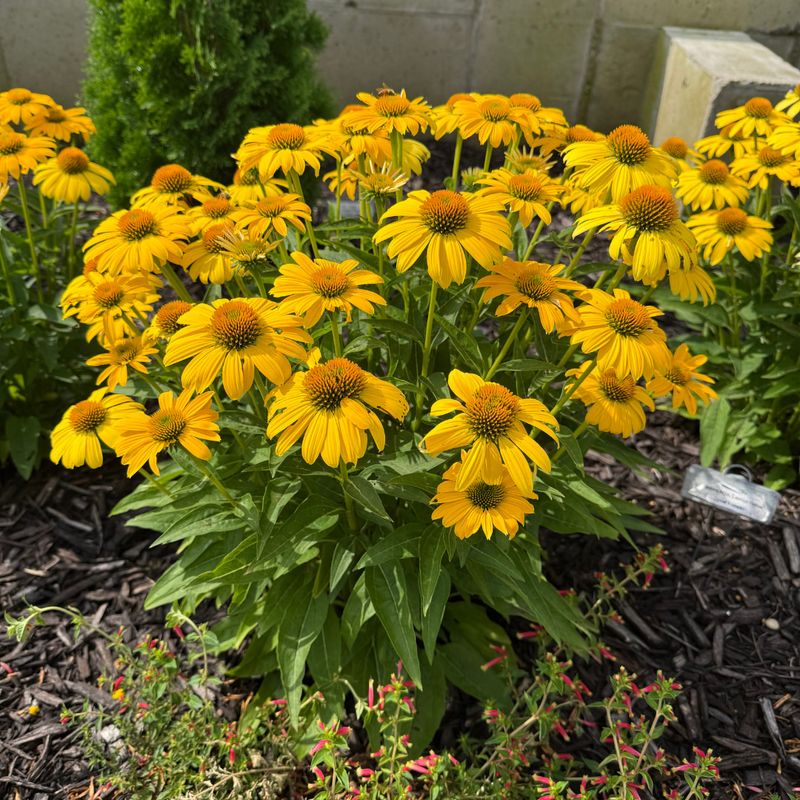
Humidity that ruins other flowers barely affects yellow Echinacea. While powdery mildew and fungal spots plague moisture-sensitive plants during Georgia’s sticky summers, coneflowers keep their foliage clean and their blooms pristine.
Good air circulation helps, but these plants tolerate typical garden conditions without special placement requirements.
Bees work yellow coneflowers with impressive dedication. Native bees, honeybees, and bumblebees spend extended time on each flower, thoroughly harvesting pollen and nectar.
Watching this activity provides entertainment while supporting pollinator populations that help your entire garden produce better.
Well-drained soil prevents the only real problem coneflowers face in Georgia. Heavy clay that stays soggy after rain can cause root issues, especially during winter months.
Amend planting areas with compost or create slightly raised beds to ensure excess water drains away quickly.
Seed heads left standing through winter feed birds and add architectural interest to dormant gardens. Goldfinches particularly love coneflower seeds, often perching on dried stems for extended feeding sessions.
Cut back old stems in late winter before new growth emerges to keep beds tidy.
Once established, yellow Echinacea handles short dry spells without constant watering. Full sun encourages the strongest stems and the most abundant blooms, especially in central and south Georgia.
Divide crowded clumps every few years in early spring to keep plants vigorous and flowering heavily.
6. Goldenrod Lights Up Late Summer When Other Flowers Fade
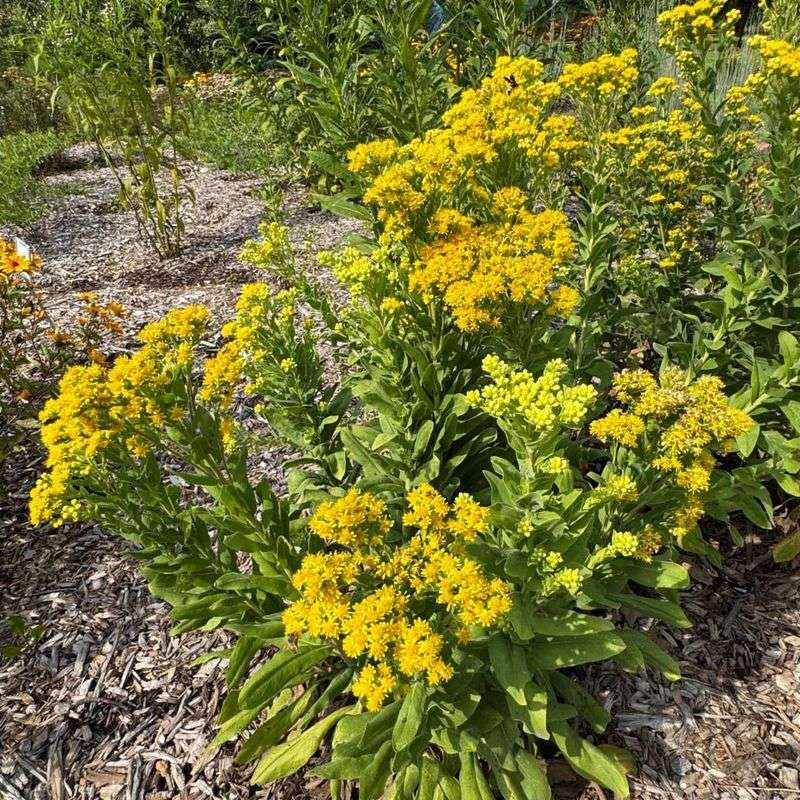
Goldenrod steps in right when many summer flowers begin to fade. Across Georgia, its tall stems rise above borders and naturalized areas from late August through October, adding a fresh wave of rich yellow just as the landscape starts to look tired.
In warmer parts of south Georgia, blooms can even stretch into early November.
Native varieties are especially dependable. They’ve adapted to Georgia’s heat, humidity, and occasional dry spells, which means they don’t demand constant watering or special soil prep.
Once established, goldenrod handles red clay, sandy soil, and average garden beds without complaint.
The flower plumes create movement and texture in the yard. Their upright shape contrasts nicely with lower-growing plants, making them useful toward the back of a border or along fences and property edges.
Mass plantings create a bold late-season statement that stands out against green lawns and fading perennials.
Goldenrod also plays an important role in supporting late-season pollinators. Bees and butterflies frequently visit the blooms, especially in early fall when nectar sources become more limited.
Plant goldenrod in full sun for the strongest stems and heaviest bloom production. Cut plants back in late winter before new growth begins to keep clumps tidy and encourage vigorous regrowth each spring.
7. Yellow Zinnias Provide Fast Color During Warm Months
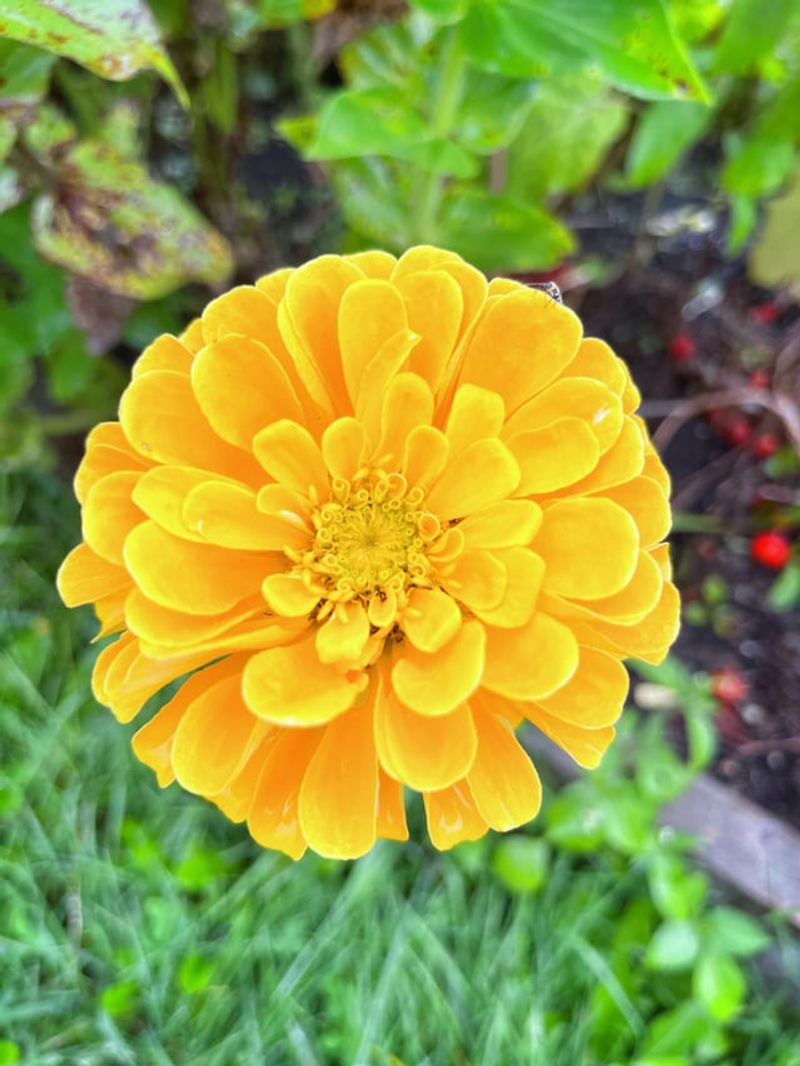
Zinnias sprint from seed to flower faster than almost any annual. Plant seeds directly in Georgia soil after the last frost, and you’ll see blooms within six to eight weeks.
This speed makes them perfect for filling gaps left by spring bulbs or replacing early-season annuals that fade when heat arrives.
Heat brings out the best in zinnias rather than stressing them. While cool-season flowers struggle and decline as Georgia temperatures rise, zinnias hit their stride and produce their most impressive blooms during July and August.
Their thick stems and substantial foliage handle intense sun without wilting.
Airflow prevents the main issue zinnias face in humid climates. Powdery mildew develops when plants are crowded together with poor air circulation, especially during humid Georgia nights.
Space plants at least 12 inches apart and avoid overhead watering to keep foliage dry and disease-free.
Cutting flowers for arrangements stimulates additional bloom production. Harvest stems early in the morning when flowers are fully hydrated, and the plant responds by pushing out more buds.
Regular cutting actually extends the overall bloom season and prevents plants from setting seed and shutting down production.
Deadheading spent blooms also keeps plants looking tidy and focused on producing new flowers. Well-drained soil helps roots stay healthy during heavy summer downpours.
With consistent sun and occasional feeding, zinnias will keep Georgia gardens colorful right up to the first fall frost.
8. Carolina Jessamine Blooms Bright Yellow In Late Winter
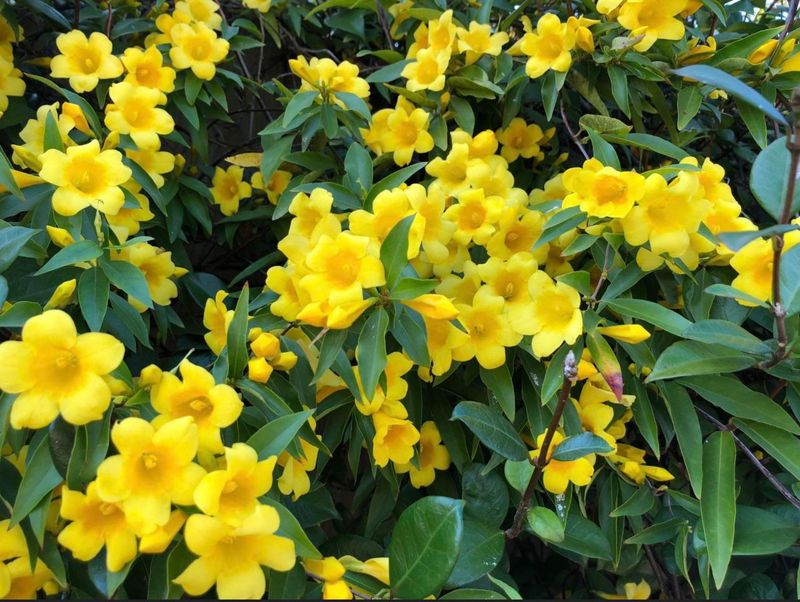
Late February brings Carolina Jessamine into bloom across Georgia when most plants remain dormant. These cheerful yellow trumpets appear before daffodils finish and well ahead of most spring flowers.
Their early show provides much-needed color after winter’s drab months and signals that warmer weather is approaching.
Native status means Carolina Jessamine evolved specifically for Georgia conditions. It handles winter cold snaps, spring rains, summer heat, and fall droughts without special care.
This vine knows exactly what to expect from Georgia weather and has built-in resilience that imported plants lack.
Evergreen foliage provides year-round interest beyond the spring bloom period. While flowers steal the show in late winter, the glossy green leaves look attractive through summer and fall, covering fences, arbors, or mailbox posts with dense greenery.
This dual-purpose performance makes it more valuable than plants that only look good for a few weeks.
Light fragrance adds another dimension to the visual display. Stand near blooming vines on warm late-winter afternoons, and you’ll catch a sweet scent that hints at approaching spring.
The fragrance isn’t overpowering but noticeable enough to enhance the sensory experience of early-season gardens throughout Georgia.
Full sun to partial shade encourages the heaviest flowering, though vines bloom best with at least six hours of light. Provide sturdy support, since mature plants can become surprisingly dense and woody over time.
Prune right after flowering if shaping is needed, so you don’t remove next year’s buds.
9. Yellow Canna Lilies Add Bold Tropical Color All Summer
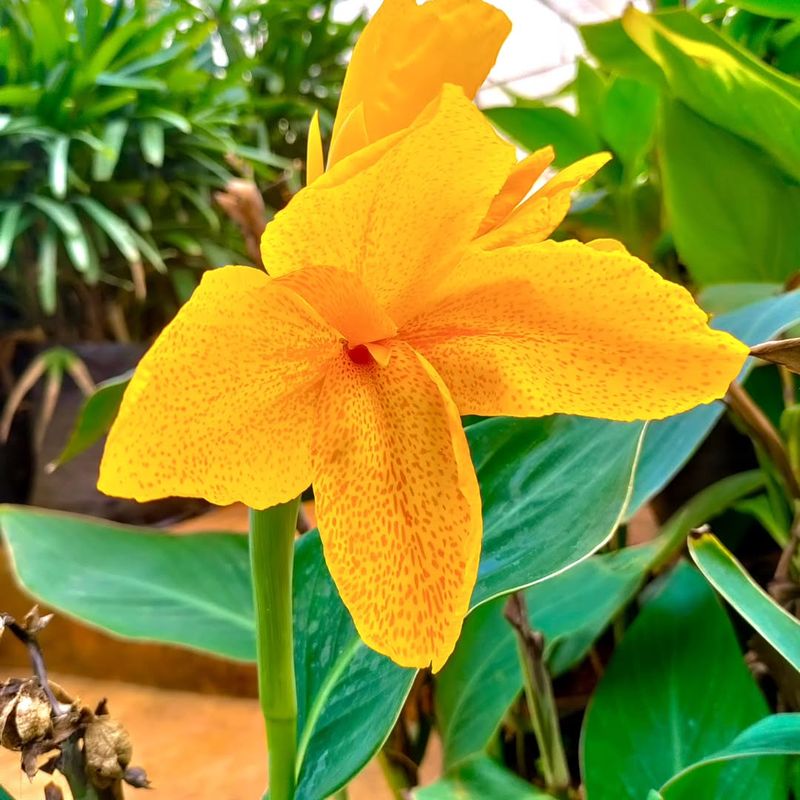
Bold architectural presence sets cannas apart from typical garden flowers. Their large leaves and substantial height create dramatic focal points that anchor landscape designs.
Yellow blooms appear atop these impressive plants, creating eye-level color displays that command attention from across the yard.
Heat and moisture are exactly what cannas crave, making them ideal for Georgia’s climate. While other plants struggle with the combination of high temperatures and humidity, cannas thrive and grow even more vigorously.
South Georgia gardeners find them especially reliable, with plants performing spectacularly from Valdosta to Savannah.
Rhizomes multiply underground, gradually expanding your planting without additional purchases. After two or three years, dig up clumps in fall and separate the rhizomes, creating multiple new plants from your original investment.
Share extras with neighbors or use them to fill additional garden areas.
Continuous blooming from late spring through first frost provides months of color. New flower stalks keep emerging throughout the growing season, ensuring constant display.
Cut spent stalks at ground level to keep plants tidy and encourage additional flowering stems to develop and extend the colorful show through Georgia’s long growing season.