Yes, Cucumbers Can Grow Indoors — Here’s How Illinois Gardeners Do It In Winter
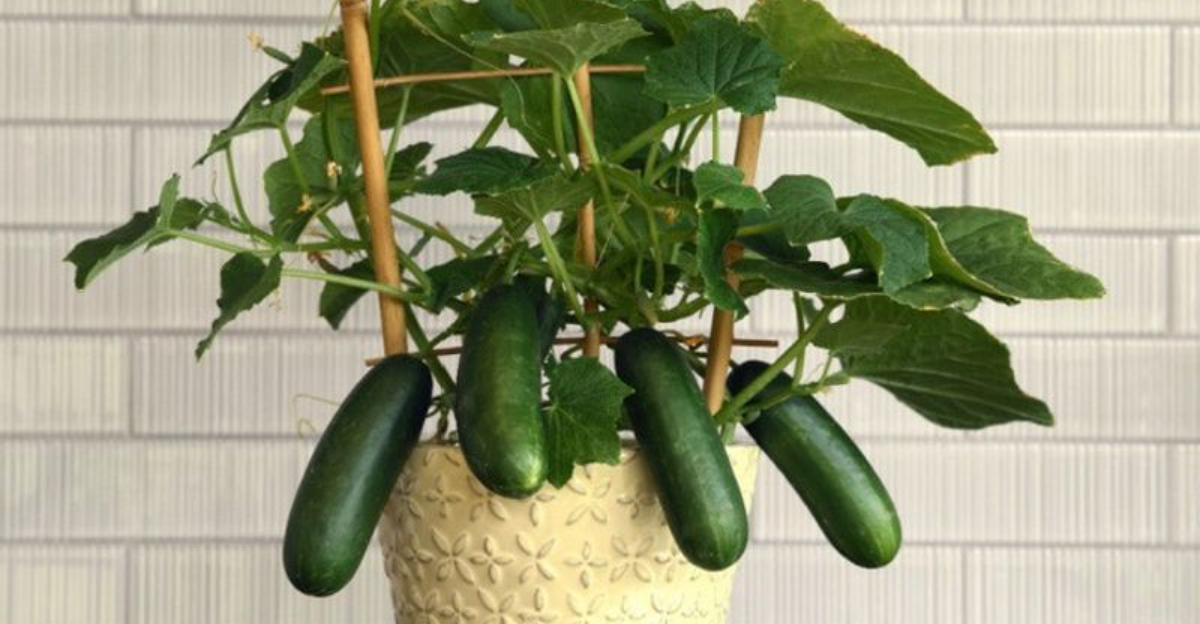
Winter in Illinois doesn’t have to mean giving up on fresh, homegrown vegetables.
While snow piles up outside, many gardeners are harvesting crisp cucumbers from inside their homes.
Growing cucumbers indoors may sound unrealistic, but with the right setup, it’s surprisingly effective.
Short days, cold temperatures, and limited space haven’t stopped determined growers from turning sunny windows, spare rooms, and small grow-light stations into productive mini gardens.
These vines adapt well to containers and controlled conditions when given proper light, support, and care.
For Illinois gardeners eager to stay hands-on through winter, indoor cucumbers offer fresh flavor, a rewarding challenge, and a reminder that gardening doesn’t have to pause just because the season changes.
Choose Compact Cucumber Varieties For Limited Space
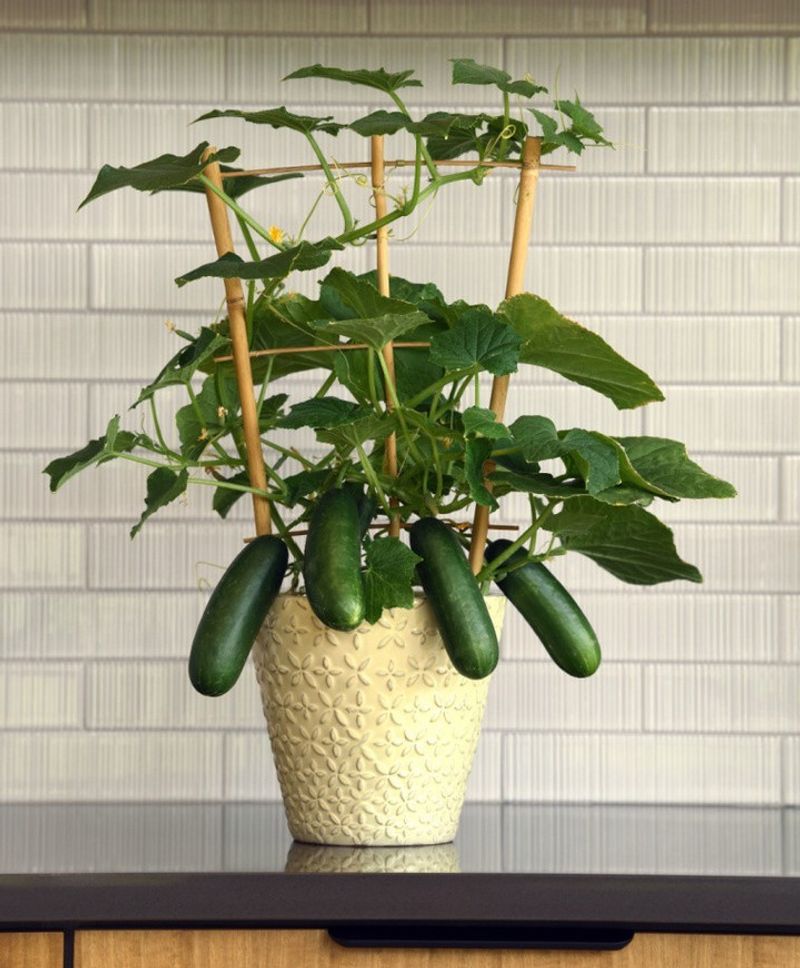
Bush varieties work better than sprawling types when you’re growing cucumbers inside your home because they take up much less room and stay manageable.
Compact cucumber plants can thrive in containers without taking over your entire indoor garden space, making them perfect for apartments and smaller homes.
Look for varieties like Spacemaster, Bush Champion, or Patio Snacker, which are specifically bred to grow well in confined areas and limited conditions.
Illinois gardeners often choose these types because they produce full-sized cucumbers without requiring extensive trellising or complicated support systems for the growing vines.
These varieties also mature faster than traditional types, giving you fresh vegetables in about fifty to sixty days from planting your seeds initially.
Shorter growth cycles mean you can enjoy multiple harvests throughout the long winter months when outdoor gardening simply isn’t an option at all.
Container-friendly cucumbers adapt well to indoor environments and require less maintenance than their larger cousins, making them ideal for beginners trying this method.
Many compact varieties also resist common diseases better, which helps prevent problems that could ruin your entire indoor crop before you harvest anything edible.
Provide Adequate Artificial Lighting For Photosynthesis
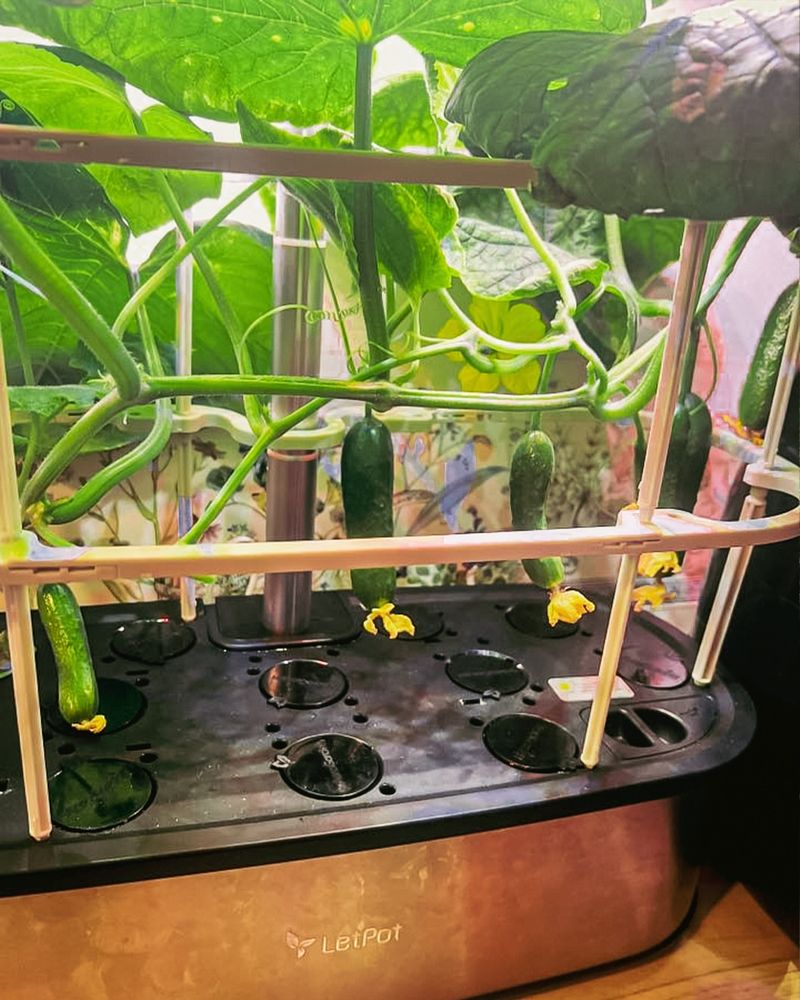
Cucumbers need strong light to grow properly, and winter sunlight through windows usually isn’t enough to support healthy development and fruit production effectively.
Full-spectrum LED grow lights work exceptionally well because they provide the exact wavelengths plants need while using less electricity than older lighting technologies.
Position your lights about six to twelve inches above the cucumber plants, adjusting the height as the vines grow taller throughout the season.
Most cucumber plants require fourteen to sixteen hours of light daily to photosynthesize efficiently and produce the energy needed for flowering and fruiting.
Illinois gardeners often use timers to automate their lighting schedules, ensuring consistent exposure without having to remember to switch lights on and off manually.
Proper lighting prevents leggy, weak growth and encourages sturdy stems that can support the weight of developing cucumbers without breaking or collapsing under pressure.
Investing in quality grow lights might seem expensive initially, but they last for years and make indoor winter gardening successful and genuinely rewarding.
Watch your plants closely for signs of too much or too little light, such as bleached leaves or stretched stems reaching desperately upward.
Maintain Warm Temperatures Between Sixty-Five And Seventy-Five Degrees
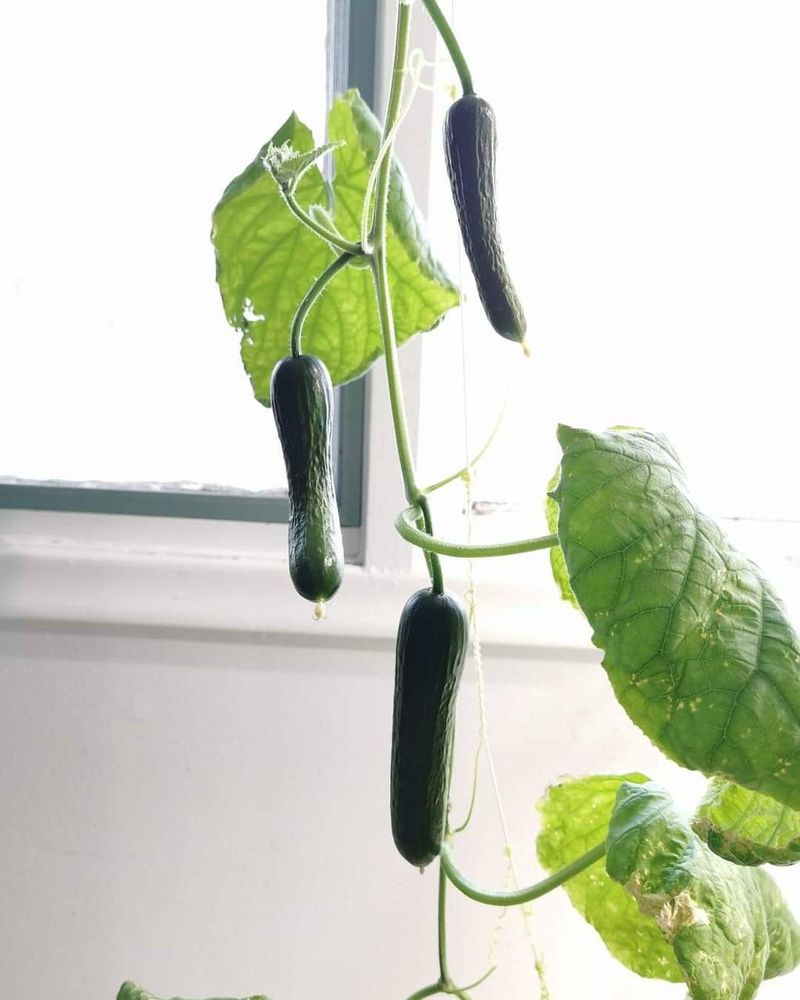
Cucumbers are tropical plants at heart, so they need warmth to thrive and won’t tolerate the cold temperatures typical of Illinois winters outside.
Keep your indoor growing area between sixty-five and seventy-five degrees Fahrenheit during the day for optimal growth and fruit development throughout the season.
Nighttime temperatures can drop slightly to around sixty degrees, but anything colder will slow growth and potentially damage your plants over extended periods.
Avoid placing cucumber containers near drafty windows, exterior doors, or air conditioning vents that could create sudden temperature fluctuations affecting plant health negatively.
Many Illinois gardeners use space heaters or heat mats to maintain consistent warmth, especially in basements or unheated rooms where temperatures might drop overnight.
Consistent temperatures help cucumbers develop properly, encouraging flowering and fruit set rather than just producing lots of leaves without any actual vegetables appearing.
Cold stress can cause blossoms to drop off before pollination occurs, which means you won’t get any cucumbers despite having healthy-looking plants otherwise.
Monitor temperatures regularly with a simple thermometer, making adjustments as needed to keep your indoor cucumber garden in the ideal growing range always.
Use Well-Draining Soil Rich In Organic Matter
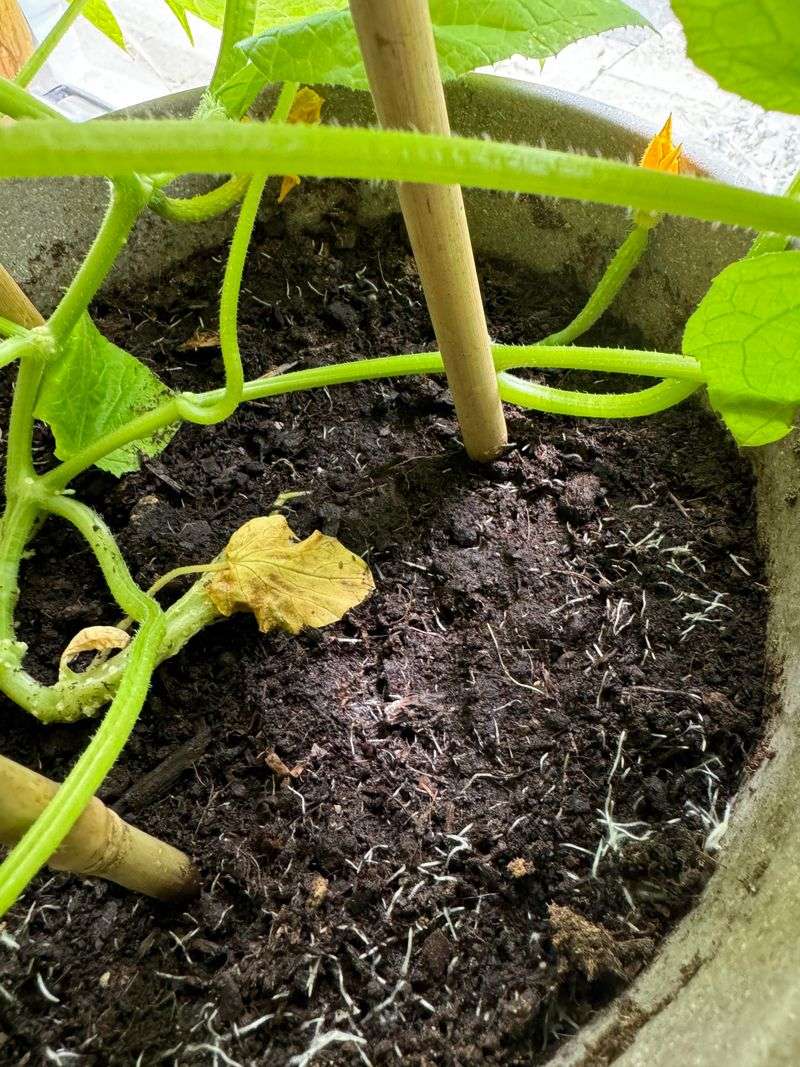
Soil quality makes an enormous difference when growing cucumbers indoors, as poor soil leads to weak plants that produce few or no fruits.
Choose a high-quality potting mix specifically designed for vegetables, which typically contains peat moss, perlite, and compost for excellent drainage and nutrition.
Cucumbers need soil that drains well but still retains enough moisture to keep roots hydrated without becoming waterlogged or developing root rot issues.
Adding extra compost or worm castings to your potting mix provides beneficial microorganisms and nutrients that support vigorous growth throughout the entire growing season.
Illinois gardeners often mix in a slow-release organic fertilizer at planting time to ensure their cucumbers have access to essential nutrients from the start.
Avoid using garden soil from outside, as it can contain pests, diseases, and weed seeds that will cause problems in your indoor growing environment.
The right soil pH matters too—cucumbers prefer slightly acidic to neutral soil, ideally between six and seven on the pH scale for best results.
Refresh your soil between plantings rather than reusing the same mix, as nutrients become depleted and soil structure breaks down over time with use.
Select Containers With Proper Drainage And Adequate Size
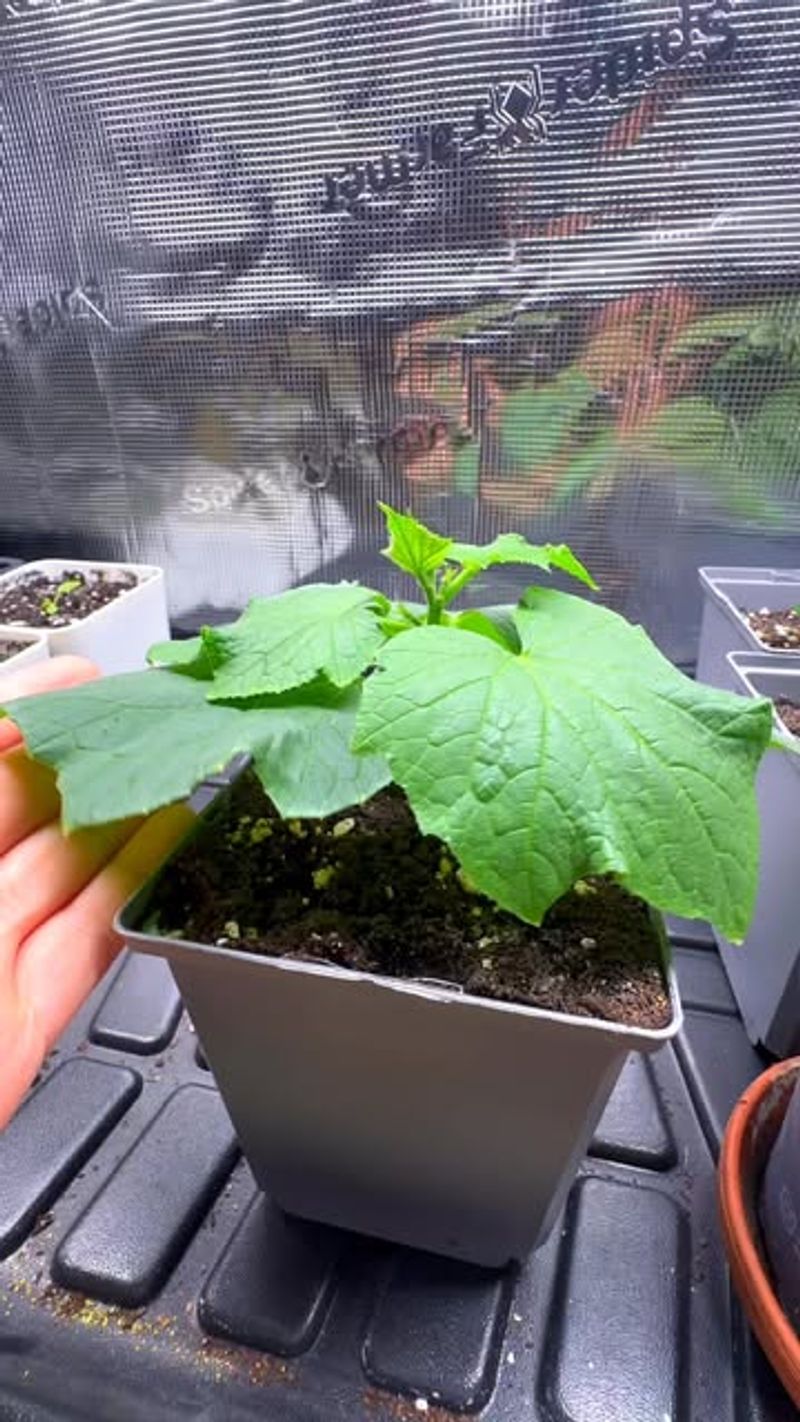
Container size directly impacts how well your cucumber plants grow, so choosing the right pot is crucial for success with indoor winter gardening.
Each cucumber plant needs at least a five-gallon container to accommodate its root system, though larger pots work even better for vigorous growth.
Drainage holes are absolutely essential—without them, water accumulates at the bottom and causes root rot that will ruin your plants within weeks.
Plastic containers work well because they’re lightweight and retain moisture better than clay pots, which can dry out too quickly in heated indoor environments.
Illinois gardeners sometimes place saucers under their pots to catch excess water, but they always empty these trays so roots don’t sit in standing water.
Deeper containers allow roots to grow downward naturally, creating stronger plants that can support heavy cucumber production throughout the entire growing period ahead.
Consider using fabric grow bags as an alternative—they provide excellent drainage and air circulation while preventing roots from becoming bound or circling endlessly.
Whatever container you choose, make sure it’s clean before planting to avoid introducing diseases or pests that could damage your indoor cucumber crop.
Hand-Pollinate Flowers Since Bees Cannot Reach Indoor Plants
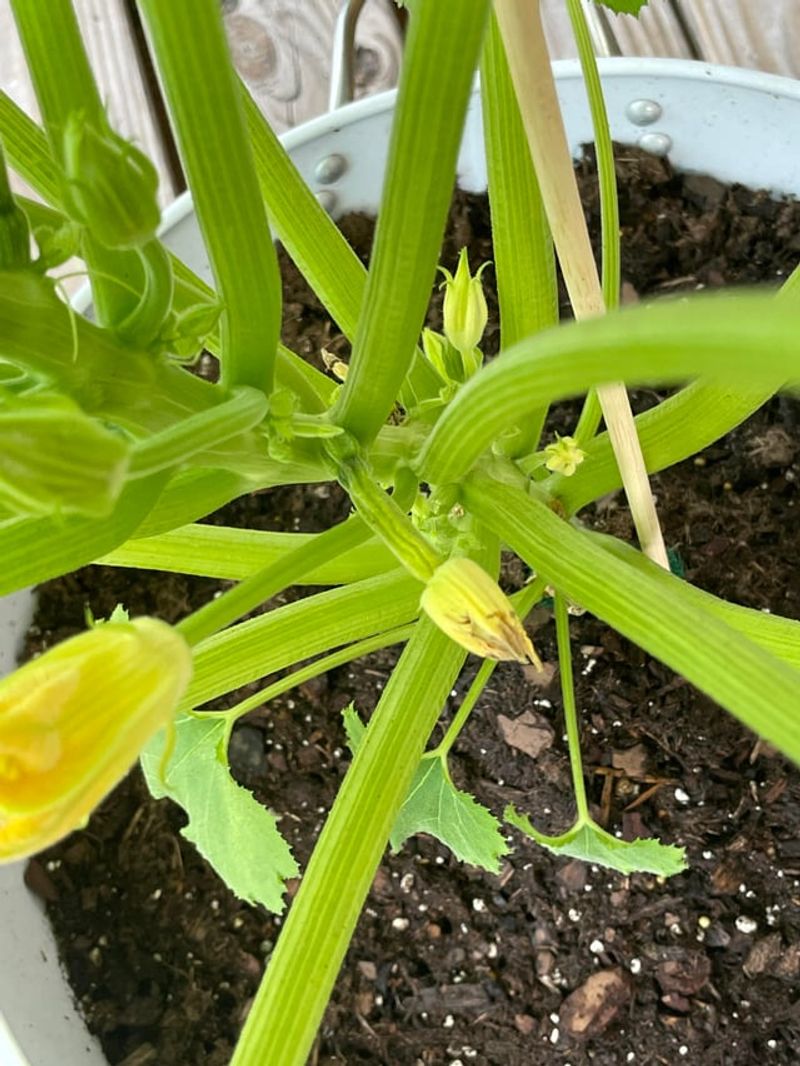
Indoor cucumbers won’t have access to bees or other pollinators, so you’ll need to pollinate flowers yourself to ensure fruit development happens.
Cucumber plants produce separate male and female flowers, and pollen must transfer from male to female blooms for cucumbers to form and grow.
Male flowers appear first and have thin stems, while female flowers have a tiny cucumber-shaped swelling at the base that becomes the fruit.
Use a small paintbrush or cotton swab to gently collect pollen from male flowers, then brush it onto the center of female flowers carefully.
Illinois gardeners typically hand-pollinate in the morning when flowers are freshly opened and pollen is most viable for successful fertilization to occur naturally.
You can also simply remove a male flower and touch its center directly to the female flower’s center, transferring pollen without any tools.
Repeat this process every few days as new flowers open to maximize your cucumber harvest throughout the winter growing season indoors at home.
Without proper pollination, female flowers will yellow and drop off without developing into cucumbers, leaving you disappointed despite having healthy plants otherwise.
Water Consistently But Avoid Overwatering Your Plants
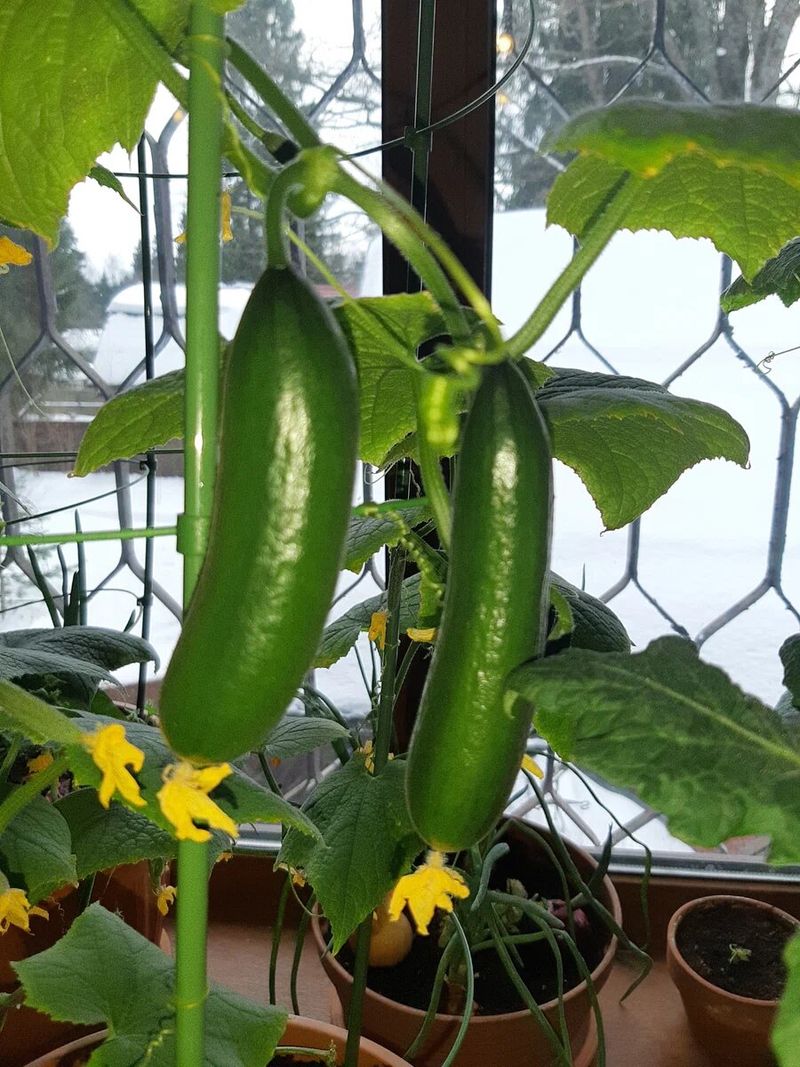
Cucumber plants need consistent moisture to produce crisp, flavorful fruits, but too much water causes more problems than too little in indoor environments.
Check soil moisture daily by sticking your finger about an inch deep—if it feels dry at that depth, it’s time to water thoroughly.
Water until liquid drains from the bottom of your container, ensuring the entire root zone gets moistened rather than just the top layer.
Allow the soil surface to dry slightly between waterings, as constantly soggy conditions promote fungal diseases and root rot that can destroy plants quickly.
Illinois gardeners often use room-temperature water rather than cold tap water, which can shock roots and slow growth during the sensitive winter growing period.
Indoor heating systems can dry out soil faster than expected, so monitor your plants more frequently during particularly cold snaps when furnaces run constantly.
Yellowing leaves or wilting despite moist soil might indicate overwatering, while crispy leaf edges and drooping stems usually signal that plants need more water.
Establishing a regular watering routine helps you stay consistent, but always check soil moisture first rather than watering on a fixed schedule blindly.
Fertilize Regularly With Balanced Nutrients For Growth
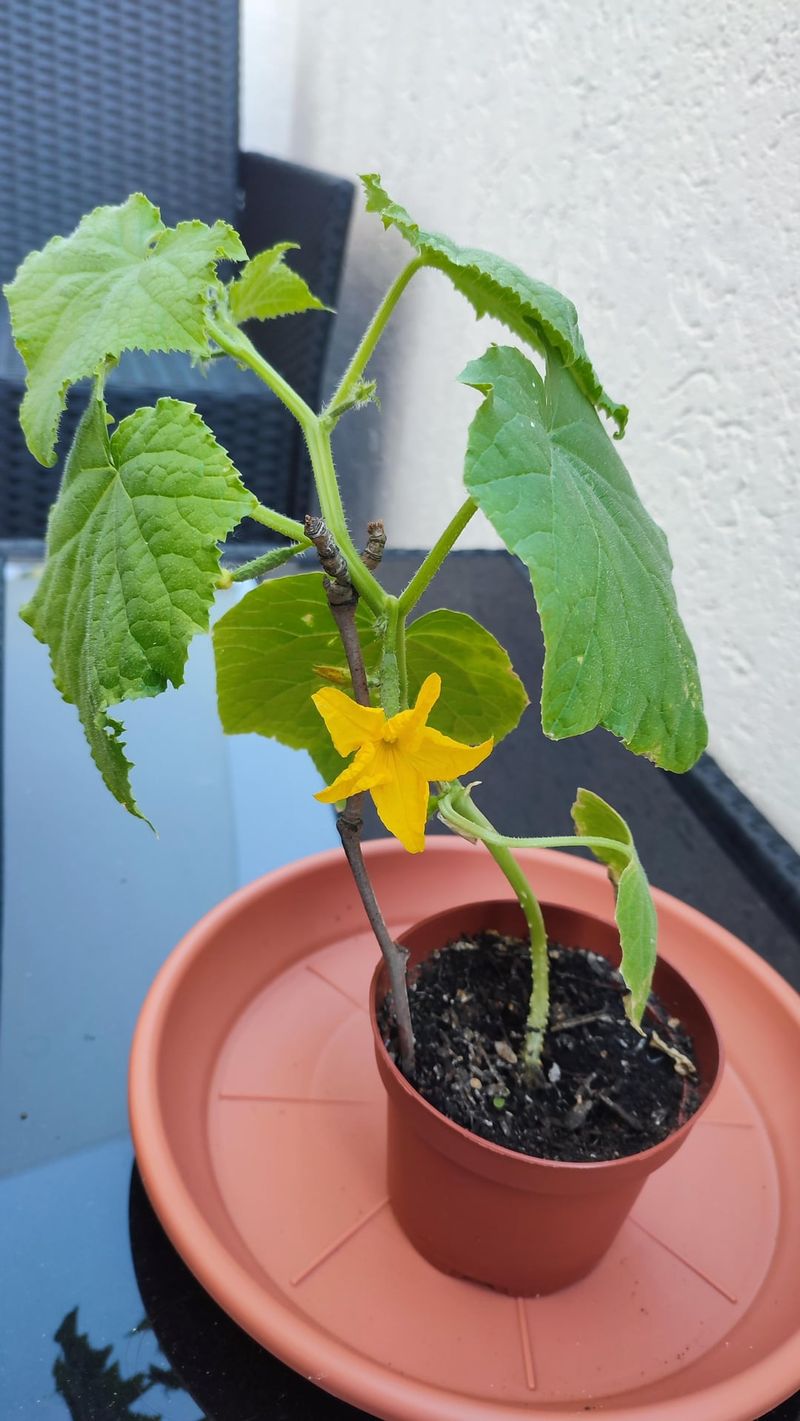
Container-grown cucumbers need regular feeding because nutrients wash out with each watering, unlike outdoor gardens where soil replenishes minerals naturally over time.
Start fertilizing about two weeks after seedlings emerge, using a balanced liquid fertilizer diluted to half the strength recommended on the label.
Feed your cucumber plants every seven to ten days throughout the growing season to maintain vigorous growth and support continuous fruit production effectively.
Look for fertilizers with equal amounts of nitrogen, phosphorus, and potassium, or choose formulas specifically designed for fruiting vegetables like tomatoes and cucumbers.
Illinois gardeners often prefer organic options like fish emulsion or seaweed extract, which provide nutrients while also improving soil health and microbial activity.
Too much nitrogen causes excessive leaf growth at the expense of flowers and fruits, so avoid over-fertilizing even if plants seem to grow slowly.
Watch for yellowing leaves or stunted growth as signs of nutrient deficiency, and adjust your feeding schedule or fertilizer strength accordingly for better results.
Always water plants thoroughly before applying fertilizer to prevent root burn, which can damage delicate root systems and set back your entire cucumber crop.
Provide Support Structures For Climbing Vines To Grow
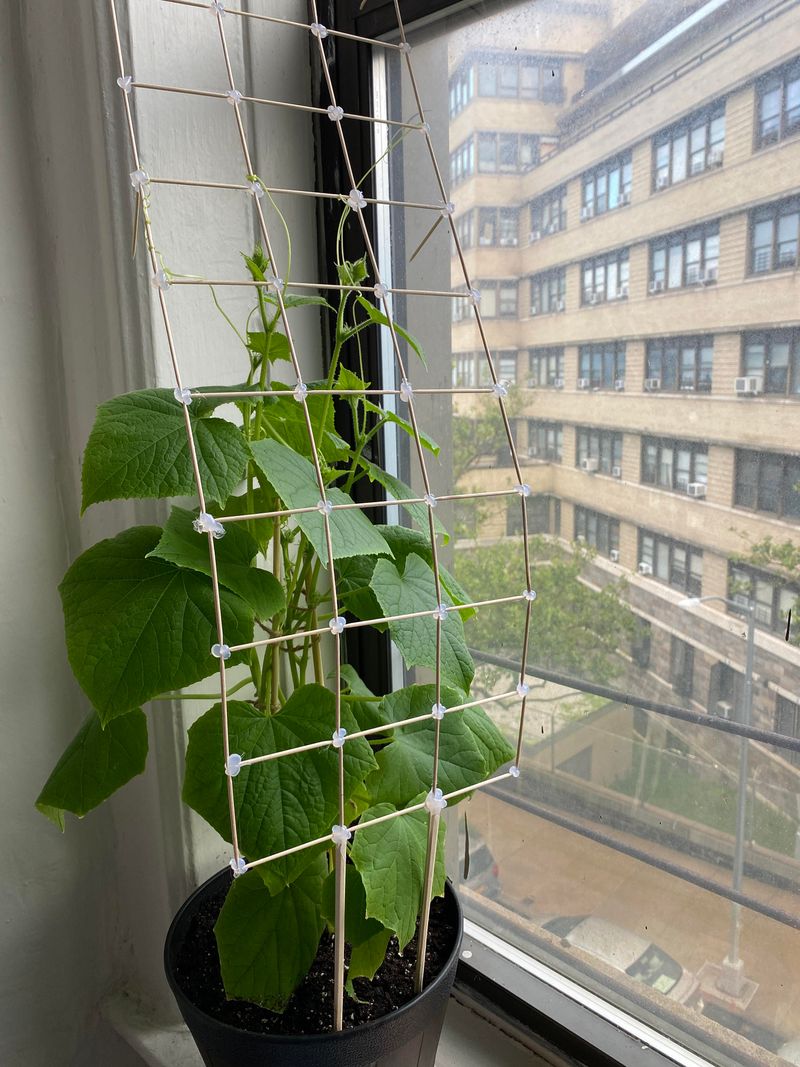
Even compact cucumber varieties benefit from support structures that keep vines organized and fruits off the soil where they could rot or develop problems.
Simple bamboo stakes, small trellises, or tomato cages work perfectly for indoor cucumber plants, providing support without taking up excessive space in your home.
Training vines to grow vertically maximizes your growing area and improves air circulation around leaves, which helps prevent fungal diseases in indoor environments.
Secure stems gently to supports using soft ties or clips rather than string, which can cut into tender plant tissue as vines grow thicker.
Illinois gardeners often install supports at planting time rather than later, avoiding root disturbance that could stress plants and reduce overall productivity significantly.
Vertical growth also makes it easier to spot developing cucumbers and harvest them at the perfect size without missing any hidden under dense foliage.
As vines grow, guide them onto supports regularly rather than letting them sprawl randomly, which creates tangled messes that are difficult to manage later.
Proper support keeps cucumbers straight and evenly shaped rather than curved or deformed from resting on surfaces during development and growth periods indoors.
Monitor For Pests And Diseases Common In Indoor Environments
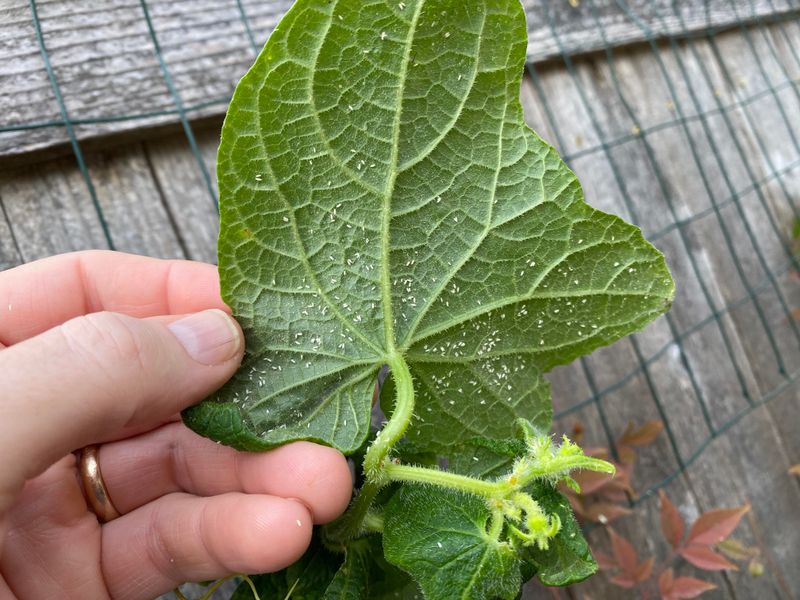
Indoor environments aren’t immune to pest problems, and cucumber plants can attract spider mites, aphids, and whiteflies even inside your home during winter.
Inspect your plants regularly, checking the undersides of leaves where pests typically hide and reproduce before infestations become severe and difficult to control.
Spider mites thrive in warm, dry conditions common in heated homes, creating fine webbing and causing leaves to develop yellow speckles and eventually brown.
Aphids cluster on new growth and flower buds, sucking plant juices and potentially spreading diseases while leaving sticky honeydew residue on leaves below.
Illinois gardeners often use insecticidal soap or neem oil spray to control pests organically, avoiding harsh chemicals in living spaces where people spend time.
Powdery mildew can develop in humid conditions with poor air circulation, appearing as white powdery patches on leaves that eventually spread and weaken plants.
Improve air movement around plants with a small fan, and avoid getting water on leaves when irrigating to reduce fungal disease risks significantly.
Catching problems early makes treatment much easier and more effective, so make plant inspection part of your regular cucumber care routine throughout winter.