You Can Root Almost Any Plant With These Simple DIY Solutions In Michigan
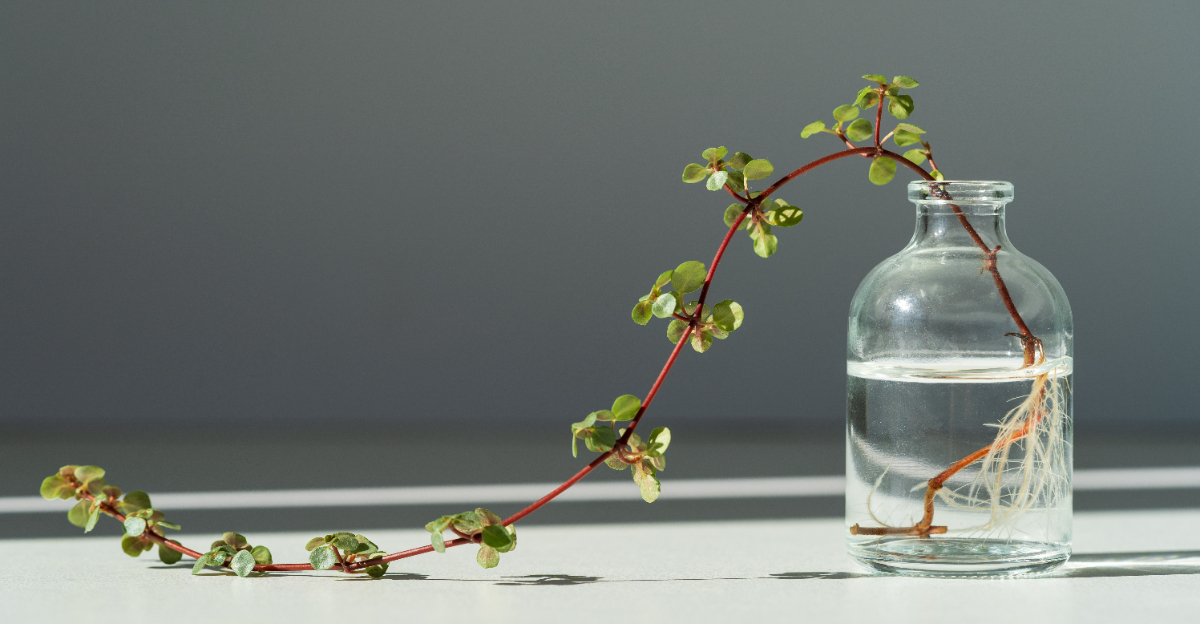
Buying new plants every season adds up, and once you realize how many common garden varieties can be propagated at home with basic materials, it changes how you think about stocking a Michigan garden.
Rooting cuttings is one of the most satisfying and cost effective skills a gardener can develop, and the barrier to entry is lower than most people expect.
You do not need a greenhouse, grow lights, or specialty products from a gardening catalog. Some of the most effective rooting methods use things already in a Michigan kitchen or garage, and they work consistently across a wide range of plants.
The key is understanding what a cutting actually needs to transition from a stem into a rooted plant, and then creating those conditions with whatever is available.
Michigan’s spring and early summer offer ideal timing for most propagation projects, giving new roots plenty of warm weeks to develop before the season shifts.
These simple DIY approaches work, and the results tend to surprise even gardeners who have tried and failed with cuttings before.
1. Aloe Vera Gel Dip
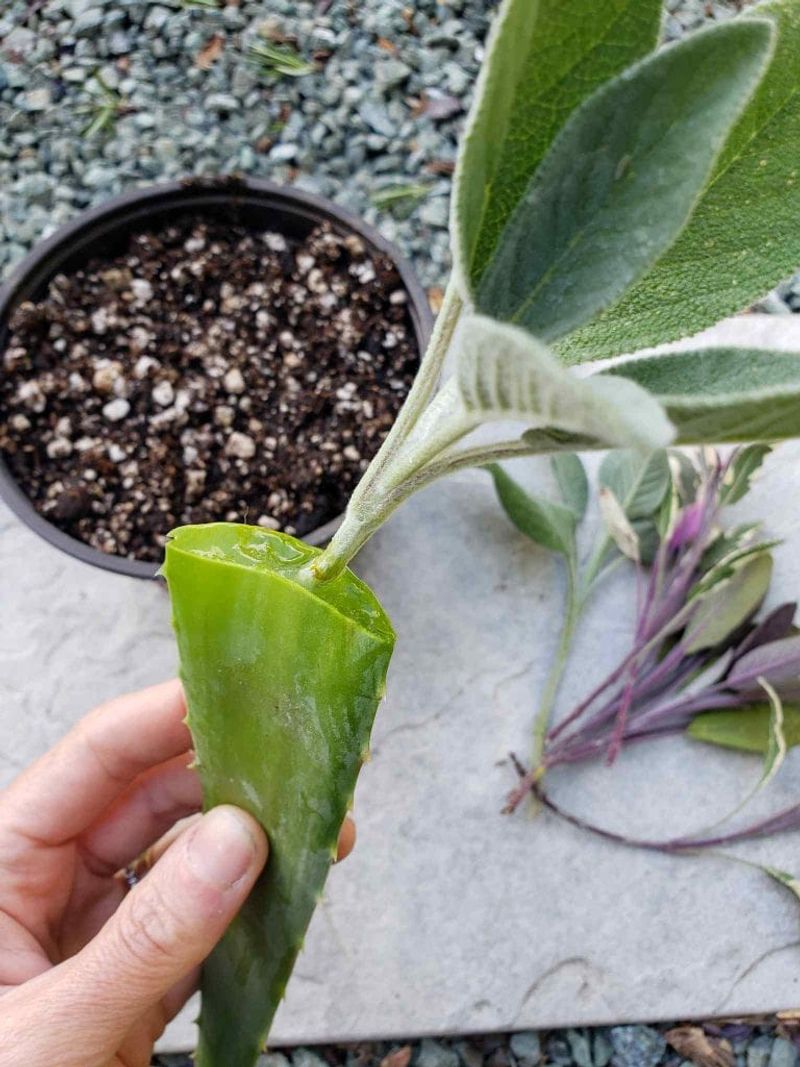
Straight from the garden shelf to your propagation station, aloe vera gel is one of the most popular natural rooting aids Michigan gardeners reach for.
Fresh aloe vera gel contains natural sugars and compounds that help reduce moisture loss in fresh cuttings, giving them a better chance to settle into their new growing environment.
Slicing open a fresh aloe leaf and dipping your cutting into the gel is all it takes to get started.
Plants like coleus, pothos, basil, mint, and geranium respond especially well to this method because they are naturally easy to root. The gel creates a light, protective coating around the cut end that keeps it from drying out too quickly.
Aloe vera gel works best on soft, green cuttings rather than tough, woody stems from trees or large shrubs.
Michigan gardeners who grow aloe vera indoors during the colder months have a fresh supply ready anytime. Keep your aloe plant near a sunny window, and you will always have a natural rooting aid within reach.
Just dip, plant in moist rooting mix, and keep your cutting warm and humid for the best results. It is a simple, affordable, and satisfying way to multiply your favorite plants without spending a dime at the garden center.
2. Honey Dip For Fresh Cuttings
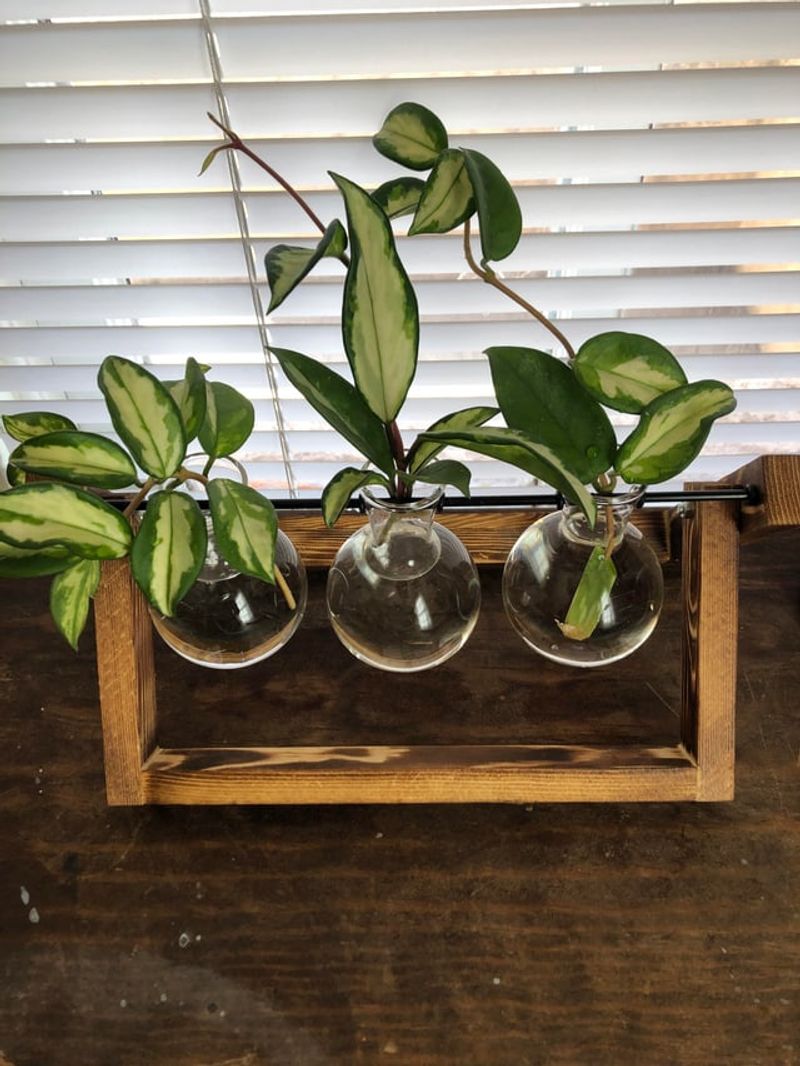
Honey has been used in gardens for years, and for good reason. Raw honey contains mild antimicrobial properties that can help protect fresh cuttings from fungal and bacterial rot while they wait to grow roots.
Dipping the cut end of a soft stem into a small amount of raw honey before planting takes only seconds and could make a real difference in how well your cutting survives those first critical days.
Soft herbs like mint, oregano, and basil are the best candidates for this method, along with easy houseplants like pothos and soft coleus cuttings. Woody or thick stems do not absorb the honey as effectively, so stick to tender green growth for the best outcome.
Your Michigan Garden Changes Every Week. Your Plan Should Too.
Gardening in Michigan changes quickly throughout the season. Every Friday you’ll receive a simple weekly plan showing exactly what to plant, prune, fertilize, harvest, and protect so you never miss the right timing.
A thin, even coat is all you need since too much honey can actually attract mold or pests over time.
Michigan gardeners who love cooking herbs will find this method especially convenient because the same jar of honey sitting in the kitchen can double as a garden tool.
Make sure to use raw, unprocessed honey rather than heavily filtered commercial varieties since raw honey retains more of its natural protective compounds.
Plant your dipped cutting in a clean, moist rooting mix, cover with a humidity dome, and place it somewhere warm and bright. Many Michigan gardeners swear by this easy trick for their spring herb propagation projects.
3. Willow Water Works Wonders
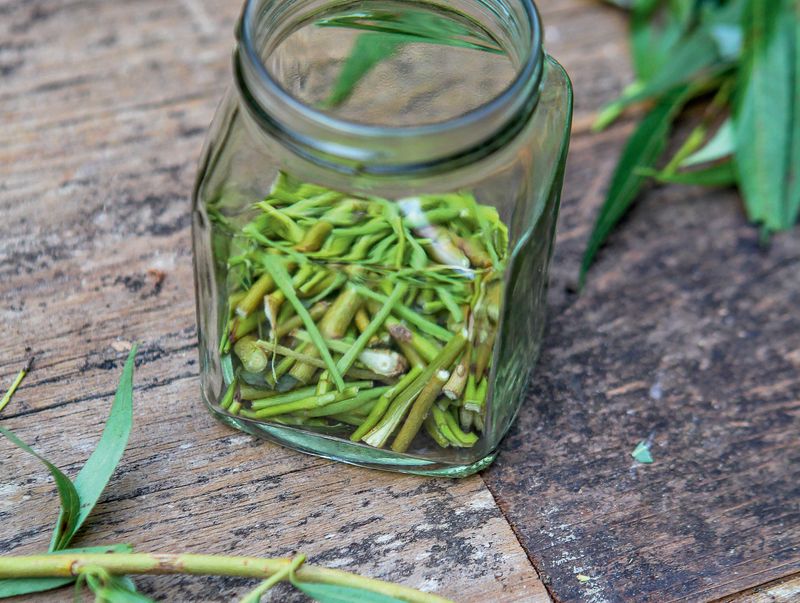
Among all the homemade rooting solutions out there, willow water stands out as one of the most well-supported options for Michigan gardeners.
Young willow branches contain natural compounds called indolebutyric acid and salicylic acid, both of which play a role in encouraging root development in cuttings.
Michigan is home to several native willow species, making it easy to gather fresh branches right from your own backyard or a nearby stream bank.
To make willow water, simply chop young green willow branches into small pieces, soak them in water for 24 to 48 hours, and then use that water to soak your cuttings before planting.
Hydrangea, elderberry, dogwood, and blueberry cuttings all respond well to this treatment.
These are popular shrubs across Michigan landscapes, and willow water gives them a natural head start when you are trying to propagate them from softwood cuttings in late spring or early summer.
What makes willow water especially appealing is that it costs nothing if you have access to a willow tree. Fresh batches should be made every few days to keep the solution active and effective.
Store unused willow water in the refrigerator for up to a week. Michigan gardeners who have tried this method on hydrangeas often report noticeably faster rooting compared to plain water alone, making it a go-to trick worth adding to your propagation routine.
4. Comfrey Tea As A Rooting Support
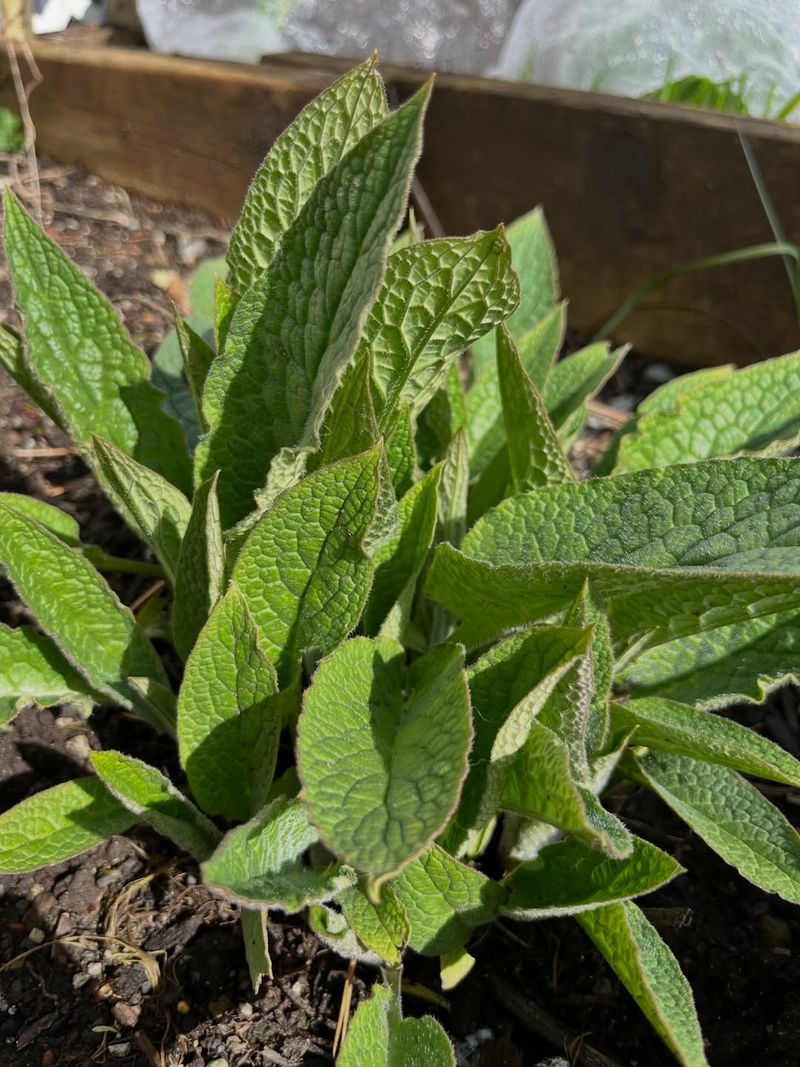
Comfrey tea might sound like something you would drink on a cold Michigan morning, but gardeners have long used it as a powerful plant tonic. Comfrey leaves are packed with potassium, nitrogen, and other minerals that support healthy plant growth.
When used as a diluted liquid feed on fresh cuttings, comfrey tea gives developing roots a nutrient-rich environment to grow into once they begin forming.
It is worth being clear that comfrey tea works more as a nutritional support than a true rooting stimulant. The best results come from applying it after roots have already started to develop, rather than at the very beginning of the rooting process.
Tomato suckers, pepper cuttings, and a wide range of herbs are great candidates for this treatment, especially in Michigan greenhouse setups where gardeners start cuttings early in the season to get ahead of the short growing window.
Making comfrey tea is straightforward. Fill a bucket with fresh comfrey leaves, cover them with water, and let the mixture steep for a couple of weeks until it turns dark and rich.
Dilute it heavily before use since concentrated comfrey tea can be too strong for tender young cuttings. Many Michigan gardeners who grow comfrey in their garden already have a built-in supply.
Using it as part of your propagation routine is a smart, sustainable way to feed your plants naturally from the very start.
5. Cinnamon Powder Fights Fungus Naturally
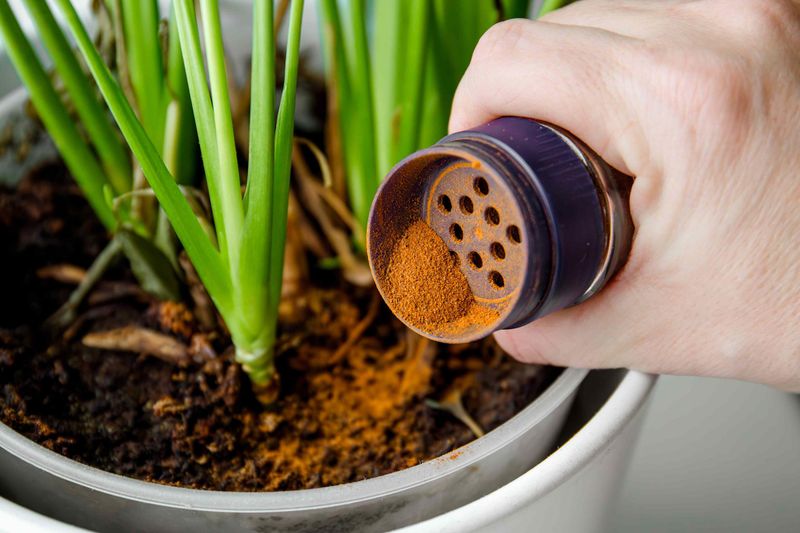
Cinnamon is not just for baking apple pies on a chilly Michigan autumn day. Ground cinnamon has real antifungal properties that make it a surprisingly useful tool in the propagation garden.
Sprinkling a light dusting of cinnamon powder directly onto the cut end of a stem helps suppress fungal growth that could otherwise cause stem rot before roots ever get a chance to form.
Succulent cuttings, herb cuttings, and seedlings are the best candidates for this treatment. Succulents in particular benefit from cinnamon because they are prone to rotting at the base when moisture sits against the cut surface for too long.
A light dusting of cinnamon creates a natural barrier that keeps harmful fungi from taking hold during those first vulnerable days after cutting.
Michigan gardeners who start seeds and cuttings indoors during late winter and early spring know how frustrating damping-off can be.
Damping-off is a fungal condition that causes seedlings and soft cuttings to collapse near the soil line, and cinnamon is one of the easiest ways to reduce its impact.
Simply dust the soil surface lightly around your seedlings or apply it to the cut end of your cuttings before planting.
Cinnamon does not replace proper airflow and watering habits, but it adds an extra layer of protection that many Michigan gardeners find genuinely helpful during indoor propagation season.
6. Apple Cider Vinegar Dilution (Use With Caution)
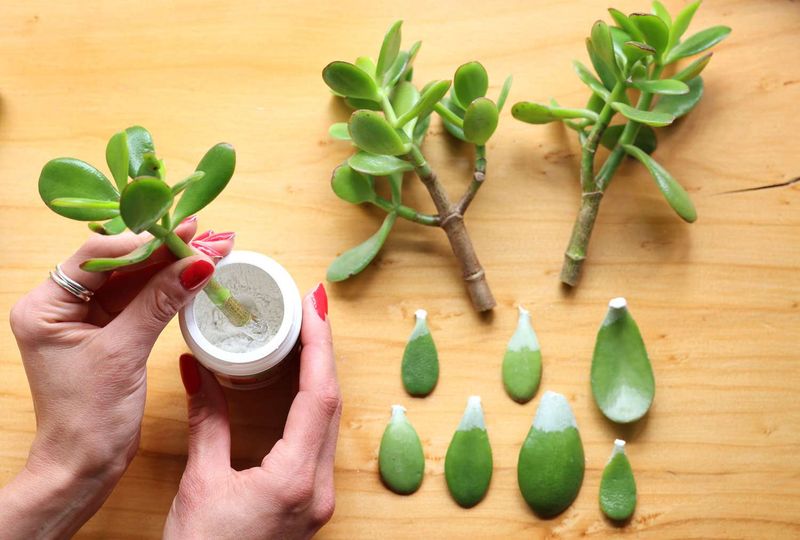
Apple cider vinegar shows up in all kinds of homemade garden remedies, and rooting solutions are no exception.
Very diluted apple cider vinegar is sometimes included in homemade rooting mixtures with the idea that it may slightly lower the pH of the solution and create a more favorable environment for root development.
A few drops in a cup of water is all that should ever be used since too much vinegar will damage or destroy tender stem tissue.
The evidence for apple cider vinegar as a rooting booster is limited compared to options like willow water, so it should be treated as an experimental addition rather than a reliable method.
Soft herb cuttings like basil and mint are the safest candidates to try this on, and even then, the results tend to vary depending on the plant and the conditions.
Michigan gardeners who are curious about trying it should keep the dilution extremely light, around one or two drops per cup of water.
One thing to keep in mind is that the acidity of vinegar can interfere with beneficial soil microbes if used too frequently or at too high a concentration. Occasional, very diluted use on soft cuttings is the safest approach.
If your cuttings show any signs of wilting or tissue damage after treatment, rinse the stems in plain water immediately. For most Michigan home gardeners, sticking to willow water or plain water will produce more consistent and dependable results overall.
7. Plain Water Rooting Is Surprisingly Effective
Sometimes the simplest solution really is the best one.
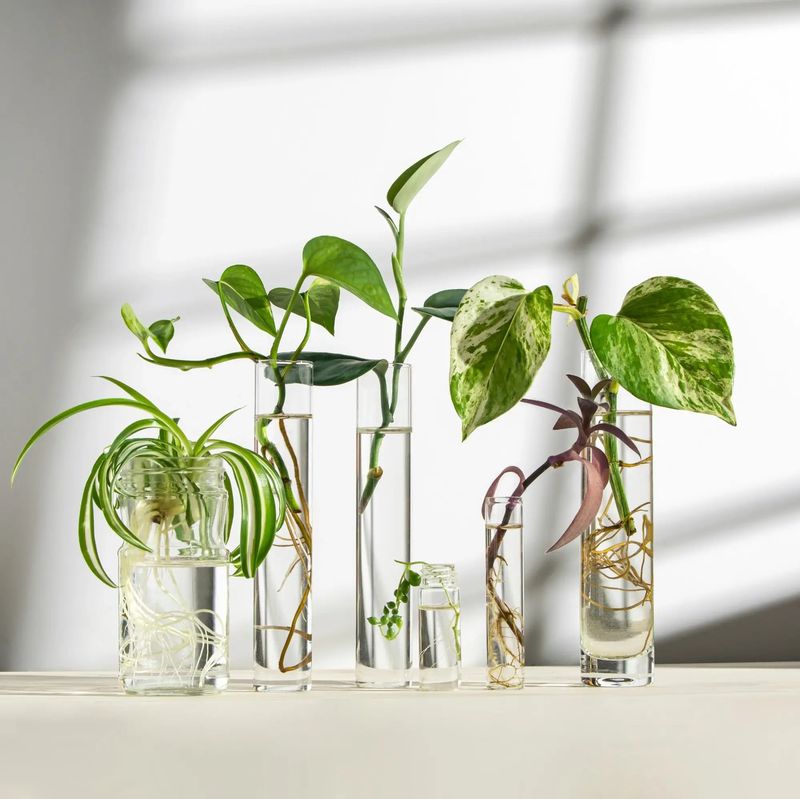
Plain water rooting works remarkably well for a wide range of popular houseplants and herbs, and Michigan gardeners who have tried it often wonder why they ever bothered with anything more complicated.
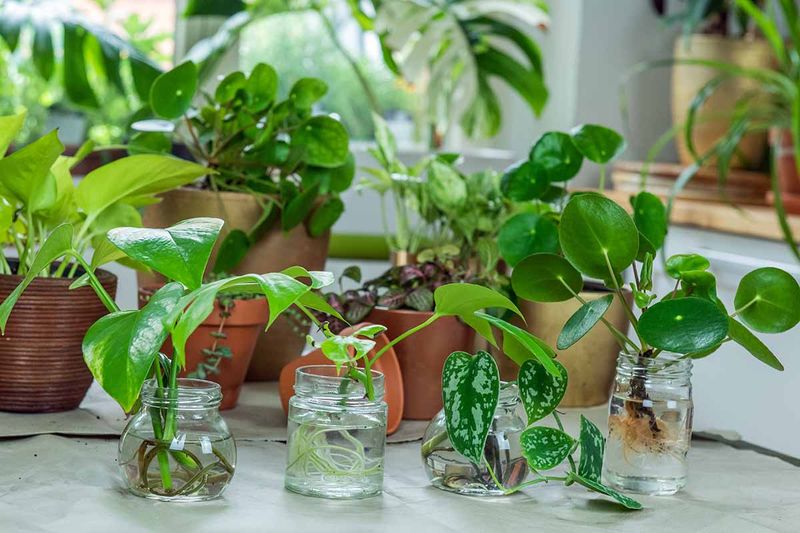
Pothos, philodendron, coleus, tradescantia, and mint are just a few of the plants that root happily in a clean jar of water with no additives needed at all.
The key to successful water rooting is not the water itself but the conditions around it. Bright, indirect light, clean water changed every few days to prevent bacterial buildup, and a warm room temperature all matter far more than any homemade additive you could pour in.
Michigan winters can make indoor light challenging, so placing your water-rooted cuttings near a south-facing window or under a small grow light will make a noticeable difference in how quickly roots appear.
One fun thing about water rooting is that you can actually watch the roots grow, which makes it a great activity for kids and beginner gardeners alike. Once roots reach about an inch long, it is time to transfer the cutting into a pot with moist soil.
Moving too late can make the transition harder since water roots and soil roots develop slightly differently. For Michigan gardeners looking for the easiest possible propagation method, plain water rooting is the perfect starting point with zero cost and great results.
8. Coconut Water Gives Cuttings A Boost
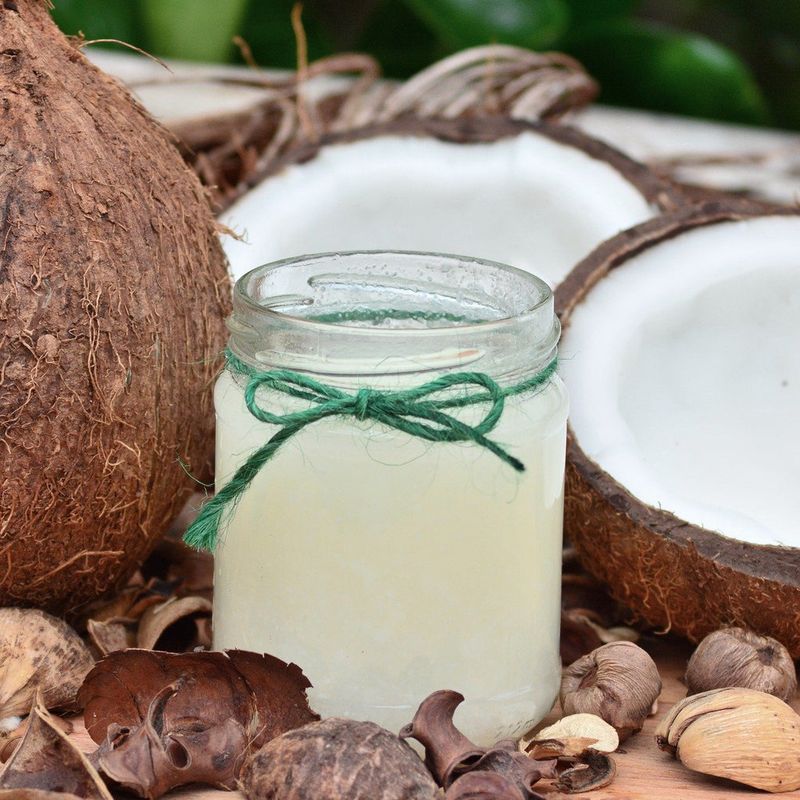
Fresh coconut water has gained attention in the gardening world as a natural source of cytokinins, which are plant hormones that play a role in cell division and growth.
When used as a soaking solution for fresh cuttings, coconut water may help support early root development in certain soft-stemmed plants.
Tropical houseplants like pothos and philodendron are especially good candidates since they already thrive in warm, humid conditions similar to what coconut palms need.
Using coconut water for rooting is simple. Pour a small amount of fresh, unsweetened coconut water into a glass, place your cutting in it for a few hours or overnight, and then plant the cutting in moist rooting mix as usual.
Michigan gardeners who keep a lot of tropical houseplants indoors during the long winter months will find this method easy to work into their existing plant care routine.
Packaged coconut water from the grocery store can work, but fresh is always better since it retains more of its natural plant hormones.
Research on coconut water as a rooting aid is still growing, so results can vary between plant species and individual cuttings. Still, many Michigan gardeners who have tried it on their tropical plants report healthy, vigorous root development with minimal effort.
It is a fun, low-risk experiment that could genuinely improve your propagation success rate, especially during the cold Michigan months when indoor plant projects keep the gardening spirit alive and well.
9. Humidity Matters More Than Most DIY Mixes
Here is something that surprises a lot of new Michigan gardeners: the environment around your cutting matters far more than whatever you dip it in before planting.
Consistent warmth, steady moisture in the rooting medium, and high humidity around the cutting are the three biggest factors that determine whether roots form or not.
Without these conditions in place, even the best homemade rooting solution will not save a cutting that is drying out or sitting in cold air.
A simple plastic bag placed over a pot, a clear plastic bottle cut in half, or an inexpensive humidity dome from any garden center creates the warm, moist microclimate that cuttings need to thrive.
Hydrangea, coleus, basil, and tomato suckers all root much more reliably when covered during the first week or two after taking the cutting.
Michigan gardeners who propagate indoors during late winter and early spring especially benefit from using humidity domes since indoor heating tends to dry out the air significantly.
Soil temperature also plays a big role. Roots develop faster when the soil stays between 65 and 75 degrees Fahrenheit, which can be hard to maintain in a Michigan home during colder months.
A small seedling heat mat placed under your propagation tray can solve this problem easily and affordably.
Getting the environment right first and then adding a helpful DIY solution on top is always the smarter approach for consistent rooting success across Michigan gardens of all sizes.
10. Not Every Plant Roots Easily From Cuttings
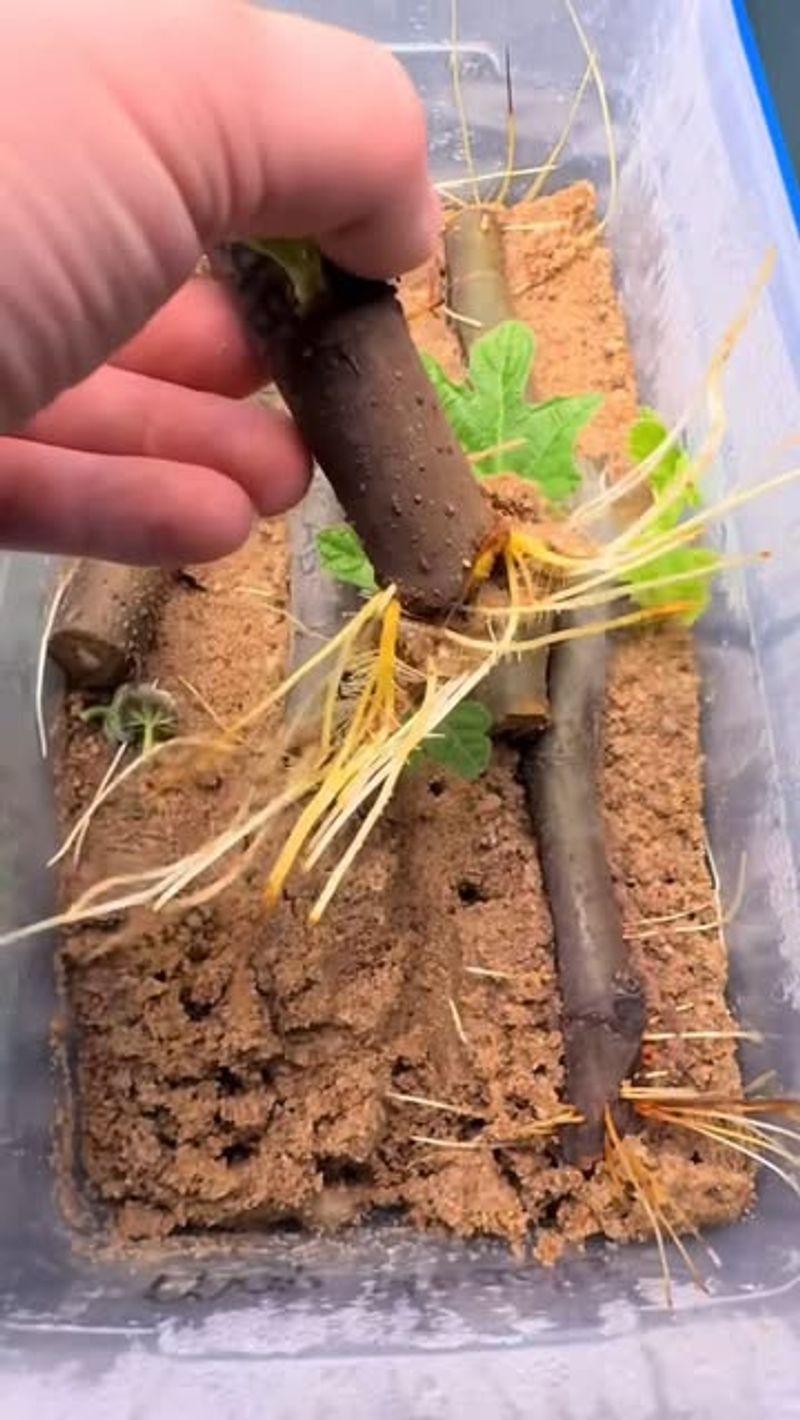
One of the most helpful things any Michigan gardener can know is that not every plant roots easily from a simple cutting, no matter how good your DIY solution is.
Many trees, large shrubs, and specialty plants require professional propagation techniques like grafting, layering, or commercial-grade rooting hormones to reproduce successfully.
Trying to root a cutting from a mature oak tree or a difficult ornamental shrub with honey or aloe vera gel is likely to end in frustration rather than success.
The plants that respond best to DIY rooting methods are soft annuals, herbs, many common houseplants, and a handful of easy garden shrubs.
Mint, basil, pothos, coleus, philodendron, and tradescantia are among the most reliable rooters for Michigan home gardeners working without professional tools.
Knowing which plants fall into the easy category saves time, effort, and the disappointment of watching a cutting fail despite your best efforts.
Starting with easy-to-root plants builds your confidence and helps you learn what healthy root development actually looks and feels like.
Once you get comfortable with the basics, you can experiment with slightly more challenging plants using willow water, humidity domes, and heat mats for better results.
Michigan has a beautiful range of plants to grow and propagate, and focusing your energy on the ones most likely to succeed is the smartest way to enjoy a thriving, productive propagation hobby all year long.