You Can Start These Cold-Hardy Vegetables Indoors Right Now In Illinois
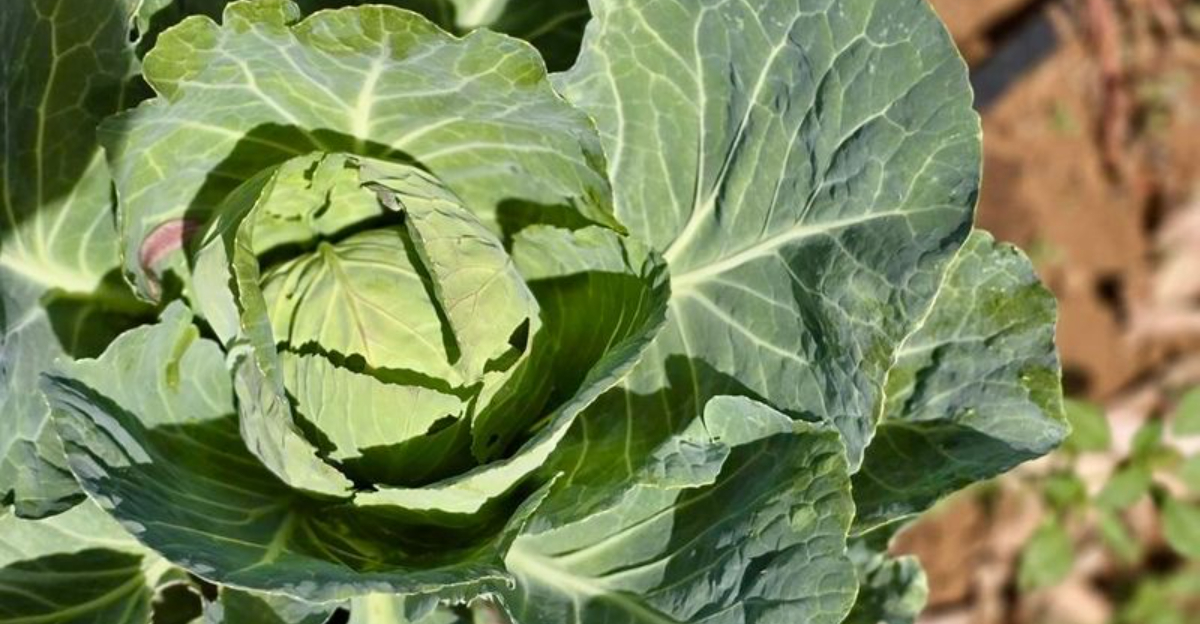
Winter in Illinois doesn’t have to mean waiting months for fresh vegetables.
Even in the coldest months, you can get a jumpstart on your garden by starting hardy crops indoors.
Cold-tolerant vegetables like kale, broccoli, and spinach thrive in early indoor setups, giving you a head start on the growing season.
Who says winter has to be a pause for gardeners? Start indoors now!
These nine cold-hardy vegetables are perfect for indoor seed-starting, from windowsills to small grow lights.
By giving them warmth, water, and light, you can nurture seedlings that will be ready to transplant outdoors as soon as the soil thaws.
This early start ensures stronger plants, faster growth, and an earlier harvest. Start now, harvest sooner, and beat the frost this year!
For Illinois gardeners, indoor seed-starting is a practical, rewarding way to extend the growing season.
With the right techniques and a little planning, you can enjoy fresh, homegrown vegetables well before spring fully arrives.
Winter isn’t downtime—your garden can thrive indoors!
Kale For Fast, Cold-Tolerant Greens
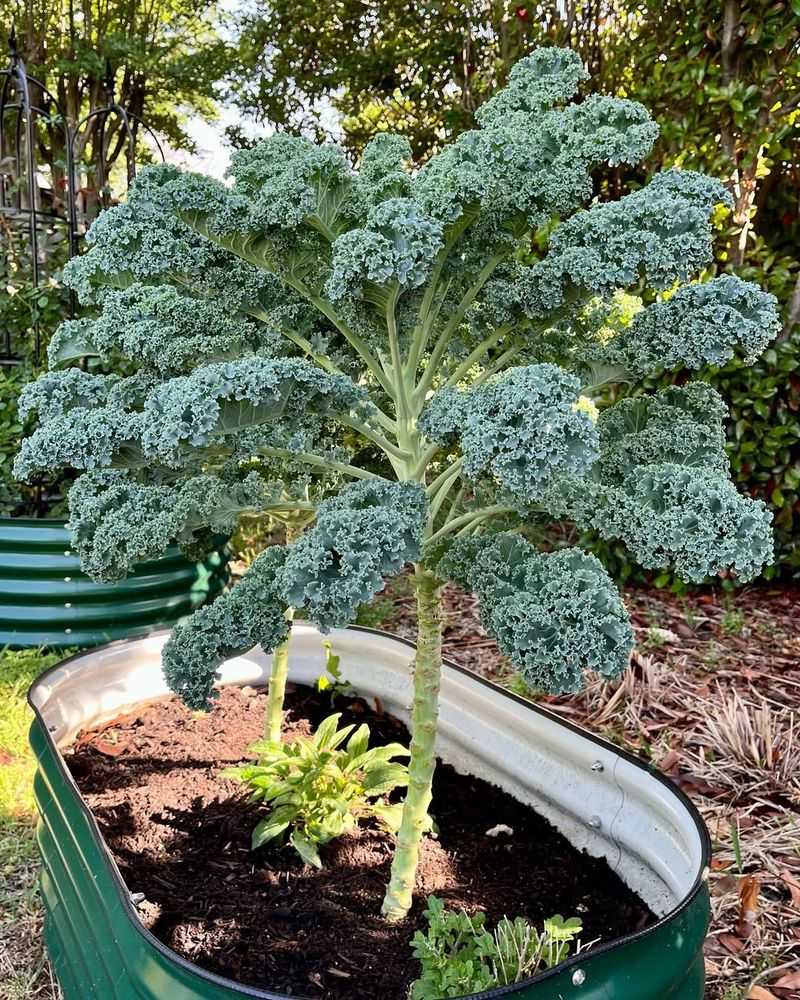
Kale stands out as one of the toughest leafy greens you can grow, making it perfect for Illinois gardeners who want to get a jump on the season.
This nutritious powerhouse actually tastes sweeter after exposure to light frost, which means transplanting it early won’t hurt its flavor one bit.
Starting kale seeds indoors about six to eight weeks before your last expected frost date gives the seedlings time to develop strong roots and sturdy leaves.
Once your kale seedlings have grown their first true leaves and the soil outside can be worked, you can transplant them into your garden beds.
In Illinois, this typically happens in late March or early April, depending on your specific zone.
The plants will continue growing even when nighttime temperatures dip into the thirties, making them incredibly reliable for early spring harvests.
Kale thrives in cool weather and actually struggles when summer heat arrives, so getting it established early ensures you’ll harvest tender leaves before the temperature climbs too high.
You can pick individual leaves as the plant grows, allowing it to keep producing fresh greens for weeks.
Whether you choose curly varieties like Winterbor or flat-leafed types like Lacinato, starting kale indoors gives you a significant advantage for enjoying homegrown nutrition long before tomatoes are even planted outside.
Spinach That Thrives In Cool Weather
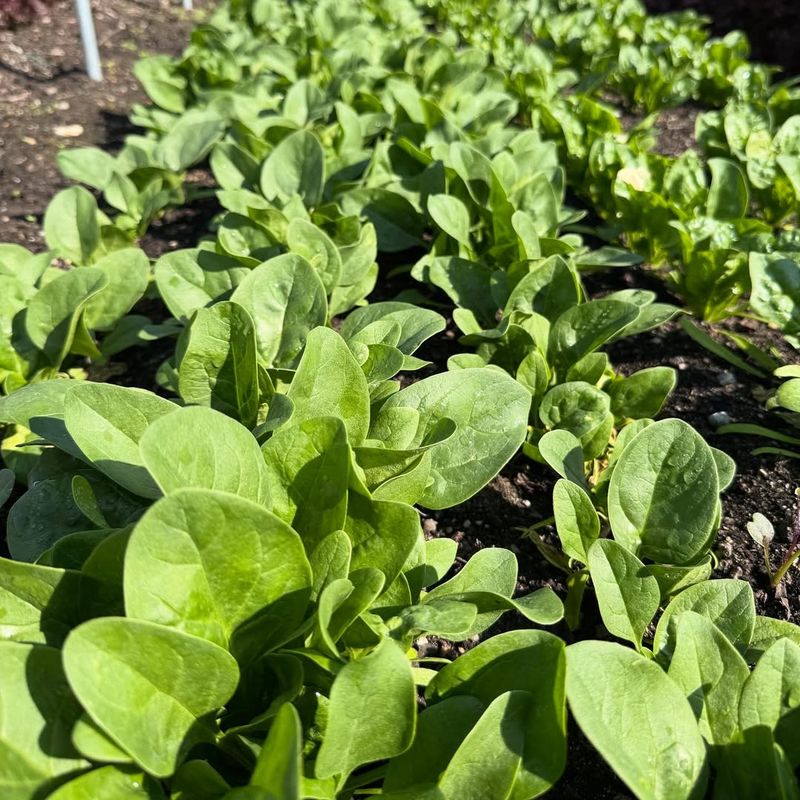
Spinach loves the cold so much that it actually performs better in chilly spring weather than it does once summer warmth settles in.
This leafy green is famous for bolting—sending up flower stalks and turning bitter—when temperatures rise above seventy-five degrees, which makes early planting essential for Illinois gardeners.
By starting spinach seeds indoors four to six weeks before the last frost, you give your plants a chance to mature during the coolest part of the season.
Indoor starting also protects delicate spinach seedlings from unpredictable weather and hungry garden pests that might otherwise munch on tender young leaves.
Once the seedlings develop a few sets of true leaves, you can transplant them outside, even if there’s still a chance of light frost.
Spinach can handle temperatures down into the twenties without suffering damage, making it one of the most reliable early crops for cold climates.
The reward for starting spinach indoors is fresh, tender leaves ready to harvest within just a few weeks of transplanting.
You can pick outer leaves continuously while the center of the plant keeps producing new growth, extending your harvest period significantly.
Whether you’re adding fresh spinach to salads, smoothies, or sautés, getting an early start indoors means you’ll enjoy homegrown flavor long before most gardeners have even planted their first seeds outdoors.
Lettuce For Early Spring Harvests
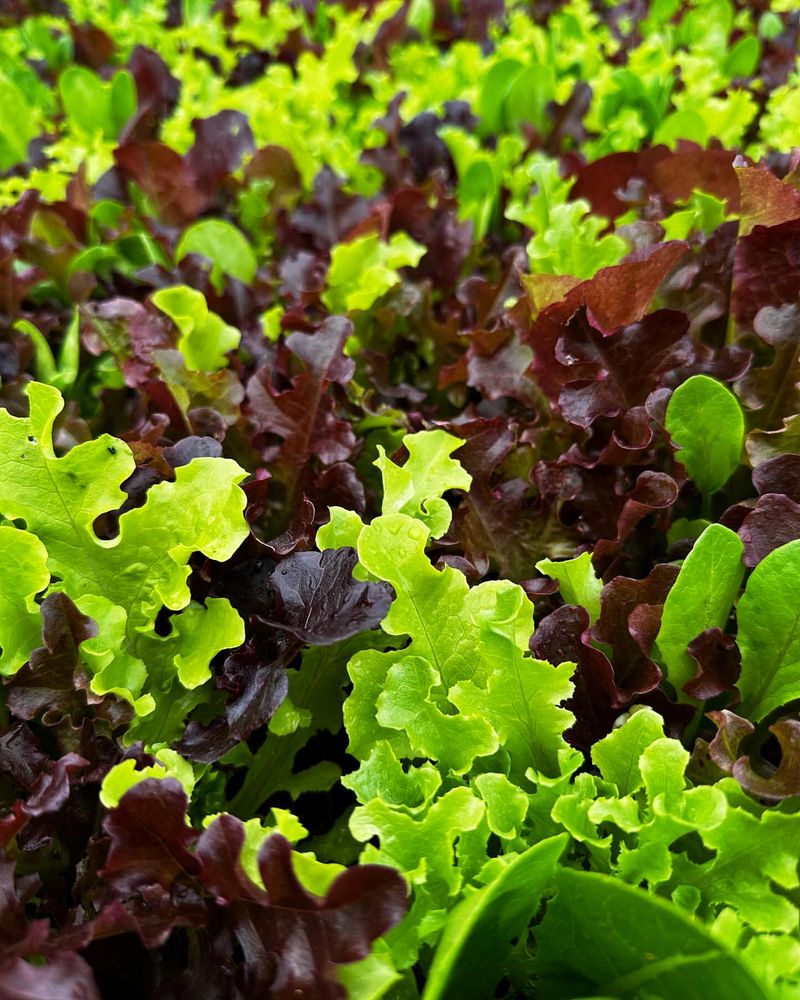
Leaf lettuce grows quickly and doesn’t mind cool temperatures, making it an ideal candidate for indoor starting in Illinois.
Unlike head lettuce varieties that take longer to mature, leaf lettuce can be harvested just a few weeks after transplanting, giving you almost instant gratification in the garden.
Starting lettuce seeds indoors three to four weeks before your last frost date means you’ll be enjoying crisp, homegrown salads while spring is still settling in.
Lettuce seedlings are delicate and benefit from the controlled environment of indoor growing, where temperature and moisture levels remain consistent.
Once the seedlings have developed a couple of true leaves, they’re ready to move outside into garden beds or containers.
Because lettuce tolerates light frosts without issue, you can transplant it earlier than many other vegetables, often as soon as the soil can be worked in late March or early April.
The beauty of leaf lettuce is that you can harvest it using the cut-and-come-again method, snipping outer leaves while allowing the center to keep producing.
This approach gives you fresh greens for weeks on end, maximizing your harvest from just a few plants.
Varieties like Red Oak Leaf, Buttercrunch, and Salad Bowl offer different colors, textures, and flavors, making your salad bowl as beautiful as it is delicious when you start your seeds indoors and get ahead of the growing season.
Broccoli For Strong Spring Crops
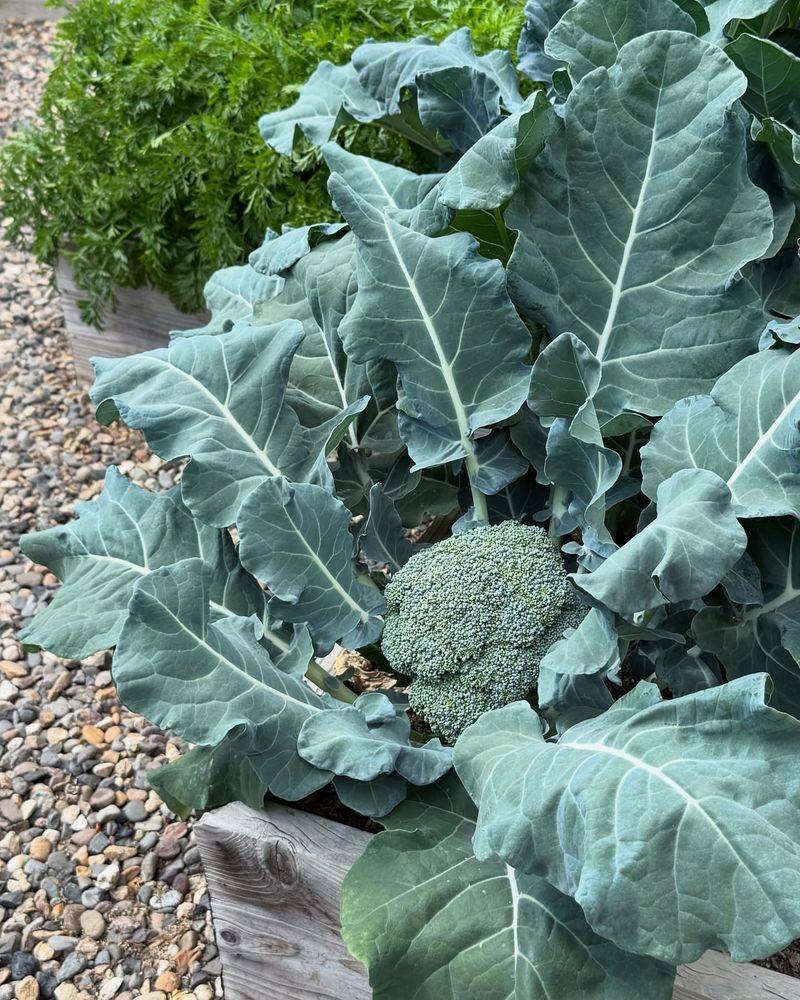
Broccoli needs a long growing season but doesn’t tolerate heat well, which creates a perfect opportunity for Illinois gardeners to start seeds indoors.
Beginning broccoli seedlings six to eight weeks before the last frost gives the plants enough time to develop strong root systems before heading outside.
Transplanting sturdy broccoli seedlings into the garden allows them to mature during cool spring weather, producing tight, flavorful heads before summer temperatures cause the plants to bolt.
Starting broccoli indoors also protects young plants from common outdoor threats like cutworms and unexpected cold snaps that can stunt growth.
Once seedlings have several true leaves and the outdoor soil temperature reaches at least forty degrees, they’re ready to be hardened off and transplanted.
In Illinois, this usually happens in mid-to-late April, giving broccoli plants plenty of time to establish themselves before warmer weather arrives.
Broccoli rewards patient gardeners with large central heads that can be harvested once they’re firm and tight, but the plant doesn’t stop there.
After cutting the main head, side shoots will continue to form smaller florets for several more weeks, extending your harvest significantly.
Varieties like Calabrese and Waltham perform exceptionally well in Illinois gardens, especially when given the advantage of an early indoor start that sets them up for success in unpredictable spring conditions.
Cabbage For Frost-Tolerant Heads
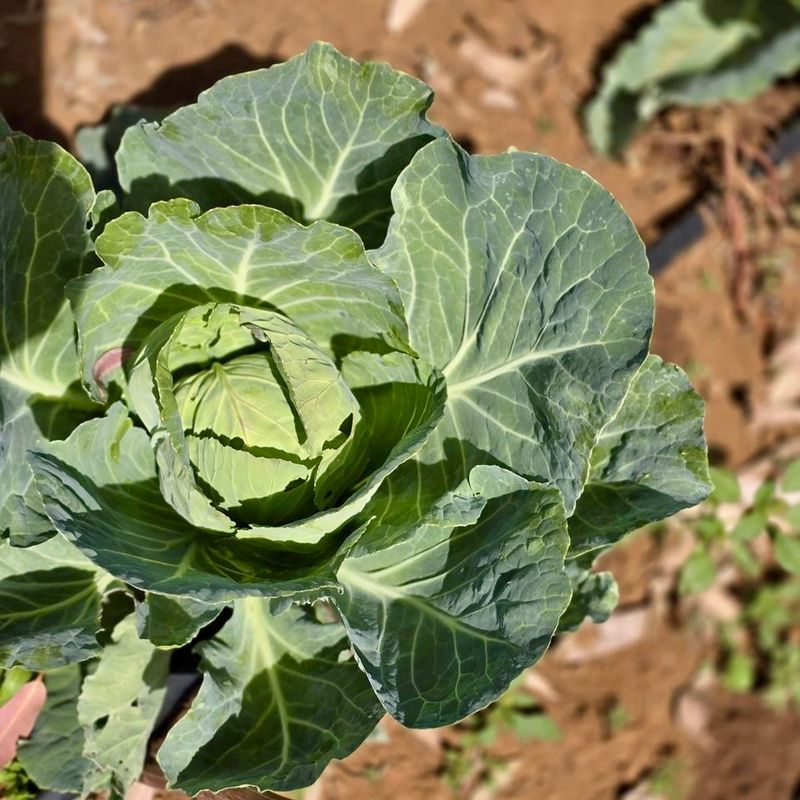
Cabbage is incredibly tough when it comes to cold weather, making it a fantastic choice for Illinois gardeners eager to start their spring gardens early.
This versatile vegetable actually benefits from cool temperatures, which help the heads form tightly and develop sweet, crisp flavor.
Starting cabbage seeds indoors six to eight weeks before the last expected frost gives the seedlings time to grow into sturdy transplants ready to face the unpredictable spring weather outside.
Indoor starting protects young cabbage plants from soil-borne pests and diseases that can plague direct-seeded crops, giving your plants a healthier start.
Once the seedlings have developed several true leaves and are about three to four inches tall, they can be hardened off and transplanted into the garden.
Cabbage can tolerate frost and even light freezes, so Illinois gardeners can typically move transplants outside in early to mid-April without worry.
The payoff for starting cabbage indoors is firm, flavorful heads that mature before summer heat causes bolting or splitting.
You can choose from green, red, or savoy varieties depending on your culinary preferences, and all types benefit from an early start.
Whether you’re planning to make coleslaw, sauerkraut, or simply enjoy fresh cabbage in stir-fries, giving your plants a head start indoors ensures a bountiful harvest before the hottest part of summer arrives and makes growing conditions less favorable.
Swiss Chard For Long-Lasting Greens
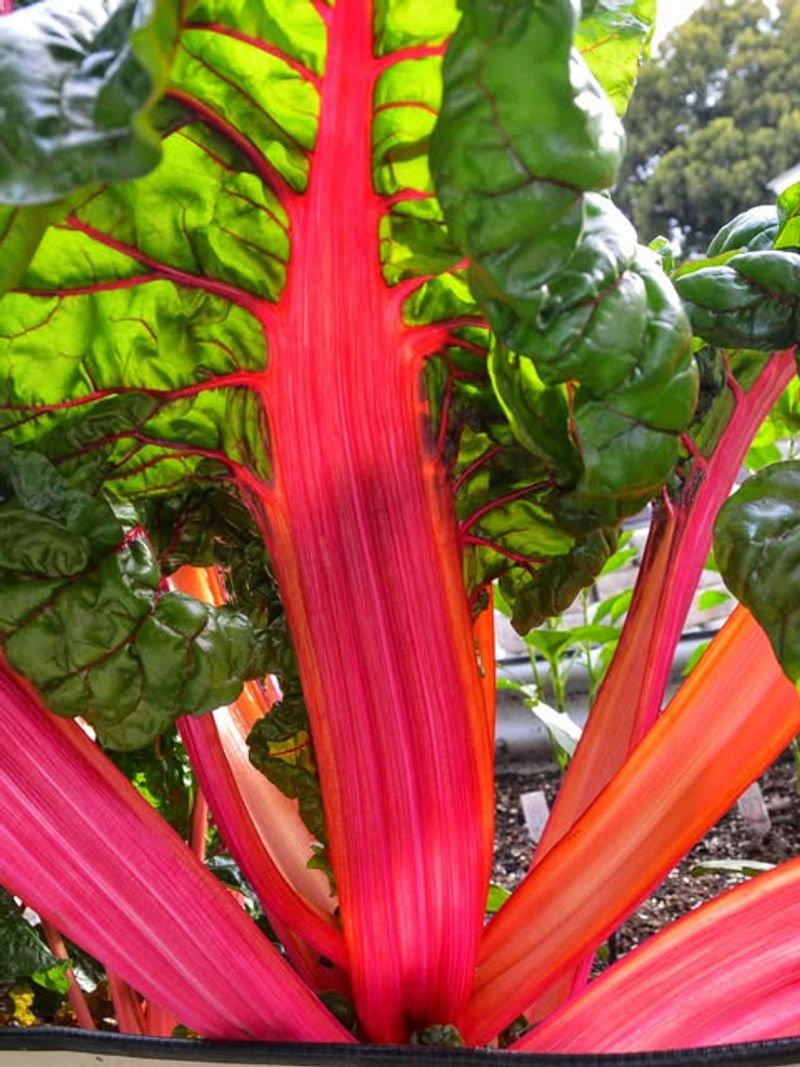
Swiss chard is a workhorse in the vegetable garden, producing colorful, nutritious leaves throughout the growing season with minimal fuss.
This cold-tolerant green actually prefers cooler weather for germination and early growth, making it perfect for starting indoors in Illinois.
Beginning chard seeds four to six weeks before your last frost date gives the plants a strong foundation before they’re moved outside into garden beds or containers.
Chard seedlings are relatively easy to grow indoors and don’t require any special treatment beyond consistent moisture and adequate light.
Once the seedlings have developed a few sets of true leaves, they can be hardened off and transplanted outside, even if nighttime temperatures still dip into the upper thirties.
The plants will continue growing steadily through spring and well into summer, providing continuous harvests of tender leaves and crunchy stems.
One of the best features of Swiss chard is its stunning appearance, with varieties like Bright Lights offering stems in vibrant shades of red, yellow, orange, and pink.
You can harvest outer leaves while allowing the center of the plant to keep producing, giving you fresh greens for months on end.
Starting chard indoors ensures your plants are well-established before summer heat arrives, and unlike spinach or lettuce, chard doesn’t bolt quickly in warm weather, making it a reliable producer throughout the entire growing season.
Peas For Early Trellis Crops
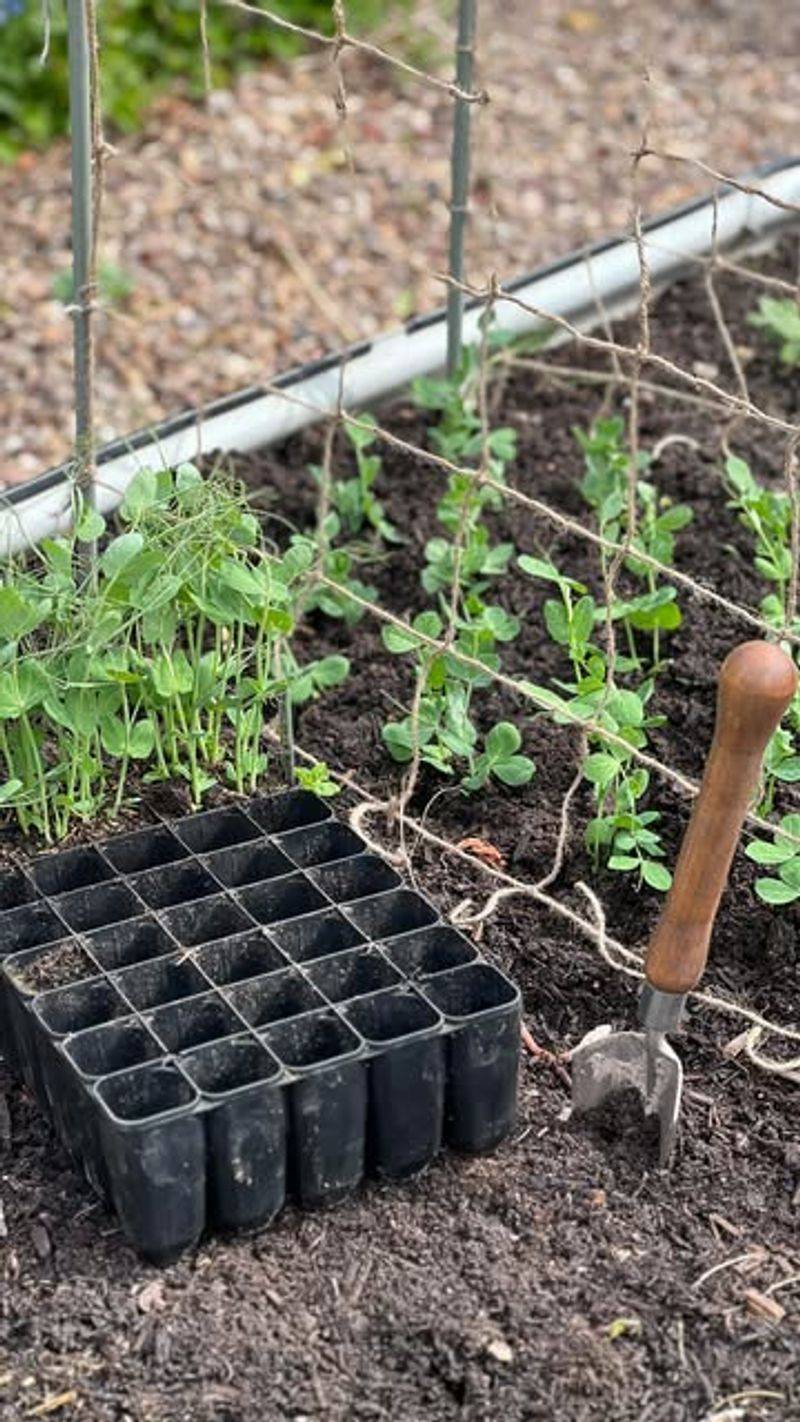
Peas are one of the earliest vegetables you can plant in an Illinois garden, and starting them indoors gives you an even bigger advantage.
While many gardeners direct-seed peas outdoors as soon as the soil can be worked, starting them indoors two to three weeks before the last frost allows you to transplant sturdy seedlings that will produce pods sooner.
Peas thrive in cool weather and actually stop producing once temperatures consistently rise above seventy-five degrees, making early planting crucial for a successful harvest.
Starting peas indoors requires a bit of care since they don’t love having their roots disturbed, so using biodegradable pots that can be planted directly into the ground is a smart strategy.
Once seedlings are a few inches tall and have developed tendrils, they can be hardened off and moved outside, even if there’s still a chance of light frost.
Peas can handle temperatures down into the twenties, making them incredibly resilient for early spring planting.
The reward for starting peas indoors is fresh, sweet pods ready to harvest weeks earlier than direct-seeded crops.
Whether you choose snap peas, snow peas, or shelling peas, all varieties benefit from an early start and a sturdy trellis to climb.
Harvesting peas regularly encourages the plants to keep producing, giving you a longer harvest window before the summer heat signals the end of the season for these cool-loving plants.
Onions From Seed For Bigger Bulbs
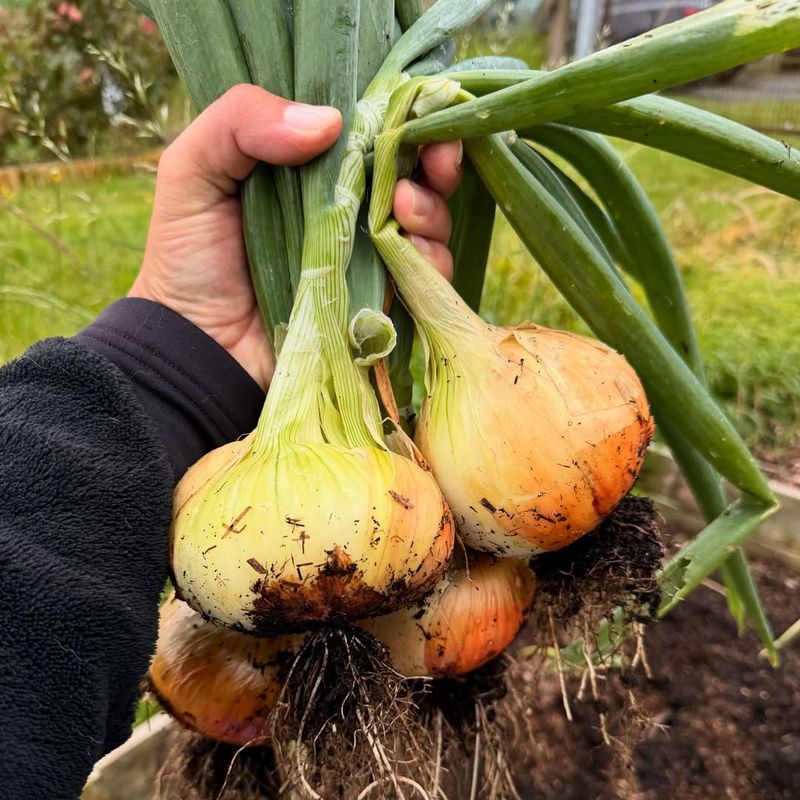
Growing onions from seed instead of sets gives Illinois gardeners access to a much wider variety of flavors, colors, and storage capabilities.
Starting onion seeds indoors ten to twelve weeks before the last frost might seem like a long commitment, but the payoff is significantly larger bulbs that store better and taste fresher than anything you’ll find at the grocery store.
Onions need a long growing season to develop full-sized bulbs, and starting them indoors gives them the head start they need to mature before summer ends.
Onion seedlings look like delicate grass at first, but they’re tougher than they appear and can handle cool temperatures once transplanted outside.
Once the seedlings are about six inches tall and as thick as a pencil, they’re ready to be hardened off and moved into the garden.
In Illinois, this typically happens in early to mid-April, giving the onions plenty of time to establish roots before bulb formation begins in response to lengthening daylight hours.
Starting onions from seed allows you to choose varieties suited to your latitude, which is important since onions are day-length sensitive.
Long-day varieties like Copra and Walla Walla perform best in Illinois, forming large bulbs as summer days stretch longer.
By starting seeds indoors, you’ll harvest onions with better flavor, longer storage life, and bigger size than transplants or sets, making the extra effort well worth it for serious gardeners.
Why Cold-Hardy Vegetables Love An Early Start
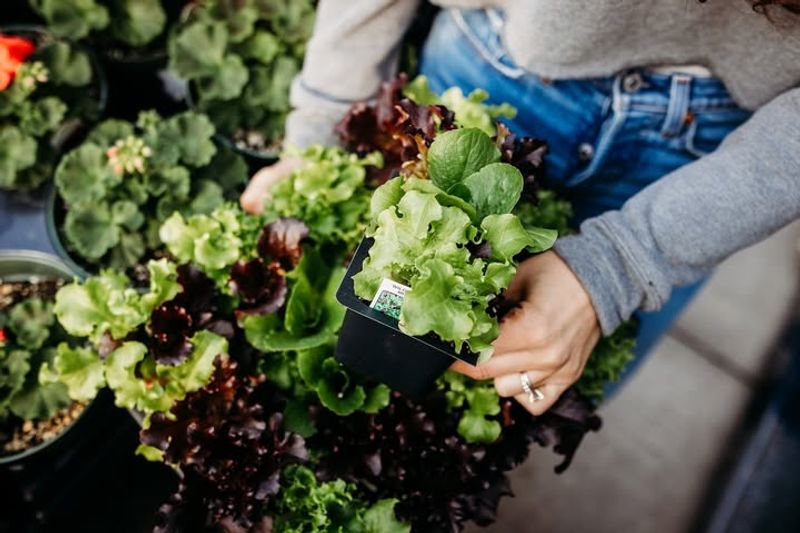
Starting cold-hardy vegetables indoors isn’t just about getting a jump on the season—it’s about working with the natural preferences of these cool-weather crops.
Vegetables like kale, spinach, lettuce, broccoli, cabbage, chard, peas, and onions all thrive in cooler temperatures and struggle once summer heat arrives.
By starting them indoors, you give these plants the strongest possible foundation, allowing them to mature during the ideal weather conditions they need to produce their best harvests.
Indoor starting also protects young seedlings from unpredictable spring weather, hungry pests, and soil-borne diseases that can plague outdoor plantings.
Controlled indoor conditions mean consistent moisture, stable temperatures, and protection from wind and heavy rain that can damage delicate seedlings.
When you transplant sturdy, well-established plants into your garden, they’re better equipped to handle whatever Illinois spring weather throws at them.
Perhaps the biggest advantage of starting cold-hardy vegetables indoors is the extended harvest season you’ll enjoy.
By transplanting seedlings several weeks earlier than you could direct-seed outdoors, you’ll be harvesting fresh produce before summer heat causes these cool-season crops to decline.
This strategy maximizes your garden’s productivity, giving you weeks of additional harvests and allowing you to enjoy homegrown vegetables when they taste their absolute best in the cool, crisp conditions of spring.