You Could Be Fined For This Common Snow Shoveling Mistake In Pennsylvania
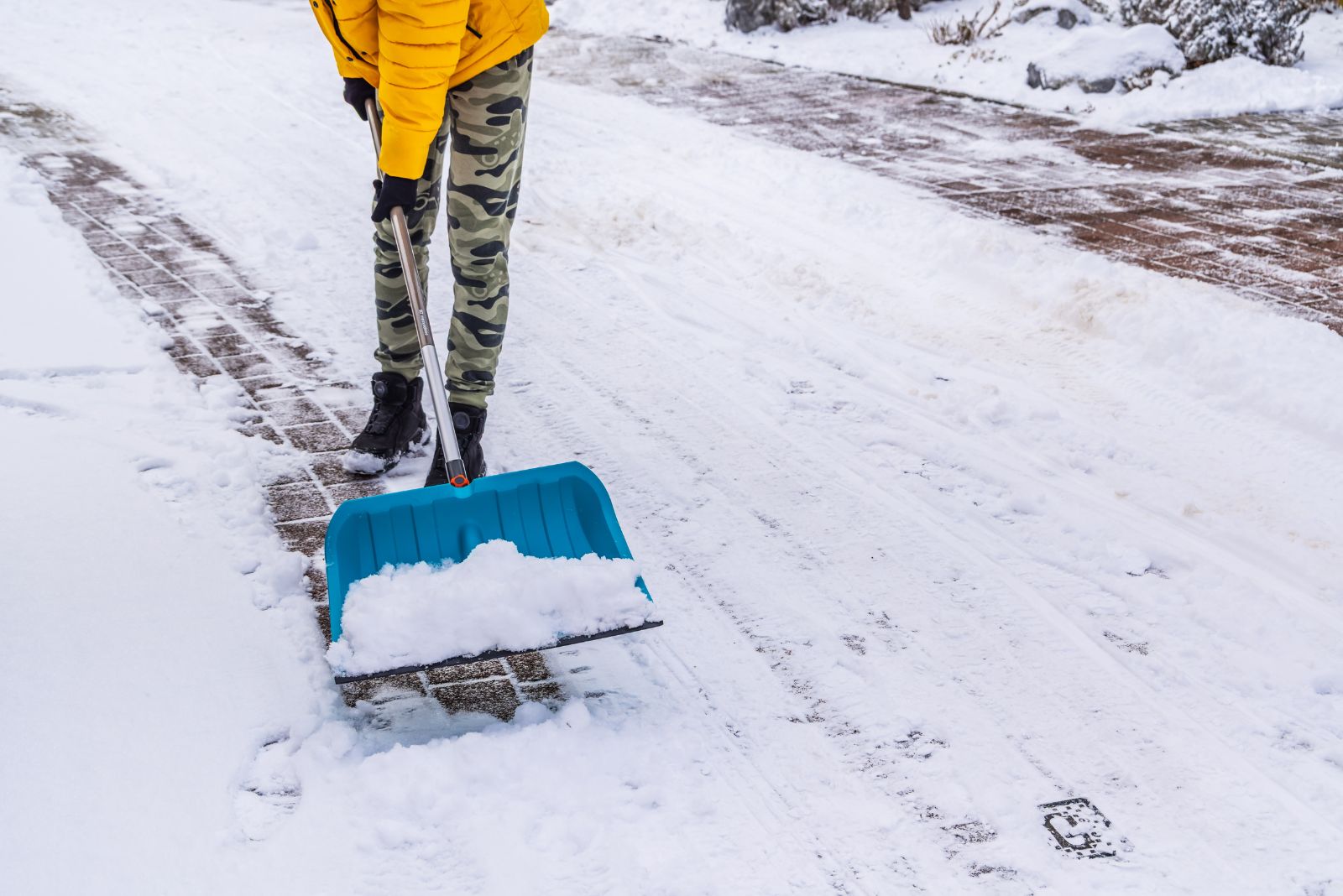
Think snow shoveling is just a simple winter chore with no real rules to follow? Many Pennsylvania homeowners are surprised to learn that one common mistake can actually lead to a fine.
Winter storms may be routine, but local regulations about clearing sidewalks and snow placement are taken seriously in many communities.
Piling snow in the wrong spot, blocking walkways, or ignoring time limits for clearing paths can create safety risks for others and legal trouble for you.
What feels like a small oversight can quickly turn into an unexpected penalty. The good news is that avoiding trouble is easier than most people think.
With a few smart habits and a clear understanding of local expectations, you can keep your property safe, accessible, and compliant all winter long. Before the next snowfall arrives, it helps to know the mistake that catches many homeowners off guard.
1. Is It Illegal In Pennsylvania?
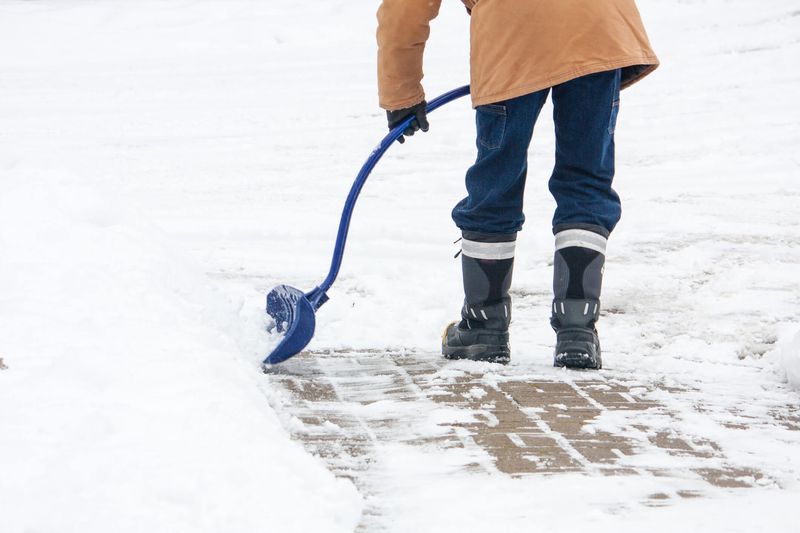
Many Pennsylvania municipalities have clear rules against shoveling, blowing, or plowing snow from your private property into public streets.
The answer is yes in most areas, but the exact law depends on where you live. Pennsylvania does not have one statewide rule that covers every town and city.
Local governments like boroughs, townships, and cities create their own snow removal ordinances.
Some places enforce these rules strictly with regular patrols during winter storms. Others may only issue warnings unless the problem becomes severe or causes an accident.
Philadelphia, Pittsburgh, and many smaller Pennsylvania communities specifically ban pushing snow into roadways.
The language in local codes usually prohibits obstructing streets or creating hazards. Violating these ordinances can result in fines and other penalties.
Homeowners often assume that clearing their driveway into the street is harmless or even helpful. In reality, it creates serious problems for road crews and other drivers. Snow that gets pushed into streets can refreeze into dangerous ice patches overnight.
Emergency vehicles like ambulances and fire trucks need clear roads to respond quickly. When snow blocks lanes or creates obstacles, it slows down critical services. Your local government has the authority to enforce these rules to keep everyone safe.
Before you grab your shovel or fire up your snow blower this winter, take a few minutes to check your municipality’s website or call your local office. Knowing the rules in your specific Pennsylvania town or city will help you avoid unnecessary fines and legal trouble.
Understanding these regulations protects you and your neighbors during harsh winter weather.
2. Why Shoveling Snow Into The Street Is A Problem
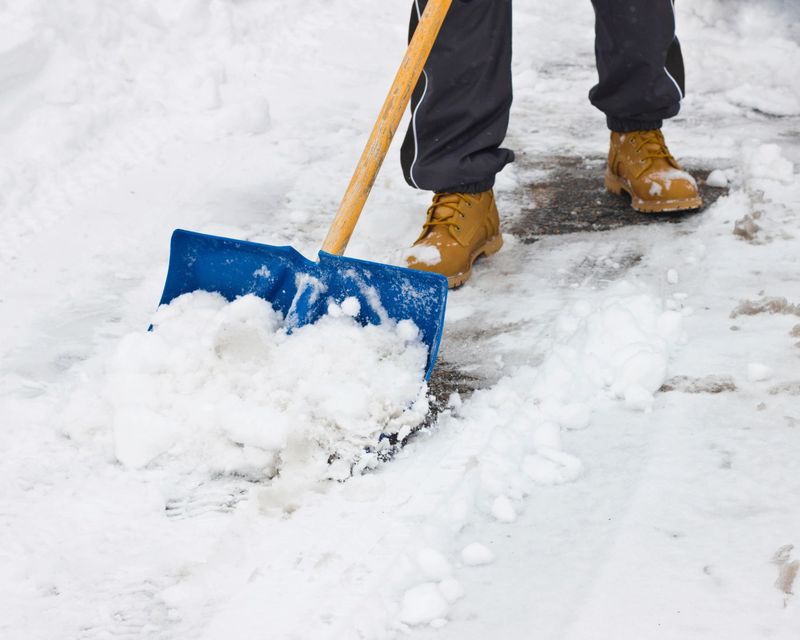
Pushing snow into the street might seem like an easy solution, but it creates multiple dangers that affect entire neighborhoods. Snow does not simply disappear once it lands on pavement.
Instead, it gets compacted by traffic and refreezes into slick ice patches that cause accidents.
Drivers lose control on these icy spots, especially during morning commutes when temperatures drop overnight.
Pedestrians crossing streets also face serious injury risks from slipping on hidden ice. What starts as a convenience for one homeowner becomes a hazard for everyone else.
Traffic flow suffers significantly when snow piles block lanes or narrow roadways. Large snow banks force cars to squeeze into smaller spaces, increasing the chance of collisions.
Delivery trucks, school buses, and emergency vehicles struggle to navigate streets clogged with snow.
Municipal plow crews face major obstacles when homeowners dump snow back into streets they just cleared. Plows have to make extra passes, wasting time and taxpayer money.
This delays snow removal throughout Pennsylvania communities and leaves more roads dangerous for longer periods.
Storm drains become clogged when snow gets pushed over them, preventing proper drainage. When temperatures rise and snow melts, blocked drains cause flooding in streets and basements.
This creates expensive property damage that could have been avoided with proper snow placement.
Fire hydrants buried under snow piles become inaccessible during emergencies. Firefighters waste precious minutes digging out hydrants while buildings burn.
Every second counts in emergency situations, and hidden hydrants put lives and property at serious risk across Pennsylvania neighborhoods during winter months.
3. Possible Fines And Penalties Homeowners May Face
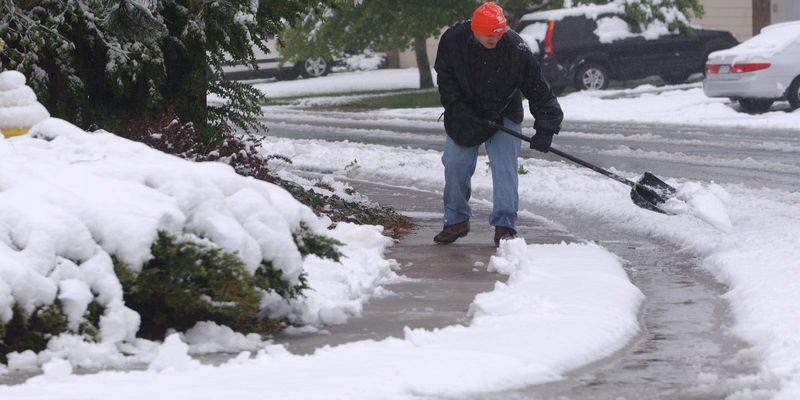
Financial penalties for dumping snow into Pennsylvania streets vary widely depending on your specific location.
Most municipalities impose fines ranging from twenty-five dollars to three hundred dollars for first-time violations. Repeat offenders often face steeper penalties that increase with each citation.
Smaller boroughs and townships typically charge lower fines, while larger cities like Philadelphia and Pittsburgh enforce higher penalties. Some communities issue warnings for first offenses before moving to monetary fines.
Others skip warnings entirely and go straight to citations during declared snow emergencies.
Beyond immediate fines, homeowners face potential legal liability if their improperly placed snow causes accidents.
Someone who slips and gets injured on ice you created could sue you for medical bills and other damages. Car accidents caused by snow you pushed into the street can result in expensive lawsuits.
Insurance companies may deny coverage if they determine you violated local ordinances by placing snow illegally. This leaves you personally responsible for all legal costs and settlement amounts. Even a minor accident can result in thousands of dollars in liability.
Local snow obstruction ordinances give municipalities legal authority to enforce these rules through various means. Code enforcement officers patrol neighborhoods during and after storms looking for violations.
Some Pennsylvania towns encourage neighbors to report violations, increasing the chance you will get caught.
Courts generally uphold these fines because they serve legitimate public safety purposes. Challenging a snow dumping citation rarely succeeds unless you can prove the ordinance does not exist or was not properly enacted.
Paying the fine and changing your snow removal habits is usually the smartest choice for Pennsylvania homeowners.
4. Why You Must Check Your Municipality
Pennsylvania snow removal rules differ dramatically from one municipality to another across the state. What is perfectly legal in one borough might result in a fine in the neighboring township.
This patchwork of local regulations makes it essential to research your specific area before winter storms arrive.
Most Pennsylvania municipalities post their ordinances on official websites under sections like public works, winter weather, or municipal codes. Search for terms like snow removal, winter parking, or street obstruction.
Many towns also publish winter preparedness guides that explain resident responsibilities during storms.
Major cities like Philadelphia and Pittsburgh have detailed snow emergency plans available online.
These documents clearly state that pushing snow into streets is prohibited and outline specific penalties. Smaller boroughs may have simpler rules, but they are equally enforceable.
If you cannot find information online, call your municipal office directly during business hours. Staff members can explain local snow rules and point you to the relevant ordinances.
Some Pennsylvania communities also mail winter newsletters to residents explaining seasonal regulations.
Local police departments and public works offices enforce these ordinances, so they are excellent resources for clarification.
Ask specific questions about where you can legally place snow and what penalties exist for violations. Getting answers directly from officials protects you from misunderstandings.
Ignorance of local laws provides no defense if you receive a citation. Pennsylvania courts expect residents to know and follow municipal ordinances.
Taking thirty minutes to research your town’s snow rules now can save you hundreds of dollars and legal headaches later. Winter weather arrives quickly in Pennsylvania, so prepare yourself before the first snowflake falls.
5. What Homeowners Should Do With Snow Instead
Lawns and garden areas provide the safest and most legal places to pile snow from your driveway and sidewalks. Grass tolerates heavy snow loads without damage, and melting snow actually provides moisture for spring growth.
Spread snow evenly across your yard rather than creating one massive pile that takes weeks to melt.
Avoid piling snow against your home’s foundation, as melting can cause basement flooding and foundation damage. Keep snow at least three feet away from your house. Also avoid covering basement window wells, which can leak when snow melts.
Sidewalks must remain clear for pedestrian safety, but never push that snow into the street. Instead, toss it onto your lawn on the opposite side of the walkway.
Pennsylvania municipalities require homeowners to keep sidewalks passable, typically within twenty-four to forty-eight hours after snow stops falling.
Fire hydrants need at least three feet of clearance on all sides for emergency access. If a hydrant sits near your property, take a few extra minutes to clear around it completely.
This simple act could save lives and property during a fire emergency in your Pennsylvania neighborhood.
Storm drains must also remain clear to prevent flooding when snow melts. Shovel snow away from these drainage points rather than covering them. Proper drainage protects your property and your neighbors from expensive water damage.
When using a snow blower, point the discharge chute toward your lawn or designated snow storage area. Never aim it at the street, even if that seems more convenient.
Work with the direction of municipal plows rather than against them by keeping your snow on private property where it belongs throughout the winter season.
6. When Snow Becomes A Legal Problem
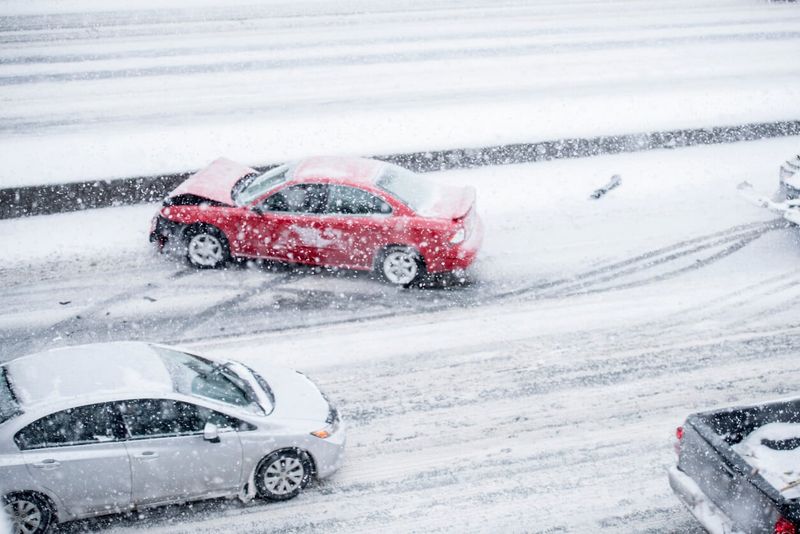
Financial fines represent just the beginning of potential legal troubles from improper snow placement.
Pennsylvania homeowners face serious liability risks when snow they moved causes injuries or property damage. Personal injury lawsuits can cost tens of thousands of dollars or more.
Car accidents happen frequently when drivers hit ice patches created by refrozen snow. If investigators trace that ice back to snow you dumped in the street, you could be held legally responsible.
Accident victims can sue for vehicle repairs, medical bills, lost wages, and pain and suffering. Slip and fall injuries create similar liability exposure for Pennsylvania homeowners.
Pedestrians who fall on ice you created can file lawsuits seeking compensation for broken bones, head injuries, and other harm. These cases often settle for substantial amounts, especially when injuries are severe.
Property damage extends beyond vehicles to include homes, landscaping, and infrastructure. Snow that blocks drainage and causes flooding can damage multiple properties.
You could face claims from several neighbors if your snow placement leads to widespread water damage.
Homeowners insurance may not cover these claims if you violated local ordinances. Insurance companies include clauses that deny coverage for damages resulting from illegal activities. This leaves you personally responsible for all legal costs and judgments.
Proper snow placement protects you from these liability risks while keeping Pennsylvania roads safe. The few extra minutes required to pile snow on your lawn instead of the street provides enormous legal and financial protection.
Courts show little sympathy for homeowners who ignore municipal snow rules and cause preventable accidents.
Taking responsibility for your snow now prevents devastating legal consequences later when someone gets hurt or property gets damaged because of your choices.