You Need These Low-Maintenance Flowers In Your Pennsylvania Garden In 2026
Keeping a Pennsylvania garden colorful and lively does not have to mean constant work or complicated care. Some flowers are naturally easygoing, thriving with minimal attention while still delivering beautiful blooms throughout the season.
These low maintenance favorites handle changing weather, occasional dry spells, and busy schedules without losing their charm. They grow reliably, require less pruning and feeding, and continue to brighten beds, borders, and containers with steady color.
For gardeners who want great results without spending hours tending plants, choosing dependable, easy care flowers is a smart move. Many of these varieties are also well suited for Pennsylvania’s climate, making them both practical and rewarding.
As the 2026 growing season approaches, adding low effort bloomers can help you enjoy a vibrant garden that looks full, healthy, and inviting without demanding too much time, energy, or constant attention.
1. Black-Eyed Susan
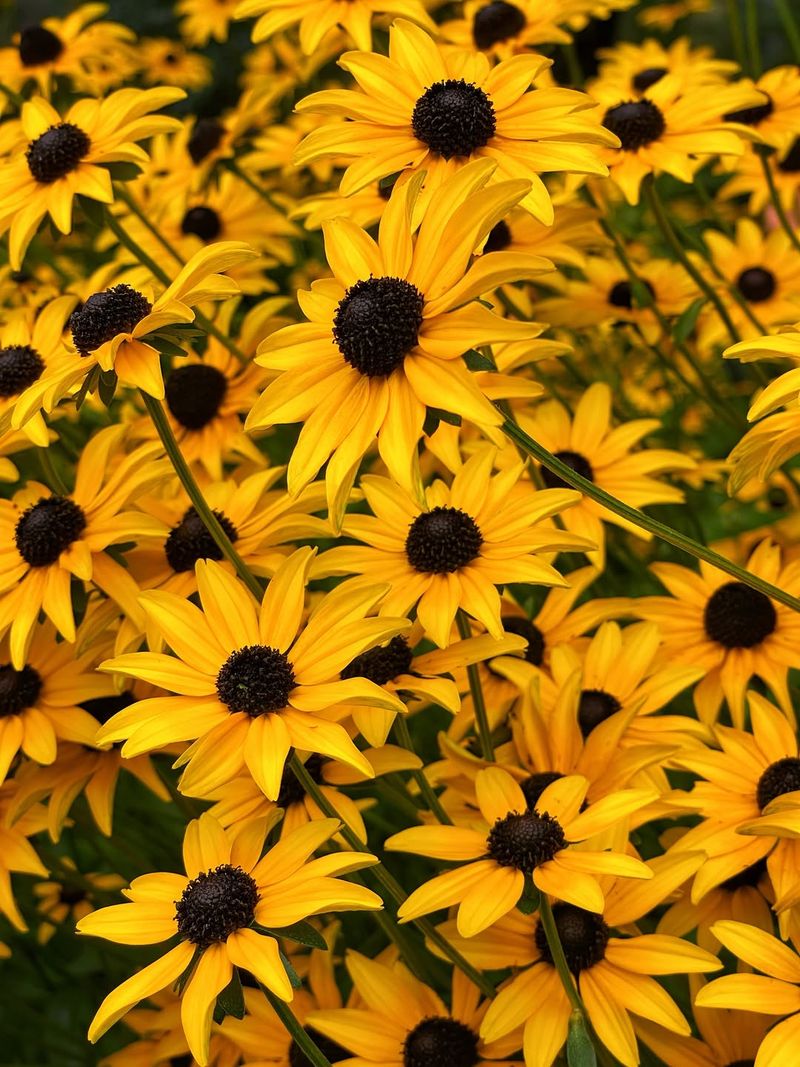
Bright golden petals surrounding dark chocolate centers make Black-Eyed Susans instantly recognizable across Pennsylvania landscapes. This native wildflower has been thriving in our region for centuries without any help from gardeners.
Once you plant them in your yard, they’ll handle whatever weather comes their way.
These cheerful flowers actually prefer the kind of soil most gardeners complain about. Clay-heavy ground that other plants struggle in becomes home sweet home for Black-Eyed Susans. They don’t need fancy amendments or perfect drainage to flourish.
During Pennsylvania’s dry summer stretches, established plants keep blooming while other flowers wilt.
Their deep roots reach down to find moisture that surface-dwelling plants miss completely. You won’t find yourself dragging hoses around to keep these beauties happy.
The blooming period stretches from early summer clear through fall in most Pennsylvania gardens. That’s months of continuous color with zero deadheading required. The flowers just keep coming without any encouragement from you.
At season’s end, Black-Eyed Susans drop seeds that sprout into new plants the following spring. This self-seeding habit means your initial investment multiplies naturally.
Within a few years, you’ll have drifts of golden blooms filling empty spaces throughout your garden beds. Pennsylvania gardeners appreciate plants that do the work themselves, and Black-Eyed Susans deliver exactly that kind of performance year after year.
2. Purple Coneflower
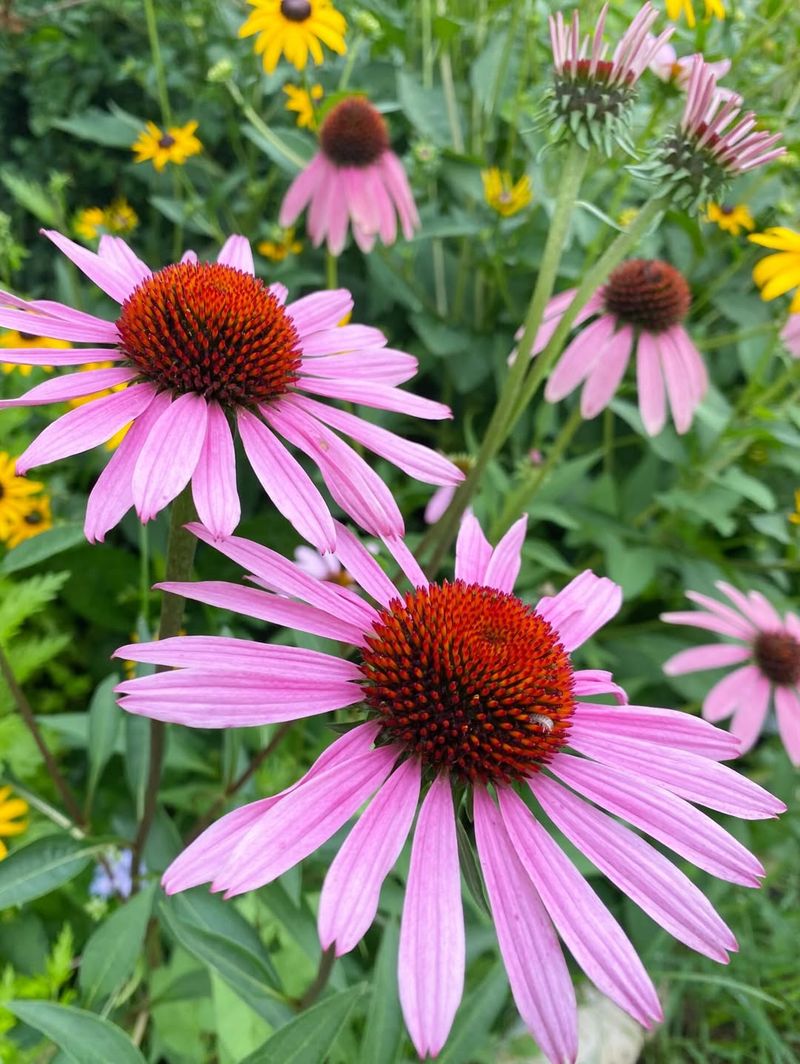
Few perennials match the toughness of Purple Coneflowers in Pennsylvania gardens. These prairie natives evolved to handle temperature extremes that would stress out pampered garden plants.
From scorching July afternoons to February freezes, they take everything in stride.
Pennsylvania’s summer heat waves don’t faze these resilient bloomers one bit. While other flowers droop and demand daily watering, Purple Coneflowers stand tall and keep producing blooms.
Their deep taproots access moisture far below the surface where the soil stays cool and damp.
Winter cold presents no problem either for these hardy perennials. They go dormant when temperatures drop, then emerge fresh and vigorous each spring. No winter protection, no fussing, no worrying about whether they’ll make it through.
The soil requirements couldn’t be simpler for Pennsylvania gardeners. Average garden dirt works perfectly without adding compost, fertilizer, or soil amendments. These plants actually bloom better in lean soil than in rich, overfed conditions.
Butterflies, bees, and hummingbirds visit Purple Coneflowers constantly throughout the summer months. Later in fall, goldfinches arrive to feast on the seed heads.
This makes your garden a wildlife magnet with zero extra effort on your part. The combination of extreme hardiness, minimal care needs, and wildlife value explains why Purple Coneflowers appear in gardens throughout Pennsylvania.
3. Daylily
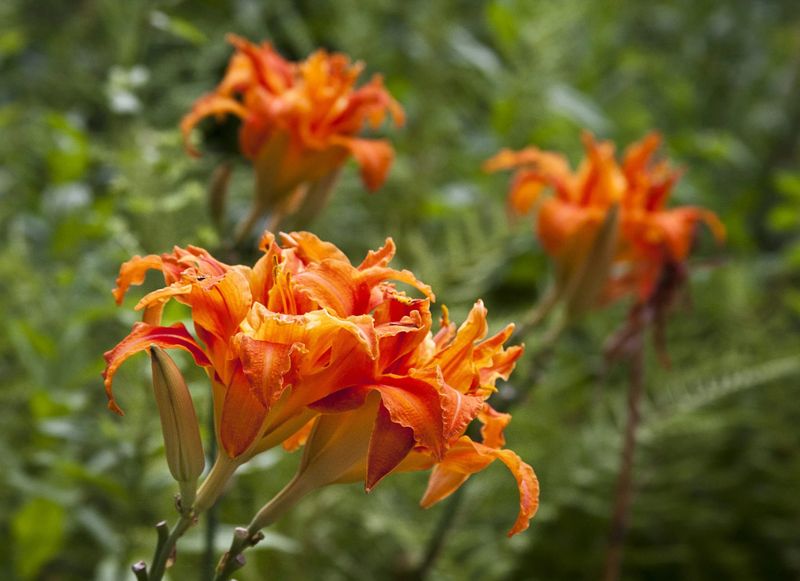
Gardening experts consistently rank daylilies among the most foolproof perennials for Pennsylvania yards.
Their reputation for easy care isn’t marketing hype but simple truth. Plant them once and they’ll reward you for decades with minimal intervention.
Sunlight flexibility gives daylilies a major advantage in Pennsylvania landscapes. Full sun locations work great, but so do spots with afternoon shade.
This adaptability means you can tuck them into various garden areas where pickier plants would struggle.
Soil type barely matters when growing daylilies in Pennsylvania. Sandy soil, clay soil, or anything in between becomes acceptable growing medium for these adaptable plants. They don’t require the perfect loamy soil that other perennials demand.
Pests and diseases generally ignore daylilies completely across Pennsylvania gardens. You won’t spend time spraying, treating, or worrying about infestations. The plants just grow and bloom without developing problems that require intervention.
Each year brings more flowers as daylily clumps expand and strengthen. Second-year plants produce more blooms than first-year plants, and third-year plants outperform second-year ones.
This natural improvement continues for years without any fertilizing or special care from you.
The range of colors available in daylilies means Pennsylvania gardeners can find shades matching any landscape design. From pale yellows to deep burgundies, the palette offers endless possibilities.
Combining different varieties creates a succession of blooms lasting all summer long in your Pennsylvania garden beds.
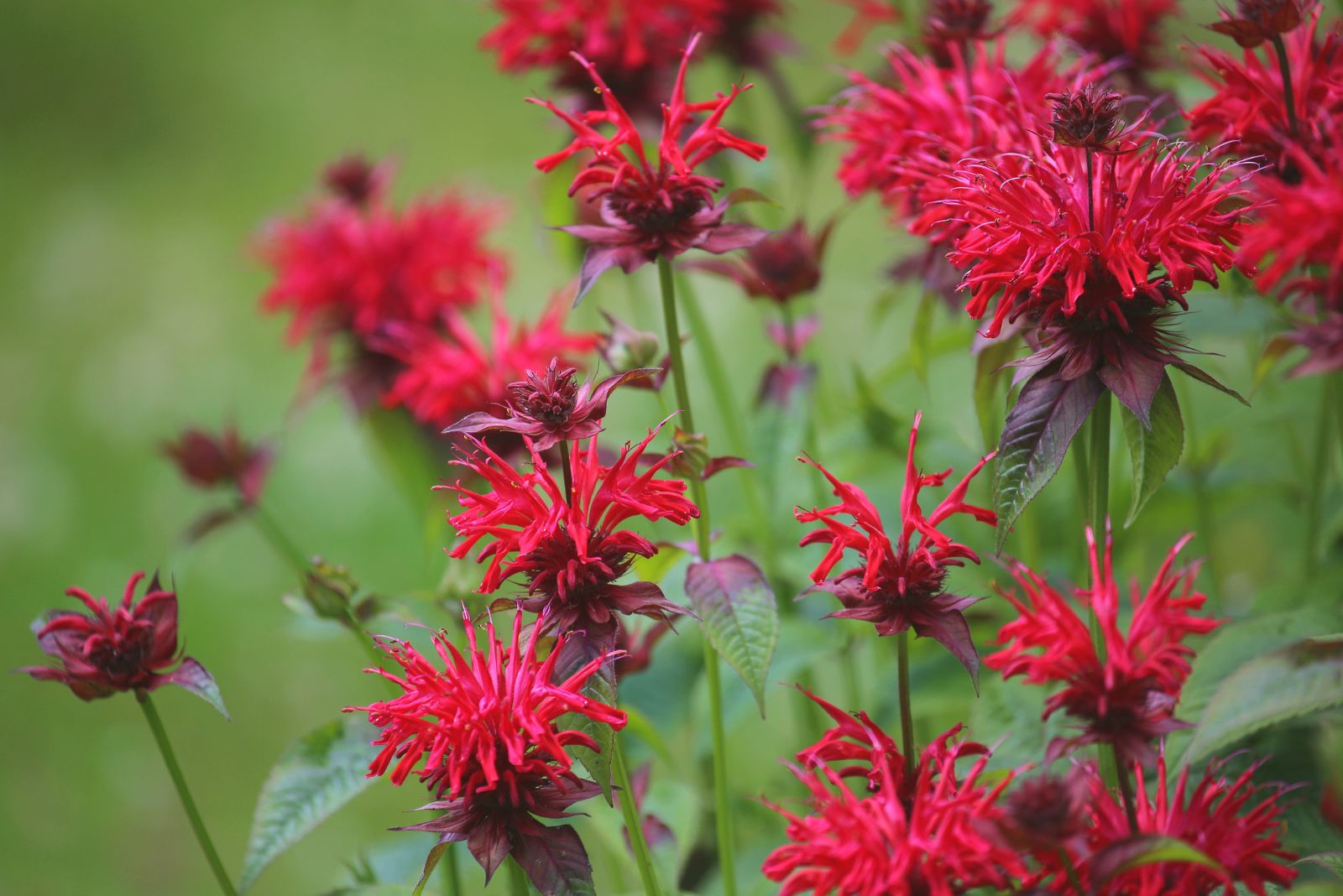
4. Bee Balm
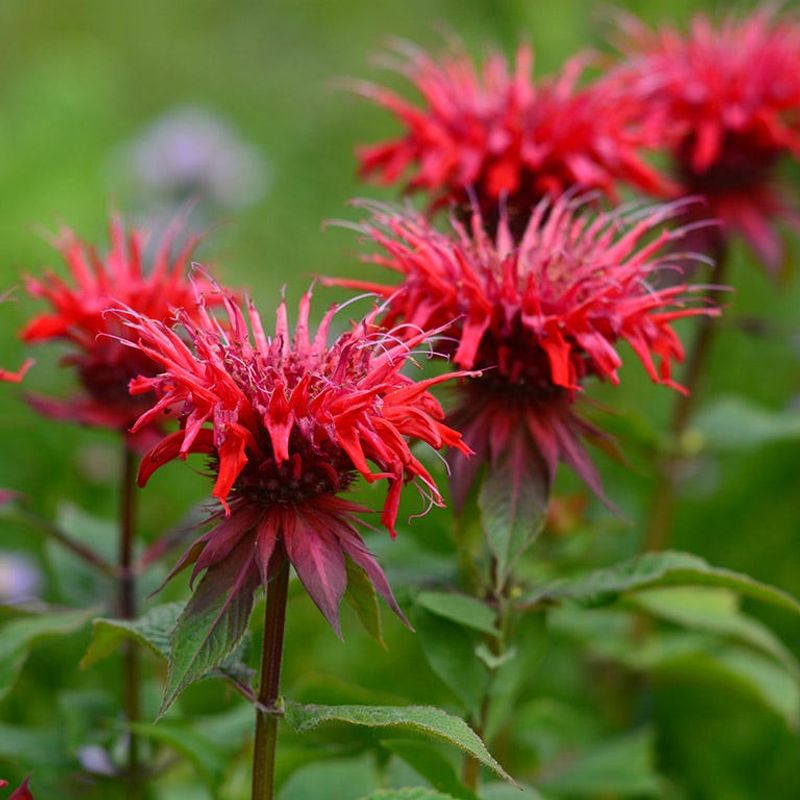
Native Pennsylvania wildflowers don’t come more reliable than Bee Balm. This plant evolved right here in our region, perfectly adapted to our growing conditions.
It knows how to handle Pennsylvania weather because it’s been doing exactly that for thousands of years.
Maintenance requirements for Bee Balm barely exist once plants settle into Pennsylvania gardens. No staking, no deadheading, no constant watering schedules to remember.
The plants grow vigorously without needing encouragement or intervention from gardeners.
Pollinators absolutely swarm Bee Balm flowers throughout the summer months. Bees, butterflies, and hummingbirds visit constantly, creating a living show in your garden.
Meanwhile, deer walk right past Bee Balm to bother other plants instead, leaving your flowers untouched.
The spreading habit of Bee Balm helps fill empty spaces in Pennsylvania garden beds naturally.
Each year the clumps expand outward, creating fuller displays without you planting additional specimens. This natural multiplication saves money while creating the lush look gardeners want.
Aromatic foliage releases pleasant minty scents when brushed or crushed. Some Pennsylvania gardeners harvest leaves for herbal teas, adding practical value to ornamental beauty. The scent also helps repel certain garden pests naturally.
Color options in Bee Balm range from classic red through pink, purple, and white varieties. Mixing different colors creates stunning combinations throughout Pennsylvania landscapes.
The tubular flowers bloom for weeks during peak summer, providing reliable color when many spring bloomers have finished their show.
5. Coreopsis
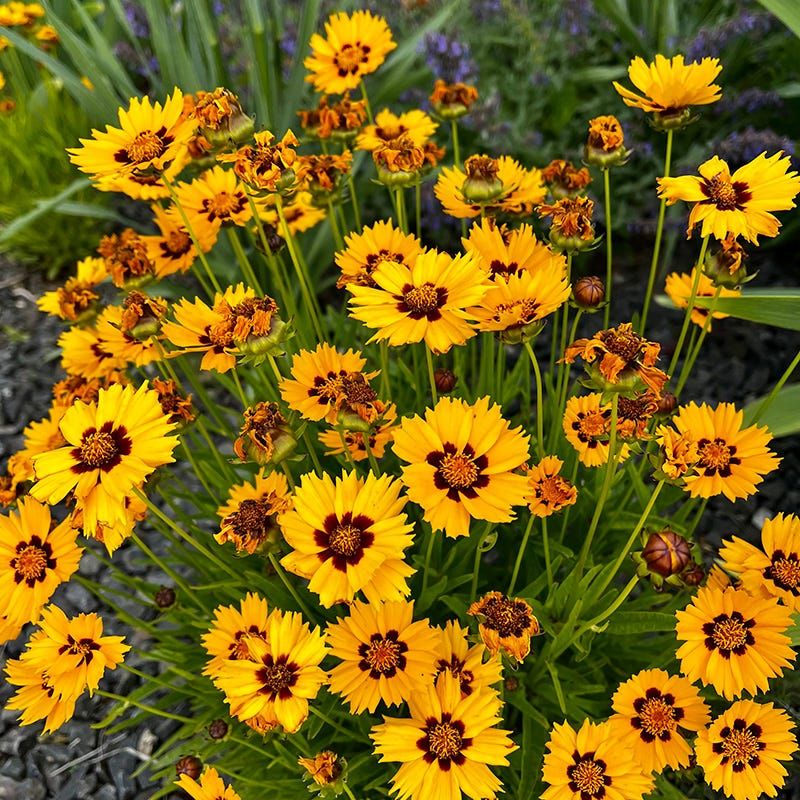
Sunshine yellow flowers cover Coreopsis plants from June through September in Pennsylvania gardens.
This extended blooming period outlasts most other perennials by weeks or even months. The plants just keep pumping out fresh flowers without taking breaks.
Drought tolerance in Coreopsis rivals that of desert plants once roots establish. Pennsylvania’s occasional dry spells don’t slow down these bloomers at all.
They keep flowering happily while other plants in the same bed start looking stressed and wilted.
Poor soil actually suits Coreopsis better than rich, amended ground in Pennsylvania landscapes. These plants evolved in lean conditions and perform best when not overfed.
Your neglected, average garden soil becomes ideal growing medium without any improvement needed.
Watering chores decrease dramatically when Coreopsis fills your Pennsylvania garden beds. Established plants handle rainfall alone throughout most seasons. Even during dry weeks, they tolerate neglect that would damage less hardy perennials.
The cheerful disposition of Coreopsis flowers brightens any Pennsylvania landscape design.
Their sunny color combines beautifully with purple coneflowers, creating classic combinations. The fine, delicate foliage provides textural contrast against bolder-leaved companions.
Butterflies visit Coreopsis constantly during daylight hours throughout the growing season. These flowers provide important nectar sources for pollinators across Pennsylvania.
Your garden becomes a butterfly haven simply by including these easy-care bloomers in your planting scheme. The combination of long bloom time, drought tolerance, and minimal care requirements makes Coreopsis a smart choice for busy Pennsylvania gardeners.
6. Sedum
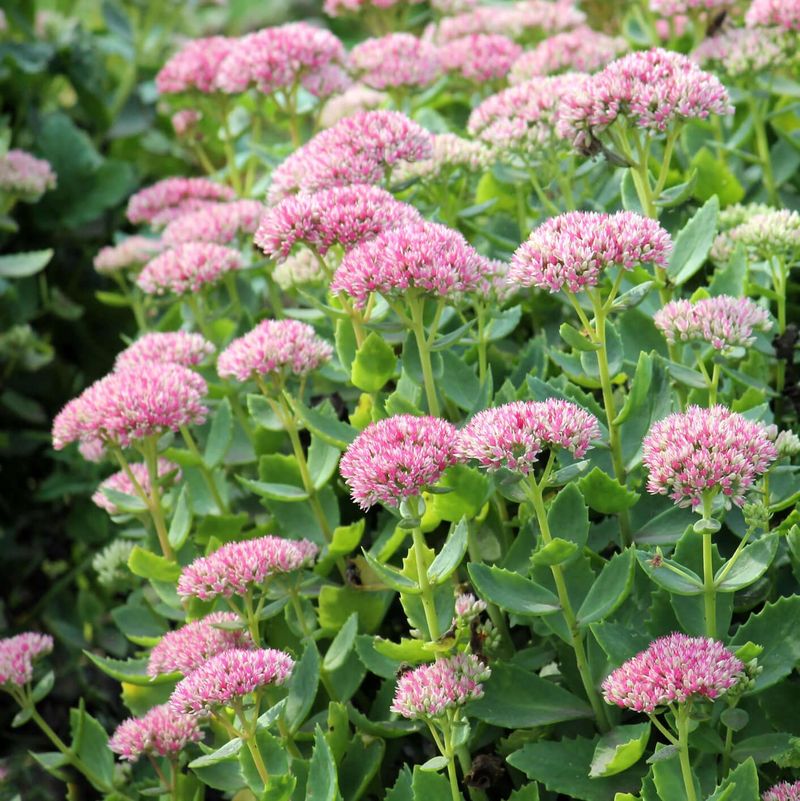
Succulent leaves store water like tiny reservoirs on every Sedum plant. This built-in irrigation system means Pennsylvania gardeners can practically ignore these plants during dry weather.
The thick foliage holds enough moisture to keep plants healthy for weeks without rainfall.
Water requirements for Sedum rank among the lowest of any perennial in Pennsylvania gardens. Once established, they survive on rainfall alone throughout typical growing seasons.
Even during extended dry periods, they maintain their appearance while other plants suffer.
The blooming period arrives later than most perennials across Pennsylvania landscapes. While other flowers fade in late summer, Sedum plants start producing their showy flower clusters.
This timing provides color when gardens need it most, extending the season naturally.
Fall interest continues long after flowers finish blooming on Sedum plants. The dried flower heads remain attractive through autumn and into winter.
Many Pennsylvania gardeners leave them standing for winter interest rather than cutting them back.
Pennsylvania winters don’t faze Sedum plants in the slightest. These extremely cold-hardy perennials handle our worst weather without protection or special care. They emerge each spring looking fresh and ready to grow again.
Varieties of Sedum range from low groundcovers to upright border plants for Pennsylvania gardens. Shorter types work perfectly as edging or in rock gardens.
Taller varieties like Autumn Joy create substantial presence in mixed perennial beds. All types share the same ultra-low maintenance requirements and exceptional drought tolerance that make Sedum such a practical choice.
7. Yarrow
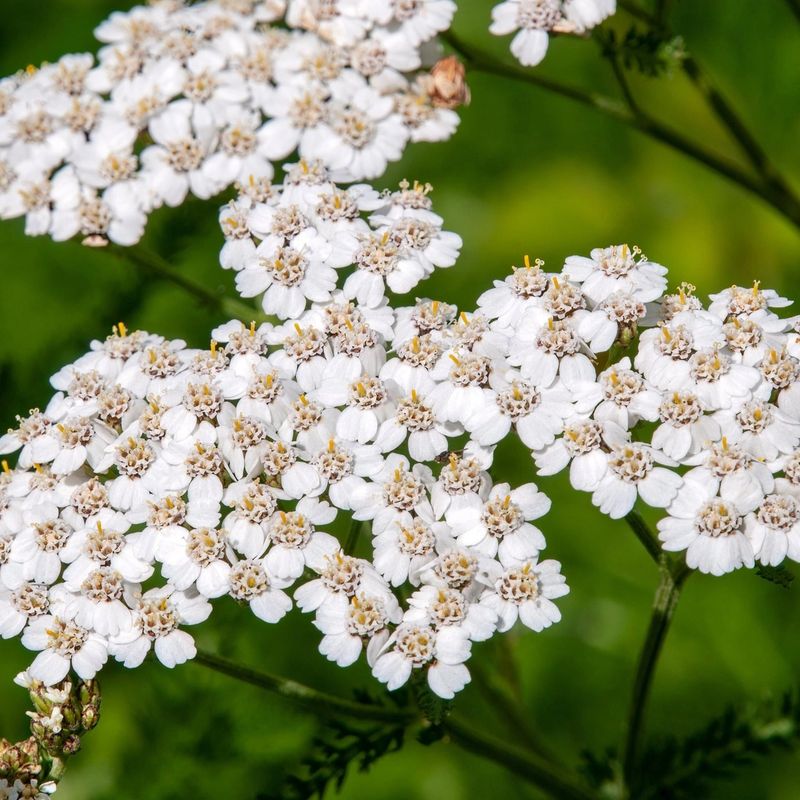
Ancient warriors reportedly used Yarrow to treat battlefield wounds, giving it the nickname soldier’s woundwort. This historical toughness translates perfectly to modern Pennsylvania gardens.
Plants that survived medieval battlefields certainly handle our growing conditions without complaint.
Heat waves that stress other perennials barely register with Yarrow in Pennsylvania landscapes.
These plants thrive during hot, dry summers that challenge less adapted species. Their deeply cut foliage actually helps them conserve moisture during stressful weather.
Drought conditions bring out the best in Yarrow rather than causing problems. These plants evolved in harsh environments where water scarcity was normal. Pennsylvania’s occasional dry spells feel like mild inconveniences to such tough customers.
Soil quality matters little when growing Yarrow across Pennsylvania gardens. Rocky, poor, or clay-heavy ground works fine without amendments.
These adaptable plants actually bloom better in lean soil than in rich, heavily fertilized conditions.
Fertilizer applications remain unnecessary throughout the life of Yarrow plants. They extract needed nutrients from even poor soil without supplemental feeding. This saves Pennsylvania gardeners money while reducing maintenance chores.
Deer avoid Yarrow consistently throughout Pennsylvania, leaving plants untouched while browsing other flowers.
The aromatic foliage apparently tastes unpleasant to these common garden pests. This natural deer resistance protects your investment without fencing or repellents.
Flower colors span white, yellow, pink, and red across different Yarrow varieties. The flat-topped flower clusters create distinctive textures in Pennsylvania garden designs.
Blooms last for weeks, providing reliable color throughout summer months with zero deadheading required.
8. Shasta Daisy
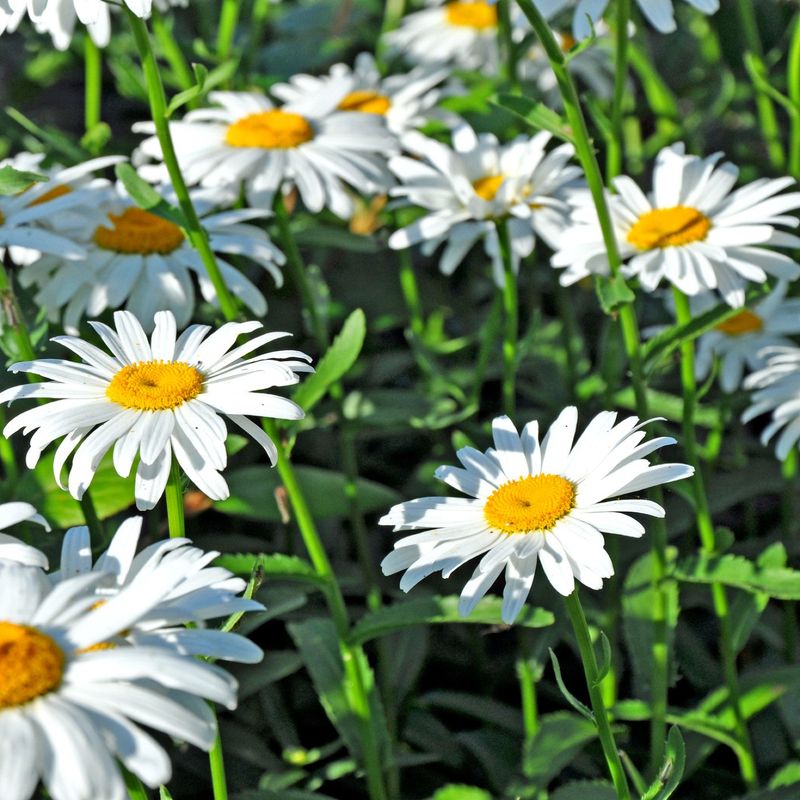
Classic white petals surrounding sunny yellow centers define the timeless appeal of Shasta Daisies. These flowers evoke cottage gardens and summer memories across Pennsylvania landscapes.
Their cheerful simplicity never goes out of style no matter what garden trends come and go.
Growing requirements for Shasta Daisies couldn’t be more straightforward in Pennsylvania gardens.
Basic sunlight and occasional water during establishment covers their needs completely. After the first season, they practically care for themselves.
Sunlight needs are easily met in most Pennsylvania yards. Six hours of sun daily provides enough energy for abundant blooming.
This modest requirement means you don’t need the sunniest spot in your garden for success.
Watering schedules remain simple with established Shasta Daisies in Pennsylvania. During normal rainfall years, nature handles irrigation duties without your involvement.
Only extended dry spells require supplemental watering, and even then, plants tolerate some neglect.
Blooming reliability makes Shasta Daisies dependable performers every summer across Pennsylvania. Year after year, they produce generous displays without skipping seasons or disappointing gardeners. This consistency helps with landscape planning and design.
Division becomes easy after a few years when Shasta Daisy clumps expand. Simply dig up plants in spring or fall, separate them into sections, and replant.
This natural multiplication provides free plants for expanding your garden or sharing with Pennsylvania neighbors.
The fresh, clean appearance of Shasta Daisies brightens any Pennsylvania garden setting. They combine beautifully with nearly any other perennial in mixed borders.
Their long-lasting cut flowers also bring garden beauty indoors for arrangements throughout the summer months.