You Need To Know If Backyard Mammals Help Or Harm Your Garden In Michigan
Soft rustling in the grass, tiny tracks in the soil, and sudden movement near garden beds often reveal that you are not the only one exploring your yard. In Michigan, a wide variety of backyard mammals quietly share outdoor spaces with gardeners throughout the year.
Some play helpful roles by controlling insects, improving soil, or supporting a balanced ecosystem, while others may nibble plants, dig tunnels, or disturb carefully tended beds.
Recognizing the difference between beneficial visitors and those that create challenges is the first step toward protecting your garden wisely.
Michigan’s changing seasons influence which mammals appear and how they interact with your landscape, making observation an important part of successful gardening. With the right understanding, you can encourage helpful wildlife while reducing unwanted damage.
Learning how these furry neighbors behave helps you create a Michigan garden that remains healthy, productive, and in harmony with the natural world around it.
1. Eastern Gray Squirrels Can Both Help And Harm Garden Spaces

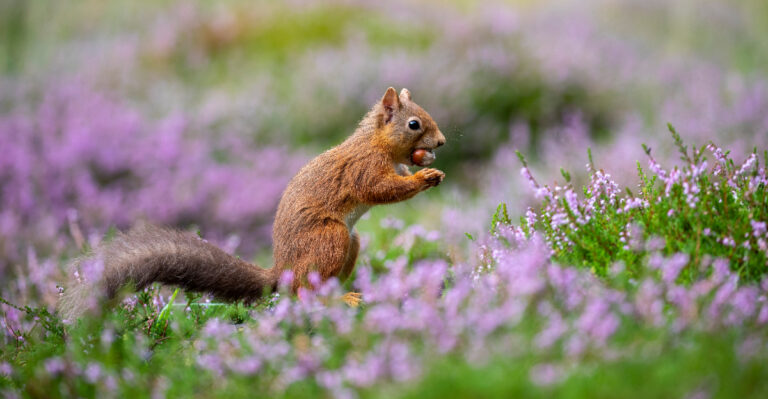
Squirrels bring mixed results to Michigan gardens throughout the year. These bushy-tailed acrobats naturally plant trees by burying nuts and forgetting where they placed them.
Your garden benefits from this forgetful behavior because new oak and hickory seedlings often sprout in unexpected places.
Garden beds become playgrounds when squirrels start digging for stored food. They create small holes while searching for buried treasures, which can disturb shallow plant roots.
Freshly planted bulbs often attract their attention because the soft soil makes digging easier. Spring tulip and crocus bulbs sometimes disappear overnight when hungry squirrels discover them.
Bird feeders draw squirrels like magnets to your yard. They knock seeds onto the ground while raiding feeders, creating feeding areas that attract even more wildlife.
Some gardeners appreciate this natural seed dispersal while others find the mess frustrating. Squirrels also nibble on tomatoes and strawberries when fruit ripens in summer.
Their digging actually improves soil aeration in some garden areas. Small disturbances help water penetrate deeper into compacted ground.
However, repeated digging in the same spots can damage plant stability. Understanding their dual nature helps you decide whether to welcome or discourage these energetic garden visitors.
2. Cottontail Rabbits Often Feed On Tender Garden Plants
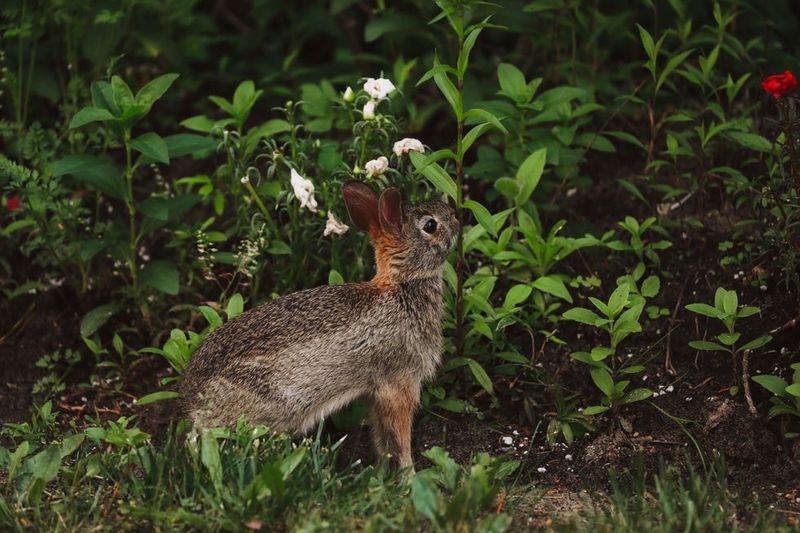
Rabbits find Michigan gardens irresistible during growing season. Young vegetables become their favorite snacks when tender shoots emerge in spring.
Lettuce, beans, and peas suffer the most damage because rabbits prefer soft, nutritious leaves. Your carefully planted rows can shrink overnight when cottontails visit after sunset.
Flower gardens also attract these fluffy herbivores throughout summer months. Hostas, impatiens, and petunias often show ragged edges from rabbit browsing.
They eat close to the ground, leaving short stems that struggle to recover. Garden borders near brush piles or wooded areas face the highest risk because rabbits prefer staying close to protective cover.
Winter brings different challenges when food becomes scarce across Michigan. Rabbits gnaw on woody stems and bark when green plants disappear under snow.
Young fruit trees and ornamental shrubs can suffer serious damage during harsh winters. The bark removal sometimes circles entire stems, which prevents water and nutrients from flowing properly.
Fencing provides the most reliable protection against hungry cottontails. Barriers need to extend at least two feet high and should be buried several inches deep.
Rabbits rarely climb but they excel at finding gaps and squeezing through small openings. Chicken wire works well because the small mesh blocks even young rabbits from entering protected areas.
3. White Tailed Deer Can Cause Significant Plant Damage
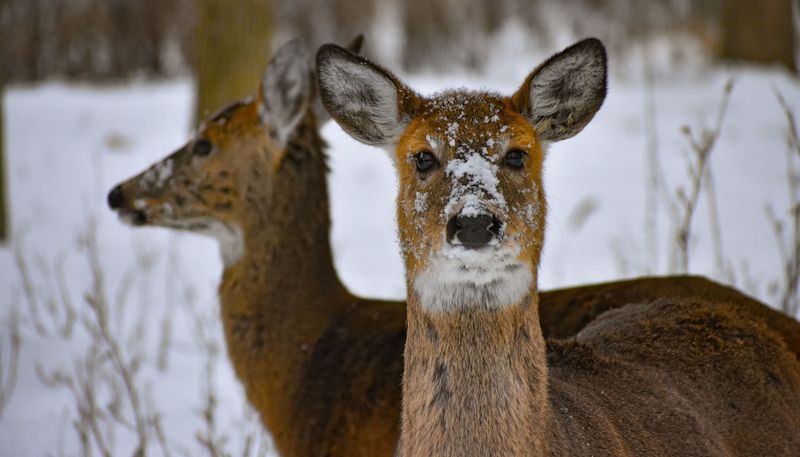
Deer populations across Michigan have grown substantially in recent decades. Suburban gardens now face regular visits from these graceful browsers.
A single deer can consume several pounds of plant material during one nighttime feeding session. Gardens near wooded areas or parks experience the most frequent and severe damage throughout the year.
Vegetable gardens suffer tremendous losses when deer discover them in summer. Tomatoes, beans, lettuce, and brassicas all rank high on their preferred menu.
They browse systematically through rows, sampling different plants and often returning nightly. Fruit trees lose branches when deer stand on their hind legs to reach higher foliage.
Ornamental plantings face constant pressure from hungry deer herds. Hostas disappear completely, leaving only bare stems poking from the ground.
Roses, daylilies, and many flowering shrubs get stripped of buds before blooms can open. Winter damage occurs when deer browse on evergreen shrubs and strip bark from young trees.
Height matters when selecting deer-resistant fencing for Michigan properties. Barriers need to reach at least eight feet tall because deer can jump impressive heights.
Some gardeners use double fencing with two shorter barriers spaced several feet apart. Deer hesitate to jump when they cannot see a clear landing zone.
Motion-activated sprinklers and scent deterrents provide temporary relief but lose effectiveness over time.
4. Moles Improve Soil But Disrupt Lawns And Roots
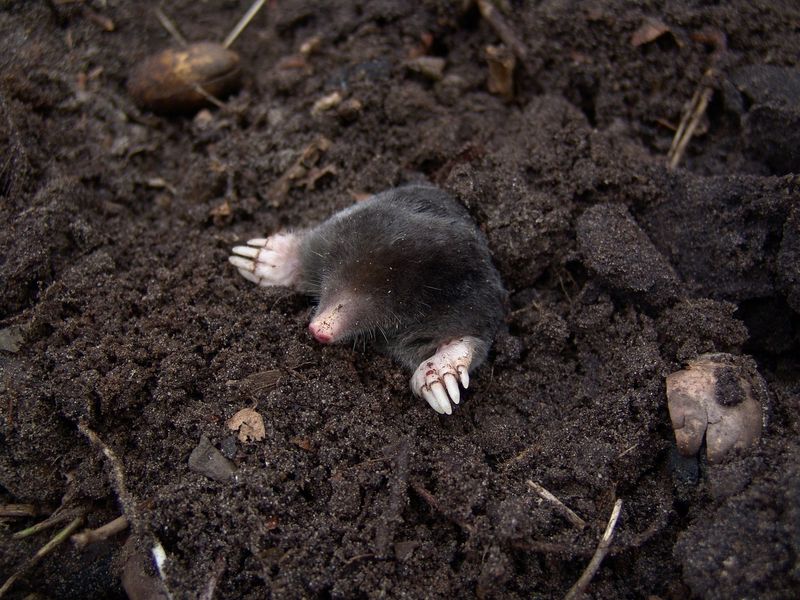
Moles work underground like tiny soil engineers throughout Michigan. Their constant tunneling actually benefits soil structure in surprising ways.
Air pockets created by their digging allow oxygen to reach deeper layers. Water drains more efficiently through soil that moles have loosened with their powerful digging claws.
Lawns show the most obvious signs of mole activity during spring and fall. Raised ridges snake across grass where shallow tunnels run just below the surface.
These surface tunnels can make walking difficult and create an unsightly appearance. Grass roots get severed when moles push through soil, causing brown patches to appear along tunnel routes.
Garden beds experience disruption when mole tunnels pass underneath plants. Roots lose contact with surrounding soil when air gaps form around them.
Plants may wilt even with adequate watering because suspended roots cannot absorb moisture. Seedlings sometimes fall into tunnels or get pushed aside by mounding soil.
Insect populations decrease significantly where moles actively hunt for food. These mammals consume enormous quantities of grubs, beetles, and earthworms daily.
Their appetite helps control Japanese beetle larvae and other pests that damage plant roots. However, earthworm populations may decline in areas with high mole activity.
The soil improvement from tunneling often outweighs the temporary disruption to lawns and gardens over time.
5. Voles Often Damage Roots And Bark Underground
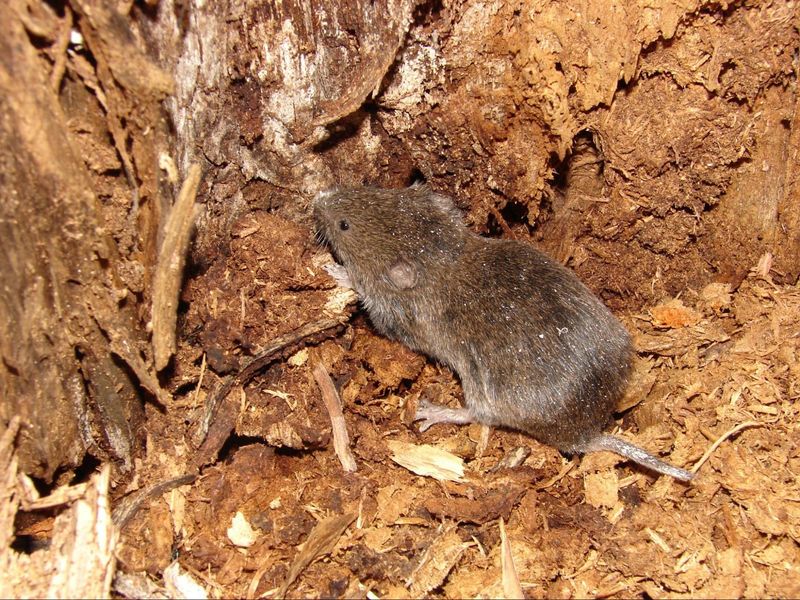
Voles look similar to mice but create different problems for Michigan gardeners. These small rodents build extensive runway systems through grass and mulch.
Surface runways connect underground burrows where voles nest and store food. Population numbers can explode quickly because voles reproduce rapidly throughout the warmer months.
Root systems suffer when voles tunnel and feed beneath the soil surface. They gnaw on plant roots while creating their underground highway networks.
Perennials may suddenly wilt and collapse when voles sever major roots. Bulbs planted in fall often disappear by spring because voles consume them during winter months.
Tree damage becomes serious when voles girdle bark around the base. Young fruit trees face the highest risk during winter when other food becomes scarce.
Voles work under snow cover, removing bark in complete circles around trunks. This girdling prevents water and nutrients from moving between roots and branches.
Trees can struggle for years or fail to recover from severe vole damage.
Mulch provides perfect cover for vole activity around garden plants and trees. Thick layers create protected pathways where voles travel unseen between feeding areas.
Pulling mulch back several inches from tree trunks reduces vole habitat near vulnerable bark. Hardware cloth wrapped around young tree bases provides reliable protection.
The wire mesh should extend both above and below ground level to block access completely.
6. Raccoons Can Dig And Disturb Garden Beds Searching For Food
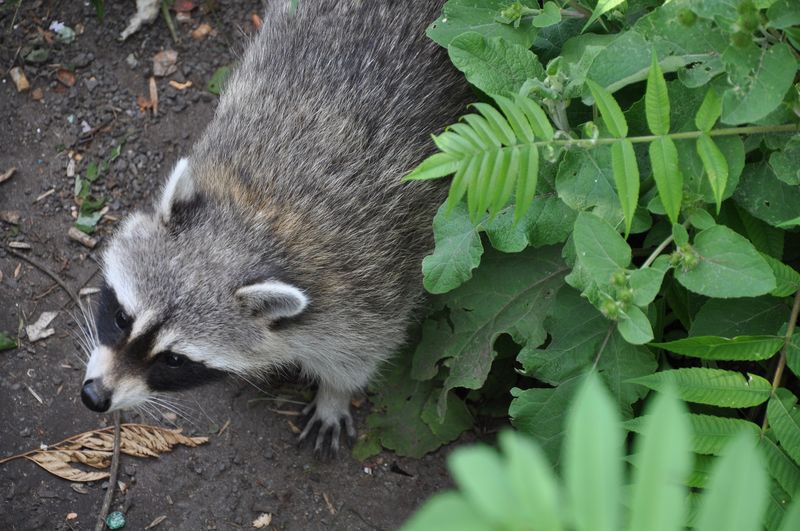
Raccoons visit Michigan gardens primarily during nighttime hours. Their nimble paws make them excellent diggers when searching for tasty morsels.
Grubs and beetles living in soil attract raccoons to lawns and garden beds. Fresh digging appears as small cone-shaped holes scattered across affected areas.
Sweet corn becomes a major target when ears begin ripening in late summer. Raccoons climb stalks and strip husks to reach kernels underneath.
They often sample multiple ears during a single visit, leaving partially eaten cobs behind. Berry patches also suffer raids when fruit reaches peak ripeness and sweetness.
Garden ponds attract raccoons looking for aquatic snacks and fresh water. They wade into shallow areas searching for fish, frogs, and crayfish.
Pond edges get trampled and plants become uprooted during these feeding sessions. Water lilies and marginal plants often show damage after raccoon visits.
Their digging actually provides some pest control benefits for gardens. Raccoons consume large numbers of grubs that would otherwise damage grass roots.
Japanese beetle larvae make up a significant portion of their diet during spring. However, the soil disturbance they create often outweighs the pest control benefits.
Electric fencing works well for protecting valuable crops like corn. Motion-activated lights and sprinklers can discourage raccoons from visiting gardens repeatedly.
Securing garbage cans and removing other attractants helps reduce overall raccoon activity around properties.
7. Skunks Help Control Grubs But May Dig In Lawns
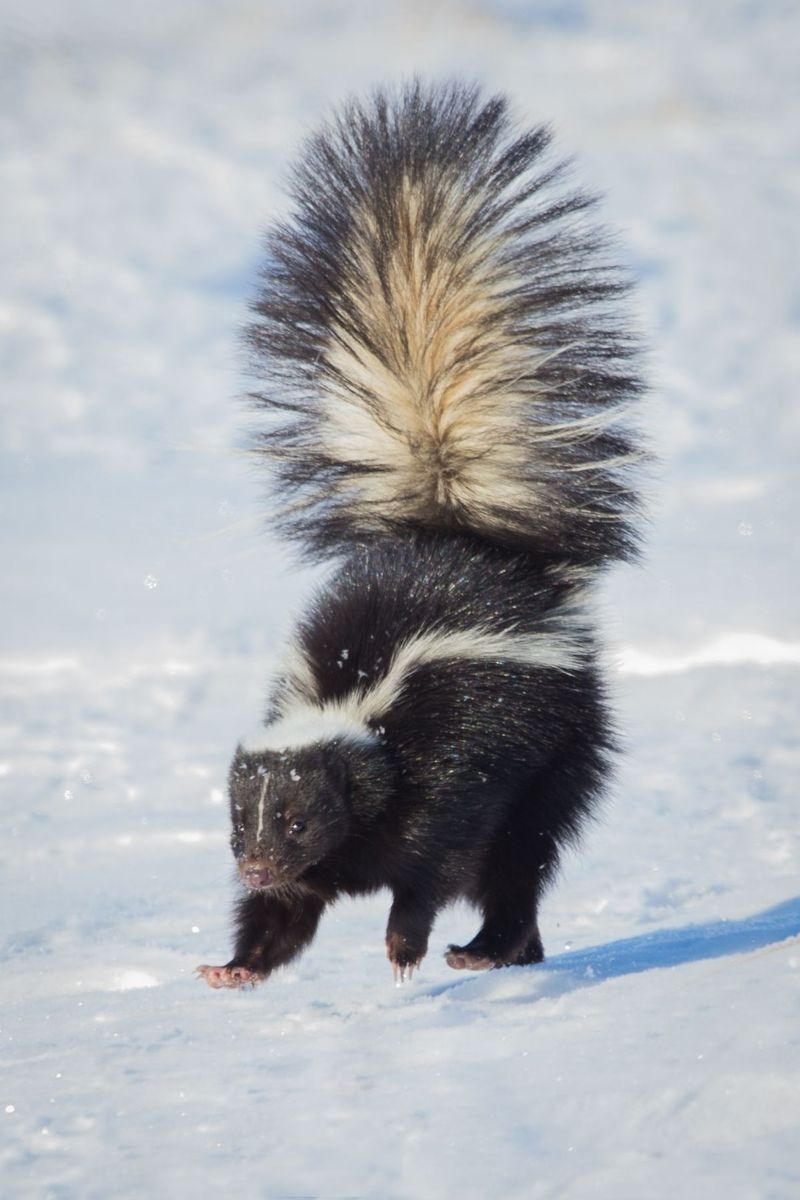
Skunks provide valuable pest control services across Michigan properties. Their diet consists mainly of insects that damage lawns and gardens.
Grubs rank as their favorite food source during spring and fall months. A single skunk can consume hundreds of grubs in one night of hunting.
Lawn damage occurs when skunks dig small holes searching for underground insects. These cone-shaped divots appear scattered across affected areas, usually measuring a few inches wide.
The digging looks messy but rarely causes permanent harm to established grass. Most lawns recover quickly once skunks move on to other hunting grounds.
Gardens benefit from reduced beetle and grub populations where skunks hunt regularly. Japanese beetle larvae get consumed before they can mature and damage plant roots.
Cutworms, crickets, and other garden pests also make up part of their varied diet. This natural pest control happens without any chemicals or ongoing maintenance.
Their notorious defense mechanism makes most people nervous about skunks near homes. However, these animals only spray when they feel threatened or cornered.
Skunks actually have calm temperaments and prefer avoiding confrontations with people. They typically feed quietly and move on without causing disturbances beyond minor digging.
Tolerating some temporary lawn disruption often makes sense given the pest control benefits. Fill small holes with soil and reseed bare patches if appearance matters.
Reducing outdoor lighting can discourage skunks from lingering near homes and high-traffic areas.
8. Chipmunks Disperse Seeds But May Eat Garden Produce
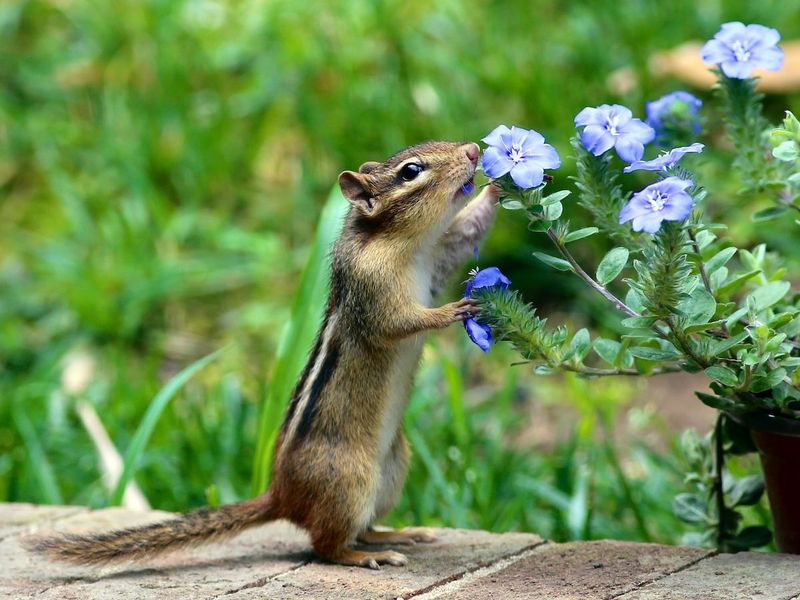
Chipmunks bring charm and entertainment to Michigan gardens with their energetic antics. These striped ground squirrels scurry around collecting seeds and nuts throughout warm months.
Their cheek pouches expand dramatically as they stuff food for transport to underground storage chambers. Gardens benefit when forgotten seed caches sprout into new plants the following spring.
Bulb plantings sometimes suffer losses when chipmunks discover freshly dug soil. Tulip and crocus bulbs get excavated and eaten before they can establish roots.
The soft earth used for planting makes digging easy for their small paws. Fall bulb planting coincides with their peak food storage activity, increasing the risk of losses.
Ripe berries and tomatoes attract chipmunks to vegetable and fruit gardens. They take small bites from multiple fruits rather than consuming entire pieces.
This sampling behavior can ruin more produce than they actually eat. Strawberries near ground level face the highest risk because chipmunks prefer staying close to escape routes.
Bird feeders become chipmunk magnets when seeds spill onto the ground below. They stuff their pouches full before retreating to burrow entrances near foundations or rock walls.
Some gardeners enjoy watching their acrobatic attempts to reach hanging feeders. Others find the constant seed theft frustrating and expensive.
Wire mesh barriers protect bulb plantings from chipmunk excavation. Place hardware cloth over planted areas and cover with mulch for a hidden barrier.
The benefits of seed dispersal often balance against minor produce losses in diverse garden settings.
9. Groundhogs Can Heavily Damage Vegetable Gardens
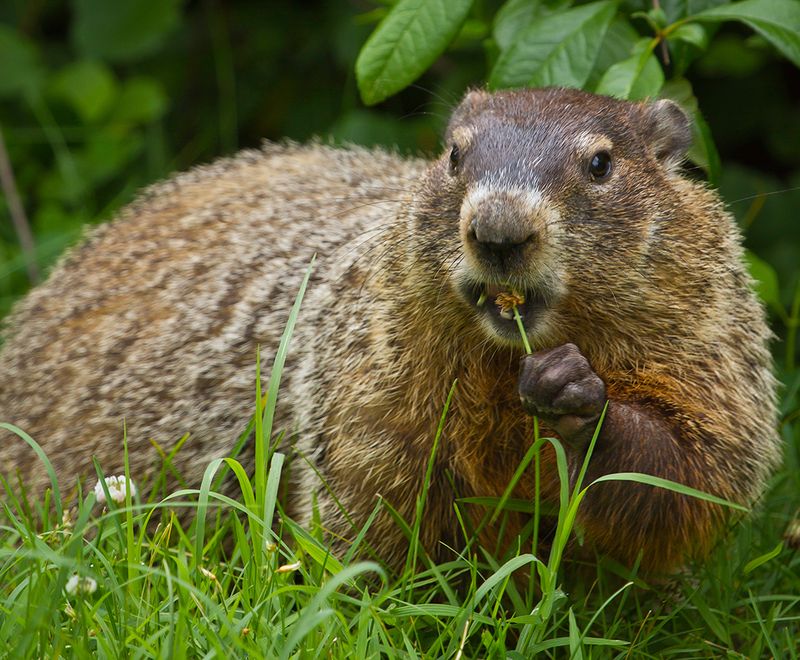
Groundhogs rank among the most destructive mammals visiting Michigan gardens. These large rodents can consume a quarter of their body weight in vegetation daily.
A single groundhog family can devastate an entire vegetable garden within a few weeks. Their burrow systems often include multiple entrance holes scattered across properties.
Vegetable crops suffer catastrophic losses when groundhogs take up residence nearby. Beans, peas, lettuce, and brassicas disappear rapidly as groundhogs feed throughout the day.
They sit upright while eating, surveying surroundings between bites of your carefully tended plants. Groundhogs show little fear of humans and often continue feeding even when people approach.
Garden layouts near woodpiles, sheds, or brushy areas face the highest groundhog pressure. These locations provide cover and denning sites that groundhogs prefer for raising young.
Burrow entrances frequently appear along fence lines or building foundations. The extensive tunnel systems can undermine structures and create hazardous conditions.
Fencing must extend both above and below ground to effectively exclude groundhogs. Barriers need at least four feet of height with an additional foot buried and bent outward.
Electric wire strands added near ground level provide extra deterrent power. Groundhogs can climb surprisingly well, so fence tops should angle outward.
Removing attractants and cover near gardens helps discourage groundhog activity. Clear brush piles and tall grass where they might hide while traveling.
Gardens located away from wooded edges typically experience fewer groundhog problems throughout the growing season.
10. Bats Help Gardens By Reducing Insect Populations
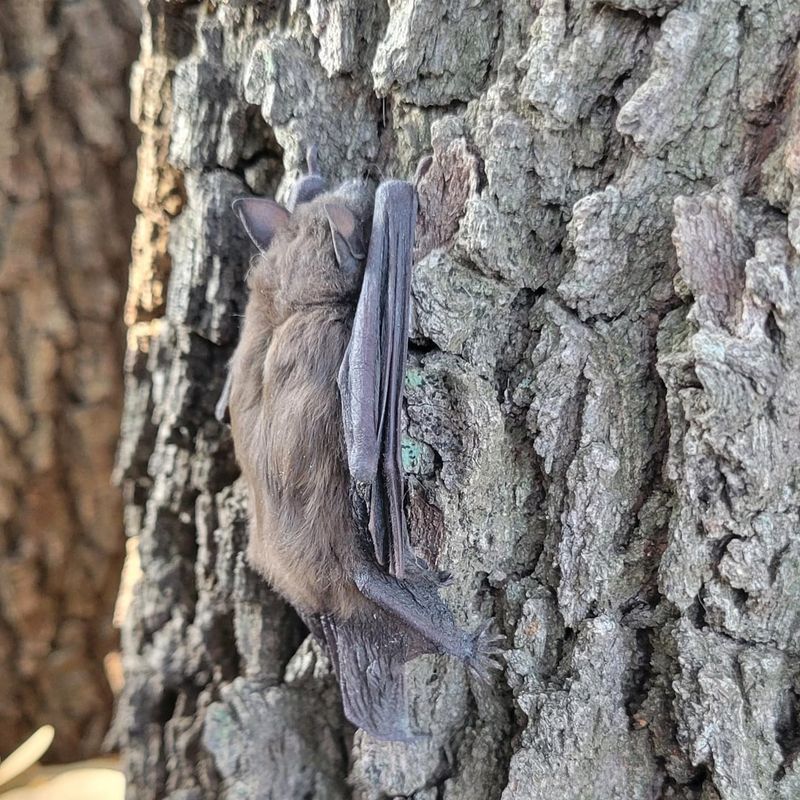
Bats provide exceptional pest control services for Michigan gardens after sunset. A single bat can consume thousands of flying insects during one night of hunting.
Moths, beetles, mosquitoes, and other pests get caught mid-flight by these aerial acrobats. Gardens near bat roosts benefit from significantly reduced insect pressure throughout the growing season.
Moth populations decline dramatically where bats hunt regularly each evening. Many moth species lay eggs that hatch into caterpillars which damage garden plants.
Reducing adult moth numbers means fewer caterpillars munching on leaves later. Tomato hornworm moths and cabbage moths both fall prey to hunting bats over gardens.
Mosquito control improves naturally when bat populations thrive in an area. Female mosquitoes need blood meals but make up only part of bat diets.
The overall reduction in biting insects makes outdoor time more enjoyable during summer evenings. Bats also consume cucumber beetles, stink bugs, and other pests that damage crops.
Bat houses installed near gardens provide roosting sites that attract these beneficial mammals. Mount houses on poles or buildings at least twelve feet high for best results.
Southern exposure helps bat houses warm up during the day. Locating houses near water sources increases the likelihood that bats will move in.
These flying mammals cause no direct damage to plants or garden structures. They never land in gardens or disturb soil while hunting insects above.
Encouraging bat populations creates long-term natural pest management without any chemicals or ongoing costs.