Your Arizona Yard Is About To Look Different Thanks To These 2026 Trends
You might step back and look at your Arizona yard and feel like it’s on the edge of a change, even if you can’t quite explain why yet.
That feeling often shows up when familiar landscaping choices start looking dated or less practical under current conditions.
In Arizona, shifting weather patterns, water awareness, and how people actually use their outdoor space are quietly reshaping what feels right. Not every yard suddenly needs an overhaul, and many changes happen gradually without much planning.
When the same designs start feeling harder to maintain or less enjoyable, though, it usually points to broader trends influencing how yards are evolving.
These shifts aren’t about flashy features or complicated installs. They’re about smarter layouts, materials, and priorities that fit how Arizona homes function today.
Some trends focus on efficiency, others on comfort, and a few simply change how yards are meant to be enjoyed. Together, they’re setting a new look.
As 2026 approaches, these ideas are already starting to redefine what an Arizona yard feels like.
1. Shade-First Yard Designs
Arizona summers can make your yard feel like a no-go zone for half the year. Families across the state are flipping the script by putting shade at the center of their outdoor plans instead of treating it as an afterthought.
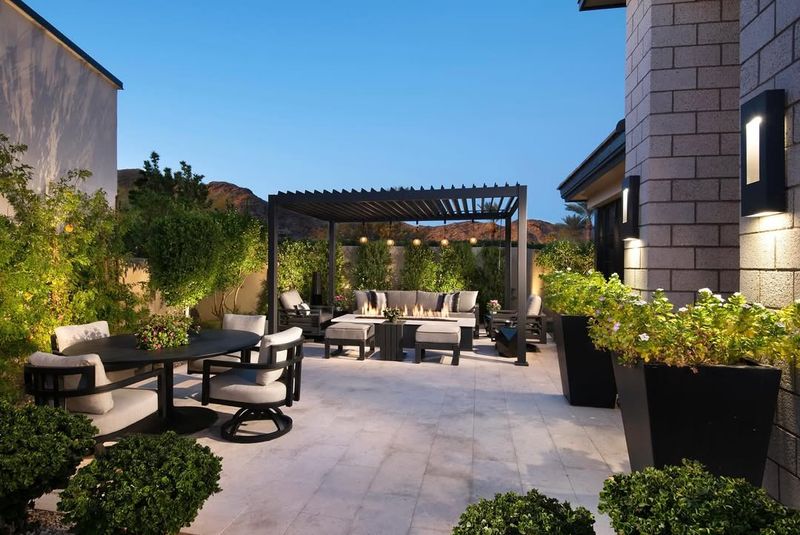
Pergolas with adjustable louvers let you control how much sun filters through at different times of day. Shade sails stretched across patios create instant relief without the bulk of permanent structures.
Trees planted strategically near seating areas provide natural cooling that makes outdoor areas feel noticeably more comfortable.
Your outdoor furniture lasts longer when it’s protected from constant sun exposure. Kids can play outside during more hours of the day when there’s reliable shade available.
Even plants thrive better when they’re not battling full desert sun all afternoon.
Ramadas built with native materials blend into the landscape while offering solid protection. Retractable awnings give you flexibility to enjoy sunshine during cooler months and block it when things heat up.
Layering different shade solutions creates zones throughout your yard for various activities.
Planning shade first means your Arizona yard becomes usable space instead of decorative scenery. Shaded areas near your home can make outdoor spaces more pleasant and reduce how much direct heat reaches the house.
Early shade planning also guides where walkways, grills, and gathering spots make the most sense throughout the year.
Instead of chasing cooler corners as the sun shifts, the yard stays comfortable from morning into early evening.
2. Low-Water, High-Style Landscaping
Water restrictions and rising costs have Arizona residents rethinking every drop that goes into their yards. Beautiful landscapes no longer require constant irrigation or guilt about waste.
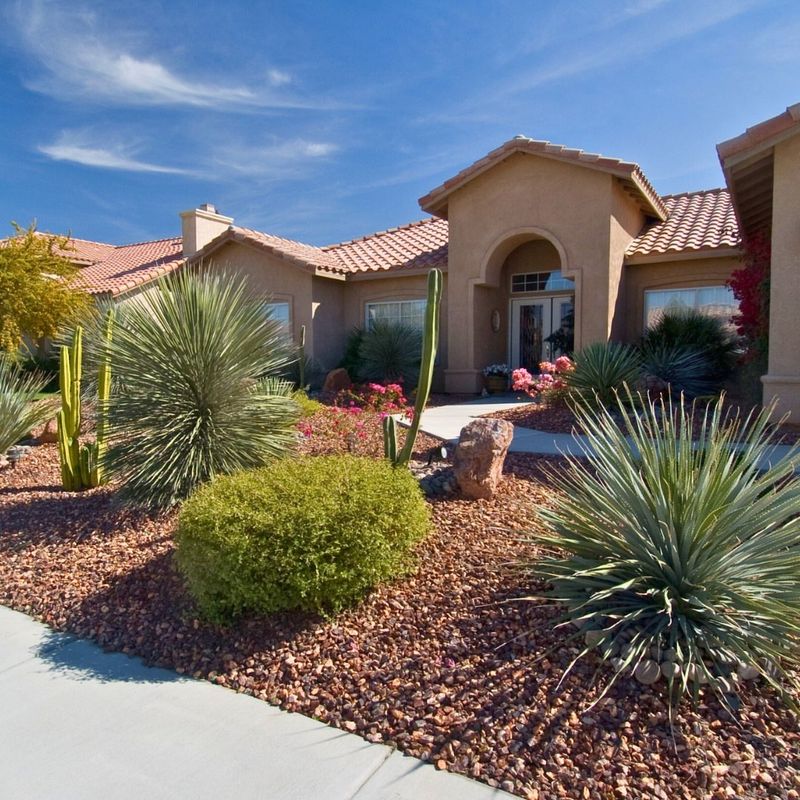
Gravel beds in varying colors create texture and visual interest without needing a single gallon of water. Decorative rock pathways guide visitors through your space while staying maintenance-free year-round.
Dry creek beds that channel rainwater during storms add functional beauty to your property.
Drip irrigation systems target plant roots directly, eliminating overspray and evaporation losses. Smart controllers adjust watering schedules based on weather forecasts and soil moisture levels.
Rainwater harvesting systems collect precious monsoon rainfall for later use on your favorite plants.
Mulch layers around plants reduce water evaporation from soil and keep root zones cooler during peak heat. Grouping plants by water needs means you’re not overwatering drought-tolerant species to keep thirsty ones happy.
Your Arizona yard can look lush and intentional without the water bill that traditionally came with green landscapes.
Native groundcovers spread naturally to fill spaces between larger plants without demanding irrigation. Hardscaping features like stone seating walls or fire pit surrounds add structure while requiring zero water maintenance.
Over time, these choices reduce routine maintenance and cut back on seasonal stress when restrictions tighten.
Designing with water efficiency in mind turns long-term savings into part of your landscape’s appeal, not a compromise.
3. Outdoor Living Areas Over Lawns
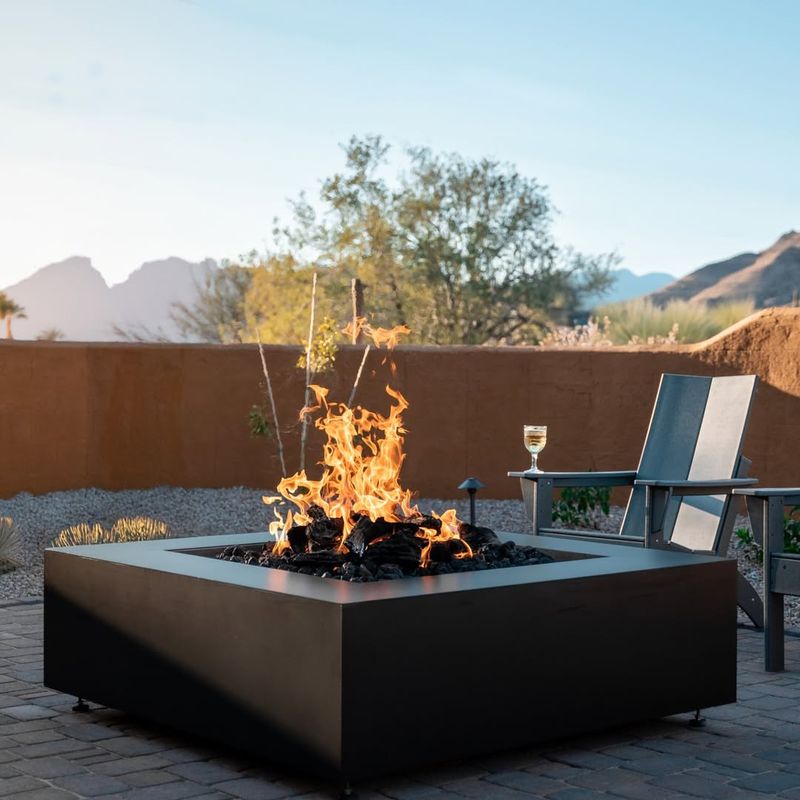
Grass lawns are disappearing from Arizona properties as homeowners realize they’d rather have functional spaces than thirsty turf. Outdoor rooms with clear purposes are taking over where struggling lawns used to be.
Built-in seating creates conversation areas that invite people to linger and connect. Outdoor kitchens with counters and storage turn meal prep into a social activity.
Fire features become natural gathering spots once the sun goes down and temperatures finally drop.
Your Arizona yard transforms into an extension of your home’s living space instead of something you just look at through windows. Defined zones for cooking, eating, and relaxing help organize larger yards into manageable sections.
Smaller properties benefit from multi-purpose areas that adapt throughout the day.
Shade structures over these living spaces make them usable during more months of the year. Ceiling fans mounted to pergolas keep air moving on still evenings.
Misting systems can make outdoor areas feel cooler during hot evenings without soaking the ground.
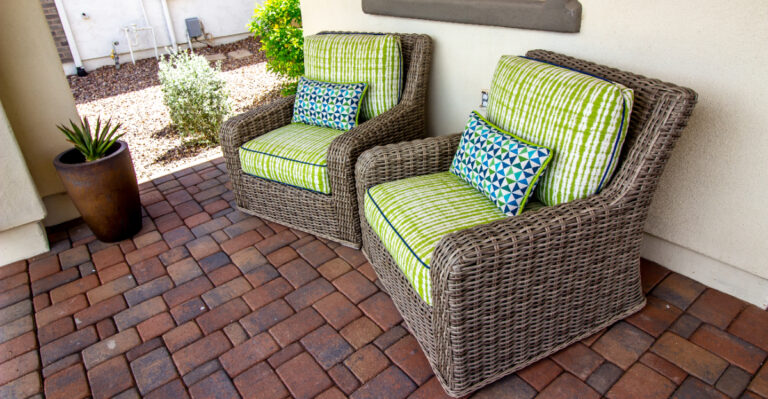
Furniture designed for outdoor use withstands Arizona’s intense UV rays and temperature swings. Weatherproof storage keeps cushions and accessories protected when not in use.
Your investment in outdoor living areas pays off every time you choose to eat dinner outside instead of at your kitchen table.
4. Heat-Tough Plants As Focal Points
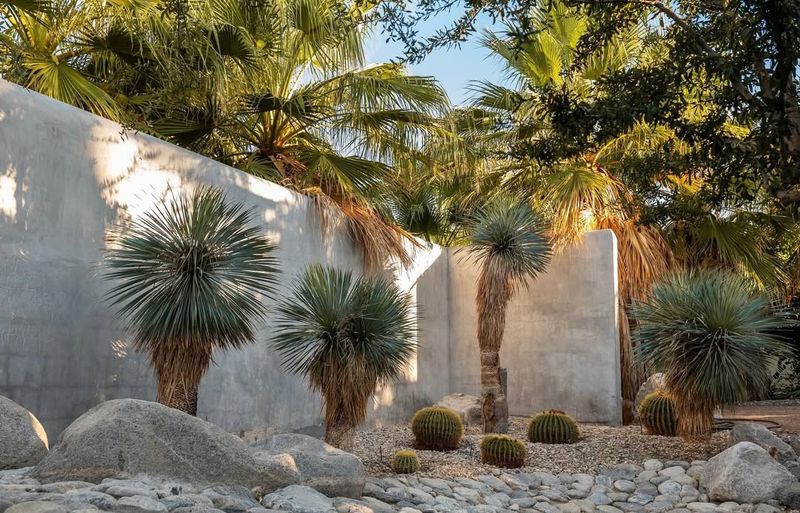
Arizona gardeners are celebrating plants that actually love the climate instead of coddling species that barely survive. Bold, sculptural specimens command attention and set the tone for entire landscapes.
Saguaro cacti and ocotillo create dramatic vertical elements that change appearance with seasons. Agave varieties in blue, green, and variegated patterns provide architectural interest at ground level.
Red yucca sends up tall flower spikes that hummingbirds can’t resist visiting.
Desert spoon plants form perfect spheres of silver-blue leaves that catch light beautifully. Palo verde trees offer filtered shade while their green bark photosynthesizes year-round.
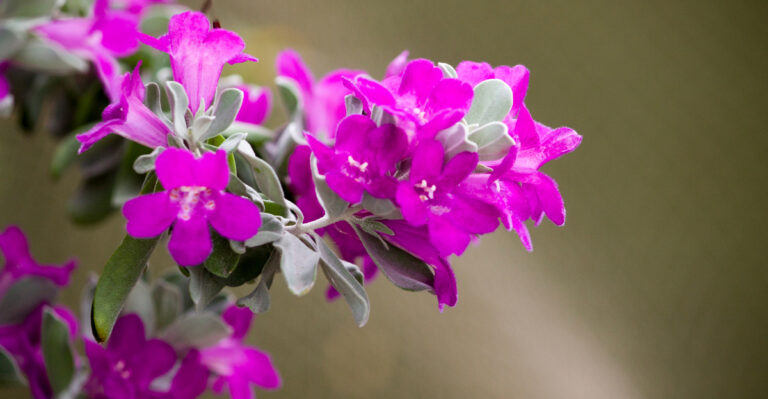
Texas mountain laurel produces fragrant purple blooms that smell like grape soda in spring.
Your Arizona yard gains personality when you showcase plants that thrive rather than struggle. Grouping three or five of the same species creates impact without looking cluttered.
Contrasting textures between spiky cacti and soft ornamental grasses adds visual rhythm.
These heat-lovers require minimal intervention once established in appropriate spots. Seasonal interest comes from bloom cycles, seed pods, and changing foliage colors.
Wildlife benefits when your focal plants provide food and shelter for birds, bees, and butterflies.
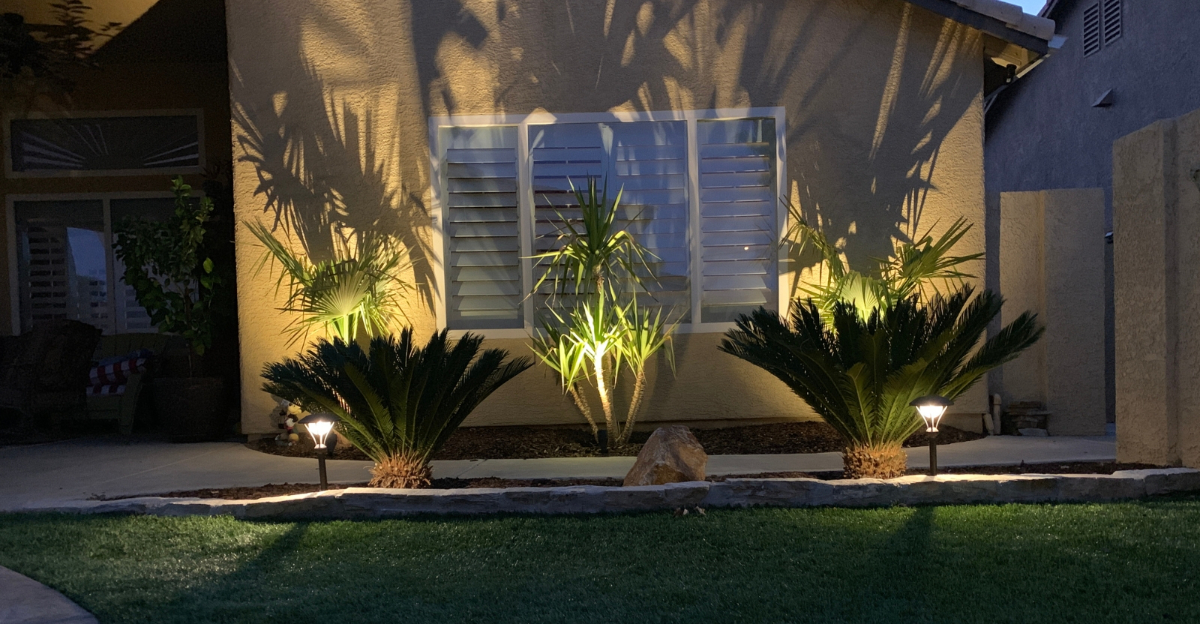
Lighting placed near sculptural plants creates dramatic shadows and extends their visual impact into evening hours.
5. Natural Stone And Desert Tones
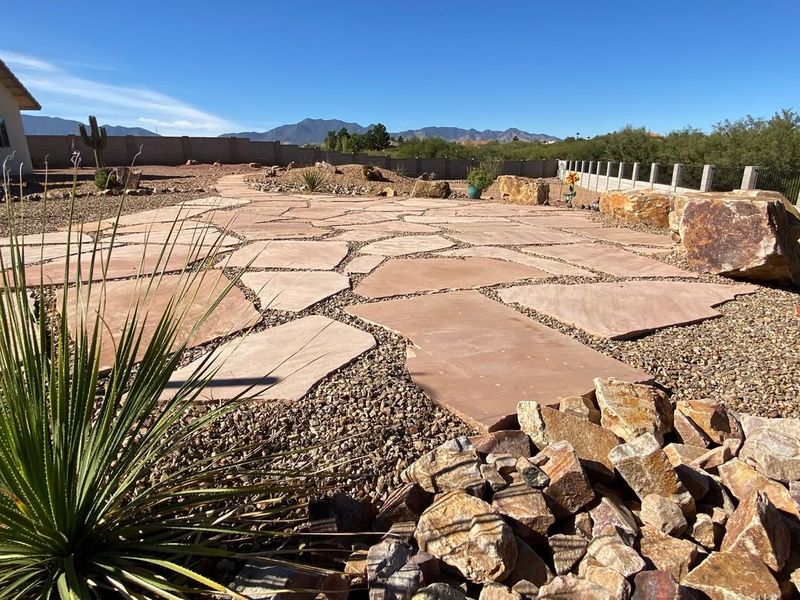
Color palettes inspired by Arizona’s natural landscape create cohesion between built elements and surroundings. Earth tones feel appropriate and timeless rather than trendy or jarring.
Flagstone patios in warm browns and golds blend with desert soil colors. Boulder accents placed strategically mimic natural rock formations found in nearby mountains.
Decomposed granite pathways in reddish hues echo the iron-rich earth throughout the state.
Your hardscape choices set the foundation for everything else in your outdoor space. Stacked stone walls provide structure while looking like they’ve always been part of the landscape.
River rock in dry creek beds adds texture and helps direct water flow during monsoons.
Furniture and accessories in sage green, terracotta, and weathered wood tones complement rather than compete with natural materials. Metal accents in rust or copper finishes develop patinas that enhance over time.
Fabric choices in sand, clay, and sunset colors tie everything together visually.
Arizona homeowners find that working with the desert’s existing color story feels easier than importing foreign aesthetics. Natural stone requires no painting or staining to maintain its appearance.
Temperature extremes and UV exposure don’t fade materials that already match the environment.
Lighting fixtures in bronze or oil-rubbed finishes coordinate with warm-toned stonework. Plant selections with silver, blue-green, or burgundy foliage pop against neutral backgrounds.
This approach also simplifies future updates since new elements naturally fall into the same visual rhythm.
Instead of fighting the desert setting, the yard feels settled, intentional, and connected to its surroundings year after year.
6. Evening-Ready Yards With Soft Lighting
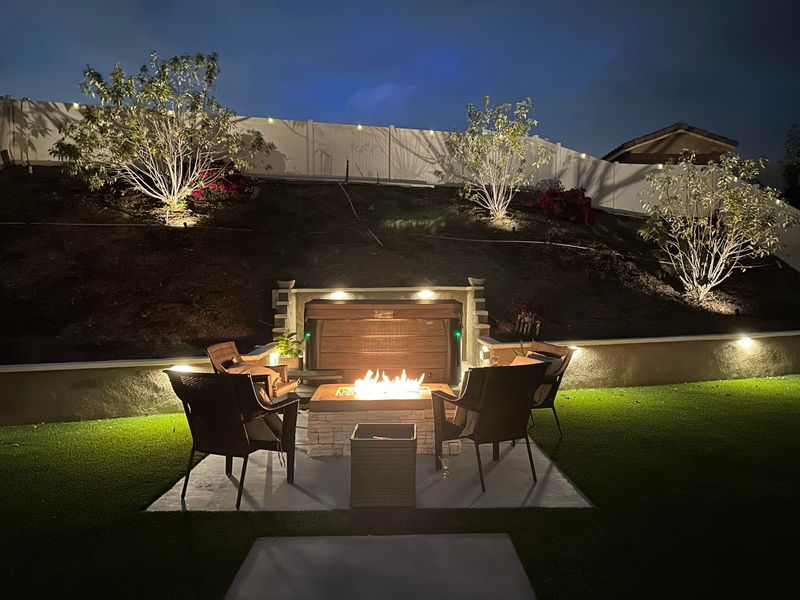
Arizona’s best outdoor hours happen after sunset when temperatures finally become comfortable. Smart lighting transforms yards into magical spaces that beckon you outside once darkness falls.
Path lights guide movement safely without flooding areas with harsh brightness. Uplighting on specimen trees and cacti creates dramatic silhouettes against walls or sky.
String lights overhead add festive warmth that makes every evening feel special.
Your outdoor living areas need illumination that supports activities without feeling like a spotlight. Dimmable fixtures let you adjust brightness based on mood and occasion.
Solar-powered options reduce energy costs while providing reliable light in sunny Arizona.
Lanterns on tables create intimate pools of light for conversation and dining. Well lights tucked into landscape beds highlight plantings without visible fixtures.
Step lights embedded in risers prevent trips while adding architectural interest.
Warm white bulbs feel more inviting than cool blue-toned lights in residential settings. Timer systems or smart controls let you automate lighting so your yard welcomes you home.
Motion sensors near entries provide security without leaving lights on all night.
Many Arizona homeowners find themselves using outdoor spaces more often when lighting makes evenings inviting.
Fire features provide both light and warmth on cooler nights. The glow from well-planned lighting extends your home’s ambiance into the landscape.
Layering multiple light sources prevents harsh shadows and keeps the space comfortable for longer gatherings.
When lighting is planned thoughtfully, Arizona nights feel like an extension of your living area rather than a separate zone.
7. Smaller, Intentional Plant Groupings
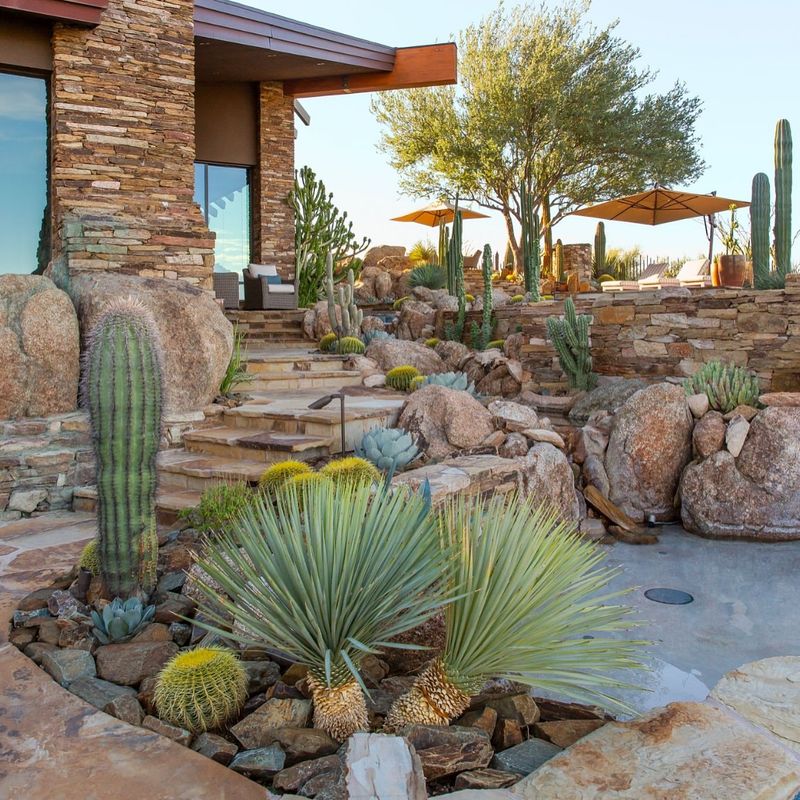
Mass plantings and border-to-border coverage are giving way to curated collections in Arizona yards. Thoughtful placement of fewer plants creates more impact than crowded beds struggling for resources.
Three large agaves make a stronger statement than a dozen small ones scattered randomly. Grouping plants by bloom time ensures something catches your eye throughout the year.
Leaving open space between plantings highlights each specimen and reduces competition for water.
Your maintenance workload drops when plants have room to reach mature size without constant pruning. Air circulation improves when foliage isn’t packed tightly, reducing pest and disease pressure.
Arizona’s intense sun reaches soil better in open designs, which many desert plants prefer.
Rock mulch or decorative gravel fills spaces between plant groupings while suppressing weeds. Repetition of key species in different yard zones creates visual unity without monotony.
Odd-numbered groupings feel more natural than symmetrical pairs.
Color blocking with plants of similar foliage or flower hues creates bold statements. Contrasting forms placed near each other draw attention to unique shapes.
Your Arizona landscape gains sophistication when restraint guides plant selection.
Wildlife can navigate more easily through yards with clear pathways between plant clusters. Irrigation efficiency improves when water targets specific groups rather than broad areas.
Seasonal interest becomes more noticeable when you can actually see individual plants change.
8. Comfort-Focused Yard Layouts
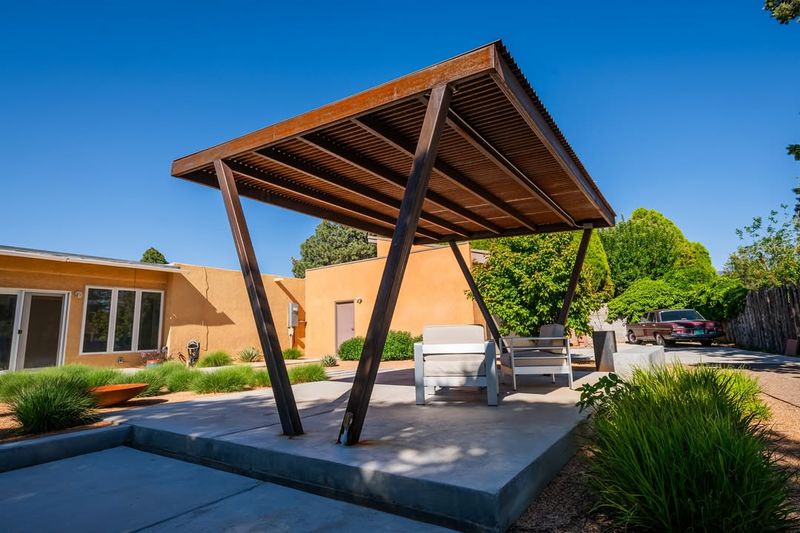
Function drives design decisions as Arizona homeowners prioritize how yards actually get used over how they look in magazines. Comfort features encourage regular outdoor time instead of occasional visits.
Seating positioned to capture breezes makes summer evenings more pleasant. Orientation toward mountain or sunset views maximizes natural beauty.
Proximity between kitchen doors and outdoor dining areas reduces steps during meal service.
Your Arizona yard works better when paths connect activity zones logically. Wide walkways accommodate multiple people moving together comfortably.
Level transitions eliminate tripping hazards that keep older family members inside.
Shade placement considers sun angles throughout the day and across seasons. Storage for cushions and accessories sits within easy reach of where items get used.
Electrical outlets near seating areas support phones, speakers, and lighting needs.
Wind blocks using walls or plantings protect gathering spots from gusty conditions. Misting systems positioned over seating provide cooling without creating wet surfaces.
Your comfort increases when outdoor spaces address Arizona’s specific climate challenges.
Pet-friendly features like water stations and shaded rest spots acknowledge furry family members. Child-safe designs with visible play areas from seating spots give parents peace of mind.
Accessible routes ensure everyone can enjoy outdoor spaces regardless of mobility limitations. Thoughtful layouts transform yards from showpieces into beloved living spaces.
When every feature earns its place, the yard becomes easier to use day after day.
Practical choices create outdoor spaces that feel welcoming, familiar, and worth spending time in.