Your Go-To Guide For February Rose Care In Philadelphia, Pennsylvania
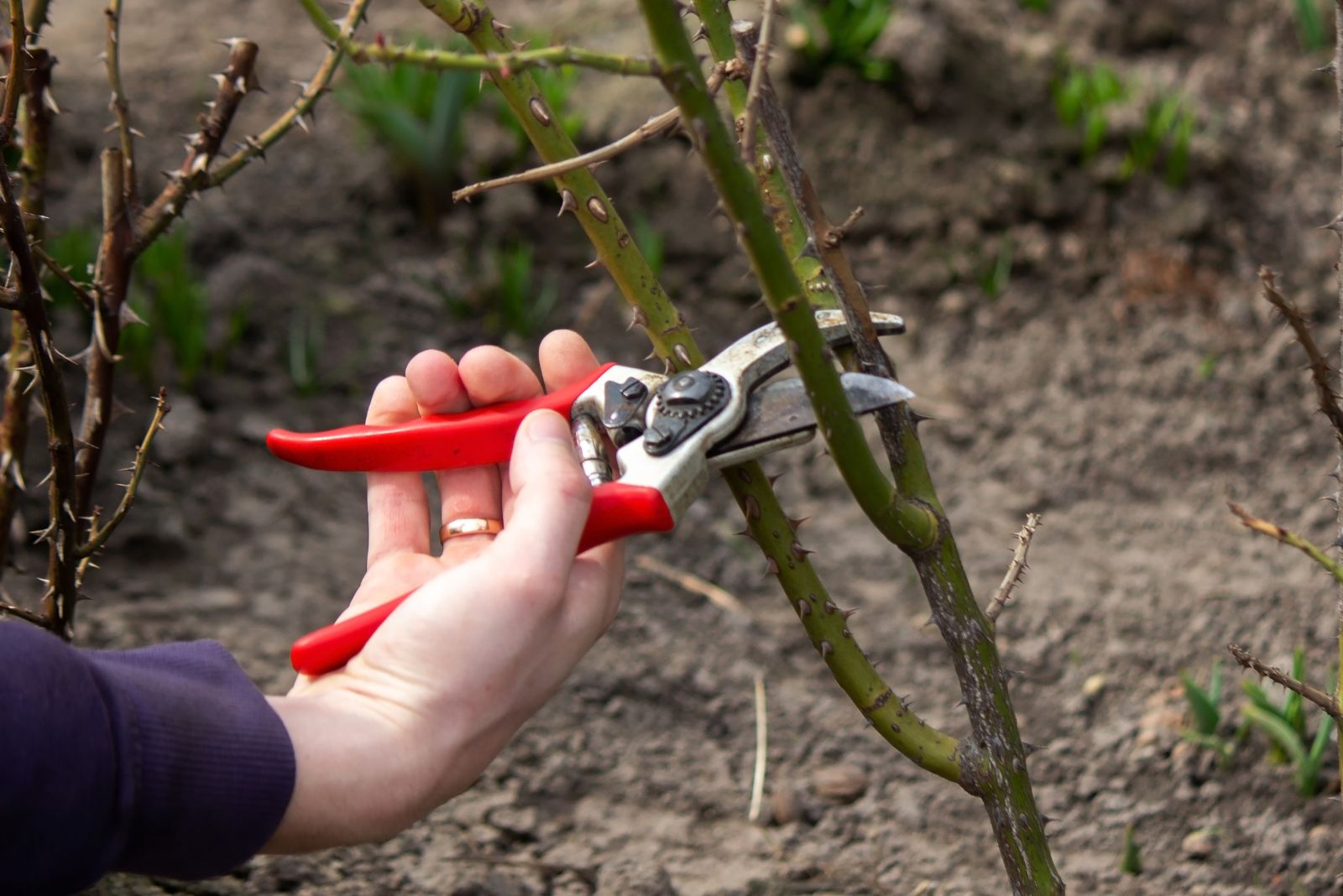
Is your rose garden ready for February in Philadelphia? It’s the perfect time to give those bushes a little love before spring arrives, and what you do now can make or break your blooms later.
While the weather still has its icy grip, your roses are quietly preparing for their next big show. A few smart moves this month can help set the stage for healthy growth and vibrant flowers when the weather warms up.
Whether you’re growing hybrid teas, floribundas, or hardy shrub roses, late winter is all about cleanup, protection, and gentle prep. You don’t need fancy tools or a green thumb, just a little time, the right guidance, and some basic care steps.
This guide breaks down exactly what Philadelphia gardeners should be doing for their roses in February. Let’s get your roses ready to shine when spring finally hits the city.
1. Prune Your Roses During Dormancy
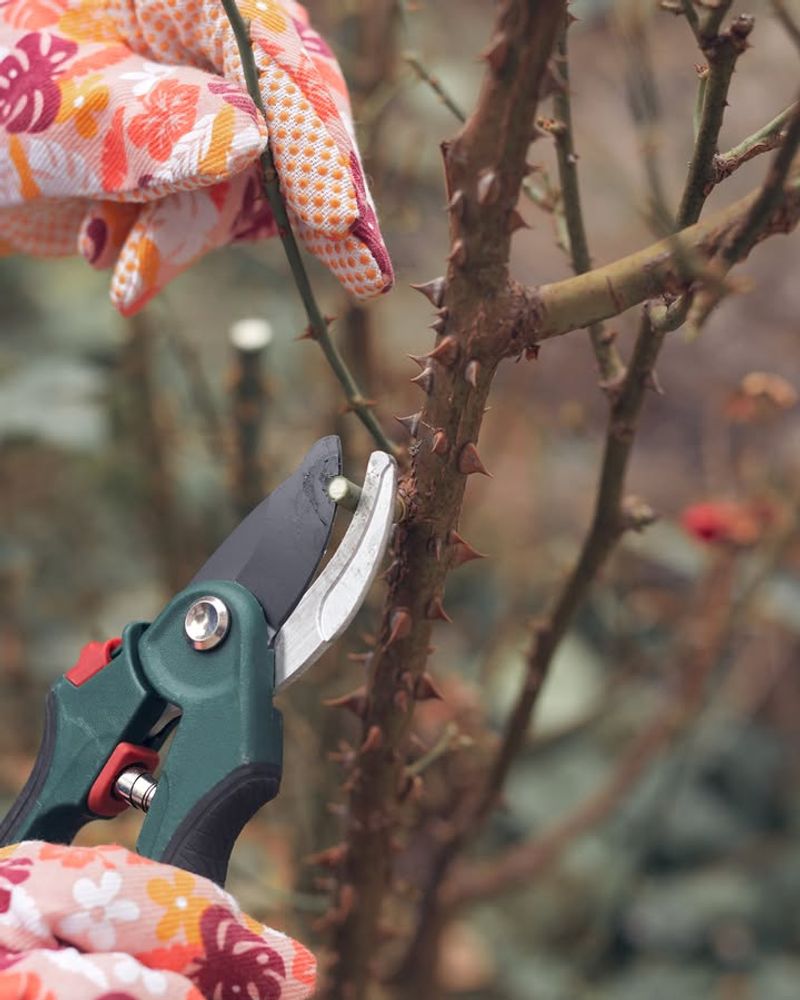
Late February marks the perfect window for pruning roses in Philadelphia, Pennsylvania, before new growth begins. Dormant roses tolerate cutting much better than actively growing plants, and you can see the structure clearly without leaves blocking your view.
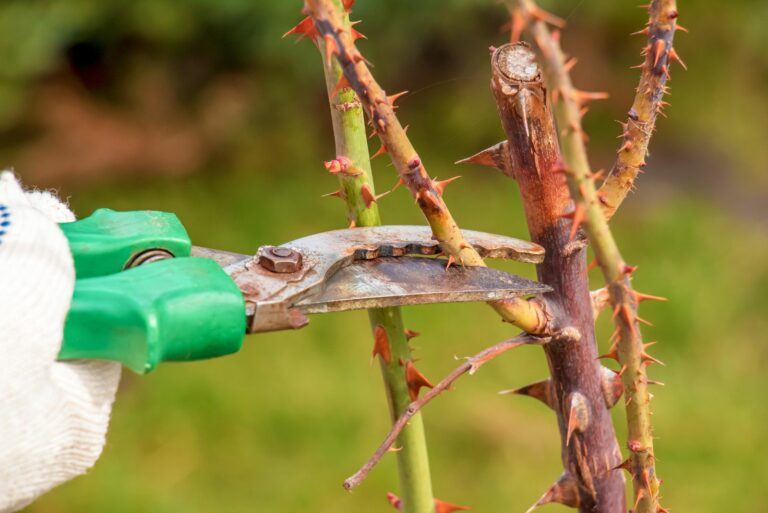
Sharp, clean pruning shears prevent damage and reduce the risk of spreading disease between cuts. Start by removing any dry, damaged, or diseased canes completely down to the base.
These woody stems appear brown or black instead of green, and they will not produce new growth no matter how long you wait. Cut at a 45-degree angle about a quarter inch above an outward-facing bud to encourage open growth patterns.
Hybrid tea roses benefit from aggressive pruning that leaves three to five strong canes about 12 to 18 inches tall. Floribundas need lighter trimming, removing about one-third of their height while maintaining their natural shape.
Climbing roses require minimal pruning in Philadelphia, focusing mainly on removing old or weak growth. Always disinfect your tools between plants using rubbing alcohol or a bleach solution.
This simple step prevents spreading fungal infections that thrive in Philadelphia’s humid conditions. Remove all pruned material from your garden beds and dispose of it in the trash rather than composting.
February pruning stimulates vigorous spring growth and better air circulation through the plant. Good airflow reduces moisture on leaves and stems, which helps prevent black spot and powdery mildew later.
The effort you invest now pays off with stronger, healthier roses that produce more abundant blooms throughout the growing season.
2. Apply Fresh Mulch Around Rose Bases
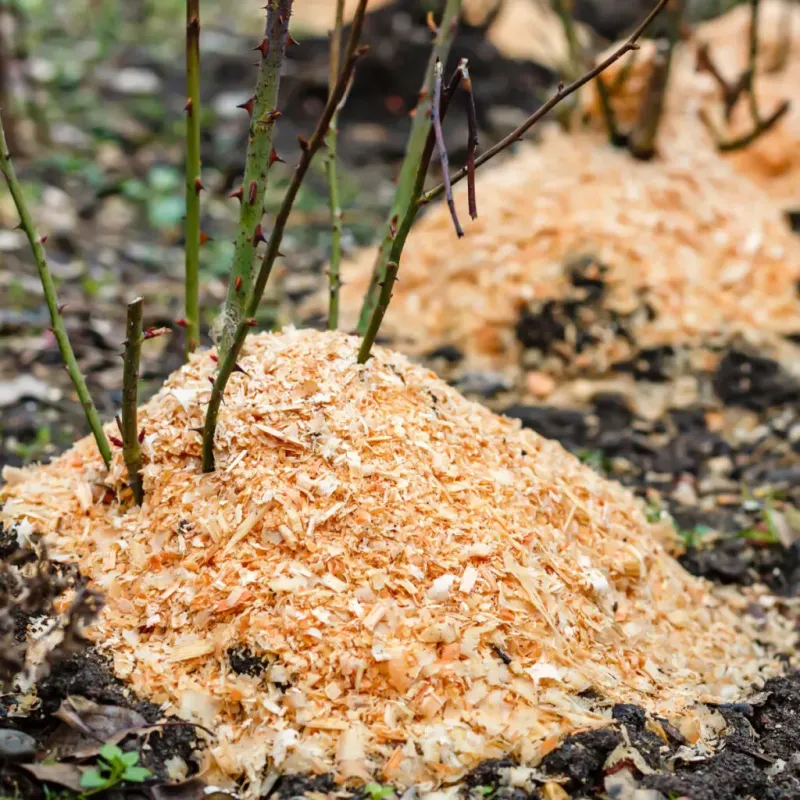
Mulching protects rose roots from Philadelphia’s freeze-thaw cycles that can heave plants right out of the ground. A fresh layer of organic mulch acts as insulation, keeping soil temperatures more stable even when air temperatures swing wildly.
Wood chips, shredded bark, or composted leaves all work well for this purpose. Pull back any old mulch that has broken down or compacted over winter.
Check the soil surface for signs of pests or disease before adding new material. Fresh mulch should form a layer about three to four inches deep, extending outward to cover the entire root zone.
Keep mulch pulled back a few inches from the base of each rose cane. Direct contact with stems creates a moist environment where fungal problems develop easily.
This small gap allows air circulation around the crown while still protecting the roots below. Organic mulches break down gradually, enriching Philadelphia soil with nutrients and improving its structure over time.
Clay-heavy soil benefits especially from this organic matter, which helps with drainage and root development. As mulch decomposes, it feeds beneficial microorganisms that support plant health.
February application gives mulch time to settle before spring rains arrive. Heavy downpours can wash away loose mulch if not properly established.
Early application also suppresses weed seeds that start germinating as soon as temperatures rise, saving you hours of pulling unwanted plants later in the season.
3. Check And Repair Rose Supports
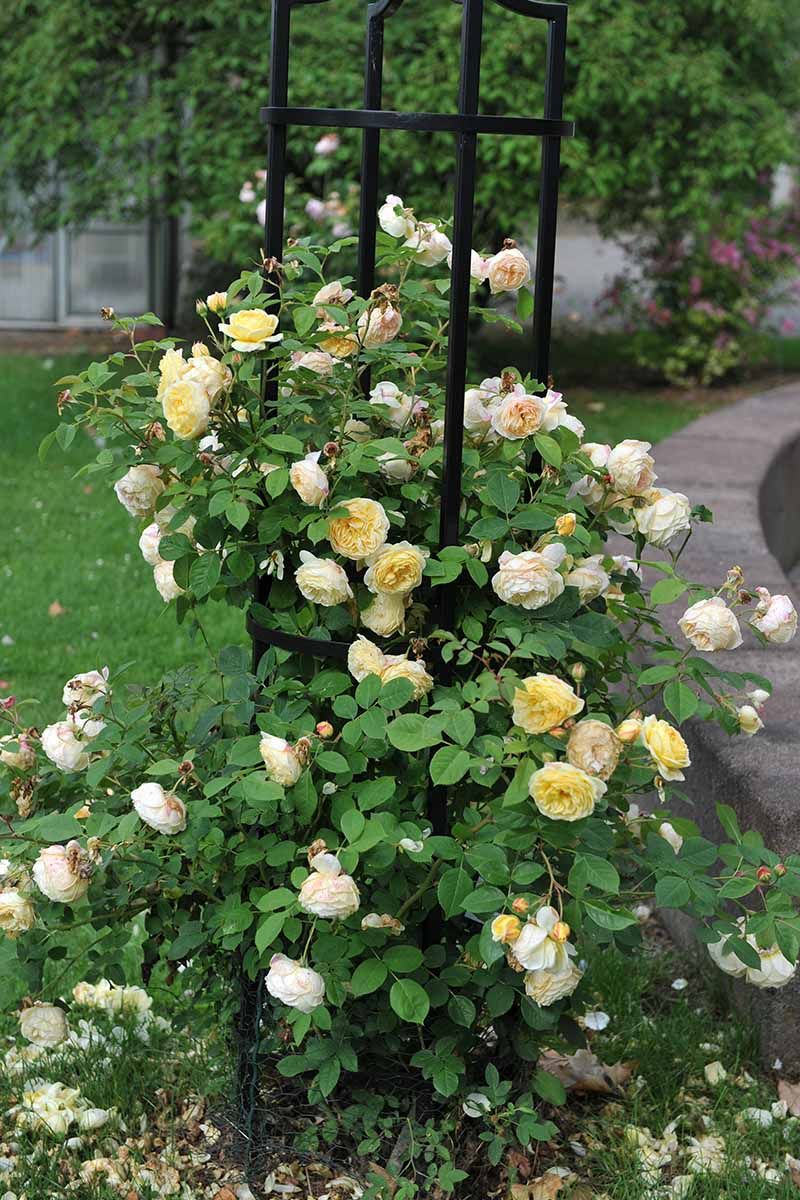
Climbing and rambling roses depend on sturdy supports that can withstand Philadelphia’s winter storms and summer thunderstorms. February offers an ideal opportunity to inspect trellises, arbors, and fences while roses remain dormant and easier to work around.
Loose screws, rotted wood, or rusted metal can fail when plants leaf out and become heavy. Walk around each support structure and give it a firm shake to test stability.
Wooden posts may have rotted at ground level where moisture collects, even if they look fine above ground. Metal supports can develop weak spots where rust has eaten through, especially at joints and welds.
Tighten any loose hardware and replace damaged sections before roses break dormancy. Paint or seal wooden structures to extend their lifespan and prevent future deterioration.
Galvanized or powder-coated metal resists rust better than bare steel in Philadelphia’s humid climate. Examine how canes attach to supports and adjust ties if needed.
Old ties may have become too tight as canes thickened, cutting into the wood and restricting growth. Soft garden tape or strips of cloth work better than wire or string, which can damage tender bark.
Consider whether your current support system provides enough room for mature growth. Climbing roses can reach 10 to 15 feet in Philadelphia’s growing conditions, and inadequate support leads to tangled, unhealthy plants.
Adding height or width now prevents problems when vigorous spring growth begins and canes need somewhere to go.
4. Test And Amend Garden Soil
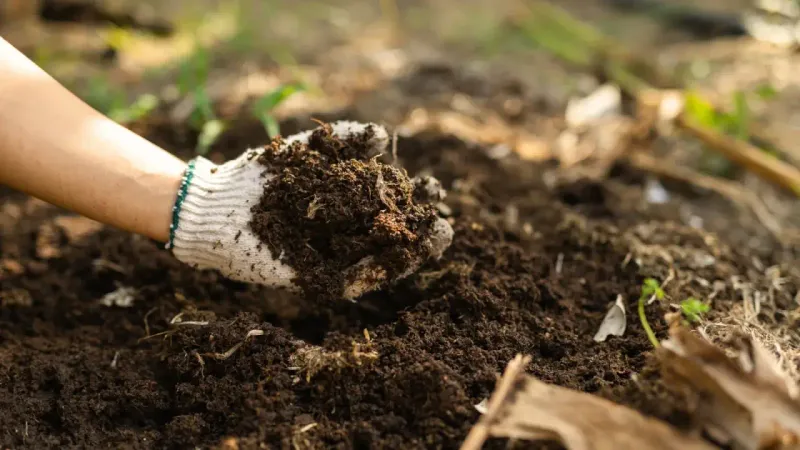
Soil quality determines rose health more than any other factor, and February provides time to test and improve your beds before planting season. Philadelphia soil tends toward clay, which holds water but drains poorly and compacts easily.
Roses prefer slightly acidic soil with a pH between 6.0 and 6.5, along with good drainage and plenty of organic matter. Home testing kits from garden centers give quick results for pH and major nutrients.
More detailed laboratory tests through Penn State Extension provide comprehensive analysis including micronutrients and soil composition. Results tell you exactly what your roses need rather than guessing and potentially causing harm.
Clay soil benefits enormously from adding compost, which improves drainage and adds nutrients simultaneously. Work several inches of finished compost into the top 12 inches of soil where rose roots grow most actively.
Avoid fresh manure in February, as it can burn roots and introduces weed seeds. Adjust pH using lime to raise it or sulfur to lower it, following package directions based on your test results.
These amendments take weeks or months to change soil chemistry, so February application ensures proper pH by planting time. Incorrect pH locks up nutrients even when present, making them unavailable to plants.
Roses are heavy feeders that deplete soil quickly, especially in containers or small beds. Annual soil testing and amendment maintains the fertility your roses need for abundant blooms.
Healthy soil grows healthy roses that resist pests and diseases naturally, reducing your need for chemical interventions throughout the growing season.
5. Plan Your Spring Rose Planting
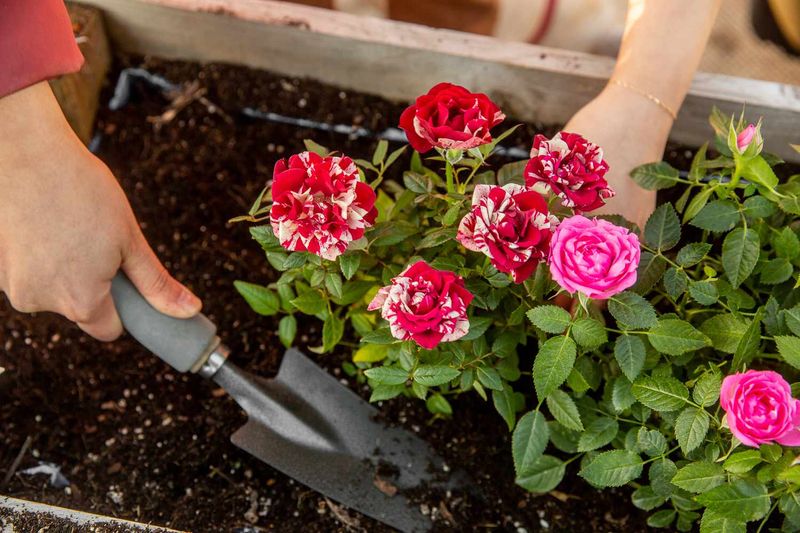
February gives Philadelphia gardeners time to research varieties and plan new plantings before spring rush at garden centers. Choosing roses suited to local conditions ensures better success than impulse purchases that may not thrive here.
Consider your available space, sunlight, and how much maintenance you want to provide. Hybrid teas produce classic long-stemmed blooms perfect for cutting but require more care than other types.
Floribundas offer clusters of flowers and greater disease resistance, making them excellent for beginners. Shrub roses and landscape varieties need minimal attention while providing reliable color throughout the season.
Philadelphia’s Zone 7a climate supports many rose varieties, but some need winter protection while others handle cold easily. Check hardiness ratings and read reviews from other local gardeners before buying.
Native and near-native varieties often perform better than exotic imports that struggle with regional conditions. Measure your planting areas carefully and account for mature plant size.
Roses need adequate spacing for air circulation, which prevents fungal diseases common in Philadelphia’s humid summers. Crowded plants compete for nutrients and water while creating conditions where problems spread quickly.
Order bare-root roses in February for March delivery and planting. These dormant plants establish better than container-grown roses and cost less while offering wider variety selection.
Local nurseries and online specialists both carry quality stock, though local sources understand Philadelphia’s specific growing conditions better.
Mark your calendar for optimal planting times and prepare beds in advance so you can plant immediately when roses arrive.
6. Inspect For Winter Damage And Disease
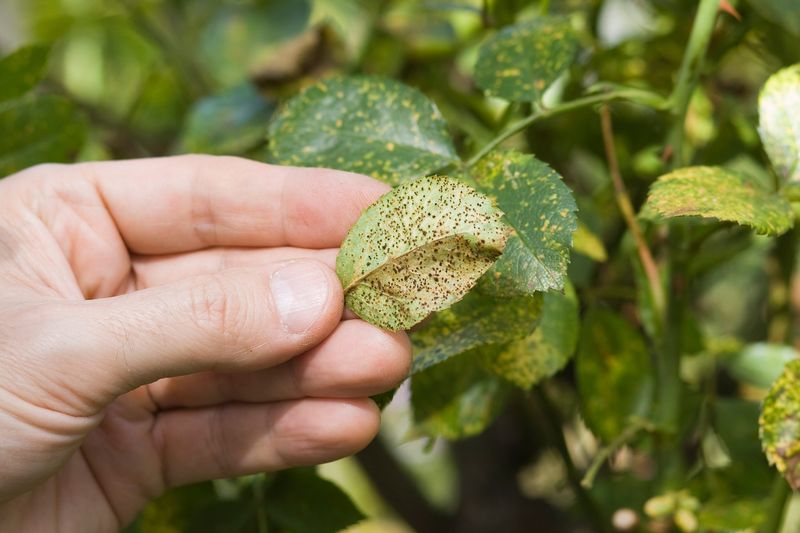
Philadelphia’s harsh winter weather can damage roses in ways that become apparent only during careful February inspection. Ice, wind, and temperature fluctuations stress plants and create entry points for disease organisms.
Finding problems early allows you to address them before they spread or worsen as growth resumes. Look for cracks or splits in canes caused by rapid freezing and thawing.
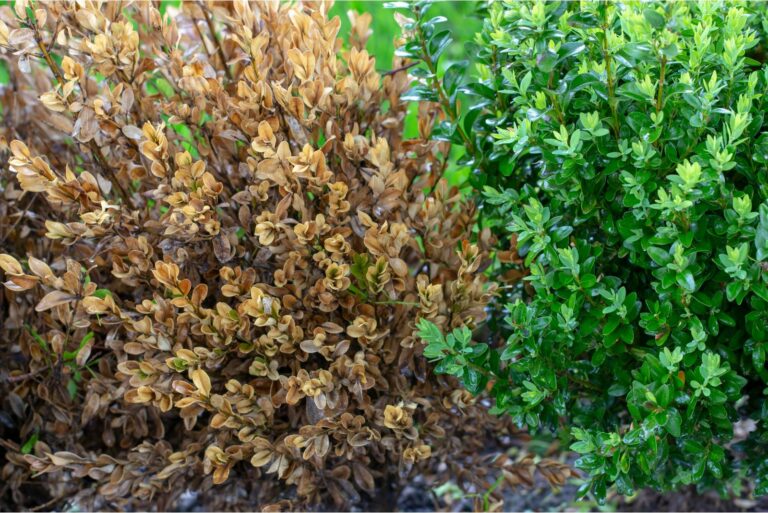
These wounds leak sap and provide openings where canker diseases establish themselves. Blackened areas or unusual discoloration indicate tissue damage that will not recover when spring arrives.
Check graft unions carefully, as this vulnerable spot where rose variety meets rootstock can suffer cold damage. Swelling, splitting, or soft tissue at the graft means the plant may not survive.
Some roses push out growth from below the graft, which produces different flowers than you intended. Remove any remaining leaves that cling to canes, as these harbor fungal spores and insect eggs overwinter.
Black spot and powdery mildew survive on old foliage, ready to infect new growth immediately. Cleaning up these disease reservoirs now reduces problems significantly during the growing season.
Look at the base of plants for signs of rodent damage, as mice and voles chew bark when other food sources disappear. Girdled canes cannot transport water and nutrients, leading to decline above the damaged area.
Crown gall appears as rough, tumor-like growths on roots or lower stems and spreads through pruning tools. Document what you find and research appropriate treatments before spring growth begins and problems multiply rapidly.
7. Prepare Tools And Supplies For Spring
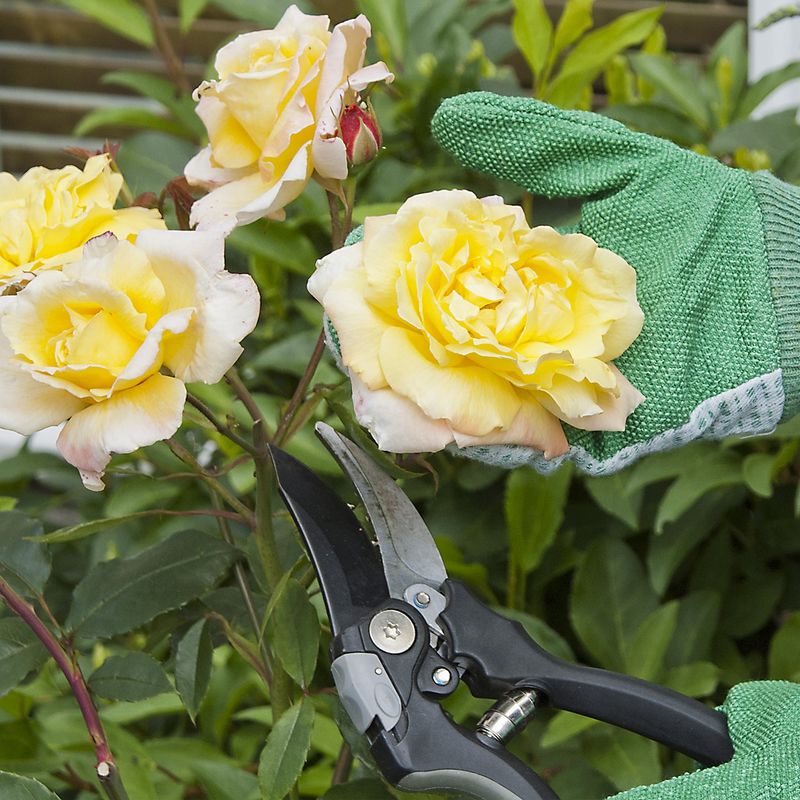
February in Pennsylvania provides time to inventory, clean, and sharpen your rose care equipment before the busy spring season begins. Well-maintained tools work better, last longer, and reduce the physical effort required for garden tasks.
Dull or damaged equipment can injure plants and frustrate gardeners, turning enjoyable activities into difficult chores. Sharpen pruning shears, loppers, and saws using a whetstone or file designed for garden tools.
Sharp blades make clean cuts that heal quickly, while dull blades crush stems and create ragged wounds. Test sharpness by cutting a piece of paper; tools should slice through easily without tearing.
Clean all tools thoroughly using warm soapy water to remove dirt and plant residue. Disinfect cutting tools with rubbing alcohol or diluted bleach to eliminate disease organisms that spread between plants.
Dry everything completely and apply a light coat of oil to metal parts to prevent rust. Check supplies like fertilizers, fungicides, and soil amendments to see what needs replacing.
Products lose effectiveness over time, especially if stored improperly in damp or extremely hot conditions. Buy fresh materials before garden centers run low on popular items during spring rush.
Organize your garden shed or storage area so everything has a designated spot. Philadelphia’s spring weather can turn nice quickly, and you want to take advantage of good days without wasting time searching for tools.
Replace worn gloves, broken spray bottles, and damaged hoses now rather than discovering problems when you need them. Having everything ready means you can focus on your roses instead of scrambling for equipment.