Your Indoor Orange Tree Can Thrive With These Easy Growing Tips

I remember wanting something fresh inside my home, and trying an orange tree felt like a fun change that actually turned out much easier than I expected.
Simple care made the leaves brighten fast, and seeing that quick improvement kept me motivated to stick with the routine.
This little project brings such a lively touch indoors, and the progress stays exciting from the moment you begin.
#1 Choose The Right Orange Variety For Indoor Spaces
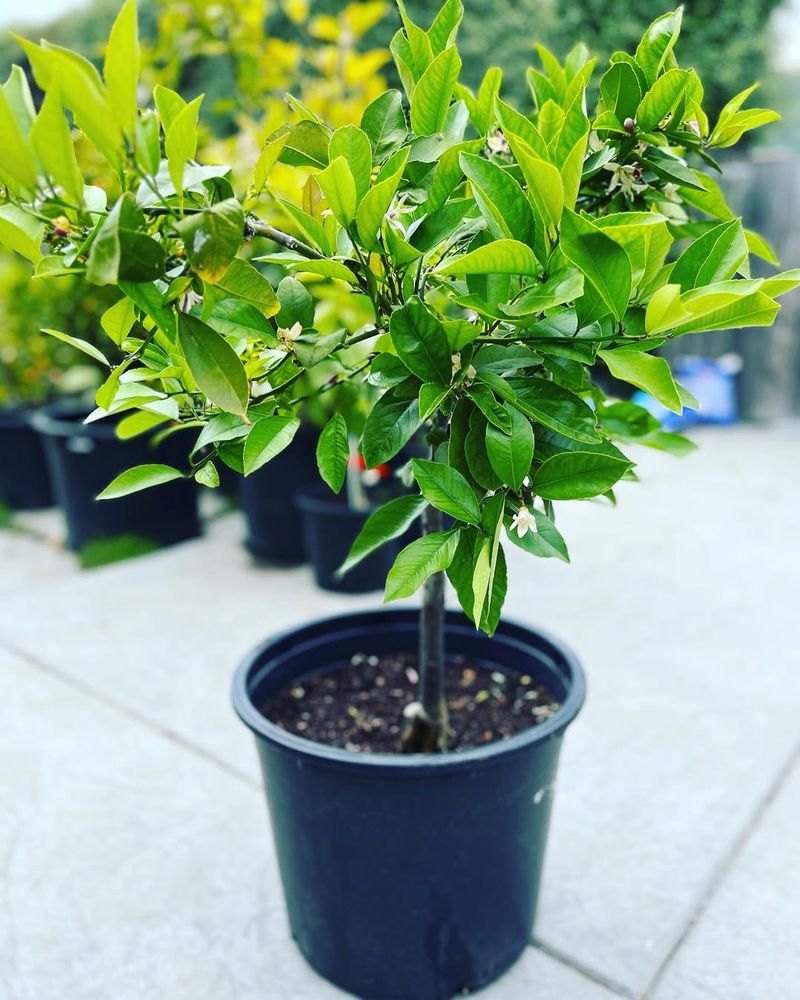
Selecting a dwarf variety makes all the difference when you want to grow citrus indoors because regular trees get way too big for homes.
Calamondin oranges are popular choices since they stay compact produce fruit easily and adapt well to container living without needing much outdoor space or sunlight.
Meyer lemon trees also work wonderfully indoors and their sweet fruit tastes amazing in recipes drinks and fresh snacks you make at home every week.
Dwarf Washington navel oranges grow slowly and produce delicious fruit that ripens beautifully even when grown inside a house with limited natural light available daily.
Look for varieties labeled as dwarf or miniature at your local nursery or garden center to ensure your tree stays manageable and healthy indoors always.
Smaller trees fit better on windowsills tables or plant stands and they require less water fertilizer and pruning compared to their full sized outdoor relatives naturally.
Choosing wisely from the start saves you frustration later and helps your orange tree thrive beautifully in your indoor environment without constant struggles or problems.
#2 Provide Plenty Of Bright Sunlight Daily
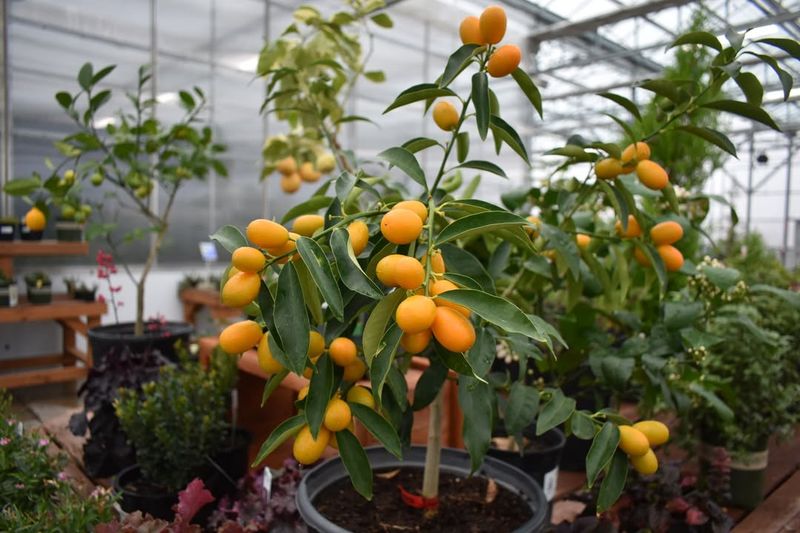
Orange trees crave sunlight more than almost any other houseplant so positioning yours near a south facing window gives it the best chance to flourish.
Aim for at least six to eight hours of direct bright light each day to keep your tree healthy green and ready to bloom beautifully.
Without enough light your orange tree may drop leaves grow leggy or fail to produce flowers and fruit no matter how well you care for it.
If natural sunlight is limited in your home consider using full spectrum grow lights to supplement the brightness your tree needs for strong healthy growth.
Grow lights should be placed about twelve inches above the canopy and left on for ten to twelve hours daily to mimic natural outdoor conditions effectively.
Rotate your tree every few days so all sides receive equal light exposure and the foliage grows evenly without leaning awkwardly toward the window constantly throughout months.
Consistent bright light keeps your orange tree vibrant encourages flowering and helps fruit develop properly so never underestimate the power of good sunlight for success indoors.
#3 Water Consistently But Avoid Overwatering

Orange trees like their soil to stay slightly moist but not soggy so finding the right watering balance is essential for keeping roots healthy and strong.
Check the top two inches of soil with your finger and water only when it feels dry to the touch to prevent root rot issues.
Overwatering is one of the most common mistakes people make with indoor citrus trees and it can cause yellowing leaves wilting and serious root damage quickly.
During warmer months your tree may need water two or three times per week but in winter it requires much less frequent watering naturally.
Always use pots with drainage holes at the bottom so excess water can escape and never let your tree sit in standing water for hours.
Room temperature water works best because cold water can shock the roots and slow down growth while warm water feels more comfortable for the plant overall.
Consistency matters more than exact amounts so establish a routine that keeps your orange tree hydrated without drowning it and you will see fantastic healthy results.
#4 Use Well Draining Soil For Healthy Roots
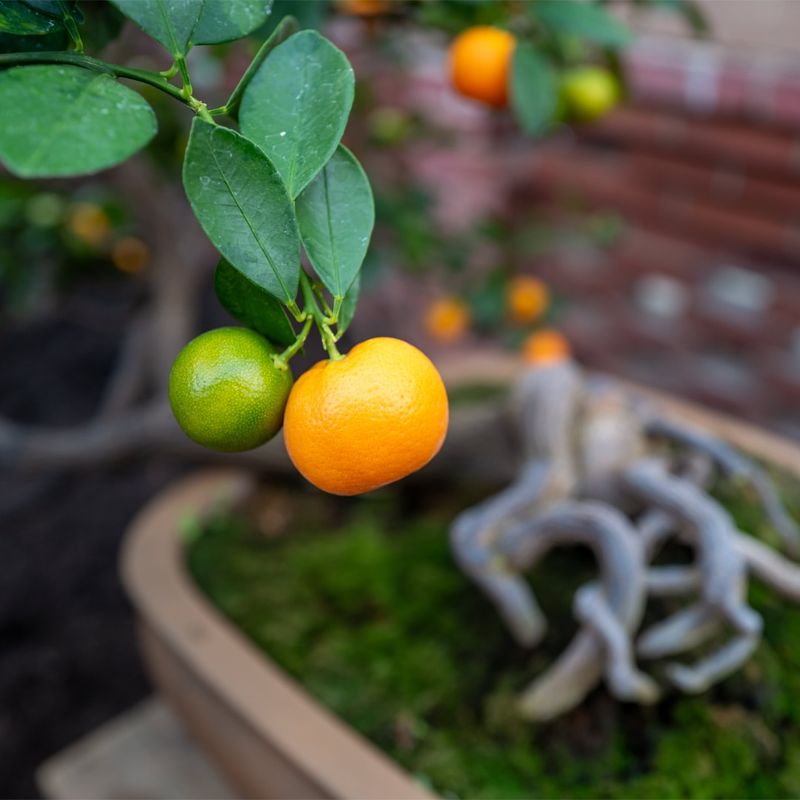
Citrus trees need soil that drains quickly because their roots dislike sitting in heavy wet conditions that can lead to fungal problems and root decay.
A quality potting mix designed for cacti or citrus works perfectly since it contains sand perlite and organic matter that promotes excellent drainage and aeration.
Regular garden soil is too dense for container growing and it compacts easily which suffocates roots and prevents water from moving through the pot properly.
You can create your own mix by combining equal parts potting soil perlite and peat moss or coconut coir for a light fluffy texture ideal for citrus.
Adding a layer of small stones or gravel at the bottom of the pot helps improve drainage further and keeps roots from becoming waterlogged over time.
Repot your orange tree every two to three years using fresh soil to replenish nutrients and give roots more room to expand and grow healthily.
Healthy soil creates a strong foundation for your tree and ensures it can absorb water nutrients and oxygen efficiently for vibrant growth and abundant fruit production.
#5 Feed Your Tree Regularly With Citrus Fertilizer

Orange trees are heavy feeders and they need regular nutrients to support lush foliage bright blooms and juicy fruit throughout the entire growing season each year.
Use a fertilizer specifically formulated for citrus plants because it contains the right balance of nitrogen phosphorus potassium and essential micronutrients like iron and magnesium.
Apply fertilizer every four to six weeks during spring and summer when your tree is actively growing and producing new leaves and flowers most vigorously.
In fall and winter reduce feeding to once every two months because your tree enters a slower growth phase and requires fewer nutrients during dormancy.
Always follow the instructions on the fertilizer package carefully to avoid overfeeding which can burn roots and damage your tree instead of helping it thrive.
Liquid fertilizers work quickly and are easy to apply while slow release granules provide steady nutrition over several months without requiring frequent applications from you constantly.
Proper feeding keeps your orange tree strong vibrant and productive so make fertilizing a regular part of your indoor gardening routine for the best possible results.
#6 Maintain Proper Humidity Levels Around Your Tree
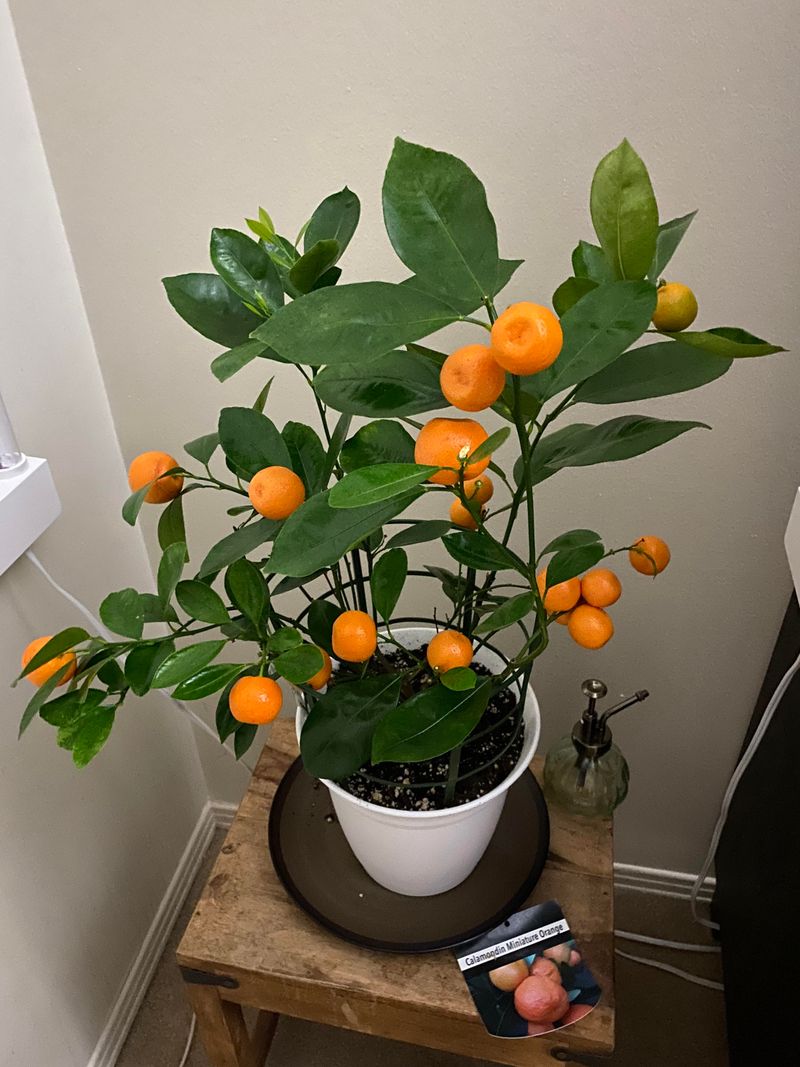
Citrus trees originate from humid subtropical climates so they appreciate moisture in the air especially during dry winter months when indoor heating reduces humidity significantly.
Low humidity can cause leaf tips to turn brown edges to crisp up and overall growth to slow down even if you water your tree correctly.
Mist your orange tree lightly with water a few times per week to increase moisture around the foliage and mimic the natural environment it prefers outdoors.
Placing a humidity tray filled with pebbles and water beneath the pot also helps raise humidity levels as the water evaporates slowly throughout the day naturally.
Keep your tree away from heating vents air conditioners and drafty windows because rapid temperature changes and dry air can stress the plant and harm its health.
A small room humidifier placed near your orange tree works wonders for maintaining consistent humidity and creating a comfortable environment that encourages strong healthy growth year round.
Paying attention to humidity might seem like a small detail but it makes a huge difference in keeping your indoor orange tree happy and thriving beautifully.
#7 Prune Regularly To Encourage Bushy Growth
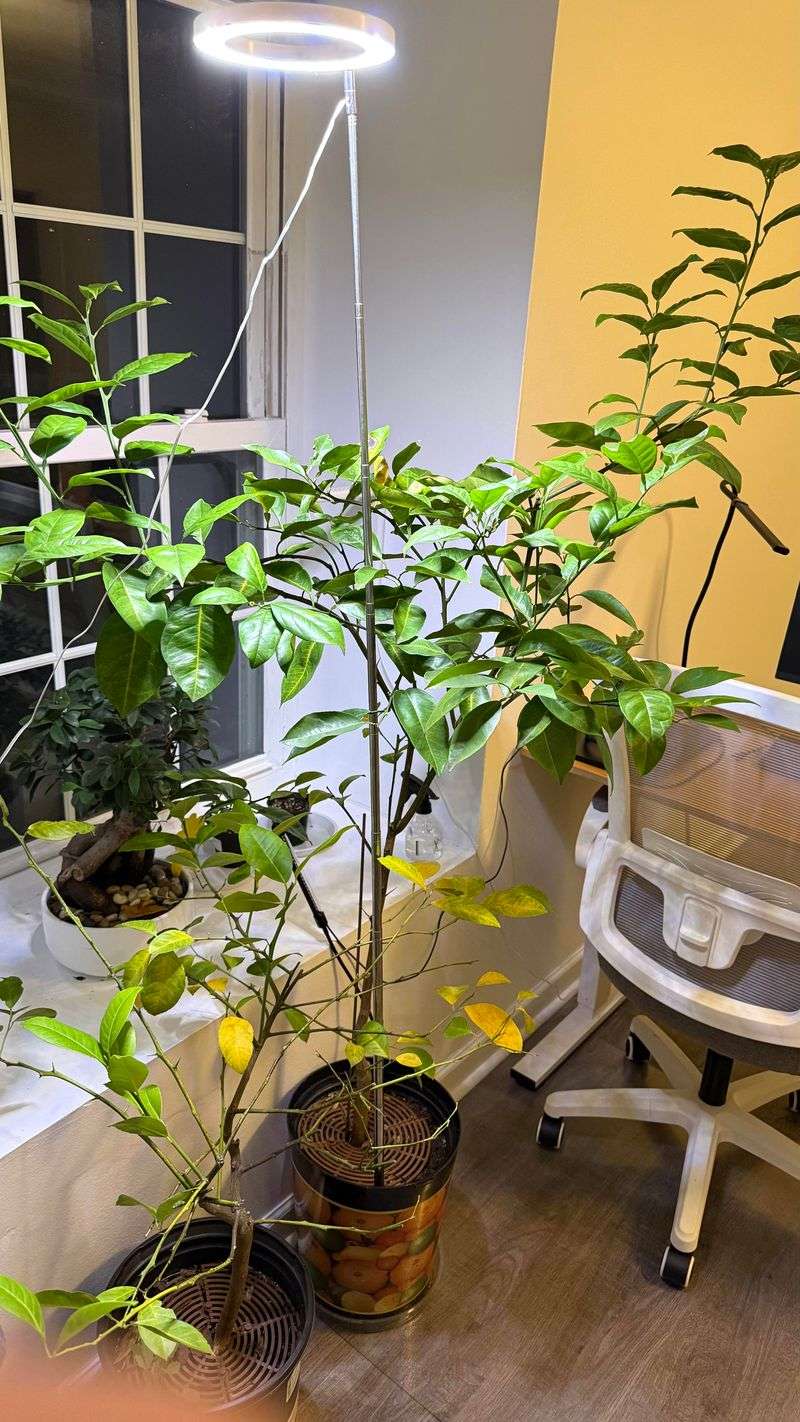
Pruning helps shape your orange tree keeps it compact and encourages new branches to grow which leads to a fuller more attractive plant over time consistently.
Remove any stems or branches and trim back leggy growth to maintain a balanced shape that fits well in your indoor space without overwhelming the room.
Spring is the best time to prune because your tree is entering its active growing season and it will recover quickly from cuts and trimming.
Always use clean sharp pruning shears to make smooth cuts that heal faster and reduce the risk of introducing infections or pests to your tree accidentally.
Cut just above a leaf node or bud at a slight angle to promote new growth in the direction you want the branch to develop naturally.
Regular light pruning throughout the year is better than one heavy session because it keeps your tree manageable and prevents shock from removing too much foliage suddenly.
Pruning might feel intimidating at first but it is a simple task that dramatically improves your orange tree appearance health and fruit production with very little effort.
#8 Watch For Common Pests And Treat Them Quickly
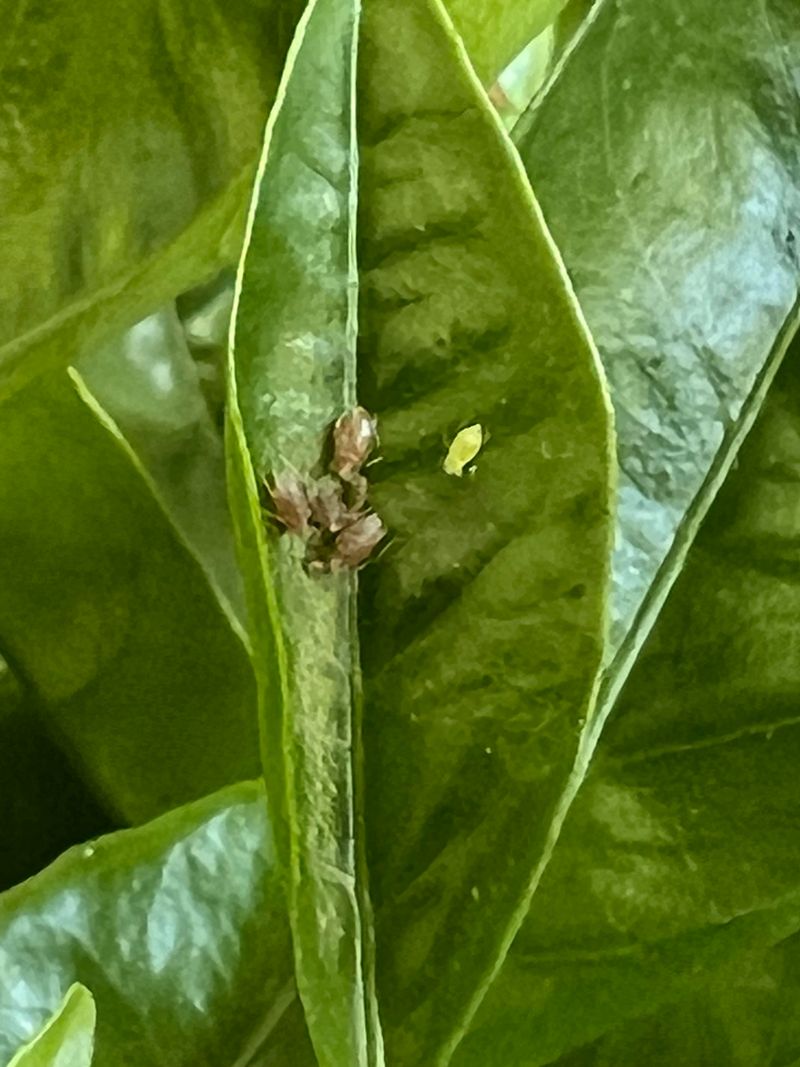
Indoor orange trees can attract pests like spider mites aphids scale insects and whiteflies especially when air circulation is poor or humidity levels drop too low.
Check your tree regularly by inspecting the undersides of leaves and along stems where pests often hide and lay eggs before infestations become severe and widespread.
Spider mites leave tiny webs and cause stippling on leaves while aphids cluster on new growth and secrete sticky honeydew that attracts mold and other problems.
Treat infestations early with insecticidal soap neem oil or a strong spray of water to knock pests off the plant before they cause serious lasting damage.
Repeat treatments every few days for two weeks to eliminate newly hatched pests and break the reproductive cycle completely so they do not return again soon.
Keeping your tree healthy with proper light water and nutrients strengthens its natural defenses and makes it less vulnerable to pest attacks and other common issues indoors.
Vigilance and quick action are your best tools for protecting your orange tree so inspect it often and address any pest problems immediately for long term success.
#9 Ensure Good Air Circulation Around The Canopy

Good air circulation prevents fungal diseases keeps pests at bay and strengthens your orange tree overall by reducing stagnant humid conditions around the leaves and stems.
Place your tree in a spot where air can move freely around it such as near a window or in a room with a ceiling fan running gently.
Avoid crowding your orange tree with other plants or placing it in a corner where air cannot circulate properly because this creates a breeding ground for problems.
Opening windows occasionally to let fresh air in also benefits your tree and refreshes the indoor environment which helps prevent mold and mildew from developing quickly.
Pruning dense foliage allows air to reach the inner branches and reduces the risk of disease by preventing moisture from getting trapped inside the canopy constantly.
A small oscillating fan set on low can provide gentle airflow if natural ventilation is limited in your home but avoid pointing it directly at the tree.
Proper air circulation is an often overlooked aspect of indoor citrus care but it plays a vital role in keeping your orange tree healthy and productive.
#10 Be Patient And Celebrate Small Wins
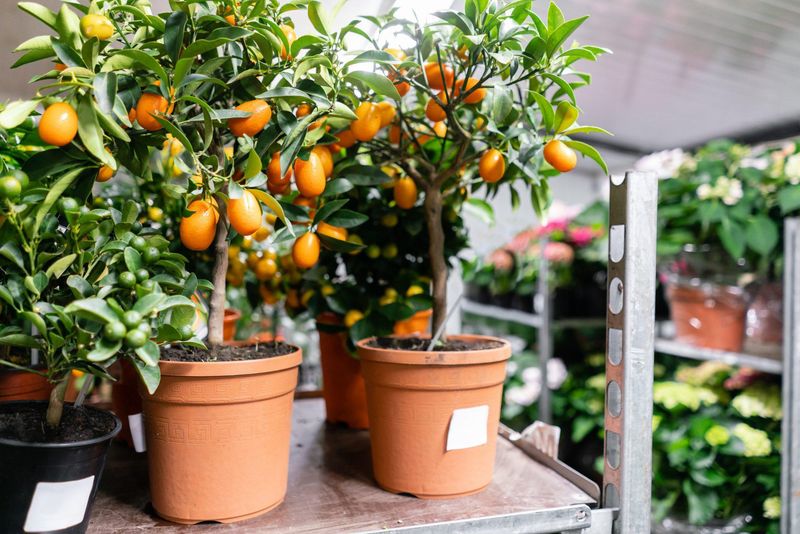
Growing an orange tree indoors takes time and patience because citrus trees develop slowly and may take several years to produce their first fruit successfully.
Celebrate every milestone whether it is new leaf growth fragrant blossoms or the appearance of tiny green fruit because each step shows your care is working beautifully.
Indoor trees often take longer to fruit than outdoor ones due to limited light and space but that does not mean your efforts are wasted or unsuccessful.
Enjoy the process of nurturing your tree and appreciate the beauty it brings to your home even before it produces any edible oranges for you to harvest.
Some seasons will be better than others and your tree may rest or grow slowly during winter months which is completely normal and expected indoors.
Keep a journal or take photos to track your tree progress over time so you can see how far it has come and stay motivated through challenges.
Gardening indoors is a rewarding journey that teaches patience resilience and appreciation for nature so embrace every moment and enjoy watching your orange tree flourish slowly.