Your North Carolina Garden Still Benefits From These 8 Late Winter Tasks
Late winter can leave you staring at your North Carolina garden and wondering if doing nothing is the right move, or if waiting too long might set you back.
You may notice beds looking unfinished, plants sitting quietly, or soil that feels forgotten, and that uncertainty can creep in even if everything technically looks fine.
Not every pause is a problem, and gardens often need this slower moment to reset.
But when certain things linger or don’t improve, they usually point to small, timely tasks that quietly support what comes next. Spotting those moments is often more important than rushing into spring work.
A few intentional steps taken now can ease the transition into active growth without pushing the garden too early.
Understanding why late winter still matters and which actions help most can give you clarity and confidence moving forward.
1. Clean Up Beds Without Disturbing New Growth
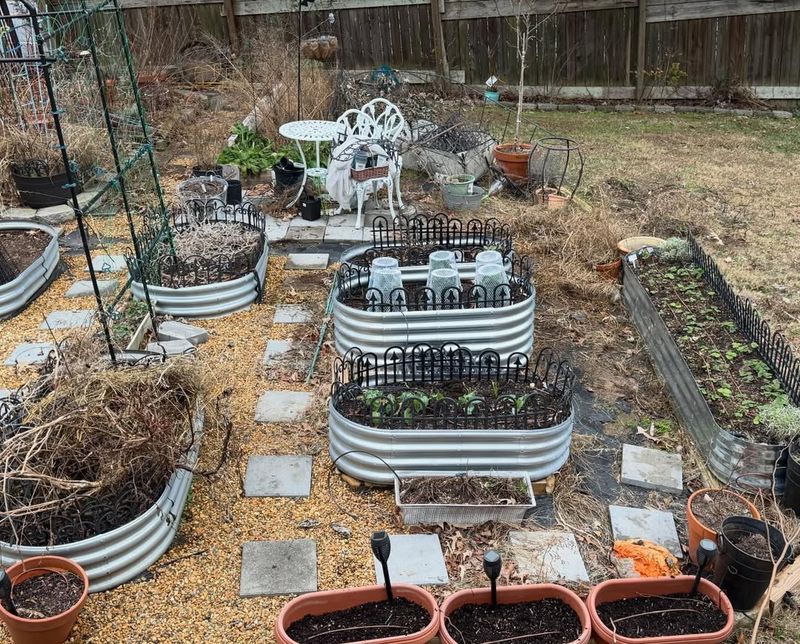
February mornings in North Carolina can surprise you with how much life is already stirring under last year’s leaves. Crocus tips poke through the soil, and tender green shoots appear where you least expect them.
Your job is to clear away the old without crushing the new.
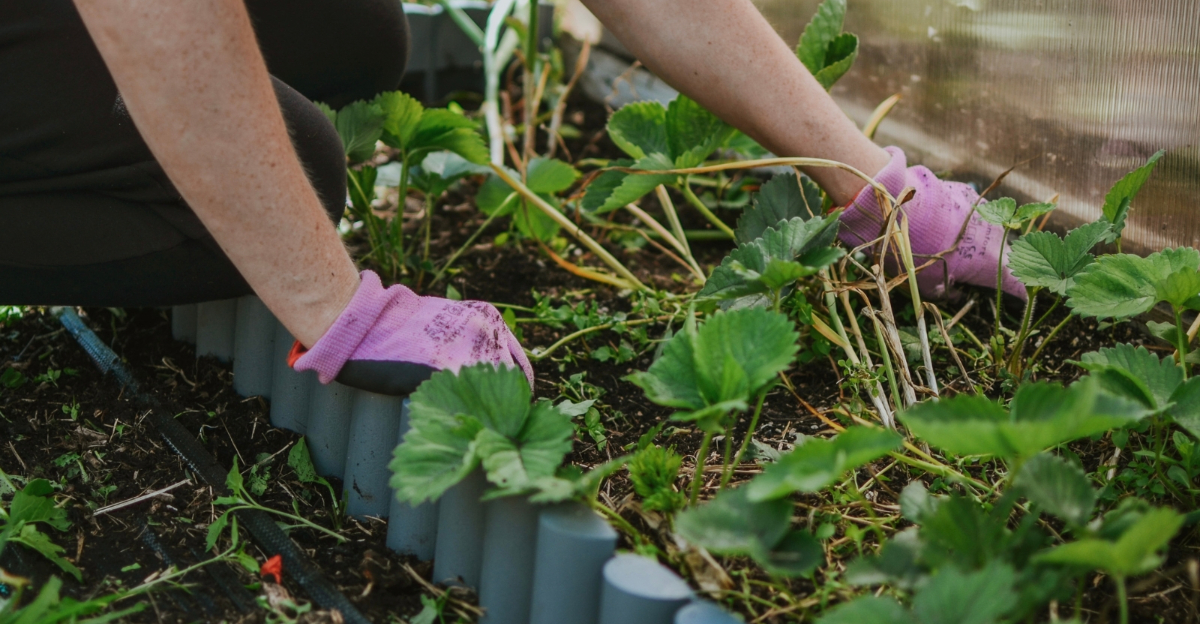
Start by gently raking back layers of leaves and stems that have been sitting since fall. Use your hands more than tools when you get close to emerging bulbs or perennials.
A light touch keeps you from snapping off anything fragile.
Wet leaves can mat down and smother young plants trying to reach sunlight. Removing them now gives your garden room to breathe.
You’ll also spot weeds early, which makes pulling them easier before their roots go deep.
North Carolina winters are mild enough that some plants never fully go dormant. That means cleanup has to be careful and deliberate.
Rushing through it can set you back weeks.
Toss the debris into your compost bin if it’s free of disease. Broken-down organic matter will feed your soil later.
If you see mold or rot, bag it up and throw it away instead.
Watch for beneficial insects tucked into plant stems or leaf piles. Ladybugs and ground beetles are your garden allies.
Move them gently to a safer spot if you need to clear their hiding place.
Clean beds also make it easier to see what’s actually growing. You’ll notice gaps where you can add new plants or divide crowded clumps.
Planning becomes simpler when the ground is visible.
This task doesn’t require fancy equipment. A rake, gloves, and a bucket are all you need.
The key is patience and attention to detail.
By mid-March, your beds will look fresh and ready. New growth will have space to expand without competition.
You’ll be glad you took the time when everything starts blooming.
2. Prune Shrubs That Benefit From Late Winter Timing
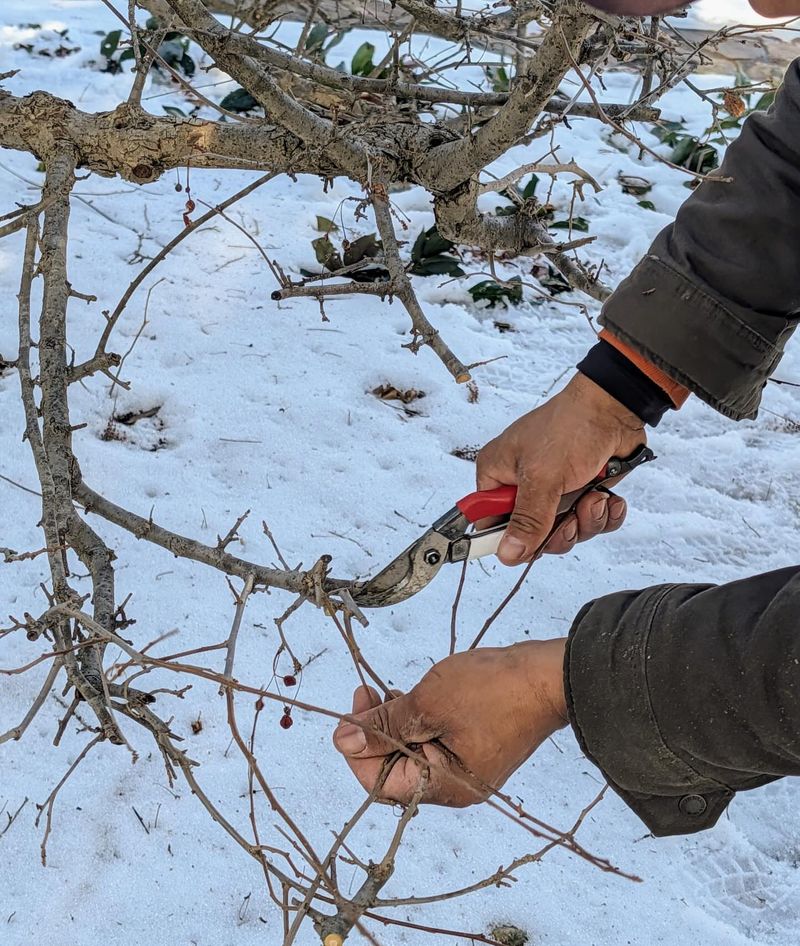
Sharp pruning shears in late winter can transform overgrown shrubs into healthy, shapely plants. Many woody plants in North Carolina respond best to cuts made before their buds swell and leaves unfold.
Timing matters more than most people realize.
Crape myrtles, for example, should be trimmed now if you want to control their size or shape. Remove crossing branches and any stems growing toward the center.
This opens up airflow and reduces the chance of fungal problems later.
Butterfly bushes also benefit from a hard cutback in February. Trim them down to about twelve inches from the ground.
It sounds extreme, but they’ll come back fuller and bloom more heavily in summer.
Avoid pruning spring-flowering shrubs like azaleas or forsythia right now. They set their flower buds in late summer, so cutting them in winter means losing this year’s blooms.
Save those for right after they finish flowering.
Use clean, sharp tools to make smooth cuts. Ragged edges invite pests and disease.
Wipe your blades with rubbing alcohol between plants to prevent spreading any issues.
North Carolina’s unpredictable weather means you might prune on a warm day and wake up to frost the next morning. That’s okay.
Dormant shrubs can handle it. Just don’t prune too late, or you’ll interrupt new growth.
Step back often while you work. It’s easy to over-prune when you’re focused on one branch at a time.
A little distance helps you see the overall shape and balance.
Remove any branches that look damaged or diseased. Look for discoloration, cracks, or areas where bark is peeling.
Cutting them out now keeps problems from spreading.
3. Refresh Mulch to Protect Soil Before Spring
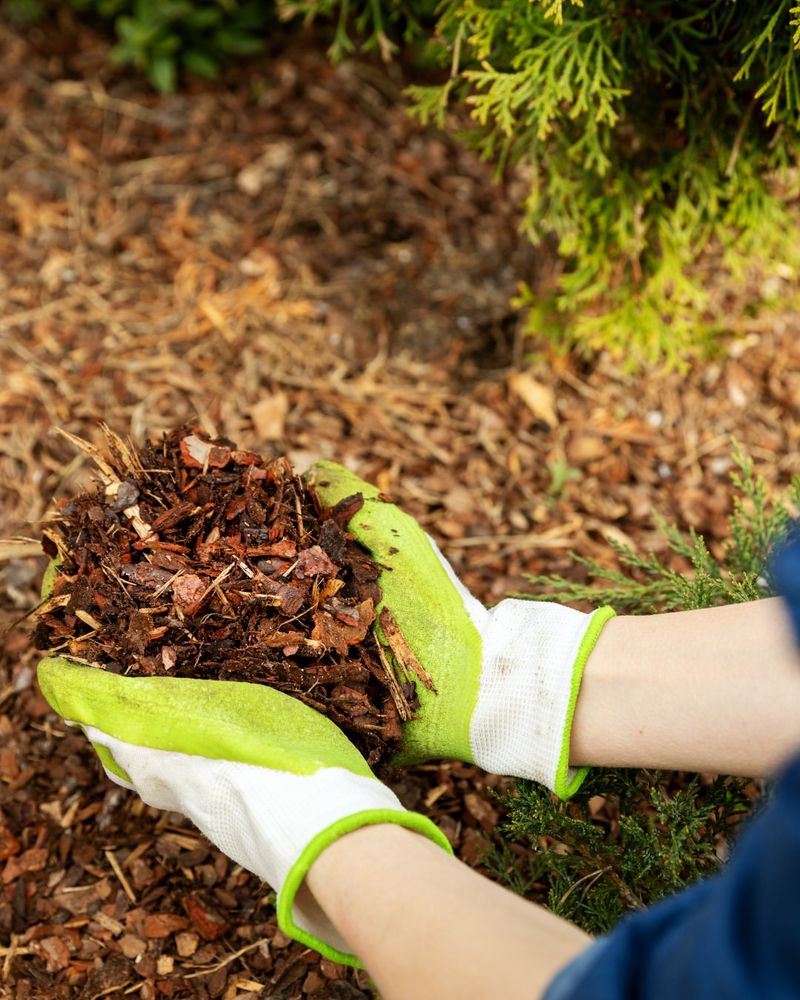
A fresh layer of mulch in late winter acts like a blanket for your soil. It locks in moisture, keeps weeds from sprouting, and moderates temperature swings as North Carolina transitions from cold snaps to warm spells.
Your plants feel the difference even if you don’t see it right away.
Pull back any old mulch that’s compacted or moldy. Spread it thin or mix it into your compost.
Old mulch can form a water-resistant crust that prevents rain from reaching plant roots.
Add two to three inches of fresh mulch around trees, shrubs, and perennial beds. Keep it a few inches away from plant stems and tree trunks.
Piling mulch against bark invites rot and gives pests a place to hide.
Pine bark, hardwood chips, and pine straw are all good choices for North Carolina gardens. Each breaks down at a different rate and adds organic matter to your soil over time.
Pick what fits your budget and style.
Mulching now also helps suppress early weeds. Seeds that might sprout in March stay buried under the mulch layer.
You’ll spend less time pulling weeds later if you mulch well now.
Watch the weather before you mulch. If heavy rain is coming, wait a day or two.
Mulch applied to soggy soil can trap too much moisture and create problems. Let the ground dry out a bit first.
Mulch also keeps soil from splashing onto plant leaves during spring storms. That reduces the spread of soil-borne diseases.
Cleaner leaves mean healthier plants.
Don’t forget your vegetable beds. Even if you’re not planting yet, mulching now protects the soil structure.
It prevents erosion and keeps nutrients from washing away.
4. Check Trees for Winter Stress and Weak Structure
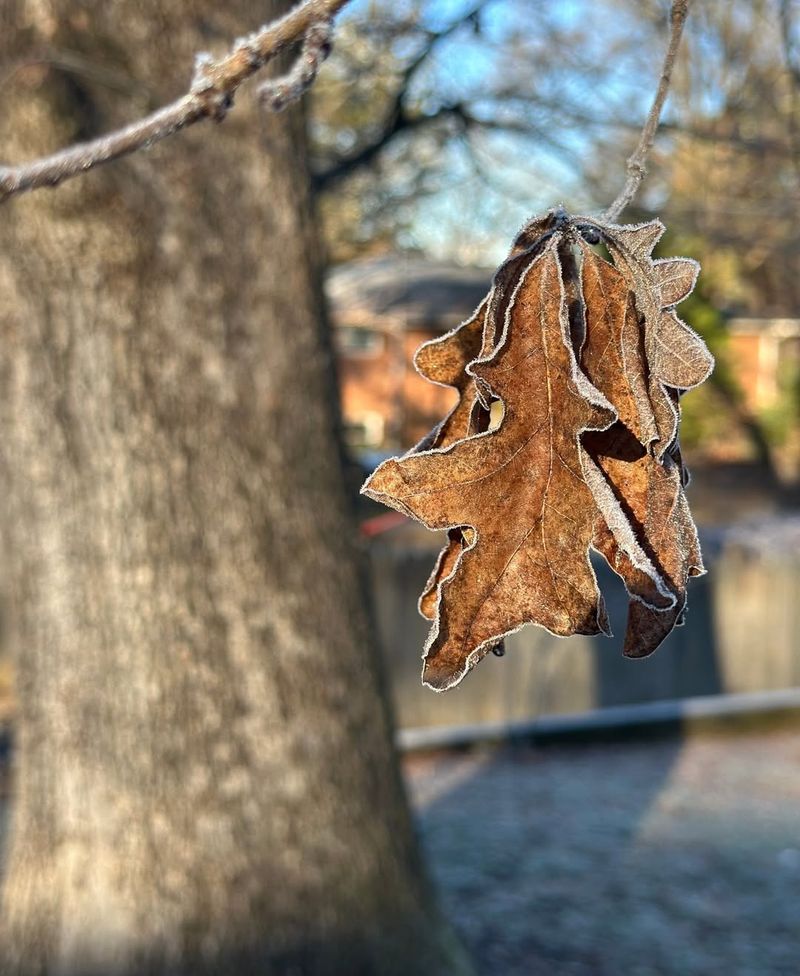
Winter winds and ice storms in North Carolina can leave behind damage that’s easy to miss until a branch falls. Late winter is the perfect time to inspect your trees before leaves hide the structure.
You’ll catch problems early and avoid bigger headaches later.
Walk around each tree and look up. Check for cracks in the trunk, split bark, or branches hanging at odd angles.
Ice can weaken limbs without breaking them completely, and those weak spots become hazards once leaves add weight.
Remove any branches that are crossing or rubbing against each other. Constant friction wears away bark and creates entry points for insects and disease.
A clean cut now prevents trouble down the road.
Look for signs of stress like sunken areas on the bark or branches that didn’t leaf out last year. These could indicate internal damage or disease.
If you’re unsure, call an arborist for advice.
Young trees often need staking adjustments after winter. Check that ties aren’t too tight or cutting into the bark.
Loosen them if needed, or remove stakes if the tree has rooted well enough to stand on its own.
North Carolina’s clay soil can shift during freeze-thaw cycles, which sometimes exposes tree roots. If you see roots poking out, cover them with a few inches of soil and mulch.
Exposed roots dry out quickly and weaken the tree.
Inspect the base of each tree for signs of rodent damage. Voles and rabbits sometimes chew bark during winter when other food is scarce.
Wrap young trunks with hardware cloth if you notice gnaw marks.
5. Prepare Vegetable Beds for Early Planting
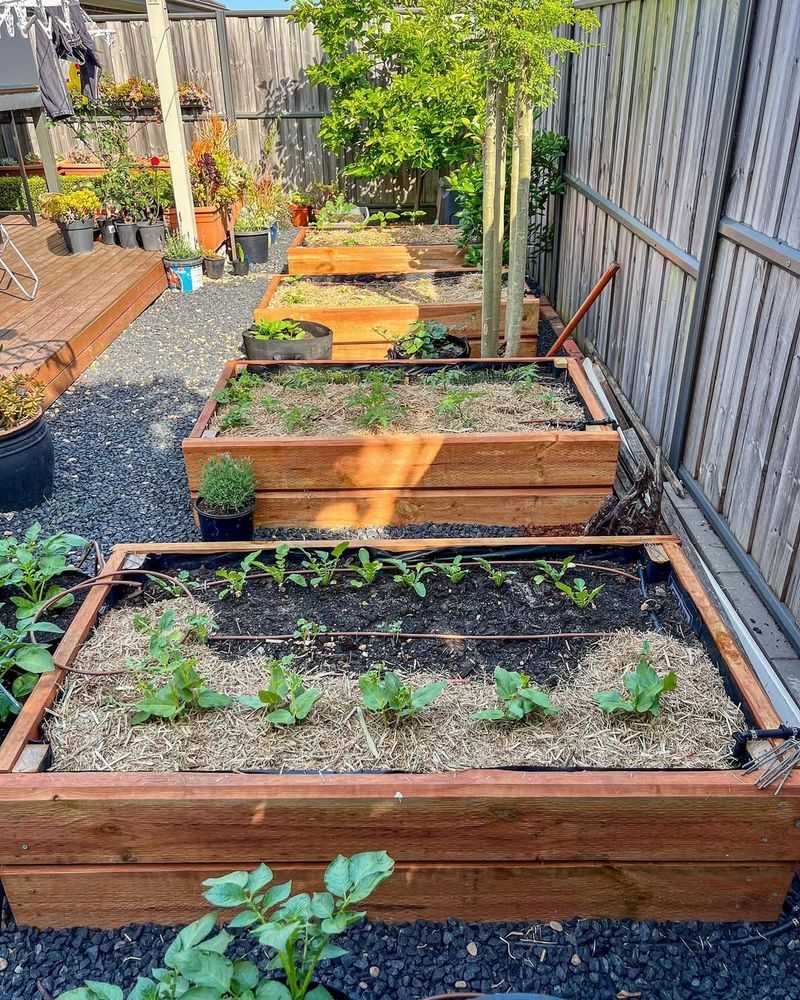
North Carolina gardeners can plant cool-season crops as early as late February or early March. Getting your vegetable beds ready now means you’ll be able to tuck in seeds or transplants as soon as the weather cooperates.
A little prep work makes planting day smooth and stress-free.
Start by clearing out any leftover plant debris from last season. Pull up old tomato stakes, remove spent crops, and rake the soil surface clean.
Lingering plant material can harbor pests or diseases that will attack your new seedlings.
Turn the soil with a garden fork or tiller if it’s dry enough to work. Avoid working wet soil, which can compact into hard clumps.
Squeeze a handful of soil. If it crumbles easily, it’s ready.
If it forms a sticky ball, wait a few more days.
Mix in a few inches of compost to boost nutrients and improve soil texture. Compost helps sandy soil hold moisture and loosens heavy clay.
Your plants will root faster and grow stronger in rich, well-amended soil.
Consider adding organic fertilizer or a balanced slow-release option. Early crops like lettuce, peas, and broccoli need steady nutrition to grow quickly in cool weather.
Follow package directions and mix it in evenly.
If you’re planning to use row covers or cloches, set them up now. Having them ready means you can protect tender seedlings from unexpected frosts without scrambling at the last minute.
North Carolina’s spring weather can be unpredictable. One week might be warm and sunny, the next cold and rainy.
Preparing beds early gives you flexibility to plant when conditions are right.
6. Cut Back Perennials That Regrow Stronger
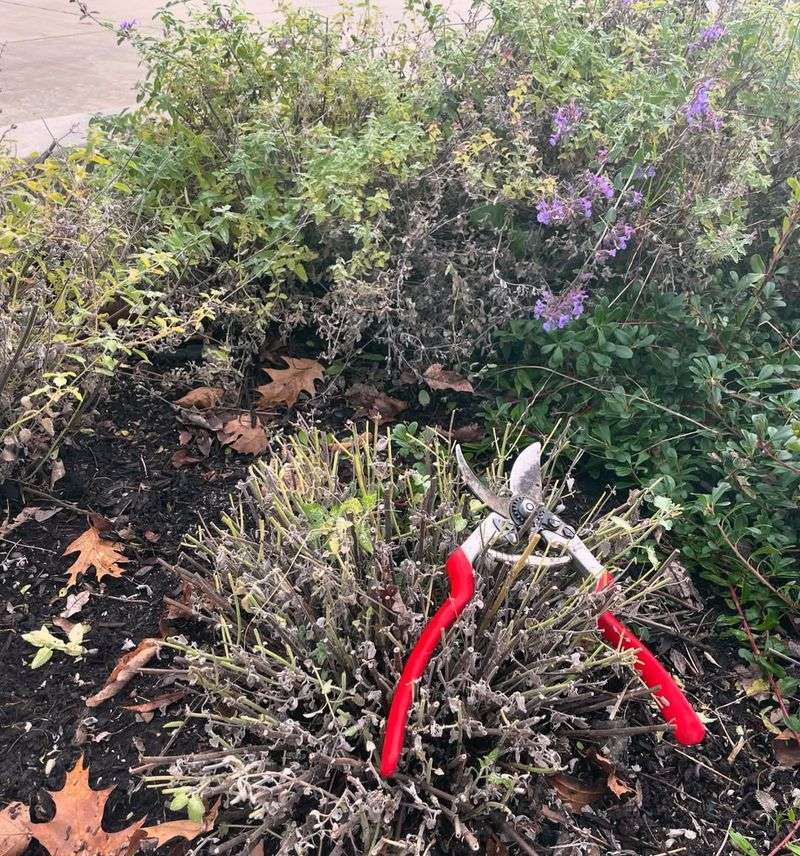
Some perennials in North Carolina need a good haircut in late winter to perform their best. Ornamental grasses, sedums, and other plants that fade back during winter benefit from being cut down before new growth starts.
It’s a simple job that makes a big difference in how your garden looks come spring.
Use sharp pruning shears or hedge clippers to cut ornamental grasses down to about four to six inches above the ground. Old foliage can be thick and tough, so take your time.
Bundle the cut stems with twine to make cleanup easier.
Sedums and other fleshy perennials often look ragged by late winter. Trim them back to just above the soil line.
Fresh shoots will emerge quickly once temperatures warm up, and they’ll grow in a tidy, compact shape.
Cutting back also removes hiding places for slugs, snails, and other pests. It clears out old foliage that might be harboring diseases.
Your plants start the season clean and healthy.
Some perennials, like hellebores and epimediums, are evergreen or semi-evergreen. For those, just remove any damaged or tattered leaves.
Leave the healthy foliage in place to keep photosynthesizing.
North Carolina’s mild winters mean some perennials never fully go dormant. Check each plant before you cut.
If you see green growth at the base, be careful not to damage it. Work around new shoots instead of slicing through them.
Composting the trimmings is fine if the plants were healthy. If you saw any signs of disease or pests last season, bag the debris and throw it away.
Don’t risk spreading problems through your compost.
Cutting back perennials also gives you a chance to divide crowded clumps. If a plant has outgrown its space, now is a good time to dig it up, split it, and replant the divisions.
You’ll get more plants for free.
7. Test Soil and Adjust Nutrients Early
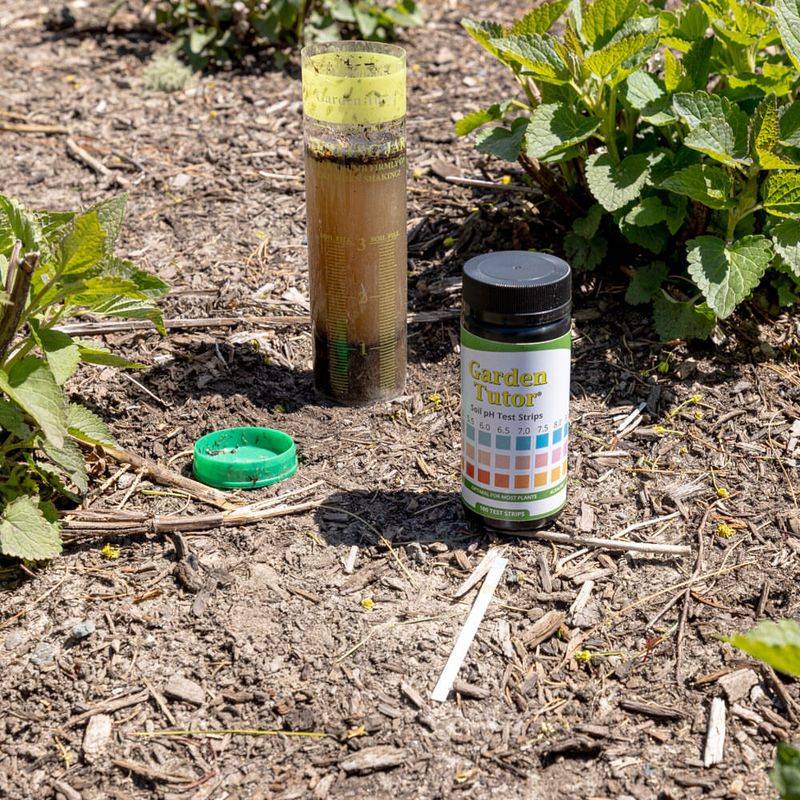
Healthy soil is the foundation of a healthy garden, and late winter is the ideal time to test and adjust it. North Carolina soils vary widely, from sandy coastal areas to heavy clay in the Piedmont.
Knowing what you’re working with helps you make smart decisions about fertilizers and amendments.
Pick up a soil test kit from your local extension office or order one online. Collect samples from several spots in your garden, mix them together, and send them in.
Results usually come back in a week or two.
The test will tell you your soil’s pH, nutrient levels, and organic matter content. Most vegetables and flowers prefer a pH between 6.0 and 7.0.
If your soil is too acidic, you can add lime. If it’s too alkaline, sulfur will bring it down.
Adjusting pH takes time, so doing it in late winter gives amendments a chance to work before you plant. Lime and sulfur need weeks or even months to change soil chemistry.
Starting early means your soil will be ready when your plants need it.
The test will also show if you’re low on key nutrients like nitrogen, phosphorus, or potassium. Add fertilizers or compost based on the recommendations.
Over-fertilizing wastes money and can harm plants, so follow the guidelines carefully.
North Carolina’s heavy clay soils often benefit from extra organic matter. Compost, aged manure, or leaf mold improve drainage and make nutrients more available to plant roots.
Work them in now, and your soil will be easier to manage all season.
If your test shows deficiencies in trace minerals like iron or magnesium, you can address those too. Some plants are sensitive to these shortages and won’t thrive without them.
A little attention now prevents bigger problems later.
8. Inspect Irrigation Systems Before Growth Begins
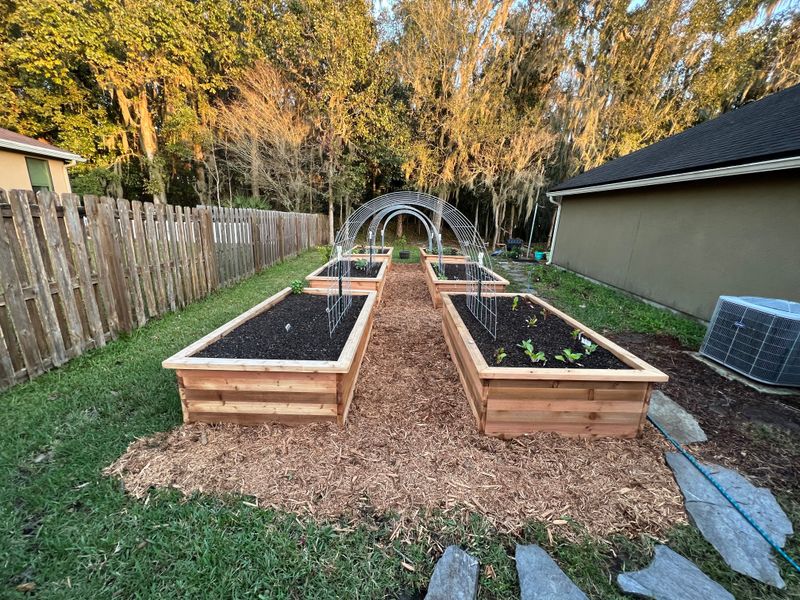
Winter can be hard on irrigation systems, even in North Carolina’s relatively mild climate. Freezing temperatures, shifting soil, and curious critters can all cause damage that you won’t notice until you turn the water on in spring.
Checking everything now saves you from scrambling later when your plants are thirsty.
Start by turning on your system and walking through each zone. Look for leaks, broken sprinkler heads, and clogged emitters.
A small leak can waste gallons of water and create soggy spots that harm plant roots.
Check hoses for cracks or weak spots. Even a pinhole leak can waste water and reduce pressure.
Replace any damaged sections before the busy season starts. It’s cheaper and easier to fix now than in the middle of summer.
Drip irrigation lines can get clogged with debris or chewed by rodents. Flush the lines and inspect each emitter to make sure water is flowing evenly.
Uneven watering leads to uneven growth and stressed plants.
Adjust sprinkler heads so they’re watering your plants, not your sidewalk or driveway. Over the winter, heads can shift or get knocked out of alignment.
A few minutes of tweaking ensures efficient coverage.
North Carolina gardeners often rely on soaker hoses in vegetable beds and perennial borders. Check that yours are positioned correctly and not kinked or buried too deep.
They should sit on the soil surface or just under a thin layer of mulch.
If you have a timer or controller, replace the battery if it’s been a year or more. A failing battery can cause your system to run at the wrong times or not at all.
Fresh batteries mean reliable operation all season.
Inspect backflow preventers and pressure regulators for leaks or damage. These components keep your system running smoothly and protect your home’s water supply.
Replace any parts that look worn or corroded.