Your Rights When A Neighbor’s Shrub Grows Onto Your Property In New York
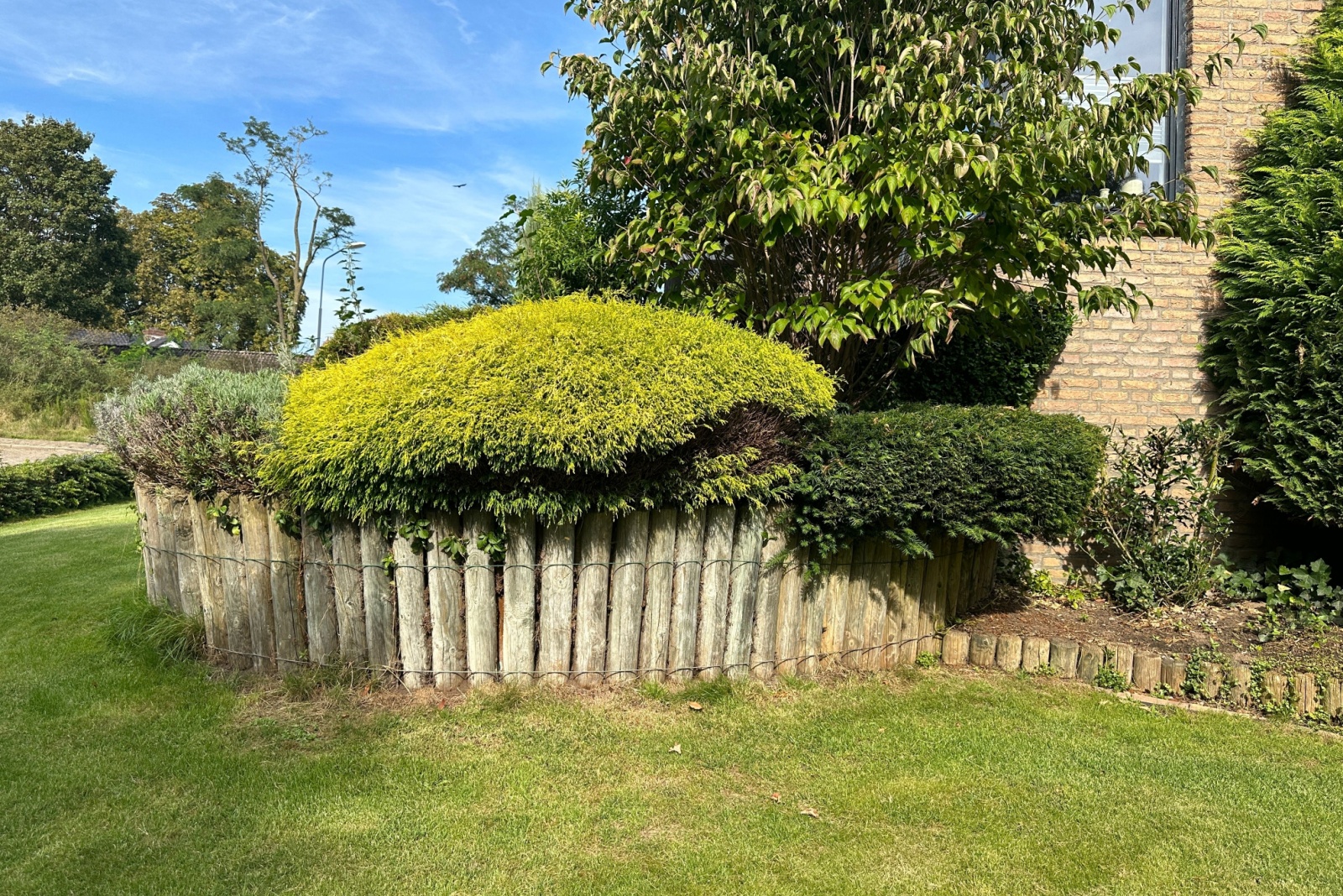
Living next to someone means sharing more than just a fence, and sometimes plants do not respect the invisible lines we draw on maps.
Shrubs that creep onto your yard can block sunlight, drop leaves, or simply annoy you when you are trying to keep things neat.
New York has specific rules about what you can and cannot do when branches or roots cross over from a neighbor’s property line.
Knowing your rights helps you handle the situation calmly, avoid arguments, and keep your neighborhood relationships healthy and respectful throughout the years.
What New York Law Says About Overhanging Shrubs
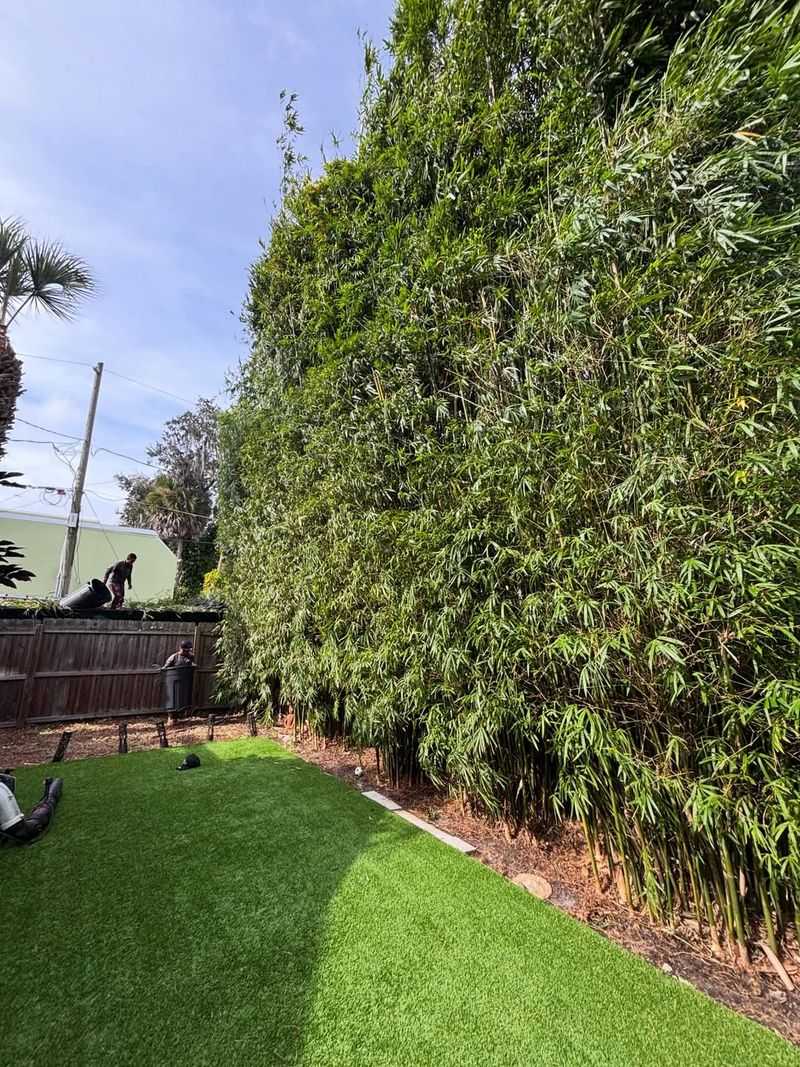
New York follows common law principles that allow property owners to trim vegetation crossing their boundary, but only under certain strict conditions always.
Courts in the state recognize that plants do not obey property lines, so they balance the rights of both neighbors fairly and carefully.
You cannot simply march over and chop down anything you dislike without considering the legal consequences that might follow your hasty actions.
The law protects both your right to enjoy your land and your neighbor’s right to keep their plants healthy and thriving beautifully.
Most disputes arise because people misunderstand these rules, leading to arguments that could have been avoided with better communication and understanding early.
Property owners in New York must act reasonably and avoid causing unnecessary harm to vegetation belonging to others, even when it intrudes slightly.
Understanding these principles helps you make informed decisions and prevents costly legal battles that drain time, money, and neighborhood goodwill over simple issues.
Always check local ordinances as well, since some municipalities add extra rules that apply specifically to trees, shrubs, and other greenery today.
Where Property Lines Matter For Shrub Disputes
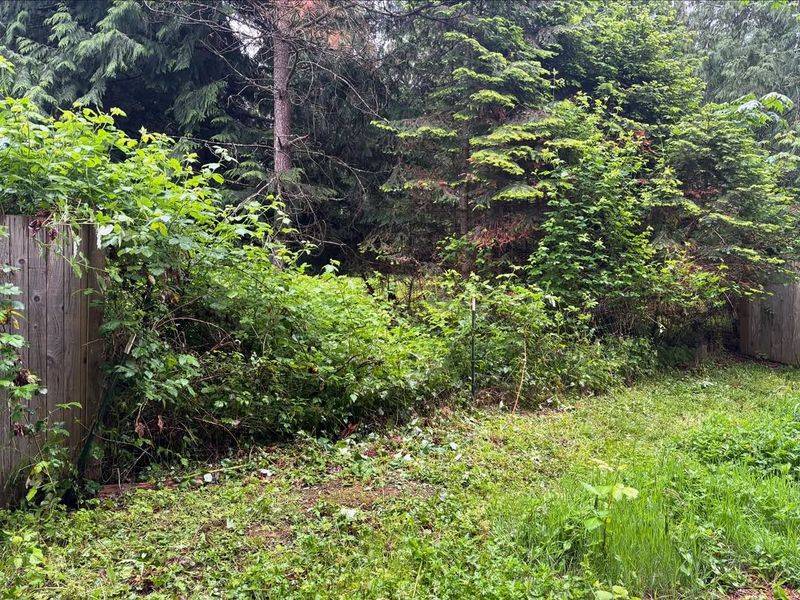
Knowing exactly where your property ends and your neighbor’s begins is the foundation of resolving any dispute about plants crossing over boundaries clearly.
Many homeowners assume they know the line, but fences, driveways, and landscaping features do not always match official surveys conducted by professionals years ago.
A survey conducted by a licensed land surveyor provides the most accurate information and can prevent misunderstandings that lead to heated arguments later.
Without a clear understanding of boundaries, you might accidentally trim plants that are actually on your neighbor’s side, creating legal liability for yourself.
In New York, property deeds and plat maps filed with the county clerk’s office show official boundaries, but these documents can be confusing sometimes.
Hiring a surveyor costs money, but it is a wise investment when plants, fences, or other structures create confusion about who owns what.
Once you know the exact line, you can confidently address encroaching shrubs without overstepping your legal rights or damaging property that belongs to someone.
Keep a copy of the survey handy in case future disputes arise, and share it with your neighbor to ensure everyone agrees.
When You Are Allowed To Prune Encroaching Branches
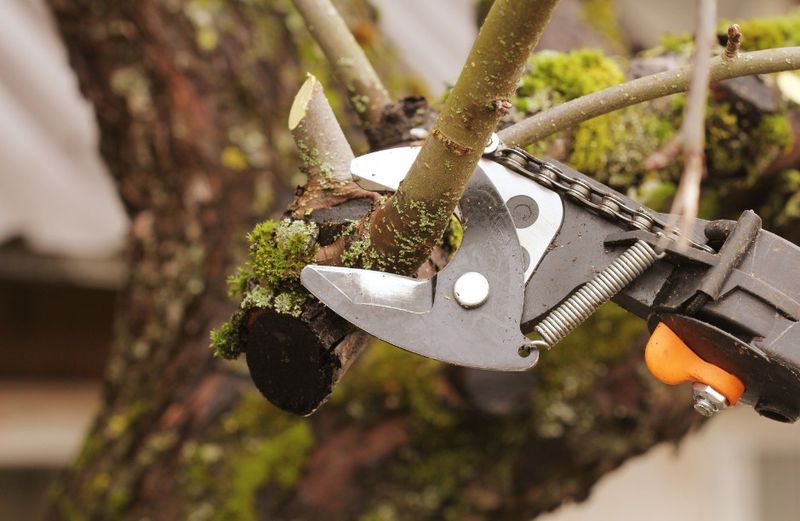
New York law generally permits you to trim branches and roots that cross onto your property, as long as you follow specific guidelines carefully.
You must stay on your own side of the line and avoid trespassing onto your neighbor’s land, even if it seems easier to reach.
The right to prune applies only to parts of the plant that actually intrude into your space, not to the entire shrub or tree.
Before cutting anything, consider whether the branches cause real problems like blocking views, damaging structures, or creating safety hazards that need immediate attention.
Minor intrusions that do not harm your property might not justify the effort and potential conflict that could arise from aggressive pruning actions.
Always use proper tools and techniques to avoid causing unnecessary injury to the plant, which could expose you to liability under state law.
If the shrub is healthy and the branches are small, a polite conversation with your neighbor might resolve the issue faster than scissors.
Document the encroachment with photos and measurements before you start cutting, so you have evidence if questions arise about your actions later on.
Limits On How Much You Can Legally Cut Back
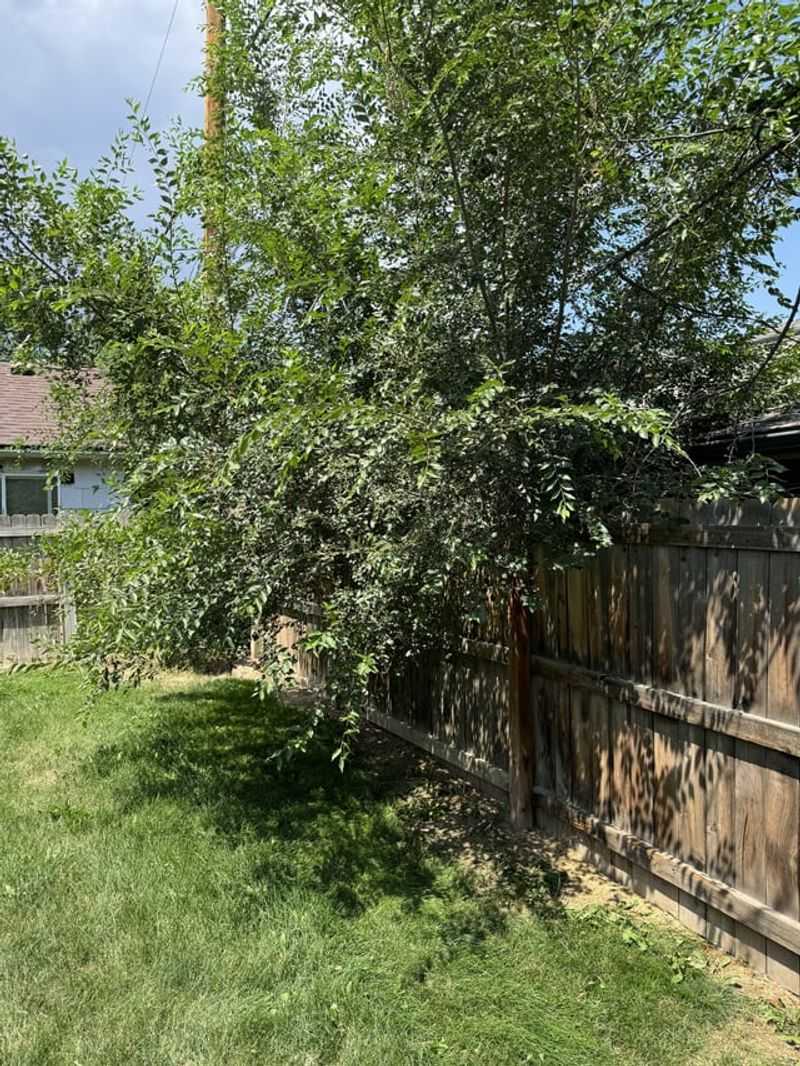
While you can trim encroaching branches, New York law does not allow you to cut so much that the plant becomes unhealthy or withers.
Removing large portions of a shrub or cutting deep into the main trunk can harm the plant and expose you to legal claims for damages.
Courts have ruled that property owners must act reasonably and avoid causing harm that exceeds the intrusion they are trying to address responsibly.
If your pruning weakens the shrub or causes it to wither, your neighbor could sue you for the cost of replacing or treating it.
Always trim conservatively, taking only what crosses the line and leaving enough foliage for the plant to recover and continue growing healthily over time.
Consult an arborist or landscaping professional if you are unsure how much to remove without causing lasting harm to the vegetation involved today.
Your goal should be to solve the intrusion problem without creating a bigger issue that leads to lawsuits, fines, or damaged relationships with people.
Remember that plants take years to grow, so being cautious protects both your legal position and your neighbor’s investment in their landscaping efforts.
Why You Cannot Damage Or Harm A Neighbor’s Shrub
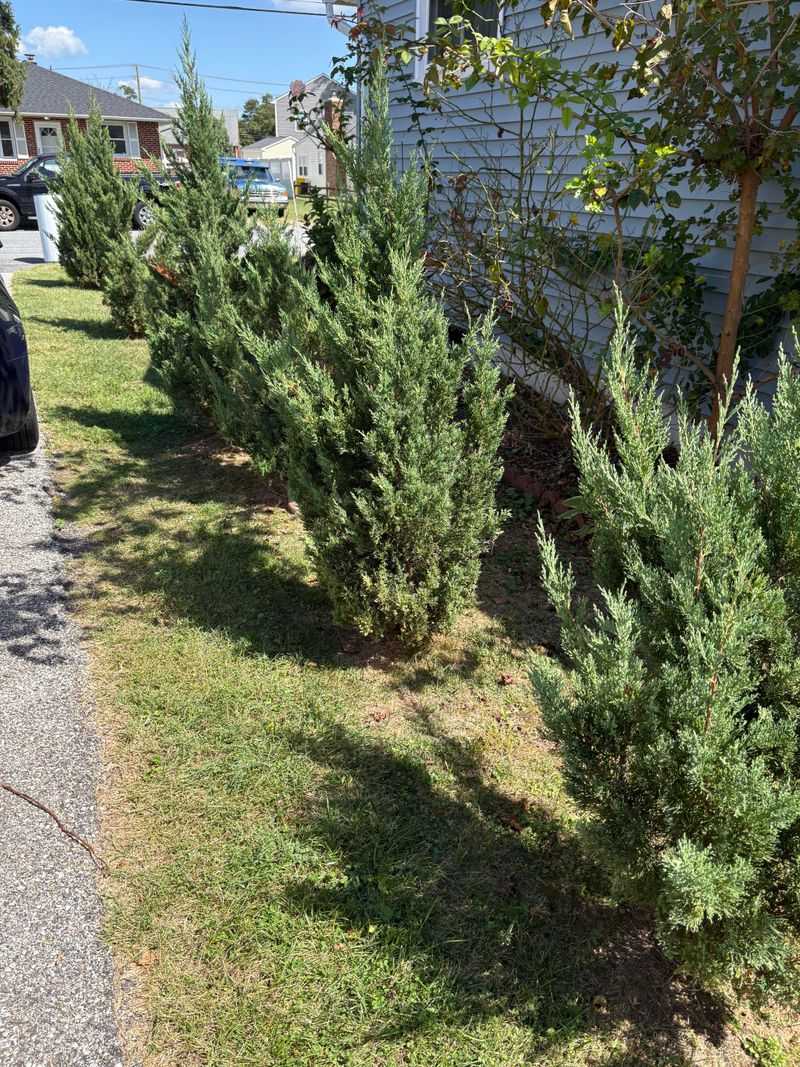
New York law protects your neighbor’s property rights, which include their plants, even when those plants intrude onto your land to some extent.
Intentionally harming a shrub by cutting too much, applying chemicals, or using other methods to weaken it can result in serious legal consequences.
Courts view plants as valuable property, and damaging them can lead to claims for replacement costs, lost aesthetic value, and even punitive damages.
If you act out of anger or frustration rather than necessity, a judge may rule against you and order you to pay compensation.
The law expects you to act in good faith, which means trimming only what is necessary and avoiding any actions designed to harm.
Poisoning roots, girdling trunks, or using herbicides near the property line can be seen as malicious and may result in criminal charges in extreme cases.
Always approach the situation with respect for your neighbor’s property, even if you find the intrusion annoying or inconvenient at the present moment.
A thoughtful, measured response protects you legally and preserves the peace in your neighborhood, which benefits everyone involved in the long run today.
Who Is Responsible If The Shrub Causes Damage
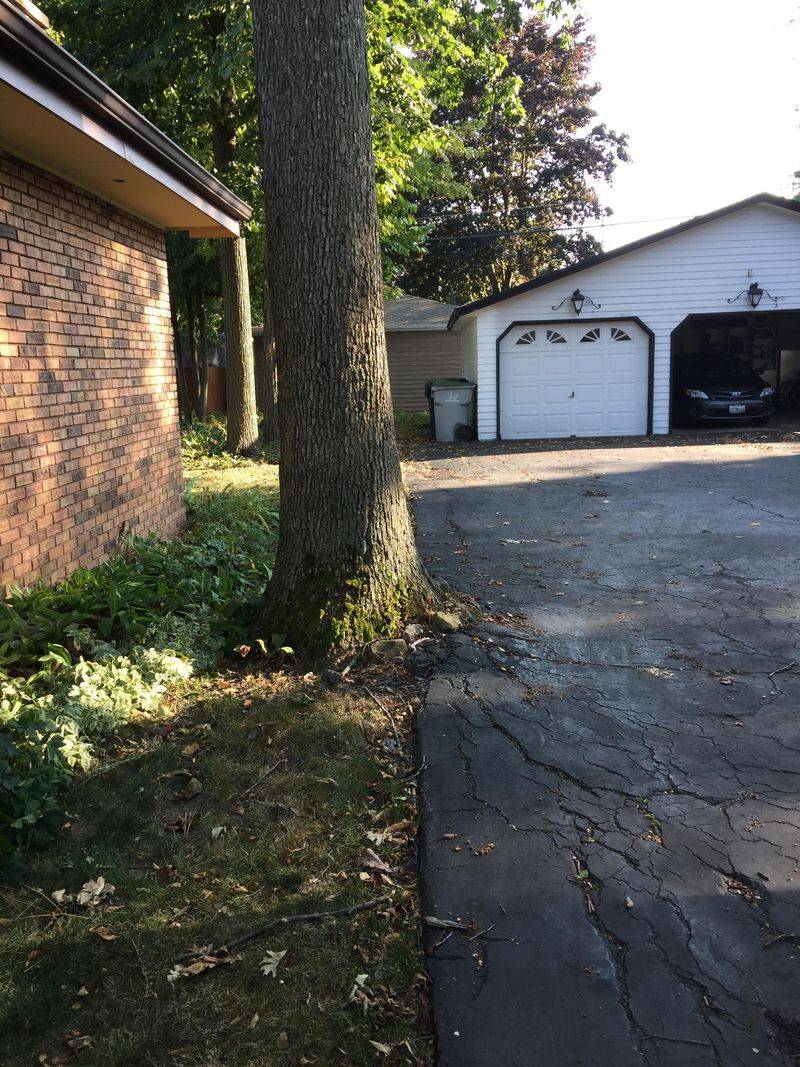
If a neighbor’s shrub damages your property, the question of responsibility depends on whether the neighbor knew about the problem and failed to act.
New York courts generally hold that property owners must maintain their vegetation and prevent it from causing harm to others living nearby or adjacent.
For example, if roots crack your driveway or branches damage your roof, your neighbor may be liable for repair costs if they ignored warnings.
However, if the damage was unforeseeable or the neighbor acted promptly once informed, you might have trouble recovering costs through legal action alone.
Document all damage with photos, repair estimates, and written communication with your neighbor to build a strong case if you need to file later.
Sending a polite letter explaining the problem gives your neighbor a chance to fix the issue before you pursue more formal legal remedies available.
If they refuse to act, you may file a claim in small claims court or hire an attorney to seek compensation for damages.
Keep in mind that maintaining good relationships often leads to faster, cheaper resolutions than lawsuits, which can drag on for months or years unnecessarily.
How To Handle Disputes Without Legal Trouble
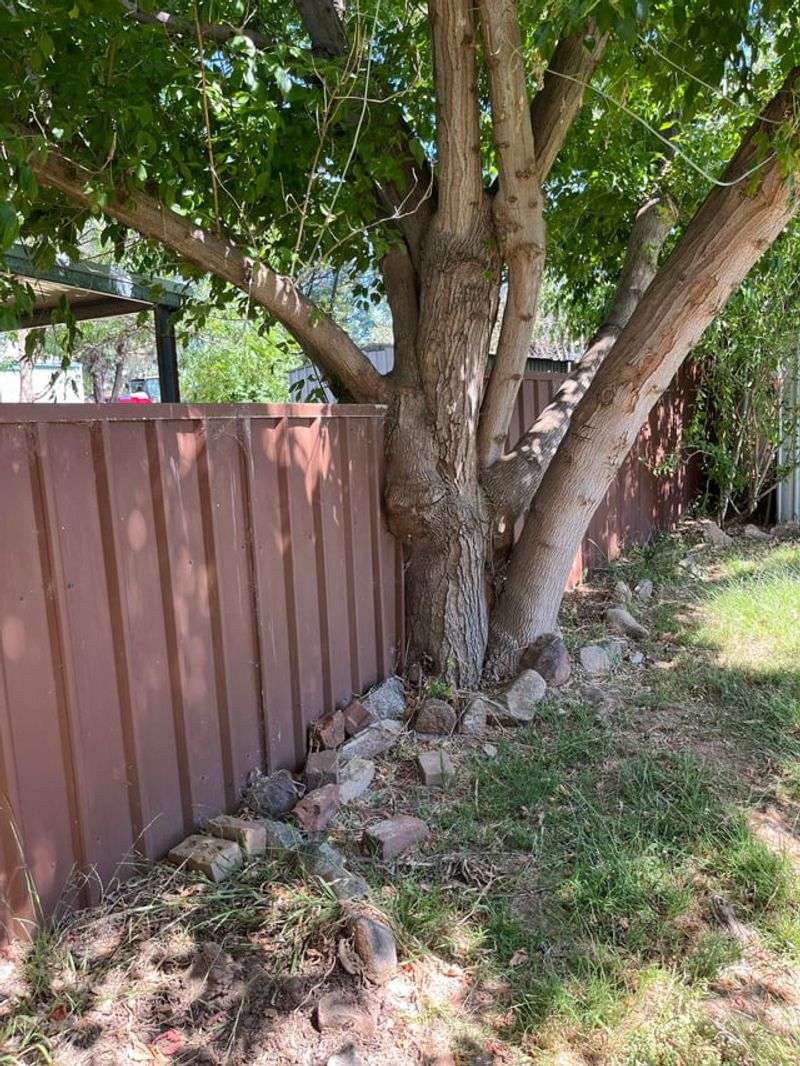
Most shrub disputes can be resolved through calm, respectful conversation rather than lawsuits, which saves time, money, and stress for everyone involved today.
Start by talking to your neighbor in person, explaining the problem clearly, and asking if they would be willing to trim the shrub.
Bring photos or measurements to show the extent of the intrusion, which helps your neighbor understand your concerns without feeling attacked or defensive.
Offer to share the cost of trimming or hire a professional together, which demonstrates goodwill and makes cooperation more likely to happen.
If direct conversation does not work, consider mediation services offered by community centers, courts, or local government offices that specialize in neighbor disputes today.
Mediation allows a neutral third party to help both sides reach an agreement without the expense and formality of going to court.
Keep all communication polite and factual, avoiding accusations or angry language that could escalate the situation and make resolution harder to achieve later.
Remember that your neighbor will still live next door after the dispute ends, so preserving the relationship benefits both of you for years.
When To Contact Your Local Municipality Or HOA
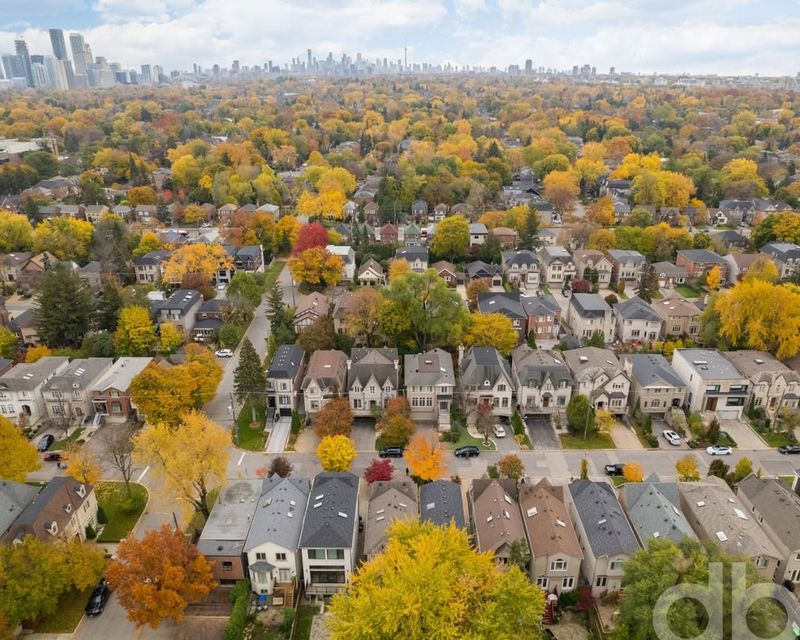
Sometimes local governments or homeowners associations have rules about vegetation that can help you resolve disputes without going to court or hiring lawyers.
Many New York municipalities have ordinances requiring property owners to maintain plants and prevent them from obstructing sidewalks, roads, or neighboring properties significantly.
If your neighbor’s shrub violates these rules, you can file a complaint with the code enforcement office, which may issue a citation or order.
Homeowners associations often have landscaping guidelines that members must follow, and violating them can result in fines or mandatory corrective action by the association.
Check your HOA’s governing documents or contact the board to learn about specific rules that might apply to your situation and provide solutions.
Filing a complaint with the municipality or HOA can pressure your neighbor to act without requiring you to take legal action on your own.
However, this approach can strain relationships, so consider it only after direct communication and mediation have failed to produce results you find acceptable.
Always keep copies of complaints, responses, and any actions taken by authorities, as these documents may be useful if you need to escalate further.