ZZ Plant Care Made Simple For Arizona Homes That Want Thriving Greenery
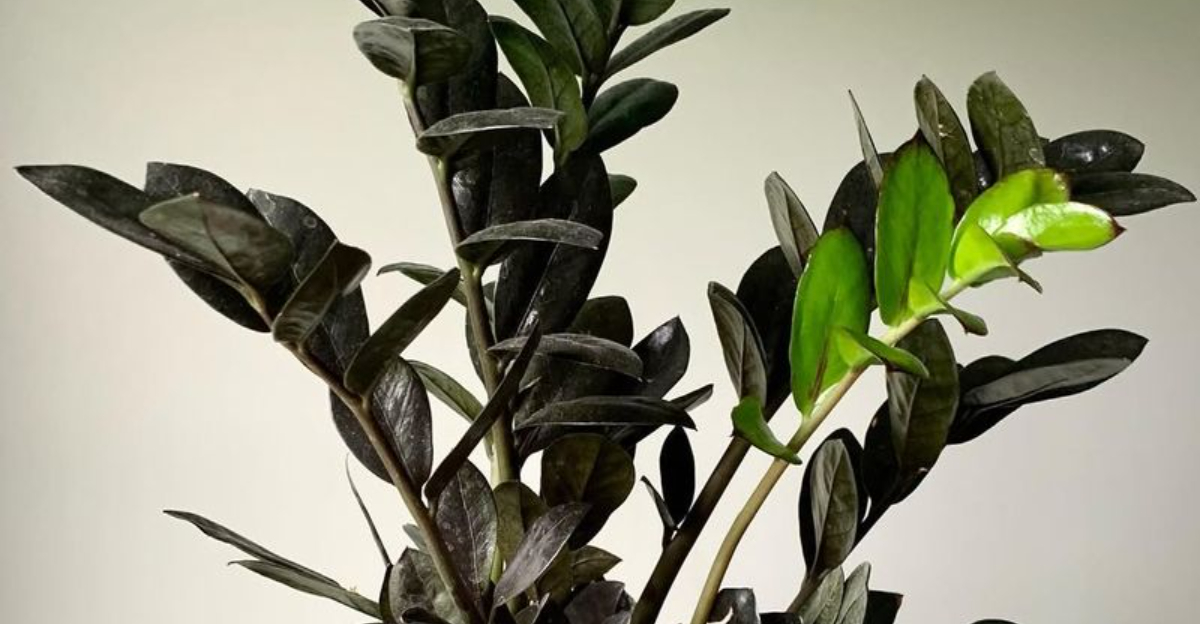
Zz plants are the perfect low-maintenance greenery for Arizona homes, thriving in dry air, bright light, and hot temperatures. With glossy, dark-green leaves and slow, steady growth, they bring life and elegance to indoor spaces without demanding constant attention.
Low care, high impact, your indoor garden can thrive with a Zz plant!
Caring for Zz plants is simple: they need well-draining soil, occasional watering, and indirect sunlight. Overwatering is the most common mistake, while proper light and minimal fertilization keep them healthy year-round.
Their resilience makes them ideal for busy households, apartments, and offices, providing greenery even in less-than-ideal indoor conditions. Easy to care for, visually striking, and perfect for Arizona’s dry homes.
Arizona homeowners who master these simple tips can enjoy thriving, lush greenery that brightens any space with minimal effort. Zz plants make indoor gardening stress-free and stylish!
Provide Bright, Indirect Light
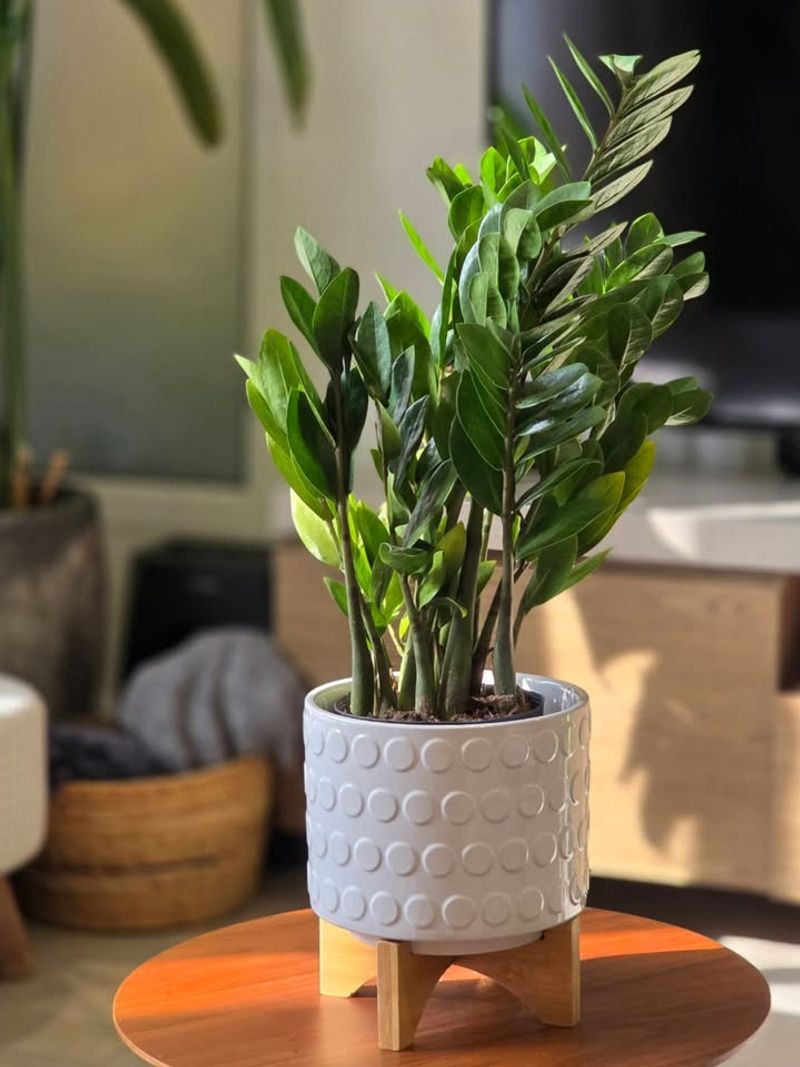
Your ZZ plant will flourish when placed near a window where sunlight filters through curtains or blinds, creating that perfect glow without harsh intensity.
Arizona homes typically receive abundant natural light, which means finding the right spot becomes easier than in many other regions.
The beauty of this resilient houseplant lies in its ability to adapt to various lighting conditions, making it forgiving if your home layout limits ideal placement.
Rooms with east-facing or north-facing windows work wonderfully because they provide consistent brightness without overwhelming the foliage.
Even if you have a corner that doesn’t receive much direct sunlight, your ZZ plant can still manage quite well, though growth may slow down a bit.
The thick, waxy leaves are designed to capture and use available light efficiently, which explains why this plant has earned its reputation as nearly indestructible.
Observing your plant’s response to its location helps you make adjustments over time. If new growth appears pale or stretched, consider moving it closer to a light source.
Conversely, if leaves maintain their deep green color and the plant produces new stems regularly, you’ve found the sweet spot that keeps your ZZ plant happy and thriving in your Arizona home.
Avoid Direct Afternoon Sun
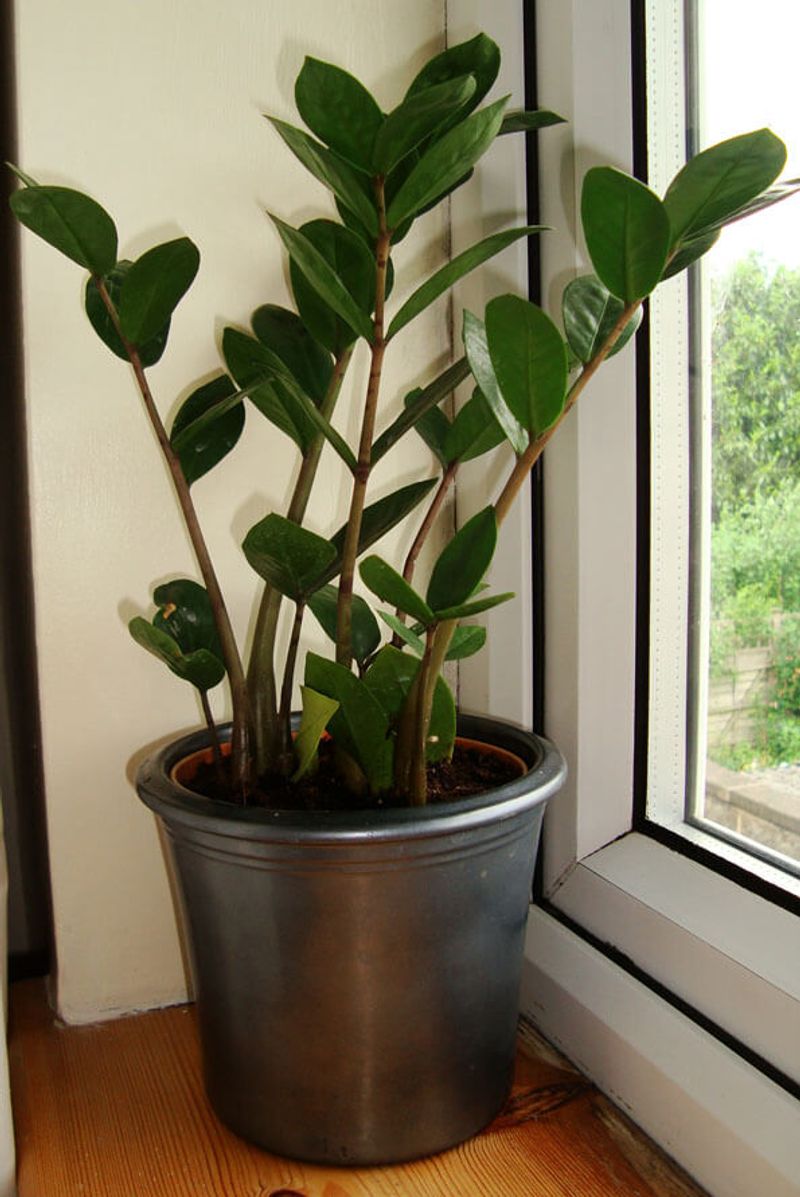
Arizona’s intense afternoon sun can turn a beautiful houseplant into a stressed specimen faster than you might expect.
The powerful rays that make our state famous for sunshine can actually scorch the leaves of your ZZ plant, creating brown patches and bleached spots that diminish its natural beauty.
Understanding this relationship between your plant and the desert sun helps you position it strategically throughout your home.
South-facing and west-facing windows receive the most intense sunlight during peak afternoon hours, especially during summer months when temperatures soar.
If these windows are your only options, using sheer curtains, blinds, or even moving the plant a few feet back from the glass creates a protective barrier.
The goal is to let your ZZ plant enjoy brightness without exposing it to the concentrated heat and light that can cause leaf damage.
Many Arizona homeowners find success placing their ZZ plants in rooms where light bounces off walls or floors, creating ambient brightness rather than direct exposure.
This indirect approach mimics the plant’s natural habitat under the canopy of larger vegetation in East Africa.
Paying attention to how sunlight moves through your space throughout the day allows you to make informed decisions about the best permanent home for your green companion.
Use Well-Draining Soil
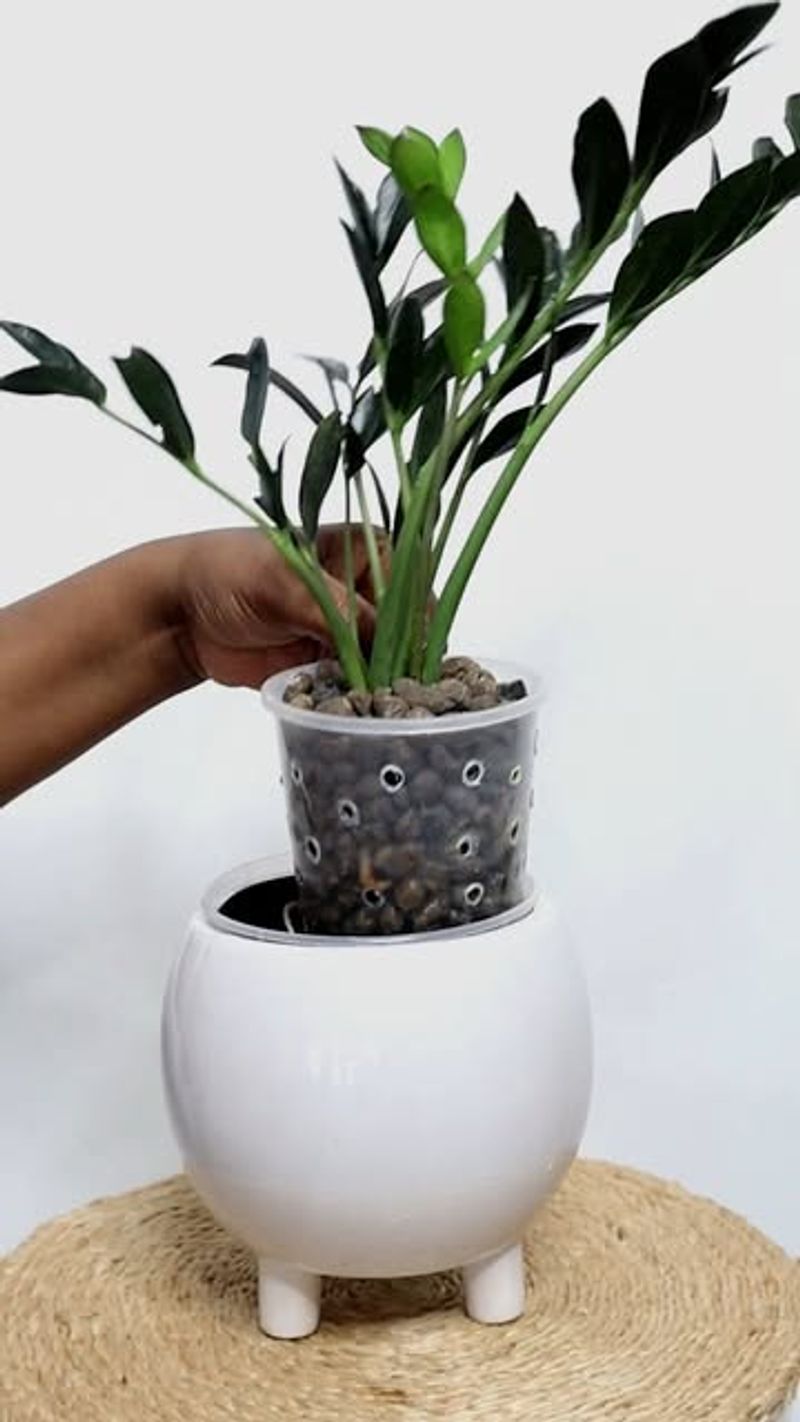
Choosing the right soil mixture makes all the difference when growing ZZ plants in Arizona’s unique indoor climate.
A specialized cactus or succulent mix provides the perfect foundation because it allows water to flow through quickly, preventing the soggy conditions that can compromise root health.
These commercial mixes typically contain ingredients like perlite, coarse sand, and bark that create air pockets, ensuring roots receive both moisture and oxygen.
Arizona’s naturally dry indoor environment actually works in your favor with ZZ plants, as humidity levels tend to be lower than in other regions.
However, this doesn’t mean you should use regular potting soil, which retains moisture longer than these drought-adapted plants prefer.
Creating your own blend by mixing standard potting soil with equal parts perlite or pumice gives you control over drainage while being budget-friendly.
The rhizomes beneath the soil surface store water like underground reservoirs, which means your ZZ plant evolved to handle periods without moisture.
Well-draining soil supports this natural adaptation by ensuring excess water doesn’t linger around these storage organs.
When you water, the soil should feel moist initially but dry out within a week or so, signaling that your drainage is working properly and your plant’s roots are staying healthy in their growing medium.
Water Sparingly

The most common mistake ZZ plant owners make involves giving their green friend too much water, not too little.
These remarkable plants developed thick rhizomes underground that function as water storage tanks, allowing them to survive extended dry periods in their native environment.
When you bring this adaptation into your Arizona home, it means your watering schedule should be much lighter than you might assume for typical houseplants.
During cooler months, your ZZ plant might only need water once every three to four weeks, while summer months might require watering every two weeks.
The key is to drench the soil thoroughly when you do water, allowing excess to drain completely from the bottom of the pot.
This mimics natural rainfall patterns where plants receive substantial moisture followed by dry periods, which encourages healthy root development and prevents the mushy, problematic conditions that come from constant dampness.
Learning to resist the urge to water on a fixed schedule takes practice but pays off tremendously. Your ZZ plant will actually show you signs when it needs moisture, such as leaves that lose a bit of their usual firmness.
Arizona’s low humidity means water evaporates from soil faster than in humid climates, but the ZZ plant’s natural drought tolerance still makes it one of the most forgiving houseplants you can grow in desert homes.
Let Soil Dry Between Waterings
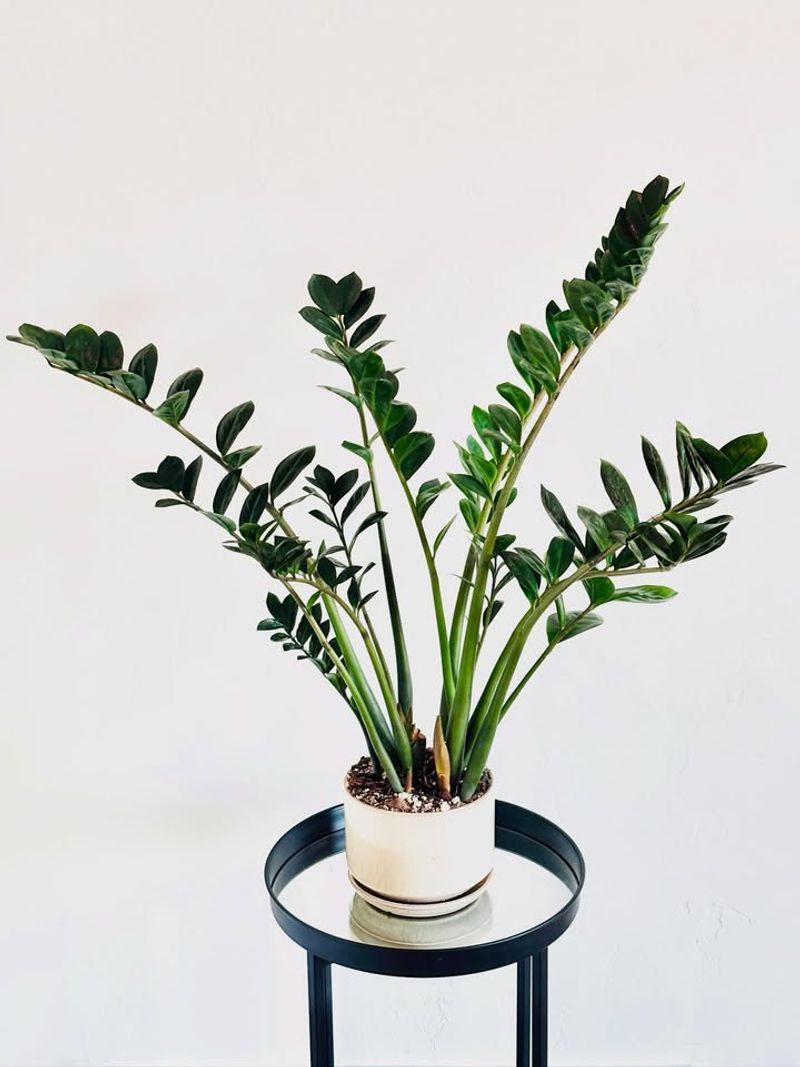
Developing a habit of checking soil moisture before reaching for your watering can protects your ZZ plant from the most serious health issues it might face.
Simply inserting your finger about two inches deep into the soil tells you whether moisture remains or if the growing medium has thoroughly dried out.
This tactile approach works better than any fixed watering schedule because it accounts for variables like temperature, pot size, and seasonal changes that affect how quickly soil dries.
Arizona’s arid climate means indoor air tends to be drier than in many other places, which can actually benefit ZZ plant care by preventing prolonged soil saturation.
When soil stays wet for extended periods, roots cannot access the oxygen they need to function properly, leading to deterioration that compromises the entire plant.
Allowing complete drying between waterings ensures that roots experience cycles of moisture and air, promoting robust growth and preventing the soggy conditions that cause problems.
Some growers invest in simple moisture meters that provide readings without guesswork, though the finger test works just as well once you become familiar with your plant’s needs.
During Arizona’s hottest months, you might notice soil drying faster, while winter may extend the time between waterings significantly.
Adapting your care routine to these natural fluctuations rather than following a rigid calendar helps your ZZ plant maintain its health and stunning appearance throughout the year.
Fertilize Lightly During Growing Season
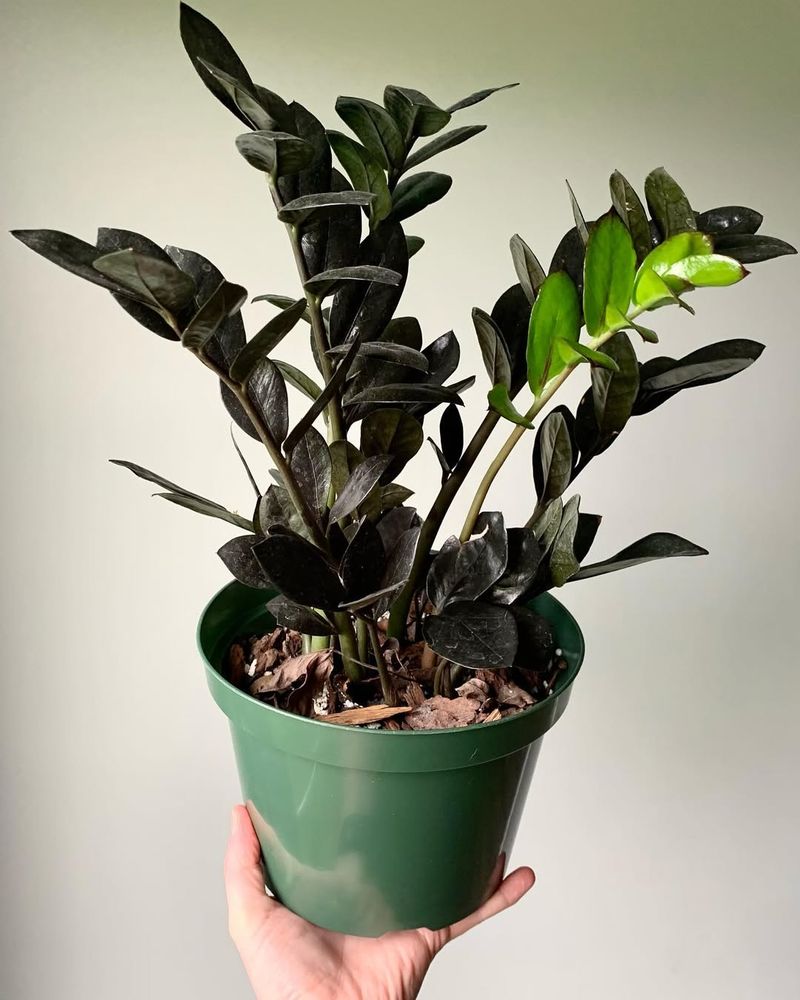
ZZ plants grow actively during spring and summer months, making this the ideal window for providing supplemental nutrients that support new stem and leaf production.
A balanced liquid houseplant fertilizer diluted to half the recommended strength works perfectly because these plants evolved in nutrient-poor soils and don’t require heavy feeding.
Applying fertilizer once a month or even every six weeks during the growing season gives your plant what it needs without overwhelming its system.
Arizona’s year-round warmth means your ZZ plant might not enter complete dormancy like it would in cooler climates, but growth definitely slows during shorter winter days.
Reducing or eliminating fertilizer from late fall through early spring respects this natural rhythm and prevents nutrient buildup in the soil.
Overfeeding can cause more harm than underfeeding with ZZ plants, as excess salts from fertilizer can accumulate and create conditions that stress roots.
Many successful growers choose organic fertilizers or slow-release granules that provide steady nutrition without the risk of sudden surges. Watching your plant’s response to feeding helps you adjust the frequency and strength over time.
If you notice vigorous new growth and deep green coloration, your current approach is working well.
Remember that ZZ plants are naturally slow growers, so don’t expect dramatic changes even with proper fertilization—patience and consistency yield the best long-term results in your Arizona home.
Keep In Temperatures Between 65–85°F

Arizona homes naturally maintain temperatures that fall perfectly within the comfort zone your ZZ plant prefers, making this aspect of care almost effortless.
The stable indoor warmth found in most climate-controlled desert homes creates an environment where these tropical plants can thrive without temperature-related stress.
Unlike outdoor plants that must endure seasonal swings, your indoor ZZ plant enjoys consistent conditions that promote steady growth and healthy foliage.
During summer months when outdoor temperatures soar well above 100°F, your air-conditioned interior provides the moderate warmth that keeps your plant comfortable.
Similarly, winter heating systems maintain cozy conditions that prevent the cold stress that could slow growth or cause leaf discoloration.
The key is avoiding placement near heating vents, air conditioning units, or drafty windows where temperature fluctuations might occur.
Most homeowners find that their ZZ plants adapt beautifully to standard household temperatures without any special adjustments. If you keep your home comfortable for yourself, chances are your plant will be equally content.
Occasionally during extreme heatwaves or cold snaps, you might want to move plants away from exterior walls or windows where temperature transfer could create less-than-ideal conditions.
This simple awareness ensures your ZZ plant continues looking its best regardless of what’s happening with Arizona’s sometimes extreme outdoor weather patterns throughout the year.
Wipe Leaves To Remove Dust
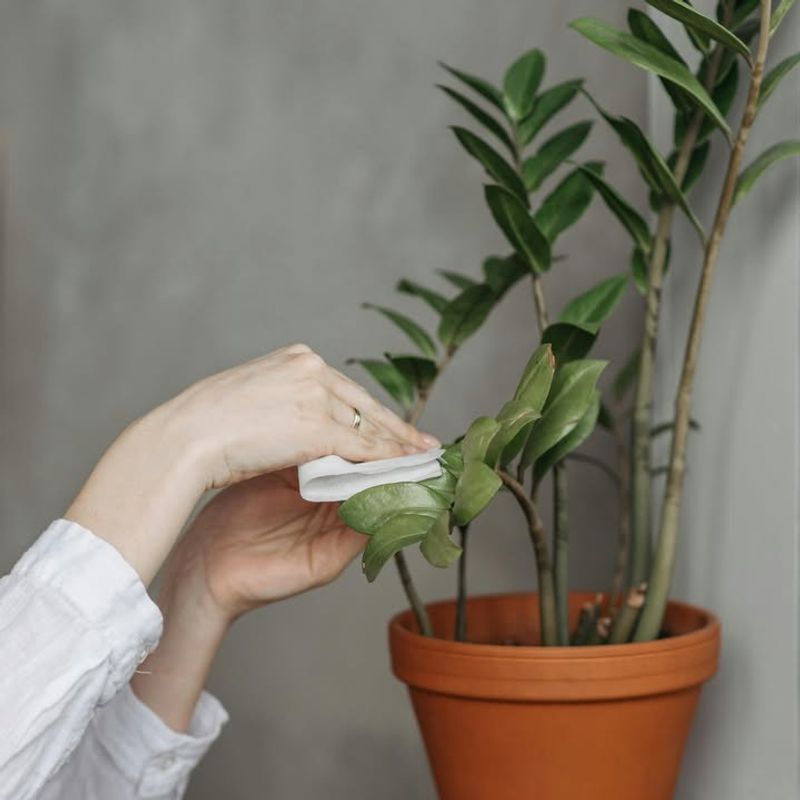
Arizona’s dusty conditions mean that fine particles settle on surfaces throughout your home, including the glossy leaves of your ZZ plant. Taking a few minutes every couple of weeks to gently wipe foliage with a soft, damp cloth removes this accumulated dust and helps your plant function at its best.
Clean leaves can absorb light more efficiently, which directly impacts the photosynthesis process that fuels growth and keeps your plant vibrant.
The naturally waxy coating on ZZ plant leaves gives them that attractive shine, but dust creates a barrier that diminishes both appearance and function.
Using plain water on your cloth works perfectly, there’s no need for commercial leaf shine products that can actually clog leaf pores.
Supporting each leaf gently from underneath while wiping the top surface prevents accidental bending or breaking, as these thick leaves can snap if handled roughly.
Many plant enthusiasts find this cleaning ritual relaxing and meditative, offering a chance to inspect their plant closely for any signs of stress or pest activity.
The improved appearance after cleaning is immediately noticeable, with leaves regaining their natural luster and deep green color.
In Arizona’s dusty environment, this simple maintenance task makes a significant difference in how your ZZ plant looks and performs, transforming a slightly dulled specimen into a showstopping piece of living decor that enhances any room in your home.
Repot Only When Necessary
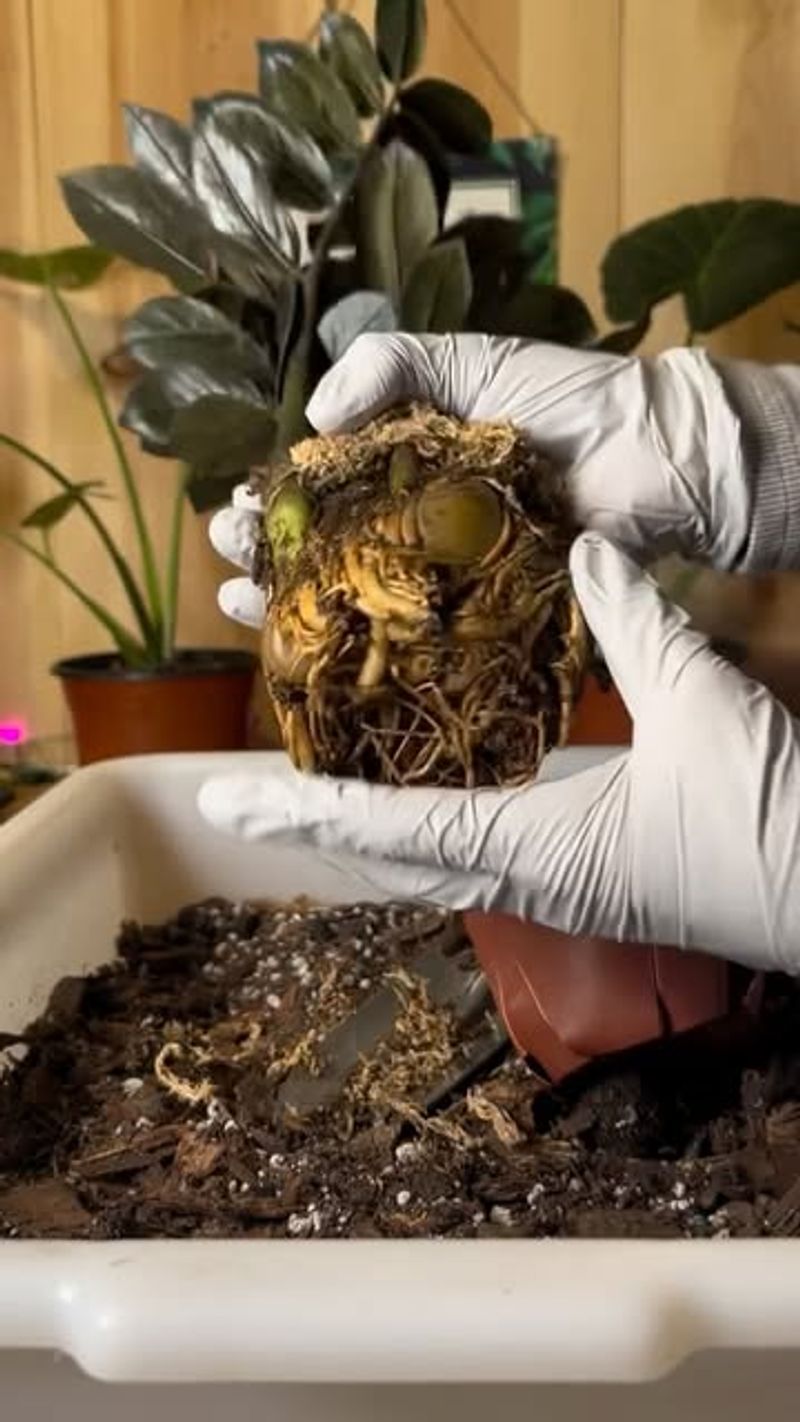
ZZ plants actually prefer being slightly crowded in their containers, with roots and rhizomes filling available space before they truly need a larger home. This preference means you’ll typically only need to repot every two to three years, making this one of the lowest-maintenance aspects of ZZ plant care.
Waiting until you see rhizomes pushing against the pot sides or roots emerging from drainage holes signals the right time to size up, rather than repotting on an arbitrary schedule.
When the time comes to repot, choosing a container just one or two inches larger in diameter than the current pot provides adequate room for growth without overwhelming the plant.
Arizona’s dry climate means you want to avoid excessively large pots that hold too much soil, as this increases the risk of moisture retention issues.
Spring offers the best timing for repotting since the plant is entering its active growing season and can recover quickly from any root disturbance.
The process itself is straightforward—gently remove the plant from its current container, shake off loose soil, and place it at the same depth in the new pot with fresh, well-draining mix.
Many growers find that their ZZ plants remain perfectly happy in the same container for years, simply requiring occasional top-dressing with fresh soil to replenish nutrients.
This easygoing nature makes ZZ plants ideal for Arizona homeowners who want beautiful greenery without constant repotting projects taking up their weekends.
Watch For Pests Rarely, But Inspect Occasionally
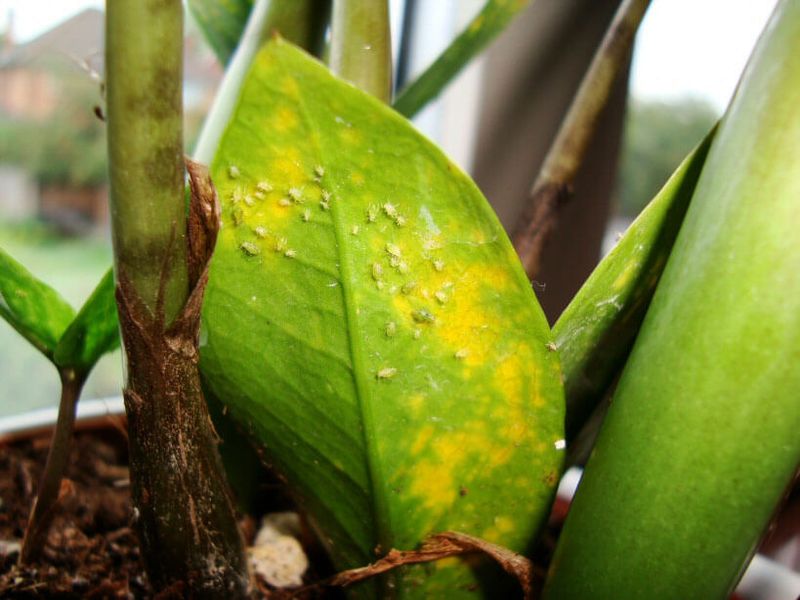
One of the greatest advantages of growing ZZ plants in Arizona homes is their remarkable resistance to common houseplant pests. The thick, waxy leaves that make these plants so attractive also create a barrier that most insects find unappealing, meaning you’ll rarely encounter problems.
However, occasional inspection during your regular dusting routine helps catch any issues before they become serious, ensuring your plant maintains its pristine appearance.
Mealybugs and scale insects represent the most likely pests you might encounter, though even these appear infrequently on healthy ZZ plants. These tiny invaders typically show up as white cottony masses or small brown bumps along stems and leaf undersides.
If you spot any unwelcome visitors, wiping them away with a cotton swab dipped in rubbing alcohol usually resolves the issue quickly without needing harsh chemical treatments.
Arizona’s dry indoor air actually discourages many pests that thrive in humid conditions, giving your ZZ plant an additional layer of protection.
Maintaining good overall plant health through proper watering, appropriate lighting, and clean leaves creates the strongest defense against any potential problems.
Most ZZ plant owners go years without ever seeing a single pest, making this truly one of the most carefree houseplants you can grow. Regular quick visual checks give you peace of mind while allowing you to enjoy your thriving greenery without worry or complicated pest management routines.