ZZ Plant Care Tips Every Colorado Indoor Gardener Needs To Know
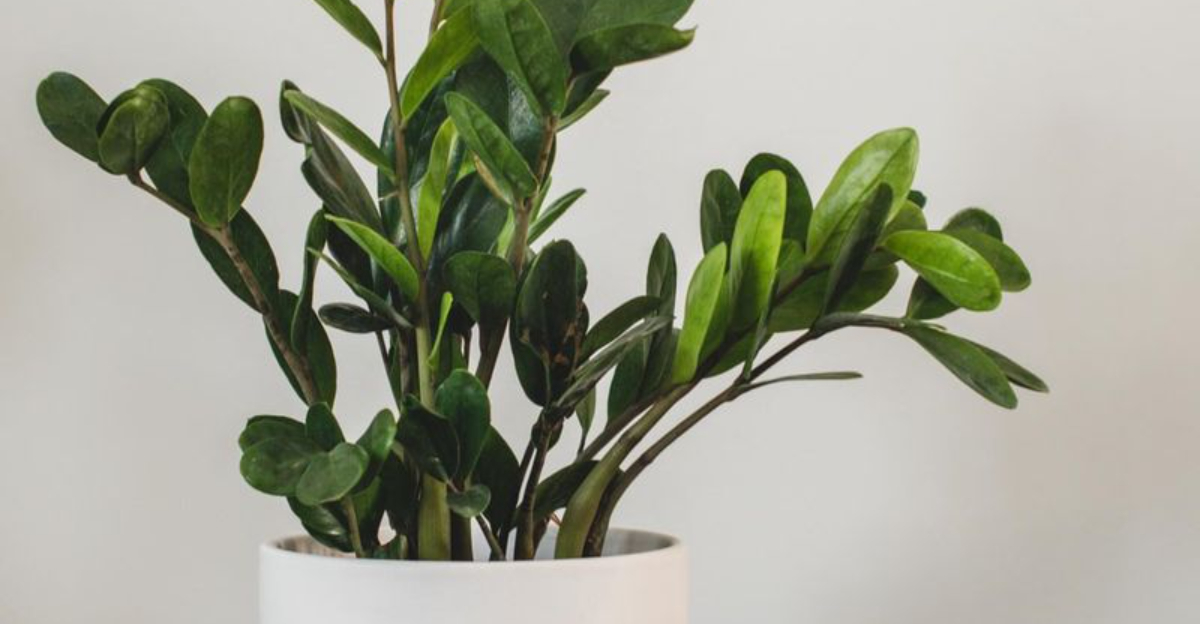
ZZ plants are a favorite for Colorado indoor gardeners because they are hardy, low-maintenance, and visually striking. With their glossy leaves and slow, steady growth, they bring life and greenery to any home without demanding constant attention.
ZZ plants are tough, forgiving, and perfect for indoor spaces. Caring for a ZZ plant involves placing it in bright, indirect light, using well-draining soil, and watering sparingly.
Overwatering is the most common mistake, while occasional fertilization and proper light help the plant thrive year-round. Their resilience makes them ideal for apartments, offices, or homes with dry indoor air.
Minimal care, maximum impact, and long-lasting beauty make ZZ plants a top choice. Colorado indoor gardeners who follow these tips can enjoy lush, thriving ZZ plants that enhance any room.
Bring greenery home with confidence using these ZZ plant care tips.
Provide Bright, Indirect Light
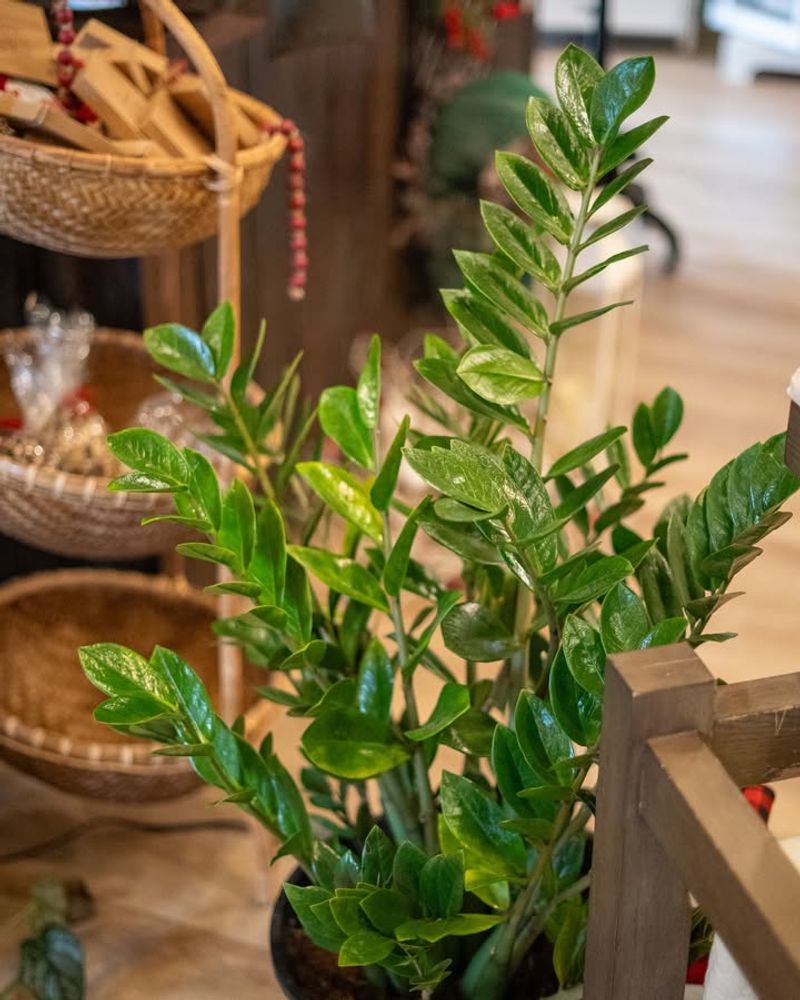
Your ZZ plant will reward you with vibrant, glossy foliage when placed in a spot that receives plenty of bright, indirect light throughout the day.
While these resilient plants can tolerate lower light conditions better than many houseplants, they truly shine when given access to filtered sunlight that mimics their native African habitat.
Colorado’s intense high-altitude sun can be both a blessing and a challenge, so positioning your plant near an east-facing window or a few feet back from a south-facing window creates the perfect balance.
During Colorado’s shorter winter days, when daylight becomes scarce and the sun sits lower on the horizon, your ZZ plant’s adaptability becomes especially valuable.
The plant naturally slows its growth during these months, conserving energy and requiring less intense light than summer-loving tropicals. This makes it an ideal companion for Colorado homes where winter light levels drop significantly.
If you notice your ZZ plant’s stems stretching toward the light source or new growth appearing lighter in color, these signs indicate your plant is reaching for more illumination.
Simply move it closer to a window or rotate it regularly to ensure even growth on all sides, creating a beautifully balanced plant that enhances your indoor garden.
Avoid Direct Sunlight
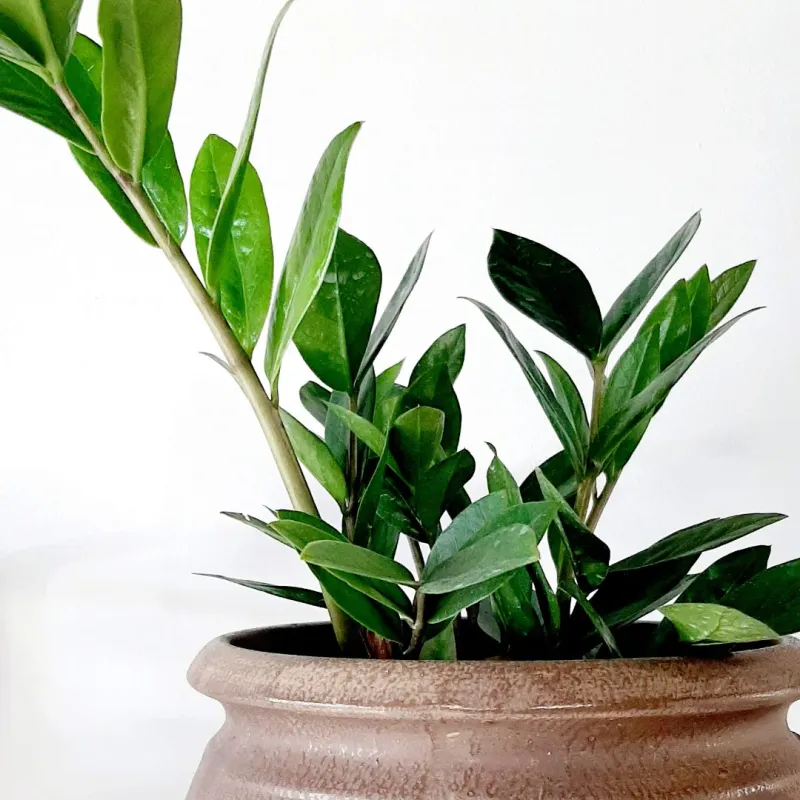
Colorado’s high elevation means sunlight here packs a more powerful punch than in lower-altitude regions, with UV rays approximately twenty-five percent stronger than at sea level.
When direct sun streams through your south- or west-facing windows, it can quickly scorch your ZZ plant’s leaves, leaving unsightly brown patches and crispy edges that compromise the plant’s stunning appearance.
Those beautiful, waxy leaves that give ZZ plants their signature shine are actually quite sensitive to intense, unfiltered rays.
Think of your ZZ plant as preferring the dappled shade of a forest floor rather than the blazing openness of a desert.
Direct sunlight concentrates heat and light energy onto the leaf surface, overwhelming the plant’s natural protective mechanisms and causing cellular damage.
In Colorado’s dry climate, this problem intensifies because the lack of humidity means less atmospheric moisture to diffuse the sun’s intensity.
If your only available window spots receive direct sun, consider using sheer curtains, blinds, or positioning your plant several feet away from the glass to create a buffer zone.
You can also place taller plants between your ZZ and the window to create natural shade, or use decorative screens that filter light while adding visual interest to your space.
Use Well-Draining Potting Mix
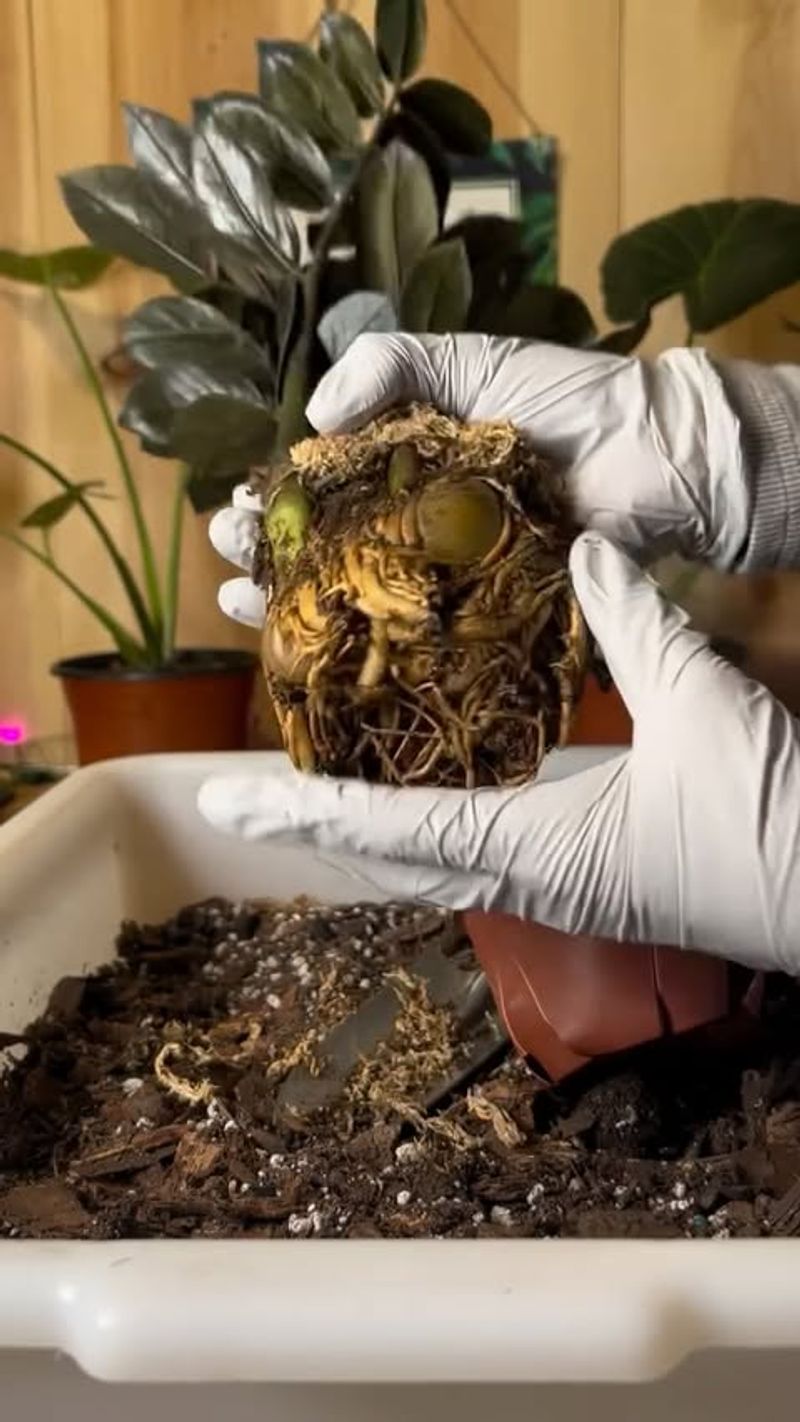
Root health determines everything when it comes to ZZ plant success, and the foundation of healthy roots starts with choosing the right growing medium.
Colorado’s notoriously dry indoor air—often dropping below thirty percent humidity during winter heating seasons—creates a unique situation where soil surfaces dry quickly while deeper layers can retain moisture longer than expected.
A well-draining potting mix prevents the dangerous combination of dry air at the surface masking waterlogged conditions below where roots live.
Cactus and succulent mixes provide the perfect solution because they contain generous amounts of perlite, coarse sand, or pumice that create air pockets throughout the soil.
These amendments allow excess water to drain away quickly while still retaining just enough moisture to keep roots hydrated between waterings.
Regular potting soil, even high-quality varieties, tends to compact over time and hold too much water for ZZ plants, which store moisture in their thick rhizomes.
When repotting, look for mixes labeled specifically for cacti, succulents, or even orchids, or create your own by mixing two parts regular potting soil with one part perlite and one part coarse sand.
The investment in proper soil pays dividends in plant health, reducing the risk of root rot while supporting strong growth throughout the year.
Water Sparingly
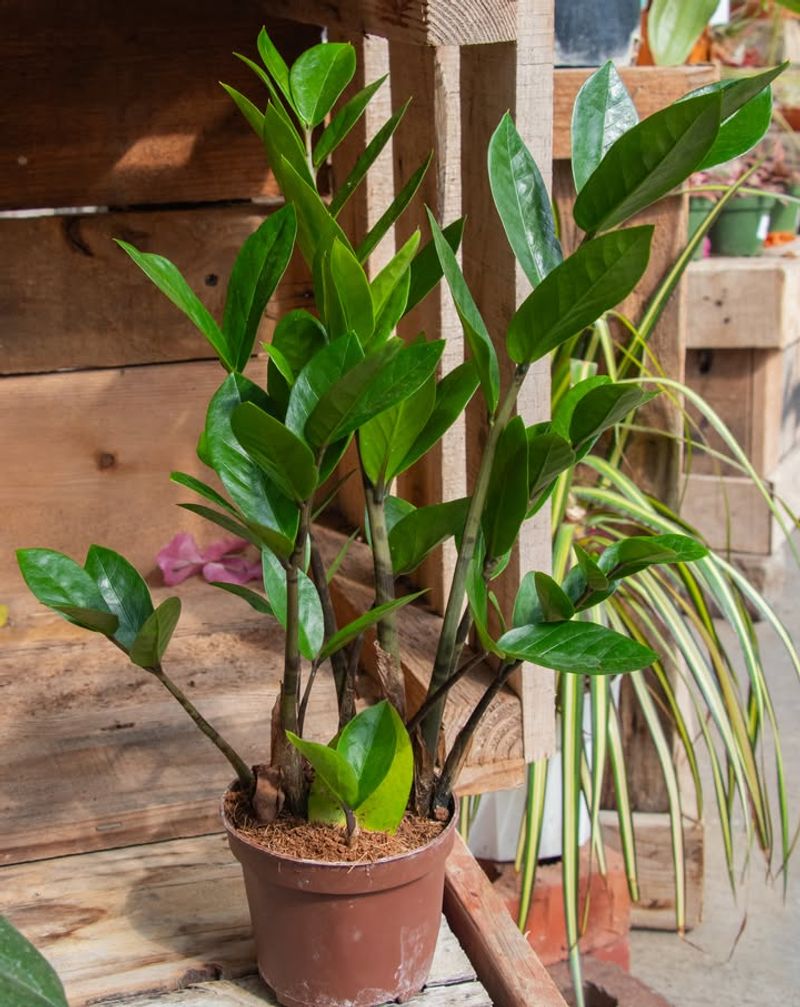
Understanding how ZZ plants store water transforms the way you approach their care and prevents the most common mistake indoor gardeners make—overwatering.
Beneath the soil surface, thick potato-like rhizomes act as natural water reservoirs, storing moisture for extended periods and allowing the plant to survive weeks without a drink.
This adaptation developed over millennia in their native East African habitat, where seasonal droughts are common, and it makes them exceptionally well-suited to Colorado’s dry climate.
Many new plant parents assume that because Colorado air is so dry, their plants need frequent watering to compensate.
However, ZZ plants actually thrive with less water than you might expect, especially during cooler months when growth slows naturally.
Overwatering saturates the soil, depriving roots of oxygen and creating conditions where harmful fungi and bacteria multiply rapidly, leading to mushy rhizomes and declining plant health.
A good rule for Colorado gardeners is to water only when the top two to three inches of soil feel completely dry to the touch, which might mean watering every two to three weeks in summer and even less frequently in winter.
When you do water, do it thoroughly until water drains from the pot’s bottom, then allow all excess to drain away completely before returning the plant to its decorative container.
Let Soil Dry Completely Between Waterings
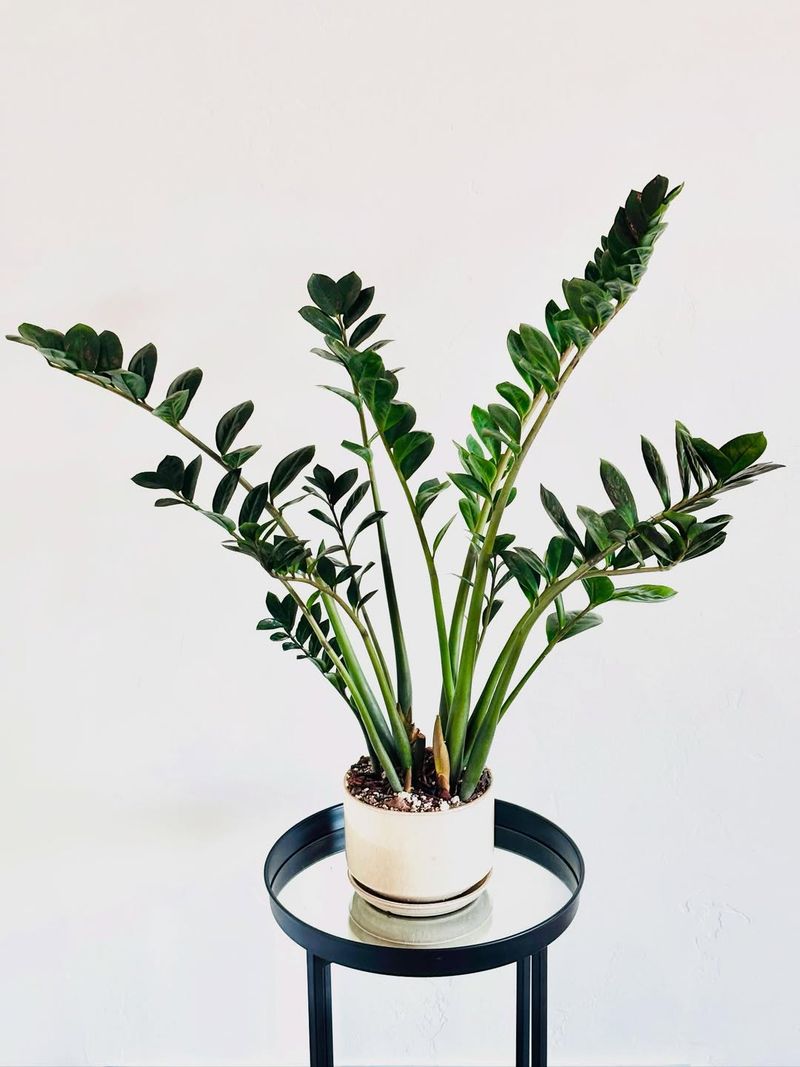
Patience becomes your greatest gardening virtue when caring for ZZ plants, especially during Colorado’s long winter months when indoor heating systems create warm rooms with bone-dry air.
While the air around your plant may feel like a desert, the soil in the pot can remain surprisingly moist for extended periods because the plant’s water needs decrease dramatically when growth slows.
Allowing the soil to dry completely between waterings ensures roots have access to both water and the oxygen they need to function properly.
Checking soil moisture before reaching for the watering can prevents the accumulation of excess moisture that leads to root problems.
Stick your finger deep into the soil, if you feel any dampness in the top few inches, wait a few more days before watering.
Some Colorado gardeners find that investing in an inexpensive moisture meter takes the guesswork out of the equation, providing a numerical reading that removes uncertainty.
Winter presents special challenges because while your home’s air feels parched, plants enter a semi-dormant state where they process water much more slowly than during active growing seasons.
During December through February, you might water your ZZ plant only once every three to four weeks, or even less frequently depending on your home’s temperature and humidity levels, and that is perfectly normal and healthy for the plant.
Fertilize Only During Active Growth
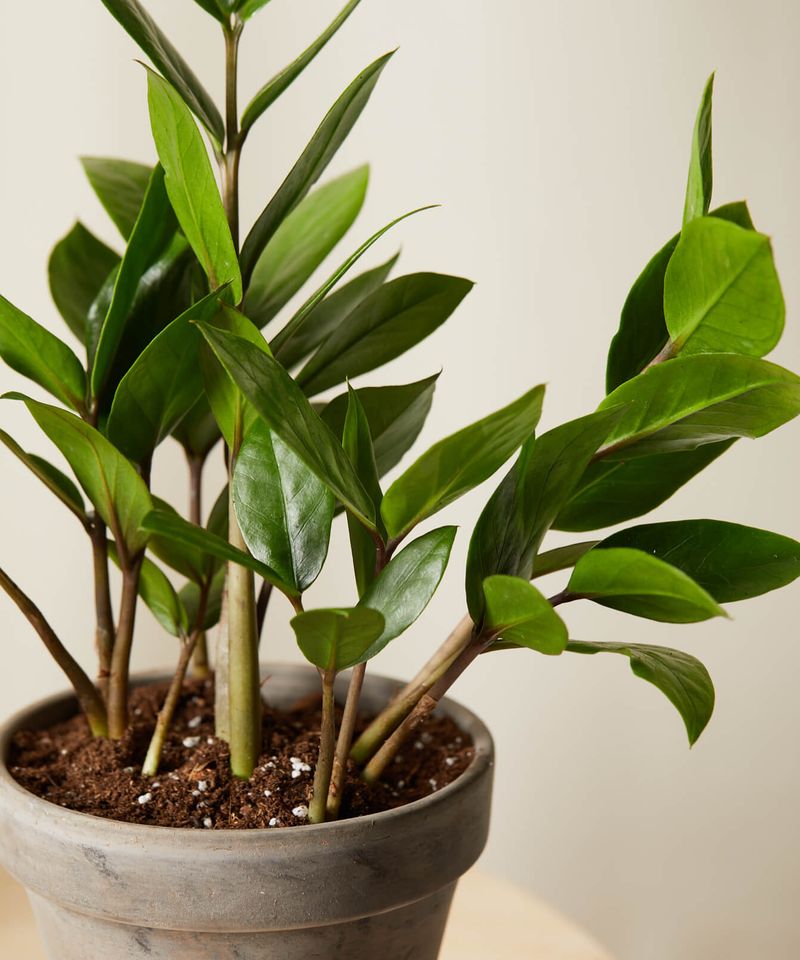
ZZ plants grow slowly and deliberately, putting their energy into developing strong, glossy foliage rather than racing toward the ceiling like some faster-growing houseplants.
This measured growth pattern means they require far less fertilizer than you might expect, and applying nutrients at the wrong time can actually harm rather than help your plant.
Colorado’s intense sunlight during spring and summer triggers the plant’s active growth period, when new shoots emerge from the rhizomes and existing stems produce fresh leaflets.
During these warmer months—typically from April through September in most Colorado locations, your ZZ plant benefits from diluted houseplant fertilizer applied every six to eight weeks.
Use a balanced liquid fertilizer mixed at half the strength recommended on the package, as ZZ plants are sensitive to fertilizer salts that can accumulate in soil and damage roots.
Too much fertilizer causes more problems than too little, leading to brown leaf tips and stunted growth.
Once autumn arrives and daylight hours shorten, your plant naturally slows its growth and enters a resting phase where it requires virtually no supplemental nutrients.
Fertilizing during fall and winter wastes product and can stress your plant, so suspend all feeding from October through March, allowing your ZZ to rest peacefully until spring warmth and longer days signal the start of a new growing season.
Keep Away From Drafts And Temperature Extremes
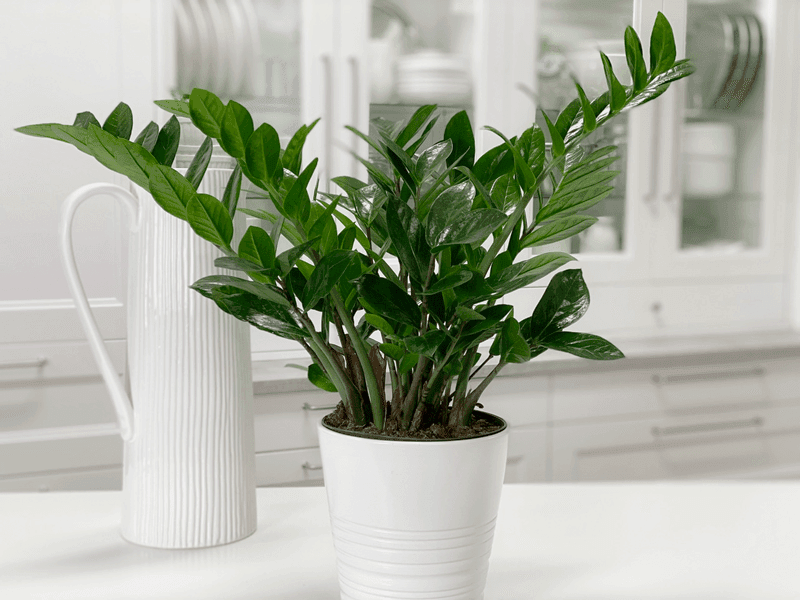
ZZ plants evolved in regions where temperatures remain relatively stable throughout the year, without the dramatic swings that characterize Colorado’s indoor environments during heating and cooling seasons.
These plants perform best when temperatures stay consistently between sixty-five and eighty-five degrees Fahrenheit, a range that feels comfortable to humans but can be challenging to maintain near windows, exterior doors, and heating vents.
Sudden temperature fluctuations stress the plant, causing leaves to yellow or drop and interrupting normal growth patterns.
Colorado winters bring particularly tricky situations, with forced-air heating systems creating blasts of hot, dry air near vents while windows radiate cold that can chill plants placed too close to the glass.
Even double-paned windows lose significant heat on frigid nights, and a plant touching cold glass can experience leaf damage within hours.
Similarly, positioning your ZZ plant directly above a heating vent subjects it to repeated cycles of hot blasts followed by cooler periods, creating stress that weakens the plant over time.
Find a stable location away from these temperature extremes—ideally in an interior area of the room where air circulation is gentle and temperatures remain steady.
If your only option is near a window, pull the plant back several inches from the glass and consider using insulating curtains at night during the coldest months to create a buffer zone that protects your plant from temperature extremes.
Clean Leaves Occasionally
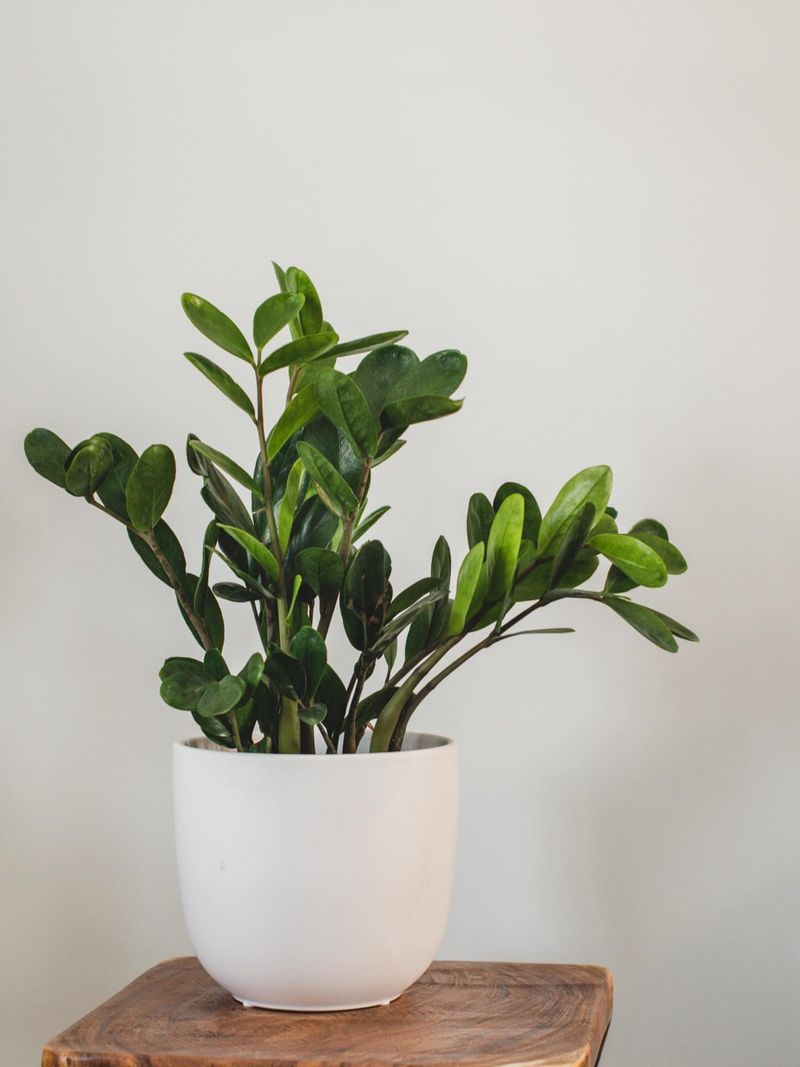
Dust accumulates surprisingly quickly on indoor plant leaves, especially in Colorado where dry conditions and frequent temperature changes keep dust particles airborne throughout our homes.
While a light coating of dust might seem purely cosmetic, it actually interferes with your ZZ plant’s ability to photosynthesize efficiently by blocking light from reaching the leaf surface.
Those gorgeous, glossy leaves that make ZZ plants so attractive lose their shine when dust builds up, diminishing the plant’s visual impact in your space.
Every four to six weeks, take a few minutes to gently wipe down your plant’s leaves using a soft, damp cloth or microfiber duster.
Work carefully, supporting each leaf from underneath with one hand while wiping the top surface with the other, moving from the base of the leaf toward the tip in smooth, gentle strokes.
This simple maintenance task not only improves photosynthesis but also gives you an opportunity to inspect your plant closely for any signs of pests or problems that might otherwise go unnoticed.
Avoid using commercial leaf shine products, which can clog the tiny pores on leaf surfaces and create more problems than they solve.
Plain water works perfectly well, and if your water is particularly hard, using distilled water prevents mineral deposits from leaving white spots on the foliage, keeping your plant looking its absolute best year-round.
Repot Only When Necessary
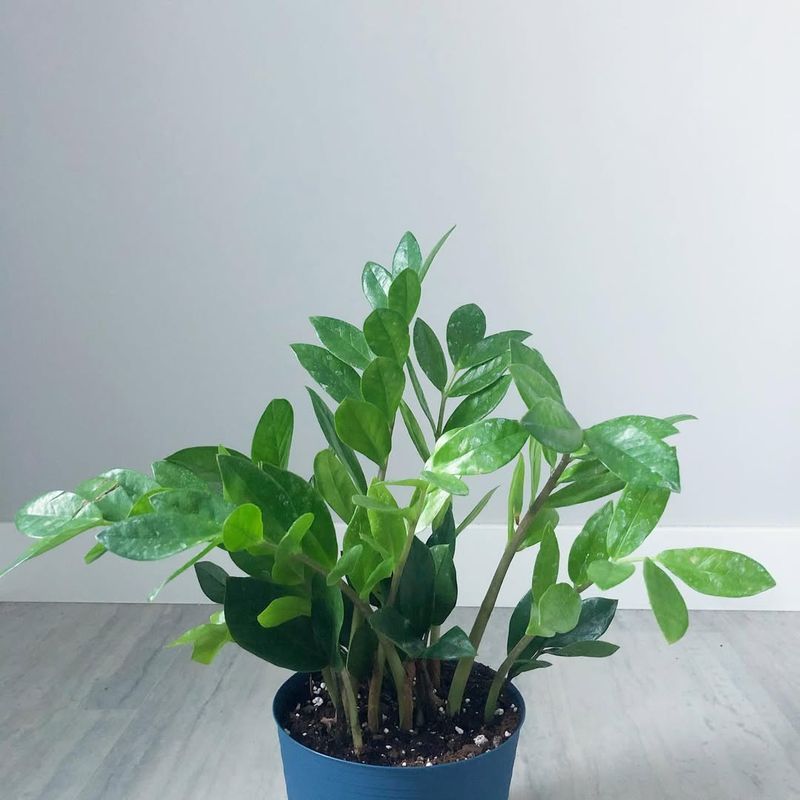
ZZ plants actually prefer feeling slightly cramped in their containers, with their rhizomes snugly tucked together rather than swimming in excess soil.
This preference for being somewhat root-bound means you will repot your ZZ plant far less frequently than many other houseplants, typically only once every two to three years, or when you notice rhizomes pushing up above the soil surface or roots growing out of drainage holes.
Repotting too frequently stresses the plant unnecessarily and can lead to overwatering problems because excess soil retains more moisture than the plant can use.
When repotting time does arrive, choose a container only one to two inches larger in diameter than the current pot, resisting the temptation to give your plant much more room to grow.
Spring represents the ideal time for this task, when the plant is entering its active growth phase and can quickly establish itself in fresh soil.
Use the same well-draining cactus or succulent mix discussed earlier, and handle the thick rhizomes gently to avoid damaging them during the transition.
After repotting, wait at least a week before watering to allow any minor root damage to heal, then resume your normal watering schedule.
Your ZZ plant may pause its growth briefly while adjusting to its new home, but within a few weeks it will settle in and continue producing those stunning, architectural stems that make it such a beloved addition to Colorado indoor gardens.