10 Genius Ways To Use Fallen Pinecones In Your Ohio Garden
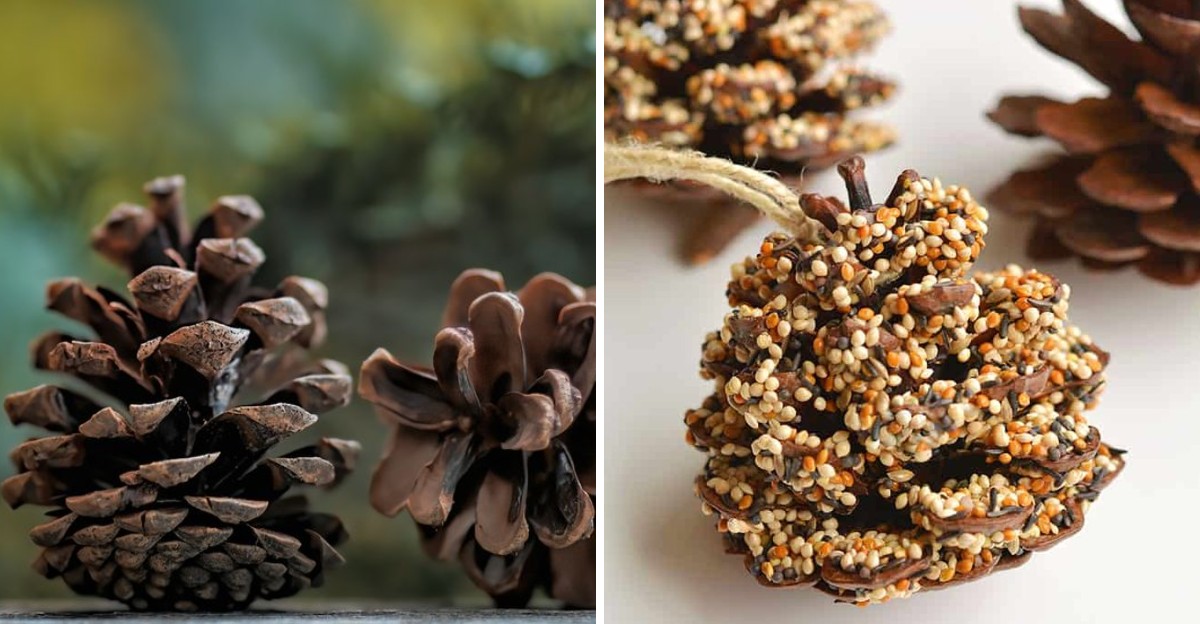
Those scaly brown treasures under your pine trees actually open and close with the weather, almost like tiny weather stations. Dry air pulls their scales apart, while damp days squeeze them shut to protect the seeds hiding inside.
Ohio has four native pines, including eastern white pine, pitch pine, shortleaf pine, and Virginia pine. Each autumn those trees, plus planted Austrian and Scotch pines, drop a fresh crop across yards and sidewalks.
I have to admit that I used to rake them into bags and haul them to the curb. You might notice the same habit in your own yard, and honestly, I understand the urge to tidy up.
Those free brown cones can work harder in an Ohio garden than many products sold at the store. Why keep paying for supplies when your pine tree keeps handing out gifts every single fall?
1. Shredded Pinecone Mulch Around Garden Beds
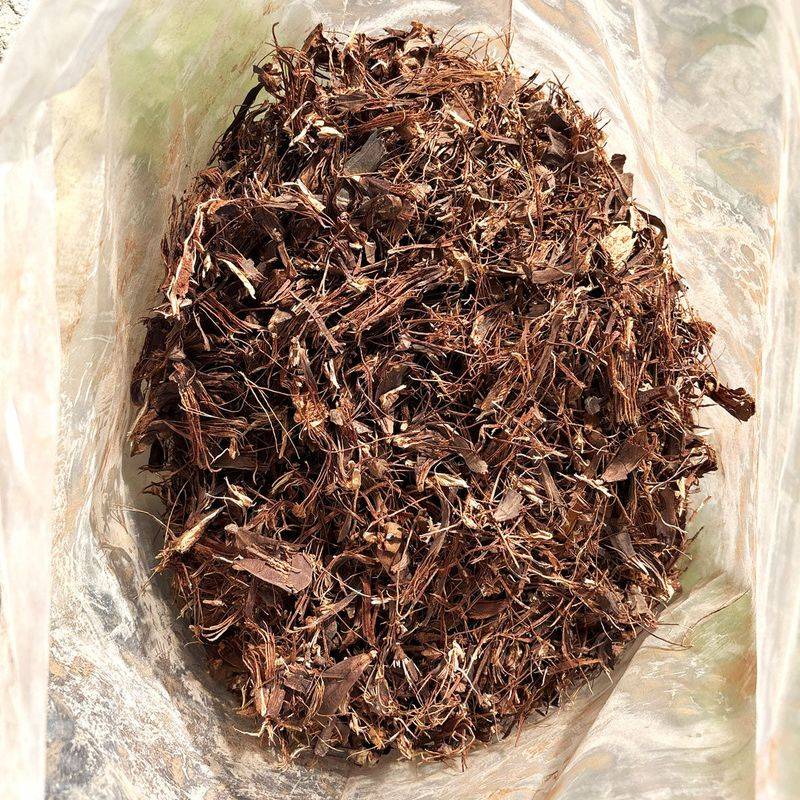
Run a lawnmower over a pile of dry pinecones, and you will hear a crunchy sound like stomping on cereal. The leftover chunks make a rustic mulch that smells faintly of pine sap and fresh forest air.
I love how this free mulch helps garden soil hold onto moisture during those hot, dry summer stretches. A two to three inch layer also blocks sunlight from reaching many weed seeds waiting below the surface.
Winter brings another perk, because mulch acts like a blanket that softens sudden temperature swings in the soil. That matters in Ohio, where freezing and thawing can push shallow roots of perennials right out of the ground.
Whole cones work too, but they break down slowly and may roll around on sloped beds after heavy rain. Shredding them first creates smaller pieces that settle in place and add organic matter back to the soil faster.
Keep the mulch a few inches away from tree trunks and plant stems to prevent rot and pest hiding spots. Piling mulch against bark creates the damp conditions that many fungal problems love, so leave a little breathing room.
Personally, I mix shredded cones with fallen leaves for a blend that looks tidy and stays put better. The leaves fill gaps between the chunks, while the cones keep the leaves from matting into a soggy layer.
Late fall is a smart time to spread it, since the ground has cooled and perennials are heading toward dormancy. Your beds will look finished for winter, and you will not spend a single dollar at the garden center.
2. Pinecones Lining The Bottom Of Big Flower Pots
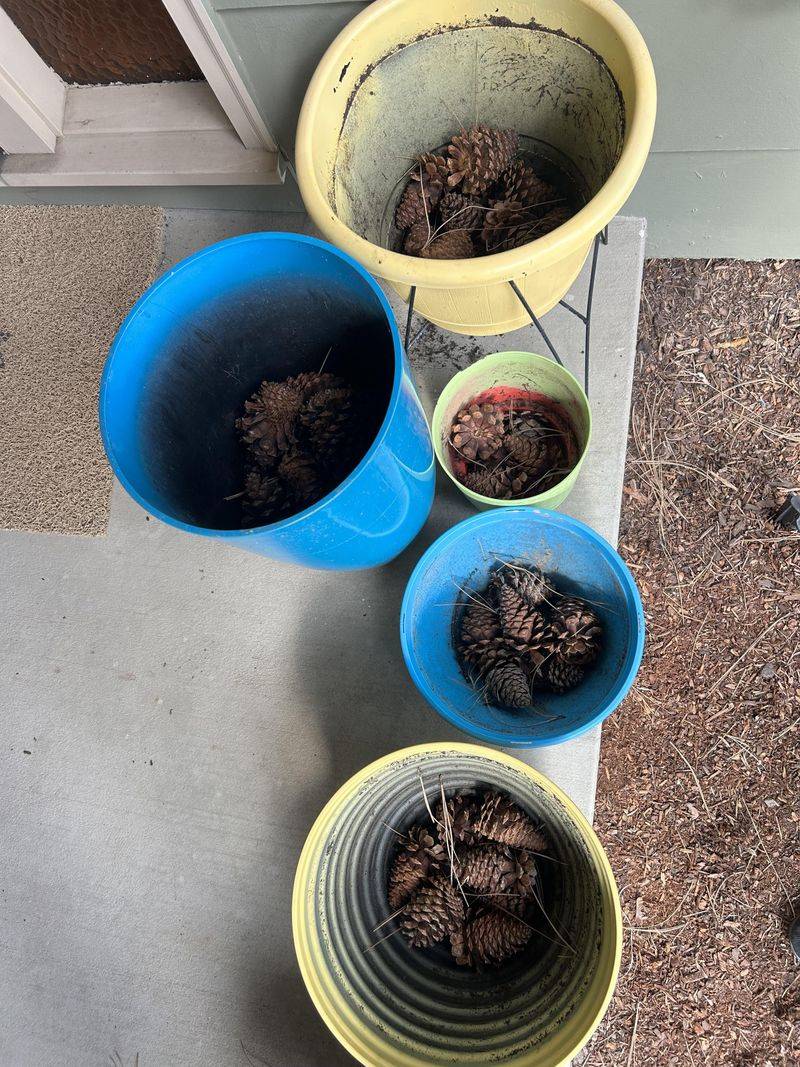
Anyone who has tried to lift a giant ceramic planter full of wet soil knows how fast your back complains. A layer of pinecones in the bottom half can make that same pot noticeably lighter and easier to move.
Large cones take up space that would otherwise need bags of potting mix, which saves money on every container. Most annual flowers and herbs only need roughly the top twelve inches of soil for healthy root growth anyway.
Extension experts point out that layers of coarse material below soil do not improve drainage the way many people believe. Water actually lingers in the soil above until it is saturated, so a good drainage hole matters most.
I believe the real win here is weight and cost, not some magic fix for soggy roots. Pair the cones with a quality potting mix and a pot with open holes, and drainage takes care of itself.
Pick big, sturdy cones such as white pine or Austrian pine, which hold their shape for a season or two. Slip a piece of landscape fabric or old window screen over them so soil does not trickle down between scales.
Each spring when you replant, check the cones and swap out any that feel mushy or have crumbled apart. Old cones can go straight into the compost bin, so nothing goes to waste in the process.
You might notice your oversized planters become much easier to shift when frost threatens or guests arrive for dinner. Your lower back and your wallet will both thank you by the end of the season.
3. Prickly Pinecone Borders That Keep Cats Out Of Beds
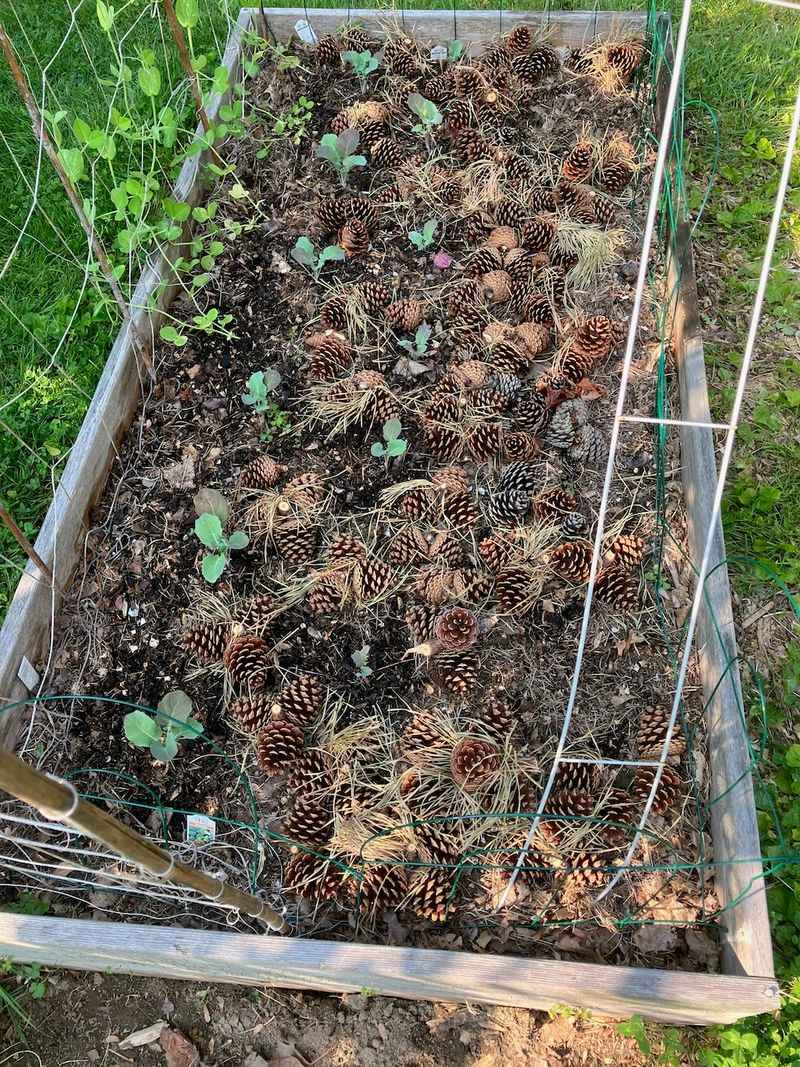
Neighborhood cats seem to believe freshly turned garden soil is a luxury litter box set up just for them. Scattering pinecones across bare soil gives those curious paws an uncomfortable surface that feels far less inviting.
Cats prefer soft, loose ground for digging, so a bumpy layer of cones often sends them looking elsewhere. It is a gentle method that skips sprays and keeps your garden friendly for birds and pollinators too.
Some gardeners also report that slugs and snails dislike crawling over rough, scratchy surfaces around tender seedlings. Research on this is limited, so treat cones as one helpful layer rather than a guaranteed slug solution.
Slugs thrive in shady, damp spots, which describes plenty of Ohio backyards during a rainy spring. Combining cones with hand picking at night and watering in the morning tends to bring better results overall.
Place cones snugly around seedlings, leaving small gaps so you can still water and check plants easily. Spiky cones from pitch pine or shortleaf pine work especially well because their scales carry tiny prickles.
I find this trick oddly satisfying when a curious cat sniffs the bed and simply strolls away. Results vary by animal, so a determined digger might still need chicken wire laid flat under the soil surface.
Refresh the layer after big storms, since heavy rain can wash cones into clumps or push them aside. A quick rearrange takes only minutes and keeps your newly planted rows looking tidy and protected.
4. Crushed Pinecones Feeding A Backyard Compost Pile
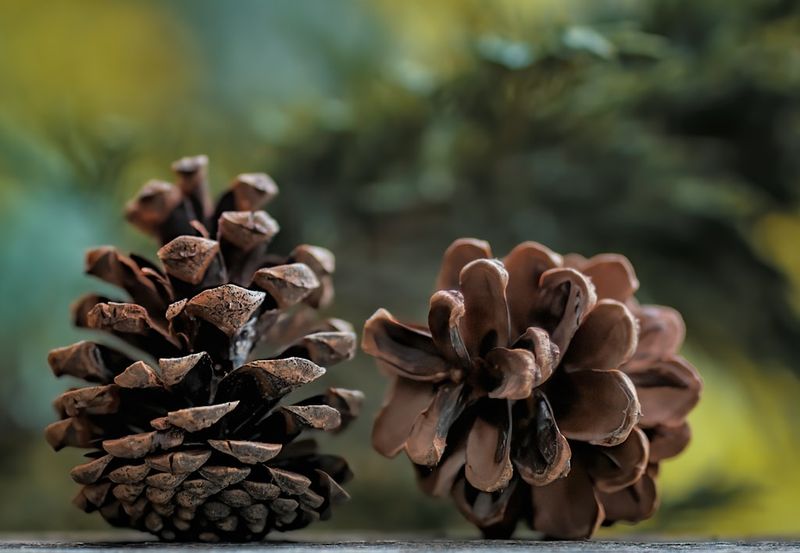
Toss a whole pinecone into compost, and you might find it sitting there looking almost unchanged a year later. Those tough, woody scales are packed with carbon and resin, which slows down the microbes doing all the work.
Crushing them first changes the story, because smaller pieces give bacteria and fungi far more surface to munch on. Run them over with a mower, or tap them with a hammer inside an old feed sack.
In composting terms, pinecones count as a brown material, much like dried leaves or shredded cardboard. Balance them with green materials such as grass clippings and vegetable scraps to keep the pile actively heating.
What surprises me most is how well chunky cone pieces open up air pockets in a soggy, compacted pile. Better airflow helps reduce those sour smells that show up when compost gets too wet and heavy.
Many people worry that pine material will make their garden soil acidic, but finished compost tends to be near neutral. The decomposition process buffers most of that acidity, so your vegetables and flowers should be perfectly fine.
Turn the pile every couple of weeks to mix the cone bits with wetter ingredients and speed things along. Pieces that still look chunky at the end can simply go back into the next batch for another round.
Fall is a great time to stockpile cones, since leaves and garden cleanup scraps are piling up anyway. By late spring, you could have dark, crumbly compost ready to spread over your vegetable beds.
5. Rustic Pinecone Edging Along A Garden Path
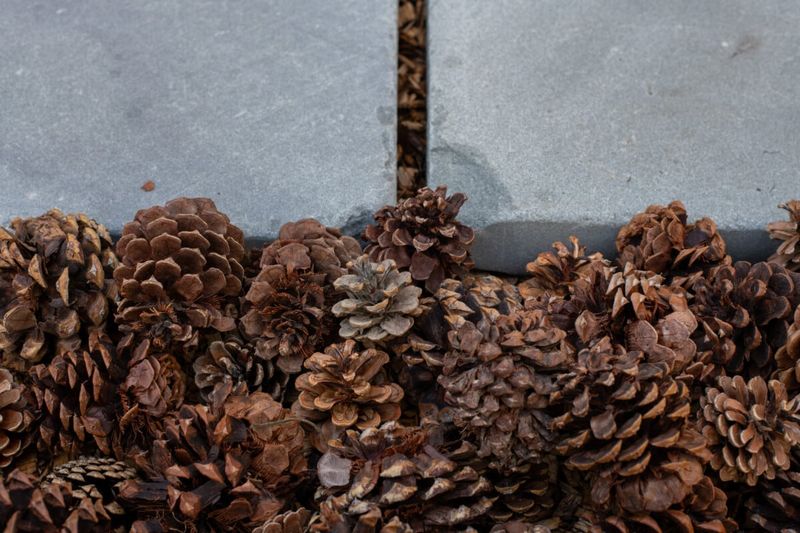
Nothing says woodland cottage quite like a winding path trimmed with rows of brown pinecones on each side. The look feels like a storybook trail, and it costs nothing more than a few afternoons of gathering.
Line the edge of a flower bed with cones packed tightly together, pointed ends facing up for a neat finish. Mixing big white pine cones with smaller Virginia pine cones adds pleasant variety in size and texture.
On muddy shortcuts through the yard, a thick layer of cones can give your boots something firmer to step on. They will not replace gravel on a busy walkway, but they work nicely on lightly used side trails.
Many crafters bake cones at about 200 degrees Fahrenheit for roughly thirty minutes to melt sap and evict hitchhiking bugs. Stay close to the oven during this step, because dried sap can be flammable at higher temperatures.
Baking is mostly useful for cones you plan to handle often or bring near a porch or patio. For edging out in the beds, fresh cones straight from the lawn usually work perfectly well without any treatment.
I like how the cones fade from rich chestnut to a soft gray after a season of sun and rain. That weathered color blends beautifully with stepping stones and native plants, giving the garden a settled feel.
Expect to top off the edging every year, since cones slowly break apart or get scattered by squirrels. Luckily, your pine trees will hand over a fresh supply right around the time you need it.
6. Pinecone Bundles As Winter Shelter For Ladybugs
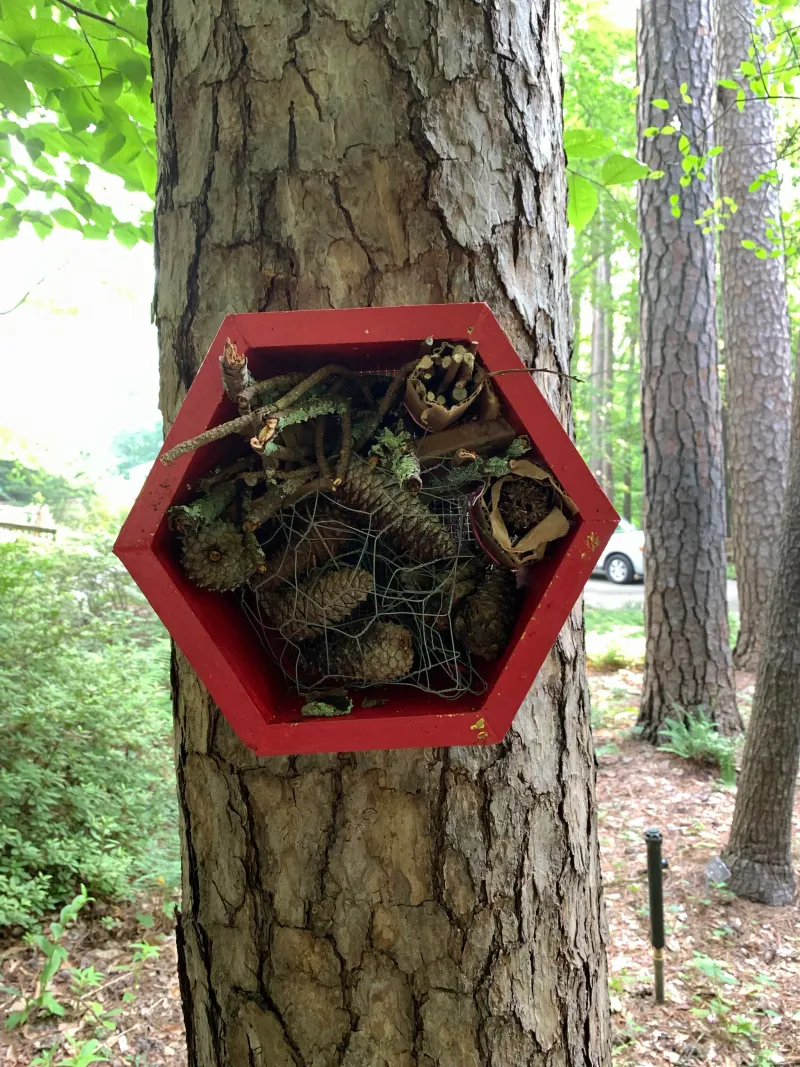
Lady beetles spend winter tucked into sheltered nooks, waiting out the cold in a sleepy state called diapause. A bundle of pinecones offers dozens of tiny gaps between scales that feel like a cozy row of apartments.
Gather cones into a mesh produce bag or tie them together with garden twine to form a compact cluster. Hang the bundle under a shrub or tuck it against a fence where wind and rain cannot reach it easily.
Native lady beetles, such as the convergent lady beetle, gobble up aphids and other soft-bodied pests in spring. Spiders and other small predators may also move in, and they help keep pest numbers in check too.
Fair warning, the multicolored Asian lady beetle might also check in, especially near homes during fall. That species is not native, yet it still eats aphids outdoors, so it is not all bad news.
Personally, I prefer leaving a few garden areas a bit messy, with standing stems and leaf litter nearby. Those spots, combined with your pinecone bundle, give overwintering insects more than one place to hunker down safely.
Place the shelter by late fall, before temperatures in Ohio drop hard and insects settle in for winter. Avoid moving or shaking the bundle once cold weather arrives, since sleeping insects need to stay undisturbed.
Come spring, you might spot tiny red beetles crawling out and heading straight for your rosebuds and tomato plants. Watching that first wave of natural pest control wake up makes the little project feel wonderfully worthwhile.
7. Peanut Butter Pinecone Feeders For Backyard Birds
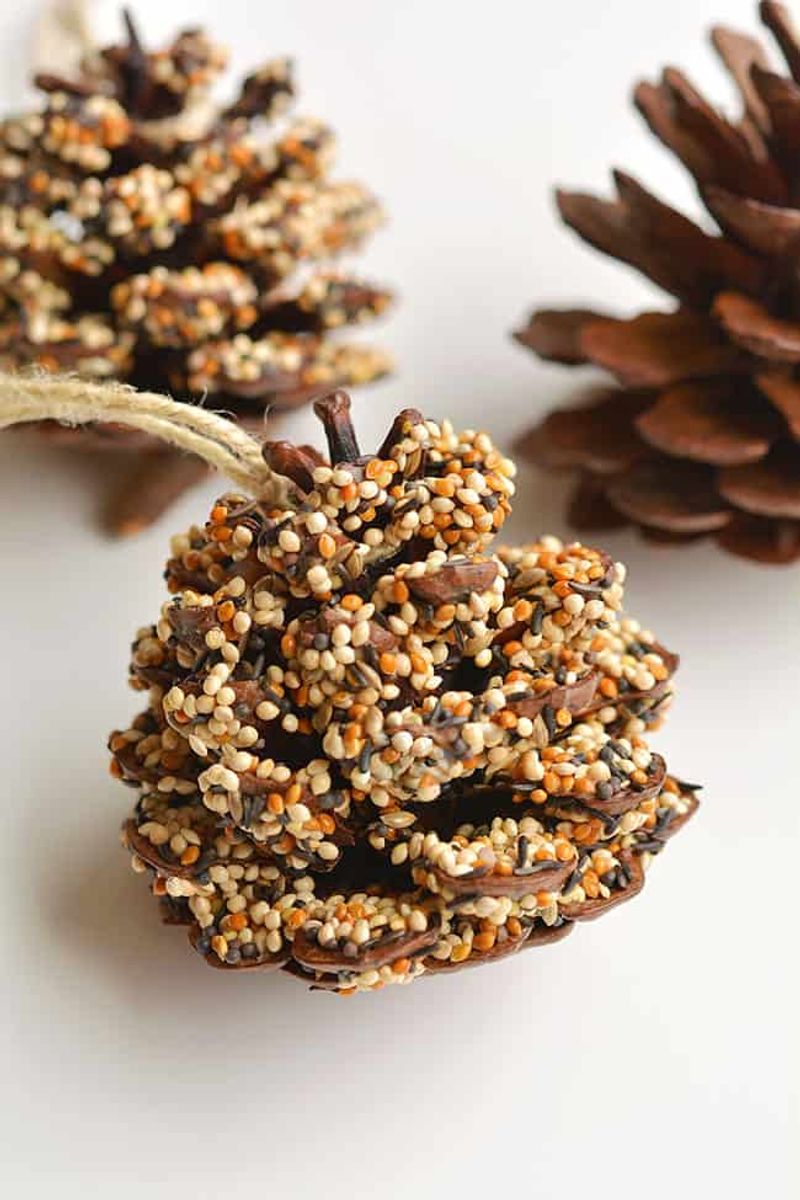
Chickadees often find a fresh pinecone feeder surprisingly fast, flitting in to grab seeds before you get back inside. It is one of the simplest projects around, and the payoff is a front-row seat to busy wings.
Start by tying a sturdy string or wire around the top scales of a large, open pinecone. Spread peanut butter or softened suet over the cone, pressing it deep between the scales with a butter knife.
Roll the sticky cone in a tray of birdseed, such as black oil sunflower seeds or a mixed blend. Hang it from a branch about five feet up, ideally near shrubs where birds can dart for cover quickly.
Kids tend to adore this activity, and it makes a fun afternoon project when it is too chilly for planting. If anyone in your home has a peanut allergy, swap in vegetable shortening or suet instead.
Many birds that visit, including chickadees and nuthatches, also eat caterpillars and insects during the growing season. Feeding them in colder months keeps them hanging around your yard, where they help with pest control later.
Ohio winters can be long, and high-fat foods give small birds valuable energy during frosty nights. I love how a single feeder can turn a gray January morning into a lively show outside the window.
Avoid using pure peanut butter in very hot weather, since it can turn rancid or melt into a mess. Clean up dropped seed and old cones regularly so the feeding area stays healthy for every visiting bird.
8. Scented Pinecones Brightening A Porch Garden
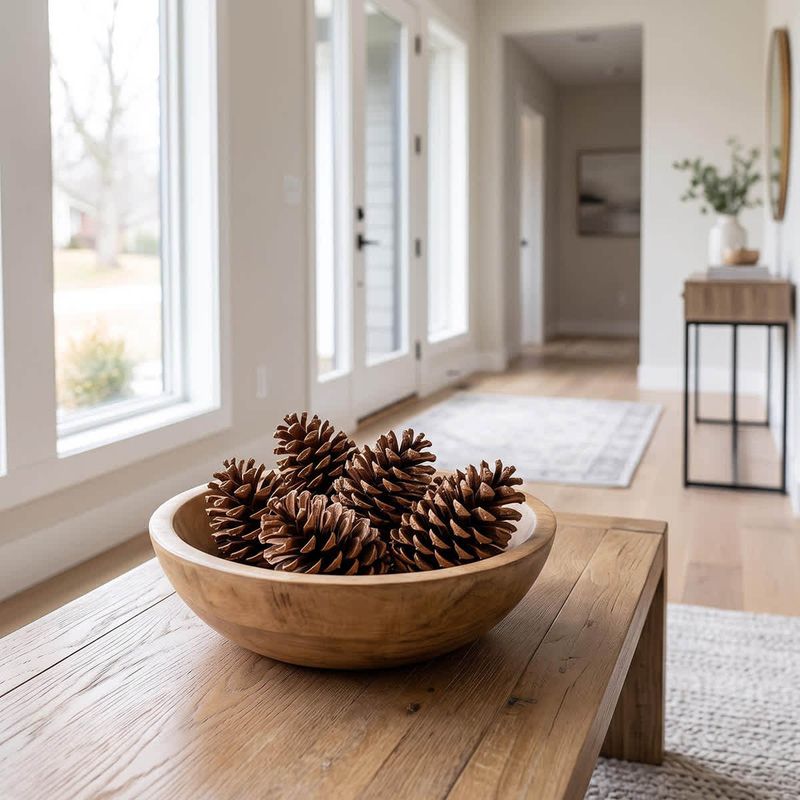
A bowl of spiced pinecones near the back door can make the whole porch smell like a cozy holiday shop. Making them yourself costs far less than the bagged versions sold at craft stores every fall.
Start by rinsing cones in water to remove dirt, then let them dry fully on an old towel. Baking at about 200 degrees Fahrenheit opens the scales and dries out leftover sap, but stay nearby while they heat.
Once the cones cool, place them in a sealable bag with several drops of essential oil like cinnamon or orange. Let them sit for a week or two, shaking the bag now and then to spread the scent evenly.
Some people claim that oils such as lavender or eucalyptus repel insects, though the effect from a pinecone is modest. I enjoy them for fragrance and beauty, not as a serious pest control tool for the garden.
Keep scented cones away from pets, since many essential oils can irritate cats and dogs if they chew them. Placing them in a hanging basket or high windowsill planter keeps curious noses safely out of reach.
Arrange them in a weathered wooden crate next to potted evergreens or winter berries for an instant seasonal display. A few cones nestled among ornamental grasses also catch sparkling frost beautifully on those cold early mornings.
Outdoor rain will fade the fragrance over time, so refresh the cones with a few new drops when needed. Covered porches help the scent last much longer than open beds exposed to every passing storm.
9. Pinecones Filling The Bottom Of A Raised Bed
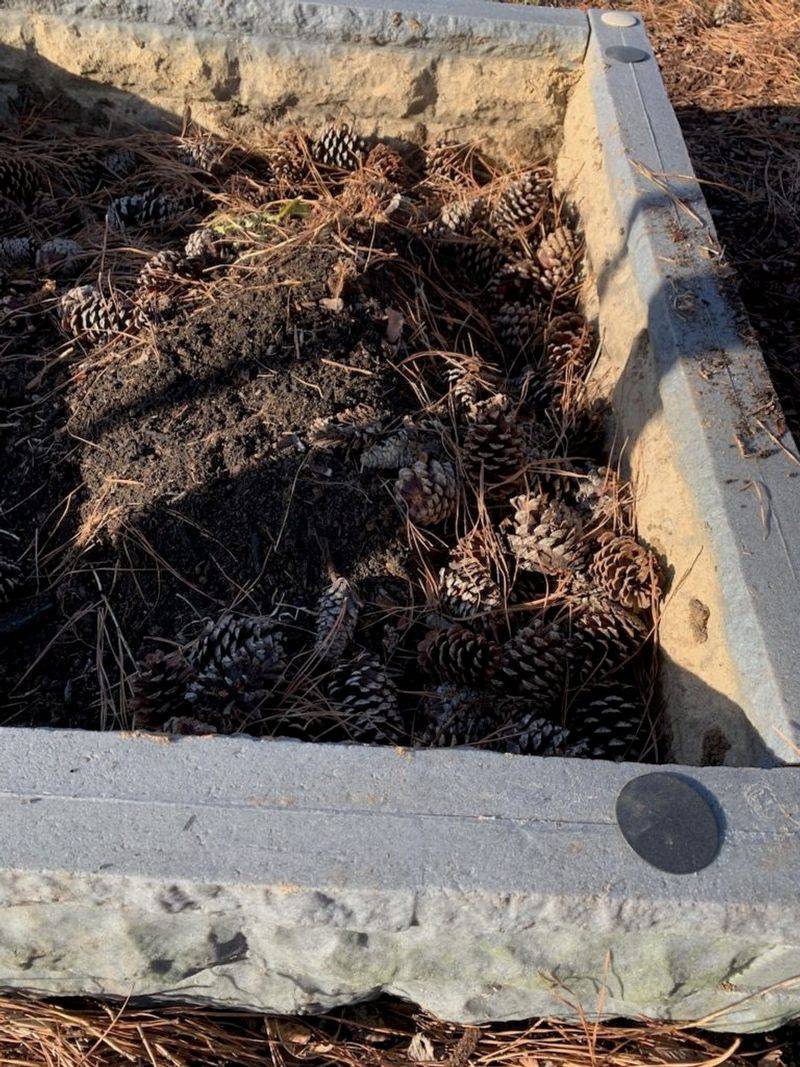
Filling a tall raised bed with purchased soil can cost a surprising amount, especially when the walls are knee-high. A layer of pinecones at the bottom cuts down how much soil you need while putting yard waste to work.
Some gardeners borrow this idea from hugelkultur, a German-style method that buries woody material beneath growing soil. As the woody pieces slowly break down, they feed soil life and add organic matter over several years.
Keep the cone layer near the base and leave at least twelve inches of good soil on top for roots. Deep-rooted crops like tomatoes and squash may want even more room, so measure carefully before adding filler.
Expect some settling as the cones decay, which means topping off the bed with compost each spring. That small yearly chore is a fair trade for spending far less on bulk soil during the first season.
Woody materials can temporarily tie up nitrogen as they decompose, especially when mixed directly into the root zone. Keeping the cones in a separate bottom layer and feeding plants with compost helps avoid hungry, pale leaves.
Acidity worries come up often, but pinecones break down slowly and have little effect on overall soil pH. A simple soil test through your county extension office will tell you exactly where things stand.
I can’t imagine filling a new bed without raiding the pile of cones sitting under my backyard white pine. It feels clever to turn something you raked up last fall into the foundation of next summer’s harvest.
10. Pinecone Plant Markers For Herb And Veggie Rows

Plastic plant tags have a funny habit of fading in the sun until you cannot tell basil from oregano. Pinecone markers solve that problem with a little charm, and they look adorable poking up between leafy rows.
Choose large, firm cones, then drill a small hole into the flat base where it once met the branch. Insert a wooden skewer or thin dowel with a dab of waterproof glue to hold it steady.
Write plant names on small cards, laminate them or cover them with clear tape, and tuck them into the scales. Painted wooden tags or smooth flat stones glued to the top also work and hold up well in rain.
You’re in for a big surprise at how much kids enjoy designing these markers with paint pens and stickers. Letting them label the bean patch or the pumpkin hill gives them a sense of ownership over the garden.
Push the skewer deep enough that the marker stays upright through gusty winds and the occasional nosy squirrel. A dab of clear outdoor sealant on the cone itself can help it hold its shape a little longer.
Spring planting in Ohio usually follows the last frost in late April or May, depending on your location. Making markers during quiet winter weeks means you will be ready the moment seed packets come out.
Personally, I think these little markers make the garden feel more personal and playful than store-bought labels ever could. Swap them out each year as cones weather, and your garden will keep telling everyone exactly what grows where.