What To Do With Potted Bird Of Paradise Before Ohio Nights Get Cold
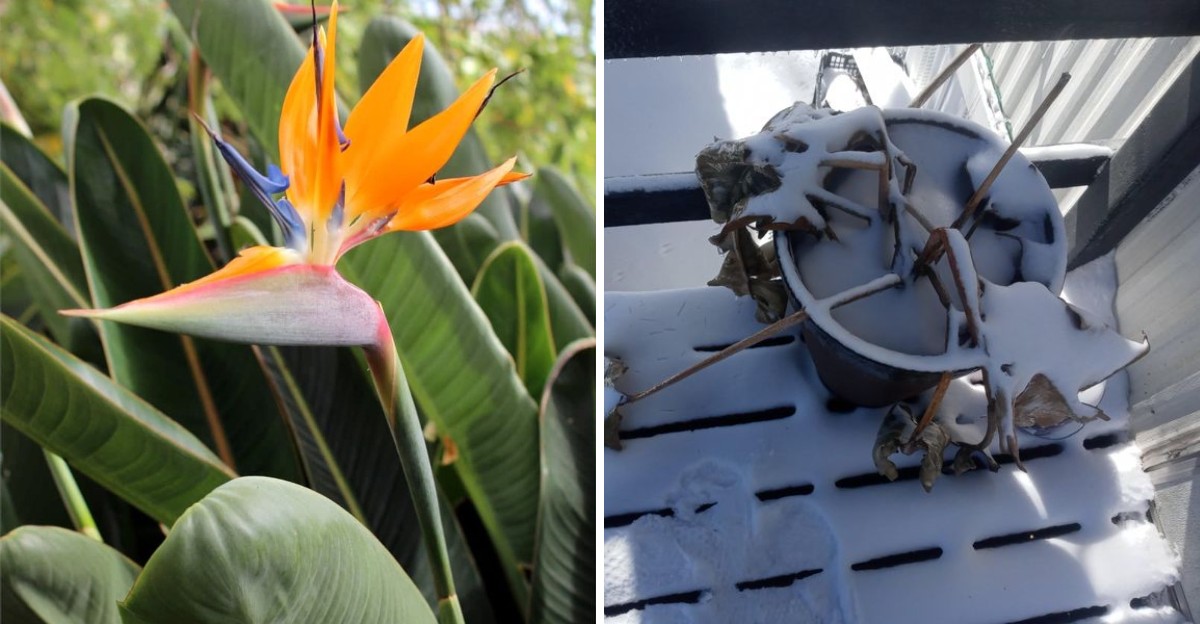
Leave that bird of paradise outside one night too many, and Ohio’s fall temperatures could undo an entire summer of growth.
This plant reads as tropical for a reason. It tolerates almost nothing once nighttime temperatures start dipping into a certain range, and Ohio doesn’t give you much warning before that threshold arrives.
A single rough night can set a healthy plant back further than you’d expect, even if daytime hours still feel mild.
Timing your move indoors matters as much as the move itself. Bring it in too abruptly and you risk shocking a plant that’s spent months adjusting to outdoor light and airflow.
Watch your overnight forecast closely this week. One missed night could cost you a plant that took all season to look this good.
1. Bird Of Paradise Cannot Handle An Ohio Winter
Strelitzia reginae and its bigger cousin Strelitzia nicolai grew up in South Africa, where winter means mild and breezy, not icy and gray. Ohio winters are a different story entirely.
These tropical beauties have no frost tolerance built into them. Once temperatures start approaching 50 degrees Fahrenheit, growth can slow and the leaves may begin showing signs of stress.
The comfort zone sits between 65 and 85 degrees Fahrenheit, which is basically the same range most people set their thermostat to. That overlap is good news for you, because your living room is already close to ideal.
Timing matters across the state. Most of Ohio sees its first frost somewhere between October 1 and October 15, while southern counties often stretch that window to late October.
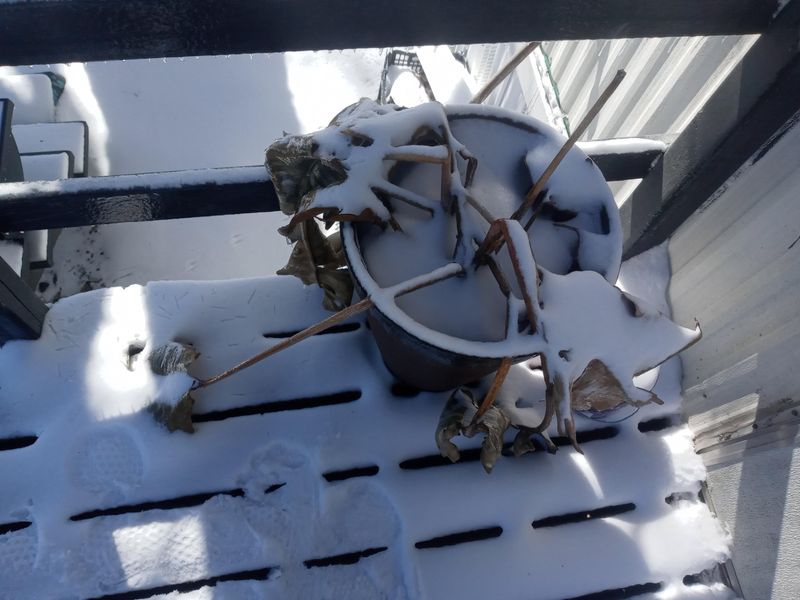
A single frosty night can leave behind mushy brown patches that will not heal. Damaged tissue stays damaged, so prevention beats repair every time.
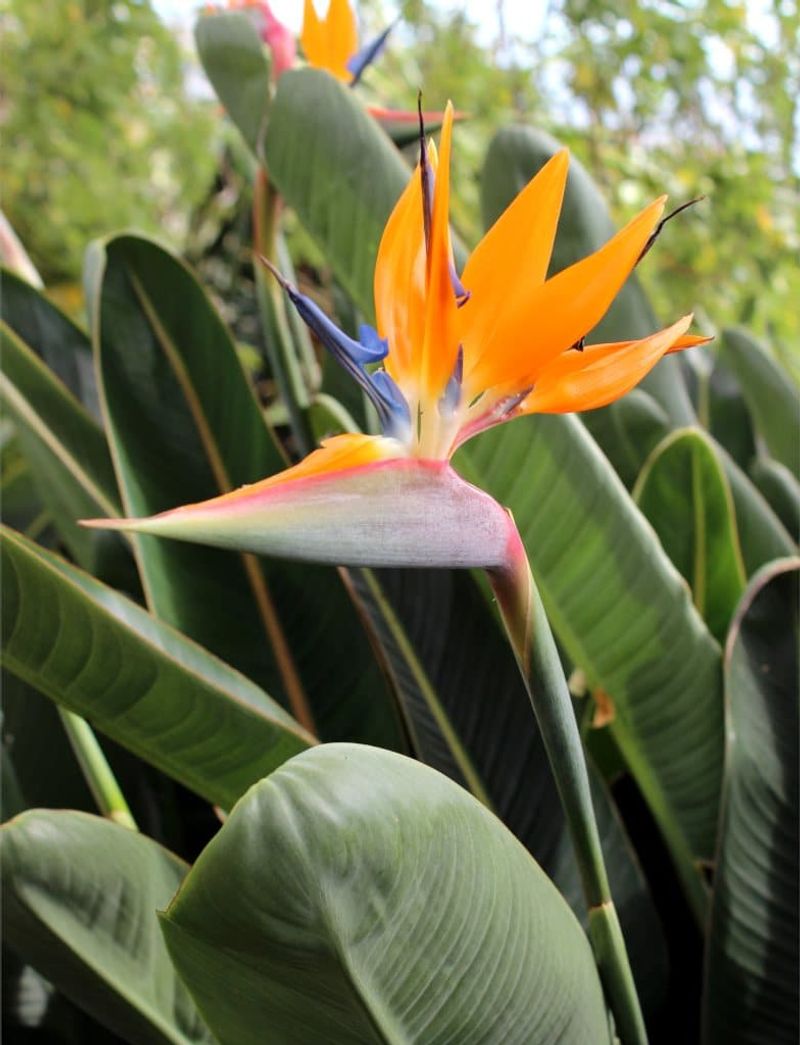
Fun bit of trivia: the plant earned its common name because the orange and blue bloom looks like a crane in flight. That flower takes years of steady care to appear, which is one more reason to protect the plant you already have rather than gambling on a chilly night.
2. The Indoor Move Starts Before The First Cold Snap
Waiting for the weather app to flash a frost warning is cutting it too close. By then your plant has already sat through several chilly nights that quietly drained its energy.
A better rule: watch the overnight lows. Once nighttime temperatures are regularly falling into the 50s, it is a good time to plan the move indoors.
For most Ohio gardeners, that lands somewhere in early to mid October. Mark it on the calendar in September so the task does not sneak past you during a busy weekend.
Repeated cool nights do more than pause growth. They stress the root system, and a stressed plant handles the shock of a new indoor spot much worse than a healthy one.
Before you lift, check the pot weight and grab a helper or a plant dolly. Mature Bird of Paradise containers get surprisingly heavy, and dropping one can crack both the pot and your mood.
Your Ohio Garden Changes Every Week. Your Plan Should Too.
Gardening in Ohio changes quickly throughout the season. Every Friday you’ll receive a simple weekly plan showing exactly what to plant, prune, fertilize, harvest, and protect so you never miss the right timing.
Give yourself a dry afternoon for the job rather than scrambling during a rainstorm. Wipe the pot bottom, sweep off spiderwebs, and clear the indoor landing spot ahead of time.
Moving early also gives the plant weeks of decent daylight to settle in before the sun gets stingy in November.
3. Summer Pests Often Hitch A Ride Indoors
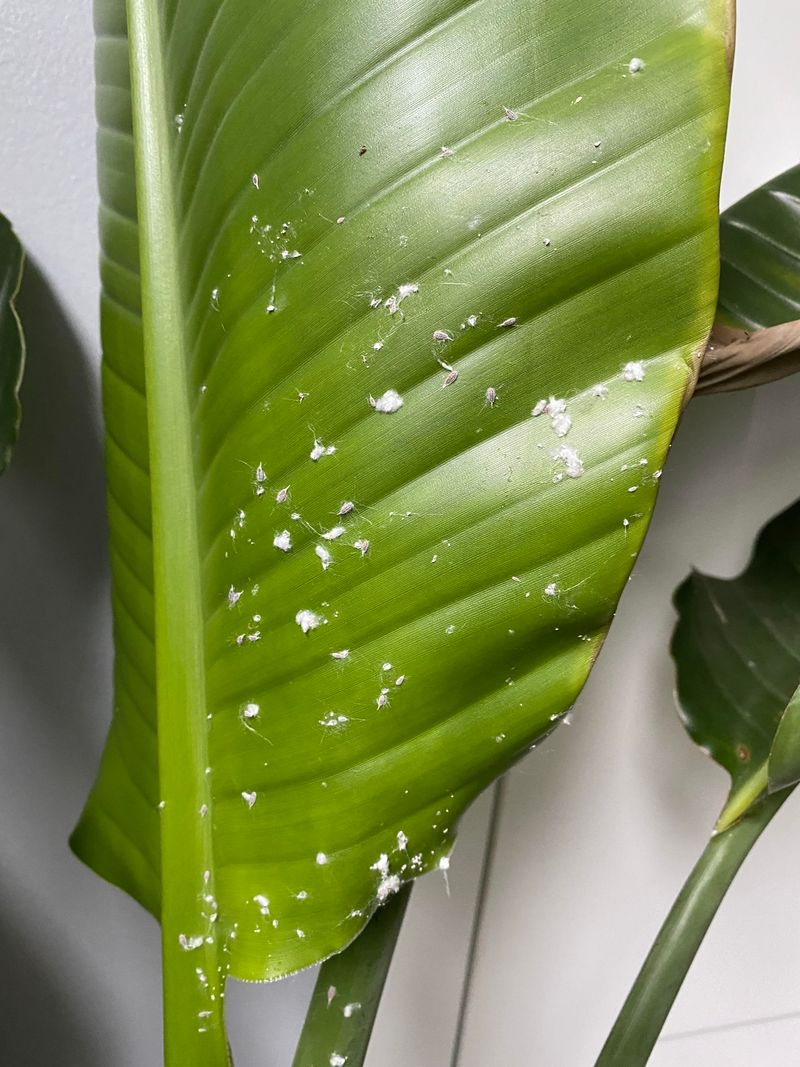
Here is the part most people skip, and it is the one that causes January headaches. Outdoor plants pick up passengers all summer long.
Mealybugs, scale, and spider mites love to tuck themselves into the spot where the leaf stalk meets the main stem. Those tight crevices stay shaded and humid, which is exactly what they want.
Give every leaf a full inspection, top and bottom, before the pot crosses the threshold. A flashlight helps you spot cottony fluff, sticky residue, or fine webbing that blends into the green.
Rinse the leaves and petioles with a steady spray from the hose. Check the soil surface too, since snails, pill bugs, and small insects often burrow just under the top layer.
Snip off aging, torn, or yellowed leaves while you are at it. Fewer tired leaves means fewer hiding spots and a tidier look indoors.
If the pot sat through heavy rain, let the soil dry out a bit before the move. Soggy soil invites fungus gnats and root trouble once airflow drops indoors.
For light infestations like aphids, insecticidal soap handles the job without drama. Treat outside, wait a few days, then inspect again before bringing the plant in.
4. A Sunny Window Matters More Than A Warm Room
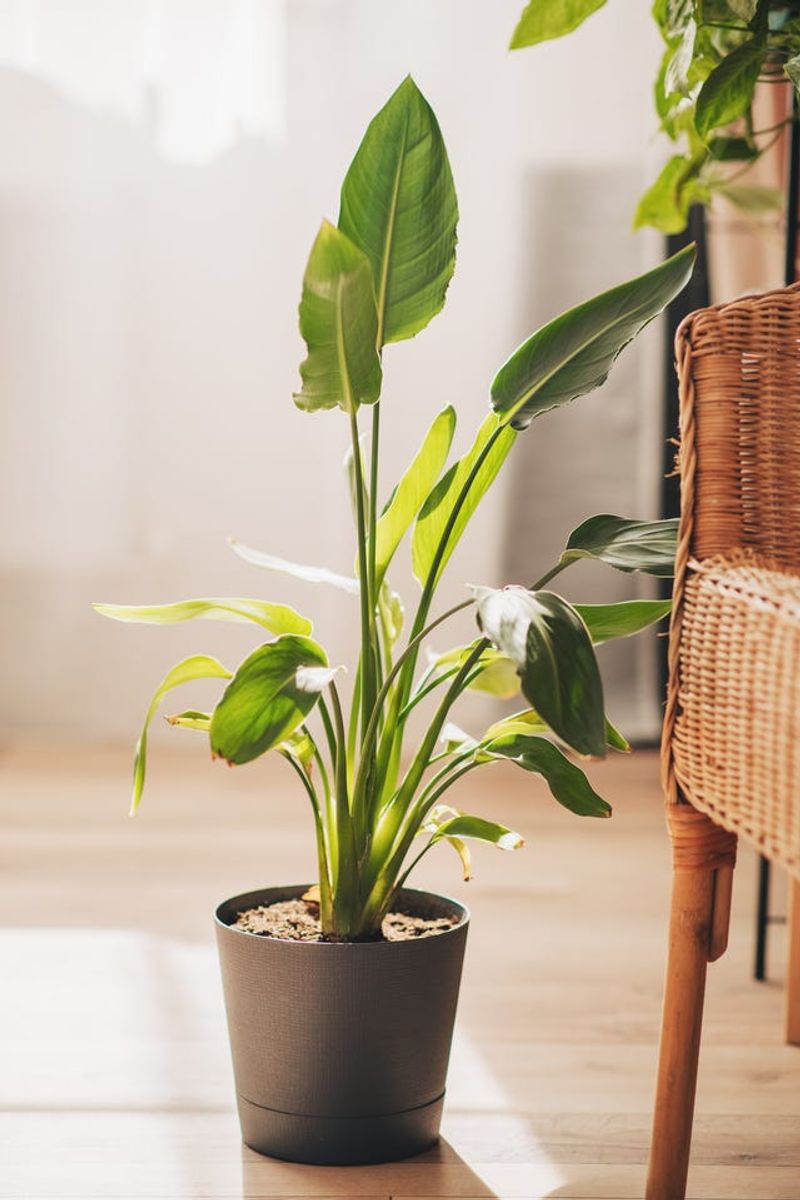
Plenty of folks tuck their tropicals in a toasty back bedroom and wonder why things go sideways. Warmth alone will not carry this plant through winter.
Light is the real currency. Bird of Paradise wants bright conditions with some direct sun, even during the slow months when growth crawls.
South-facing and west-facing windows are the gold standard in an Ohio home. East-facing glass can work nicely too, especially when the morning light comes through unfiltered.
Stuck with only north-facing windows? A simple full-spectrum grow light on a timer closes the gap and keeps leaves from stretching and thinning.
Signs of light hunger show up gradually. Growth slows to a standstill, new leaves come in smaller than the old ones, foliage pales toward yellow, and blooms stay off the table.
There is a flip side worth knowing. Intense midday summer sun can scorch leaves if the plant has not been eased into it, so the sun rules shift between seasons.
Rotate the pot a quarter turn every few weeks so all sides catch their share. Otherwise the plant leans hard toward the glass and develops a lopsided shape that is tough to correct later.
5. Expect Slower Growth Once The Plant Comes Inside
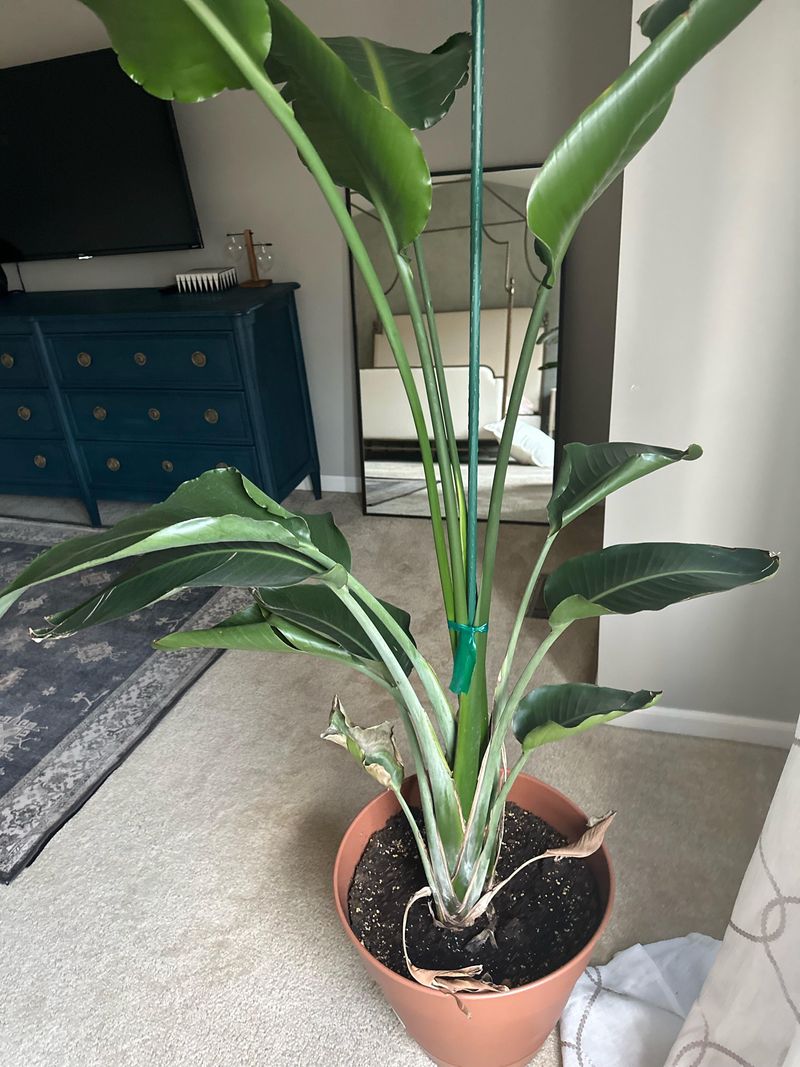
Do not panic when your fast-growing summer superstar turns into a couch potato. Slowing down is the plan, not a problem.
Shorter days and weaker light tell the plant to shift into a resting mode. Photosynthesis drops off, so the plant conserves energy instead of pushing out big new leaves.
New spears may unfurl smaller than the ones from July. Some winters bring only one or two new leaves total, and that is a normal result of reduced daylight indoors.
Resist the urge to fix it with fertilizer. Feeding a resting plant just loads the soil with salts that the roots cannot use, which can burn tender root tips.
Keep expectations realistic and your care simple. Steady light, careful watering, and stable temperatures are the whole job during these months.
Think of it like a bear settling in for a long nap. Energy gets stored rather than spent, and the payoff arrives later.
Come March and April, when daylight stretches back out, growth picks up noticeably. Plants that rested well over winter often push out several strong leaves in a single spring, which makes the quiet season feel worth the patience.
6. Yellow Leaves Can Follow The Change In Conditions
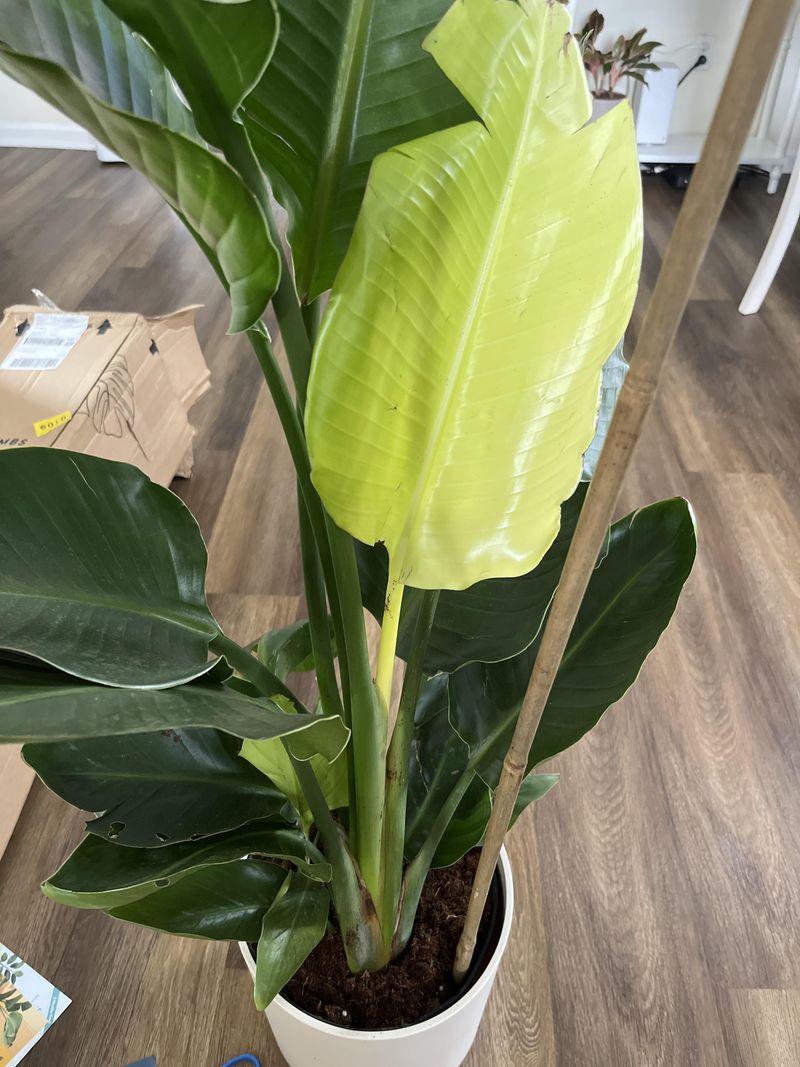
Few things rattle a plant owner like walking past and spotting a yellow leaf. Take a breath, because it is usually a message rather than an emergency.
Moving from bright outdoor light into a dim indoor corner is a big adjustment. Some older leaves simply cannot pay their own way anymore, so the plant lets them fade.
Overwatering ranks as the most common culprit. Soggy soil suffocates roots, and the damage shows up as broad yellow patches on multiple leaves at once.
Underwatering leaves its own fingerprint. Lower, outer leaves yellow first when the plant is thirsty, working from the bottom of the clump upward.
Crispy brown tips and edges point somewhere else entirely. That pattern usually means dry air or missed waterings rather than too much moisture.
Diagnose before you act. Push a finger two inches into the soil, then decide whether the answer is more water, less water, or better humidity.
Trim the worst leaves off at the base with clean scissors so the plant stops spending energy on them. Then leave it alone for a couple of weeks and watch.
Steady conditions beat constant fussing. Most plants settle down once the routine stops changing.
7. Winter Watering Should Be Far Lighter
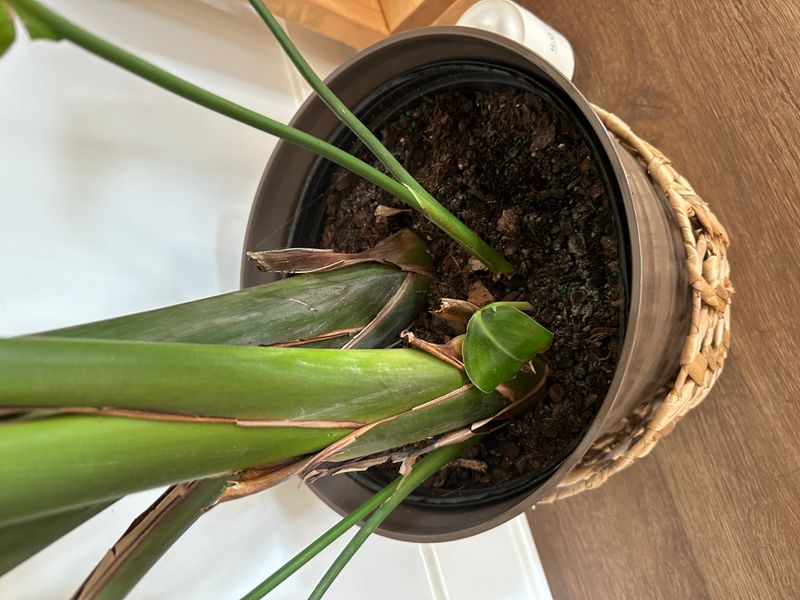
Summer habits are the fastest way to get into trouble once the calendar flips. A plant that drank deeply twice a week in July needs a fraction of that in December.
Let the top one to two inches of soil dry before reaching for the watering can. Your finger works better than any schedule written on a sticky note.
Depending on your home’s warmth, light, and humidity, the plant may need watering every couple of weeks or even less often.
When you do water, do it properly. Pour slowly until water runs out the drainage holes, which flushes built-up minerals and wets the entire root ball.
Then empty the saucer. Letting the pot sit in standing water is the express lane to root rot, especially when growth has slowed.
Hold off on fertilizer through the resting period. Start feeding again in spring, once you see fresh spears pushing up.
A cheap moisture meter takes the guesswork out if you tend to water by habit. Many plant owners find they were giving roughly double what the plant actually wanted.
8. Dry Indoor Air Creates A New Challenge
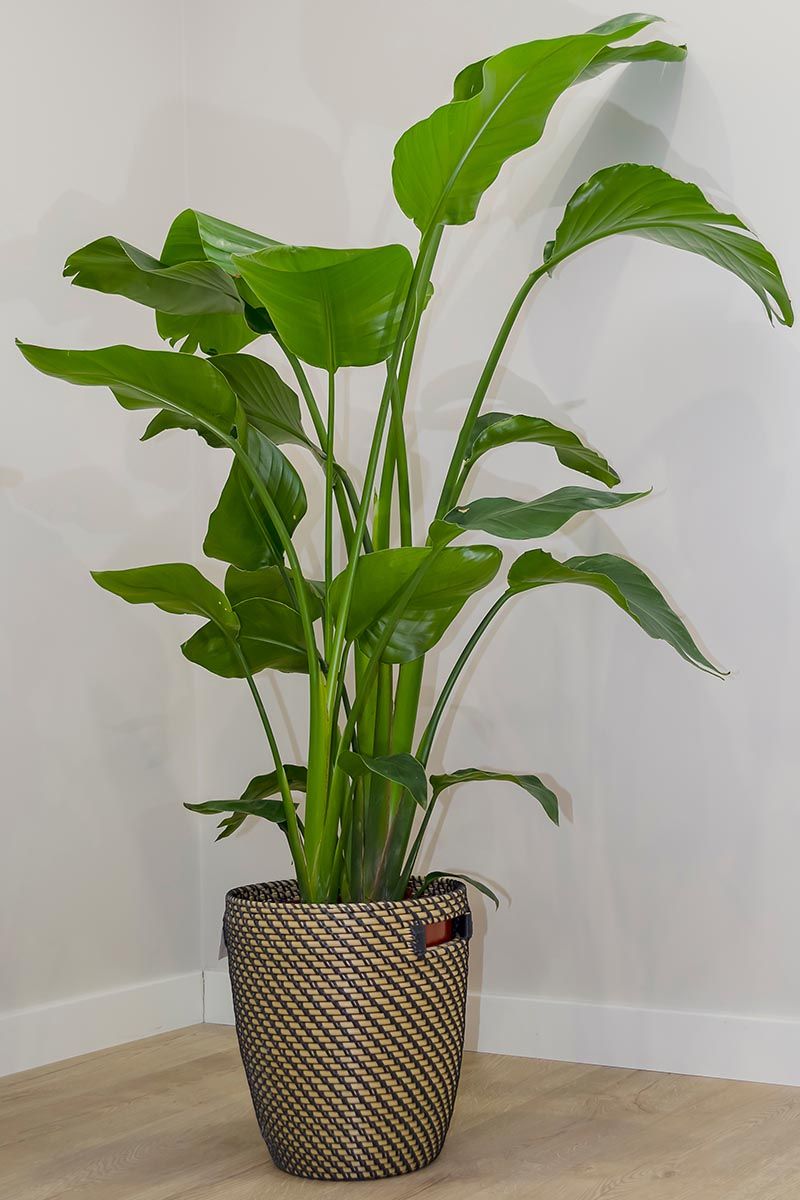
Ohio furnaces are champions at pulling moisture out of the air. By February, many homes sit drier than a desert afternoon.
Bird of Paradise appreciates moderate to high humidity, while heated winter homes can become much drier than the plant prefers. Watch the leaf edges for clues.
Crispy brown tips, curling margins, and growth that stalls out all point toward air that is too thirsty.
A small humidifier running nearby is the most reliable fix. Set it a few feet away so leaves get moist air without staying wet.
Clustering your tropicals together builds a shared pocket of humidity as they release moisture. A pebble tray under the pot helps too, as long as the pot rests on stones rather than sitting in the water.
Misting feels productive but fades within an hour. Treat it as a bonus, not a strategy.
Placement counts just as much. Keep the plant away from heating vents, drafty doorways, and cold windowpanes where temperatures swing wildly between afternoon and midnight.
Stable air, stable warmth, stable moisture. That trio keeps the leaves looking presentable until spring.
9. Spring Outdoors Should Be A Gradual Transition
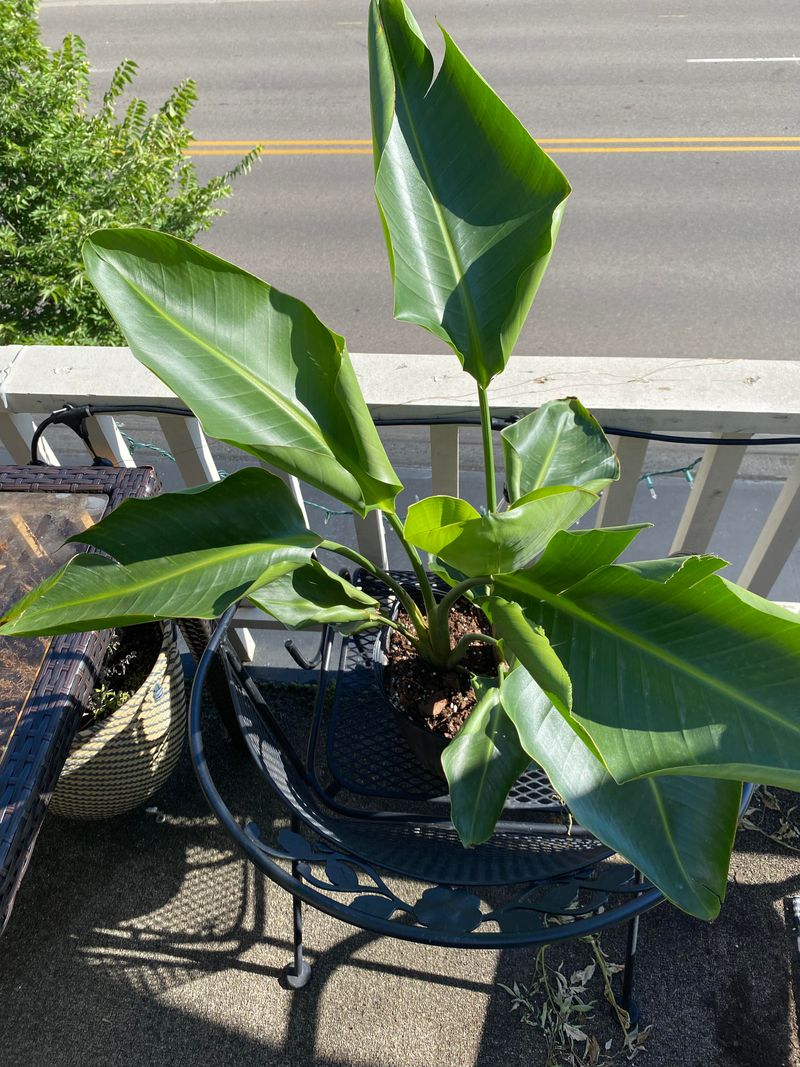
The first warm Saturday in May tempts everyone to haul the plants straight into full sun. That enthusiasm is exactly what causes bleached, scorched leaves.
Wait until frost danger has genuinely passed, which in most of Ohio means mid to late May. A surprise cold night in early May can undo months of winter care.
Then take it slow. Start with a shady, sheltered spot for a few hours the first day, bringing the pot back inside overnight.
Stretch the outdoor time gradually across a week or two. Each day adds a little more light exposure and a little more outdoor air.
Leaves that spent months behind glass have thin, tender tissue. They need time to toughen up before handling direct afternoon rays.
A spot with morning sun and bright afternoon shade makes an excellent first home base. Once the plant adjusts, you can shift it into sunnier real estate.
Spring is also the moment to resume feeding, refresh the top layer of soil, and consider sizing up the pot if roots are circling.
Do the transition thoughtfully and your plant rewards you with a burst of fresh, full-sized leaves through summer.