10 Houseplants That Struggle Next to Heaters and Where to Move Them
A heated living room in winter can hold less moisture in the air than parts of the Sahara Desert. Indoor humidity often slides down to 10 or 20 percent once the furnace kicks on for the season.
Tropical leaves evolved under rainforest canopies, where damp air hangs around them like a soft blanket all day. A hot vent blowing across those leaves pulls water out faster than the roots can replace it.
I learned the hard way that a cozy spot by the radiator is not a favor to my plants. Guilty as charged, I once watched crispy brown tips spread across a favorite pot in just two weeks.
The fix is usually simpler than you would expect, and it rarely costs a single dime. A few of your green roommates may be suffering in silence right now, and a short walk across the room could be all they need.
1. Spider Plant
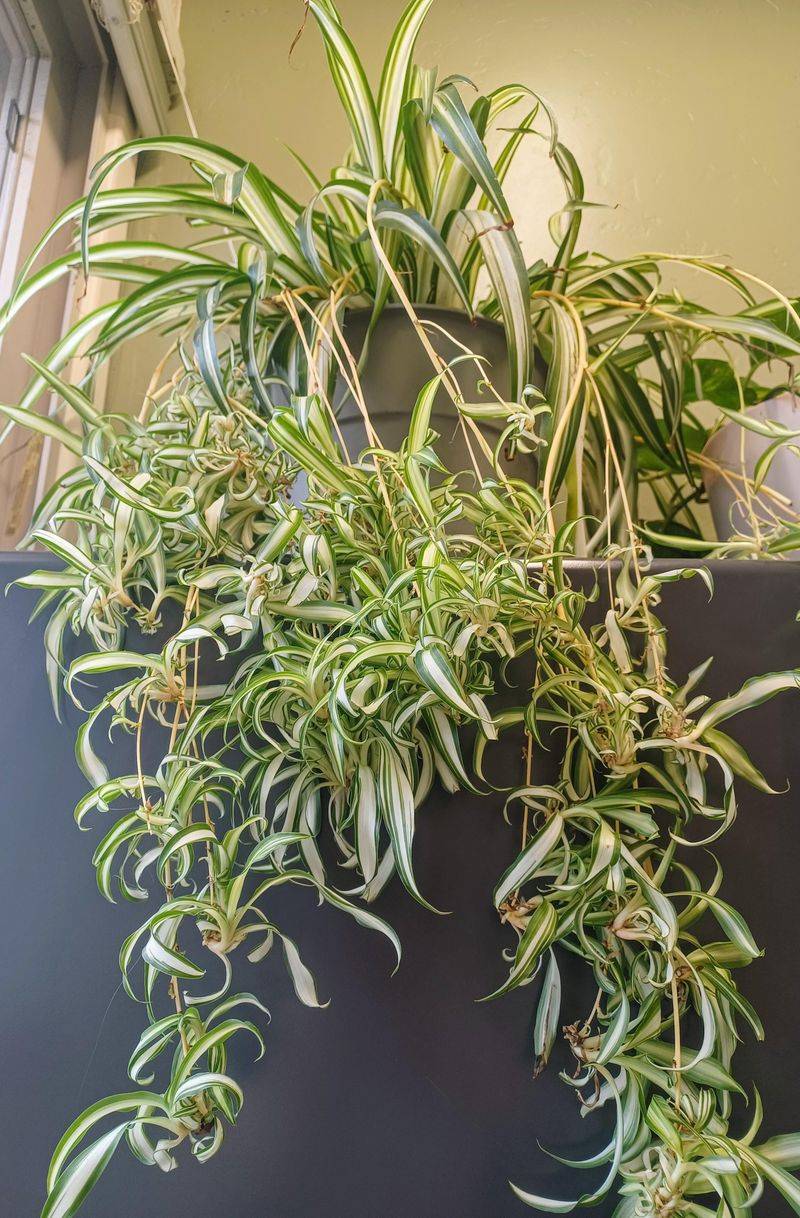
Those arching striped leaves dangling baby plantlets look tough, and honestly, spider plants usually shrug off plenty of neglect. Dry heat is one of the few things that reliably turns their pretty tips crispy and brown.
I keep one on a kitchen shelf, and it stayed lush until I parked it beside a baseboard heater. Within a few weeks, every leaf tip looked like it had been toasted lightly over a campfire.
Brown tips can also come from fluoride or salts in tap water, so dry air is not the only suspect. Switching to rainwater or distilled water while moving the plant covers both possible causes at once.
For a better home, choose a spot with bright, indirect light at least a few feet from vents. An east window or a bright bathroom shelf works nicely, since steam from showers adds welcome moisture.
A pebble tray helps too, just keep the pot sitting above the water line rather than soaking in it. Grouping it with other leafy plants creates a small pocket of shared humidity around their leaves.
Trim off the browned tips with clean scissors, following the natural pointed shape of each leaf. New growth should come in fresh and green once the plant settles away from that blast of hot air.
2. Peace Lily
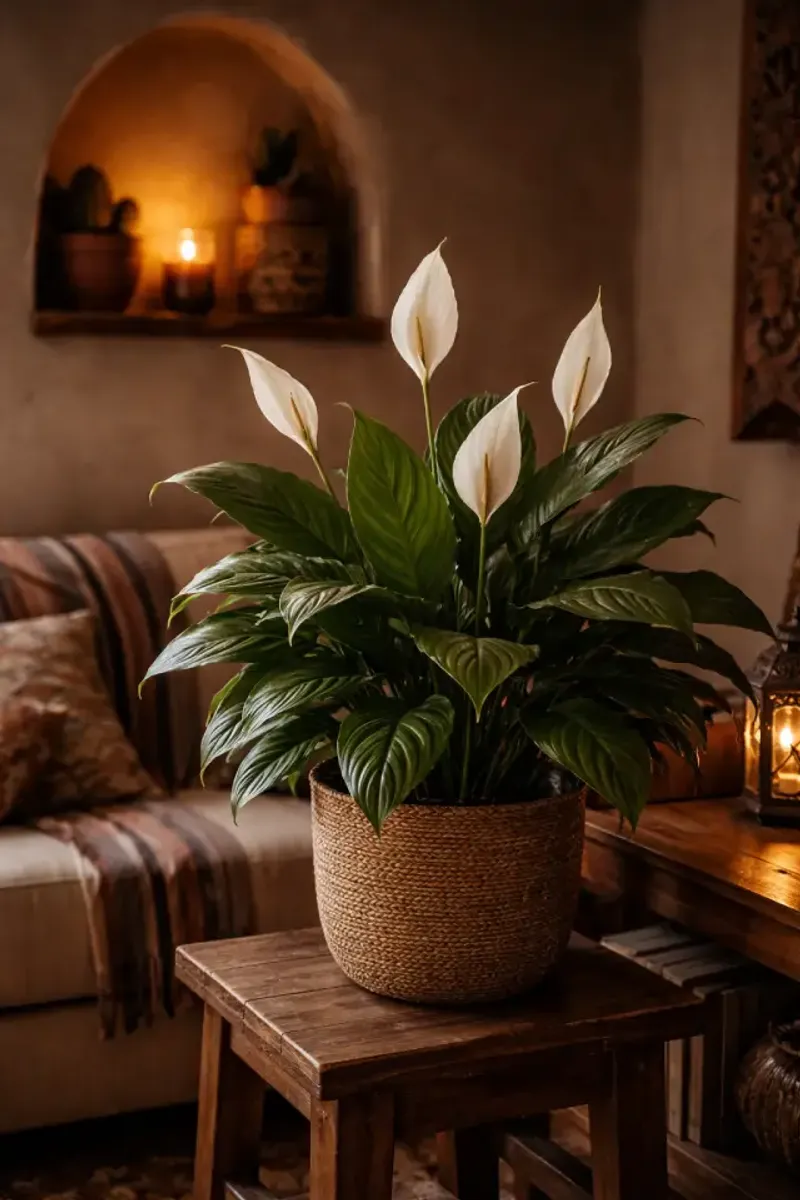
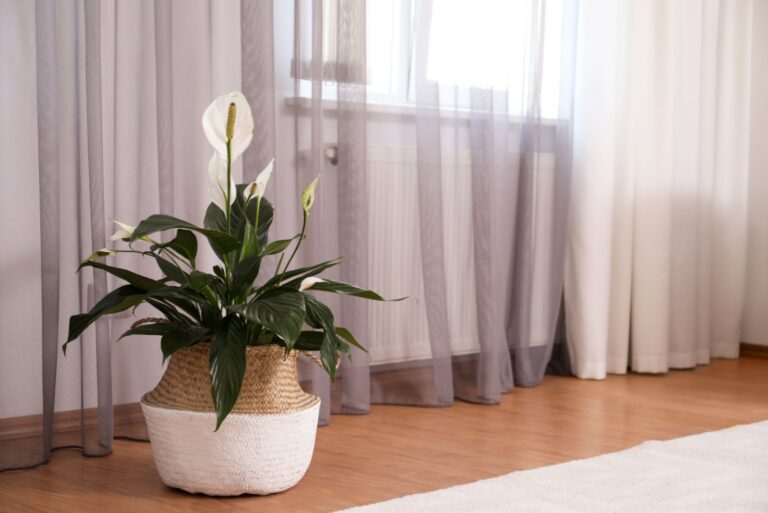
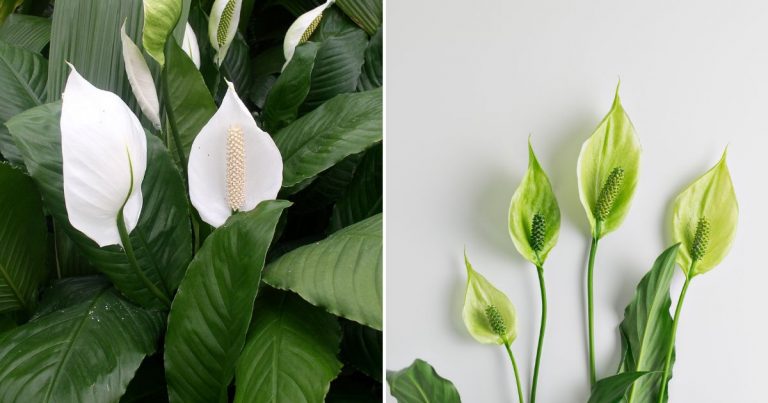
Few houseplants throw a fainting spell quite like a peace lily, flopping over dramatically the moment it feels thirsty. Heat from a nearby vent speeds up that drama, drying the soil and leaves much faster than normal.
Spathiphyllum comes from tropical rainforest floors in the Americas, where shade and damp air are part of everyday life. A radiator blowing beside it feels more like a hair dryer than a jungle breeze.
Watch for brown, papery leaf edges and yellowing lower leaves, which often show up during heating season. Wilting even when the soil feels moist can also signal stress from hot, dry air around the foliage.
Move your peace lily at least three feet from radiators and heating vents for steadier conditions. A bathroom with a bright frosted window is one of my favorite spots for this shade-tolerant plant.
Keep the soil evenly moist but not soggy, and check it with your finger before grabbing the watering can. Plants sitting in warm rooms often need water more often, so a quick weekly check really pays off.
Fair warning for pet owners, since peace lilies contain calcium oxalate crystals that irritate the mouths of cats and dogs. Place it on a high shelf or in a room your curious pets rarely visit.
3. Corn Plant Dracaena
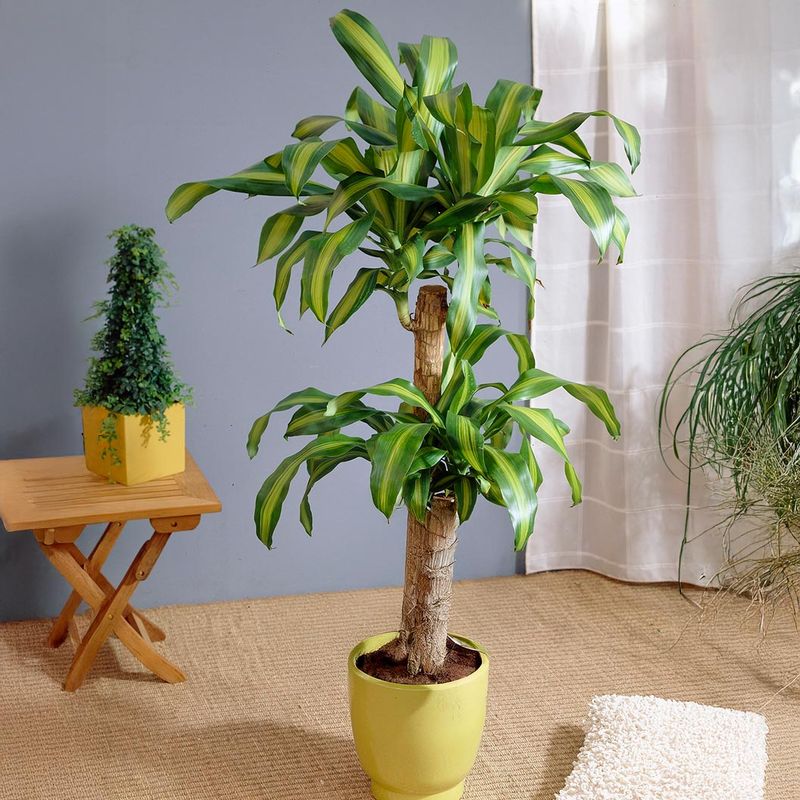
Corn plants earned their nickname from long, strappy leaves that look surprisingly like a row of sweet corn stalks. Dracaena fragrans can even produce fragrant white flowers indoors, though blooms are rare in most homes.
Not going to lie, my first corn plant lived right next to a heating register for an entire winter. By spring, nearly every leaf wore brown tips and edges that made it look tired and scruffy.
Dracaenas are also sensitive to fluoride in tap water, which causes similar browning along the leaf margins. Dry heat and fluoride together create a double problem, so tackling both gives your plant the best shot.
Aim for a room that stays between roughly 65 and 78 degrees Fahrenheit, away from hot vents and cold drafts. Bright, indirect light near a north or east window keeps the leaves colorful without scorching them.
Misting gives only a brief boost, so a pebble tray or small humidifier offers steadier moisture during winter. Let the top inch or so of soil dry before watering, since soggy roots cause trouble quickly.
Brown tips will not turn green again, but you can trim them carefully for a neater look. Fresh leaves emerging from the top will show whether the new location is working for your plant.
4. Areca Palm
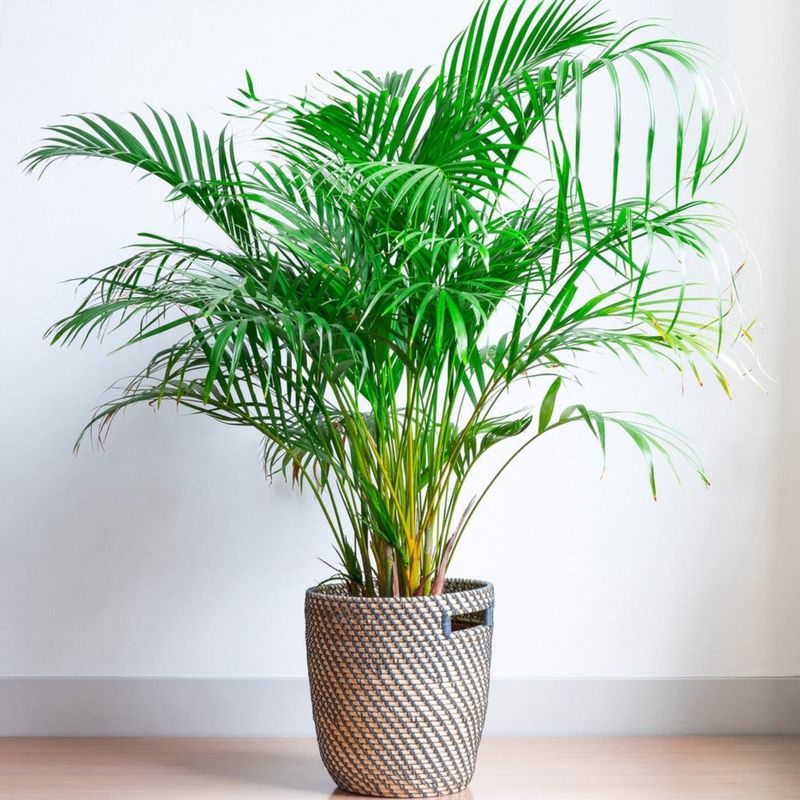
Feathery fronds swaying above a woven basket make an areca palm look like a vacation in a pot. Native to Madagascar, Dypsis lutescens grows naturally in warm, humid places with plenty of filtered light.
Heater air is rough on those slender leaflets, which brown at the tips once the room dries out. Spider mites also love warm, dry rooms, and they often show up on stressed palms during winter.
I’m a sucker for palms, so I check the undersides of fronds for fine webbing every couple of weeks. A gentle shower in the tub rinses off dust and pests while giving the foliage a nice drink.
Try to keep the humidity around 50 percent if you can, using a humidifier placed nearby. A bright room with filtered light from a south or west window, behind a sheer curtain, suits this palm well.
Keep the palm a few feet from heating vents and drafty doors that let in bursts of chilly air. Sudden temperature swings stress the plant almost as much as steady dry heat does over time.
Water when the top inch of soil feels dry, and use filtered water if tips keep browning. Areca palms are sensitive to salts and fluoride, which build up in the soil from regular tap water.
5. Fiddle Leaf Fig
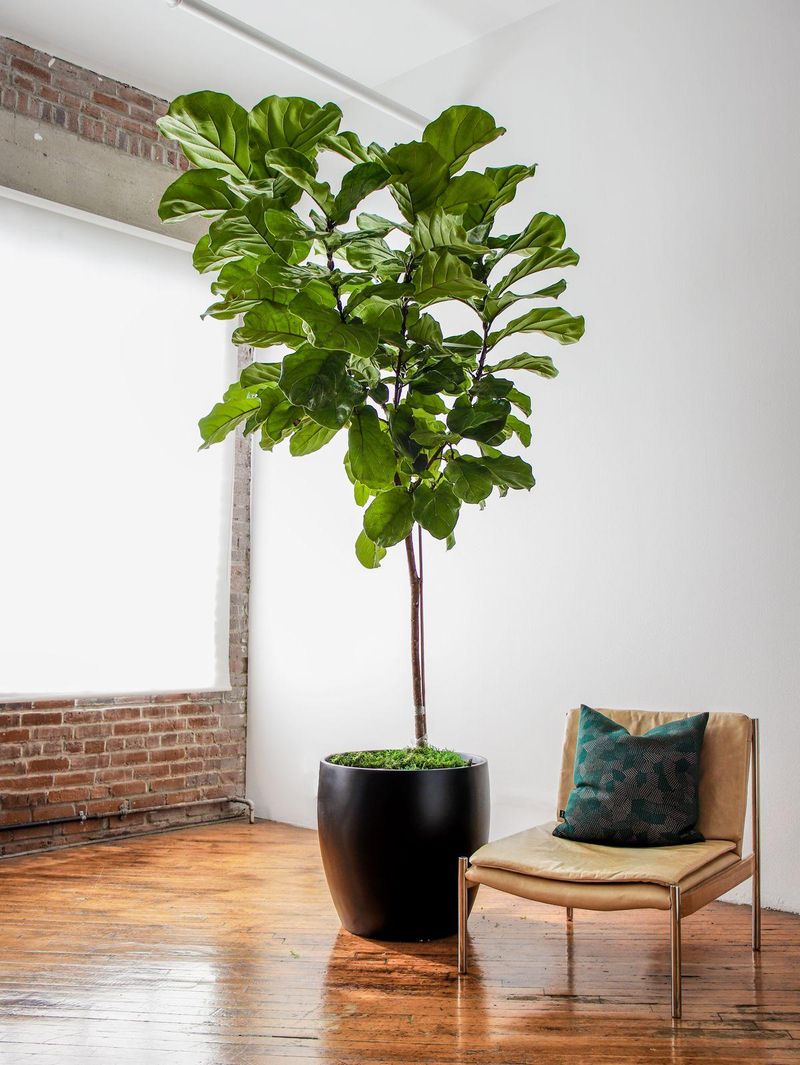
Leaves as big as dinner plates make the fiddle leaf fig a showstopper, and also a bit of a diva. Ficus lyrata hails from West African lowland rainforests, so dry heated air feels foreign to its foliage.
I used to think my fig was just moody, but the heater beside it was the real troublemaker. Brown, cracked patches on leaf edges and sudden leaf drop often follow a move near heat.
Figs dislike being shuffled around, so pick a new spot thoughtfully and then let it settle there. Bright, indirect light with some gentle morning sun near an east window keeps it happiest indoors.
Keep it several feet from heating vents and fireplaces, plus any doors that open to frosty winter air. Humidity between 40 and 60 percent helps those broad leaves stay glossy and flexible instead of stiff and crispy.
Water when the top two inches of soil feel dry, since soggy roots cause brown spots too. Rotating the pot a quarter turn each month helps the plant grow evenly instead of leaning toward the window.
Wipe dust off the leaves with a damp cloth, which helps them soak up more light during short winter days. A little patience goes a long way, because figs may sulk for weeks after any relocation.
6. Maidenhair Fern
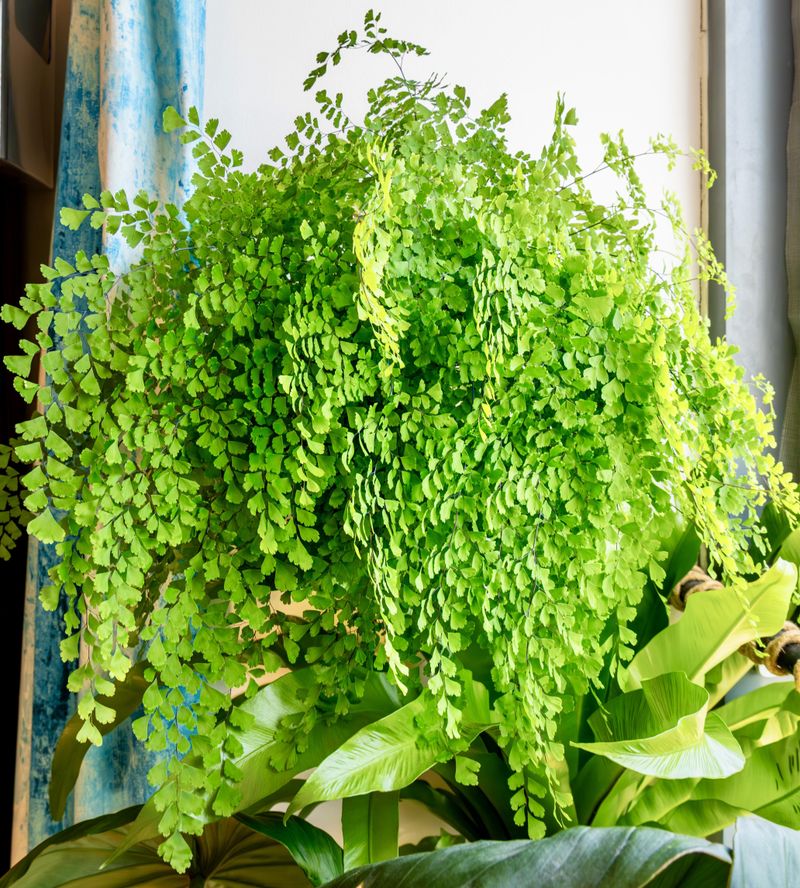
Delicate fan-shaped leaflets on wiry black stems make the maidenhair fern look almost too dainty to be real. Sadly, Adiantum is famous for crisping up within days when dry air from a heater reaches it.
Trust me on this one, maidenhair is no plant for a sunny windowsill above a radiator. Many gardeners call it one of the fussiest ferns indoors, mostly because of its craving for humidity.
In nature, many Adiantum species grow on moist, shady banks and rock faces near trickling water. Indoors, it wants humidity of roughly 50 percent or higher, along with soil that stays evenly damp.
A bright bathroom with indirect light is a dream location, since showers raise moisture levels every day. Large terrariums or glass cabinets also work beautifully for smaller plants that need extra pampering.
Let the soil dry even once, and fronds may shrivel quickly, so check it every couple of days. Bottom watering in a sink for fifteen minutes helps moisten the whole root ball evenly.
If fronds turn brown and crispy, cut them back to the soil and keep caring for the plant. Healthy roots often send up fresh, bright green fronds within a few weeks once conditions improve.
7. Prayer Plant
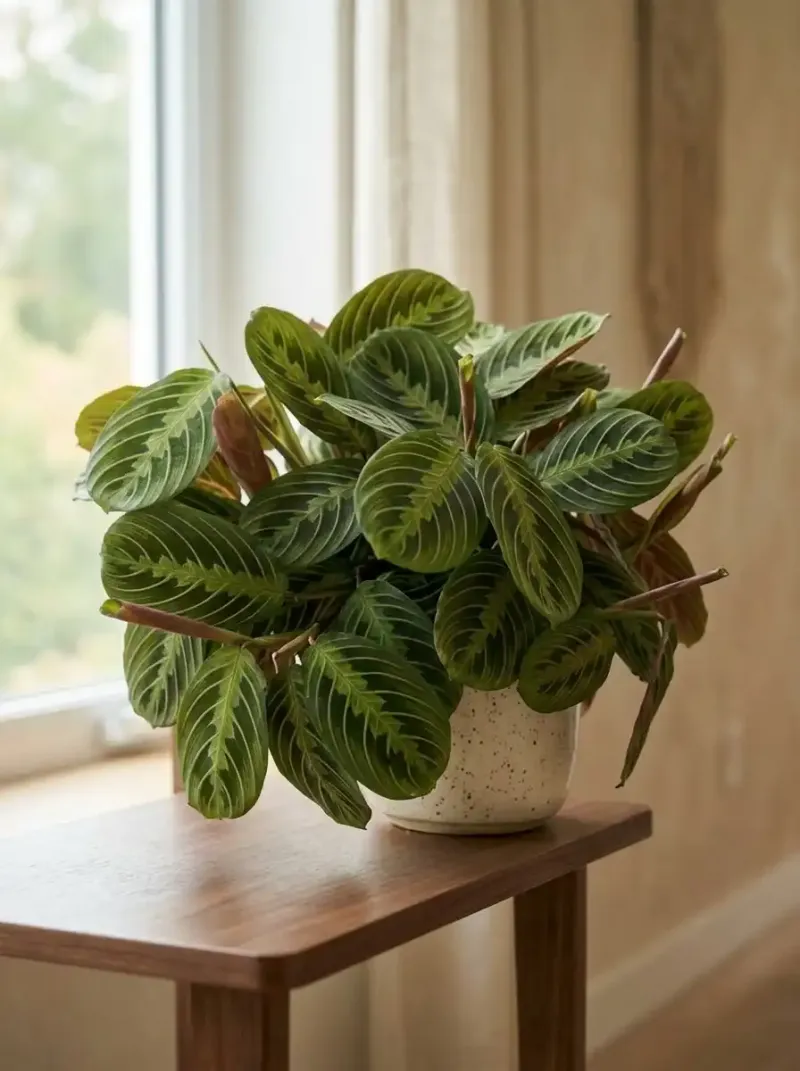
Every evening, prayer plant leaves rise upward and fold together, a bit like hands pressed in a quiet bedtime ritual. Maranta leuconeura grows on Brazilian rainforest floors, where shade and steady moisture are part of the deal.
Funny thing is, that nightly movement is easy to miss until the plant is stressed and stops behaving normally. Curling leaves and brown, crunchy edges are classic signs that heater air is drying it out.
Aim for humidity around 50 percent or higher, which matches the damp air these plants enjoy in nature. A small humidifier running nearby makes a bigger difference than misting, which evaporates within minutes.
Move your prayer plant away from heat vents to a spot with medium, indirect light from a nearby window. Strong direct sun fades those painted leaf patterns, so a slightly shaded corner keeps colors rich.
Prayer plants can be touchy about minerals and fluoride, so rainwater or distilled water is worth trying. Keep the soil lightly moist, letting just the top surface dry a bit between waterings.
Pet owners can relax a little, since the ASPCA lists Maranta leuconeura as nontoxic to cats and dogs. That makes a low table or shelf in a family room a safe, humid-friendly choice.
8. Phalaenopsis Orchid
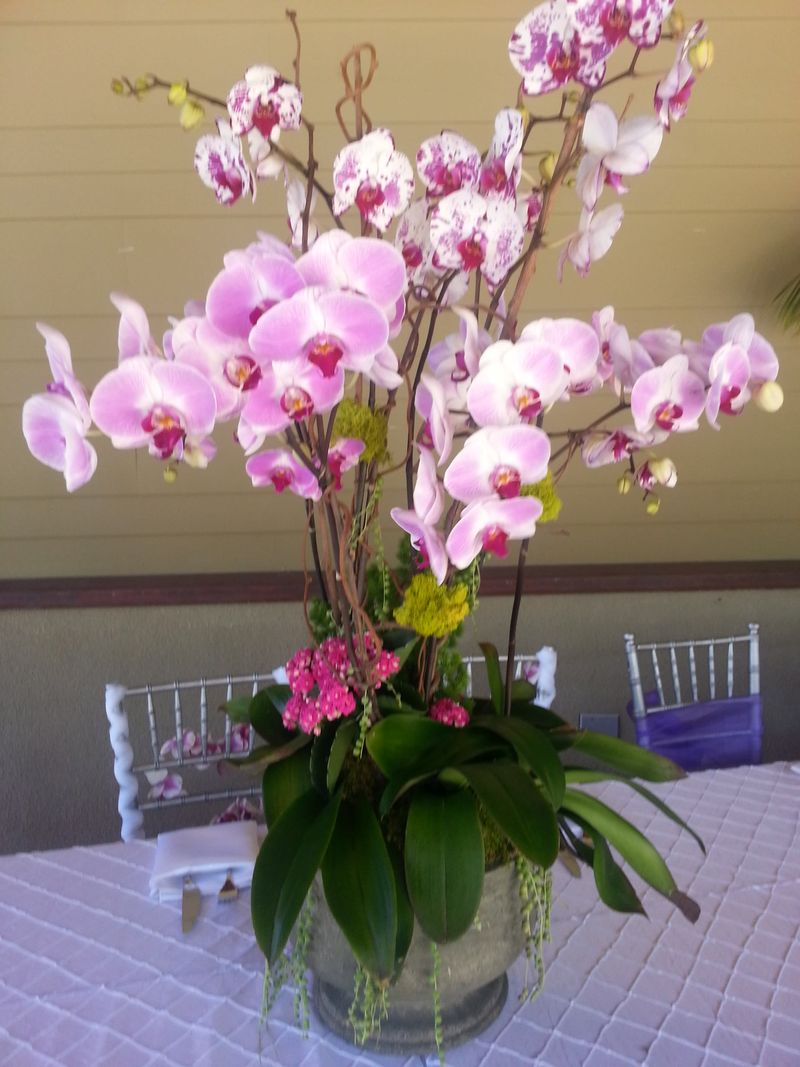
Moth orchids get their name from flowers that look like pale moths frozen mid-flight on arching stems. In the wild, Phalaenopsis clings to tree bark, catching moisture from humid tropical air with chunky silvery roots.
I didn’t expect heat to bother my orchid so much, until its buds shriveled and dropped before opening. Bud blast like that often happens when orchids sit near heating vents or sudden temperature changes.
Orchids generally prefer humidity between 40 and 70 percent, which is far above typical winter indoor levels. A humidity tray under the pot or a humidifier in the room helps close that gap.
Relocate your orchid to an east window with gentle morning light, a few feet from any radiator. A bright bathroom also works, as long as the plant gets enough light to keep its leaves firm.
Slightly cooler nights, around 60 to 65 degrees, can actually encourage moth orchids to form new flower spikes. Keeping them away from heaters gives you better odds of a fresh round of blooms.
Resist the urge to water more often just because the air feels dry around the plant. Soggy bark leads to root rot, so water when the potting mix is nearly dry and roots look silvery.
9. Nerve Plant
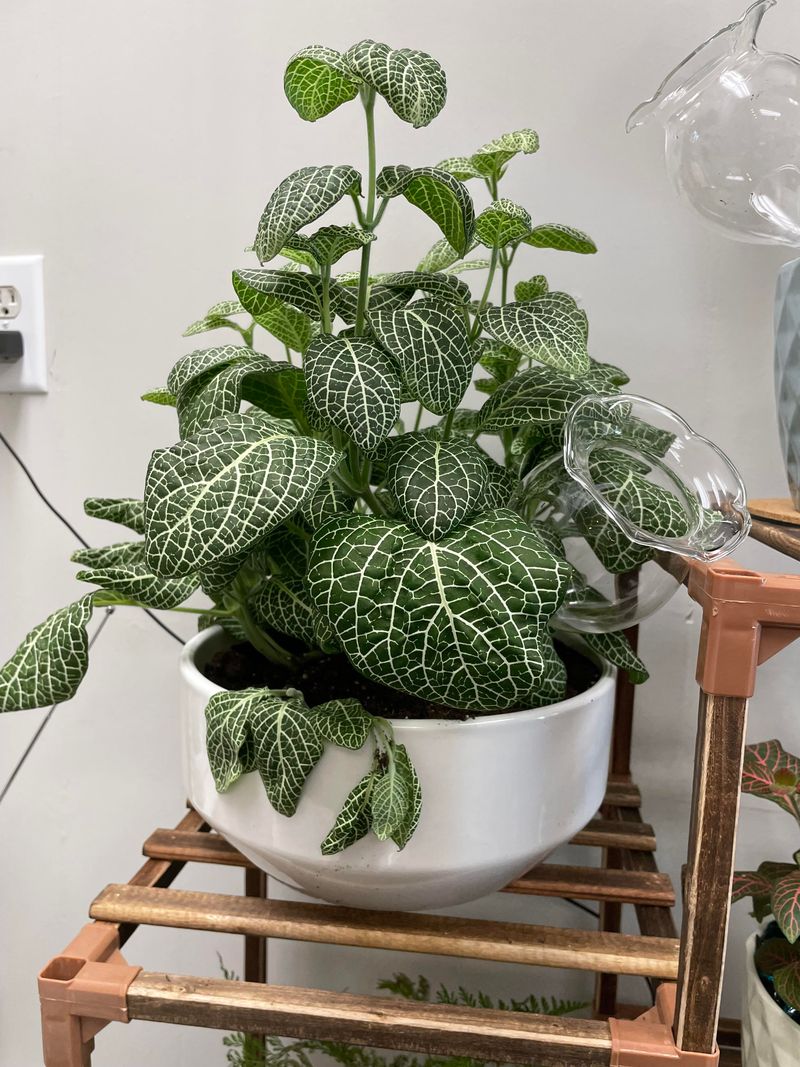
Bright pink or white veins zigzag across nerve plant leaves like someone traced them with a fine marker. Fittonia is also famous for collapsing dramatically when thirsty, then perking up within hours after a drink.
Don’t laugh, but my first nerve plant fainted so often near the heater that I nicknamed it Drama Queen. That repeated wilting stresses the plant over time, leaving brown, crispy leaves behind.
Native to Peruvian rainforests, Fittonia albivenis thrives with high humidity and soil that stays evenly moist. Warm, dry air near vents pulls water from its thin leaves faster than the shallow roots keep up.
Small size makes this plant perfect for terrariums and glass cloches, where moisture stays trapped around the leaves. A bright bathroom shelf away from the shower spray is another cozy spot for a potted nerve plant.
Give it bright, indirect light, since direct sun scorches the leaves and fades those striking vein colors. A north or east window works well, as long as cold glass does not touch the foliage.
Check the soil every few days and water before it dries out, especially during heating season. Pinching off the growing tips encourages bushier growth and keeps this little plant from getting leggy.
10. Alocasia
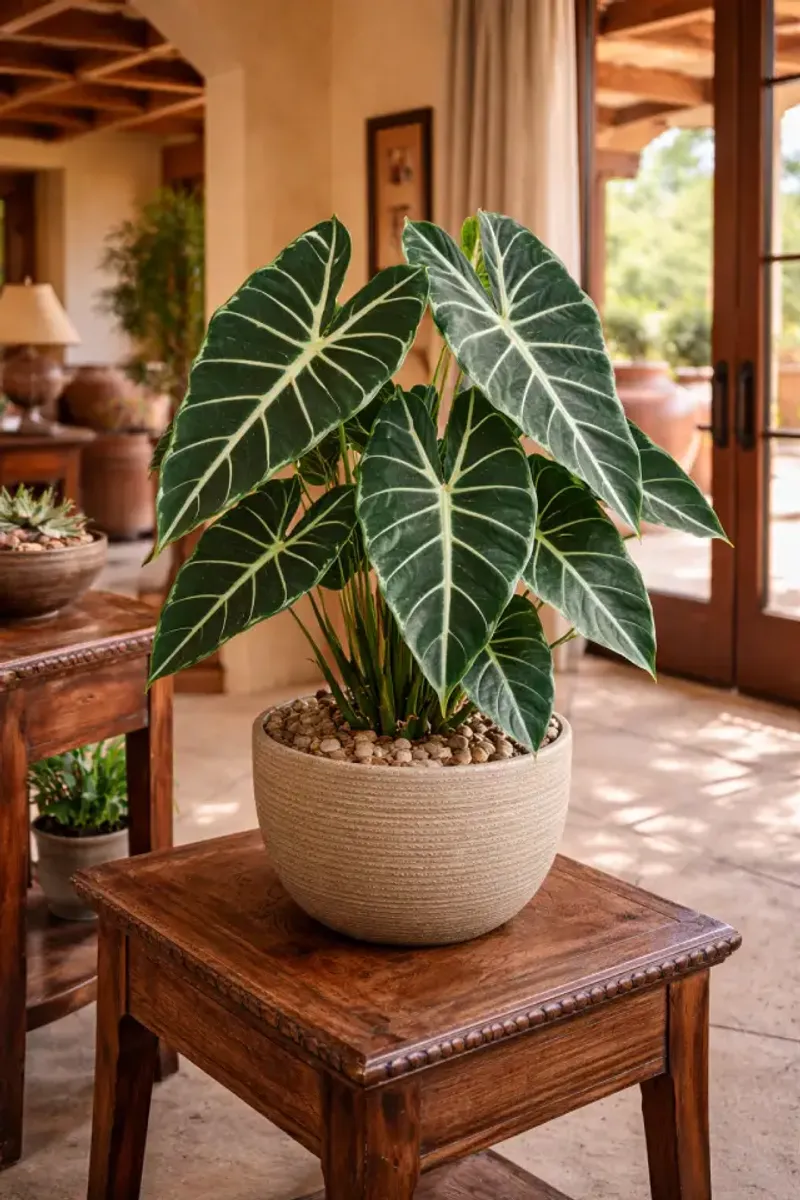
Giant arrow-shaped leaves with bold silver or white veins make Alocasia look like a sculpture from a botanical museum. Native to tropical Asia and eastern Australia, these elephant ears crave warmth paired with plenty of humidity.
I’m the first to admit alocasias test my patience, especially once the furnace starts running for winter. Crispy leaf edges and yellowing older leaves often show up when hot vent air blows across them.
Many alocasias also slow down or drop leaves in winter as part of a semi-dormant rest period. Some even pull back into their corms, then push out fresh leaves once warmer, brighter days return.
Keep the humidity above 60 percent if possible, which usually means running a humidifier close by. Grouping alocasias with other tropical plants on a tray of pebbles adds another helpful layer of moisture.
Choose a bright room with indirect light, several feet from heating vents and drafty doorways. Warm temperatures between 65 and 80 degrees suit these plants, but heat should come from the room, not a blowing vent.
Water when the top couple of inches feel dry, and cut back watering during the winter rest. Keep curious kids and pets away, since alocasia contains calcium oxalate crystals that irritate mouths and skin.