10 Perennials That Triple in Size in One Season and Fill Ohio Beds Fast
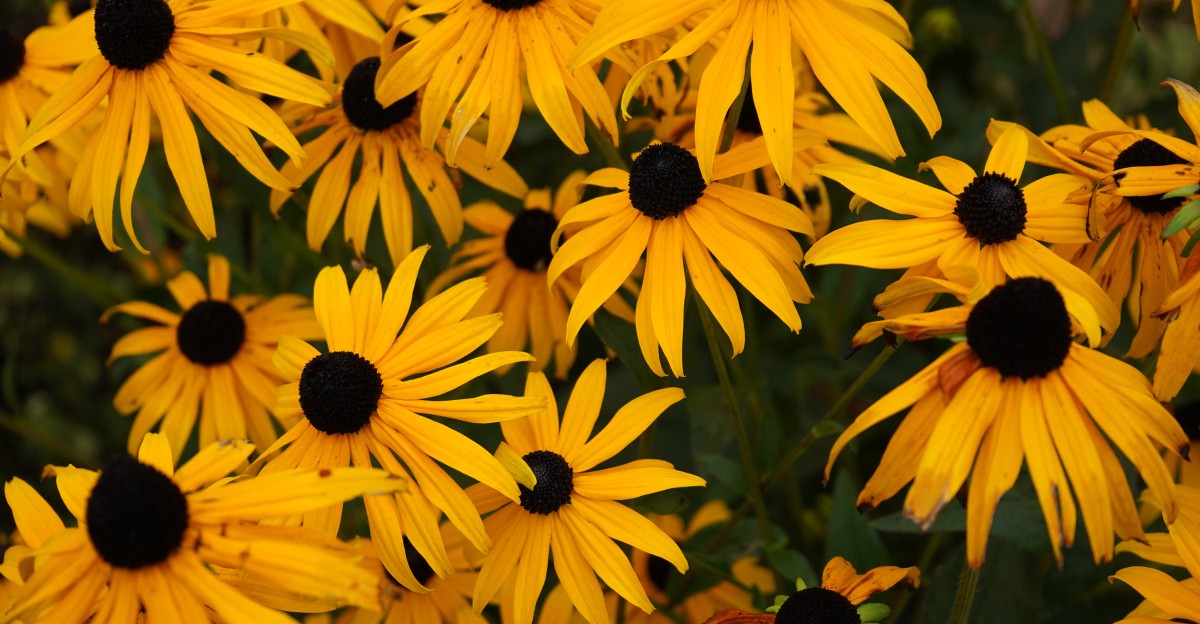
Underground runners from certain summer perennials can pop up shoots several inches away from the original clump.
Nurseries even sell a few of them with friendly warnings about how quickly they wander through a bed.
Old gardeners describe new perennials with a catchy saying: the first year they sleep, then creep, then leap. A handful of tough growers skip the long nap and start creeping almost as soon as roots settle.
I love how fast these plants hide bare mulch, because empty soil in Ohio mostly invites weeds instead. You might notice your weeding time shrinking once leafy clumps knit together and shade the ground below.
Tripling in a single season depends heavily on sunlight and soil, so results vary from yard to yard. Which of these quick Ohio fillers will claim the empty corner by your back porch first?
1. Bee Balm
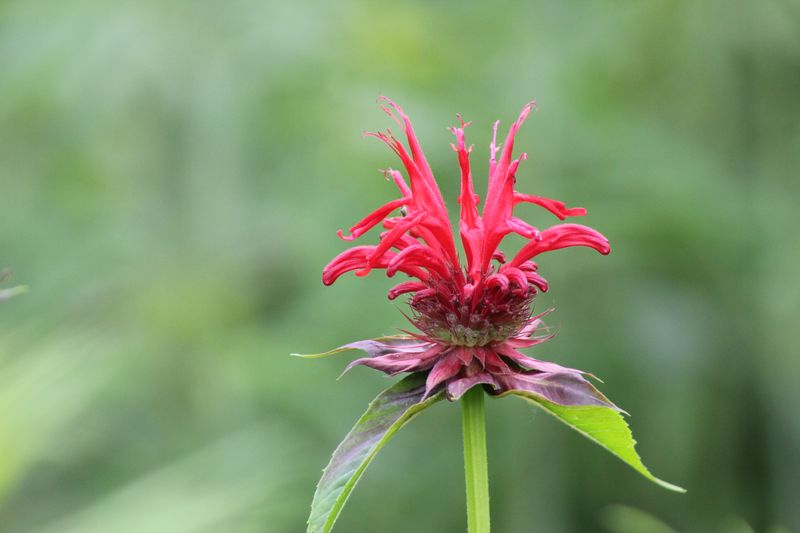
Crush one leaf of bee balm and your fingers will smell like spicy mint tea for the next hour. Hummingbirds seem to notice the scarlet blooms from across the yard, zipping in before the petals fully open.
Monarda didyma belongs to the mint family, and it spreads outward through shallow stolons just beneath the soil. A small starter plant often widens into a leafy patch two or three feet across by late summer.
Most plants grow two to four feet tall, with shaggy flower heads appearing from midsummer into early fall. Colors range from bright red to pink and purple, depending on which cultivar you bring home from the nursery.
Give bee balm full sun or light afternoon shade, along with soil that stays evenly moist but drains well. Dry roots during a hot July often lead to stressed leaves, so a deep weekly soak helps a lot.
Powdery mildew is the classic headache here, showing up as a gray dusting on leaves during humid weather. I suggest choosing mildew-resistant varieties like Jacob Cline and spacing clumps apart so breezes can move through freely.
Personally, I divide my patch every two or three years, because the center can thin out as edges expand. Dig in early spring, slice off healthy outer sections, and replant them wherever a bare spot needs filling.
Fun fact: colonists brewed bee balm leaves as Oswego tea, a substitute that became popular after the Boston Tea Party. Snip a few fresh leaves for your own cup, and you will taste a little piece of history.
2. Creeping Phlox
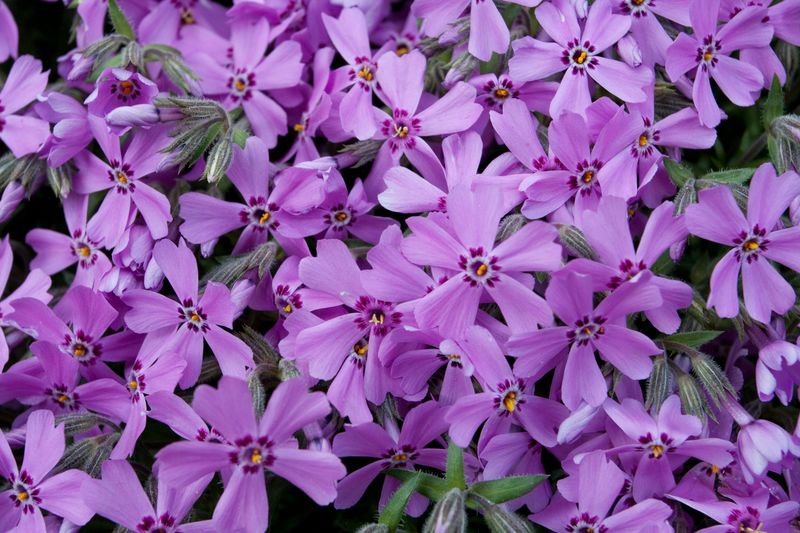
Every April, certain hillsides around town look like someone spilled cans of pink and lavender paint across the grass. That glowing carpet is creeping phlox, and it may be the easiest way to cover a sunny slope quickly.
Phlox subulata stays only four to six inches tall, but its trailing stems can stretch two feet wide over time. Stems often root where they touch the soil, which helps a single plant knit into a dense, weed-blocking mat.
You can speed things along by pinning a few long stems against the ground with a small rock or wire. New roots usually form within several weeks, and each rooted piece becomes another anchor for spreading growth.
Needle-like leaves stay green through much of the winter, so the bed rarely looks bare even after blooming ends. That fine texture pairs beautifully with chunky stones along a rock wall or a sunny front walk.
Full sun and sharp drainage are the two keys, since soggy clay tends to rot the crowns over winter. Mix in gravel or plant on a gentle slope if your yard holds water after heavy spring rains.
I like to give my plants a light shearing right after flowering, trimming stems back by about half. That quick haircut encourages thicker growth and keeps the mat from developing a stringy, open center later on.
Early bees and butterflies visit the blooms when few other flowers are open, so you are feeding hungry pollinators too. Plant a few starters this year, and the following spring should look much fuller than you expect.
3. Daylily
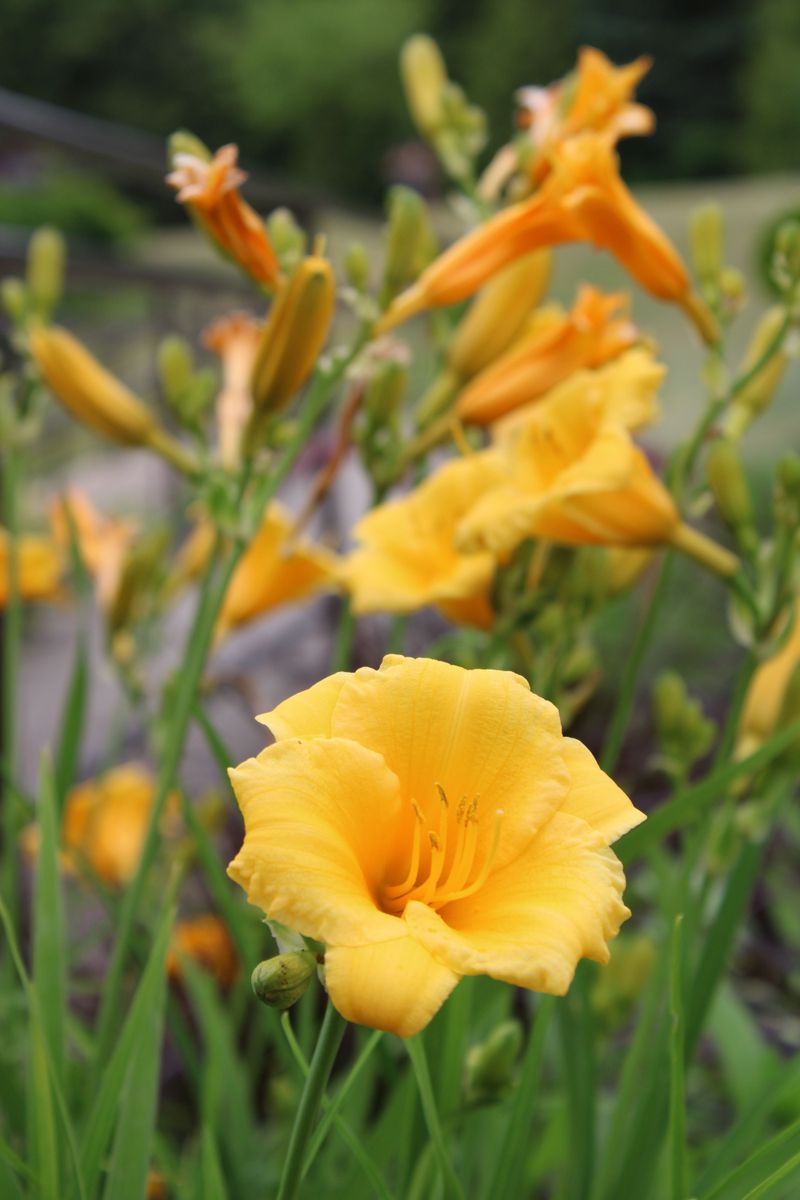
Each daylily flower opens for a single day, yet one healthy clump can keep blooming for several weeks straight. Buds line up on tall stalks like patient customers, each one taking a turn once the previous flower fades.
Hemerocallis cultivars form thick clumps from fleshy roots, and a vigorous variety often doubles its fan count within a year. Plant a few divisions eighteen inches apart, and the gaps usually close by the second summer in decent soil.
One warning matters a lot here, because the orange ditch lily, Hemerocallis fulva, spreads aggressively into roadsides and woodlands. Many natural area groups consider that orange type invasive, so stick with named hybrids that stay in tidy clumps.
Stella de Oro is a classic reblooming choice, and Happy Returns offers soft lemon yellow flowers on compact plants. Larger hybrids come in nearly every color except true blue, with ruffled edges and contrasting throats on many varieties.
Daylilies prefer at least six hours of sun, though they handle light shade with slightly fewer flowers each year. They tolerate heavy clay and short dry spells better than many perennials once their roots have settled.
I have to admit that I mostly ignore mine, apart from snapping off spent flower stalks in late summer. Divide crowded clumps every four to six years in early spring or right after blooming to restore strong flowering.
Deer love munching the buds, so try a repellent or plant clumps near the house if they visit. A little protection keeps those cheerful trumpets opening all summer long along your sunniest borders and walkways.
4. Obedient Plant
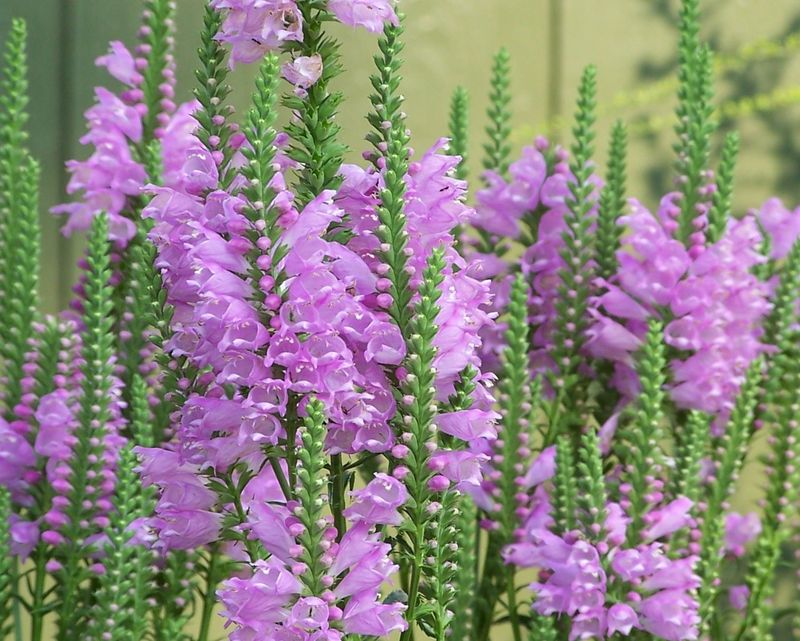
Push one of these little flowers sideways on its stem, and it politely stays right where you put it. That quirky trick earned Physostegia virginiana its nickname, though the plant itself behaves anything but obediently in rich soil.
Underground rhizomes help this native wander outward quickly, and a single clump can claim a surprising amount of space. Gardeners often joke that the plant obeys every request except the one asking it to stay put.
Stems usually reach two to four feet tall, topped with snapdragon-like spikes in soft pink or clean white. Blooms open from late summer into early fall, giving bees fresh food when many other flowers are slowing down.
Moist, fertile soil and full sun to part shade suit it best, and it even handles wet low spots. Interestingly, lean or drier soil slows the spreading habit, which can be handy in a smaller garden bed.
For a tamer option, look for Miss Manners, a white cultivar bred to stay in a neater, slower clump. Personally, I love it near a rain garden edge, where its thirsty roots help fill soggy ground fast.
Shallow roots make control fairly easy, since you can pull wandering shoots by hand after a good soaking rain. Divide the clump every two or three years in spring, sharing extra pieces with friends who need fast filler.
Tall stems sometimes flop in heavy shade, so pinch the tops in early June to encourage sturdier, bushier growth. You will trade a little height for a fuller plant that holds its flower spikes upright through autumn breezes.
5. Mountain Mint
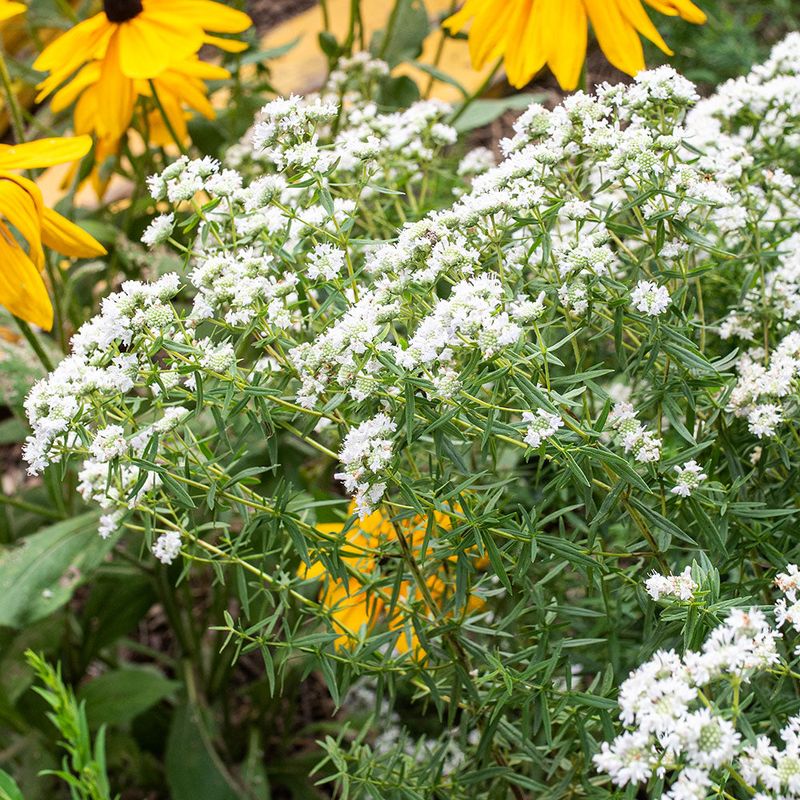
Stand beside a blooming patch of mountain mint in July, and the buzzing sounds almost like a tiny motor running. Many gardeners and researchers rank Pycnanthemum among the busiest pollinator magnets you can grow in a native garden.
Virginia mountain mint, Pycnanthemum virginianum, spreads by rhizomes but rarely runs wild like the common garden mint you may already know. Clumps widen steadily each season, making it a smart pick for filling a sunny gap without much chaos.
Narrow leaves release a sharp minty scent when brushed, and deer and rabbits usually walk right past them. Plants grow two to three feet tall, with flat clusters of tiny white flowers often speckled with purple dots.
Bloom time stretches from midsummer into early fall, feeding native bees and butterflies for many weeks in a row. Predatory wasps also visit the flowers, but they are helpful garden guests and rarely bother people working nearby.
Full sun brings the best flowering, though plants tolerate light shade with somewhat looser growth and fewer blooms. Average to moist soil works well, and established clumps handle clay and occasional dry spells with little fuss.
I believe short-toothed mountain mint, Pycnanthemum muticum, deserves attention too, thanks to its silvery bracts that glow at dusk. That species spreads more quickly, so give it room near a fence or along the back of a border.
Trim wandering edges with a sharp spade each spring, and pot up the pieces for friends or new beds. Leaves also make a pleasant herbal tea, though check with a doctor first if you are pregnant or nursing.
6. Yarrow
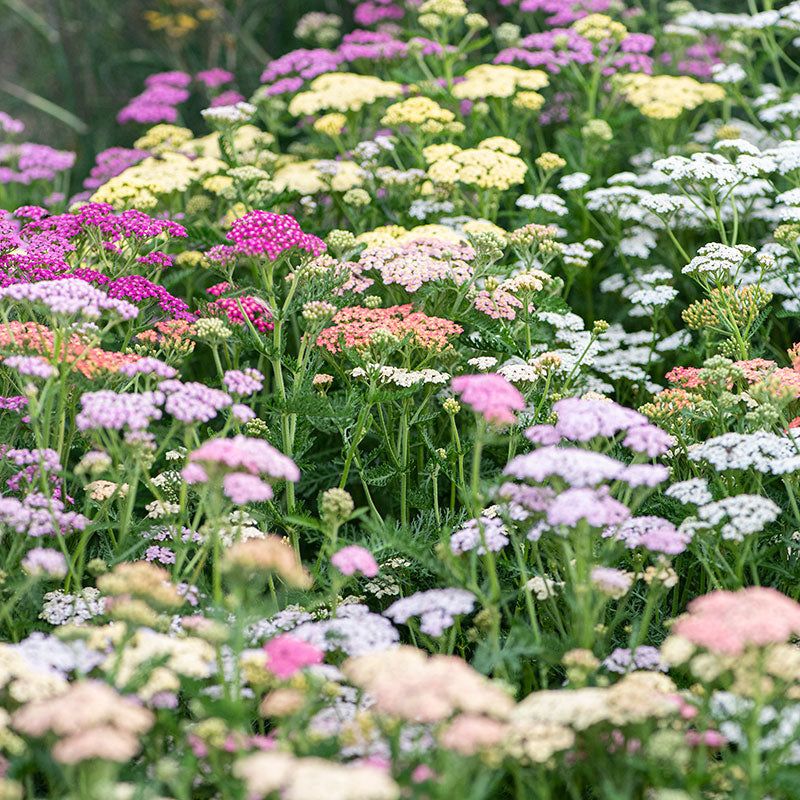
Ferny yarrow leaves feel soft as feathers, yet this plant shrugs off heat and drought that leave neighbors wilting. The species name millefolium means thousand leaves, a fitting description once you study that finely cut foliage up close.
Common yarrow spreads by creeping rhizomes and self-sown seeds, so a single plant can cover ground quickly. Some sources list it as native to North America, while others note European types arrived long ago and mixed in.
Flat flower clusters appear from early summer into fall, in shades ranging from white and pale yellow to pink. Cultivars like Moonshine and the Seduction series stay more compact, which helps if your bed has limited space.
Full sun and lean, well-drained soil keep yarrow happiest, and rich compost often makes stems flop over sideways. Skip the fertilizer here, since hungry soil actually produces sturdier plants with better flower color and fewer problems.
I love how butterflies and tiny beneficial insects land on those flat blooms like helicopters on a landing pad. Ladybugs and hoverflies visit often, and their young help manage aphids on nearby roses and vegetables.
Snip faded flower heads to encourage a second flush, and cut stems back hard if plants look tired midsummer. Fresh leaves return within a few weeks, giving the bed a tidy look again before autumn arrives.
Divide clumps every two or three years in spring, because centers tend to open up as plants spread outward. Dried yarrow holds its color well, so hang a few bunches upside down in a dark closet for crafts.
7. Threadleaf Coreopsis
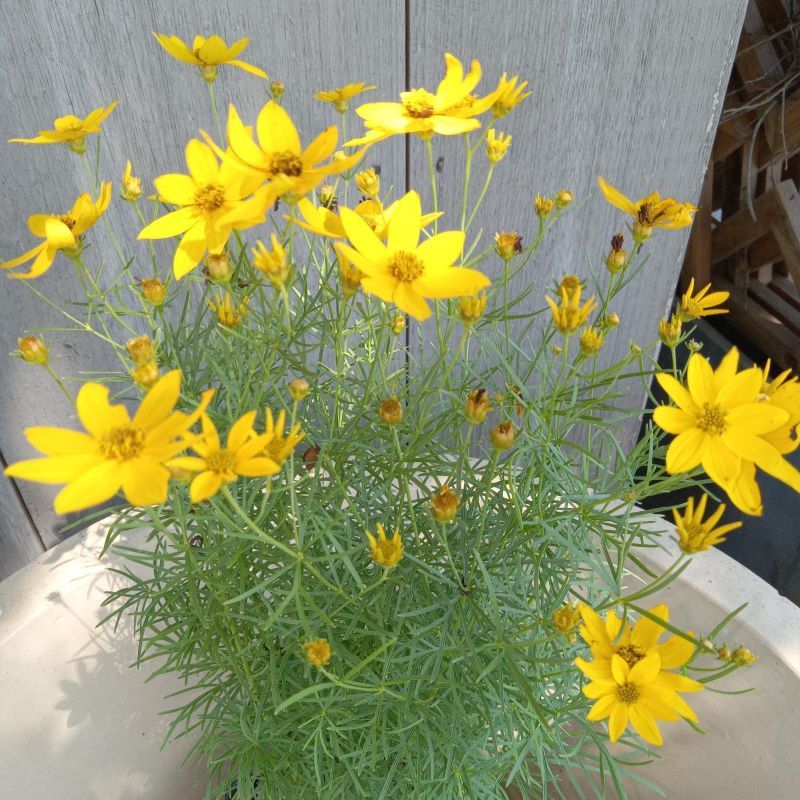
Run your hand across threadleaf coreopsis, and the foliage feels like a cloud of soft green pine needles. Tiny yellow daisies float above that airy mound for weeks, like confetti tossed over a party table.
Coreopsis verticillata is native to the eastern United States and spreads slowly outward through short underground rhizomes. Clumps typically grow one to three feet tall and widen noticeably each year in a sunny, well-drained spot.
Moonbeam is the famous cultivar, with pale buttery flowers, and it won Perennial Plant of the Year in 1992. Zagreb offers deeper golden blooms on a shorter plant, which works nicely along the front of a border.
Full sun keeps stems strong and flowers plentiful, while too much shade leaves plants leggy and sparse. Once established, coreopsis handles dry summers well, though new plantings need regular water during their first few weeks.
Heavy wet clay is the biggest challenge in many yards, because soggy roots can rot during a long winter. I recommend planting in a raised bed or on a slope if your soil stays wet after a spring rainstorm.
Removing spent flowers one by one feels impossible on this plant, so grab hedge shears for a quick trim instead. Cutting the mound back by a third in midsummer usually triggers a fresh round of blooms by late August.
Divide clumps every three or four years in spring to keep the centers full and the plants vigorous. Butterflies and small native bees visit the blooms often, adding a lively sparkle to your sunny summer garden.
8. Purple Coneflower
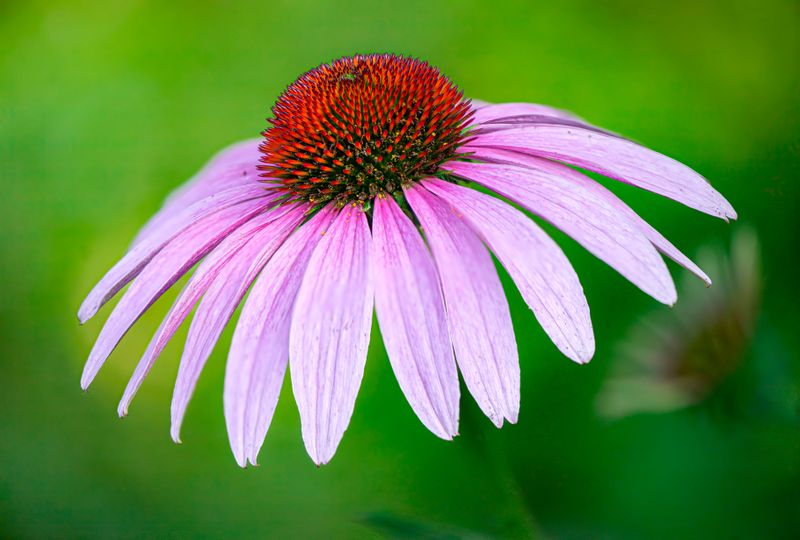
Goldfinches perch on coneflower seed heads in late summer, bending the stems as they pluck out seeds one by one. Watching that little show from a kitchen window is reason enough to plant a patch of Echinacea purpurea.
Purple coneflower is native to parts of Ohio and much of the Midwest, thriving in open prairies and woodland edges. Clumps grow two to four feet tall and spread up to two feet wide, filling space with sturdy stems.
To be honest, coneflowers spread mainly by clump growth and self-sown seedlings, rather than racing runners underground. Leaving a few seed heads standing means new plants often pop up nearby, filling gaps without any extra effort.
Large daisy-like flowers bloom from early summer into fall, with drooping pink petals around a spiky orange-brown cone. Butterflies and bees land on that cone constantly, sipping nectar while you sip your morning coffee nearby.
Full sun and well-drained soil suit coneflowers best, and they shrug off heat and drought once roots settle. Avoid rich, soggy soil, because plants tend to flop over and develop crown rot in heavy, wet clay.
Many fancy hybrids with double blooms look stunning but often fade out within a few years in the garden. I personally stick with the straight species or proven cultivars like Magnus, which tend to return reliably every spring.
Divide crowded clumps in early spring every four years, although many gardeners simply let seedlings handle the job. Watch for aster yellows, a disease that twists flowers into green tufts, and remove affected plants right away.
9. Black-Eyed Susan
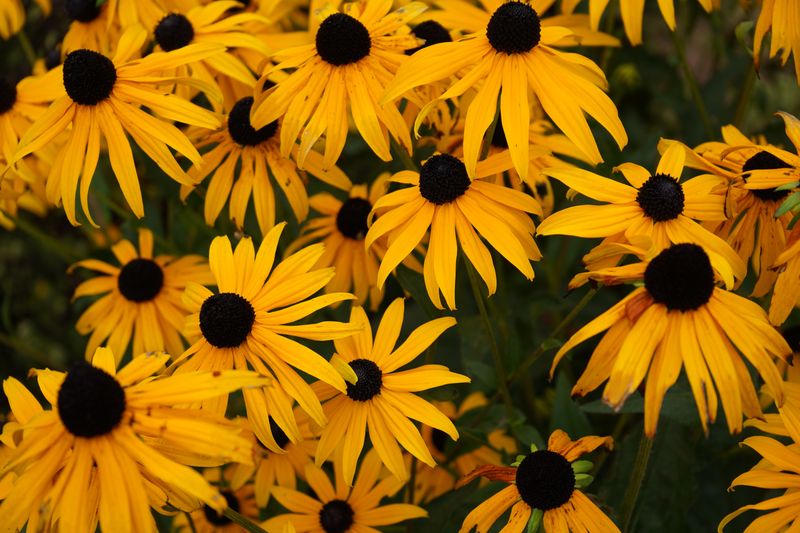
Late summer seems to arrive overnight when black-eyed Susans burst open in a sea of golden petals. Those dark chocolate centers stare back at you like a crowd of cheerful faces lining the garden path.
Rudbeckia fulgida is a native perennial that spreads by short rhizomes and seeds, forming wide drifts within a few seasons. A few nursery plants set a foot apart can blend into one golden carpet surprisingly fast.
Goldsturm is the best-known cultivar, and it earned Perennial Plant of the Year honors back in 1999. Plants usually reach two to three feet tall, with flowers lasting from July well into September or October.
Full sun brings the heaviest flowering, though these tough plants tolerate light shade and heavy clay without much complaint. Water new plantings regularly the first summer, then let established clumps handle typical dry spells mostly on their own.
I can’t imagine a pollinator garden without them, since butterflies and native bees visit the blooms nonstop. Leave seed heads standing through winter, because finches and sparrows love picking at them on snowy mornings.
Septoria leaf spot sometimes causes dark blotches on lower leaves, especially during wet summers with crowded plants. Spacing clumps for airflow and watering at the base, rather than overhead, helps reduce those unsightly spots.
Divide clumps every three or four years in spring, sharing the extras with neighbors who admire your flowers. Pair them with purple coneflowers or tall grasses for a classic prairie look that feels right at home in Ohio.
10. Hosta Guacamole
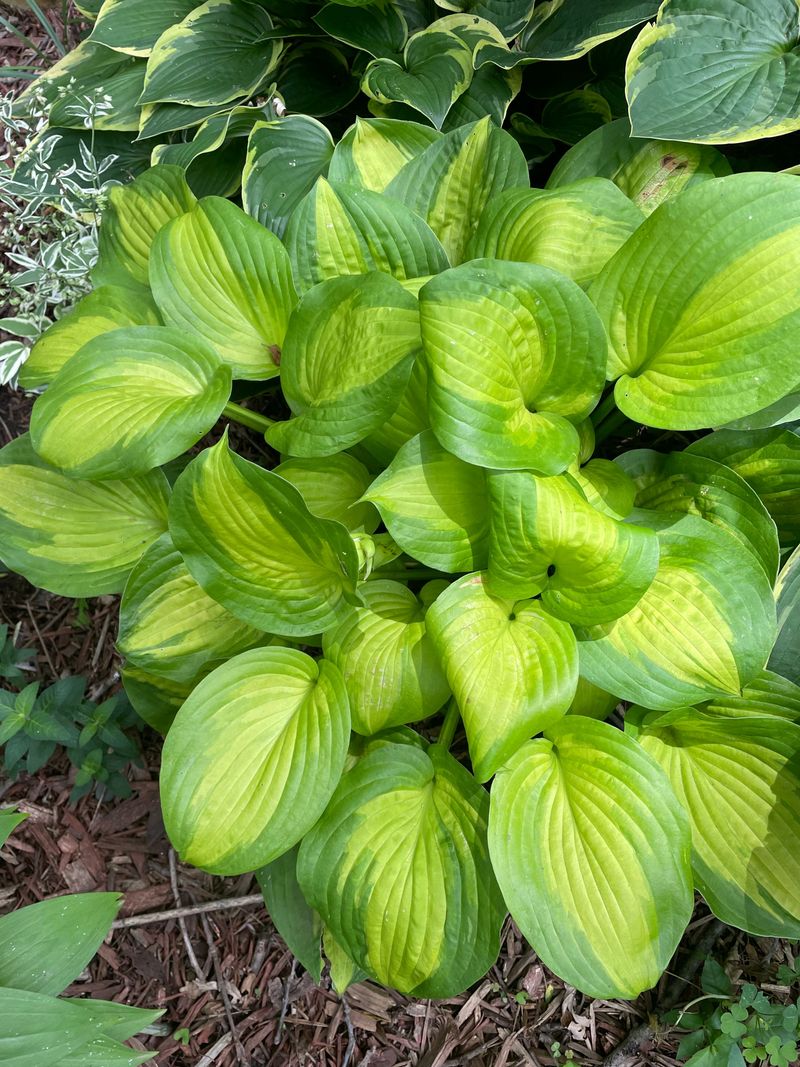
Shady corners often stay bare for years, but a vigorous hosta can turn that gloomy patch into a leafy jungle. Guacamole is one of the speediest growers I know, and its glossy leaves practically glow under tall trees.
Its heart-shaped leaves open bright chartreuse with dark green edges, and the centers turn more golden with sun. Mature clumps reach about two feet tall and often spread three to four feet wide within a few years.
Fragrant pale lavender flowers rise above the foliage in late summer, a sweet bonus that many hostas simply lack. Hummingbirds sometimes visit those tubular blooms, which makes sitting near a shady patio extra fun in August.
Morning sun with afternoon shade brings out the best leaf color, though deep shade still produces healthy growth. Rich, moist soil with plenty of compost helps hostas size up quickly, especially during their first two summers.
Water deeply during dry stretches, because thirsty hostas show crispy brown edges on leaves by midsummer in Ohio heat. A two-inch layer of shredded mulch keeps roots cool and holds moisture through warm afternoons.
Slugs and deer are the main troublemakers, chewing holes or leaving bare stems overnight in many neighborhoods. I suggest sprinkling iron phosphate slug bait in spring and using a repellent spray if deer wander through.
Divide crowded clumps in early spring as shoots poke through, slicing the crown into sections with a sharp spade. Each piece quickly fills a new spot, so one plant can stock an entire shade bed over time.