12 Spring Bulbs Oregon Gardeners Should Plant in October
My garden gloves are muddy again, and honestly, I could not be happier about it this October. The cool soil here in Oregon is quietly begging for a few papery treasures before winter rains arrive.
Those plain brown lumps look like onions from the back of the pantry, yet they hold a secret. Each one carries a tiny folded flower inside, packed and ready for its big moment next year.
I believe fall planting is the most hopeful chore a gardener can do with a simple trowel. You dig a hole now, cover it up, and then forget about it for many chilly months.
Then late winter shows up gray and soggy across Oregon, and bright color starts poking through the cold mud. My twelve favorites are below, and a couple of them surprised me with their wild history.
1. Darwin Hybrid Tulips
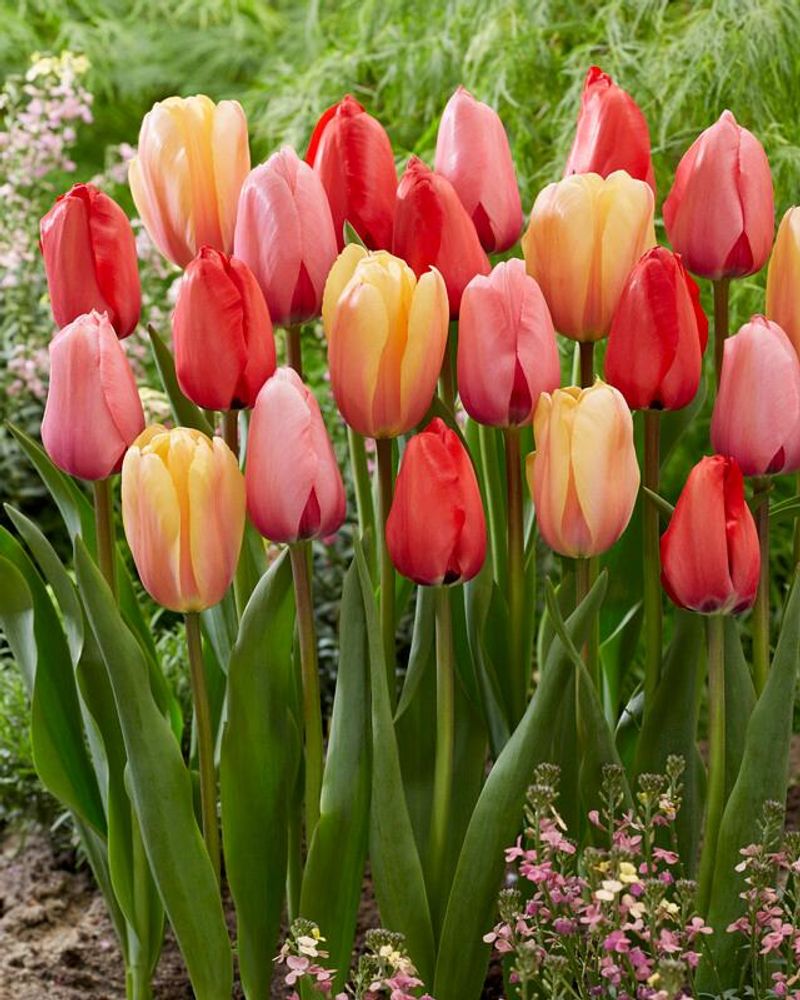
Big, bold, and egg-shaped, these blooms look like someone inflated a regular tulip with a bicycle pump. I can’t imagine a spring border without at least one cluster of them standing tall and proud.
Dutch breeder D.W. Lefeber created the group by crossing Darwin tulips with a wild species called Tulipa fosteriana. That clever mix gave the hybrids huge flowers and sturdy stems that often reach about 22 to 28 inches.
Most tulips fade after a year or two, but Darwin hybrids tend to come back for several seasons. That staying power makes them a smart buy if you dislike replanting the same bed every single fall.
October is a fine window here because the soil has cooled down after the long, dry summer weeks. Plant each bulb about six to eight inches deep, pointy end up, and space them roughly five inches apart.
Drainage matters more than almost anything else, especially in heavy western valley clay that stays soggy all winter. Mixing in compost or planting on a slight mound helps keep those bulbs from rotting in cold, wet ground.
Deer adore tulips, so I’m sure you’ll want to plant them close to the house or behind a fence. A sprinkle of repellent after the leaves appear can also help protect those tender shoots from hungry visitors.
Group at least ten bulbs together for a mid-spring show that looks rich and full from across the yard. Single colors feel calm and elegant, while mixed shades give your beds a cheerful, party-ready mood next April.
2. Tete A Tete Daffodils
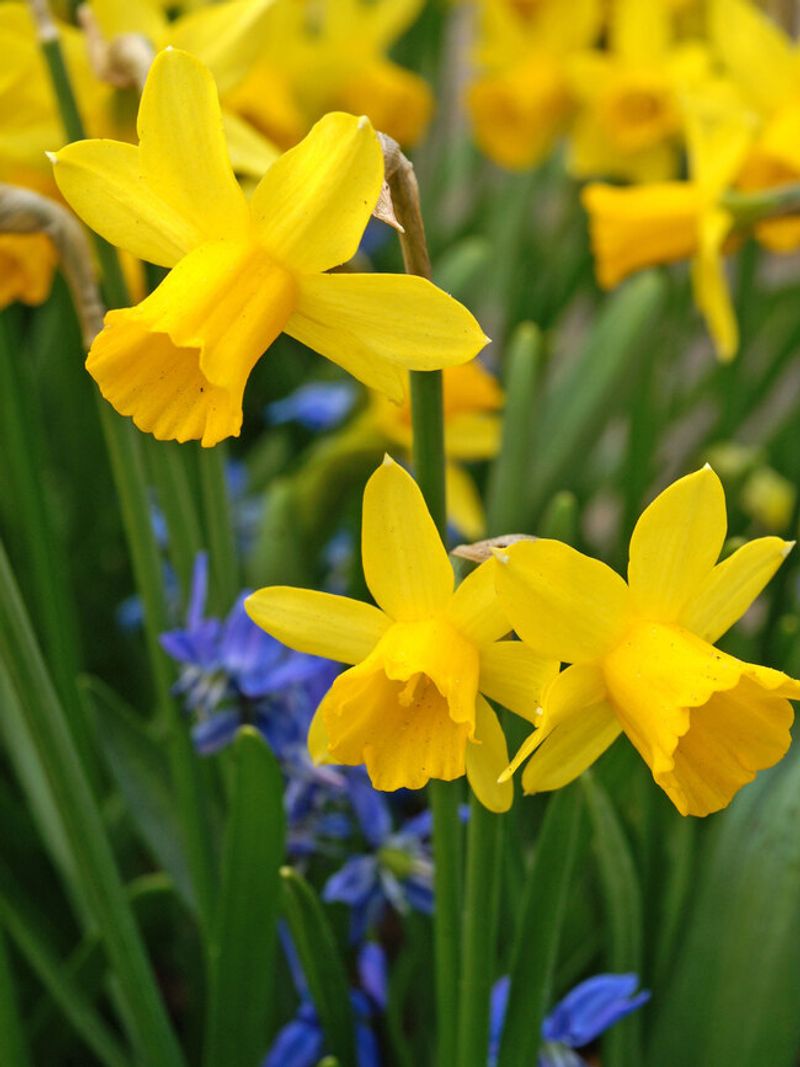
Tiny but fearless, this little daffodil often blooms while the rest of the garden is still yawning under gray skies. Its sunny yellow flowers stand only about six inches tall, yet they brighten a doorstep like a porch light.
The name is French for head to head, a nod to stems that often carry two or three blooms. British bulb breeder Alec Gray introduced this charming variety, and gardeners around the world quickly fell for it.
Deer and rodents mostly leave daffodils alone because every part of the plant contains bitter, toxic compounds. That makes them a sensible choice for rural yards where tulips tend to vanish overnight into hungry mouths.
Your Oregon Garden Changes Every Week. Your Plan Should Too.
Gardening in Oregon changes quickly throughout the season. Every Friday you’ll receive a simple weekly plan showing exactly what to plant, prune, fertilize, harvest, and protect so you never miss the right timing.
Plant the small bulbs about four to five inches deep, with the pointed tip facing up toward the sky. Space them a few inches apart so they can multiply into thick golden clumps over the coming years.
Containers work wonderfully too, and I believe a pot of these by the front step lifts any mood. Use a gritty potting mix and keep the pot where heavy rain will not leave the bulbs sitting soggy.
After the flowers fade, let the leaves stay green for about six weeks so the bulbs can recharge. Tying or cutting the foliage early can weaken next year’s show, so patience pays off here.
Tuck them along a path edge or into a rock garden where their small size will not get lost. You’ll see why so many gardeners call them the cheerful first guests at the spring garden party.
3. Snow Crocus
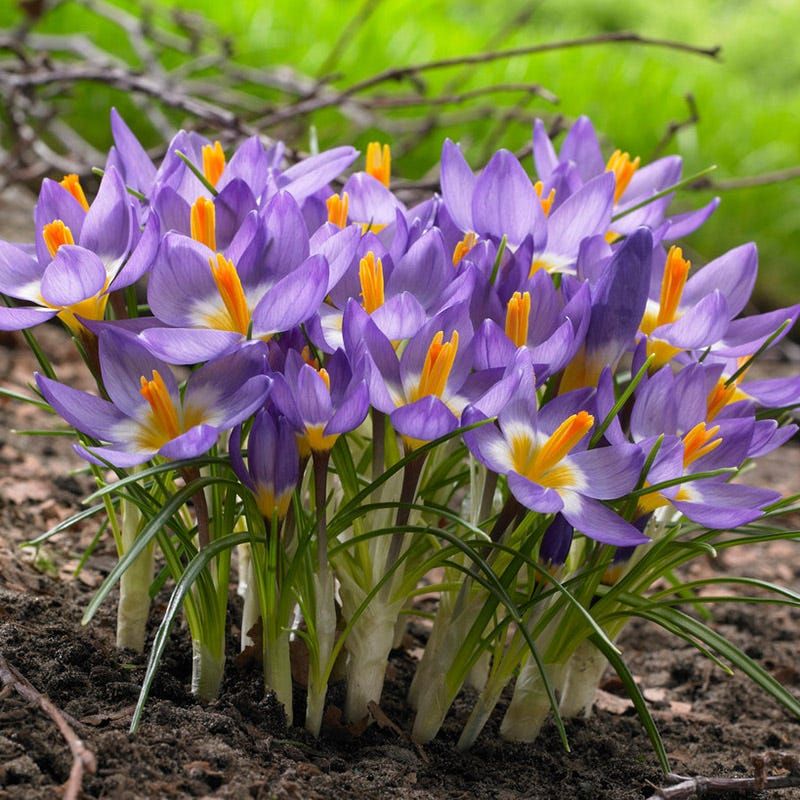
Hungry bees wake up on mild February afternoons, and snow crocus is often the first snack waiting for them. The slender lavender cups open wide in sunshine and close up tight again when clouds roll in.
Its botanical name is Crocus tommasinianus, and many gardeners simply call it tommies to save their tongues. The plant comes from the mountains of southeastern Europe, so chilly, damp winters rarely bother it at all.
Squirrels tend to dig up the big Dutch crocus, yet they often skip these smaller, slimmer corms. I wonder if the taste is less appealing, though nobody seems sure exactly why the critters pass them by.
Plant the corms about three to four inches deep in a sunny spot with soil that drains well. They only reach three or four inches tall, so place them near paths where you will spot them easily.
Tommies are famous for spreading on their own, both by seed and by forming new little corms underground. Over a few years, a modest handful can turn into a soft purple carpet across a lawn.
If you plant them in grass, hold off on mowing until the crocus leaves turn yellow in late spring. That short pause lets the corms store enough energy to return with even more flowers next year.
Corms are cheap, so buying fifty or a hundred will not empty your wallet the way fancy tulips might. You definitely need a big batch scattered under a deciduous tree for that first jolt of late-winter color.
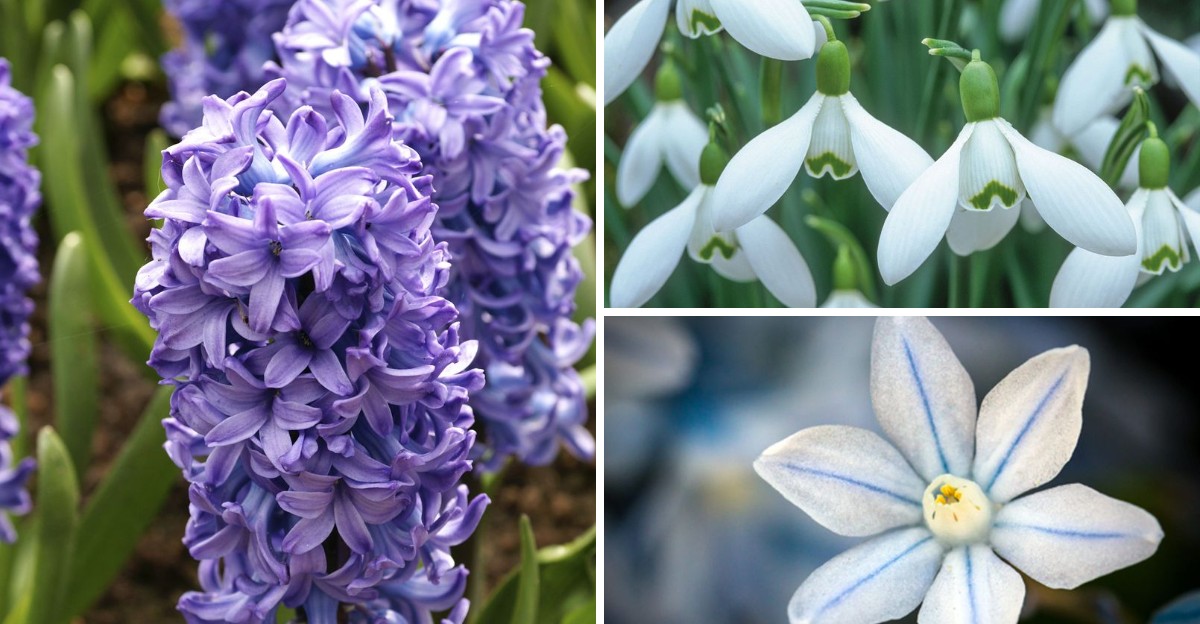
4. Dutch Hyacinths
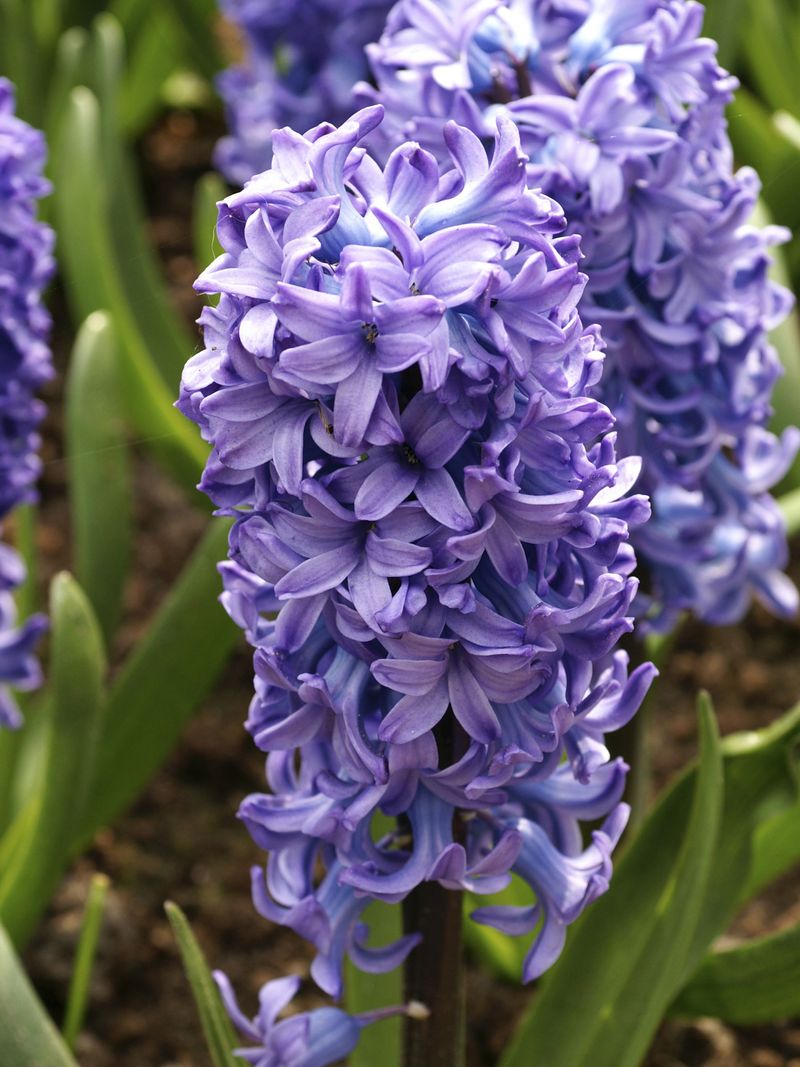
One whiff of a blooming hyacinth can stop you in your tracks from several feet away on a cool morning. The perfume is sweet and heavy, and a single pot can scent an entire porch in mid-spring.
These flowers come from Hyacinthus orientalis, a wild plant native to Turkey and nearby parts of western Asia. Dutch growers spent centuries breeding the chunky, tightly packed flower spikes we see in garden centers today.
Wear gloves when handling the bulbs, because their papery skins can make sensitive hands itch and turn red. A cheap pair of garden gloves solves the problem, and you can wash up after planting to be safe.
Set each bulb about six inches deep and roughly six inches apart in a spot with full sun. Loose, well-drained soil keeps them healthy, since soggy ground in winter can cause bulbs to rot quickly.
Expect stems about eight to twelve inches tall, packed with starry little florets in blue, pink, white, or purple. Their stiff, upright shape looks tidy and formal, which suits neat borders and window boxes nicely.
The first spring show is the biggest, and later years often bring looser, smaller spikes with fewer flowers. Honestly, I’m fond of that relaxed second-year look because it feels more natural and less like a showroom.
Deer and rabbits usually leave hyacinths alone, which makes them handy near open edges of the yard. Plant a few right beside your front door, and every trip outside next spring will smell like candy.
5. Purple Sensation Allium
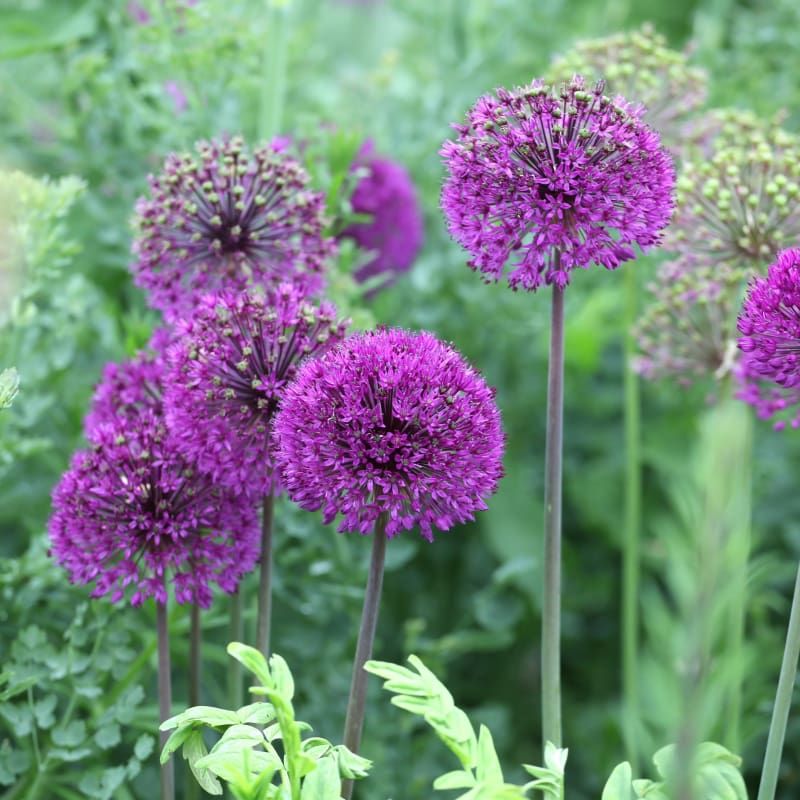
Purple pom-poms floating nearly three feet above the ground look like something straight out of a children’s storybook. Every round head is actually dozens of tiny starry flowers packed together into a ball about four inches wide.
Yes, this beauty is an ornamental onion, and crushing a leaf releases a faint, savory smell you’ll recognize. That oniony scent is one reason deer and rodents tend to wander past without taking a single bite.
Its official name is Allium hollandicum Purple Sensation, and the flowers open in late spring after most tulips finish. That timing helps fill the awkward gap between early bulbs and the big summer perennials in your beds.
Plant the bulbs about six inches deep in full sun, with spacing of roughly six to eight inches. Good drainage keeps them happy, so a raised bed works well if your yard holds water after storms.
One quirky habit surprises new growers, because the strappy leaves start yellowing right as the flowers open. Tuck the bulbs behind leafy perennials, and those plants will hide the tired foliage while the globes shine.
Bees and butterflies crowd onto the blooms, and I’m sure you’ll spend more time watching them than weeding. The flower heads stay attractive after fading, turning into papery seed balls that look great in dried arrangements.
This allium can self-sow where it is happy, so snip the seed heads if you prefer tidy clumps. Planting groups of seven or more creates a floating purple cloud that neighbors will slow down to admire.
6. Common Snowdrops
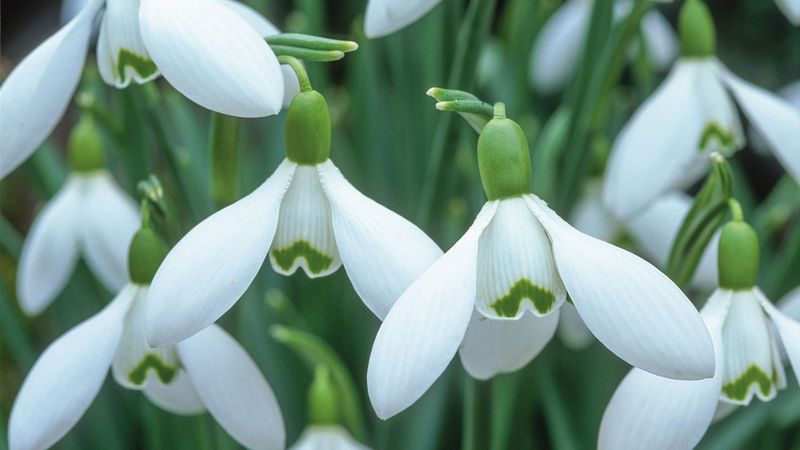
Snowdrops have fans so devoted that they call themselves galanthophiles, and some pay huge sums for rare bulbs. The common snowdrop, Galanthus nivalis, is far more affordable, and I think it is just as lovely.
Each nodding white flower hangs like a tiny lantern, often opening in late winter when little else blooms. Tip one up gently, and you’ll find a small green mark on the inner petals, shaped like a V.
Plants stay small, usually around four to six inches tall, so they look best planted in generous drifts. A dozen bulbs scattered alone can disappear, but fifty tucked under a shrub create a sweet white blanket.
Dry snowdrop bulbs can struggle, so plant them as soon as you bring them home from the store. Set them about three inches deep in rich soil that stays slightly moist under deciduous trees or shrubs.
Western Oregon winters suit them nicely, since the cool, damp months match the woodland homes they come from. Afternoon shade in summer also helps, because the dormant bulbs prefer to stay cool while resting underground.
Over time the clumps grow thicker, and you can divide them right after blooming while the leaves stay green. Many experts actually prefer moving them this way, since green plants settle in faster than dry bulbs do.
Deer and rodents rarely bother snowdrops, which is a relief for anyone gardening near woods or open fields. Spotting those first white bells in the gloom of February feels like a quiet promise that brighter days are coming.
7. Winter Aconite
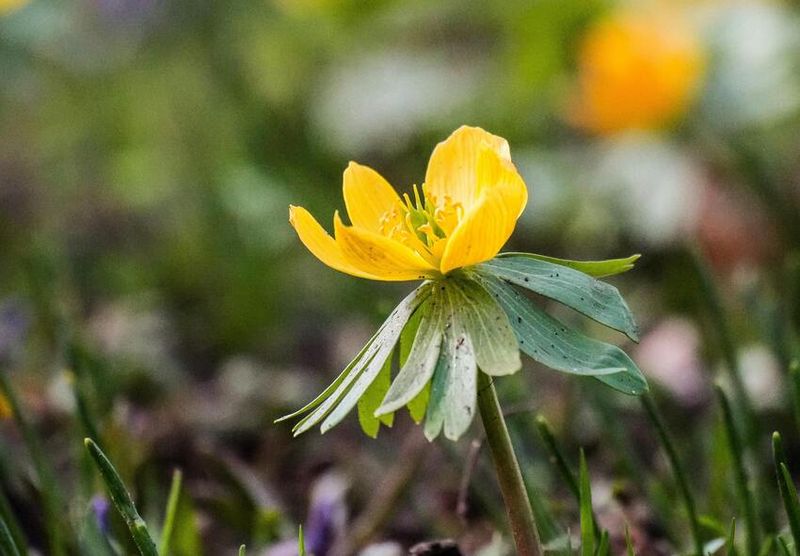
Bright yellow buttercups wearing frilly green collars might be the most cheerful thing in a February garden. Winter aconite really does belong to the buttercup family, and its flowers glow like little suns against bare soil.
Scientists call it Eranthis hyemalis, a name that roughly means spring flower of winter in Greek and Latin. That frilly collar is really a ring of leafy bracts, and it frames each bloom like a ruffled plate.
These plants grow from small knobby tubers that look a lot like shriveled raisins when they arrive. Soak them in water overnight before planting, because dried tubers often struggle to wake up in spring.
Plant them about two to three inches deep and a few inches apart in rich, moist soil. Spots under deciduous trees work beautifully, since sunshine reaches the ground before the branches leaf out.
Expect a modest height of about three to four inches, so these blooms belong near the front of beds. Pair them with snowdrops, and you’ll get a sunny yellow and crisp white duet in the coldest weeks.
All parts of the plant are toxic if eaten, so keep curious pets and toddlers away from the tubers. On the bright side, deer and rabbits seem to know this and mostly leave the plants in peace.
Once settled, winter aconite slowly spreads by seed, forming golden patches that grow a little wider each year. Patience is part of the deal, but I can’t imagine a happier reward for leaving a corner undisturbed.
8. Grecian Windflowers
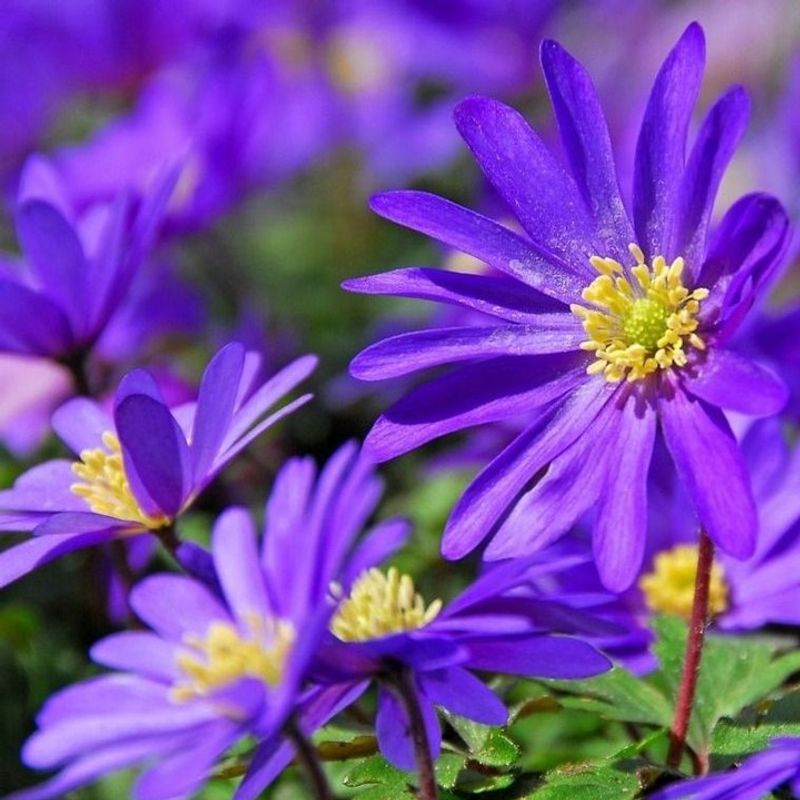
Little daisy faces in sky blue or soft pink pop up in early spring like confetti scattered across the ground. White forms exist too, and a mix of shades looks wonderfully playful under a budding tree.
Anemone blanda comes from the mountains of southeastern Europe and Turkey, where it carpets rocky slopes each spring. Garden plants usually stay about four to six inches tall, forming low mats of feathery, finely cut leaves.
The funny part comes at planting time, since the tubers look like wrinkly brown pebbles with no clear top. If you cannot tell which way is up, simply plant them sideways and let the roots sort it out.
Soak the tubers in water for a few hours first, and they will plump up and sprout more reliably. Set them about two to three inches deep and roughly three inches apart in soil that drains well.
Sun or partial shade both work, which makes these windflowers easy to tuck beneath shrubs and young trees. The flowers open wide on sunny days and close up on gloomy ones, so they track the weather nicely.
Deer tend to leave them alone, and the plants gently spread over time to form larger patches of color. After blooming, the foliage fades away quietly by early summer, leaving room for other plants to take over.
Their hardiness covers zones five through eight, which fits a large share of gardens across this region. I believe a big drift of blue windflowers might be the sweetest welcome mat your garden could offer.
9. Checkered Fritillaries
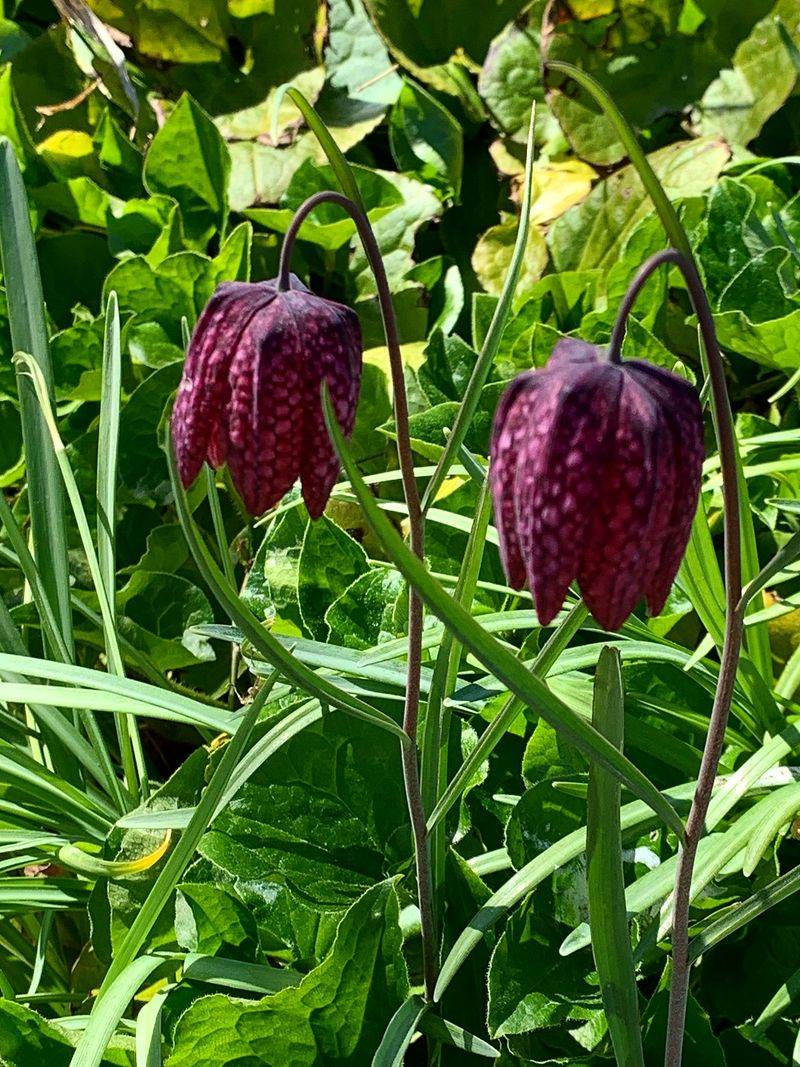
Somebody looked at this flower and saw a guinea hen, and once you see it, the nickname makes sense. Each drooping bell wears a tidy checkerboard pattern, like a tiny quilt stitched in plum and pale pink.
Botanists know it as Fritillaria meleagris, a species that grows wild in damp meadows across parts of Europe. Meleagris is actually the old Latin word for guinea fowl, so the speckled bird inspired the name long ago.
Moisture-loving bulbs like this one can be a smart match for soggy western yards that challenge other spring flowers. Plenty of Oregon gardens stay damp through winter, and this flower tends to enjoy steady moisture more than tulips do.
Plant the bulbs about four inches deep and four inches apart as soon as they arrive this month. They are small and fragile, with loose scales that dry out quickly when left sitting in a paper bag.
Slender stems reach roughly eight to twelve inches, and the bells open in mid-spring with a gentle nod. Some bulbs produce pure white flowers instead, and those pale ghosts look magical mixed among the checkered ones.
Rodents and deer typically skip these bulbs, which makes them a welcome change from snack-prone favorites. Partial shade or full sun both work, though a spot that stays moist in spring keeps them happiest.
Tuck them near a path or patio, since the patterned bells reward anyone who bends down for a closer look. I’m sure visitors will ask about them, and you’ll get to share the guinea fowl story every spring.
10. Armenian Grape Hyacinths
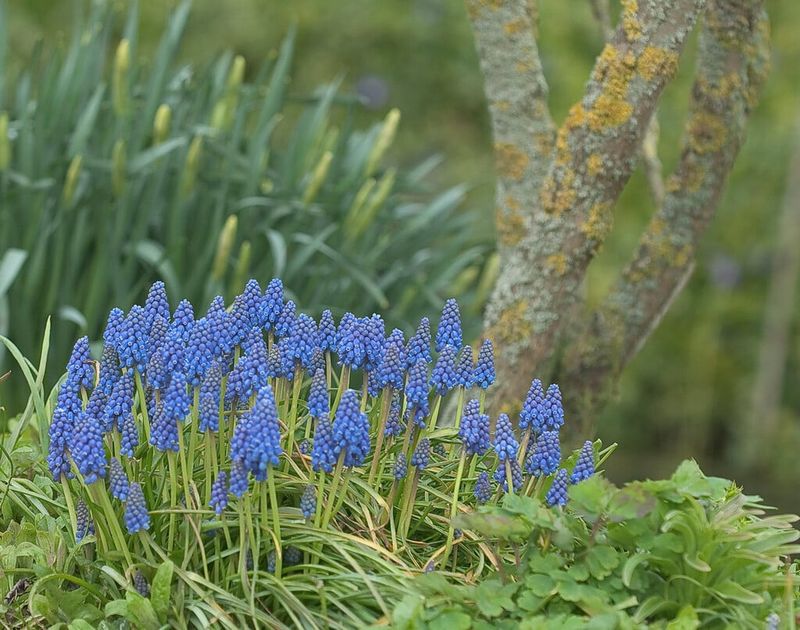
Tiny clusters of blue bells stacked like miniature grapes make this bulb one of the easiest smiles in spring. Look closely, and many of those little urn-shaped flowers have a thin white rim around their mouths.
Muscari armeniacum is not a true hyacinth at all, though both plants belong to the same larger family. The flowers carry a light, sweet scent, and the stems usually stay around six to eight inches tall.
One odd trait makes them handy, because their grassy leaves often pop up in fall before winter arrives. Those early leaves mark the spot, so you can plant other bulbs nearby without digging into existing clumps.
Plant the small bulbs about three to four inches deep and a few inches apart in sun or light shade. Well-drained soil keeps them healthy, and they handle a wide range of garden conditions with little fuss.
Be aware that this species spreads eagerly by seed and offsets, so give it room or a defined edge. Snipping off faded flower stalks before seeds ripen helps keep the clumps where you want them to stay.
Deer and rodents mostly ignore grape hyacinths, so they work well as a blue edging along tulip beds and walkways. I believe a river of blue running beneath yellow daffodils is one of the classic sights of the season.
Containers suit them well too, and a shallow bowl of grape hyacinths makes a sweet springtime table centerpiece. Kids love the grape look, so let little helpers drop a few bulbs into holes this weekend.
11. Striped Squill
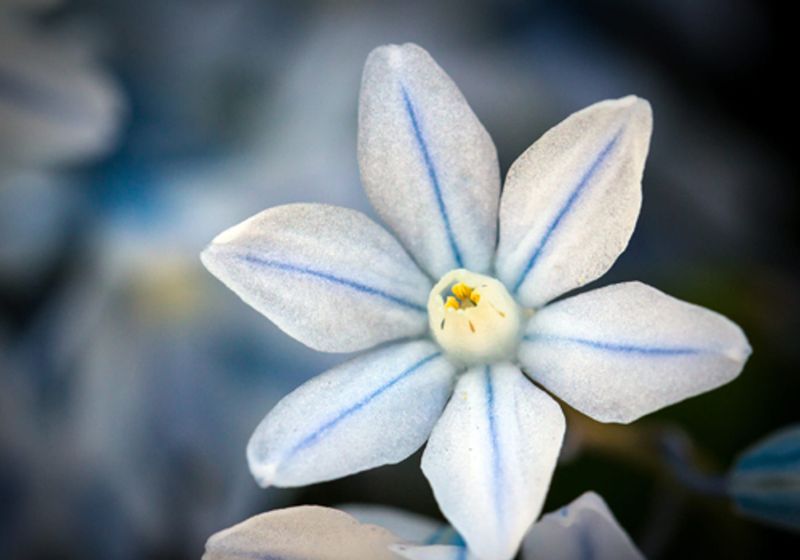
Every pale blue petal on this flower looks like someone traced a careful line down the middle with a marker. That darker blue stripe gives the plant its common name and a soft, delicate charm up close.
The botanical name, Puschkinia scilloides, honors Count Apollos Mussin-Pushkin, a Russian scientist who collected plants in the Caucasus. Native to the Caucasus region and parts of the Middle East, it handles cold winters with easy confidence.
Plants stay short, reaching only four to six inches, so they look best grouped in bunches of twenty or more. A few lonely bulbs can vanish visually, while a crowd creates a soft blue haze across the bed.
Plant the bulbs roughly four to five inches deep and a few inches apart this month. Full sun or partial shade works, and they appreciate soil that drains well during rainy winter weeks.
Blooms show up in early spring, often right alongside crocus, and they hold their color for weeks in cool weather. Their cool, icy tone pairs beautifully with sunny yellow daffodils or deep purple crocus in a mixed planting.
Striped squill spreads politely over time, forming gentle colonies without the pushy habit some spring bulbs develop. Its good manners appeal to me, especially in small yards where every square foot of soil counts.
Deer usually pass these bulbs by, and their small size makes them ideal for rock gardens and lawn edges. Few people know this flower by name, so you’ll own a little secret that most garden centers overlook.
12. Glory Of The Snow
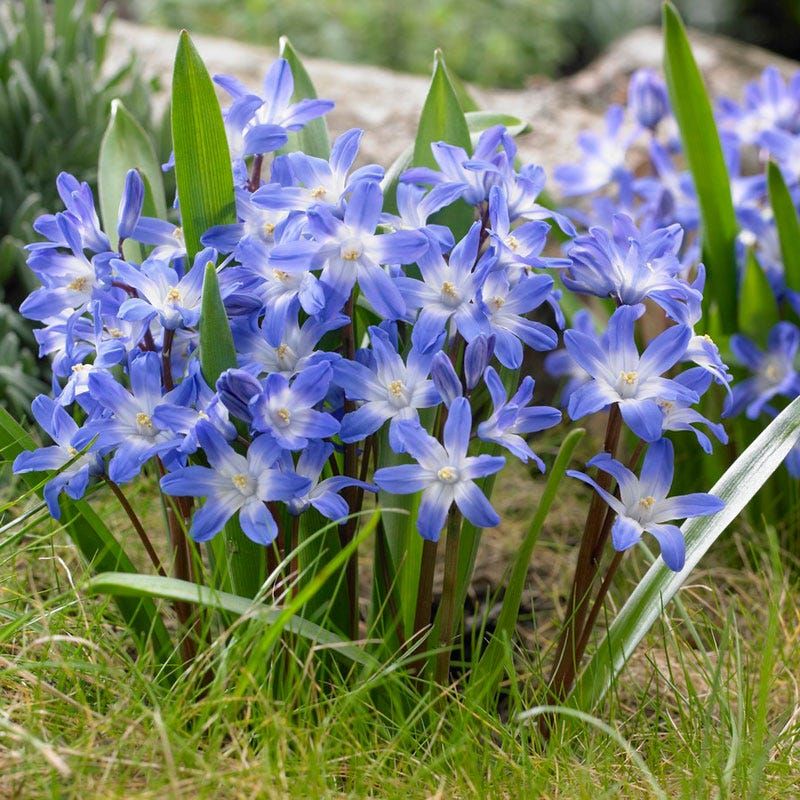
Mountain snow in Turkey melts each spring to reveal bright blue stars, and that sight inspired this flower’s name. Chionodoxa comes from Greek words meaning snow and glory, so the title fits like a cozy glove.
You’ll often see it sold as Chionodoxa luciliae, though many botanists now place it in the genus Scilla. The name change confuses shoppers, yet the plant itself stays the same cheerful little bulb it has been.
Each upward-facing flower shows lilac blue petals around a crisp white center, like a star with a glowing heart. Plants reach about four to six inches tall and bloom in early spring around the same time as daffodils.
Plant the bulbs about three inches deep and a few inches apart in sun or partial shade. Open spots under deciduous trees suit them, because the blooms finish before summer leaves shade the ground.
Glory of the snow self-seeds freely, and in some regions it has spread into lawns and nearby woodlands. A smart move is planting it in contained beds and checking guidance from your local Oregon extension office.
Snipping spent flower stalks before the seed pods split open helps you manage how far the colony wanders. Deer and rodents rarely bother the bulbs, so most of your effort goes into enjoying the show.
After months of drizzle and gray skies, a patch of blue stars feels like the sky dropped by early. Tuck a handful in this October, and you’ll have a sweet reason to step outside next March.