7 Bulbs California Gardeners Can Still Plant In November For Spring Color
A tulip bulb can spend weeks in your refrigerator before it ever gets a place in the garden. That little bit of cold preparation is one of the surprises California gardeners encounter when planning a spring flower display.
November is still a rewarding time to plant many spring-blooming bulbs across the state. Mild winters give them a chance to settle in, grow roots, and prepare for a colorful show while the garden enjoys cooler weather.
Coastal beds, sunny borders, and patio containers can all make room for a few new additions.
I love the variety of shapes these flowers bring, from delicate bells and graceful iris petals to big, layered blooms that look almost like roses. Some need very little attention after planting, while others appreciate a little extra preparation.
A handful of bulbs now can turn an ordinary spring morning into a lovely surprise. Which colors would brighten your garden most?
1. Daffodils
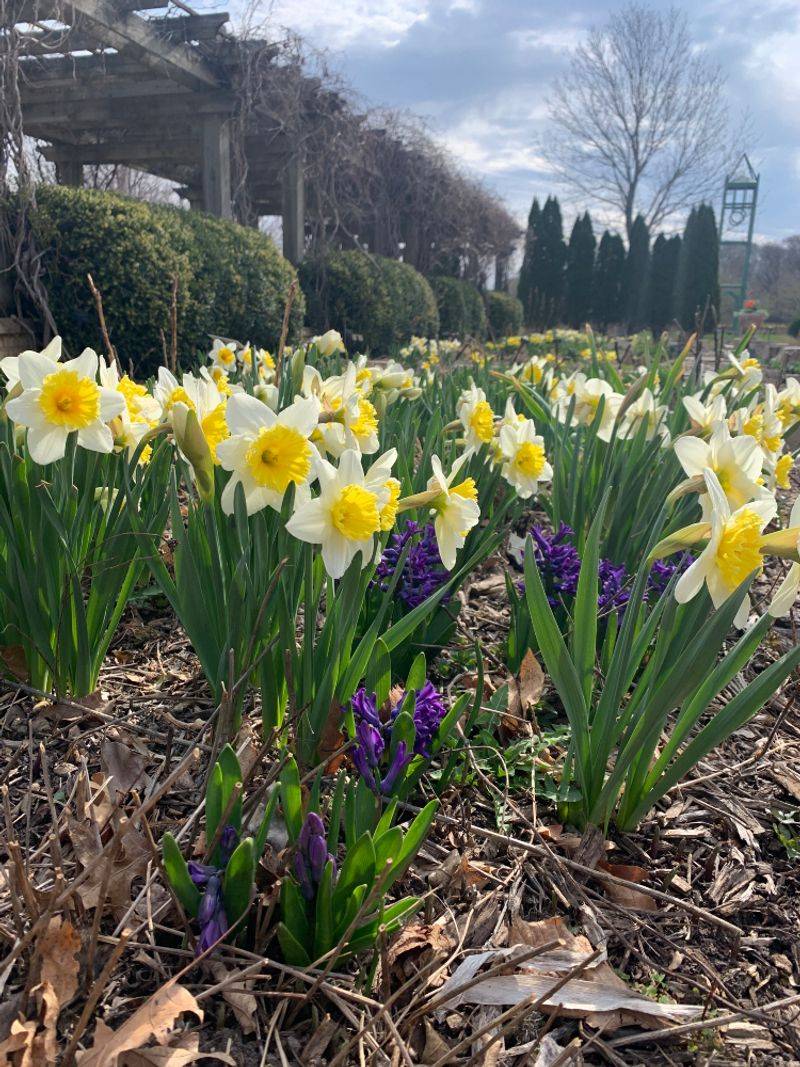
Gophers and deer tend to leave daffodils alone, because every part of the plant contains bitter, toxic compounds. I treat them as my bodyguard bulbs, planting them where hungry critters have ruined my tulips before.
Those sunny trumpets belong to the genus Narcissus, and they bloom from late winter into early spring here. Many varieties come back for years, slowly forming bigger clumps that need almost no fuss from you.
In warmer coastal and southern areas, choose Tazetta types like Paperwhite or Grand Soleil d’Or for reliable flowers. Those clustered, fragrant varieties need little winter chill, so they rebloom happily where frost rarely shows up.
Plant each bulb about two to three times as deep as it is tall, pointy end facing up. For most standard daffodils, that means roughly six inches down in loose soil that drains well.
Full sun works best, although a spot with a few hours of afternoon shade still produces decent blooms. Water once after planting, then let winter rain handle most of the job unless the season turns dry.
After the flowers fade, resist the urge to braid or cut back the floppy green leaves. Those leaves feed the bulb for next year, so wait until they turn yellow before tidying up.
Keep curious pets away from the bulbs, since chewing on them can cause stomach trouble for dogs and cats. I tuck mine along fences and beneath roses, where their cheerful yellow faces greet me every February.
2. Freesia
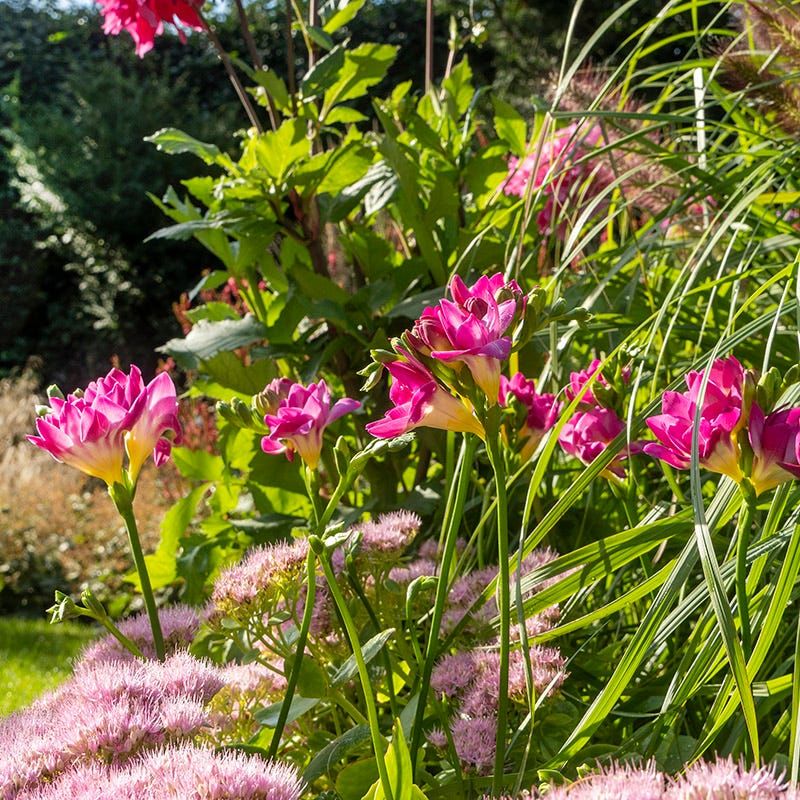
One whiff of freesia on a cool March morning can stop you right in your tracks on the garden path. I have to admit I plant extra near the front door just so visitors comment on the sweet perfume.
Freesias come from South Africa, where wet winters and dry summers look a lot like our own weather. That shared climate explains why the corms settle in so easily across much of the state.
Plant each corm about two inches deep with the pointed end up, spacing them two to three inches apart. Tight clusters of a dozen or more look far showier than lonely single rows along a border.
Give them full sun and soil that drains quickly, because soggy ground can cause the corms to rot. Raised beds or large containers work nicely if your yard holds heavy clay after winter storms.
Expect blooms roughly ten to twelve weeks after planting, usually arriving from late winter into spring. The flowers line up along one side of an arching stem, opening one after another for weeks.
Taller hybrids sometimes flop over, so a few twiggy stakes or neighboring plants help hold them upright. Keep the soil lightly moist during active growth, then stop watering once the leaves begin yellowing.
In frost-free spots rated USDA Zones 9 and 10, many freesias return and multiply on their own. Snip a few stems for a small vase, and your kitchen will smell like a fancy flower shop.
3. Dutch Iris
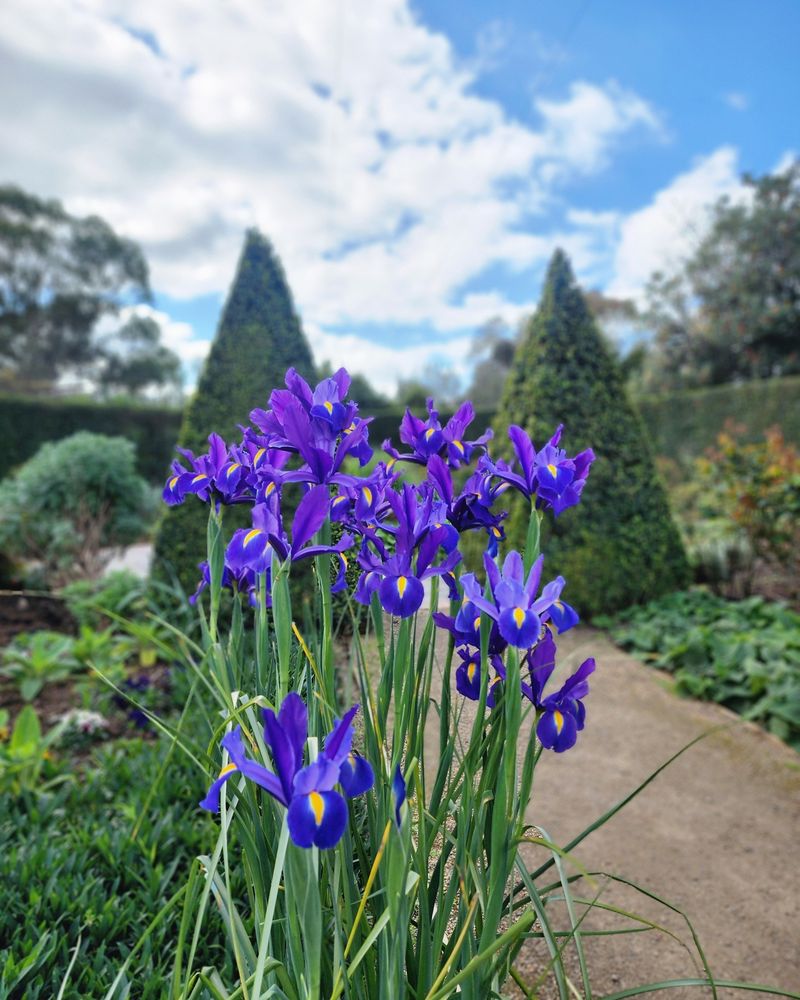
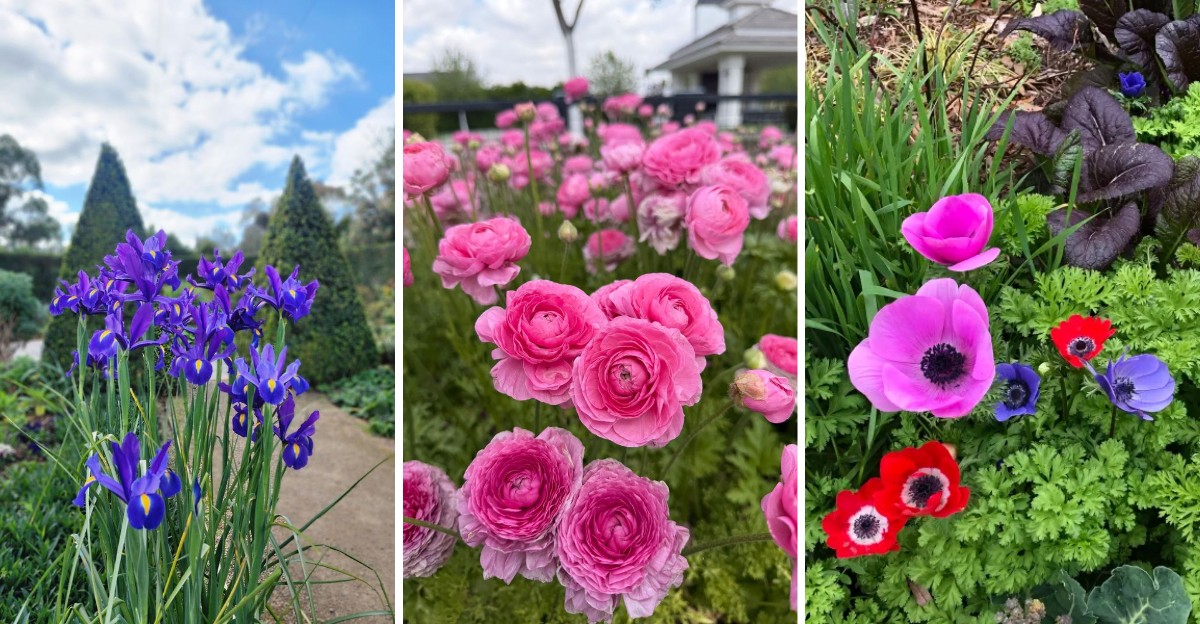
Florists adore Dutch iris for good reason, since a single stem can last about a week in a vase. I love how those crisp blue petals with a bright yellow stripe look almost hand-painted up close.
Known to botanists as Iris x hollandica, these hybrids grow from small teardrop bulbs with papery brown skins. Beyond classic blue, you can also find varieties dressed in snowy white or buttery yellow shades.
Plant the bulbs about four to five inches deep and three to four inches apart, pointed tip up. Groups of ten or more create a bold patch of color that reads well from across the yard.
Full sun keeps the stems strong and straight, while shady spots often produce floppy leaves and fewer blooms. Well-drained soil matters a lot, because bulbs sitting in cold puddles tend to rot over winter.
You might spot grassy leaves poking up within weeks, which is perfectly normal for this early riser. Unlike tulips, Dutch iris needs no refrigerator chilling in mild winter regions, which saves fridge space.
Flowers usually open in early to mid spring, standing roughly eighteen to twenty-four inches tall on stiff stems. Cut stems when the first bud shows color, and they will finish opening indoors on your table.
After blooming, let the foliage yellow naturally and ease up on watering as summer heat arrives. In my experience, many clumps return for several years, especially in beds that stay fairly dry in summer.
4. Grape Hyacinth
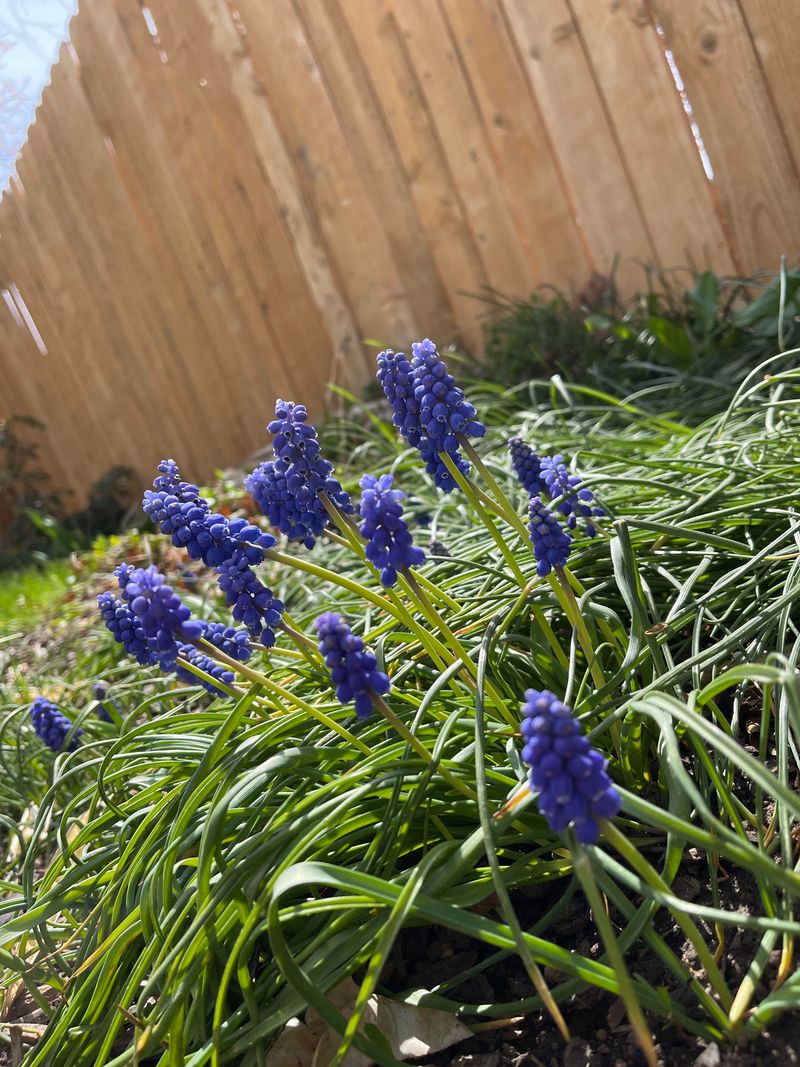
Tiny upside-down bells packed tightly on a short stem give grape hyacinths their funny, fruity nickname. Lean in close on a sunny day, and many varieties release a light scent that reminds people of grape soda.
The most common species, Muscari armeniacum, stays only six to eight inches tall when it flowers. Its cobalt blooms are small, yet a big drift of them looks like a puddle of spilled paint.
Plant the little bulbs about three inches deep and three inches apart, pointed end facing the sky. Since each bulb is tiny, I like dropping a handful of twenty or more into one wide hole.
Don’t panic if skinny green leaves show up soon after planting, because that early foliage is normal behavior. The flower spikes follow later, usually appearing in late winter or early spring depending on your area.
Full sun to light shade suits them, and they handle ordinary garden soil as long as it drains. Deer and rodents usually ignore them, which makes them handy for spots where other bulbs get nibbled.
Early bees appreciate the nectar, especially on warm afternoons when few other flowers are open yet. I enjoy watching them bumble from bell to bell while I sip my morning coffee outside.
Grape hyacinths make sweet edging along paths, and they look lovely popping up beneath taller daffodils. In many gardens, they slowly multiply over the years, so a modest start can become a generous carpet.
5. Ranunculus
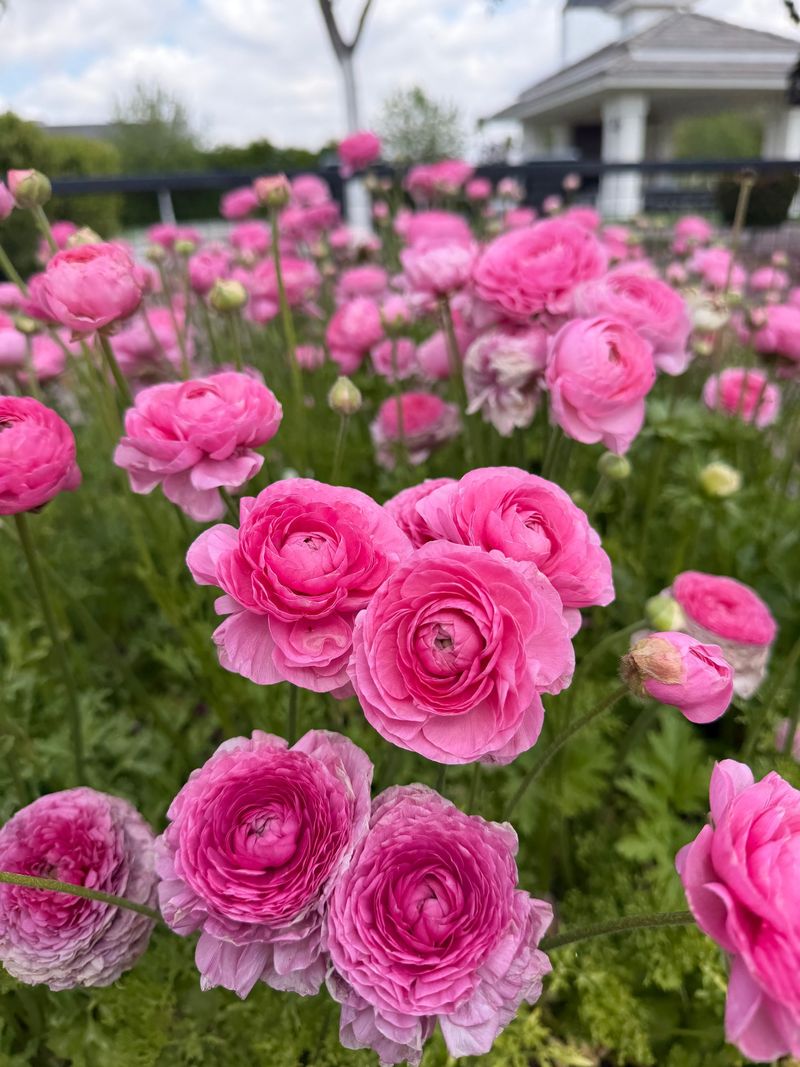
Every spring, the Flower Fields in Carlsbad turn about fifty acres of hillside into colorful stripes of ranunculus. Seeing those rainbow rows in person made me want my own backyard version of that glorious view.
Often called Persian buttercup, Ranunculus asiaticus produces layered blooms that rival roses for sheer petal count. The corms, though, look like dried brown octopus legs, which surprises nearly everyone opening their first bag.
Soak those odd little corms in room-temperature water for three to four hours before planting them outdoors. They plump up noticeably, and that quick drink helps jump-start root growth once they reach the soil.
Set each corm about two inches deep with the claws pointing down, spacing them six to nine inches apart. Skip heavy watering right afterward, since soggy soil before sprouting can easily cause the corms to rot.
Full sun brings the best show, although afternoon shade helps a lot in hot inland valleys and foothills. Expect flowers roughly ninety days after planting, usually starting in early spring and running happily for several weeks.
Once green sprouts appear, water regularly so the soil stays evenly moist without turning into mud. Birds sometimes peck at young shoots, so a light cover of netting can protect them early on.
Cutting flowers often encourages more buds, so I happily fill jars all over the house each spring. Just remember the sap can irritate sensitive skin, so gloves are a smart idea while harvesting armloads.
6. Anemone
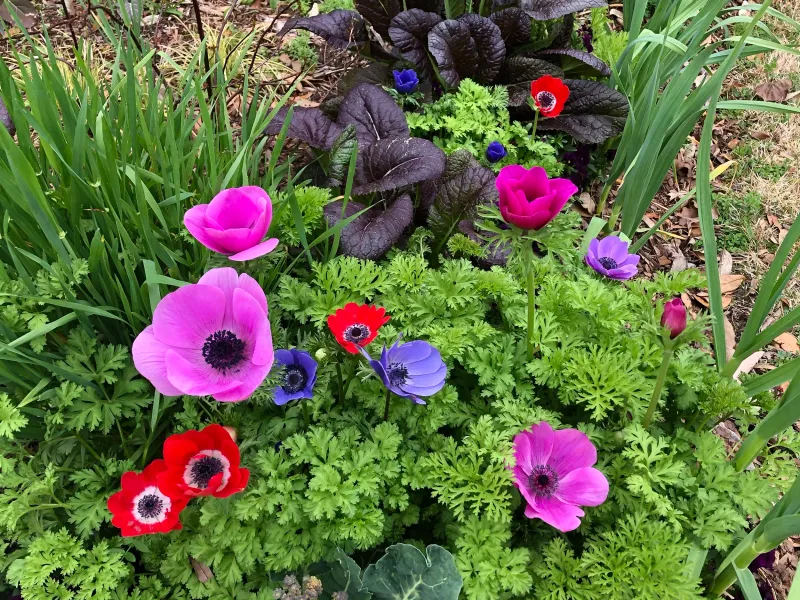
Bold black centers ringed by jewel-colored petals make poppy anemones look like they are staring right back at you. I can’t walk past a bed of them without stopping to admire those dramatic, wide-eyed faces.
Anemone coronaria grows wild around the Mediterranean, so our rainy winters and dry summers suit it well. Its old nickname, windflower, comes from the Greek word for wind, which is a sweet bit of trivia.
The corms look like hard, wrinkled pebbles, so soak them in lukewarm water for a few hours first. Plant them the same day, because soaked corms left sitting around can turn moldy surprisingly fast.
Figuring out which end is up feels tricky, so I simply lay them flat on their sides. Cover them with about two inches of soil, spacing each corm roughly four to six inches apart.
Pick a sunny spot with loose, well-drained soil, since these corms dislike sitting in cold, wet mud. Containers work beautifully too, and they let you move the show closer to a patio or doorway.
Blooms often begin in late winter and continue through spring, with each plant sending up many flowers. Picking them regularly seems to keep fresh buds coming, which makes vase-filling a happy little weekly chore.
All parts of the plant are toxic if eaten, so plant them away from nibbling pets and toddlers. Reds and deep blues pop against gray winter skies, giving tired beds a much-needed jolt of cheer.
7. Tulips
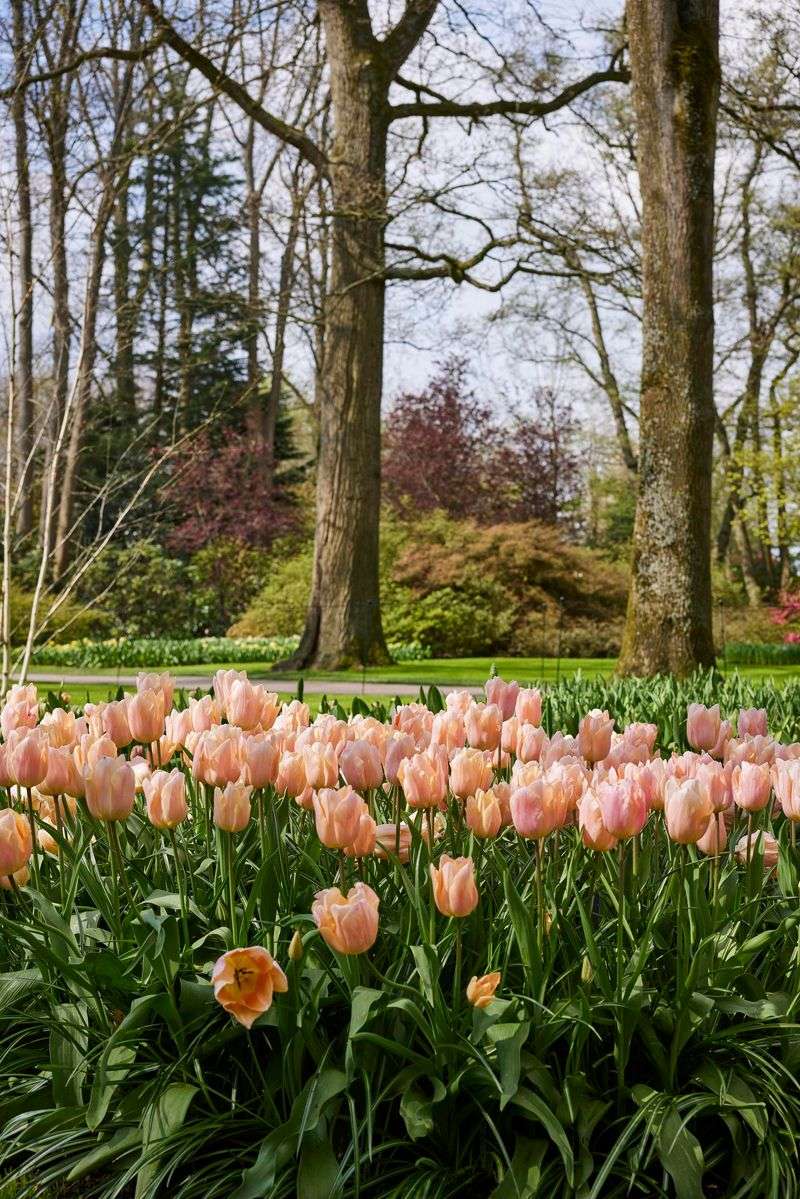
Tulips in mild-winter gardens need a secret trip to the refrigerator before they ever touch the soil. I still giggle every fall when my vegetable drawer holds more bulbs than actual vegetables for weeks.
Most tulips need a long, cold spell to form strong stems, and our winters rarely deliver enough. Without that chill, flowers can open on short, stubby stems or skip blooming altogether in warm regions.
Chill the bulbs for about six to eight weeks in a paper bag inside your home refrigerator. Keep them away from apples and other ripening fruit, since the gas they release can harm flower buds.
Bulbs you buy and chill this month can head outside in late December or early January. Many nurseries also sell pre-chilled bulbs, which can go straight into the ground once soil cools down.
Plant them about six to eight inches deep in a sunny spot with soil that drains well. Deeper planting keeps the bulbs cooler, which helps a lot in places where winter sunshine warms the ground.
Gophers find tulips delicious, so wire baskets around each planting hole can save you real heartbreak. Water after planting and again during dry stretches, but skip extra watering whenever storms keep the soil damp.
Many gardeners in warm areas treat tulips as annuals, since they rarely rebloom well after the first year. Personally, I think one glorious spring of satin cups is worth the extra fridge space every single time.