These Forgotten North Carolina Native Ferns Thrive Better Than Hostas In Deep Shade
Hostas are a go-to for shady North Carolina gardens, but several native ferns actually outperform them in the deepest, darkest corners of the yard.
These ferns have evolved specifically for low-light forest floor conditions, allowing them to thrive where even shade-tolerant hostas can start to struggle or grow sparse.
Many of these native ferns also tolerate the moist, humid conditions common in North Carolina shade gardens without the slug damage that frequently plagues hosta leaves.
Beyond their resilience, these ferns support local ecosystems in ways introduced hostas simply don’t, fitting naturally into the region’s native plant communities.
For gardeners with a persistently shady, hosta-resistant corner, these overlooked native ferns offer a hardy, low-maintenance alternative worth rediscovering.
1. Christmas Fern
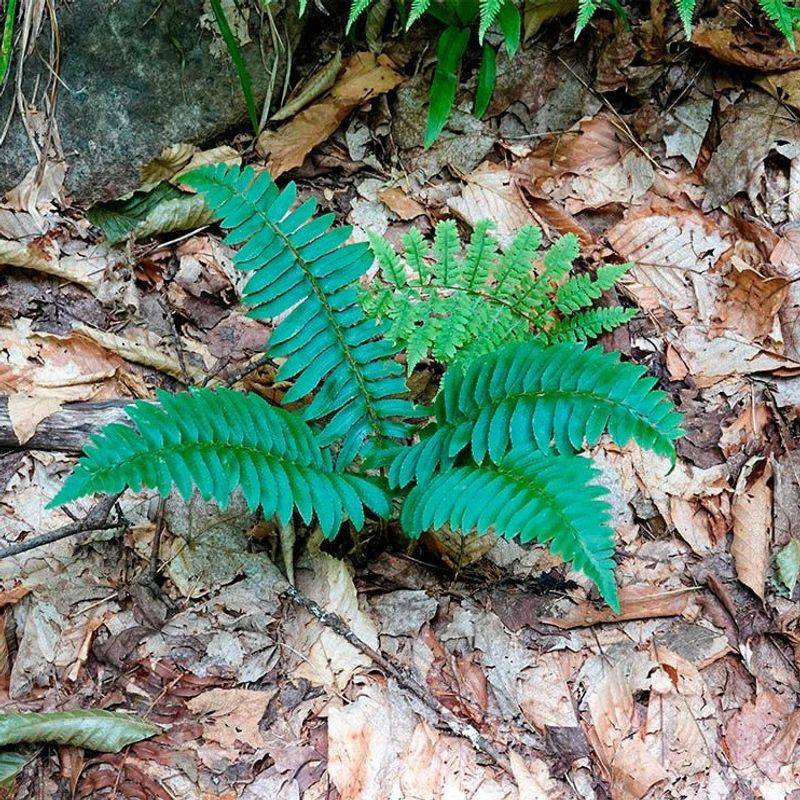
Gardeners searching for a fern that never quits will fall for the Christmas fern. Its leathery green fronds stay bright even in the cold months, giving your shade garden something to admire all year long.
The name comes from an old tradition of using its greenery for holiday decorating. Each frond has small leaflets shaped a little like a stocking, which makes spotting this plant a fun surprise on winter walks.
What makes it so dependable is its toughness. Christmas fern handles shade well and offers a native alternative to hostas in woodland-style gardens. Its clumping habit keeps it neat, so it never sprawls out of control.
Plant it in rich, loose soil with plenty of leaf litter on top. A spot beneath tall trees suits it perfectly, since it loves filtered light and cool roots. Once it takes hold, watering becomes almost unnecessary except during long droughts.
This fern also helps hold soil in place on slopes, making it a smart pick for shady banks that wash out easily. Deer usually leave it alone, which is a huge win in North Carolina neighborhoods.
Pair it with wildflowers or ferns of different heights for a natural woodland feel. The steady green color acts like a backdrop that shows off blooms around it.
For anyone wanting reliable beauty without constant care, Christmas fern earns a top spot in the shade.
2. Cinnamon Fern
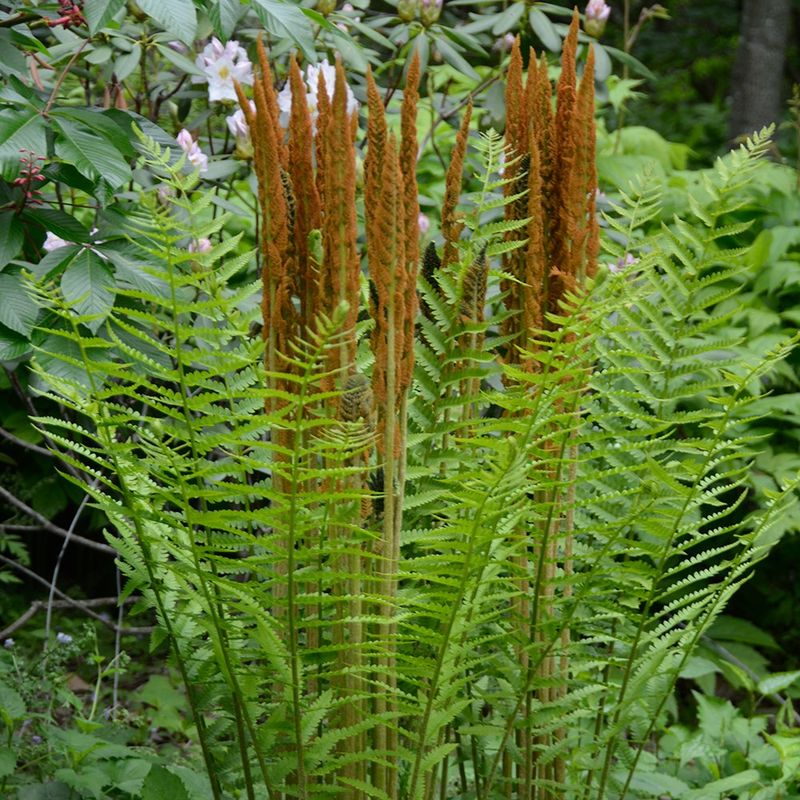
Few ferns make a statement quite like the cinnamon fern. In spring, tall spikes rise up in a warm rusty-brown shade, standing straight in the center of the plant like natural candles.
Those cinnamon-colored fronds are the fertile parts that release spores. They give the plant its name and add a splash of unexpected color to green shady spots.
Once they fade, the leafy fronds keep the show going with graceful arching shapes. This beauty craves moisture. It thrives near ponds, streams, or any low area that stays damp.
If your yard has a soggy corner where hostas rot, cinnamon fern will happily move in and flourish.
It can grow quite large, sometimes reaching several feet tall, so give it room to spread its fronds. In a wet woodland setting, it creates a bold layer that draws the eye and fills empty space beautifully.
Rich, acidic soil packed with organic matter keeps it healthy. Adding mulch or compost helps hold water and feeds the roots slowly over time.
Full shade or partial shade both work well, though it appreciates protection from harsh afternoon rays.
Wildlife loves it too. Birds sometimes use the fuzzy fibers from young fronds to build nests, adding a sweet natural bonus to your garden.
For anyone with a damp, shady spot begging for drama, cinnamon fern delivers seasonal interest that lasts. Its size and color make it a standout choice that hostas simply cannot copy.
3. Lady Fern
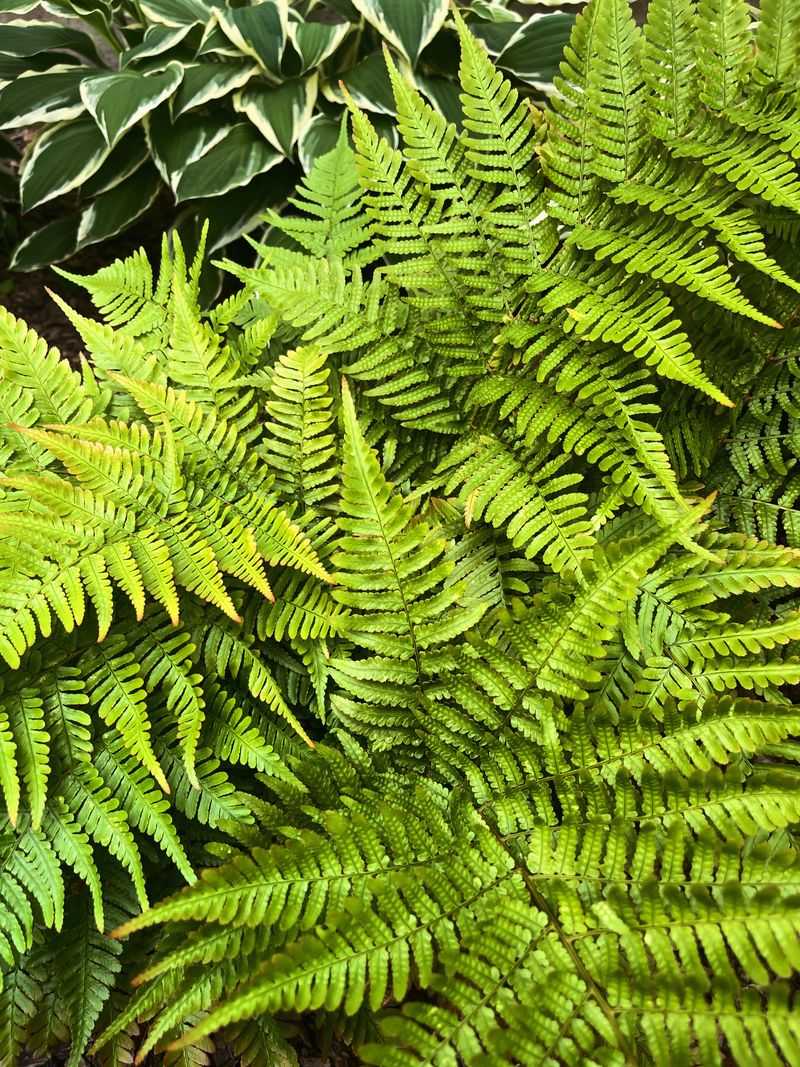
Soft, lacy, and full of charm, lady fern brings a gentle touch to shady gardens. Its finely cut fronds look almost like green feathers swaying in the breeze.
The delicate texture is what sets it apart. Where other ferns feel bold, lady fern feels airy and light, adding movement and grace to quiet corners. It softens hard edges and blends smoothly with rocks, logs, and flowers.
This fern grows well in woodland shade with steady moisture. It does not like to dry out, so a spot with cool, damp soil keeps it looking its best. Near a shaded path or beside a water feature, it truly comes alive.
Consistent watering during hot spells makes a big difference. When the soil stays evenly moist, the fronds stay full and vibrant instead of turning crispy at the tips. A layer of mulch helps lock in that important moisture.
Lady fern also spreads slowly by underground roots, filling in gaps over the seasons. This gentle spreading habit lets it form a soft green patch without taking over the whole bed.
Its reddish stems add a subtle pop of color that many gardeners adore. Look closely and you will notice the fine details that make this plant so special up close.
Easy to grow and pretty to admire, lady fern rewards a little attention with plenty of beauty. For shady beds that need texture and softness, it beats a plain hosta every single time.
4. Sensitive Fern
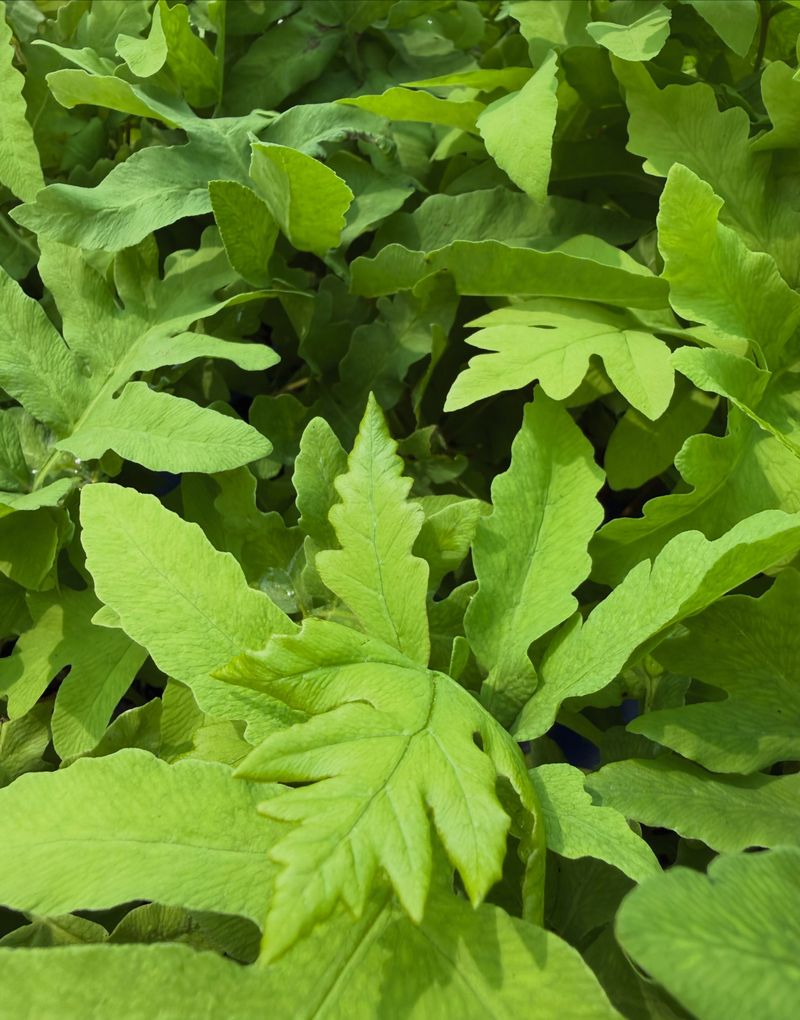
Do not let the name fool you, because sensitive fern is surprisingly tough. It earned its title only because the leafy fronds react quickly to the first frost, not because the plant is fragile.
Broad, light green fronds give this fern a bold, tropical look. The leaves have a smooth, wavy shape that stands out among the finer ferns nearby. That distinct style makes it easy to recognize once you know it.
Moist shade is where this plant truly shines. It naturally grows in wetlands, along ditches, and near woodland edges where the ground stays wet. If your yard has a low, damp area, this fern will happily fill it.
Its spreading habit is a big selling point. Underground stems creep outward, letting it cover ground quickly and form a lush green mat. For naturalized areas or wild garden zones, that spreading nature works in your favor.
Because it spreads freely, give it space or use edging to keep it in bounds. In the right setting, that same energy turns a bare patch into a leafy carpet in just a few seasons.
It also produces unusual bead-like fertile fronds that stay upright through winter, adding quiet interest when other plants rest.
Pollinators, frogs, and small critters enjoy the cool, moist cover it creates. That makes it a friendly choice for gardeners who love wildlife.
For soggy, shaded spots that stump most plants, sensitive fern offers an easy fix with bold looks and steady growth that hostas cannot match.
5. Maidenhair Fern
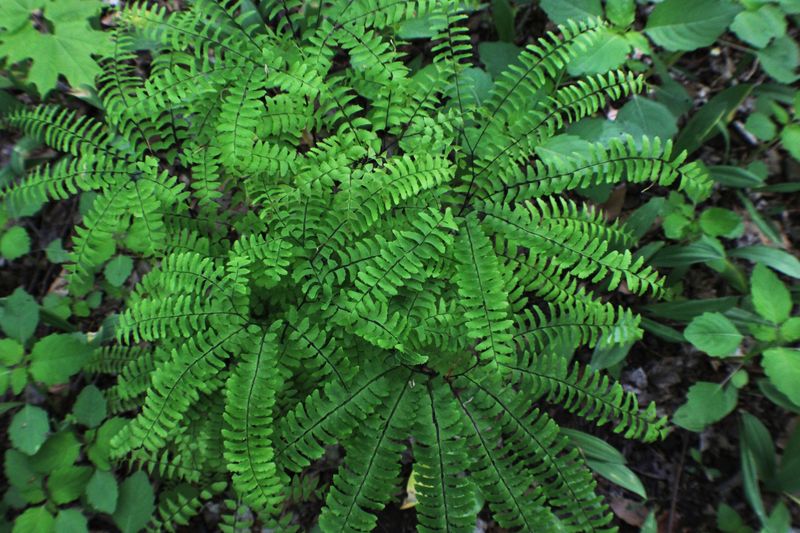
Elegant and dainty, southern maidenhair fern looks like living lace. Its tiny fan-shaped leaflets dance on thin, shiny black stems that seem almost too delicate to be real.
That graceful foliage makes it a favorite among gardeners who love fine detail. Each frond fans out in a soft, flowing pattern that catches the light and adds a touch of magic to shady nooks.
This fern likes sheltered, moist places best. Think of a shaded spot near a rock wall, a stream bank, or a spring where humidity stays high. Those protected areas mimic its natural woodland home.
Wind and harsh afternoon sun are its main challenges. Dry breezes can crisp the tender fronds fast, so tucking it into a cozy, protected corner keeps it healthy and happy.
Steady moisture matters too. The soil should stay damp but never soggy, and a little limestone in the ground suits this fern nicely since it enjoys slightly sweet soil.
Because of its refined look, it pairs beautifully with mossy stones and small woodland flowers. Set it where you can view it up close to fully enjoy those delicate leaflets.
Growing it takes a bit more care than tougher ferns, but the reward is worth every bit of effort. Nothing else brings quite the same soft, flowing beauty to a shaded garden.
For a sheltered, humid corner that needs a graceful star, southern maidenhair fern shines with charm that leaves ordinary hostas looking plain.
6. Ebony Spleenwort
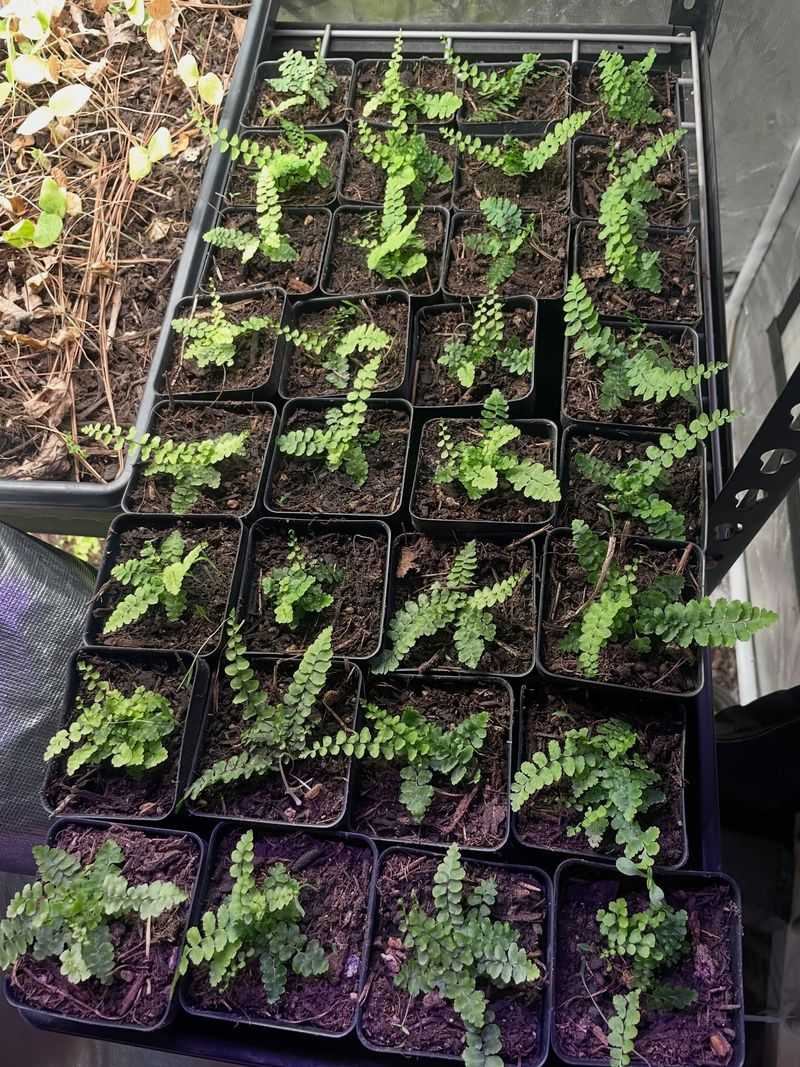
Small but mighty, ebony spleenwort proves that great things come in tiny packages. This little fern stays compact while bringing charm to spots where bigger plants would look out of place.
Its shiny, dark stems are the reason for the name. Against the narrow green fronds, those glossy black stalks create a neat contrast that stands out in rocky nooks and crevices.
Unlike sprawling woodland ferns, this one keeps things small and tidy. That petite size makes it perfect for rock gardens, stone walls, and tight shady corners that need a delicate green touch.
It grows happily in rocky or woodland settings with dappled shade. You will often spot it tucked into cracks between stones or nestled near old logs, quietly thriving where soil is thin.
Because it tolerates poorer, drier ground than many ferns, it works well in tricky spots. Just give it some shade and decent drainage, and it settles in with little fuss.
The fronds stay green through much of the year, offering steady color in every season. Fertile fronds stand a bit taller and upright, adding a fun layered look to such a small plant.
Gardeners who love detailed, specialized plantings adore this fern for its size and personality. It fills gaps that larger ferns cannot reach and adds interest at ground level.
For rock gardens, shaded ledges, or any small space craving greenery, ebony spleenwort is a smart pick that brings big character in a compact form.
7. New York Fern
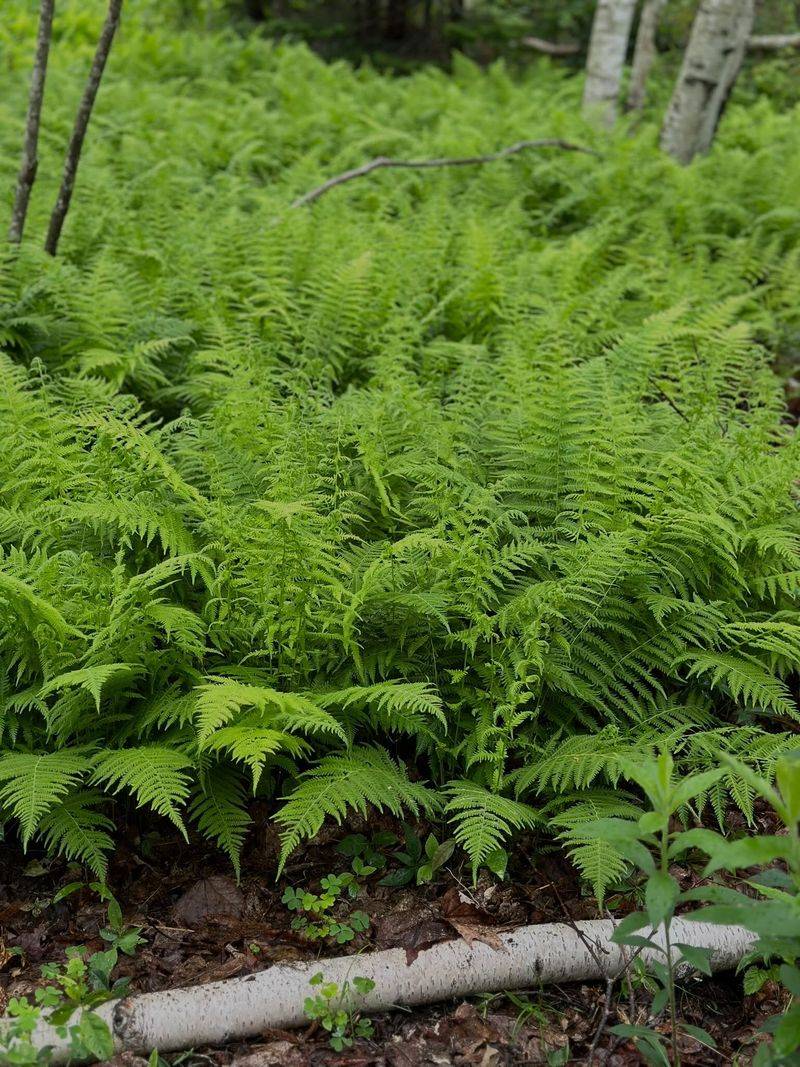
Picture a soft green carpet rolling across your shaded yard, and you have imagined the New York fern. This gentle spreader fills empty ground with a lush, welcoming layer of green.
The fronds have a special trick that helps you spot them. They taper at both ends, growing narrow at the top and bottom while widening in the middle. Old-timers joke that it burns the candle at both ends.
As a groundcover, this fern is hard to beat. Its roots creep steadily outward, weaving together to create a smooth, even blanket beneath the trees. Bare, shady spots vanish under its cheerful growth.
It fits naturally into North Carolina woodlands and native gardens. Because it belongs here, it works in harmony with local soil, wildlife, and weather without needing much help from you.
Moist, rich soil in full or partial shade keeps it thriving. Once established, it handles typical woodland conditions with ease and asks for very little attention through the seasons.
Its spreading nature is both a gift and something to watch. In large natural areas, that energy is perfect, but in small beds you may want to give it edges to guide its growth.
The soft, light green color brightens dim corners and pairs well with taller ferns and wildflowers. Layered together, they create a rich, wild look.
For gardeners wanting easy coverage that feels truly native, New York fern spreads beauty across the shade far better than a row of hostas ever could.