7 Spooky-Looking Plants California Gardeners Can Grow For A Halloween Yard
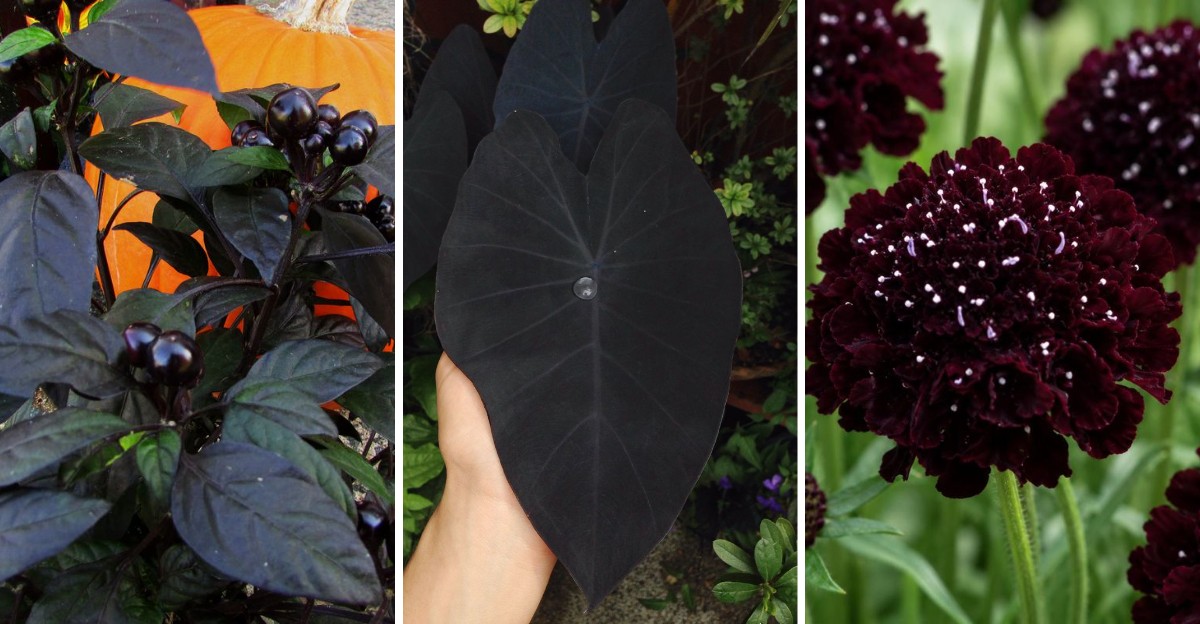
Late October brings a certain mood to California front yards. Long shadows stretch across walkways, porch lights flick on early, and the garden itself can join the season.
Some plants seem made for it.
Inky foliage, ghostly silver leaves, strange little blooms, and glossy dark fruit can create an eerie scene with no plastic bags or fake cobwebs required.
Mild autumn weather helps, since many of these plants still look their best right around Halloween.
Each one brings its own personality and needs, from deep shade to blazing sun, and a few call for careful placement around curious pets and children.
Chosen well, a haunted garden can return year after year, growing a little spookier each season.
1. Black Mondo Grass Creates Inky Ribbons
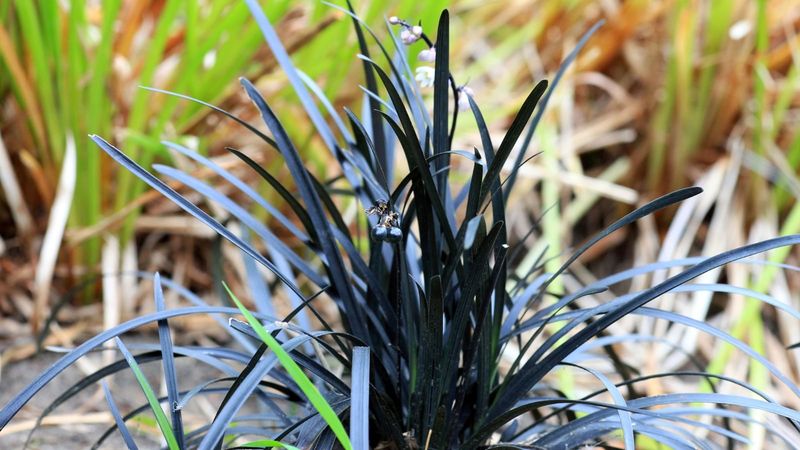
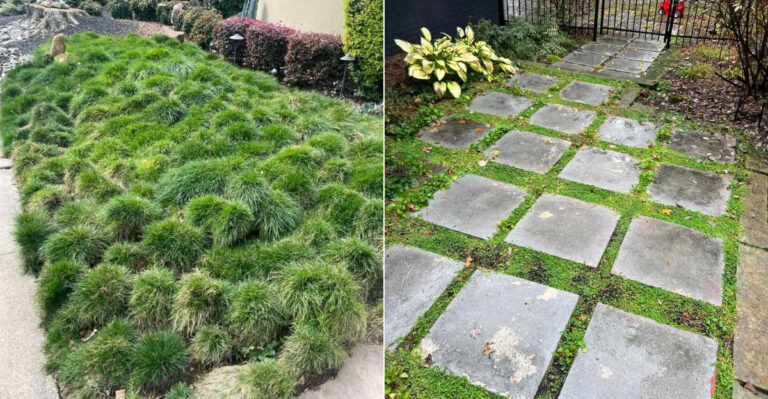
Ink spilled along a garden path would look a lot like black mondo grass. Its narrow, arching leaves run so dark they appear almost black, like a moonless night.
Gardeners know it as Ophiopogon planiscapus ‘Nigrescens.’ Despite the name, it isn’t a true grass, belonging instead to the asparagus family.
It grows in low clumps about 6 to 8 inches tall, with tiny pinkish bell flowers in summer followed by glossy black berries.
Part shade suits it best in most of California. Morning sun with afternoon shade keeps leaves dark and healthy.
In hot inland valleys, full afternoon sun can scorch the tips, while cool coastal gardens allow a bit more light.
Rich, well-drained soil and regular water, especially during dry summers, keep it thriving. It grows slowly, so a full carpet rarely forms in one season.
Patience pays off, since the clumps spread steadily over time.
For a Halloween look, black mondo grass shines beside bright orange pumpkins or pale stones, where contrast makes the leaves look even blacker.
It also works well in pots near the front door, where trick-or-treaters can admire its creepy color up close.
Once settled, it needs very little fuss and stays dark year round.
Fall makes a fine planting time, and divisions from established clumps offer an inexpensive way to extend a dark ribbon along a path or border.
2. Black Magic Elephant Ear Towers Like A Monster Leaf
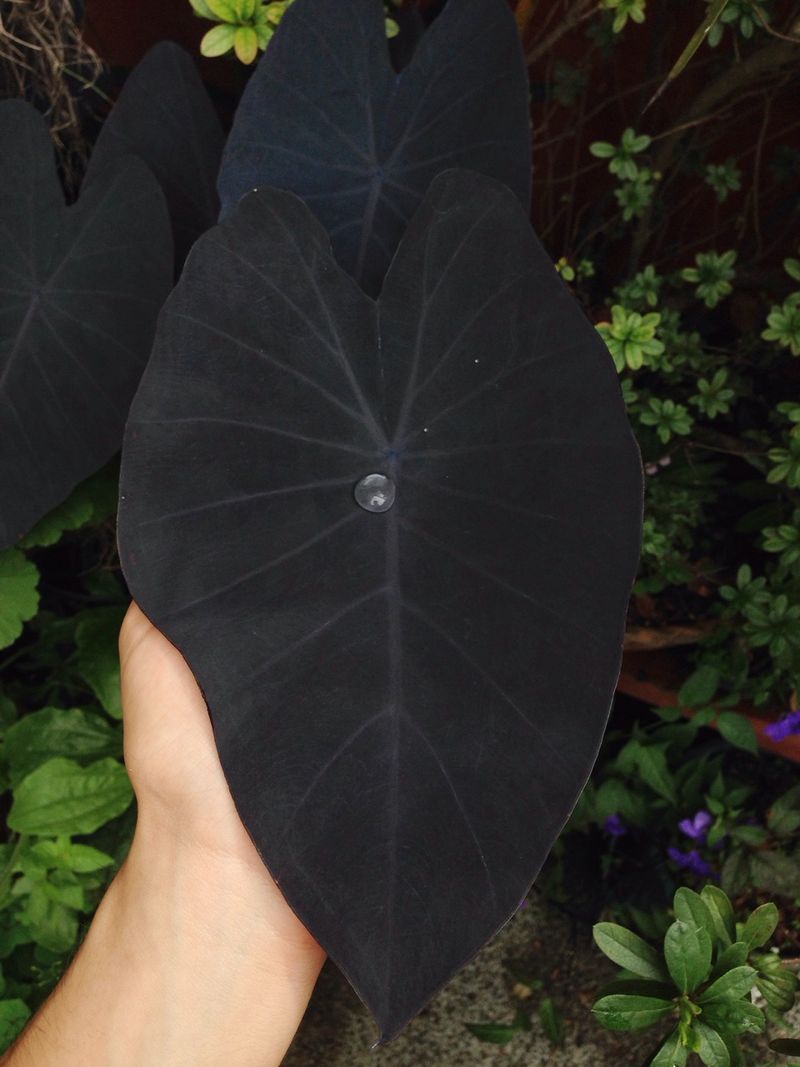
Leaves the size of a trash can lid, colored like a bruised plum at midnight, define ‘Black Magic’ elephant ear.
Standing beside one feels like meeting a creature from an old monster movie.
Known to botanists as Colocasia esculenta ‘Black Magic,’ it can reach 3 to 6 feet tall. Its heart-shaped leaves range from dusky purple to nearly black.
A light breeze makes them wave like giant hands.
Warmth and moisture are its two big demands. It loves rich, consistently moist soil, so a spot near a downspout or pond edge works well.
Bright light with some afternoon shade keeps it happy in hot areas. Cold stays its enemy, and frost knocks the leaves down quickly.
In frost-free coastal Southern California, it may stay in the ground year round. Colder spots call for a big pot that moves to shelter in winter.
Your California Garden Changes Every Week. Your Plan Should Too.
Gardening in California changes quickly throughout the season. Every Friday you’ll receive a simple weekly plan showing exactly what to plant, prune, fertilize, harvest, and protect so you never miss the right timing.
Regular summer feeding helps, since it grows hungrily. Its thirst also makes it best suited to small spaces rather than large beds in a dry state.
One warning deserves attention. Elephant ear contains calcium oxalate crystals, and the ASPCA lists it as toxic to dogs and cats.
Chewing causes mouth pain, drooling, and swelling, and children can be affected too, so placement beyond reach of small hands and curious paws matters.
Poison Control (1-800-222-1222) and the ASPCA Animal Poison Control Center (888-426-4435, fee may apply) can help after a suspected bite.
3. Bat Face Cuphea Grins With Tiny Faces
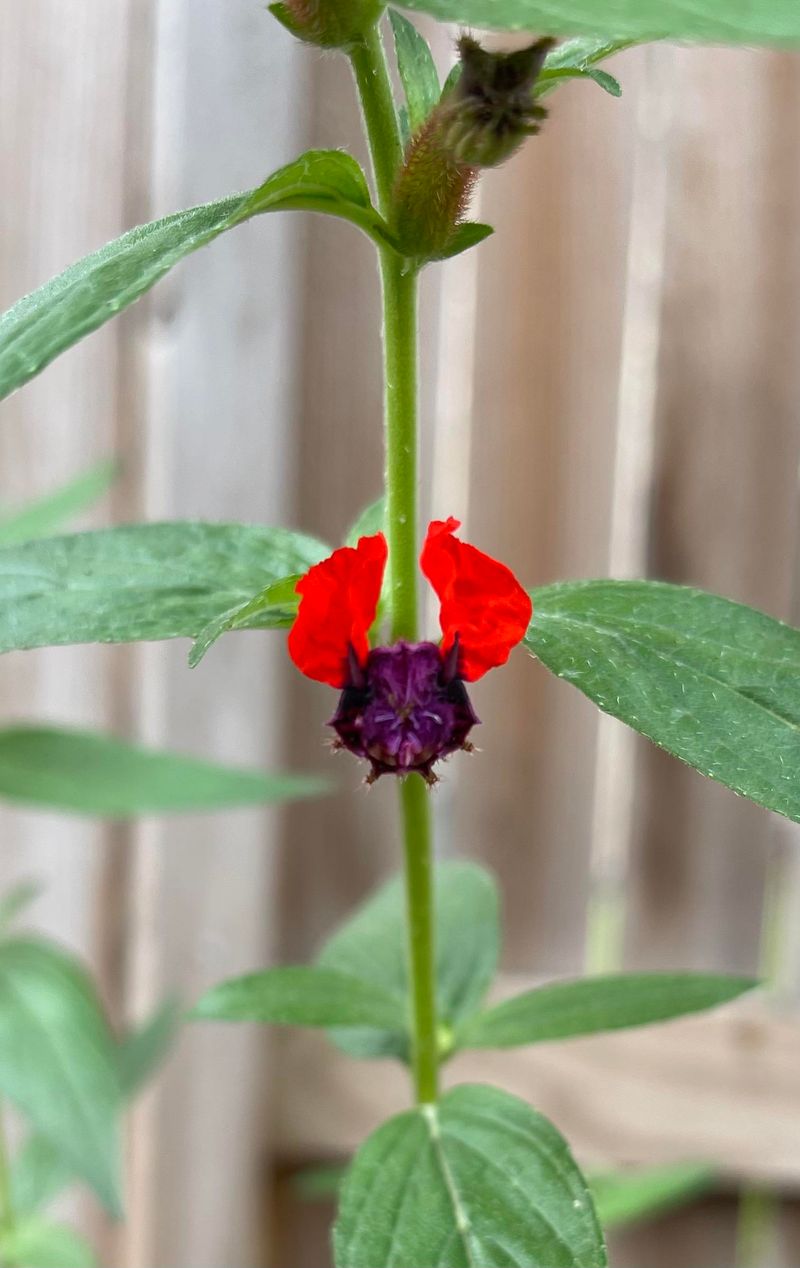
A close look can feel like something staring back.
Each small bloom on bat-faced cuphea has two bright red petals resembling ears and a dark purple tube shaped like a fuzzy face.
Hundreds of tiny bats seem to hang from a single plant.
Cuphea llavea comes from Mexico, which helps explain its comfort in California heat. It forms a bushy mound around 18 to 30 inches tall and wide.
Flowers appear from late spring right through fall, so it’s often still blooming at Halloween and beyond in mild areas.
Full sun or light shade and well-drained soil suit it best. Regular water while it settles in, then letting the top inch dry between drinks, keeps roots healthy.
Too much water can rot the roots, so soggy spots are best avoided.
Hummingbirds adore those tubular flowers, and bees visit too, making this spooky plant a friendly neighbor for wildlife.
A few planted near a window provide a front-row seat for the action.
In mild coastal and Southern California gardens, it often acts as a short-lived perennial. A hard frost can knock it back, so many inland gardeners grow it as an annual.
Pots offer another option, moving to shelter on cold nights in inland valleys.
A light trim in late winter keeps it full. Batty, cheerful, and easy, it may be the cutest creepy plant on the block.
4. Obsidian Coral Bells Add Midnight Foliage
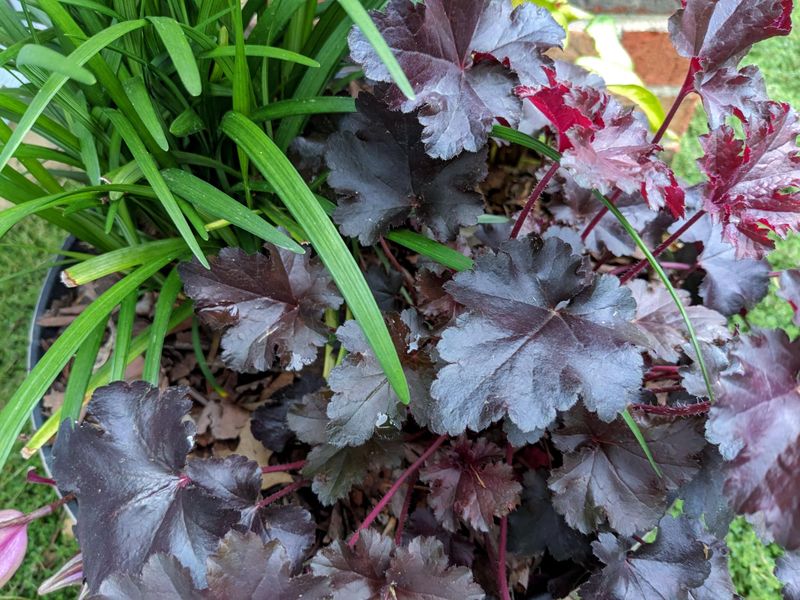
Volcanic glass gave this coral bell its name, and the match fits. ‘Obsidian’ heuchera carries smooth, rounded leaves in a purple so deep it reads as black.
In the right light, the surface even shines a little.
Most coral bells are grown for foliage rather than flowers. ‘Obsidian’ forms a neat mound about 8 to 12 inches tall.
In late spring, thin stems hold tiny cream flowers above the leaves, like little ghosts floating over a dark pond.
Shady and semi-shady beds suit it best. In California, morning sun and afternoon shade protect leaves from scorching, with inland gardens needing more shade than coastal yards.
Rich soil with good drainage keeps the roots healthy.
Lightly moist soil suits it, while soggy conditions are best avoided. Heavy, wet clay can cause crown rot, so compost or a raised bed helps.
Every few years, the plant may grow woody in the middle. Digging, dividing, and replanting the healthiest pieces refreshes it, ideally in fall.
Several coral bells are native to North America, and a few grow wild in California, including Heuchera maxima and Heuchera micrantha.
‘Obsidian’ is a garden hybrid, yet it shares that tough streak.
Paired with silver plants or orange gourds, it helps a shady corner look properly haunted. Hummingbirds visit the flowers too, adding life to the scene.
Fall planting gives coral bells time to root in before spring.
5. Dusty Miller Glows Like A Ghost
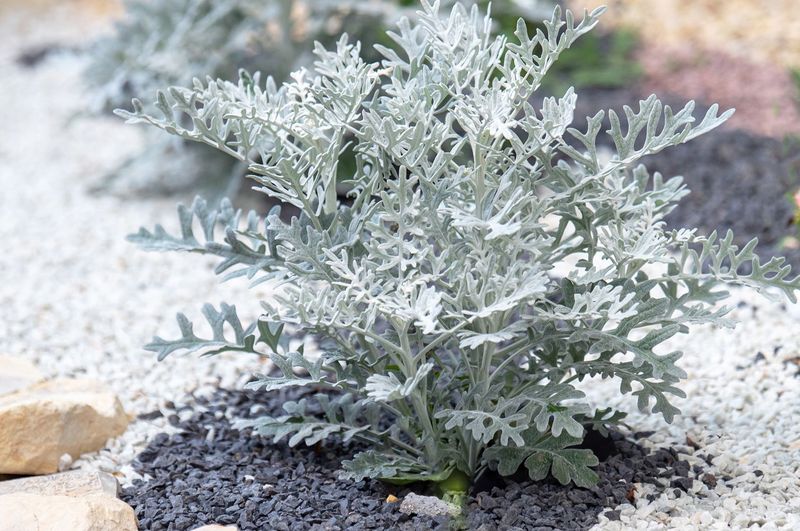
Every haunted yard needs a ghost, and dusty miller volunteers for the job. Its lacy, silver-white leaves seem to float in the dark, almost glowing under a porch light.
That pale color comes from tiny, felt-like hairs covering each leaf. These hairs help the plant reflect sunlight and save water.
As a result, dusty miller handles California’s dry, sunny weather better than many bedding plants.
Full sun and fast-draining soil suit it best. Deep but infrequent watering, with soil drying a bit between sessions, keeps it healthy.
Soggy roots rank among the few things that bother it. Most types stay around 8 to 15 inches tall, handy for edging beds and filling pots.
Placement next to dark plants creates the best effect. Black mondo grass or ‘Obsidian’ coral bells beside it look darker, while the silver looks brighter.
The whole bed pops like a black-and-white horror film.
Small yellow flowers may appear, and many gardeners snip them off to keep foliage tidy, which also prevents seeding.
Pinching tips now and then encourages a fuller shape.
Dusty miller can be toxic if eaten, and the ASPCA lists it as harmful to cats and dogs, so plants belong away from pets that nibble greens.
Fall planting works well in most of California, since cooler weather helps new plants settle in quickly.
With so little fuss required, this ghost is easy to keep around.
6. Black Knight Scabiosa Blooms In Dark Wine
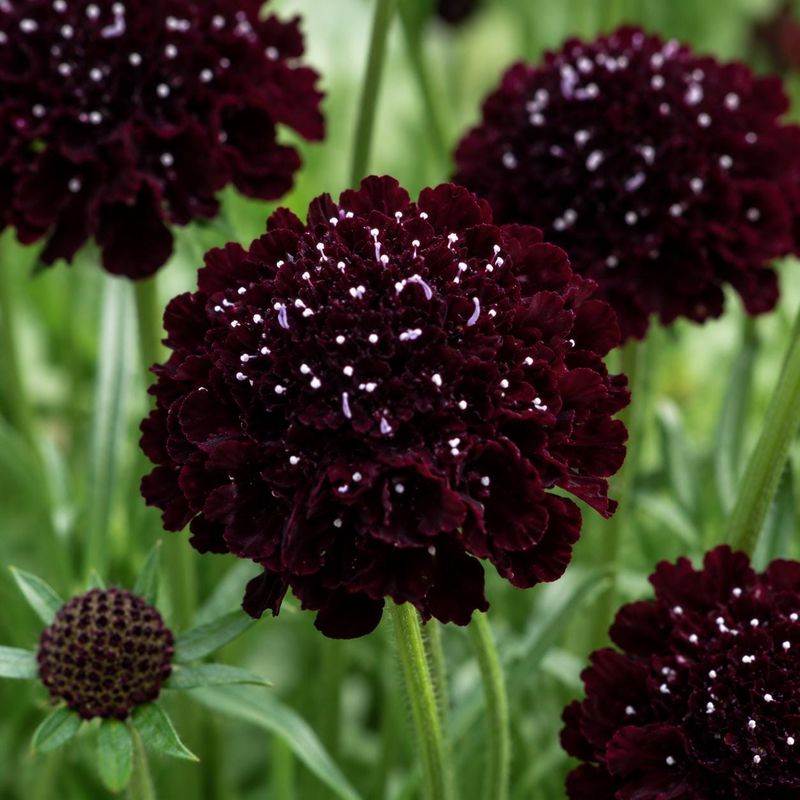
Some flowers whisper, but this one wears a velvet cape. ‘Black Knight’ scabiosa produces round blooms in a deep wine color that looks nearly black in shade.
Tiny white stamens poke out like pins, earning scabiosa its common name, pincushion flower.
Plants grow about 2 to 3 feet tall on wiry stems, with blooms that seem to hover and bob in every breeze.
Butterflies and bees visit often, so a spooky bed still buzzes with life through fall.
Sun brings strong stems and plenty of flowers, with a little afternoon shade helping in very hot inland areas. Well-drained soil and moderate water suit it.
One caution deserves attention. ‘Black Knight’ belongs to Scabiosa atropurpurea, which Cal-IPC lists on its Watch list because it self-sows and has spread into California grasslands.
Snipping faded flowers before seeds form keeps the plant blooming and stops it from wandering. Homes near open space benefit most from that habit.
In many California gardens, blooms continue from spring into fall, so dark flowers often remain for October.
Nursery plants set out after frost or seeds sown in spring both work. Seedlings popping up where they weren’t planted deserve pulling early.
The cut flowers also last well in a vase, a perfect use for blooms removed before seeding.
A small bouquet on the dinner table makes a moody Halloween centerpiece, no plastic spiders required.
7. Black Pearl Pepper Hangs Glossy Black Fruit
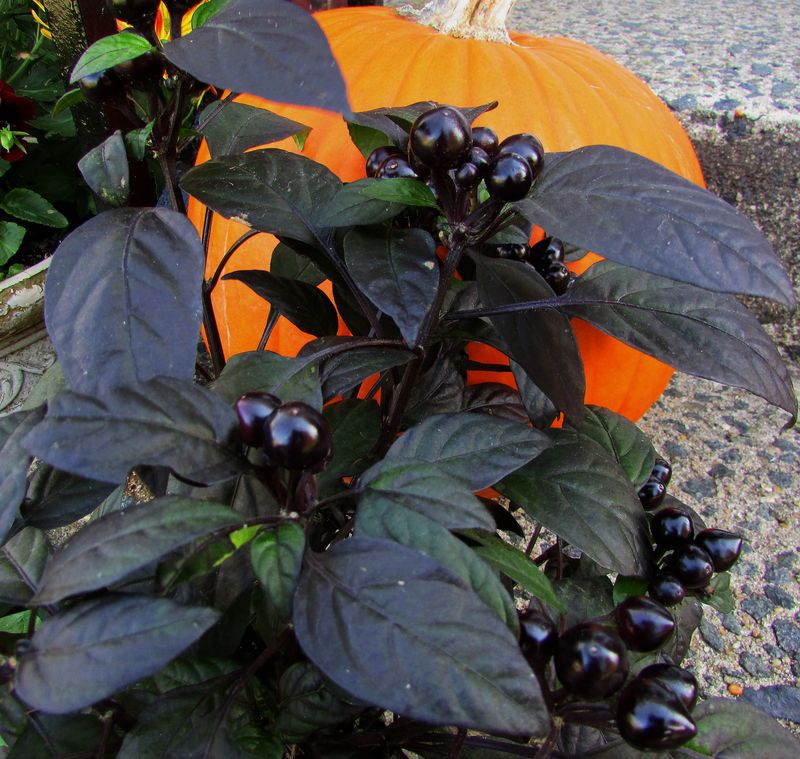
Shiny black beads dangle from dark leaves, as if a witch dropped her necklace in the garden. ‘Black Pearl’ ornamental pepper earned its name honestly.
Its round fruits start glossy black, then slowly ripen to bright red.
The foliage runs deep purple-black, adding even more drama. Plants grow about 18 inches tall and wide, a fine fit for pots and front borders.
A mix of black and red fruit in fall resembles a tiny Halloween light display.
Like other peppers, it loves heat. Full sun, well-drained soil, and regular water keep it productive, with planting best after soil warms in spring.
California’s long, warm season gives it plenty of time to load up with fruit by October.
A warning belongs here. The fruit is extremely hot and grown purely for ornament, and contact with broken pods can sting skin and eyes.
Children may mistake the shiny fruit for candy, so a simple look-don’t-touch rule helps.
Pets can also develop upset stomachs from chewing pepper plants. Pots placed on a raised step or behind a fence keep curious dogs away.
Gloves make sense when handling broken fruit, followed by thorough hand washing. Touching the face before washing is best avoided.
In mild coastal areas, plants may survive winter and produce again, though many gardeners replant each spring.
Treated with respect, ‘Black Pearl’ makes a striking finish for a haunted garden.