8 Cool-Season Vegetables Arizona Gardeners Can Still Plant Before Thanksgiving
Fall is the real start of the growing season in the low desert. While the rest of the country is putting gardens to bed, Phoenix and Tucson yards are finally cool enough to grow tender greens and sweet roots.
If you missed the October rush, you still have time to sow and transplant a full winter harvest before Thanksgiving. Here are eight crops that fit the window, sip less water in cooler weather, and can even bring helpful insects into your yard.
1. Lettuce
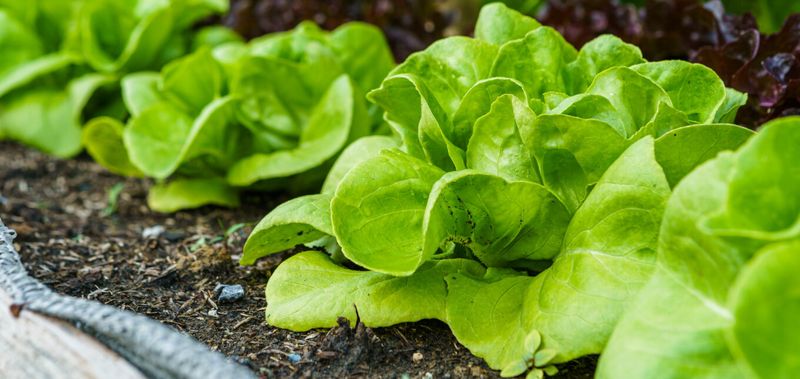
Picture walking outside on a crisp December morning and snipping a salad straight from your own bed. Loose-leaf lettuce makes that possible in the low desert, and it handles a late November planting with ease.
Varieties like Black Seeded Simpson, Red Sails, and Salad Bowl work as cut-and-come-again crops. Trim the outer leaves an inch above the soil, and the plant keeps pushing out new growth for weeks.
Sow seeds a quarter inch deep, or tuck in nursery transplants if you want to harvest sooner.
Water matters less now than in summer, which is great news for your bill. Cooler air means a light drip schedule every two or three days usually keeps the soil evenly moist.
Mulch with straw to hold moisture in caliche-heavy ground.
Containers are a smart option too. A wide pot on a sunny patio can produce enough leaves for weekly salads, and you can move it under a covered porch if a rare frost shows up.
A thick patch of lettuce also shades bare soil, which helps slow weeds and keeps the ground cooler for earthworms and other helpful soil life. Plant a short row every two weeks for a steady supply into March.
2. Spinach
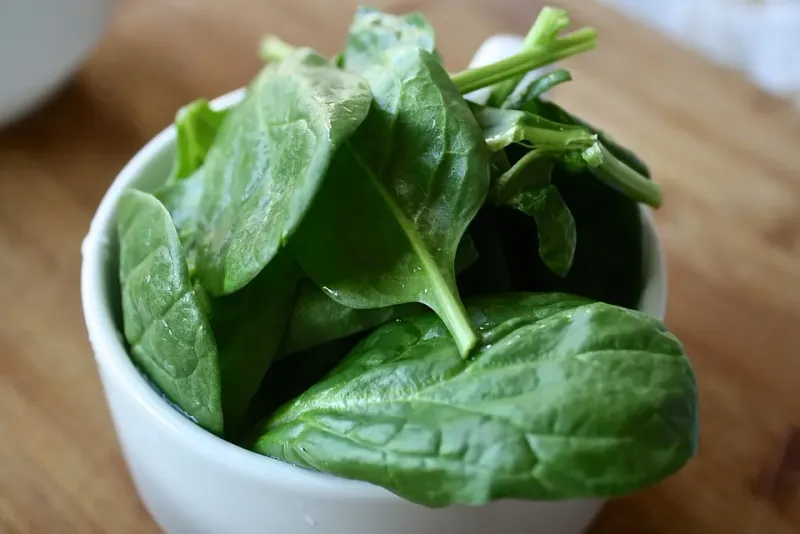
Spinach is a bit of a diva. Give it heat and it bolts straight to seed, but give it the mild days of an Arizona winter and it rewards you with tender, glossy leaves.
That fussiness is exactly why late fall is its moment. Soil temperatures in Phoenix and Tucson usually drop into its comfort zone by November, so seeds sprout quickly and plants stay leafy instead of stretching tall.
Bloomsdale and Space are reliable picks for desert beds.
Soak seeds overnight before sowing to speed up germination. Plant them half an inch deep and about three inches apart, then thin to six inches once seedlings show true leaves.
Toss the thinnings into a sandwich, because nothing should go to waste.
Desert soils lean alkaline, and spinach prefers something closer to neutral. Working in compost before planting can help balance things out and improve drainage.
A scoop of aged manure gives the leaves a deeper green color.
Harvest the outer leaves first and let the center keep growing. Many gardeners pick from the same plants until late February.
Fun fact: spinach likely traveled from ancient Persia, so it has long been comfortable in dry, sunny regions with chilly winter nights.
3. Kale
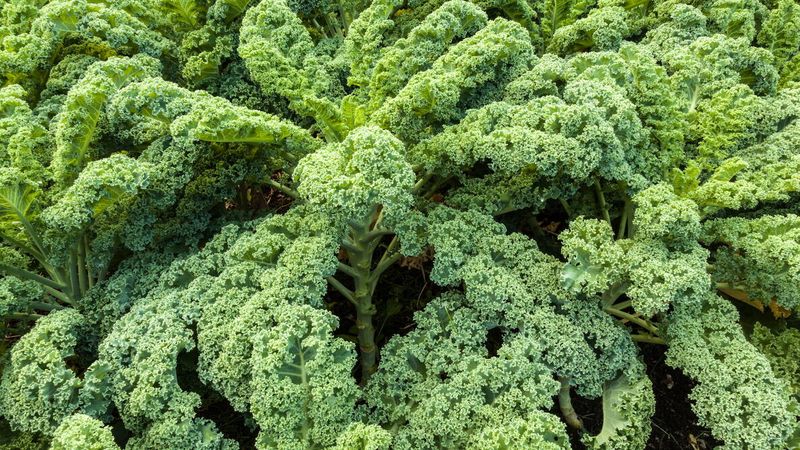
Some vegetables quit when the weather gets moody. Kale just shrugs and keeps growing, which makes it one of the toughest crops you can add to a desert winter garden.
Your Arizona Garden Changes Every Week. Your Plan Should Too.
Gardening in Arizona changes quickly throughout the season. Every Friday you’ll receive a simple weekly plan showing exactly what to plant, prune, fertilize, harvest, and protect so you never miss the right timing.
Since time is short before Thanksgiving, skip seeds and buy transplants. Young plants settle into warm fall soil quickly and often start producing within a month.
Lacinato, sometimes called dinosaur kale, and Red Russian both handle Arizona swings between warm afternoons and cold nights.
Space plants about eighteen inches apart so air moves freely around the leaves. Water deeply but less often, letting the top inch of soil dry between sessions.
That approach builds deeper roots and saves water at the same time.
Here is where kale earns bonus points for a working yard. Its broad leaves give shelter to ladybugs and lacewings, which may help keep aphids in check across your whole bed.
If you leave a plant or two to flower in late winter, the yellow blooms tend to draw bees and other pollinators early in the season.
Pick the lowest leaves first and work upward. A single plant can feed a family through March, and frost actually tends to sweeten the flavor.
4. Carrots
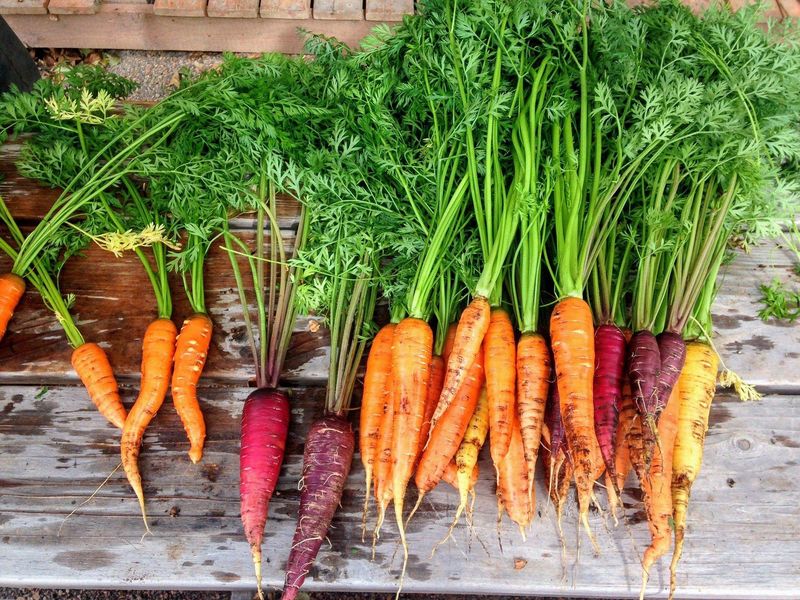
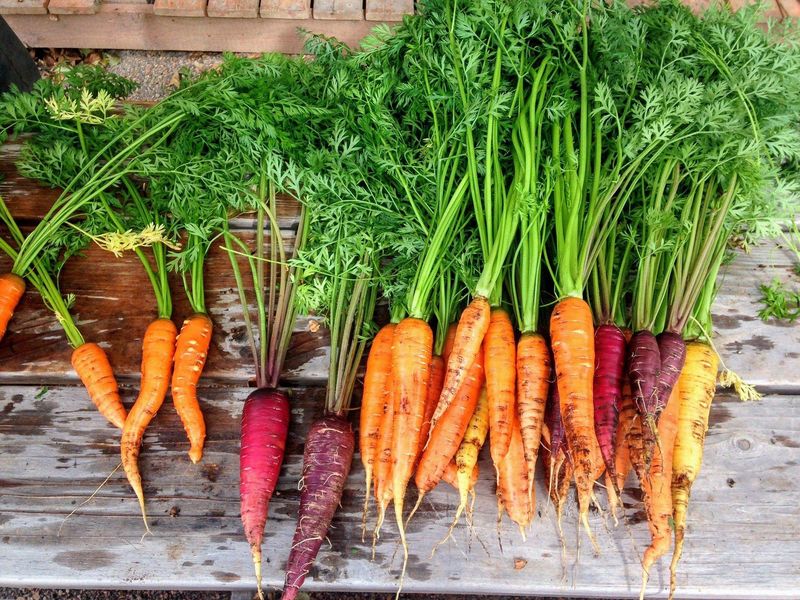
Ask any desert gardener about their first homegrown carrot and you will probably hear about the sweetness. Cool soil helps carrots store more sugar, so a fall planting often tastes far better than anything from the store.
Carrots must be direct-sown since their long roots dislike being moved. The bigger challenge in Arizona is the ground itself.
Hard caliche and clay can leave you with stubby, forked roots, so a raised bed filled with loose, sandy mix makes a huge difference.
Short varieties like Danvers, Chantenay, and Little Finger handle tougher conditions well. Sow seeds very shallow, about a quarter inch deep, and keep the surface damp until they sprout.
A strip of burlap laid over the row can hold moisture, just remove it once green shoots appear.
Try planting a row of onions alongside your carrots. The strong onion scent may help confuse pests that sniff out carrot foliage, a simple trick gardeners have used for generations.
Expect harvests in roughly seventy to eighty days, putting your first carrots on the table around February. Leave a few to flower in spring, and their lacy white blooms can attract tiny beneficial wasps.
5. Beets
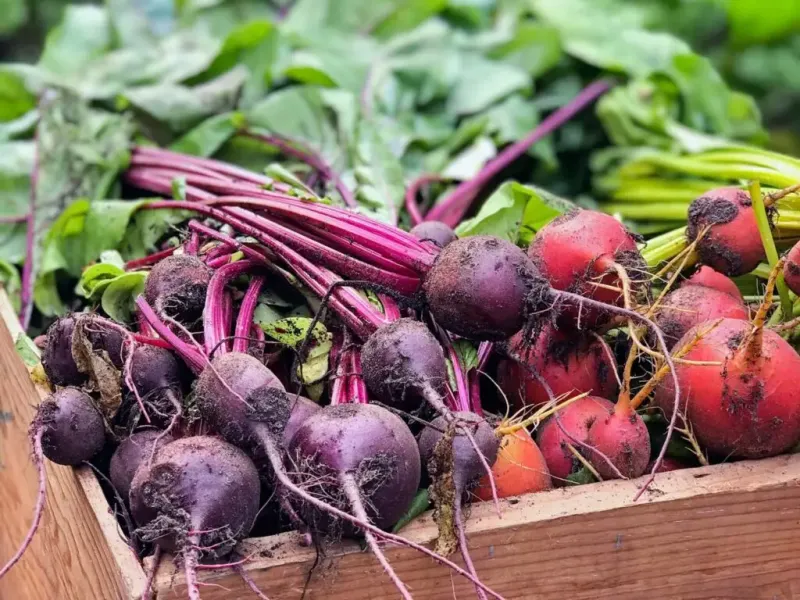
Two crops for the price of one seed packet sounds like a good deal. Beets deliver earthy roots underground and tender greens on top, so nothing about them goes unused.
Every beet seed is actually a small cluster holding several seeds. That means you will likely see a few sprouts popping up from one spot.
Thin them to about three inches apart, and sauté the extra seedlings like baby spinach.
Like carrots, beets prefer loose soil and direct sowing. Plant seeds half an inch deep and keep the bed evenly moist.
Uneven watering can make the roots tough or woody, so drip irrigation on a timer is a real friend here.
Detroit Dark Red is a classic choice, while Chioggia offers candy-striped rings that kids love slicing open. Golden beets bring a milder flavor and will not stain your cutting board.
The leafy tops add living cover to the bed, shading soil and supporting a healthier mix of microbes underground. Begin picking a few outer leaves once plants reach six inches tall.
Roots are usually ready in about two months, giving you a colorful harvest right around the New Year.
6. Radishes
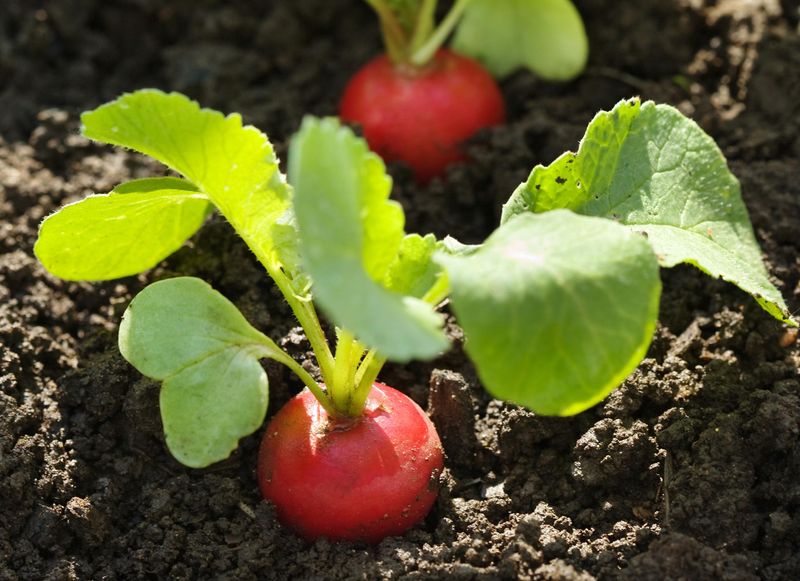
Impatient gardeners, this one is for you. Radishes can go from seed to snack in about twenty-five days, which makes them the speediest crop on this list.
That fast pace means you could even plant them the weekend before Thanksgiving and still pull a handful before Christmas. Cherry Belle and French Breakfast are quick, reliable picks.
Daikon takes longer but grows huge roots that help break up compacted ground.
Sow seeds half an inch deep and one inch apart, then thin to two inches. Give them steady water, since dry spells can turn the roots hot and pithy.
A short drip cycle every couple of days usually does the trick in cool weather.
Radishes also pull double duty as a trap crop. Flea beetles often prefer radish leaves over other greens, so a border row may help draw them away from your kale and broccoli.
It is a clever way to protect bigger plants without sprays.
Tuck radish seeds between slower crops like carrots, too. They mark the rows, loosen the soil, and come out long before the carrots need the room.
Let a few flower and the blooms can attract hoverflies, which are great aphid hunters.
7. Broccoli
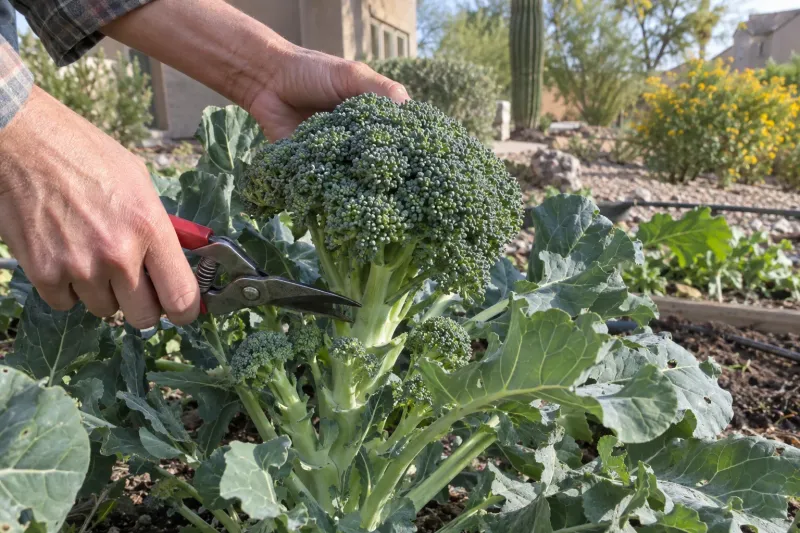
Few moments in a winter garden beat spotting that first tight green head forming in the center of a broccoli plant. It feels like a small victory every single time.
Timing is tighter with broccoli than with leafy crops, so transplants are the way to go this late in the season. Look for stocky, dark green seedlings at a local nursery.
Varieties like Waltham 29, Packman, and Di Cicco tend to perform well in low-desert winters.
Set plants about eighteen inches apart in rich, compost-amended soil. Broccoli is a heavy feeder, so a side dressing of organic fertilizer a month after planting helps the heads size up.
Water at the base to keep leaves dry and healthy.
Once you cut the main head, do not pull the plant. Smaller side shoots keep forming for several more weeks, stretching your harvest well into spring.
Healthy broccoli plants also provide cover for beneficial insects like ladybugs. If you miss a harvest and buds open into yellow flowers, consider leaving them.
Bees and other pollinators often visit those blooms, giving your yard an early boost of activity before spring wildflowers arrive.
8. Swiss Chard
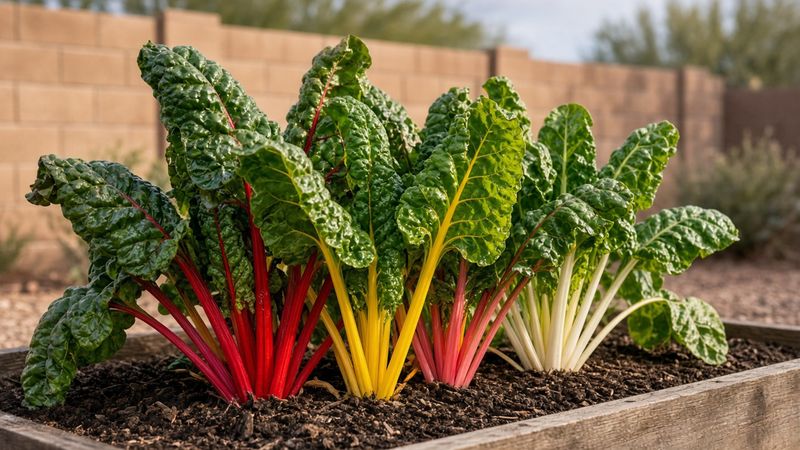
Bright Lights chard looks like someone painted the garden with a box of crayons. Ruby, gold, pink, and orange stems glow against deep green leaves, making it as pretty as it is useful.
The real secret weapon, though, is toughness. Swiss chard handles warm spells better than most leafy greens, so an unexpected eighty-degree week in late fall will not send it bolting.
In many Arizona yards, a single planting keeps producing into late spring.
You can sow seeds directly or set out transplants. Space plants about twelve inches apart, or grow two or three in a large container.
A pot on a sunny patio works beautifully and keeps the harvest close to the kitchen door.
Pick the outer stalks by twisting them off at the base. The center keeps sending up fresh leaves, so you rarely need to replant.
Young leaves are great raw, while older ones shine in soups and stir-fries.
Fun fact: chard is actually a close cousin of the beet, just bred for leaves instead of roots. Its sturdy foliage also shades the soil, which can help conserve moisture and reduce how often you water.