7 Things To Do In Your California Garden Before Thanksgiving Guests Arrive
Last Thanksgiving, a guest stepped off my patio and sank ankle-deep into a soggy lawn. My sprinklers had run that morning, right after a rainstorm. Nobody said a word, but those wet socks sat by the door all evening.
Late fall in California is sneakier than it looks. Cool air and still-warm soil keep roots busy underground, and the first real storms often roll in around now. That combo turns the weeks before the holiday into prime garden time.
The big feast is about two weeks away, and my garden to-do list now rivals the grocery list. Somehow, guests always wander into the yard right when golden-hour light spotlights every weed. You probably have a few corners like that too.
No marathon required. A couple of relaxed weekends could leave your yard looking ready for company, and your spring garden quietly ahead of schedule.
1. Clear Spent Annuals And Fallen Leaves From Garden Beds
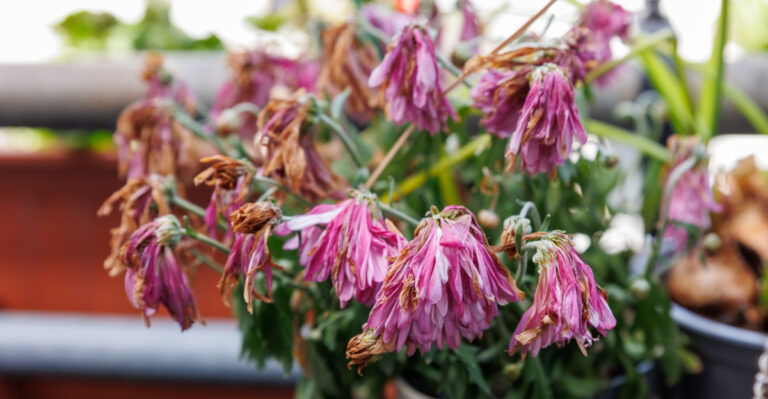
Those leggy zinnias and crispy tomato vines had a wonderful summer run, but their show is mostly over now. I have to admit that pulling them out feels a little sad until the clean soil appears underneath.
Spent plants, fallen fruit, and soggy leaves give pests and plant diseases a cozy place to spend the winter. Snails, slugs, and earwigs love hiding under that kind of damp clutter, especially once the rains begin.
Start by pulling finished annuals by hand, shaking loose soil back into the bed before tossing the roots aside. Rake fallen leaves from walkways and lawns too, since wet leaves can become slippery for guests walking around.
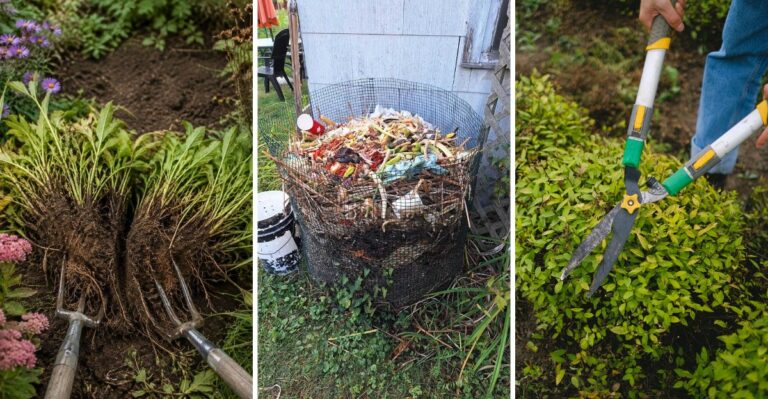
Healthy plant scraps can go straight into your compost pile, where they will break down into rich material for spring. Leaves spotted with mildew, rust, or other problems belong in the green waste bin instead of your compost.
Fallen fruit under citrus, apple, or persimmon trees deserves special attention because it can attract rodents and fruit flies. A quick pickup every few days keeps the area tidy and much less inviting to unwanted backyard visitors.
You will be amazed how much bigger and brighter a garden looks after a single afternoon of clearing. That tidy canvas also makes every following task on this list easier, which feels like a gift to yourself.
2. Spread Dark Rich Compost Over Tired Soil
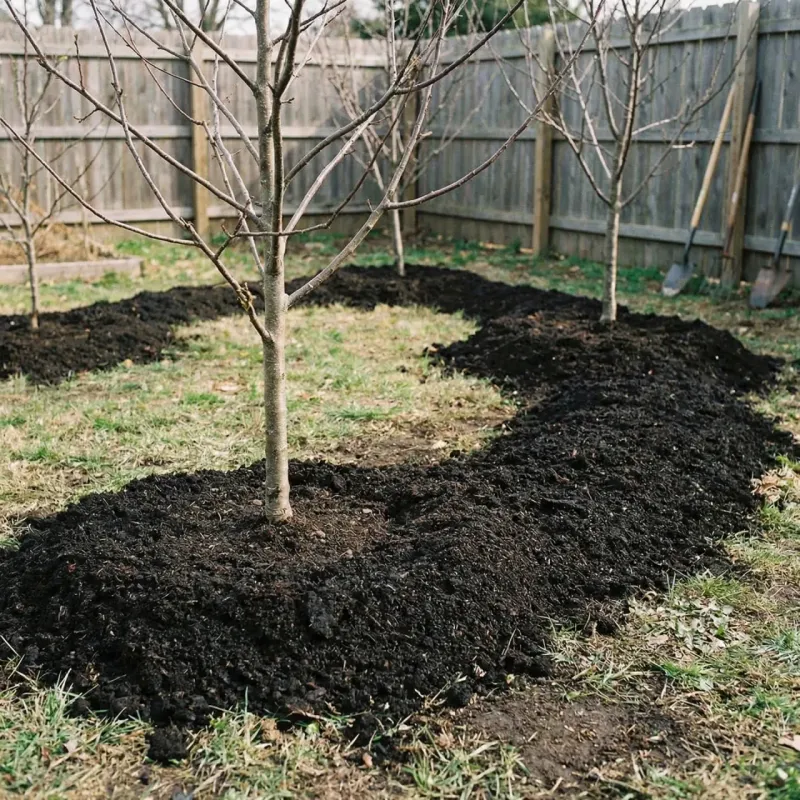
Summer heat takes a real toll on garden soil, leaving it pale, packed, and hungry for something good. Spreading a fresh layer of compost feels like serving your beds their own Thanksgiving feast a little early.
Roots keep growing in fall because the soil stays warm even when the air turns crisp. That makes this season a smart window for feeding the ground and improving its structure before winter rains arrive.
Compost helps sandy soil hold water longer, and it helps heavy clay drain more easily after storms. I believe it is one of the most useful things a gardener can add, no matter the size of the yard.
Aim for a layer about two to four inches thick on empty vegetable beds and around established shrubs. Gently work it into the top few inches of open beds, or simply leave it on top around perennials.
Earthworms and helpful soil microbes will happily pull that organic matter deeper over the coming months. Their quiet work turns your compost into loose, crumbly soil that new roots can explore with very little effort.
Homemade compost works beautifully, but bagged compost from a garden center is perfectly fine for busy weeks. Look for a dark, earthy-smelling product without sour odors, which can mean the material has not finished breaking down.
3. Tuck Shredded Bark Mulch Around Shrubs And Perennials
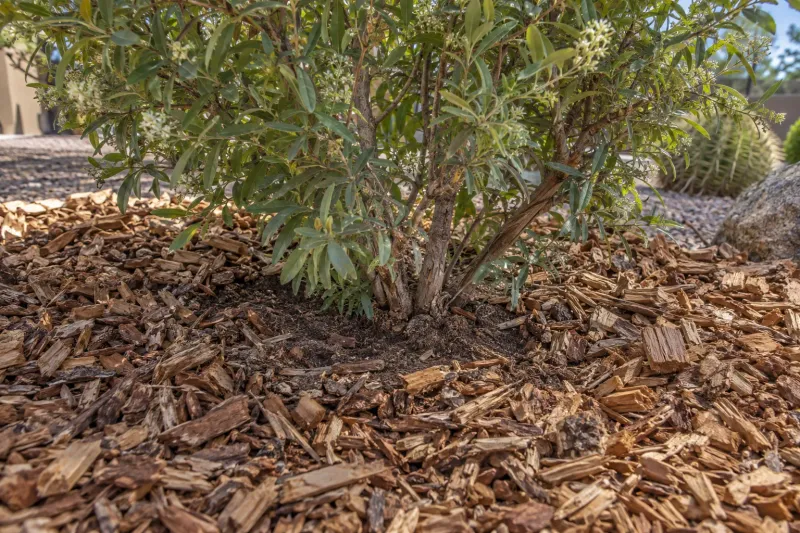
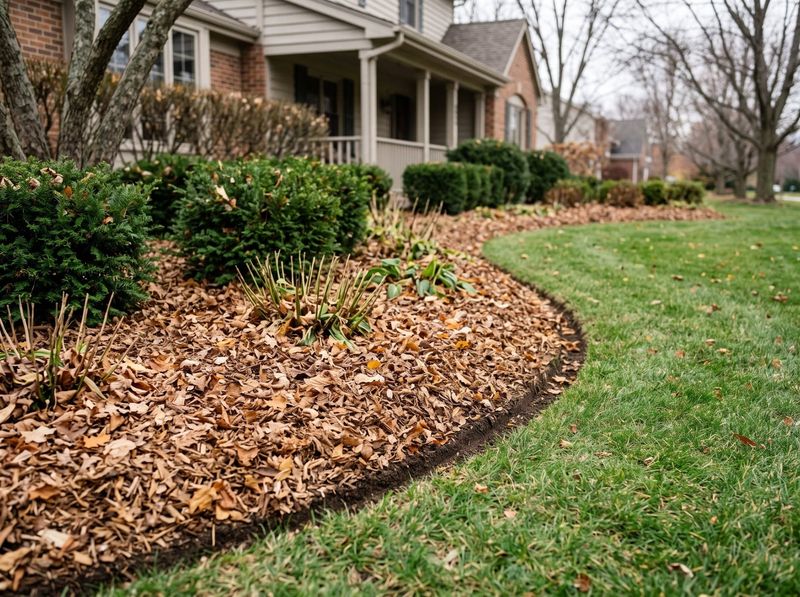
Fresh mulch might be the fastest trick for making a garden look polished before company shows up at the door. One weekend of spreading bark gives beds that neat, finished look that guests notice right away.
Beyond good looks, mulch works hard all winter by shielding plant roots from sudden temperature swings and chilly nights. It also blocks light from reaching weed seeds, so fewer winter weeds sprout after the first soaking rains.
Moisture stays in the soil longer under mulch, which helps during the dry stretches between storms. In many coastal and valley areas, those dry gaps can last several weeks, even during the rainy season.
Spread shredded bark, wood chips, or pine needles about two to four inches deep across open soil. Keep the mulch several inches away from tree trunks and plant stems, since piled mulch can trap moisture and cause rot.
Personally, I like using arborist wood chips because many local tree services offer them free or cheap. They break down slowly, feeding the soil over time while keeping paths and beds looking tidy for months.
Homes in fire-prone areas should follow local guidance and avoid flammable bark mulch close to the house. Gravel or rock is often recommended within the first five feet of buildings, so check your local fire agency.
4. Plant Colorful Pansies And Ornamental Kale For Winter Color
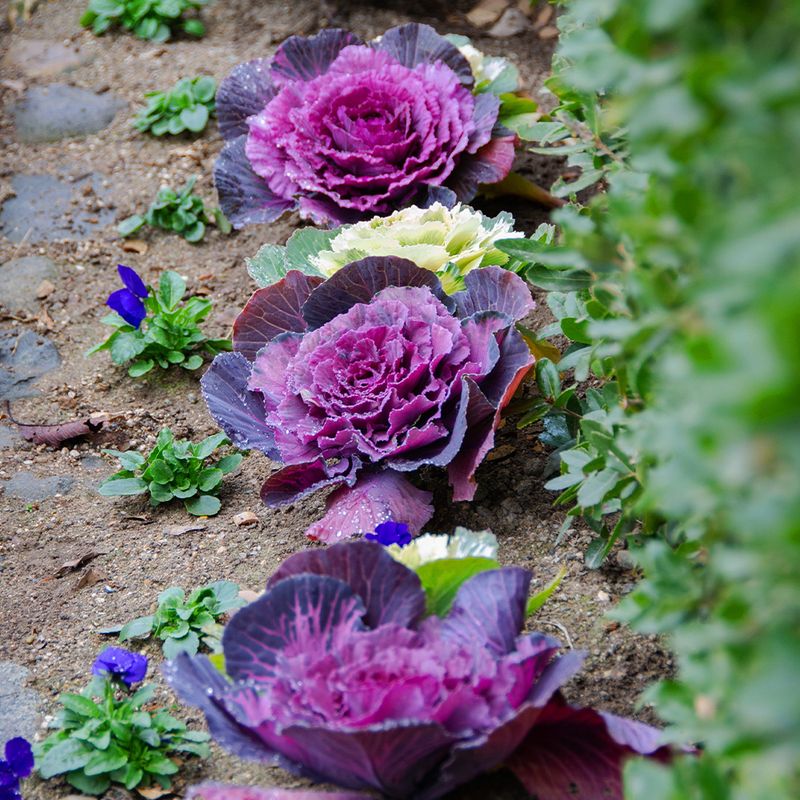
Nothing says welcome quite like a pot of cheerful pansies blooming beside the front steps in late November. Their little painted faces seem to smile at every guest, and I can’t resist adding a few each fall.
Mild winters in much of the state make fall one of the best planting seasons of the whole year. Cool air reduces stress on new plants, while warm soil encourages strong roots before spring growth begins.
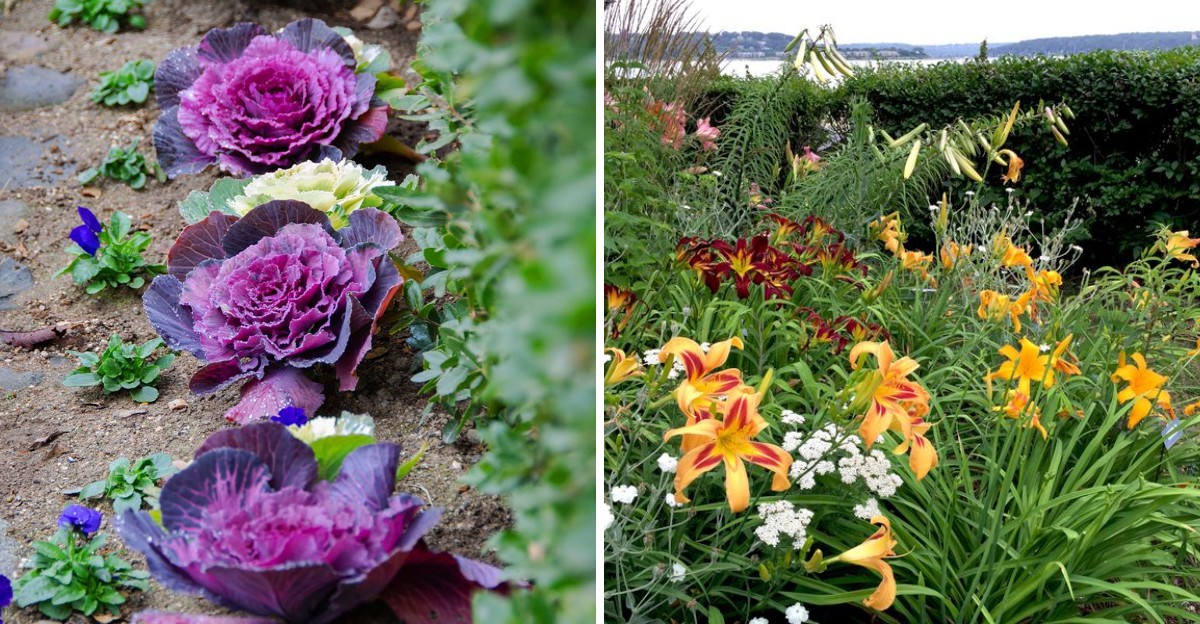
Pansies, violas, and ornamental kale handle chilly nights well and often keep their color through winter. Ornamental kale even tends to brighten as temperatures drop, turning its centers deeper shades of purple, pink, or creamy white.
Spring bulbs like daffodils can go in now too, planted about two to three times as deep as the bulb is tall. Set them pointy side up, and you will have a lovely surprise waiting for you in late winter.
Tulips usually need about six weeks of chilling in the refrigerator before planting in warm areas of the state. Keep them away from fruit while chilling, since ripening fruit releases gases that can harm the developing flower buds.
Native plants like manzanita and California fuchsia also love fall planting because winter rain helps them settle in. Vegetable gardeners can sow garlic, fava beans, and leafy greens now for fresh harvests in the cooler months.
5. Adjust Sprinkler Timers And Clean Out Rain Gutters
Sprinklers running in the middle of a rainstorm might be the most common gardening mistake I see every single fall. Soggy lawns and puddled paths are not the kind of welcome you want for arriving holiday guests.
Plants need far less water once days grow shorter and temperatures cool, so your summer schedule is probably too generous. Too much water in cool soil can lead to root rot, especially in clay or poorly drained areas.
Cut back your watering days, and consider a smart controller or rain sensor that pauses watering after storms. Many local water agencies offer rebates on these devices, which can make the upgrade surprisingly affordable for homeowners.
Walk your system while it runs, looking for broken heads, leaky drip lines, or sprinklers spraying the sidewalk. Fixing these small problems now saves water and keeps walkways dry when guests come strolling through your front yard.
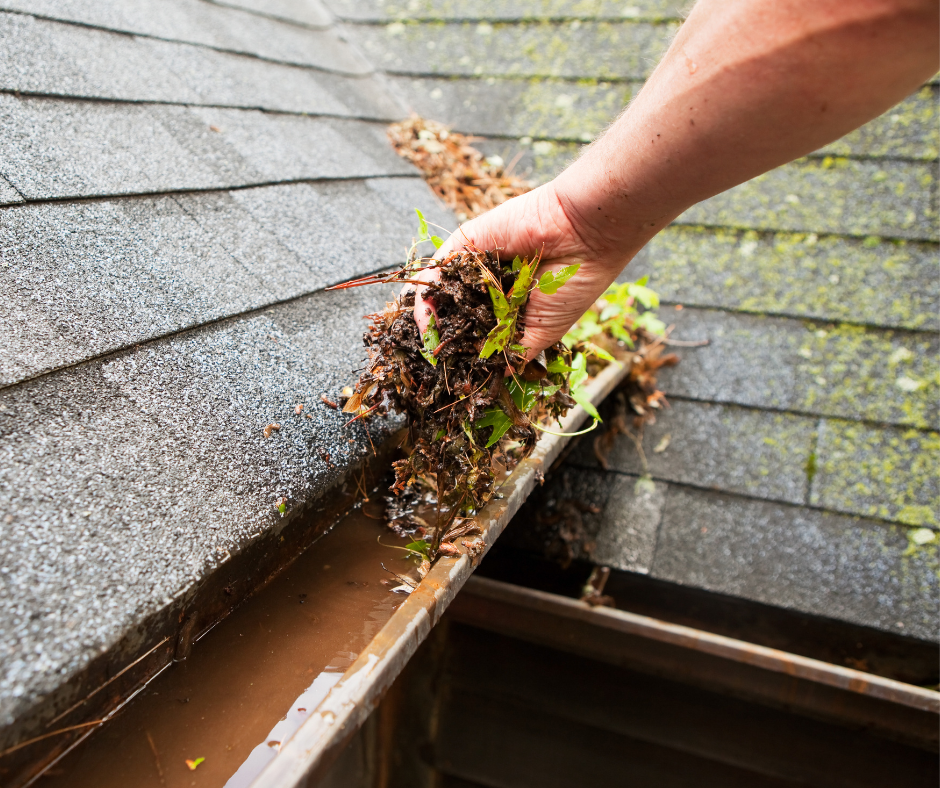
Gutters and downspouts deserve a quick cleaning too, since fallen leaves can block them before the first big storm. Overflowing gutters often dump water right beside the foundation, which can cause trouble for homes over time.
You might redirect a downspout toward a thirsty planting bed or a simple rain garden instead of the driveway. That way, rooftop runoff soaks into your soil rather than washing away down the street toward storm drains.
6. Trim Broken Branches And Cut Back Mexican Bush Sage
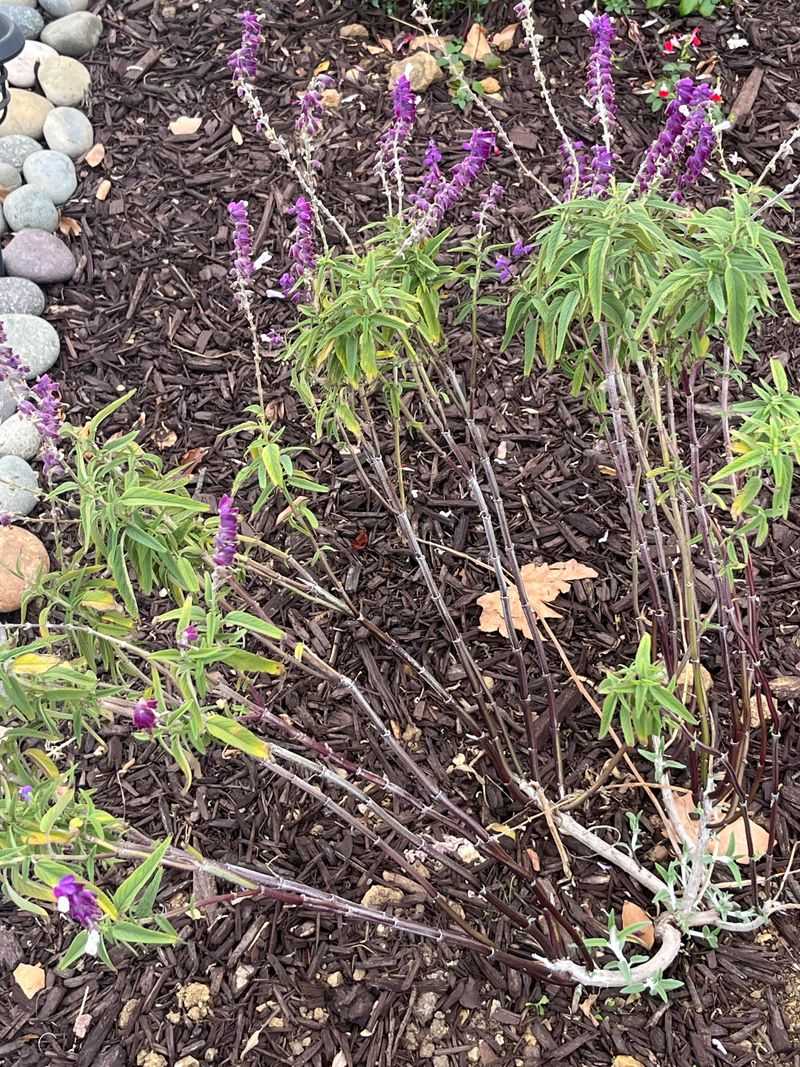
A single broken branch dangling over the walkway can make an otherwise lovely yard look a bit neglected. Grab your pruners, because a little careful trimming now pays off both for appearance and plant health.
Start with any broken, diseased, or rubbing branches on shrubs and trees, cutting just outside the branch collar. These small cuts help plants heal cleanly and reduce the chance of storm damage during windy winter weather.
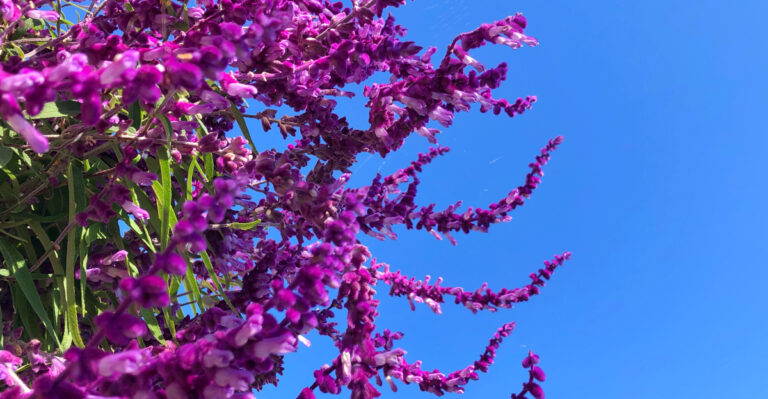
Mexican bush sage often looks tired once its fuzzy purple flowers fade, and cutting stems low encourages fresh growth. Lavender also benefits from a light trim, but avoid cutting into old, bare wood, which may not resprout.
Hold off on heavy pruning for frost-tender plants like bougainvillea and hibiscus until the danger of cold weather passes. Fresh shoots on these plants are easily damaged by chilly nights, so waiting until spring is usually wiser.
Spring-flowering shrubs such as lilacs and azaleas have already formed next year’s flower buds by now. Pruning them hard in fall means trimming away those future blooms, so save the shaping for right after flowering.
Wipe your pruner blades with rubbing alcohol or a household disinfectant between plants, especially after cutting diseased wood. I keep a small spray bottle in my garden bucket, and it makes this habit quick and painless.
7. Divide Crowded Daylilies And Yarrow Into New Plants
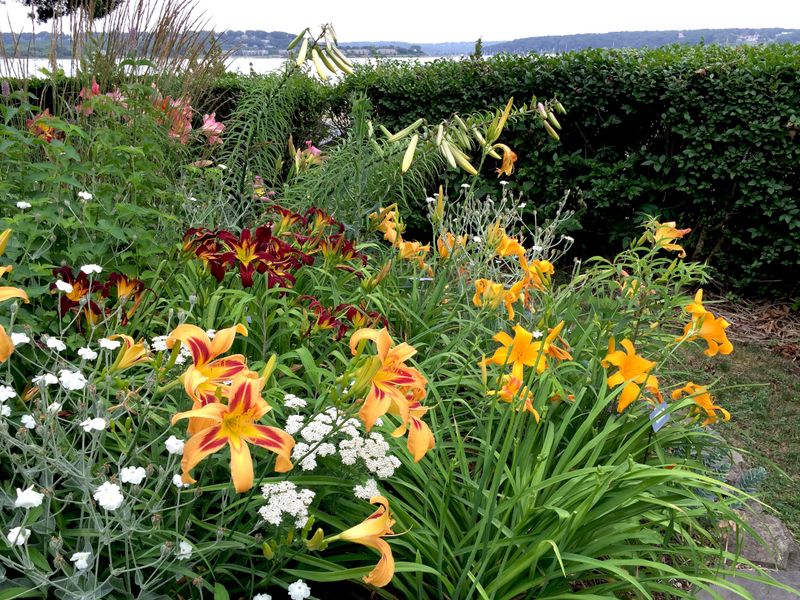
Overgrown perennials hold a secret bonus, because one crowded clump can turn into several brand-new plants for free. You’re in for a big surprise when you see how many divisions a single daylily can produce.
Plants like daylilies, yarrow, and asters often bloom less once their centers become packed and woody. Dividing them every few years refreshes their energy and gives the roots more room to spread out again.
Fall works well for this job in mild climates, since warm soil helps divisions root quickly before winter. Water the plant well a day ahead, which makes digging easier and reduces stress on the roots.
Dig around the whole clump with a spade, then lift it gently from the ground with as much root as possible. Use your hands, a sharp knife, or two garden forks to pull it apart into smaller sections.
Each division should have healthy roots along with a few leaves or growing shoots attached. Replant them right away at the same depth in compost-rich soil, then water thoroughly to settle everything into place.
Extra divisions make thoughtful little gifts, and I love sending guests home with a potted plant wrapped in ribbon. It feels much more personal than store-bought flowers, and the memory keeps growing in their own gardens.