8 Berry Shrubs That Bring Festive Winter Color to Michigan Yards
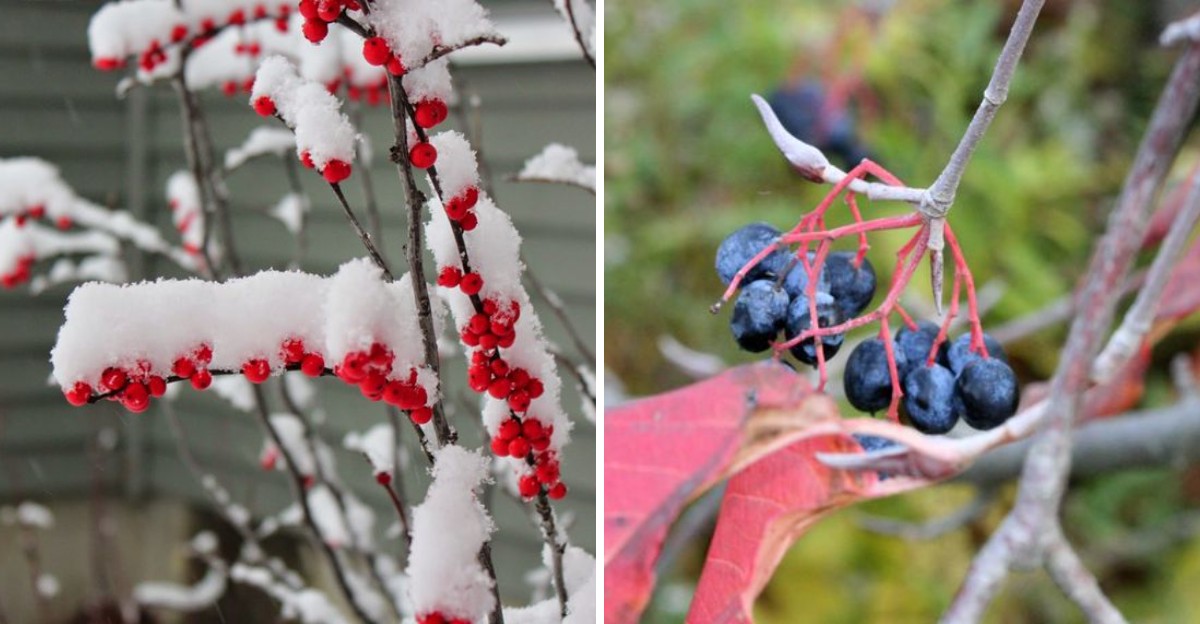
One native holly cousin drops every single leaf in autumn, yet its scarlet fruit often clings to bare twigs into January. That surprised me the first time I spotted it glowing beside a frozen Michigan ditch on a gray afternoon.
Berries that hang on this long are not a lucky accident of nature or simple chance at all. Many contain tannins or acids that make birds wait, so the fruit becomes a handy pantry for late winter.
I find it fascinating how one shrub can feed hungry robins while brightening the view from your kitchen window. Small yards work fine too, since several of these plants fit neatly beside a porch or along a driveway.
Michigan winters can stretch from November into April, so color that lasts matters more than flashy summer blooms.
So which shrubs actually hold their berries long enough to earn a proud spot in your snowy yard?
1. Winterberry Holly
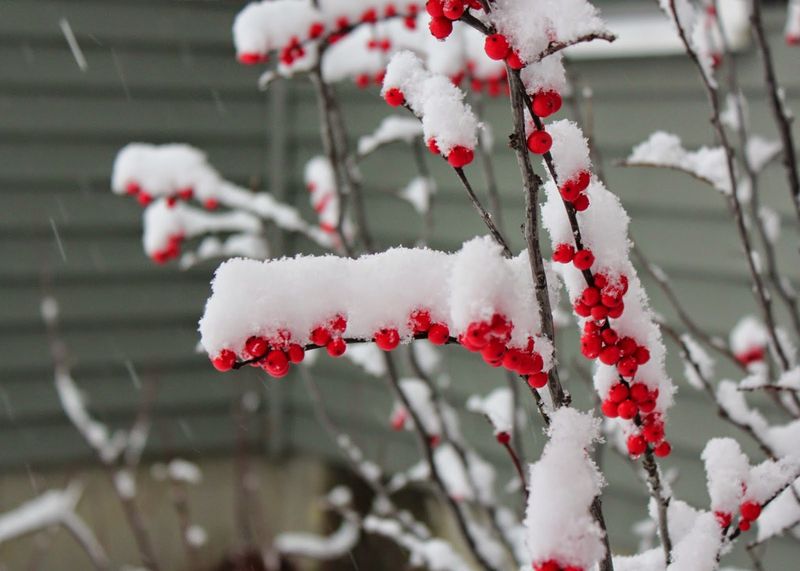
Bright red berries on leafless stems look almost too cheerful to be real in a snowy yard. Winterberry holly, or Ilex verticillata, sheds its leaves in fall and leaves the fruit on full display.
I never get tired of watching cedar waxwings and robins swoop in to strip a loaded branch in minutes. Most years, plenty of berries still hang on long enough to brighten the darkest weeks of the season.
This native shrub usually grows six to ten feet tall and spreads slowly into a rounded, multi-stemmed clump. It is hardy in USDA zones 3 through 9, so it handles cold winters with very little fuss.
You might be surprised to learn that only female plants produce berries, while male plants simply supply the pollen. One male can usually serve several females, as long as it grows within roughly fifty feet of them.
Bloom timing matters, so pair early females like Red Sprite with Jim Dandy as their pollen partner. Later bloomers such as Winter Red match up better with Southern Gentleman, according to many nursery and extension guides.
Moist, acidic soil keeps this holly happiest, and it even tolerates soggy spots where other shrubs struggle badly. In alkaline soil, leaves can turn yellow, so a soil test before planting saves you plenty of frustration.
Plant container shrubs in spring or early fall, then water deeply through their first full summer season. Snip a few berry-covered stems for holiday arrangements, because light cutting rarely harms these tough plants at all.
2. American Cranberrybush
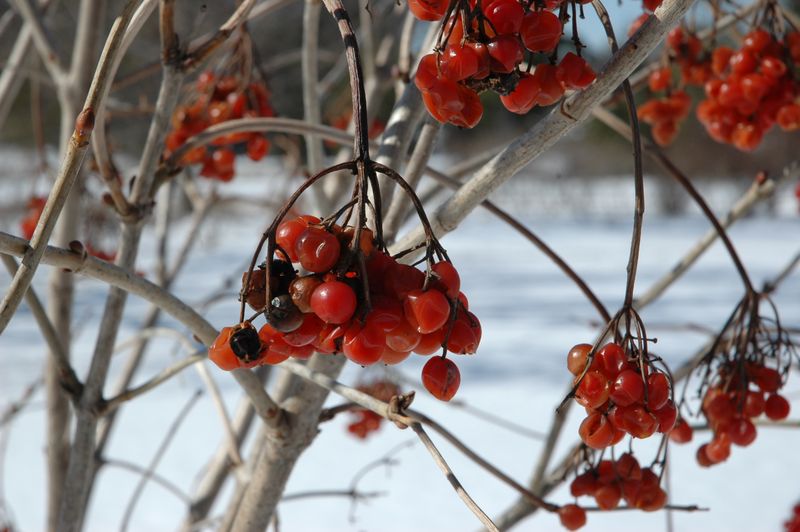
Glossy red clusters dangle from this viburnum like little strings of holiday lights left out after the party. American cranberrybush, Viburnum trilobum, keeps that fruit dangling well into winter on its bare gray branches.
Birds often skip these berries in fall, which sounds odd until you taste one and wince at the sourness. After repeated freezing and thawing, the fruit softens, and hungry grouse or waxwings finally take a real interest.
Here’s something worth knowing for cooks who like a project in the kitchen. The berries are edible when cooked with sugar, and many families have made tangy jelly from them for generations.
This shrub typically reaches eight to twelve feet tall, with lacy white flowers in late spring and maple-shaped leaves. Fall color ranges from yellow to deep reddish purple, so the show starts well before the snow arrives.
Shop carefully, because the European cranberrybush looks similar and has spread aggressively into natural areas in some regions. The native type is sometimes sold as Viburnum opulus var. americanum, so check the label before you buy.
Plant it in sun or partial shade with moist, well-drained soil for the heaviest crop of fruit. It is hardy in zones 2 through 7, which covers even the chilliest corners of the Upper Peninsula.
Keep an eye out for the viburnum leaf beetle, which chews leaves into lace during late spring. Pruning out twigs with egg sites during winter can noticeably reduce the number of larvae you see next year.
3. Red Chokeberry
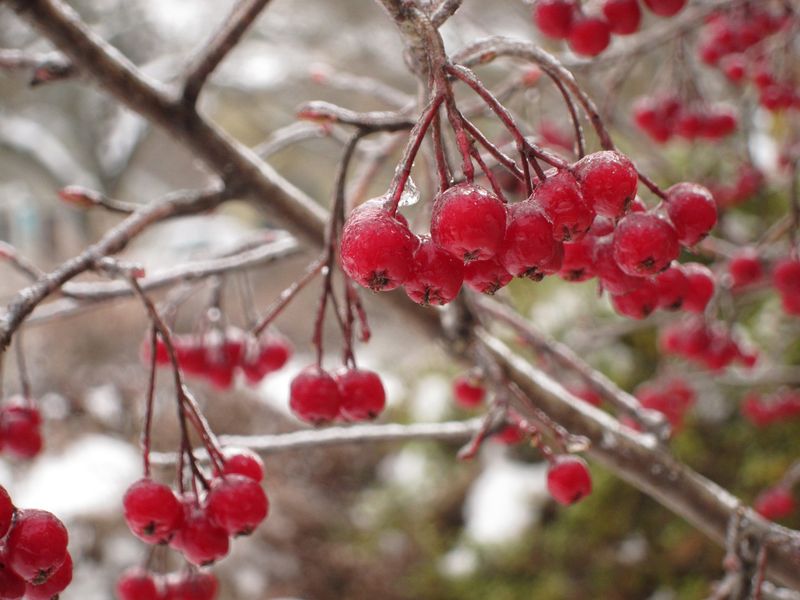
Despite a name that sounds like a warning label, red chokeberry is one of the friendliest shrubs you can plant. Its bright red fruit hangs on stubbornly, often lasting deep into winter after the leaves fall away.
What I find interesting is how bitter the berries taste to birds at first, which keeps them on branches longer. That delay means your yard gets color for months, and late-season birds still find a meal waiting.
Aronia arbutifolia usually grows six to ten feet tall, forming an upright clump that spreads slowly by suckers. Small white flowers appear in spring, and the fall leaves turn a glowing shade of orange red.
This native grows wild in southern parts of the state, especially in damp thickets and along wetland edges. It handles wet clay or sandy soil surprisingly well, so tricky drainage spots suddenly become planting opportunities.
Full sun brings the heaviest fruit set, though the shrub will still perform reasonably well in partial shade. It is hardy in zones 4 through 9, so very northern gardens might prefer its black-fruited cousin instead.
Suckers can wander a bit, which is handy for a hedge but annoying in a tidy foundation bed. Pull or clip unwanted shoots each spring, and the clump stays a manageable shape with little extra effort.
Brilliantissima is a popular cultivar known for especially bright fall leaves and generous clusters of shiny red fruit. A group of three planted together makes a bold winter splash you can enjoy from indoors.
4. Staghorn Sumac
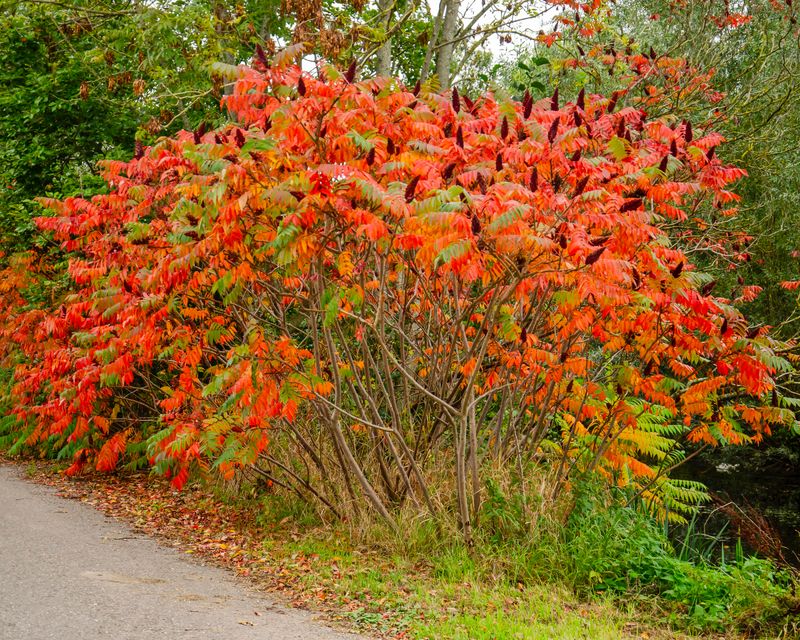
Fuzzy crimson cones standing upright on bare branches give staghorn sumac a wild look that nobody overlooks in winter. Rhus typhina holds those fruit clusters all season, so they poke above the snow like little torches.
The name comes from its velvety young branches, which feel and look a lot like new deer antlers. Run your hand along a twig sometime, because that soft texture surprises nearly everyone who tries it.
Plenty of people worry this plant is poisonous, but staghorn sumac is a different plant from poison sumac. Poison sumac grows in wet areas and has drooping white berries, while this one carries upright red clusters.
Birds such as bluebirds, robins, and grouse rely on the fruit mostly in late winter, when better food runs out. The berries are not their first choice, which explains why the clusters last so long on the branches.
Expect a plant that can reach fifteen to twenty-five feet and spread into a colony through underground runners. That habit suits slopes, field edges, and roadside banks better than small beds near the house foundation.
Full sun and well-drained soil keep it thriving, and dry, sandy ground suits it surprisingly well over time. It is hardy in zones 3 through 8, so cold winters rarely bother this tough native shrub.
Only female plants produce fruit, so buy from a nursery that sells known female stock if berries matter. For smaller spaces, Tiger Eyes offers golden leaves and a shorter size, though fruit on it is limited.
5. Common Snowberry
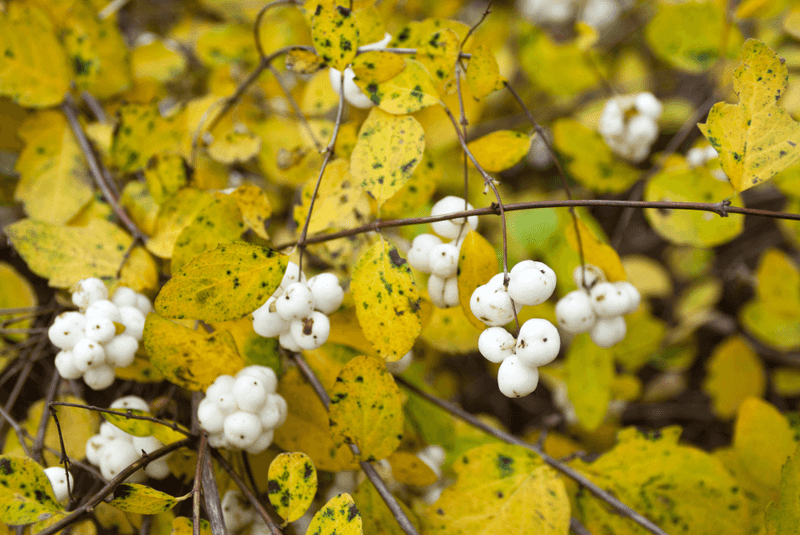
Round white berries the size of marbles make snowberry look like someone strung tiny pearls across its twigs. Symphoricarpos albus keeps that fruit hanging well into winter, long after most garden color has faded away.
I can see why gardeners love it for shady spots, because few berry shrubs handle low light this gracefully. It grows naturally in woods and rocky slopes across much of the northern United States and Canada.
This compact native usually stays three to six feet tall, with thin arching stems that sway in the wind. Tiny pink bell-shaped flowers appear in early summer, and bees visit them steadily for several weeks.
The white berries can look a little ghostly against snow, though they glow nicely beside evergreens or red twigs. Pairing snowberry with winterberry or red-stemmed dogwood creates a lovely contrast that feels festive without being loud.
Keep small children and pets from snacking on the fruit, since the berries are considered mildly toxic to people. Birds such as grouse and robins eat them in winter, especially when tastier options have already disappeared.
Snowberry tolerates clay, sand, and even rocky soil, and it handles both sun and fairly heavy shade well. It is hardy in zones 3 through 7, which fits the climate across most of the state nicely.
Suckering roots help it hold soil on slopes, so consider it for banks that wash out after heavy rain. Trim older stems back in early spring to keep the plant full, tidy, and loaded with fruit.
6. Common Juniper
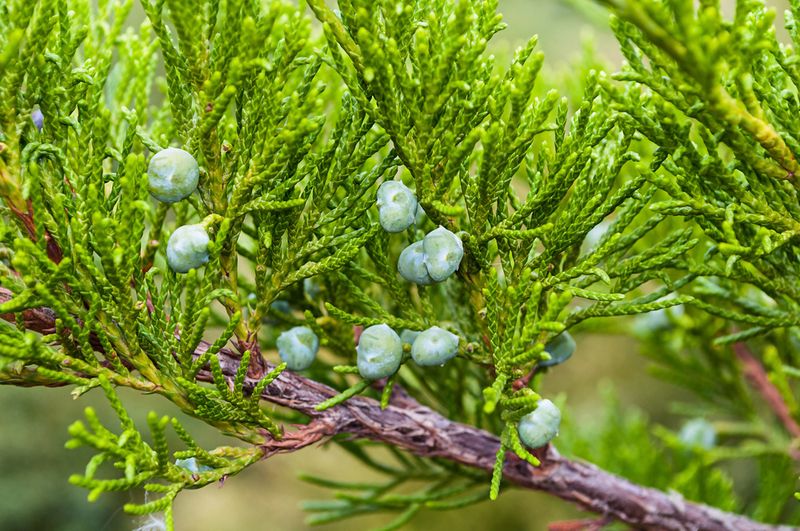
Those dusty blue berries on common juniper are not actually berries at all, which surprises plenty of new gardeners. They are fleshy seed cones, and each one can take two or three years to ripen fully.
That slow pace means a single shrub often carries green and blue fruit at the same time during winter. I find it fascinating how this mix gives the plant a speckled look that feels quietly festive near snow.
Juniperus communis grows wild across the northern part of the state, especially on dunes and in rocky openings. Many forms stay low and spreading, reaching about two to four feet tall while sprawling much wider.
The needles are sharp and stiff, so plant it away from walkways where people might brush against it often. Evergreen foliage stays green all winter, sometimes picking up a bronze tint when temperatures drop very low.
Full sun and sandy, well-drained soil suit this tough native best, and wet heavy clay causes real problems. It is hardy roughly in zones 2 through 6, so cold winters suit it far better than mild ones.
Only female plants produce the blue cones, so choose a known female plant if fruit is your main goal. Birds like thrushes and waxwings eat the cones, and the dense branches give small birds shelter from wind.
Plant container shrubs in spring or early fall, and water regularly until roots settle in after the first year. After that, this evergreen needs little care beyond removing any damaged branches in late winter.
7. Nannyberry
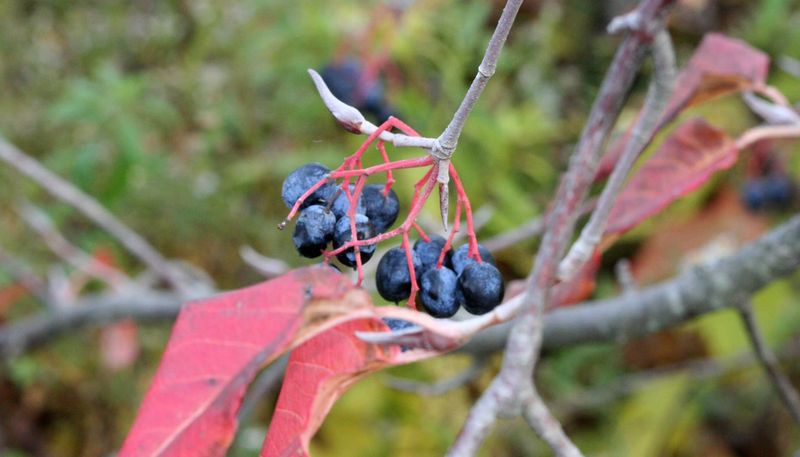
Old-time farm kids called nannyberry fruit wild raisins, and one wrinkled winter berry explains that nickname right away. The blue-black fruit turns sweet and soft after frost, a little like dried fruit from your pantry.
Viburnum lentago is native across the state, growing along stream banks, woodland edges, and rural fencerows. It makes a large shrub or small tree, often reaching fifteen to eighteen feet with arching branches.
Here’s what caught my attention the first time I grew one in my own yard. The berries shift from pale green to pink before darkening to deep blue black, so the clusters change color for weeks.
Fruit often hangs on into early winter, although hungry birds may clear branches sooner during a lean year. Those dark clusters look especially striking against fresh snow, even if they are less flashy than red berries.
Creamy white flower clusters appear in late spring, and the glossy leaves turn reddish purple in autumn. Plant two different nannyberry shrubs nearby, because cross-pollination usually leads to a much heavier crop of fruit.
This viburnum tolerates sun or shade and handles moist or fairly dry soil, which makes it very forgiving. It is hardy in zones 2 through 8, so cold northern winters rarely slow it down at all.
Suckers can spread into a thicket, which works nicely for a privacy screen along a property line. For a single neat specimen, clip suckers each spring and remove one or two older stems as needed.
8. Bearberry
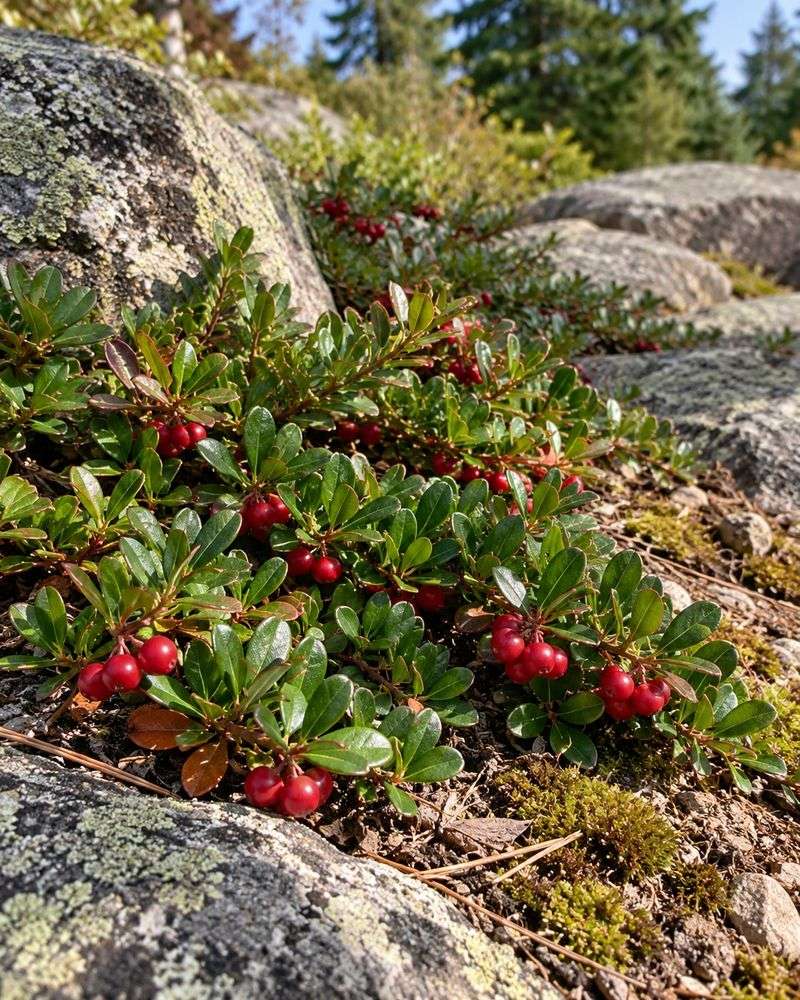
Tiny red berries peeking through a thin layer of snow give bearberry the charm of a holiday card. This low evergreen hugs the ground, so the festive color sits right at your feet instead of eye level.
Arctostaphylos uva-ursi grows naturally on sandy dunes and jack pine plains, especially in the northern Lower Peninsula. Its glossy leaves often turn a handsome bronze or reddish shade once cold weather settles in for good.
You might find it hard to believe, but this creeping shrub usually stays under a foot tall. Stems root as they spread, slowly forming a dense mat that can stretch several feet across over the years.
Pale pink bell-shaped flowers appear in spring, and early bees visit them when few other blooms are open. Bright red berries follow by late summer and often hang on through winter, feeding grouse and other wildlife.
Sandy, acidic, well-drained soil in full sun suits bearberry best, while rich or soggy soil causes it to struggle. It is hardy roughly in zones 2 through 6, so it handles fierce northern cold without complaint.
Buy plants grown in containers, because bearberry dislikes having its roots disturbed and transplants poorly from the wild. Digging plants from natural areas also harms native habitat, so stick with reputable nurseries for your plants.
Patience pays off with this one, since growth is slow during the first couple of seasons. A light mulch of pine needles helps hold moisture and keeps weeds down while the mat fills in.