8 Best Gravel Mulch Alternatives For Oregon Drought Gardens
Picture a gardener in Medford standing barefoot on a gravel bed in late July, hopping back fast because the stones are radiating heat like a stovetop while the shrubs behind them droop anyway.
Gravel looks tidy and never needs replacing, sure. It also bakes roots, reflects heat onto leaves, and does nothing at all to build soil underneath it.
Most gardeners choose gravel because it seems like the low-maintenance option, the one you install once and never think about again.
That trade-off costs more than most people realize once summer heat really settles in across the state.
Across Oregon, from the wet Willamette Valley to the dry high desert, Oregon State University Extension points gardeners toward mulches that hold water in the ground instead of cooking it out entirely.
Here are eight practical swaps worth trying, along with an honest look at the upkeep each one asks of you in return.
1. Arborist Wood Chips Cost Little Or Nothing
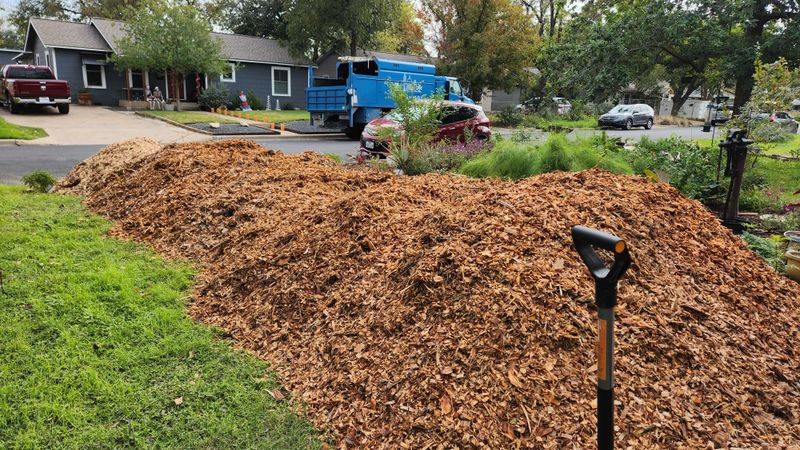
Call a tree crew working down your street and ask where the truck is headed next. More often than not, the answer is a landfill or a transfer station, and they would rather dump the load in your driveway for free.
Arborist chips are a jumble of wood, bark, leaves, and small twigs, and that mixed texture is exactly what makes them work so well.
The chunky pieces lock together, resist blowing away in east winds, and let rain soak through instead of running off the surface.
OSU Extension recommends a layer roughly three to four inches deep around trees and shrubs, pulled back a few inches from trunks so bark stays dry.
Under that blanket, soil temperatures stay steadier and moisture hangs on far longer than it does beneath gravel, which absorbs solar heat and radiates it right back at your plants.
Here is the honest tradeoff worth knowing. Wood chips decompose, so you will top them off every two or three years, while gravel just sits there forever without changing.
That breakdown is not really a loss though, since the rotting wood feeds fungi and earthworms that turn compacted Oregon clay into something crumbly and workable.
Skip chips in vegetable beds, where they tie up nitrogen at the surface. Reserve them for pathways, shrub borders, and around established trees instead.
2. Shredded Bark Holds Moisture Longer
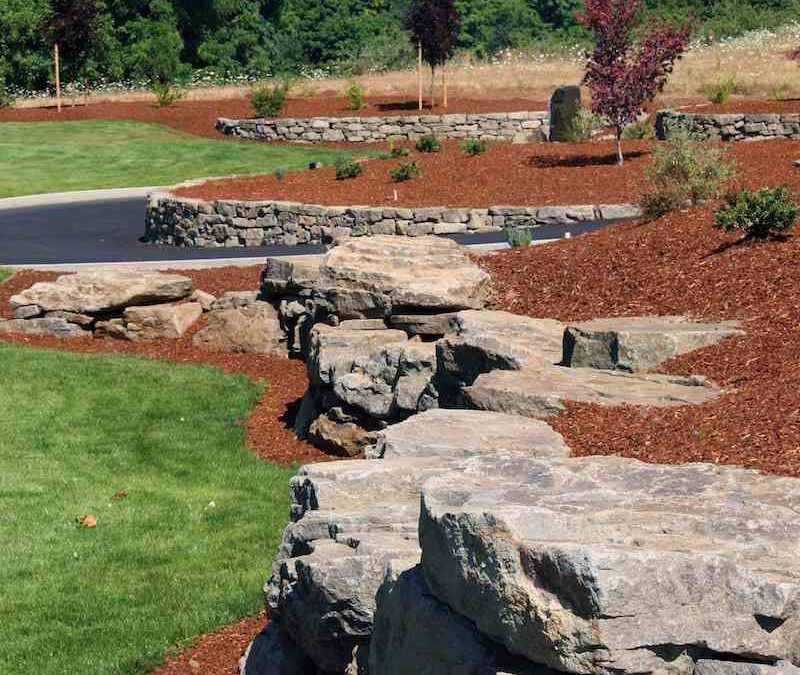
Shredded bark, often sold in Oregon as fir or hemlock bark dust, has one trick gravel will never learn. The stringy fibers knit together into a mat that shades soil and slows evaporation to a crawl.
Rock mulch does the opposite entirely. Sunlight heats each stone, warm air rises through the gaps, and the soil underneath dries faster than bare ground in some cases.
Bark keeps the surface cool and dim instead, which also discourages weed seeds from sprouting in the first place.
Because the shreds tangle together, bark clings to slopes better than round gravel or nuggets that roll downhill after a heavy Willamette Valley rain.
Apply two to three inches for most beds around the yard. Go deeper and you risk a crusty surface that actually sheds light rain before it reaches roots, so fluff the layer with a rake each spring.
Your Oregon Garden Changes Every Week. Your Plan Should Too.
Gardening in Oregon changes quickly throughout the season. Every Friday you’ll receive a simple weekly plan showing exactly what to plant, prune, fertilize, harvest, and protect so you never miss the right timing.
Fine bark dust breaks down within a couple of seasons and needs refreshing. Medium or coarse grades last noticeably longer before needing attention again.
Fresh bark can look startlingly red or orange at first when it’s newly spread. That color fades to soft brown within a few months of Oregon weather working on it.
Keep bark a hand’s width away from stems and trunks so crowns stay dry and rodents have fewer hiding spots nearby.
3. Pine Needles Suit Acid Loving Beds
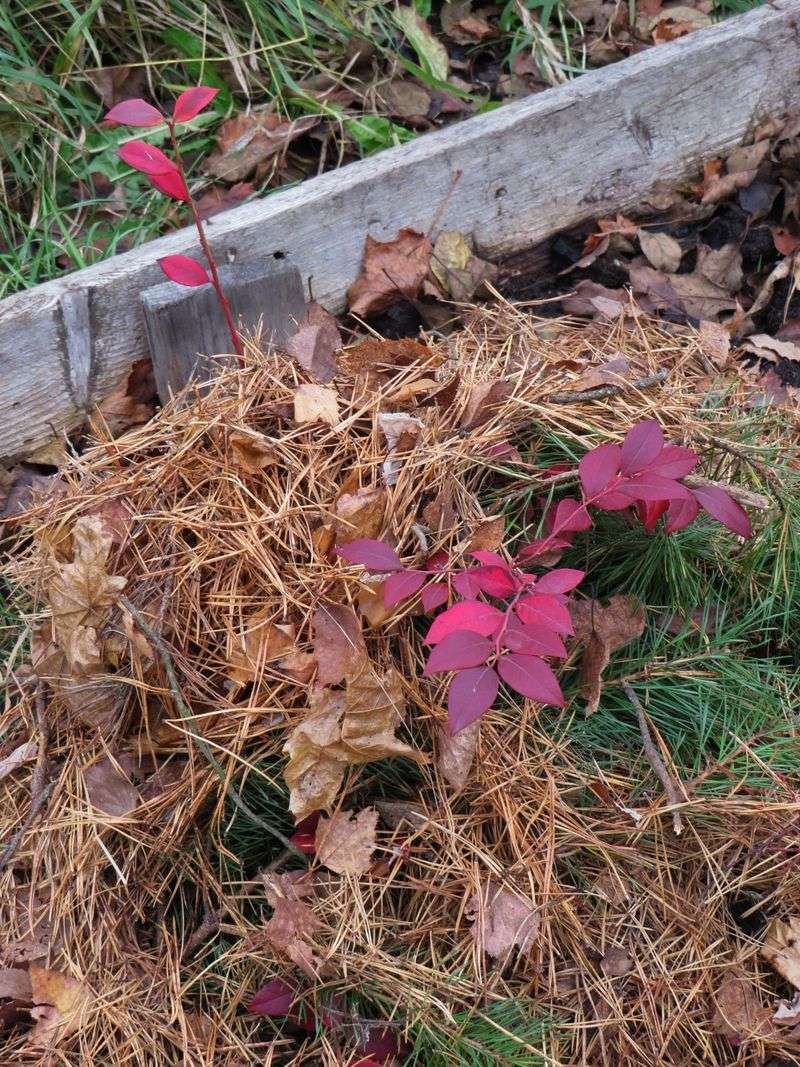
Rhododendrons, blueberries, azaleas, camellias, and huckleberries all share a preference for slightly acidic ground, and Oregon happens to produce a mulch tailor-made for them at no charge every autumn.
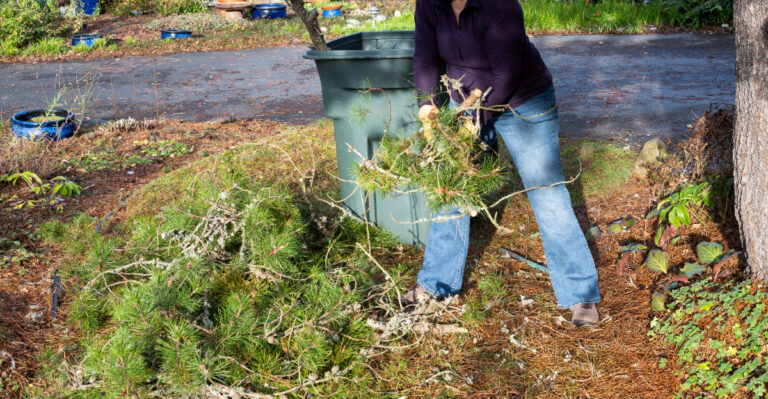
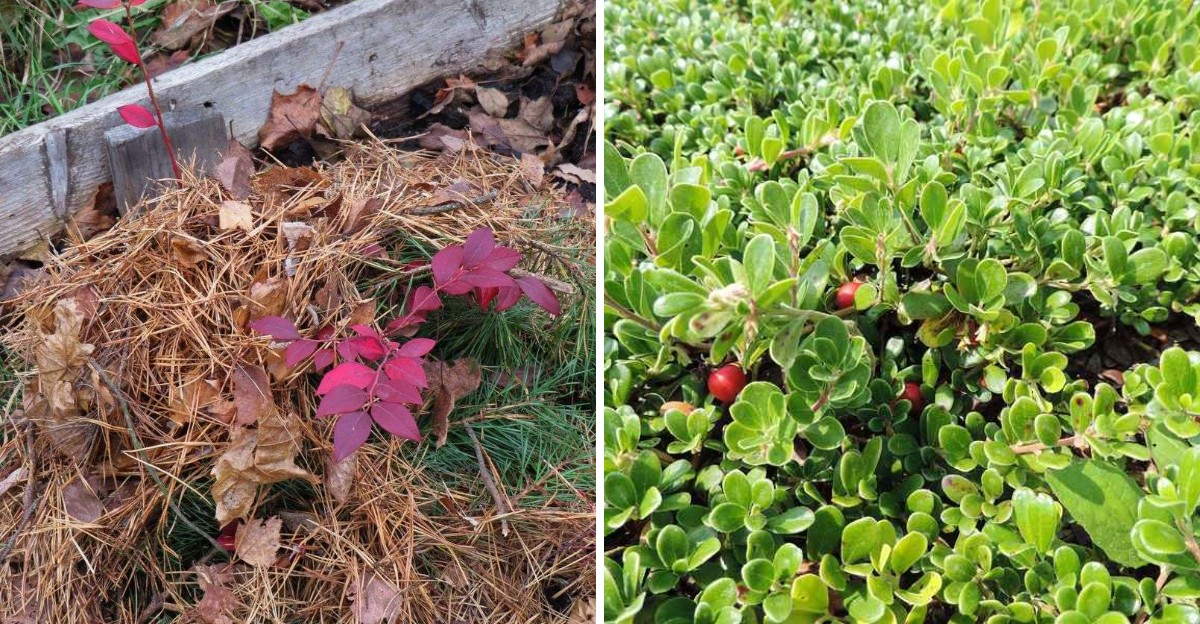
Fallen pine and fir needles, sometimes called pine straw, drop by the bushel under conifers throughout the state. Rake them up and move them straight to your acid-loving beds.
The needles interlock into a springy, airy layer about three inches thick that water passes through easily without much resistance. Air circulates too, which suits shallow-rooted rhododendrons that resent soggy, airless conditions.
A common myth claims needles will drastically acidify soil over time. Research summarized by OSU Extension suggests the effect on established soil pH is actually modest, so treat needles as a good match rather than a pH-correction tool.
They are light, which is a blessing when hauling and a nuisance in windy spots east of the Cascades where they can blow around. Dampening the layer after spreading helps it settle and mat together properly.
Needles break down slowly compared to leaves or compost, so replenishment happens maybe every two years, less often than with straw.
One safety note for fire-prone parts of southern and central Oregon worth flagging: dry needle mulch is flammable, so keep it well away from the first five feet around house siding and decks.
4. Straw Works Well In Vegetable Rows
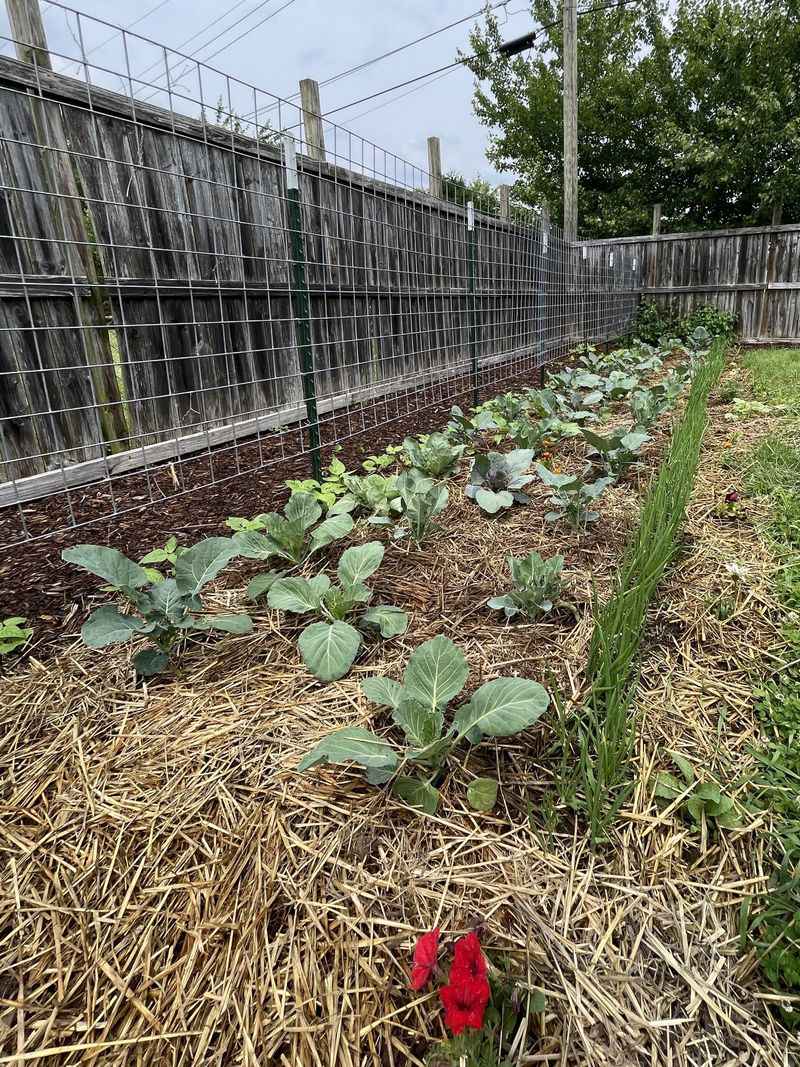
Vegetable gardeners in the Rogue Valley swear by straw during August heat waves, and the reason is simple arithmetic once you see it in action. Fewer waterings, cleaner produce, less mud tracked into the kitchen.
Spread four to six inches of loose straw between rows, and it settles to roughly half that thickness within weeks.
Underneath, soil stays moist and cool enough that tomato skins crack less often and squash sits on dry bedding instead of wet dirt after rain.
Straw is the leftover stalk after grain harvest, and it should be nearly seed-free when you buy it. Hay is not the same thing at all, so read the label carefully before purchasing.
Another thing worth checking before you buy is whether the field was treated with persistent broadleaf herbicides such as aminopyralid. Residues survive in straw and can twist and stunt tomatoes, beans, and peppers.
Wait until soil warms in late spring before mulching heat-loving crops, since straw insulates and can keep beds chilly longer than expected.
At season’s end, turn the remnants into the soil or rake them onto the compost heap for later use. That yearly replacement is real work compared with permanent gravel.
Straw also gives slugs cover, a genuine concern west of the Cascades, so check beneath it during damp spells throughout the season.
5. Compost Feeds Soil While It Covers
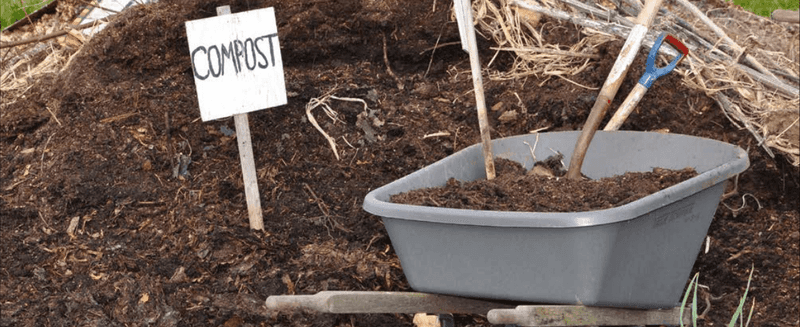
Two jobs, one material. A one to two inch blanket of finished compost shades the soil surface like any mulch while simultaneously delivering slow-release nutrients and microbes that gravel could never provide.
Soil that has been topped with compost for a few seasons holds dramatically more water than it did before. Organic matter acts like a sponge, and every percentage point gained means less irrigation during Oregon’s rain-free summer stretch.
Keep the layer thin though. Piling compost four inches deep creates a damp, nitrogen-rich surface that weed seeds absolutely love, which defeats half the purpose of mulching in the first place.
Many gardeners use a hybrid approach that OSU Extension materials support. An inch of compost laid down first, then two inches of wood chips or bark on top of that layer.
Quality matters enormously here too. Immature or hot compost can burn tender roots, and poorly made batches sometimes carry weed seed or herbicide residue hiding inside.
Compost disappears fastest of all these options because soil life consumes it eagerly throughout the season. Plan on a fresh application each spring, which is genuinely more maintenance than a gravel bed requires.
The payoff shows up underground though. Compacted clay loosens, sandy soil stops draining like a sieve, and root systems spread wider, making plants far more resilient when water restrictions eventually arrive.
6. Leaf Mold Recycles Your Own Fall Leaves
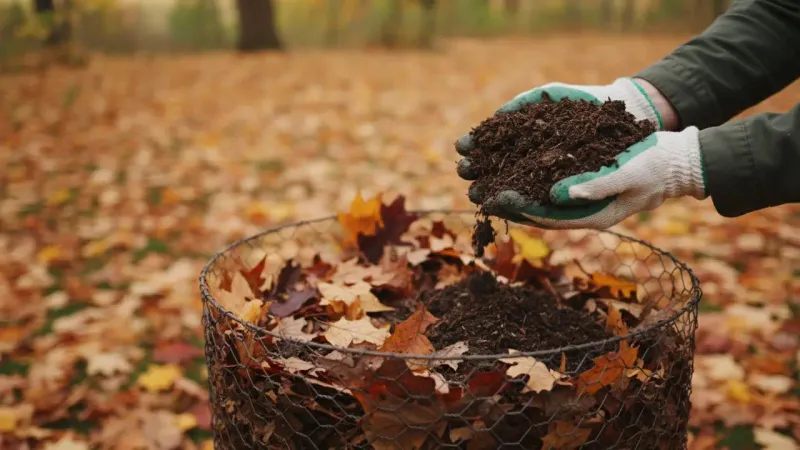
Every October, Oregon gardeners haul bags of leaves to the curb and then drive to a garden center in June to buy mulch instead. Skipping that round trip saves money and produces something better than most bagged products anyway.
Leaf mold is simply leaves left to decompose on their own, nothing more complicated than that. Pile them in a wire bin or a corner of the yard, keep them damp, and fungi do the rest over roughly a year.
Running leaves over with a mower first speeds the process considerably and prevents big maple leaves from matting into a waterproof mess later on.
The finished product is dark, crumbly, and remarkably absorbent once it’s ready to use. Trials cited by extension services suggest leaf mold can hold several times its own weight in water.
It is nearly free, needs only patience, and keeps organic matter cycling on your own property rather than in a municipal truck somewhere else.
Nutrient content is low compared with compost, so think of leaf mold as a soil conditioner and moisture holder rather than a feed source.
Like every organic option here, it vanishes into the soil and needs annual renewal to keep working. Gravel does not, and that difference is the tradeoff you accept for healthier ground overall.
7. Living Groundcovers Replace Mulch Entirely
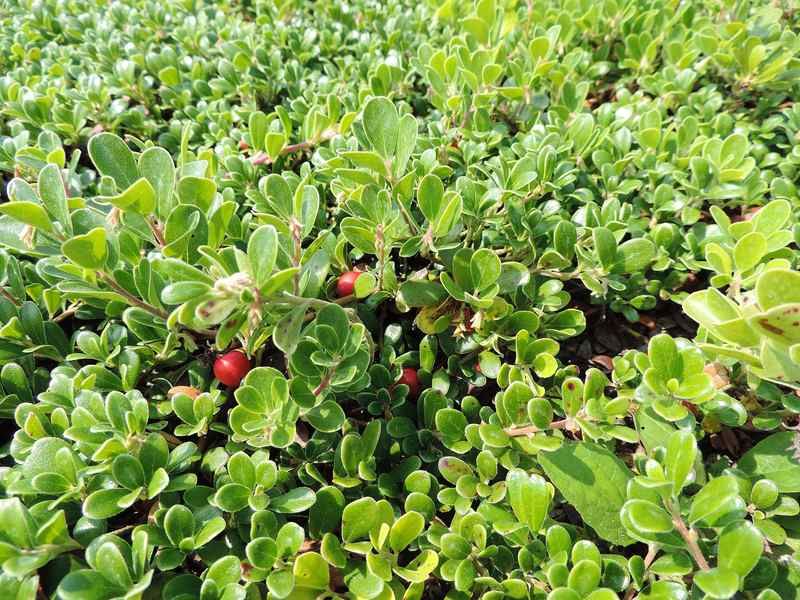
What if the mulch grew itself instead of needing constant replacement? Low, spreading plants shade the soil the same way a bark layer does, except they keep expanding rather than shrinking away.
Kinnikinnick, a native Oregon evergreen with glossy leaves and red berries, thrives in sun and lean soil once established in a bed. Creeping thyme, woolly yarrow, sedums, and low manzanita cultivars all hold their own through dry Pacific Northwest summers.
Roots do double duty here too. They anchor slopes against erosion, pull moisture from deeper layers, and feed soil organisms constantly through root exudates released underground.
The catch is patience though. Groundcovers need regular water for their first year or two and diligent weeding while they fill in, since bare gaps invite invaders quickly.
Spacing matters quite a bit here. Planting too far apart stretches the establishment period out considerably, while too close wastes money on plants that will merge anyway.
Flowering choices such as thyme and yarrow bring in native bees too, adding a benefit no rock bed could ever match on its own.
Once settled, maintenance drops to an occasional shear and pulling the odd weed here and there, which over ten years may be less labor than repeatedly topping up bark.
8. Layering Materials Improves Long Term Results
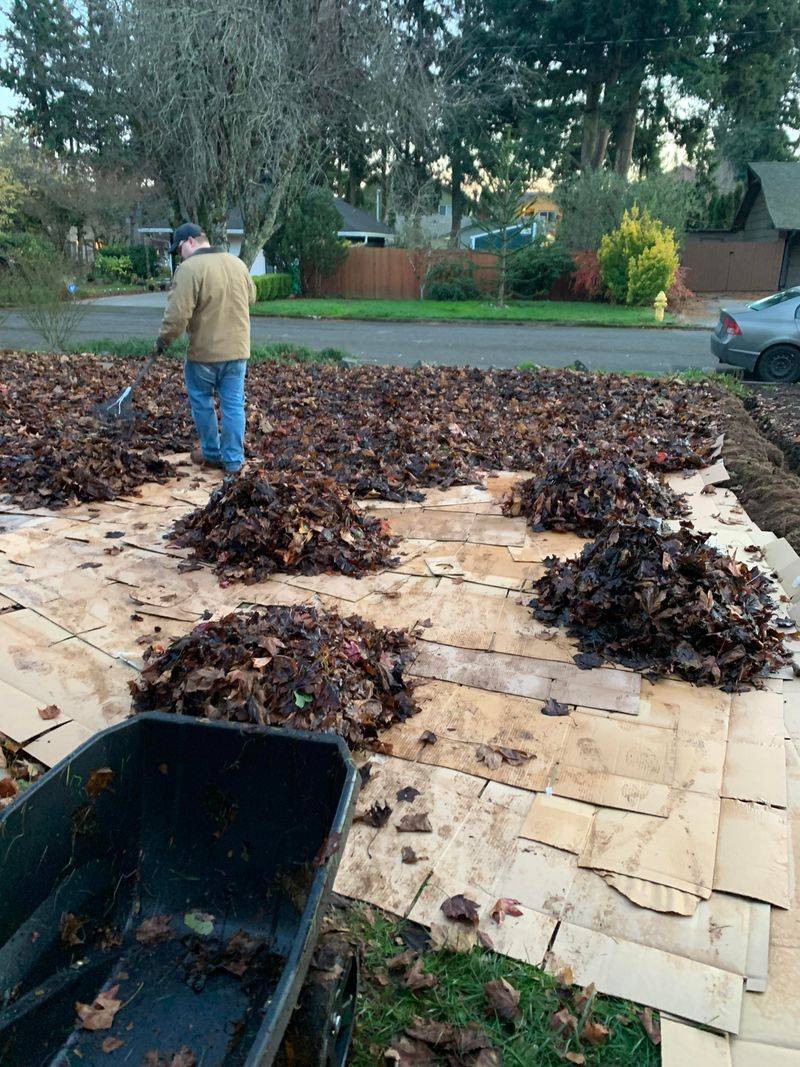
Single-material mulching is fine on its own. Stacking materials together is better though, and the technique known as sheet mulching turns a weedy strip of lawn into a planting bed without a shovel or a herbicide bottle involved.
Start by mowing low and watering the ground thoroughly before beginning the process. Lay plain cardboard with tape and glossy labels removed, overlapping the seams by six inches so grass cannot find a gap to push through.
Add an inch of compost on top of that cardboard layer, then three inches of arborist chips or shredded bark over everything. The cardboard smothers existing growth while the compost feeds soil life underneath.
Within a few months, worms have shredded most of the cardboard and pulled organic matter downward into the soil. What remains is loose, moist ground that needs far less irrigation than the lawn it replaced.
Timing helps quite a bit in Oregon specifically. Sheet mulch in fall, and winter rains will soften everything by spring planting time naturally.
Layering does require upkeep still, since the top dressing settles and thins each year that passes. Expect to add an inch or two of chips annually or a deeper refresh every second year.
Combined layers consistently outperform any single mulch for weed suppression and water savings, which makes the recurring top-up feel like a fair trade overall.