8 California Fruit Trees That Benefit From A Fall Layer Of Compost
Your fruit trees worked all summer without a single paycheck.
No lunch breaks. No days off. Just bucket after bucket of peaches, plums, figs, and lemons handed over with a smile. Well, a leafy smile.
Now October rolls in, and the bill quietly comes due.
The soil under many backyard trees looks tired by fall. Bare. Crusty. A little worn out, like a kitchen after a big holiday dinner. Months of harvest took plenty out of the ground, and very little went back in.
So what does a fruit tree actually want as a thank-you?
The answer is simpler than most people expect. It does not come in a flashy bottle. It will not work its magic overnight. It does its best work slowly, quietly, and mostly out of sight.
There is one important catch, though. Put it in the wrong spot, and a helpful gift can turn into trouble.
Curious how to pay your trees back the right way? Grab a rake and a trusty wheelbarrow. Payday starts now.
1. Citrus Roots Respond Well To Fall Compost
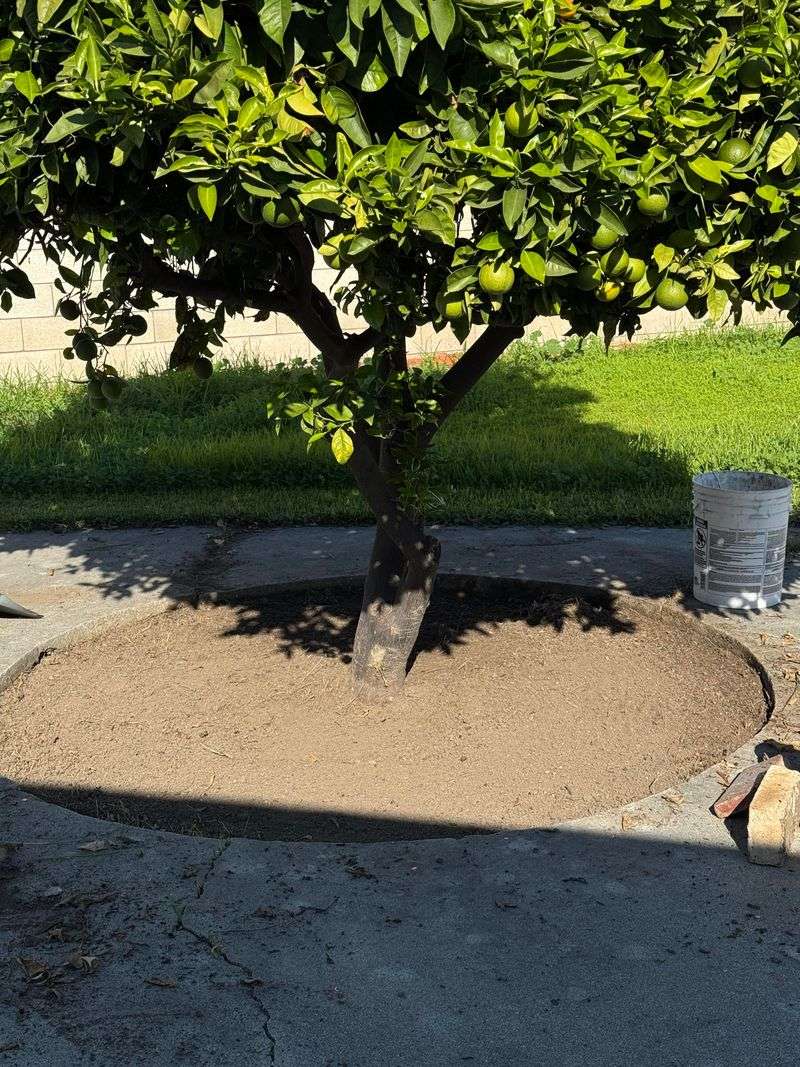
A lemon tree loaded with green fruit in October still has plenty of work ahead. Those lemons will not ripen until winter, and the roots underneath keep busy. Citrus roots sit mostly in the top foot or two of soil. What happens on the surface matters a lot.
A fall layer of compost works like a cozy blanket for those shallow roots. It helps the soil hold steady moisture as the weather shifts. It also feeds earthworms and helpful microbes that release nutrients slowly. As a bonus, organic mulch cuts down on weeds that compete for water.
Spread about two to three inches of finished compost out to the drip line or a bit beyond. The drip line is the outer edge of the leaf canopy.
Now for the rule that matters most, so write it on a sticky note. Keep a clear gap of at least six inches around the trunk. Citrus is prone to a bark disease called Phytophthora, or foot rot, which loves wet conditions.
Compost will not replace nitrogen fertilizer for citrus. Citrus fertilizer usually goes down from late winter through summer. Fall compost is soil care, not dinner.
Water it in lightly while rain stays slow to arrive. By spring, you should find darker, crumbly soil and roots ready to push new growth and blossoms.
Your future lemonade gets a head start. That is extra zest, delivered underground.
2. Apple Trees Benefit From A Nutrient Boost
Fallen apples in the grass send a clear message that harvest is over. Before anything else, rake them up along with any spotted leaves. Old fruit and leaves can carry pests like codling moth and diseases like apple scab into next season.
Once the ground looks clean, your apple tree is ready for fresh compost. Apples go dormant in winter, but their roots stay active in cool, unfrozen soil. In California, that root activity can continue for weeks. Compost gives those roots a richer, looser place to spread.
Your California Garden Changes Every Week. Your Plan Should Too.
Gardening in California changes quickly throughout the season. Every Friday you’ll receive a simple weekly plan showing exactly what to plant, prune, fertilize, harvest, and protect so you never miss the right timing.
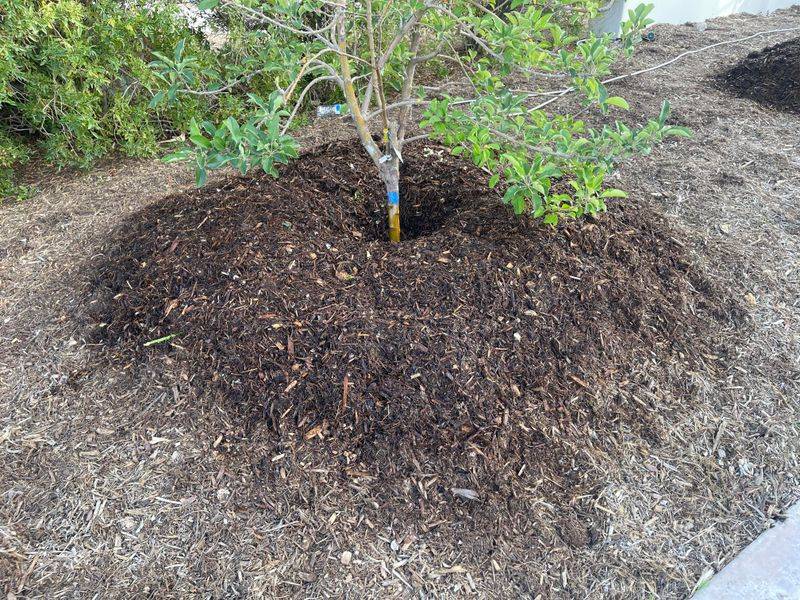
Aim for a two to three inch layer under the canopy. Leave a bare circle of about six inches around the trunk to keep bark dry.
Now for a sneaky reason that gap matters, and it involves some tiny freeloaders. Mice and voles love to hide in thick mulch near trunks and chew on bark. A clear ring takes away their cozy hideout.
Compost supplies a small, steady trickle of nutrients rather than a big boost. That slow pace suits apples well. Too much nitrogen can cause lots of leafy growth and weaker fruit. Many established backyard apples need little extra fertilizer when the soil stays healthy.
A yearly layer builds organic matter over time. Sandy soil holds water better, and heavy clay drains more freely.
An apple a day keeps the doctor away. Apparently, a little compost a year keeps the soil doctor away too.
3. Peach Trees Recover Faster With Compost Support
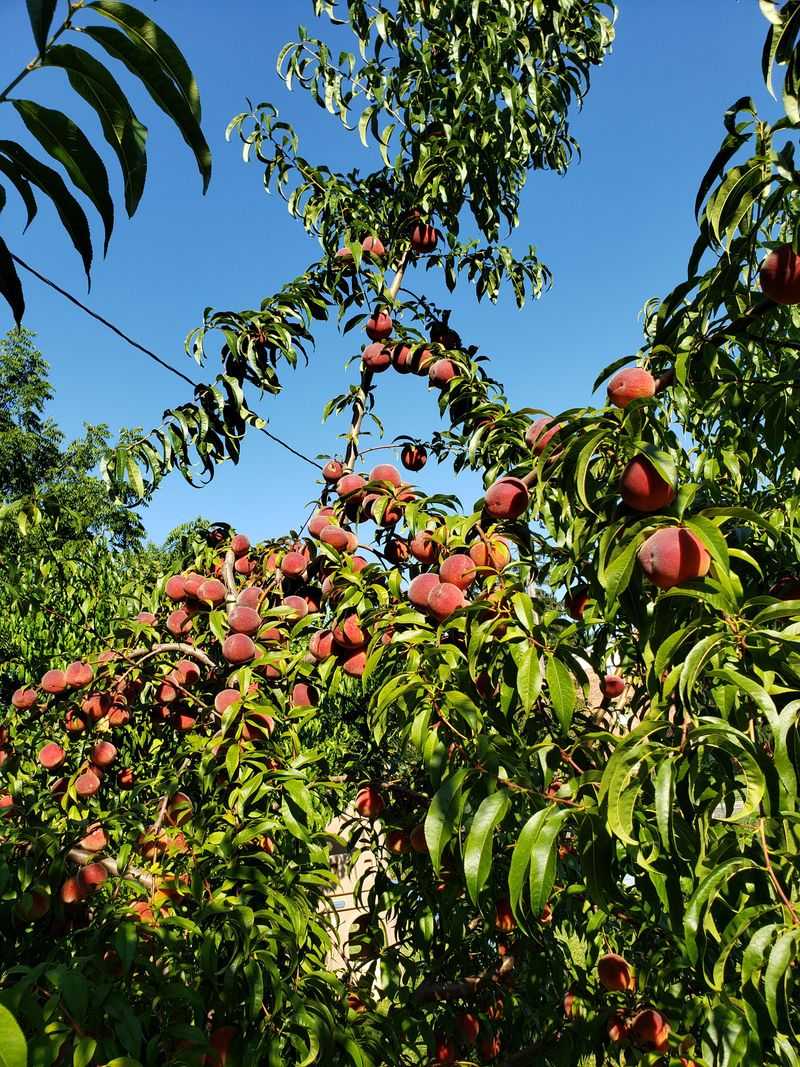
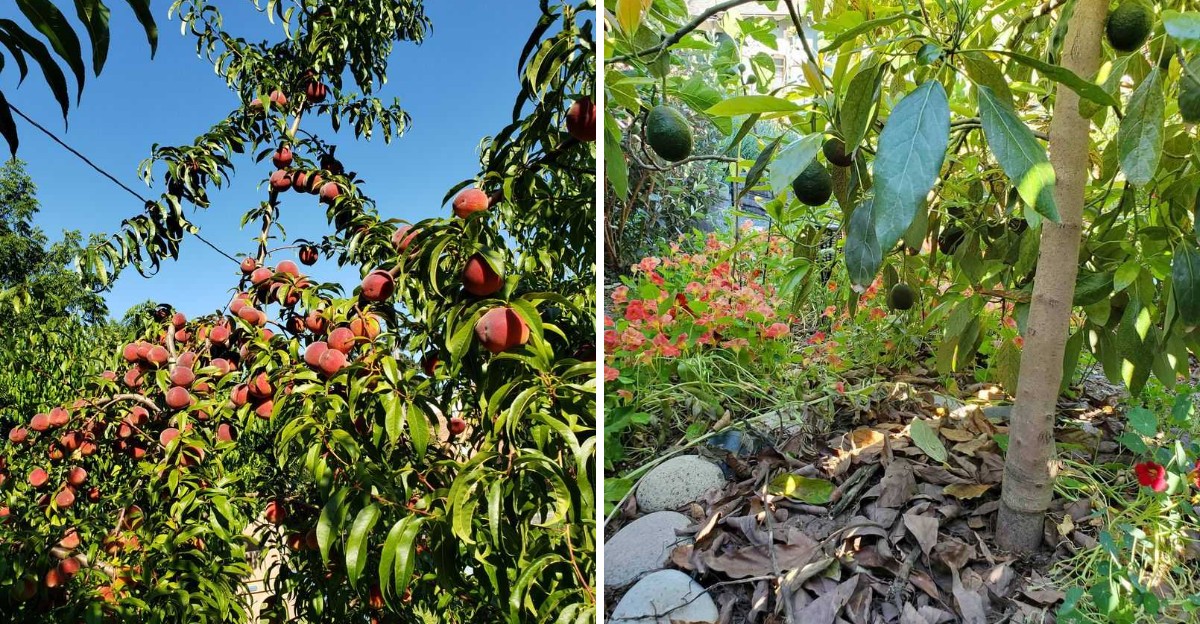
Few trees work as hard as a backyard peach. It grows fast, fruits heavily, and often gets a hard prune every year. By fall, it has spent a lot of energy, and the soil beneath it shows it.
Compost helps a peach recover through better soil. Peaches need good drainage and dislike soggy roots. Organic matter opens up heavy clay so water can move through. It also helps sandy soil hold more moisture. That balance is exactly what peach roots want.
Wait until leaves start to drop, then clean up fallen fruit and debris. Spread a two to three inch layer from the drip line inward. Stop about six to twelve inches from the trunk. Peaches are prone to gummosis and crown rot, and damp material against bark can make both worse.
Skip heavy nitrogen fertilizer in fall. Late feeds can push tender new growth that frost may damage. Compost is mild enough to feed soil life without a forced growth spurt.
Now mark your calendar, because peach season has one more chore. Fall is when many California gardeners plan a winter copper spray for peach leaf curl. A clear trunk area makes that spray job cleaner and easier.
A little care now helps your tree bounce back in spring, feeling peachy keen. Honestly, it deserves the spa treatment after all those July cobblers.
4. Plum Trees Reward A Light Fall Feeding
Less is often more with plums. A Santa Rosa or Satsuma plum can produce so much fruit that branches bend or even crack. Rich soil and extra fertilizer can make that worse, since they push wild growth.
So go light. A modest one to two inch layer of compost in fall is plenty for most established plums. It supports soil health, keeps moisture more even, and adds a slow drip of nutrients. Plums in healthy soil often need very little else.
Spread the compost evenly from about six inches away from the trunk out to the canopy edge. Many plums grow on roots that dislike wet feet. A clear space at the base lets air move and keeps bark drier through winter rain.
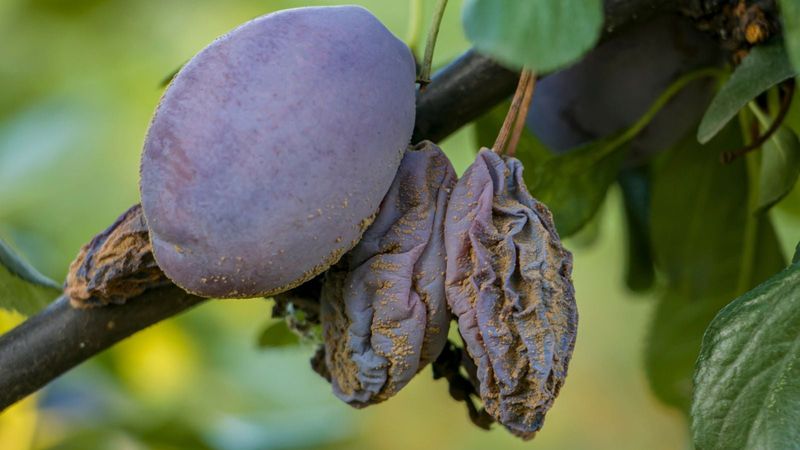
Now play fruit detective before the compost goes down, because a few sneaky troublemakers may hide in plain sight. Pick up any shriveled, mummified fruit on the ground or still on the branches.
Those dried plums can hold brown rot spores that return in spring. A layer of compost on top just tucks trouble in for winter.
A light fall layer also pairs nicely with winter cuts. Nobody enjoys a trudge through a deep, squishy mess with pruners in hand.
Refresh the compost each fall as the old layer breaks down. Over time, the soil turns dark and crumbly, and the harvest stays steady. Plum good results, with very little effort required.
5. Fig Trees Appreciate Organic Matter Now
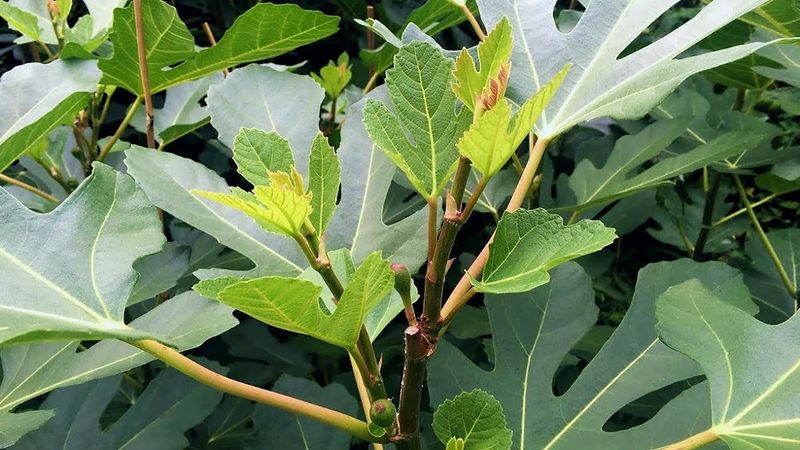
Spanish missions planted figs in California back in the 1700s. That history explains the name of one popular variety, Black Mission. These tough trees handle heat and poor soil, yet they still love a generous helping of organic matter.
Fig roots spread wide and shallow, often far beyond the canopy. Dry summers can bake and crack that surface layer. A fall layer of compost rebuilds organic matter and helps rain soak in. It also protects roots from dry spells once spring warms up.
Spread two to three inches of compost in a wide circle, reaching past the drip line when possible. Keep a gap of several inches around the trunk.
Figs need little fertilizer. Too much nitrogen can lead to lots of leaves and fruit that splits or ripens poorly. Compost gives a gentle nudge, not a shove.
Now keep your eyes peeled, because a certain underground critter has a serious fig crush. Gophers adore fig roots. Loose compost does not attract them, but check for mounds while you work.
Rake up old fallen figs first too. They draw in beetles and fruit flies.
By next summer, the soil should hold moisture better, and your tree may need less frequent water. That is a sweet deal for a tree that already gives so much. Your fig, meanwhile, will not give a fig about the weather.
6. Pomegranate Roots Take Advantage Of Fall Compost
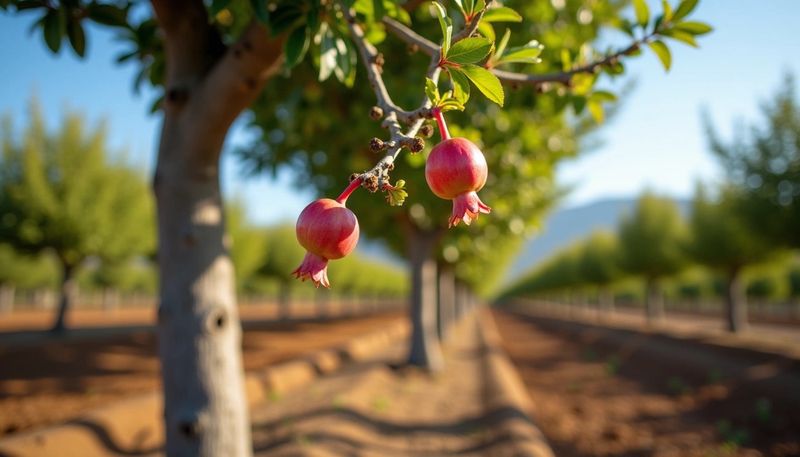
Cracked pomegranates on the branch tell a story. Often, the fruit split because water came unevenly, with dry spells followed by a sudden soak. Healthier soil can help prevent that next year.
Compost holds water like a sponge and releases it slowly. Around a pomegranate, that means fewer big swings between dry and wet. Pomegranates handle drought once established. Still, steady moisture while fruit develops helps reduce those splits.
After harvest, spread about two inches of compost under the plant. Many pomegranates grow several trunks, so leave a few inches of bare soil around every stem. Suckers often pop up from the base too. Clear those out before the compost goes down.
Pomegranates are not heavy feeders. Too much fertilizer can mean lush leaves and fewer flowers. Compost suits them because it improves soil slowly without a flood of nitrogen. Fall rains carry the goodness down while the plant rests.
Now for a bonus tip, and it makes California’s tough soil a little less tough. Pomegranates handle alkaline soil well, which is common across much of the state. Compost can help buffer that soil over time and make nutrients easier for roots to use.
Add a fresh layer each fall for sturdier blooms and juicier fruit. That is a seedy little secret worth sharing with the neighbors. Just maybe keep the juiciest fruit for yourself.
7. Persimmon Trees Respond To A Simple Top Dressing
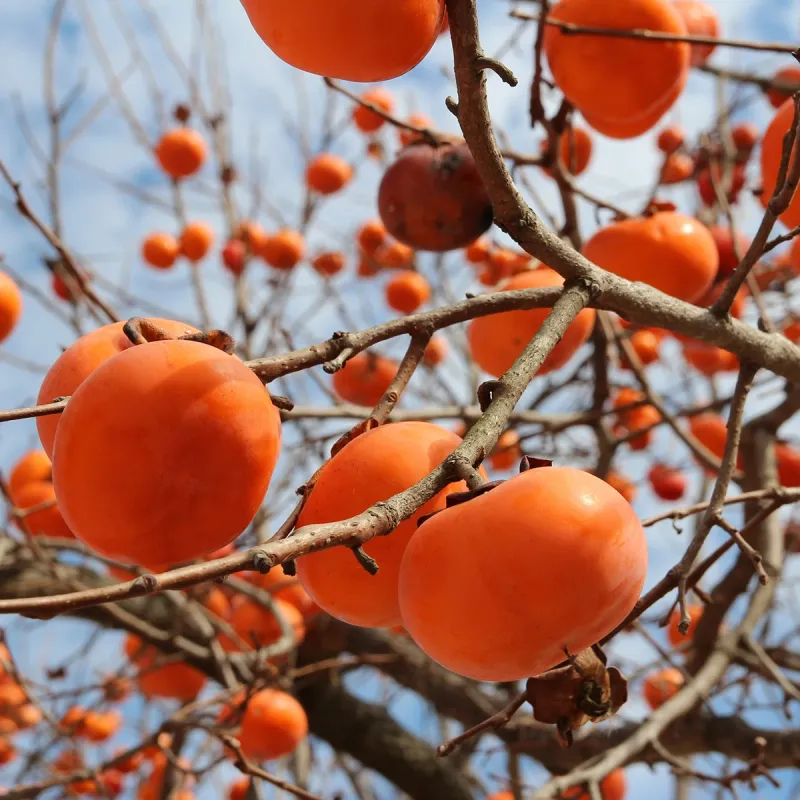
Bright orange fruit glowing on bare branches ranks among the prettiest sights of a California November.
Persimmons like Fuyu and Hachiya ripen late, often after most leaves drop. That schedule makes them easy to compost right after the last pick.
Persimmons are refreshingly low maintenance. They face few serious pests and need little fertilizer.
In fact, too much nitrogen can make them drop fruit early. A simple top dressing of compost often covers all their needs.
Top dressing just means compost spread on the surface, with no shovel work. Persimmon roots are sensitive, and a shovel can damage them.
Lay down two to three inches of compost from about six inches away from the trunk to the canopy edge. Worms and rain will mix it in for you.
Now clean up before the compost party starts, because fallen fruit attracts a rowdy crowd. Soft, squashed persimmons draw ants, wasps, and raccoons. Healthy-looking leaves can go into your compost pile.
Over time, the compost improves soil structure and helps the tree hold on to its fruit through summer. Deep water during dry months also reduces fruit drop. Keep the trunk area clear to avoid bark rot.
The whole routine takes about twenty minutes. Your persimmon stays happy with barely any fuss. Simple really is the sweetest approach here, and the raccoons will just have to find another snack bar.
8. Avocado Trees Benefit From Consistent Organic Feeding
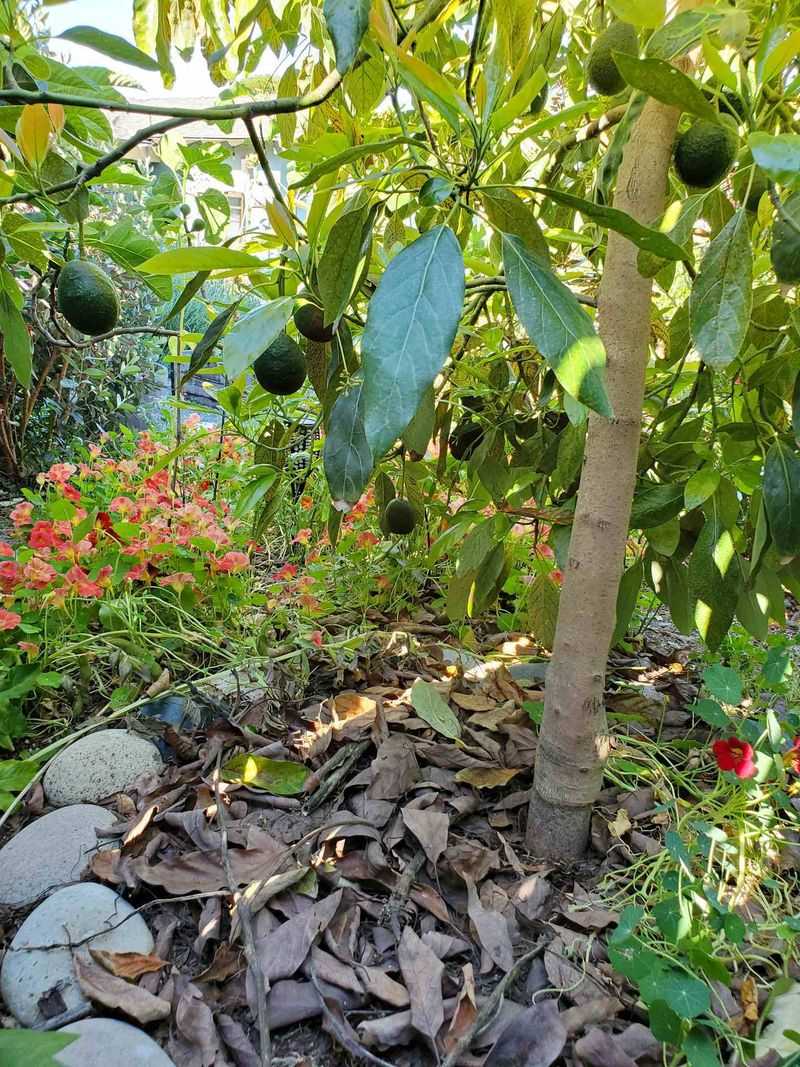
A healthy avocado in its native forest stands on a thick carpet of its own fallen leaves. Avocados evolved where leaf litter builds up constantly. Their roots crave that loose, airy layer of organic matter.
Avocado roots are very shallow and have few root hairs. That makes compacted or poorly drained soil a real struggle.
A thick layer of coarse organic mulch helps a lot, often around six inches deep. A fresh layer of compost each fall keeps that blanket rich and supports soil life that helps fight root rot.
Consistency matters most here. Skip one big dose and add a fresh layer every year instead. Leave fallen avocado leaves in place, since they belong there. Spread the layer out to the drip line and beyond.
Now for the golden rule, and it applies to every tree on this list. Keep mulch and compost about six to twelve inches from the trunk. Phytophthora root rot is the top threat to backyard avocados, and wet bark invites it.
A few final tips round things out. Use finished compost that smells earthy, not sour. Spread it on the surface without a shovel.
Water lightly while fall rain runs late. Pair compost with any fertilizer your tree truly needs, since it builds soil slowly and offers no quick fix.
Follow those steps each fall, and your backyard orchard grows stronger roots. Your guacamole plans now stand on solid ground.