8 California Vegetables That Can Grow Through Winter With Very Little Protection
Frost can make certain leafy greens taste sweeter, because cold nights push plants to turn stored starch into sugar. Gardeners in California get to enjoy that sweet trick while folks in colder states shovel snow off their beds.
Most of the state rarely sees hard freezes, so winter here often feels like a second spring for veggies. UC Master Gardeners even list fall and winter as prime planting time for many cool-season crops across California.
I have to admit, my favorite harvests happen in a sweatshirt with cold dirt under my fingernails. You might notice fewer pests and less watering, which makes the cool months feel surprisingly relaxed in the garden.
The plants below shrug off chilly nights with little more than mulch or a light fabric cover. So which tough little growers deserve a spot in your beds before the next rainy week arrives?
1. Kale
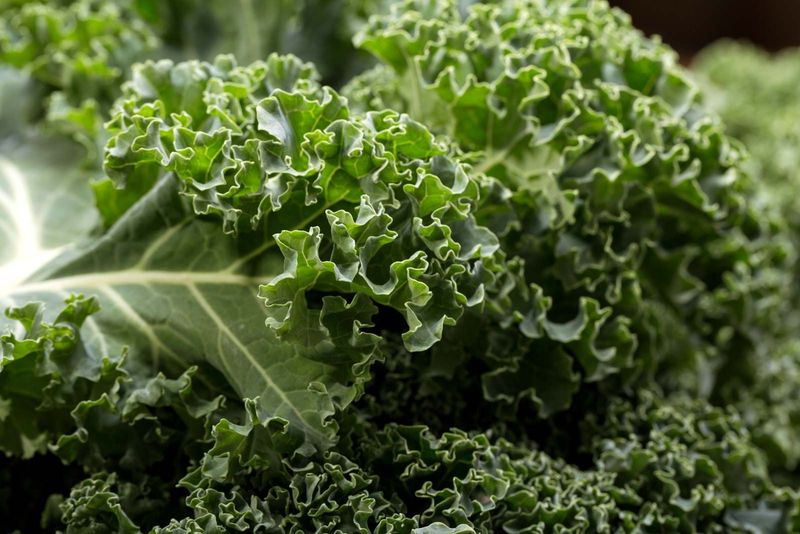
Kale leaves that survive a frosty night often taste noticeably sweeter, almost like the plant saved dessert for you. I love snapping a crinkled leaf on a cold morning and hearing that crisp, juicy crack.
Botanically, kale is Brassica oleracea, the same species that also gave gardeners cabbage and broccoli over the centuries. Established plants handle temperatures into the low twenties, which covers most winter nights across the state’s valleys.
Lacinato, also called dinosaur kale, has bumpy dark leaves that look wonderfully prehistoric in a tidy raised bed. Red Russian offers flatter, frilly leaves with purple veins that turn even richer in color after chilly weather.
Set out transplants in late summer or early fall so roots settle in before short days slow growth. Full sun and rich, well-drained soil keep plants sturdy, while compost worked in at planting feeds steady leaf production.
Pick the lowest, oldest leaves first and leave the central bud alone, since new growth sprouts from the top. Personally, I treat each plant like a tiny salad bar that restocks itself every week or so.
Winter rain handles watering, but check the soil during dry spells and soak beds when the top inch feels dry. A few inches of straw mulch keeps soil temperatures steady and stops muddy splashes from dirtying the leaves.
Watch for aphids hiding in curled leaves, and blast them off with a firm spray of water. Healthy kale often keeps producing until warm spring days finally push it to send up yellow flowers.
2. Spinach
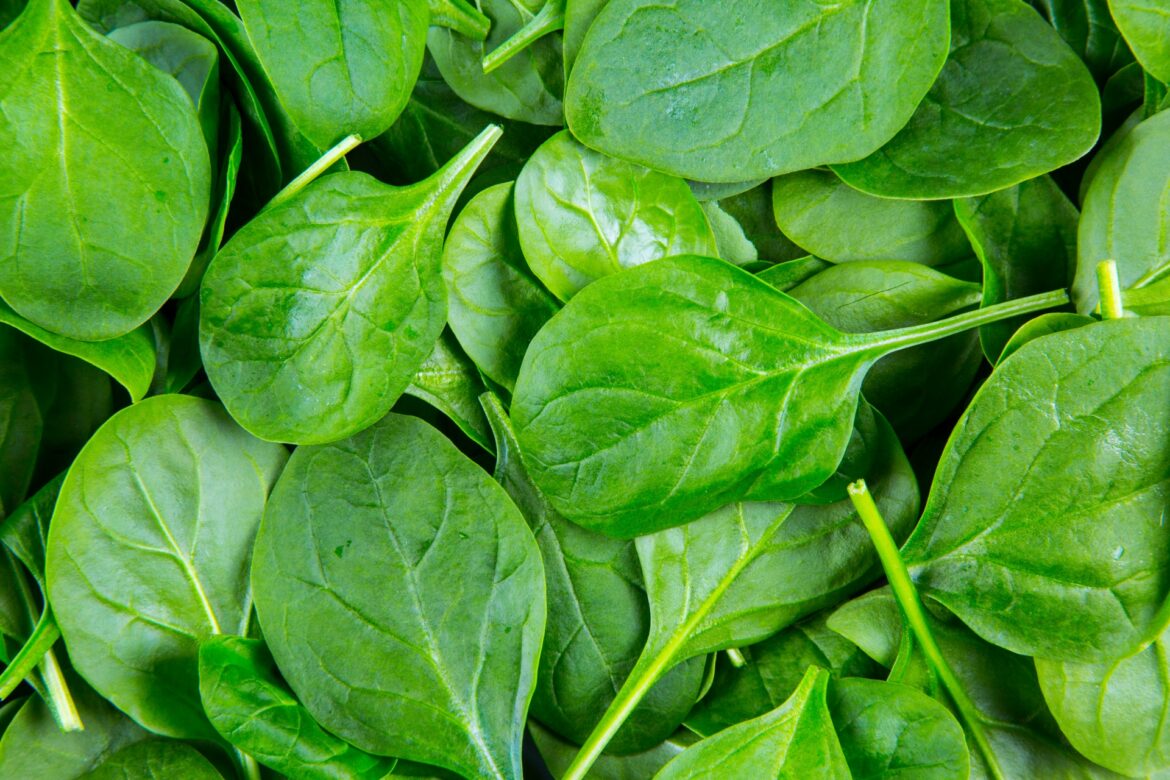
Spinach is the speedy friend who shows up early, with baby leaves ready to pick in about a month. Fresh leaves squeak a little between your fingers, and that sound tells me dinner is going to be good.
Spinacia oleracea actually prefers cool weather, because long warm days trigger it to bolt and turn bitter. Short winter days keep it focused on leaves, which explains why fall plantings often outperform spring ones.
Mature plants can tolerate temperatures in the low twenties, so a typical frosty night barely slows them down. Savoy types with crinkled leaves handle cold especially well, though they trap more grit after heavy rain.
Sow seeds directly about half an inch deep once soil cools, usually from September through early winter. Spinach seeds sprout poorly in hot soil, so waiting for cooler weather really pays off with better germination.
Give the bed full sun in winter, along with loose soil enriched with plenty of aged compost. Spinach is a heavy nitrogen feeder, and pale yellow leaves usually signal it wants a little more food.
I like sowing a short row every couple of weeks, because one big planting tends to mature all at once. Harvest outer leaves with scissors and the center keeps pushing out fresh growth for many weeks.
Birds and slugs love tender seedlings, so a lightweight row cover offers handy protection during the first weeks. That same thin fabric adds a few degrees of warmth on the rare nights when temperatures dip hard.
3. Swiss Chard
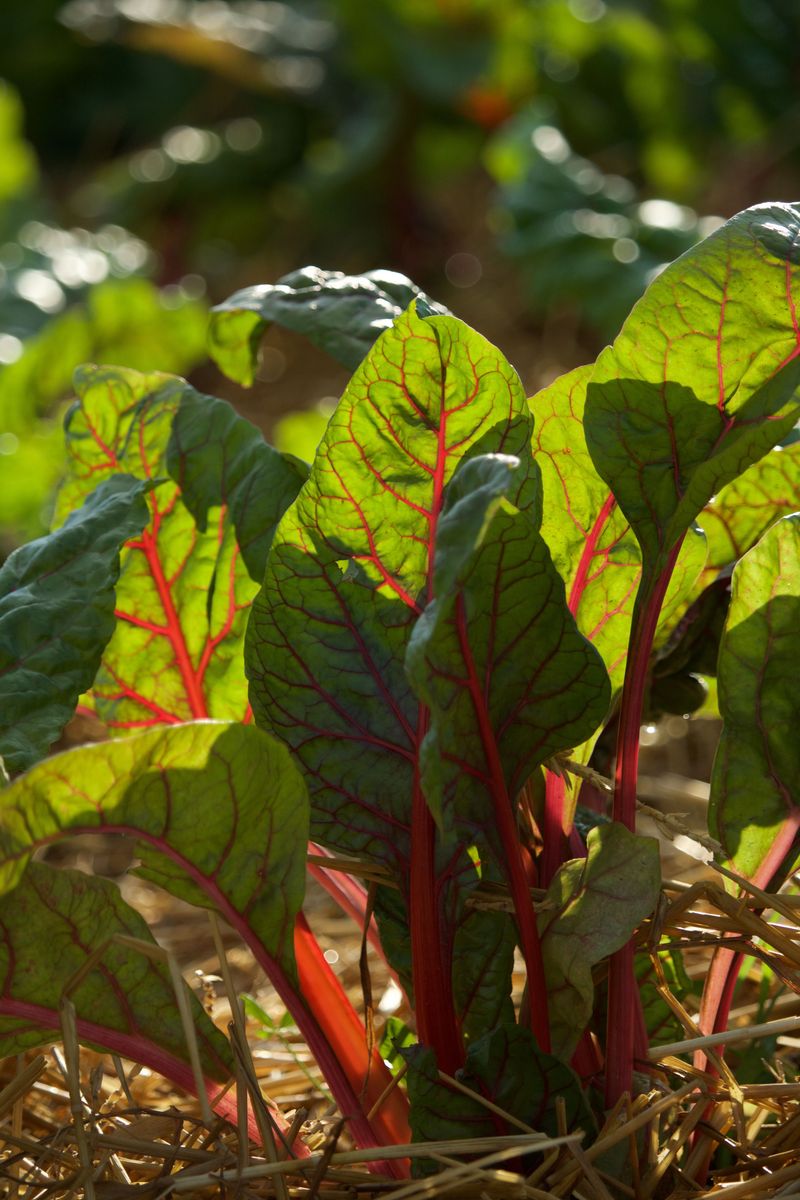
Rainbow chard looks like someone spilled a box of crayons across the garden, and winter sunlight makes it glow. Personally, I plant a few stalks near the front door just to brighten gray, drizzly afternoons.
Chard belongs to Beta vulgaris, the same species as beets, but breeders favored its leaves over its roots. Despite the name, Swiss chard has Mediterranean roots, and nobody seems certain how Switzerland got the credit.
Stems come in red, gold, pink, and white, and they hold their color through chilly nights quite well. Light frosts barely bother established plants, though a hard freeze in the low twenties may damage leaves.
Even then, roots often survive and push out fresh growth once the weather warms up again. I find that kind of comeback genuinely encouraging after a surprise cold snap rolls through the neighborhood.
Each wrinkled seed is actually a cluster of several seeds, so expect multiple sprouts from every planting spot. Thin them to one strong seedling every eight to twelve inches, and toss the extras into salads.
Chard grows happily in full sun or partial shade, which makes it handy for tricky corners of the yard. Steady moisture keeps stems tender, while a layer of mulch holds that moisture in place between rainstorms.
Twist off outer stalks near the base whenever they reach about a foot tall, leaving the center untouched. One planting can feed your family for months, and the stems saute nicely with a little garlic.
4. Lettuce
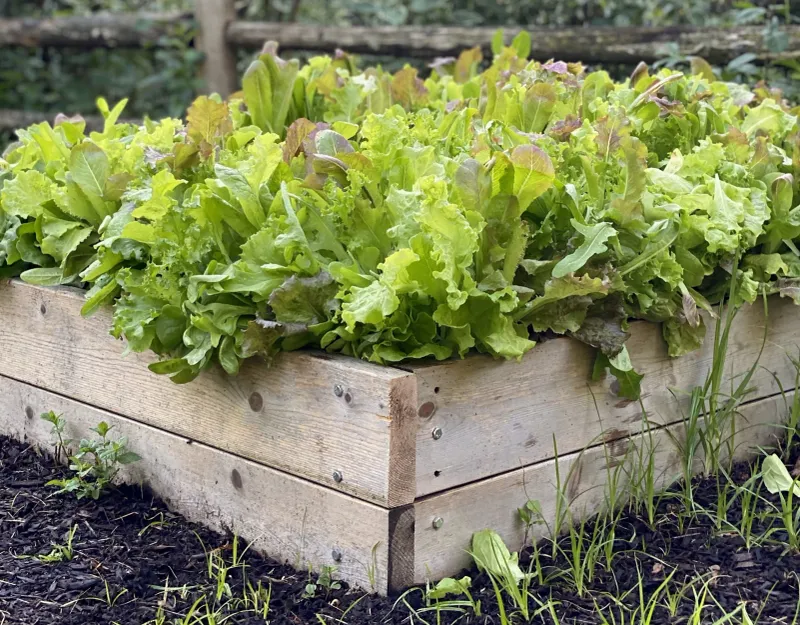
Lettuce seems to sulk in summer heat, yet the same plant turns crisp and cheerful once the nights cool. I can’t imagine buying bagged salad when ruffled red and green leaves are growing a few steps away.
Lactuca sativa belongs to the daisy family, which surprises plenty of people who only know it from sandwiches. Ancient Egyptians grew an early form of it, and tomb paintings showing tall lettuce date back thousands of years.
Cool weather slows bolting, the moment when lettuce shoots up a flower stalk and leaves turn bitter. Most varieties handle light frost fine, but temperatures in the mid-twenties can damage tender outer leaves.
Loose-leaf types like Black Seeded Simpson and Red Salad Bowl are the easiest choices for steady winter picking. Romaine and butterhead work too, though they take longer and you usually harvest the whole head.
Seeds need light to sprout, so press them lightly onto the soil and barely cover them with compost. Sowing a fresh pinch every two or three weeks keeps your salad bowl full without a sudden flood.
Shallow roots dry out fast, so keep the top few inches evenly moist during any sunny, breezy stretch. Winter rains help, but snails and slugs love those same damp conditions and feast mostly at night.
A flashlight patrol after dark, or a few shallow traps, helps keep those slimy visitors under control. For chilly inland nights, a light frost cloth draped over hoops gives leaves just enough cozy shelter.
5. Broccoli
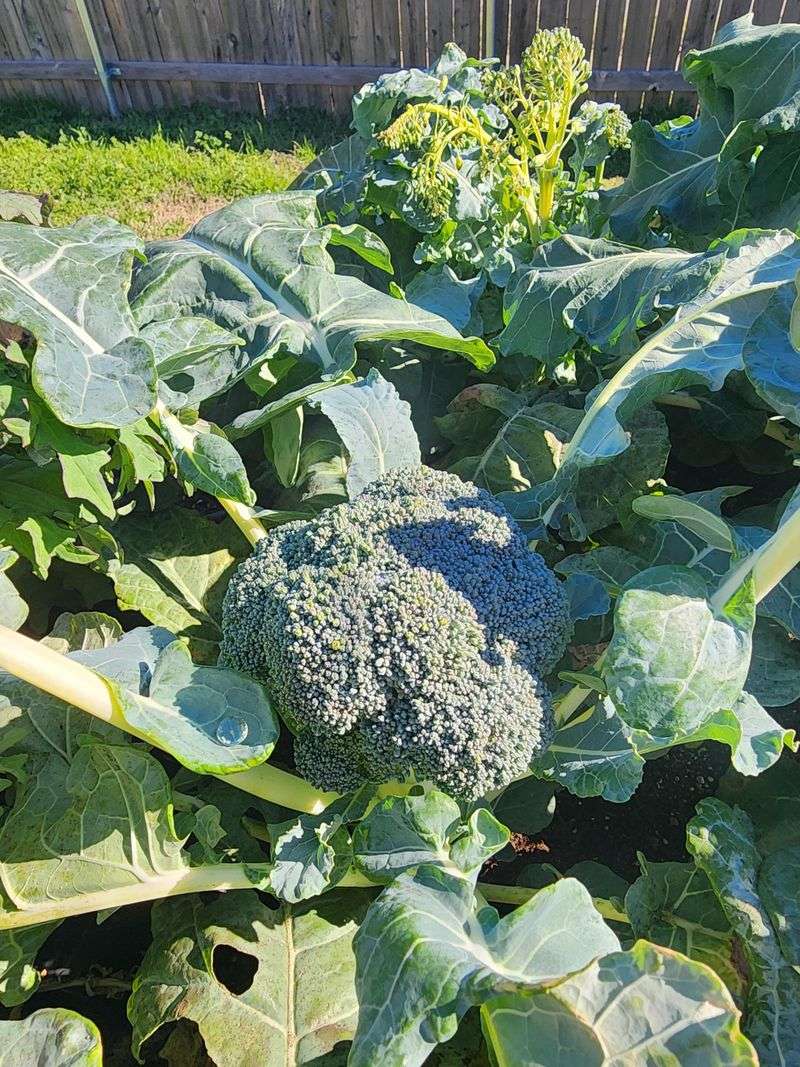
Every broccoli head you eat is actually a tight cluster of unopened flower buds, harvested before they bloom. What surprises me most is how sweet and tender those buds taste when they form in cool weather.
Brassica oleracea var. italica got its name from Italy, where farmers developed it from wild cabbage long ago. Today the state grows most of the broccoli sold across the country, mostly in coastal valleys like Salinas.
Heat makes broccoli rush into flower, while cool temperatures let heads swell slowly into firm, dense domes. Established plants shrug off light frosts, though a hard freeze can damage heads that are nearly ready.
Set transplants out from late summer through fall, spacing them about eighteen inches apart in full sun. Broccoli is hungry, so mix in compost first and side-dress with a nitrogen fertilizer about a month later.
Uneven watering can lead to small or loose heads, so aim for about an inch of water weekly. Rainy weeks may cover that for you, but dry winter stretches often need a deep soak or two.
Cut the main head at an angle while buds are still tight and dark green, with no yellow showing. Many varieties then reward you with smaller side shoots, and I happily pick those for several more weeks.
Cabbage worms are less active in winter, yet a quick check under leaves still saves plenty of frustration. Mulch around each stem helps hold moisture and buffers roots from the occasional chilly morning surprise.
6. Carrots
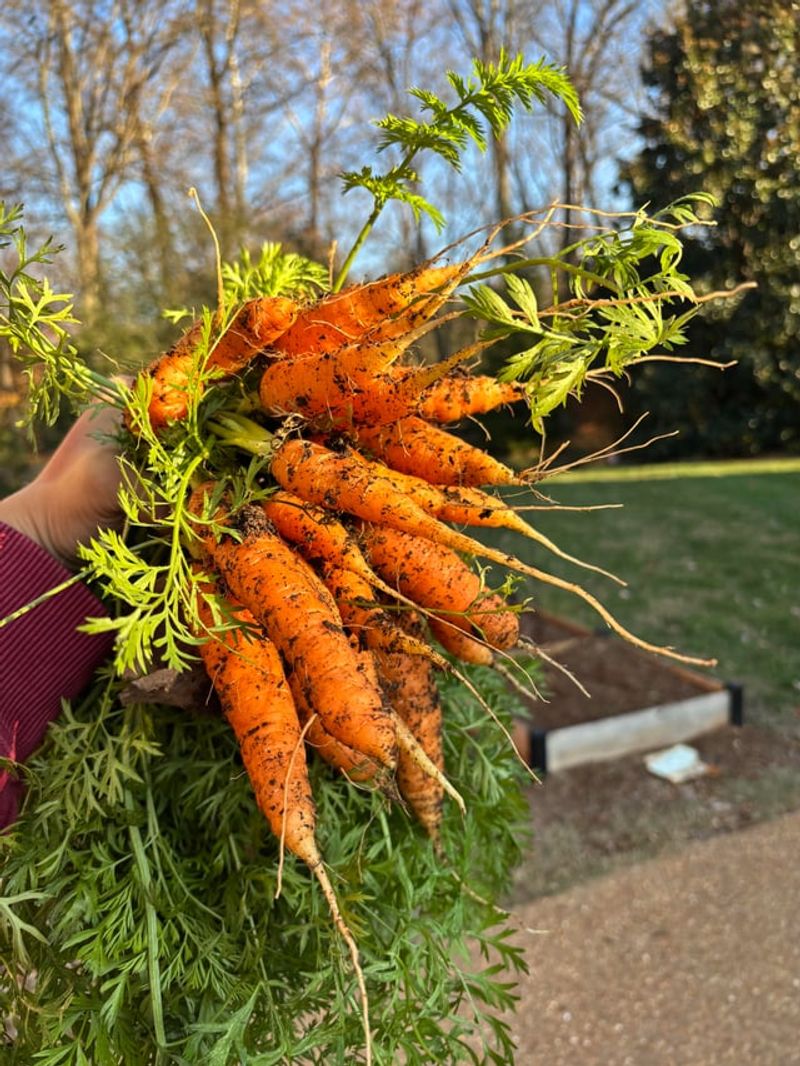
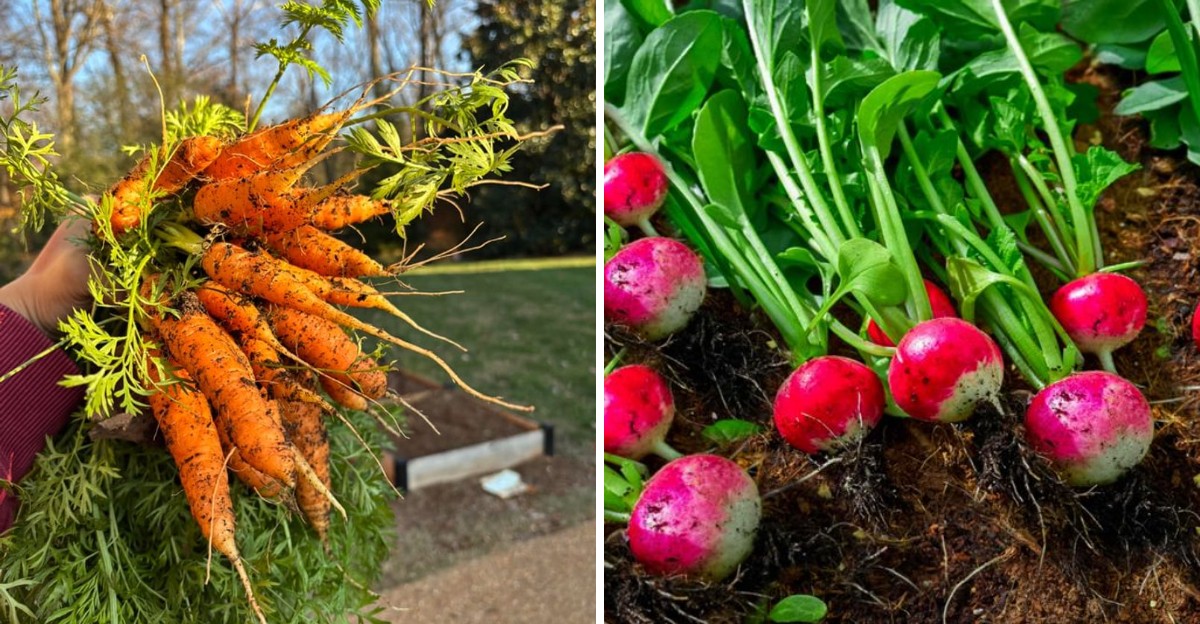
Pulling a winter carrot feels like digging up buried treasure, especially when it comes out purple or golden. I have to say, that first cold, crunchy bite straight from the garden beats any store bag.
Early cultivated carrots were mostly purple or yellow, and orange types became popular in Europe centuries later. Their scientific name is Daucus carota subsp. sativus, a cousin of parsley and dill in the carrot family.
Cold nights encourage roots to store more sugar, which gives winter carrots their famously sweet flavor. Because the edible part sits underground, the soil acts like a cozy blanket during frosty spells.
Carrots hate rocks and heavy clay, which push roots into twisted, forked shapes that look pretty silly. Loosen the bed a foot deep, or try short varieties like Chantenay or round Paris Market in tougher ground.
Sow the tiny seeds directly a quarter inch deep, since carrots resent being moved as transplants. Germination can take up to three weeks, and the soil surface must stay moist the whole time.
A thin board laid over the row, lifted once sprouts appear, keeps seeds from drying out too fast. Thin seedlings to about two inches apart, or the crowded roots will stay skinny and tangled together.
Most varieties are ready in roughly seventy days, but carrots can wait in the ground for weeks afterward. Pile mulch over exposed shoulders so they stay orange instead of turning green and bitter in sunlight.
7. Radishes
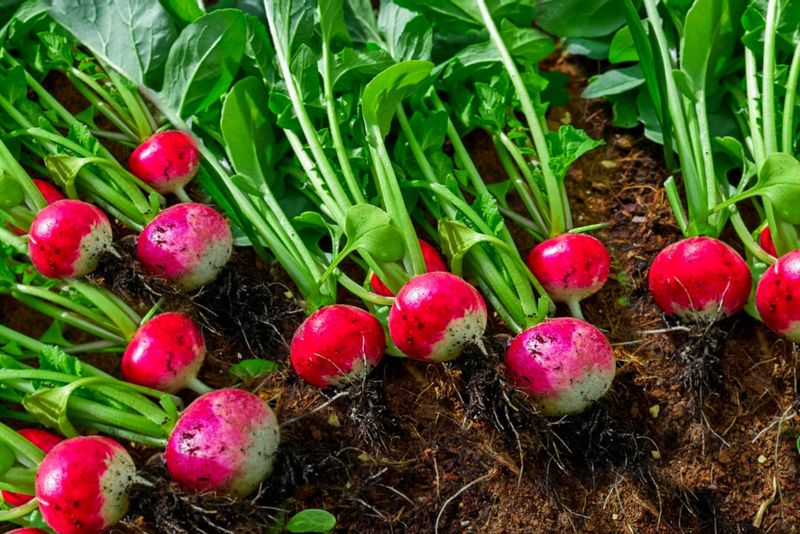
Radishes are the impatient gardener’s best friend, often ready to pull just three to four weeks after sowing. Kids love them too, because watching those bright red shoulders pop up feels like a magic trick.
Raphanus sativus comes in far more shapes than the classic red globe found in most grocery stores. French Breakfast is long and pink with a white tip, while Watermelon radish hides a rosy pink center.
Winter is also prime time for daikon, the giant white radish that can grow over a foot long. Daikon roots are so tough they help break up compacted soil, which is why farmers plant them as cover crops.
Hot weather makes radishes woody and fiery, but cool days keep them crisp with a gentle peppery bite. Personally, I think a winter radish sliced thin on buttered toast is one of life’s little joys.
Sow seeds half an inch deep in loose soil, spacing them about an inch apart in sunny spots. Small batches every week or two give you a steady supply instead of a sudden mountain of radishes.
Steady moisture matters more than anything, since dry spells followed by heavy rain can split the roots open. Check them often as harvest nears, because radishes left too long turn spongy and unpleasantly hot.
Tuck quick radish rows between slower crops like carrots, and you will harvest them before neighbors need the space. Do not toss the leafy tops either, because young radish greens taste great sauteed with a little butter.
8. Peas
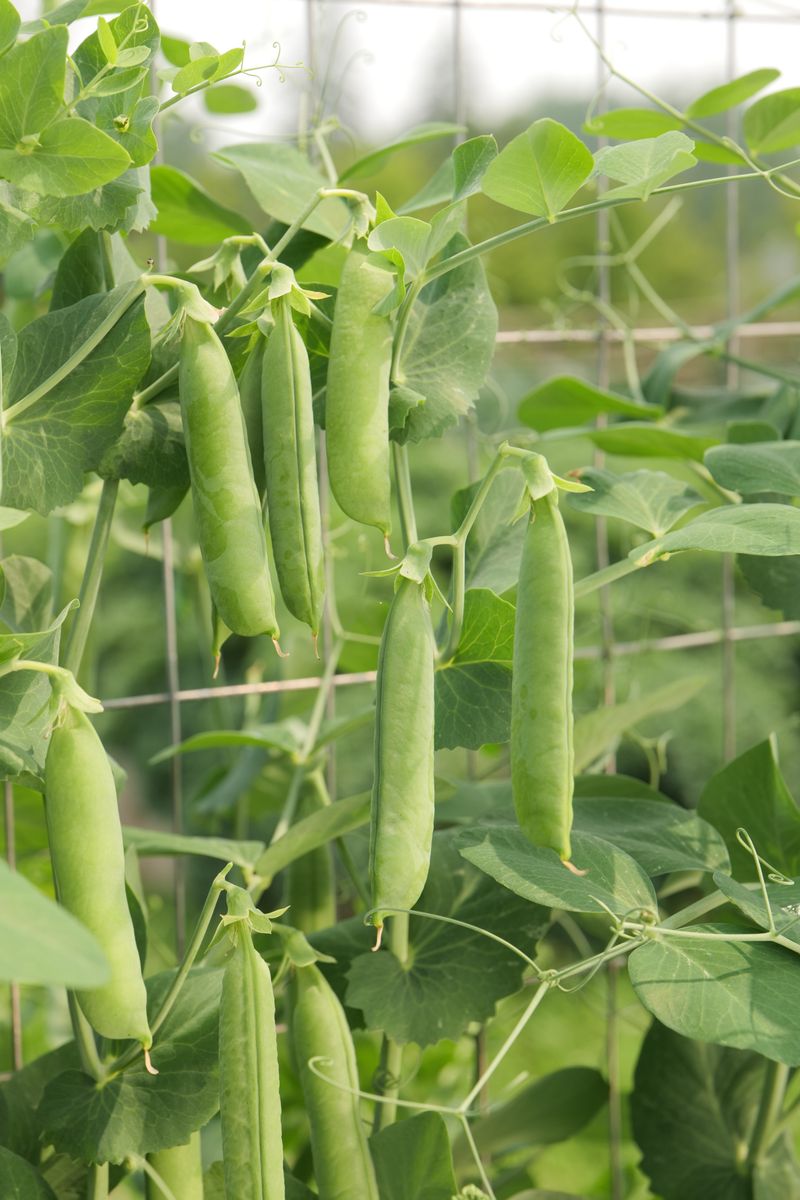
Pea plants climb by wrapping thin tendrils around anything nearby, and watching them grab a trellis feels oddly thrilling. I love grazing on sweet pods right off the vine, and few make it inside the house.
Pisum sativum is a legume, so bacteria in its root nodules pull nitrogen from the air into the soil. Gregor Mendel used garden peas in his famous experiments, which helped launch the science of genetics.
Young plants tolerate light frosts well, though temperatures much below the upper twenties can damage flowers and pods. Mild coastal and southern gardens can sow peas through fall and winter, while colder areas often wait until late winter.
Snow peas have flat pods eaten whole, while sugar snaps grow plump pods that stay sweet and crunchy. Shelling peas need popping open, but fresh ones taste nothing like the frozen bags you remember.
Sow seeds an inch deep in well-drained soil, because soggy, cold ground can rot them before sprouting. Soaking seeds for a few hours beforehand can speed things up, but skip anything longer than overnight.
Put up a trellis or netting at planting time, since tall varieties can reach six feet or more. Dwarf types stay closer to two feet and work nicely in containers on a sunny patio.
Pick pods every couple of days once they start, because frequent harvesting signals the plant to keep flowering. Hungry birds sometimes nibble young shoots, so a simple layer of netting helps until vines toughen up.