Why California Homeowners Are Replacing Lawns With This Ground Cover
California lawns are starting to feel like a lot of work for very little reward. They need constant mowing, steady water, and extra care just to stay decent through hot, dry months.
That has many homeowners looking for something softer, tougher, and more interesting underfoot.
One ground cover is getting attention because it can stay low, handle dry spells, and bring a relaxed meadow look without making the yard feel messy.
It also offers a natural style that fits modern front yards better than a thirsty patch of grass. The real appeal is how much it changes the way a yard functions.
Less mowing. Less watering. More texture. More life. Once yarrow enters the picture, a traditional lawn can start to feel outdated fast.
1. Yarrow Gives Lawns A Softer Meadow Look
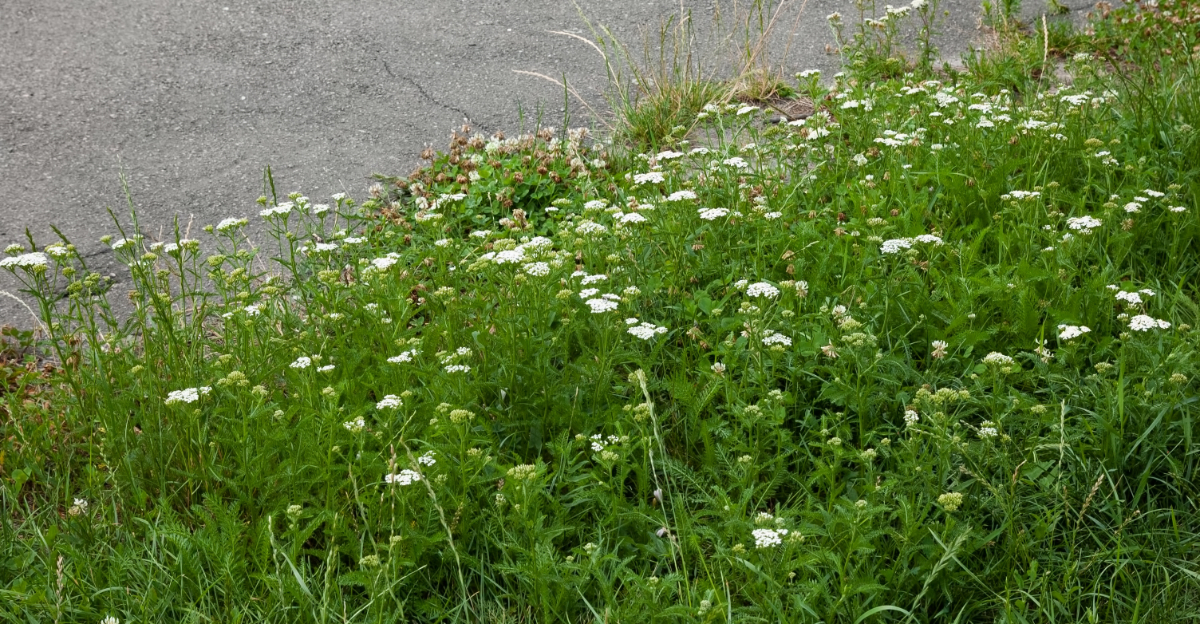
There is something almost magical about a yard full of yarrow in bloom. Instead of the flat, uniform look of turf grass, yarrow creates a gentle, layered texture that feels more like a wildflower meadow than a manicured lawn.
The feathery, fern-like leaves stay low and green, while clusters of tiny white flowers rise just above the foliage during bloom season.
Many homeowners say their neighbors actually stop to compliment the yard after switching. The look is relaxed and natural, not messy.
It has that soft, cottage-garden feel that is hard to achieve with grass alone. Yarrow comes in white, yellow, and pink varieties, so you can choose a color that fits your home’s style.
The meadow look also changes with the seasons in a pleasant way. In spring and early summer, the blooms are at their fullest.
By late summer, the plant settles back into its leafy, ground-hugging form. That seasonal shift adds visual interest that a plain grass lawn simply cannot offer.
Yarrow also blends beautifully with ornamental grasses, lavender, and native wildflowers. If you want a yard that looks intentional and interesting without being fussy or formal, yarrow delivers that effortlessly.
It turns an ordinary front yard into something that actually draws the eye and holds attention throughout the year.
2. It Handles Dry California Summers Better Than Turf
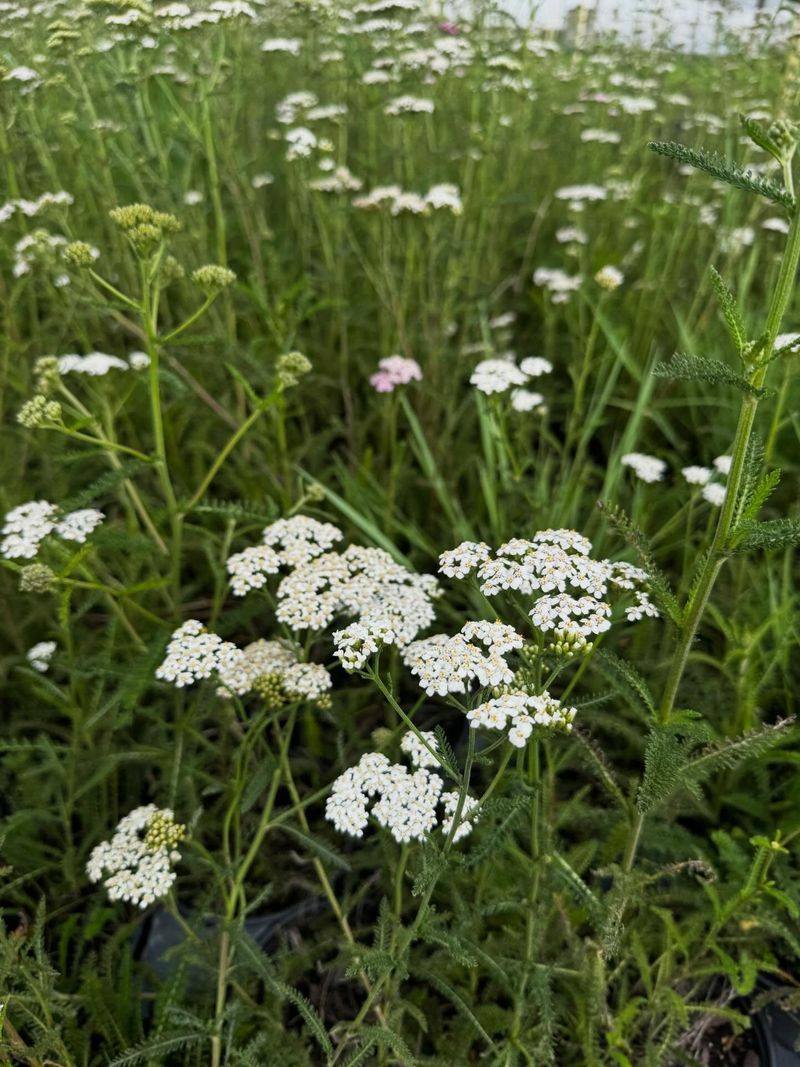
Grass struggles hard when the heat hits and the water gets cut back.
Most turf varieties need regular deep watering to stay green through summer, and in our state, that is getting more expensive and more restricted every year. Yarrow plays by a completely different set of rules.
Once established, yarrow survives on very little water. Its roots grow deep into the soil, reaching moisture that shallow-rooted grass cannot access.
That deep root system is what allows it to stay green and healthy even when rainfall has not come in weeks. In fact, overwatering yarrow is more of a problem than underwatering it.
During peak summer heat, turf lawns often turn brown and patchy unless they are watered almost daily. Yarrow, on the other hand, holds its color and structure with just occasional irrigation.
Many homeowners who switch report cutting their outdoor water use by more than half. That is a meaningful saving, both for the wallet and for the environment.
Your California Garden Changes Every Week. Your Plan Should Too.
Gardening in California changes quickly throughout the season. Every Friday you’ll receive a simple weekly plan showing exactly what to plant, prune, fertilize, harvest, and protect so you never miss the right timing.
Yarrow is also naturally adapted to the Mediterranean climate that defines so much of our state. Hot, dry summers and mild, wet winters are exactly the conditions it evolved to handle.
It does not need coaxing or babying to get through a tough season. It just grows, quietly and steadily, while the grass next door turns yellow and thin.
3. This Ground Cover Can Be Mowed Or Left To Bloom
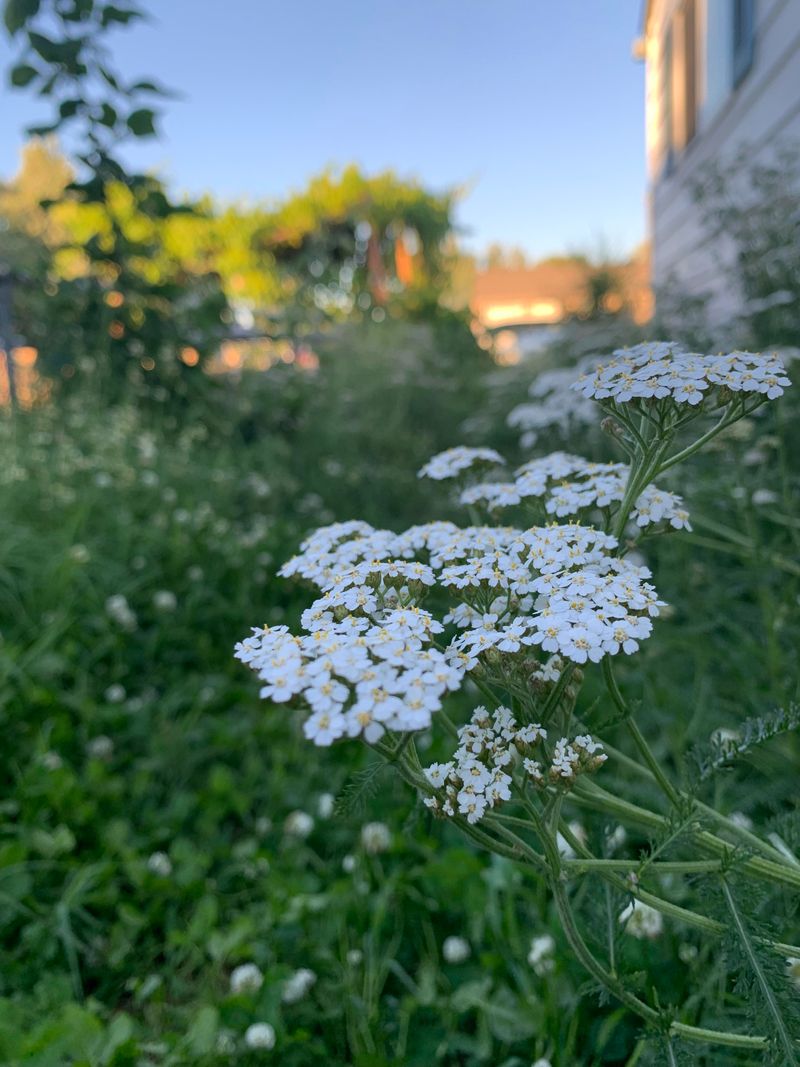
Flexibility is one of yarrow’s best qualities, and most people do not realize just how versatile it really is. You can mow it like a traditional lawn and keep it low, flat, and tidy.
Or you can leave it alone and let it send up its signature flower stalks, which bloom with clusters of tiny, cheerful flowers in white, yellow, or soft pink.
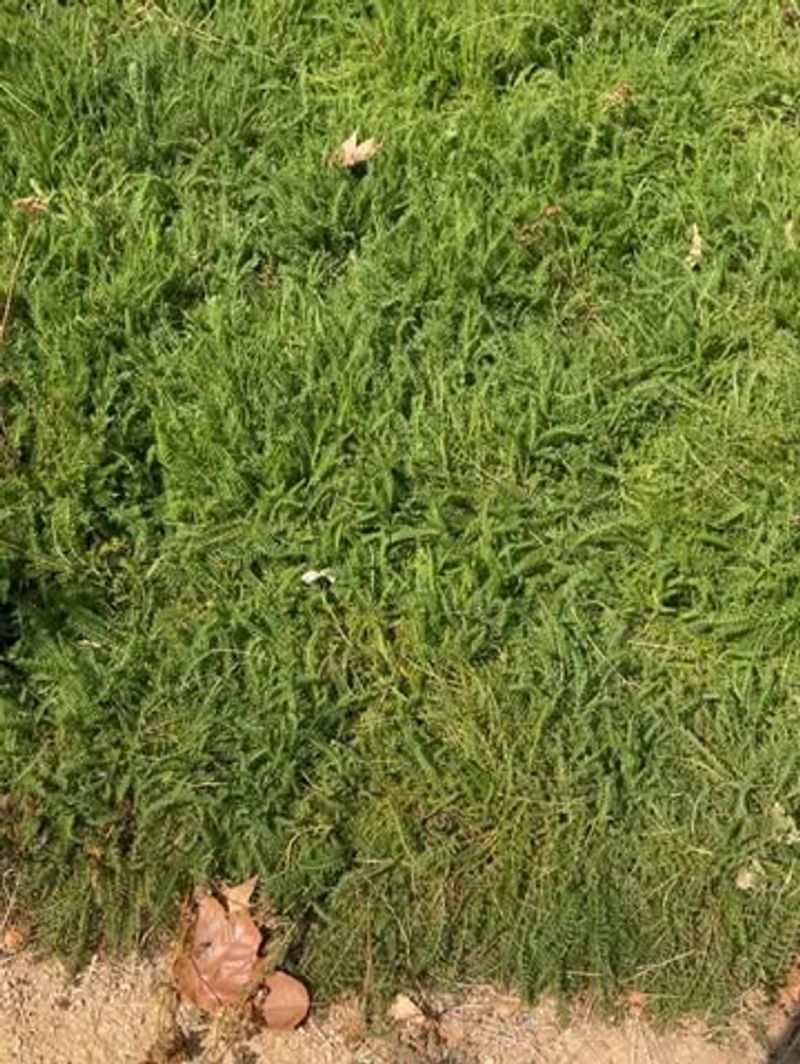
When mowed regularly, yarrow stays at a low, even height that looks surprisingly similar to a turf lawn from a distance. The texture is softer and more varied, but the overall effect is neat and well-kept.
Many homeowners mow it once or twice a month during the growing season and find that is all it needs to stay presentable.
When left to bloom, yarrow becomes something entirely different. The flower stalks rise up to about two feet tall and are covered in flat-topped clusters of color.
Bees, butterflies, and other pollinators flock to those blooms. The garden comes alive in a way that a mowed lawn never could.
Some homeowners mow part of their yard and let another section bloom freely. That combination gives them both the clean, open look of a lawn and the wild, nature-friendly beauty of a flowering meadow.
Having that choice built right into one plant is a rare and genuinely useful feature for any yard.
4. Pollinators Love The Small White Flower Clusters
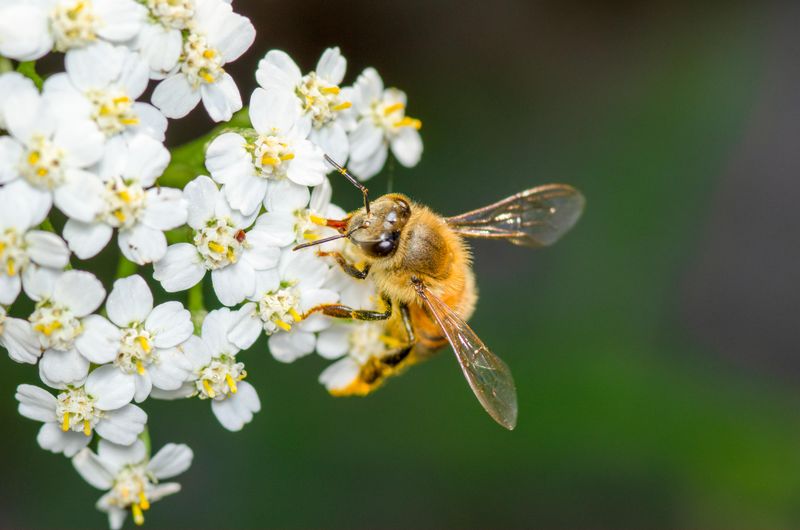
Bees are having a tough time across the country, and gardens can actually help. Yarrow is one of the most pollinator-friendly plants you can grow, and its small, flat-topped flower clusters are basically a buffet for native bees, honeybees, butterflies, and beneficial insects.
The open structure of the flower makes nectar easy to reach, even for smaller bee species. A single yarrow plant in bloom can attract dozens of pollinators on a warm sunny day.
When you replace a large section of turf with yarrow, you are essentially creating a feeding station for the local pollinator population.
That matters more than people often realize. Pollinators support the food chain, help neighboring gardens produce fruit and vegetables, and keep the local ecosystem balanced.
Beyond bees, yarrow also attracts predatory insects like ladybugs and lacewings. Those insects feed on garden pests like aphids and mites, which means yarrow naturally helps control pest populations nearby.
It is like getting a pest management service for free, just by choosing the right ground cover.
The blooms typically appear from late spring through midsummer, giving pollinators a reliable food source during some of their busiest months.
If you care about supporting local wildlife and keeping your garden ecosystem healthy, yarrow is one of the simplest and most effective steps you can take.
The environmental payoff from such a low-effort plant is genuinely impressive.
5. It Needs Less Weekly Fuss Than Traditional Grass
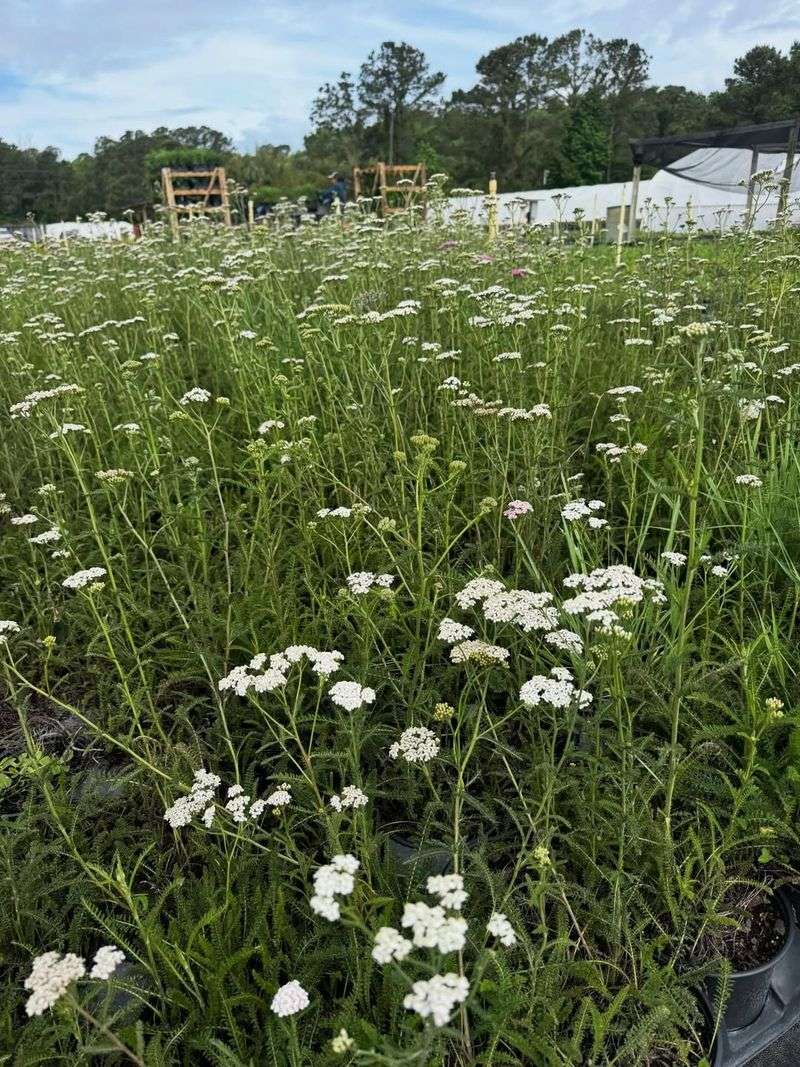
Keeping a traditional grass lawn alive is a part-time job. There is mowing every week, edging along the borders, fertilizing in spring and fall, reseeding bare patches, pulling weeds, and watering on a strict schedule.
For a lot of homeowners, the lawn becomes more of a chore list than a relaxing outdoor space.
Yarrow flips that dynamic completely. Once it is established, which usually takes one full growing season, it needs very little ongoing attention.
You do not need to fertilize it regularly. You do not need to reseed bare spots because yarrow spreads on its own to fill gaps.
Weeding is minimal because the dense mat of foliage shades out most weed seeds before they can sprout.
Mowing is optional and infrequent. Some homeowners mow once a month during the active growing season.
Others mow just two or three times a year. Either approach works well depending on your preferred look.
Watering drops dramatically after the first year. Deep, occasional watering is all it needs once the roots are established.
That means fewer hours spent dragging hoses around the yard on hot afternoons.
For busy families, retirees, or anyone who just wants a yard that looks good without demanding constant attention, yarrow is a genuinely refreshing change.
It gives you back your weekends without making your yard look neglected or unkempt.
6. Yarrow Works Best In Sunny, Low-Traffic Areas
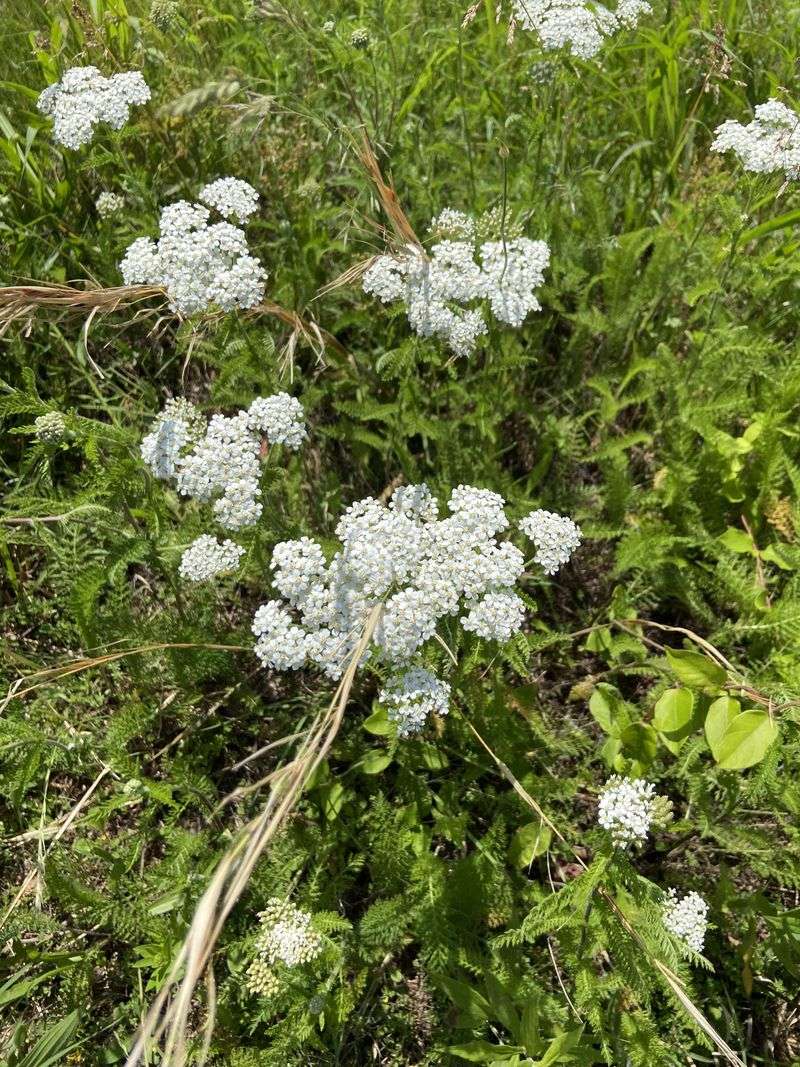
Not every plant thrives everywhere, and knowing where yarrow performs best helps you get the most out of it. Full sun is where yarrow truly shines.
It loves at least six hours of direct sunlight per day and will grow thicker, bloom more freely, and stay more compact when it gets that light.
Shady areas under trees or on the north side of a house are not its best spots.
Low-traffic areas are also ideal. Yarrow can handle some foot traffic, but it is not built for a path that gets walked on several times a day.
Front yards, side yards, slopes, and parkway strips are all excellent candidates. These are often the spots where grass struggles most in dry conditions, which makes yarrow a natural fit.
Soil quality matters less than you might expect. Yarrow actually prefers lean, well-draining soil over rich, heavily amended garden beds.
Overly fertile soil can make it grow too tall and floppy. Sandy or rocky soil is no problem at all. That makes it a great option for challenging spots where other plants fail.
Slopes are a particularly smart place to plant yarrow because its deep root system helps prevent soil erosion during heavy rain.
If you have a sun-drenched, dry patch of yard that you have never known what to do with, yarrow is almost certainly the answer you have been looking for.
7. Occasional Foot Traffic Is Fine, But Paths Still Help
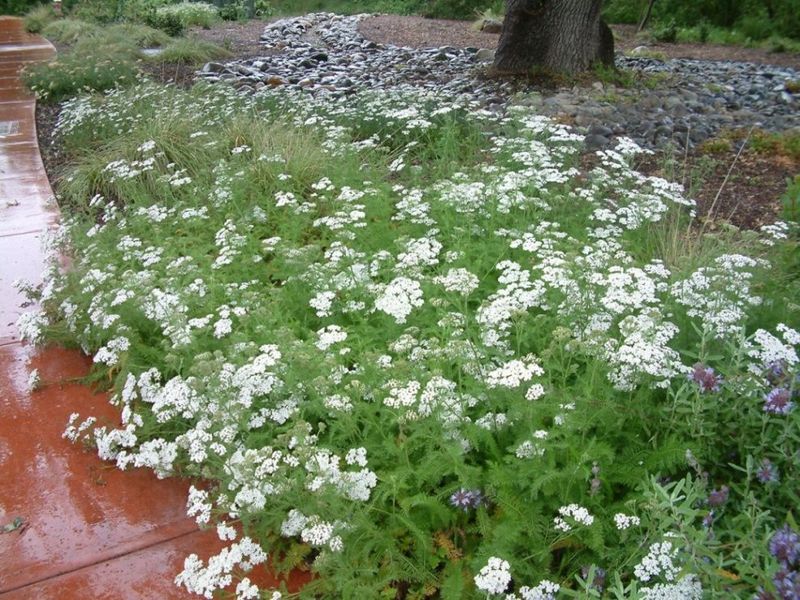
One of the most common questions homeowners ask about yarrow is whether it holds up to foot traffic. The honest answer is: yes, to a point.
Yarrow is tougher than it looks. Walking across it occasionally, like cutting through the yard to get to a gate or grab something from the garden, will not hurt it.
It bounces back well from light, infrequent foot traffic.
That said, a heavily walked path through a yarrow planting will eventually thin out over time. If there is a route you walk every single day, it is worth adding stepping stones or a simple gravel path.
That protects the yarrow and also gives the yard a more polished, intentional look. Stepping stones through a blooming yarrow patch can actually be quite beautiful.
For most front yards and side yards, the amount of foot traffic is naturally low. People walk to the door and back.
They do not typically wander through the lawn repeatedly. In those situations, yarrow handles the use without any issues.
Backyard spaces with kids or dogs running around daily may need a more durable solution in the high-traffic zones.
But even in active backyards, yarrow can work well along the edges and in areas that see less action.
A little planning goes a long way toward making yarrow both functional and beautiful in any outdoor space.
8. Cutting It Back After Bloom Keeps It Looking Tidy
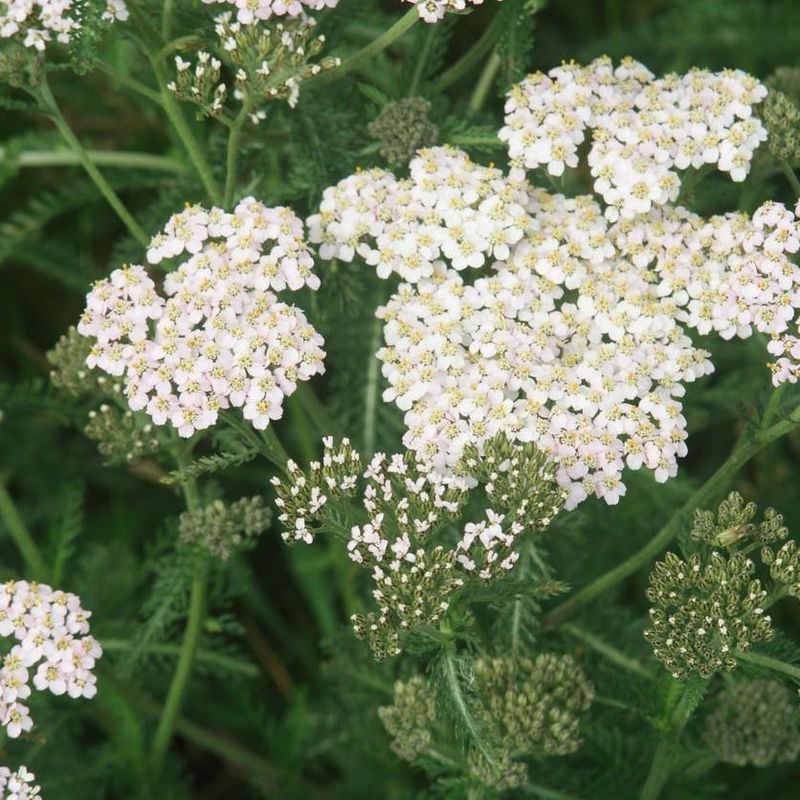
After yarrow finishes blooming, the spent flower stalks can start to look a little ragged. The good news is that a quick trim is all it takes to bring the plant back to a clean, tidy appearance.
This process is called deadheading or cutting back, and it is one of the simplest garden tasks you will ever do.
Using a pair of garden shears or even a lawn mower set to a higher blade height, cut the plant back to just a few inches above the ground after the blooms fade.
Within a few weeks, fresh new foliage will fill back in and the plant will look neat and full again.
In many climates here, yarrow will even send up a second round of blooms later in the season after being cut back.
This one annual or biannual trim is really the most significant maintenance task yarrow asks of you. Compare that to the weekly mowing, edging, fertilizing, and watering that a traditional grass lawn requires, and the difference is striking.
Many homeowners find the trim satisfying because the results are so visible and immediate.
The yard goes from looking a little wild to looking intentionally groomed in under an hour.
If you want a beautiful, nature-friendly yard without giving up every Saturday to yard work, yarrow delivers exactly that kind of low-effort, high-reward gardening experience.