8 Fall Gardening Questions Colorado Gardeners Are Asking Right Now
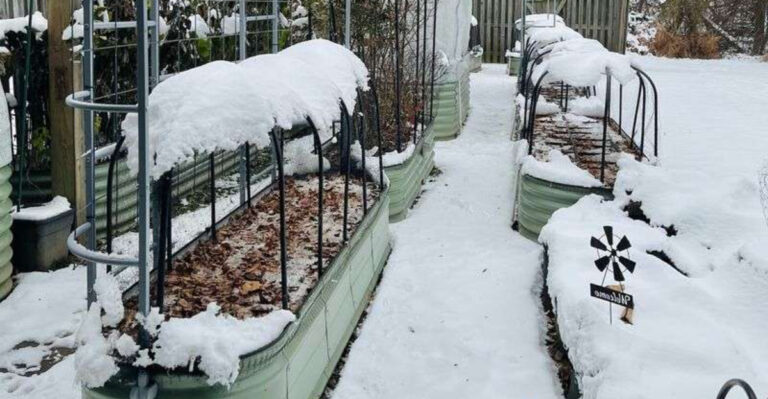
Colorado autumn doesn’t ease in. It kicks the door open, and gardeners barely get a warning before frost claims the tomato vines overnight.
One week you’re pulling weeds in shorts. The next, you’re hauling row covers out of the garage at 6 a.m., squinting at a forecast that dropped twenty degrees.
This kind of swing separates a garden that bounces back strong from one that limps into winter and never recovers. Front Range soil, high plains wind, and foothill elevation each throw their own curveballs, and timing becomes everything.
Right now, Colorado gardeners are asking the same handful of questions on repeat: when to pull the last harvest, how to protect perennials before the ground locks up, and what actually needs planting before snow flies. None of these answers require guesswork.
Get the timing right this fall, and spring rewards you for it. Get it wrong, and you’ll spend March undoing October’s mistakes.
1. When Will The First Fall Frost Arrive This Year
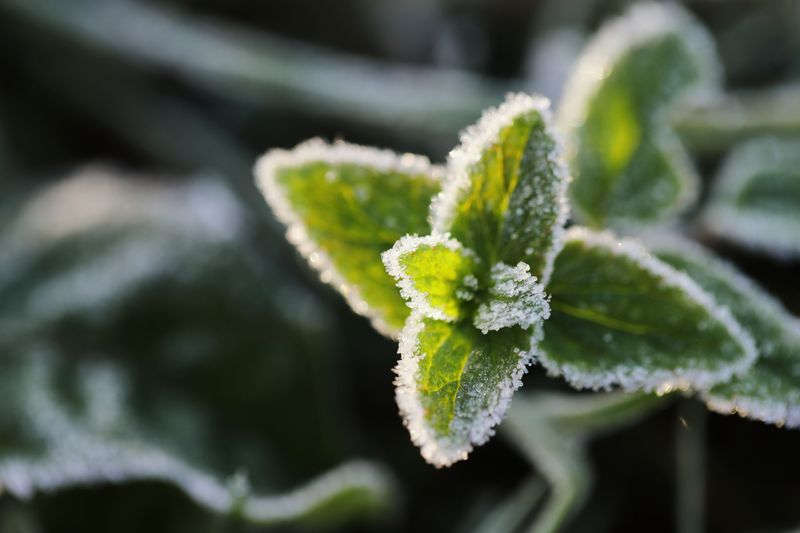
Frost doesn’t knock before it enters. One chilly September night can end an entire summer’s worth of tomatoes without warning.
Fall gardening in Colorado is a race against the calendar. Knowing your frost date is the single most powerful tool you have heading into autumn.
Colorado’s frost dates vary wildly by elevation and location. Denver typically sees its first frost around October 7th, while mountain towns like Breckenridge can freeze as early as August.
Check the USDA Plant Hardiness Zone map for your zip code. Cross-reference it with local National Weather Service forecasts for the most accurate window.
Many gardeners track frost dates using apps like Farmers Almanac or Weather Underground. These tools pull hyperlocal data and give you a much sharper picture than a general regional average.
Watch for clear, calm nights with low humidity. Those are the conditions that drop temperatures fastest after sunset.
Keep a soil thermometer handy near your raised beds. Soil holds heat longer than air, but once it dips below 50 degrees, plant growth slows dramatically.
Set up a simple frost alert on your phone through a free weather app. A single text notification can save an entire pepper crop.
Seasoned Colorado gardeners often keep old bedsheets or frost cloth folded near the back door starting in September. Being ready beats being reactive every single time.
Your frost date is not a guarantee, it’s a guideline. Stay flexible and stay watching.
2. How Should Newly Planted Perennials Be Overwintered
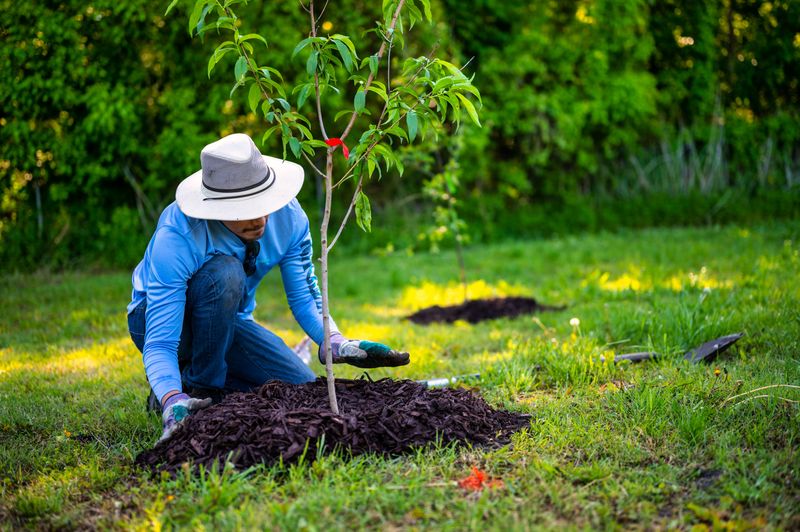
Planting perennials in fall feels like a gamble, but it’s actually one of the smartest moves a gardener can make. Roots establish quietly underground all winter long.
New plants haven’t had time to anchor themselves before the ground freezes. Without protection, heaving frost can literally push them right out of the soil.
Start by watering your new perennials deeply before the first hard freeze arrives. Moist soil insulates roots far better than dry, crumbly earth ever will.
Your Colorado Garden Changes Every Week. Your Plan Should Too.
Gardening in Colorado changes quickly throughout the season. Every Friday you’ll receive a simple weekly plan showing exactly what to plant, prune, fertilize, harvest, and protect so you never miss the right timing.
Apply three to four inches of organic mulch around the base of each plant. Shredded leaves, straw, or wood chips all work beautifully for this purpose.
Avoid piling mulch directly against the crown of the plant. That creates a moist, warm pocket that invites rot and fungal problems before spring even arrives.
For especially tender varieties like salvia or agastache, consider adding a layer of burlap over the top. It blocks desiccating winter winds without trapping excess moisture underneath.
Resist the urge to cut back foliage completely in fall. Leaving some stems standing actually helps trap insulating snow around the crown during cold snaps.
Check on your perennials after major freeze-thaw cycles in late winter. If you see roots pushing up through the soil, gently press them back down and add fresh mulch.
New perennials are tougher than they look when given the right start. A little fall care now means bold, beautiful blooms next June.
3. What Cover Crop Works Best For A Vegetable Garden
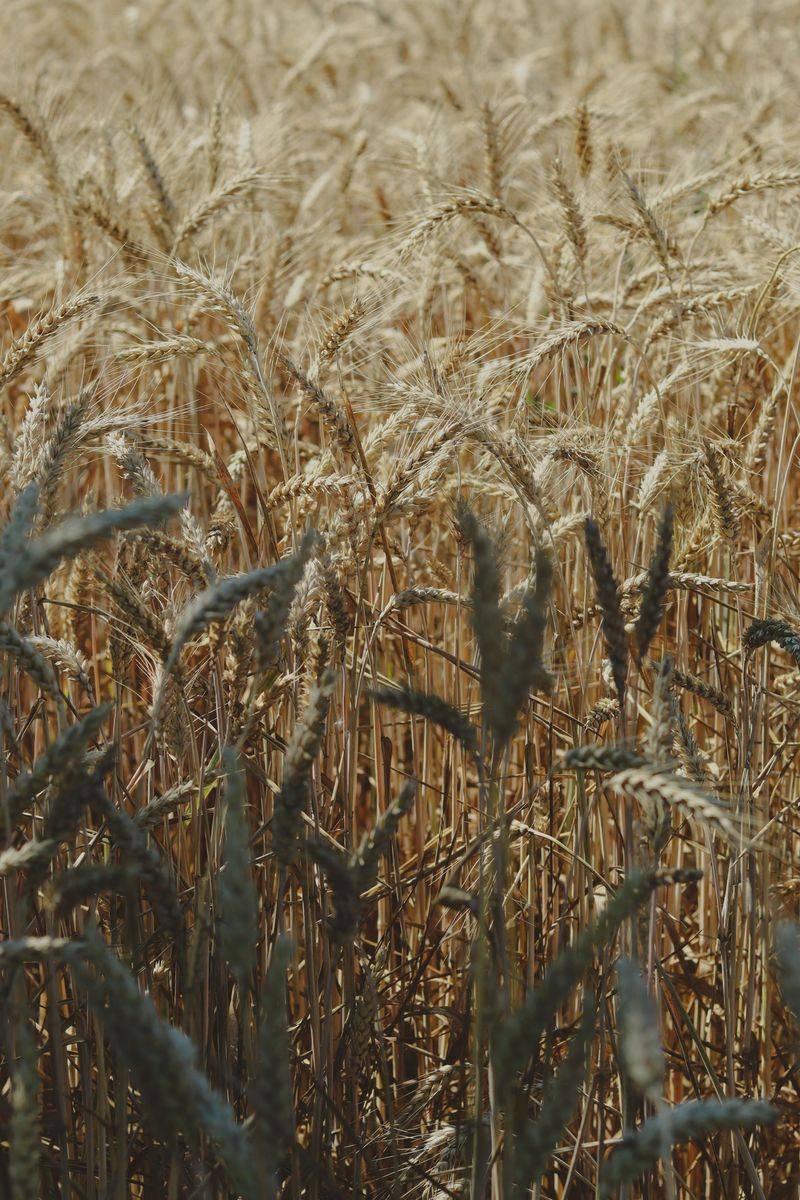
An empty garden bed in fall is a missed opportunity. Cover crops are like a free renovation project for your soil, happening all winter while you stay warm inside.
Winter rye is the top choice for most Colorado vegetable gardens. It germinates in cold soil, grows fast, and suppresses weeds like a champion through the shoulder season.
Hairy vetch is another strong contender, especially if your beds are nitrogen-depleted. It fixes nitrogen from the air directly into your soil, feeding next year’s crops for free.
Austrian winter peas work well in the warmer valleys and lower elevations. They’re less cold-hardy than rye, so plant them early enough to establish before hard freezes hit.
Buckwheat is a warm-season option if you’re planting in early September. It breaks down quickly and adds organic matter fast, though it won’t survive a true frost.
Sow your cover crop seeds about four to six weeks before your expected first frost. That window gives them enough time to sprout and establish a solid root system.
Broadcast seeds evenly across the bed and rake them lightly into the top inch of soil. Water them in well and let nature handle the rest from there.
Terminate your cover crop in spring by mowing or turning it under about two to three weeks before planting. This allows it to break down and release nutrients into the soil.
Healthy soil grows healthy food. Cover crops are the secret weapon most new gardeners wish they’d discovered sooner.
4. Should Watering Continue Through The Winter Months
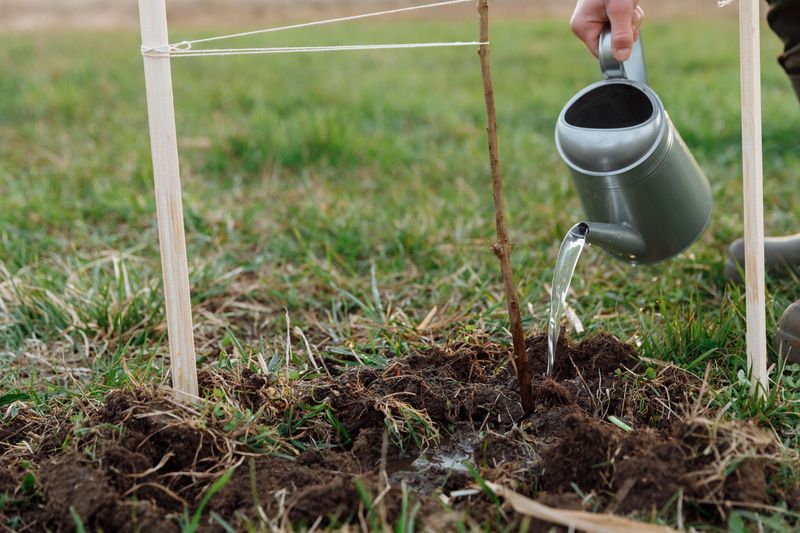
Most people assume winter means watering season is over. In Colorado, that assumption can cost you an entire landscape worth of trees and shrubs.
The state’s dry, windy winters pull moisture from plants and soil faster than most gardeners realize. Evergreens are especially vulnerable because they lose water through their needles all season long.
Water your established trees and shrubs once or twice a month between November and March. Choose days when temperatures are above 40 degrees and the soil isn’t frozen solid.
Focus water at the drip line of the tree, not the trunk. That’s where the feeder roots actually absorb moisture and deliver it up through the plant.
Newly planted trees and shrubs need more frequent winter watering than established ones. Aim for every two to three weeks on mild days throughout the coldest months.
Lawns also benefit from a deep watering before the ground freezes in October. A well-hydrated turf root zone survives harsh winters far better than a dry one.
Turn off and drain your irrigation system before the first hard freeze to avoid pipe damage. After that, switch to hand watering or a garden hose on warm winter days.
Watch for wilting or browning on evergreens in late winter. Those are signs of desiccation, when wind and sun pull more moisture from the needles than the roots can replace.
Winter watering takes just minutes but pays off in a huge way. Your plants will thank you with explosive growth come spring.
5. Which Bulbs Are Worth Planting Before The Ground Freezes
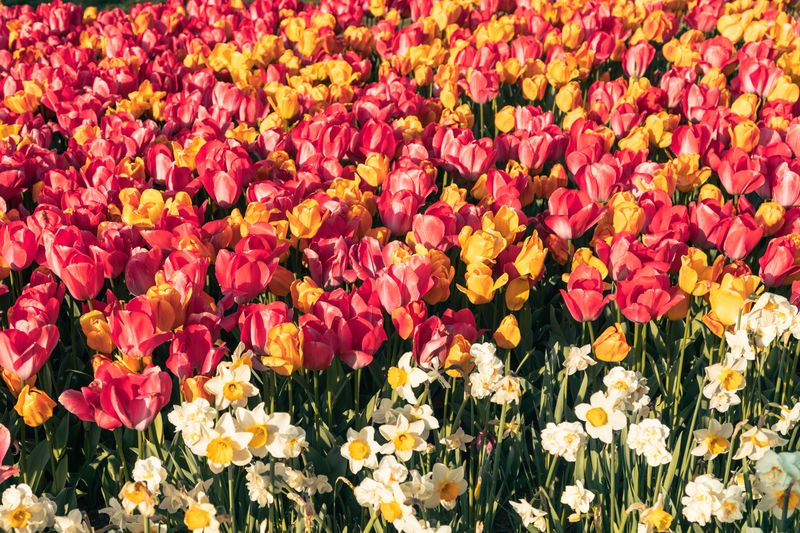
Planting bulbs in fall feels like sending a letter to your future self. You do the work now, and spring delivers the reward in spectacular color.
Tulips are the classic choice and thrive in Colorado’s cold winters. They actually need a long chilling period to bloom properly, making the state’s climate nearly perfect for them.
Daffodils are another top performer and come with a bonus: deer and squirrels tend to leave them alone. They naturalize well too, spreading wider and more beautiful each passing year.
Crocus are tiny but mighty, often poking through snow in March before anything else dares to bloom. Plant them in clusters of ten or more for a truly dramatic early-season show.
Alliums, the ornamental onion family, are wildly underrated in Colorado gardens. They bloom in late spring with dramatic purple globes that look like something from another planet entirely.
Hyacinths add incredible fragrance to spring beds and work well in both garden borders and containers. Choose firm, large bulbs for the strongest blooms in your first season.
Plant bulbs at a depth of about two to three times their diameter. Deeper planting in Colorado’s freeze-thaw climate helps protect them from being pushed out of the ground.
Add a handful of bone meal to each planting hole for a slow-release phosphorus boost. It encourages strong root development through the winter months ahead.
Bulb planting has a narrow window in Colorado, and that window is closing fast. Grab a trowel now instead of waiting for a warmer weekend.
6. How Much Mulch Is Needed To Protect Root Zones
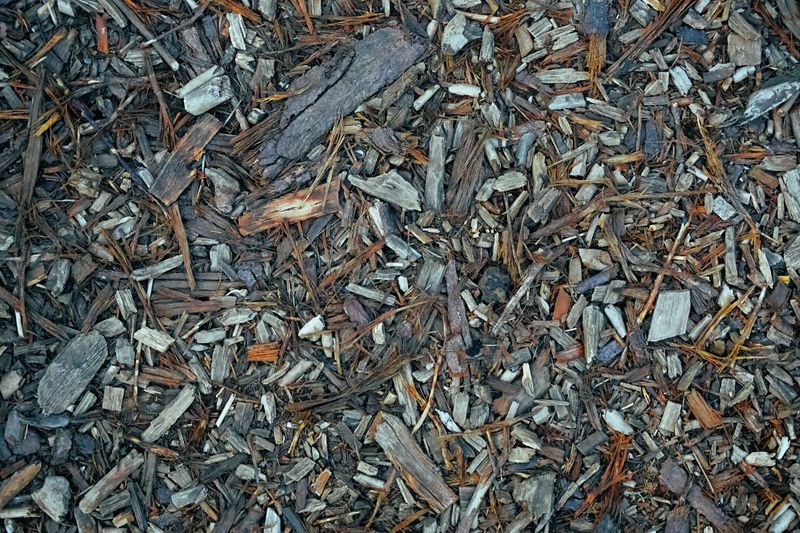
Mulch is one of those things where more is usually better, up to a point. Get the depth wrong in either direction and your plants pay the price all winter.
The general rule for most garden beds is three to four inches of mulch over root zones. That depth insulates soil, retains moisture, and buffers against Colorado’s wild temperature swings.
For tender perennials and newly planted shrubs, bump that up to five or six inches. Extra insulation makes a real difference when overnight temperatures drop into the single digits.
Shredded leaves are a free and fantastic mulching material. Run your lawn mower over a pile of fallen leaves and you’ve got perfectly sized, nutrient-rich mulch in minutes.
Wood chips from a local tree service are another excellent option. They break down slowly, suppress weeds effectively, and improve soil structure over time as they decompose.
Avoid using fresh, un-composted wood chips directly against plant stems. They can temporarily tie up nitrogen in the soil as they break down, competing with your plants for nutrients.
Straw is ideal for vegetable beds because it’s lightweight and easy to remove in spring. It also breaks down quickly and adds organic matter back into your garden soil.
Always leave a small gap between the mulch and the crown or stem of each plant. That breathing room prevents rot and discourages pests from nesting right against the plant.
Think of mulch as a winter blanket for your garden. Lay it down generously and your roots will stay cozy until March.
7. When Is It Safe To Cut Back Frost Damaged Perennials
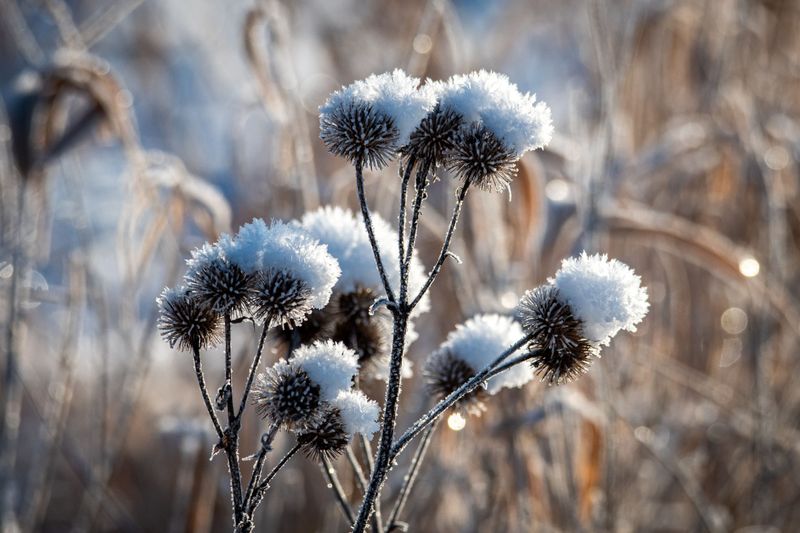
Frost-blackened foliage looks alarming, but don’t grab your pruners just yet. Cutting back too soon is one of the most common and costly fall gardening mistakes.
After a frost hits, leave the damaged stems standing for at least two to three weeks. The plant is still moving energy and nutrients from those stems back down into its roots.
Those ugly, crispy stems also serve a practical purpose. They trap snow and act as a windbreak, providing natural insulation to the crown sitting just below the soil surface.
Some perennials, like ornamental grasses and coneflowers, look beautiful even in their dried winter form. They also provide critical habitat and food for birds throughout the coldest months.
Wait until late winter or very early spring to cut most perennials back hard. Look for new green growth emerging from the base before making any major cuts.
The exception to this rule is any plant showing signs of disease or rot. Remove diseased material promptly to prevent it from spreading to healthy plants nearby.
Use clean, sharp pruners for every cut you make. Dirty or dull tools spread disease and crush stems rather than cutting them cleanly and efficiently.
Cut perennials back to about two to four inches above the soil line in late March. Leave a little stem as a marker so you don’t accidentally dig into the crown during spring cleanup.
Patience in fall equals payoff in spring. Let your perennials do their quiet winter work before you step in with the pruners.
8. What Should Be Done With Tender Potted Plants
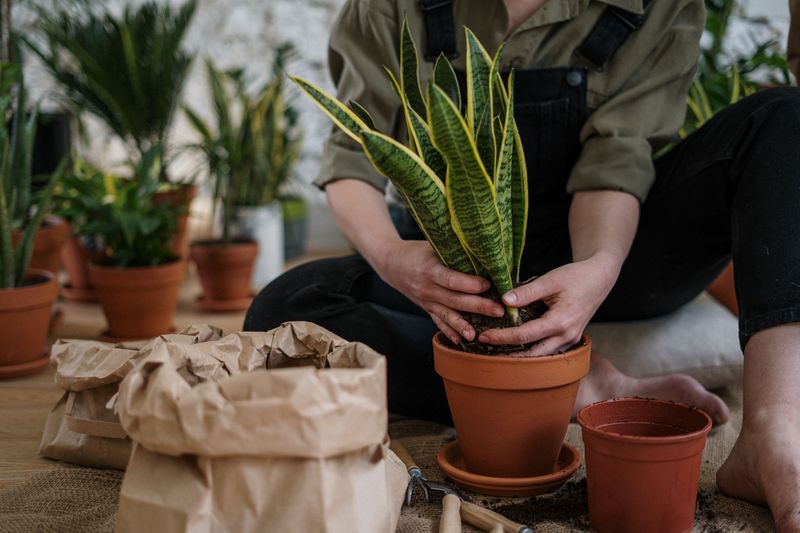
Tender potted plants are the drama queens of the fall garden. They need attention, a plan, and a warm place to spend the winter months ahead.
Tropical plants like cannas, elephant ears, and bougainvillea won’t make it through a Colorado winter outdoors. Bring them inside before the first frost or accept that they won’t be coming back next year.
A garage that stays above freezing is perfect for overwintering dormant tropicals. Most don’t need light during dormancy, just occasional watering to keep the roots from drying out completely.
Geraniums are surprisingly easy to overwinter indoors. Pot them up, bring them to a sunny window, and water sparingly throughout the winter for blooms again next spring.
Succulents in pots do well indoors near a bright south-facing window. Cut back on watering significantly since they go semi-dormant and rot easily in low-light winter conditions.
Before bringing any plant indoors, inspect it carefully for pests. Spider mites, fungus gnats, and scale insects will happily hitch a ride inside and spread to your houseplants.
Spray plants with insecticidal soap or neem oil a week before moving them in. That gives the treatment time to work before the plant enters your living space.
Some gardeners take cuttings from tender plants instead of overwintering the whole pot. Cuttings root easily on a windowsill and take up far less precious indoor space.
Your tender plants carried you through summer beautifully. A little fall gardening effort now means they’ll reward you all over again next season.