The Summer Care Georgia Peach Trees Need Before Extreme Heat Arrives
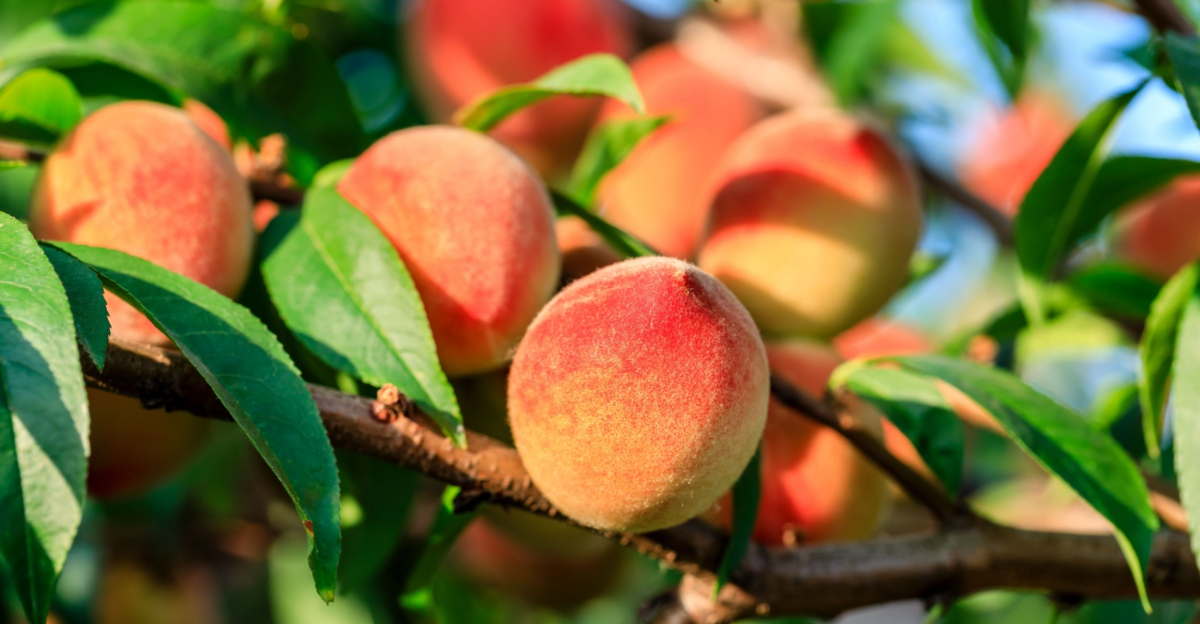
Peach trees and Georgia summers have a complicated relationship, and if you grow them in your backyard you already know that the stretch between June and August requires more attention than most fruit trees ask for.
The heat climbs fast, dry spells arrive without much warning, and the combination of thick humidity and intense sun creates conditions where pest pressure, disease, and moisture stress can all show up at the same time.
It’s a lot for a tree to handle, and it’s a lot for a gardener to keep up with.
The good news is that getting ahead of these summer stressors before temperatures peak makes a real difference, not just for protecting the current crop but for setting the tree up for strong growth and healthy flower buds heading into next spring.
A little proactive attention right now goes a surprisingly long way.
1. Water Deeply Before Heat Stress Builds
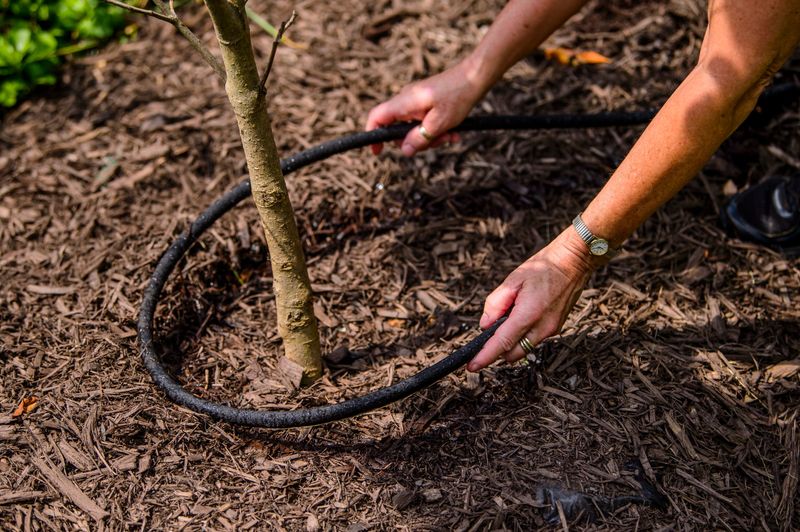
Dry soil near the base of a peach tree is one of the clearest signs that watering needs to happen before heat stress sets in.
Peach trees need consistent moisture to carry developing fruit through the warm weeks, and shallow or infrequent watering often leads to uneven fruit development or early fruit drop.
In Georgia, summer soil can dry out faster than it looks on the surface.
Watering deeply and less frequently encourages roots to reach further down into the soil where moisture stays more stable. Light, frequent watering tends to keep roots close to the surface, where heat and evaporation affect them most.
A slow, thorough soak around the drip line of the tree does more good than a quick spray near the trunk.
Young peach trees are especially sensitive to dry spells during fruit development. Mature trees have deeper root systems, but they still need reliable moisture during heat buildups.
Checking the soil a few inches down before watering helps avoid overwatering, since waterlogged soil causes its own set of problems.
Getting into a steady watering routine before extreme heat arrives gives your peach tree a much better foundation going into the hottest stretch of the Georgia summer.
2. Check Rainfall And Soil Moisture Often
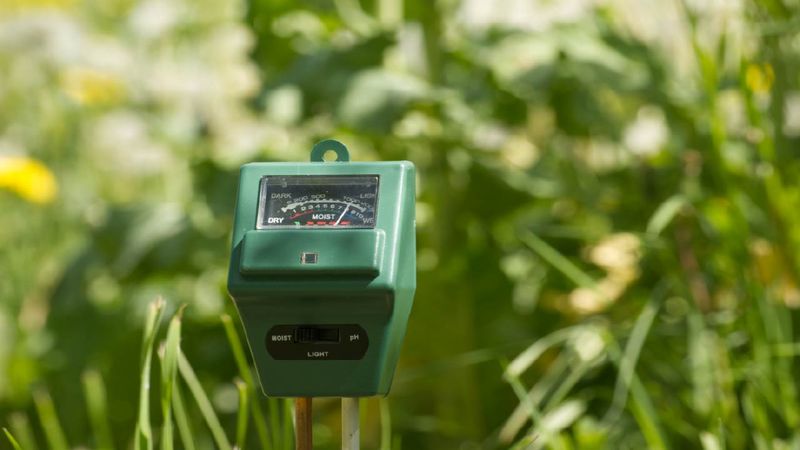
Wilting leaves on a peach tree during a hot afternoon do not always mean the tree is dry. Some leaf curl happens naturally as a short-term response to heat, but persistent wilting paired with dry soil further down is a more serious sign.
Checking the actual soil moisture rather than relying on rainfall totals alone gives you a much clearer picture of what the tree actually received.
Rain gauges help track how much moisture fell, but soil type matters too. Sandy soils common in parts of Georgia drain quickly and may need more frequent watering than heavier clay soils, which hold moisture longer but can also become compacted.
A simple finger test a few inches into the soil near the drip line helps confirm whether water is reaching the root zone or just wetting the surface.
Peach trees in Georgia often go through dry stretches even when the calendar says it should be rainy season. Spotty summer thunderstorms can miss your yard entirely while a neighbor a mile away gets a solid inch.
Your Georgia Garden Changes Every Week. Your Plan Should Too.
Gardening in Georgia changes quickly throughout the season. Every Friday you’ll receive a simple weekly plan showing exactly what to plant, prune, fertilize, harvest, and protect so you never miss the right timing.
Monitoring soil conditions regularly rather than assuming rainfall was enough helps you catch moisture gaps before the tree shows visible stress. Consistent checking is one of the simplest habits that makes a real difference in summer peach tree health.
3. Keep Mulch Over The Root Zone
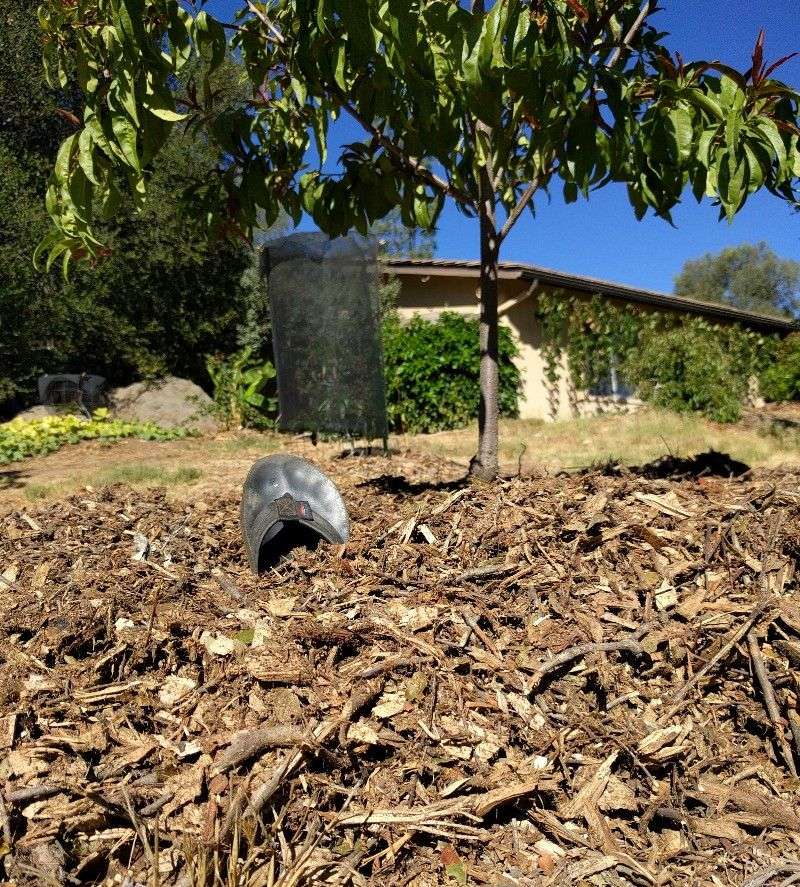
Mulch that has thinned out under the canopy of a peach tree stops doing its most important jobs, and summer is exactly when those jobs matter most.
A good layer of organic mulch holds soil moisture, moderates soil temperature, and slows the growth of competing weeds near the root zone.
In Georgia, where summer sun can heat bare soil to damaging temperatures, mulch acts as a buffer between the roots and the worst of that heat.
Wood chips, pine straw, and shredded bark all work well as mulch for peach trees. Spreading a layer two to three inches deep out to the drip line of the tree makes a noticeable difference in how the soil holds up during dry spells.
Keeping the mulch a few inches away from the actual trunk helps prevent moisture buildup against the bark, which can encourage fungal issues.
Refreshing mulch before extreme heat arrives is one of the lower-effort steps that pays off through the whole season. Over time, organic mulch breaks down and improves the soil structure beneath it, which benefits the root system in the long run.
Georgia gardeners who keep a consistent mulch layer often find their trees handle dry stretches with less visible stress than trees growing in bare, exposed soil.
4. Keep Weeds And Grass Away From The Tree
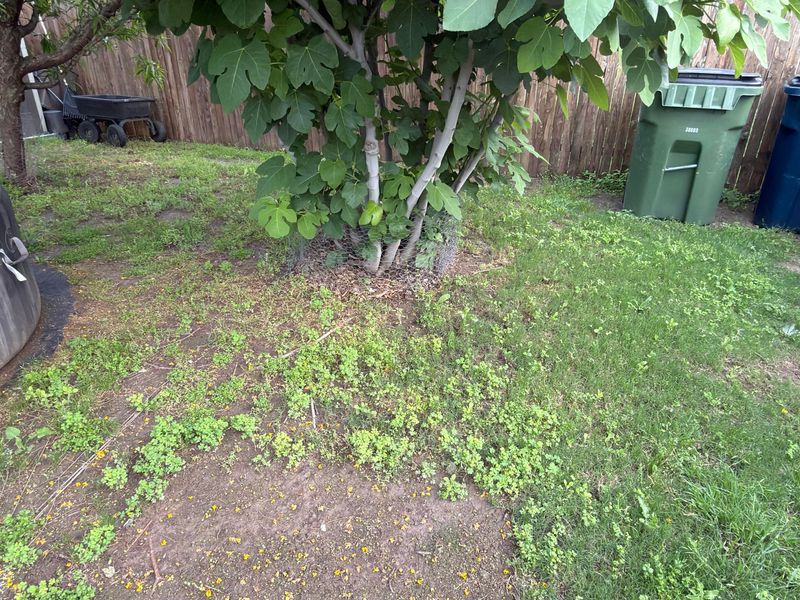
Grass growing close to a peach tree’s root zone competes directly for the water and nutrients the tree needs most during summer heat.
Most people underestimate how much competition turf grass creates, especially during dry stretches when every bit of available moisture matters.
Clearing a weed-free zone around the base of the tree makes a real difference in how well the tree handles the heat of a Georgia summer.
Weeds near the trunk can also hold moisture against the bark and create conditions that favor certain fungal problems.
Keeping the area immediately around the tree clean and mulched reduces that risk while also making it easier to spot early signs of pest activity at the base of the tree.
A maintained bed looks tidy in the landscape and serves a practical purpose at the same time.
Hand pulling and shallow cultivation work well for weed control near peach trees without disturbing the shallow feeder roots that spread out under the canopy.
Thick mulch helps prevent weed seeds from germinating in the first place, reducing how often you need to pull by hand.
In Georgia gardens, where warm soil encourages weeds to sprout quickly, staying on top of this early in the season is far easier than trying to reclaim a neglected bed once summer heat has settled in.
5. Thin Heavy Fruit Loads Early Enough
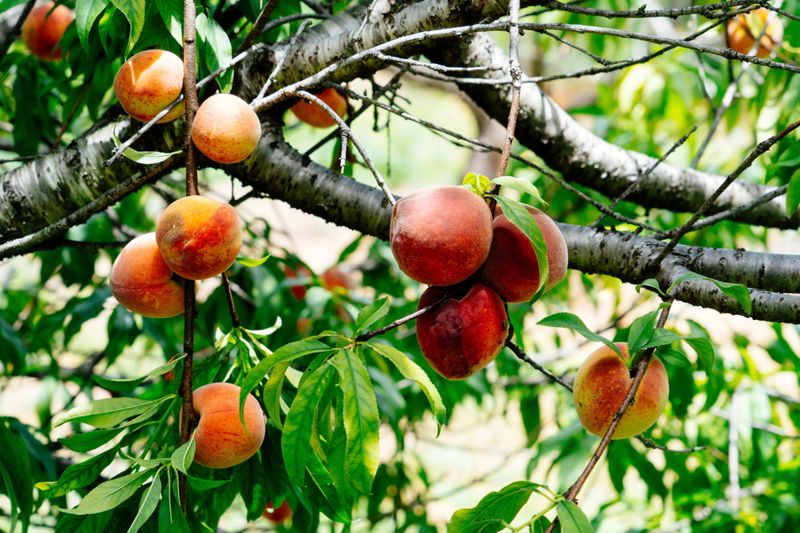
Small fruit clustered too tightly on a single branch is a sign that thinning needs to happen soon.
Peach trees in Georgia often set more fruit than they can actually support to full size, and carrying an overloaded crop through the heat of summer stresses the tree more than most homeowners expect.
Thinning is one of those tasks that feels counterintuitive because you are removing fruit that looks perfectly healthy.
The goal is to space remaining fruit so each peach has room to develop without competing directly with its neighbors for water and nutrients.
Fruit left too close together tends to stay small, may develop unevenly, and can create contact points where moisture gets trapped and disease pressure increases.
Removing the smaller or less developed fruit in each cluster gives the remaining peaches the best chance at reaching a good size.
Thinning also reduces the physical weight on branches, which helps prevent limb damage during summer storms that roll through Georgia.
Trees that carry a reasonable fruit load tend to manage heat stress more effectively than trees straining to ripen an oversized crop.
Getting this done before the heat peaks means the tree can put its energy into growing and ripening the fruit that remains rather than spreading resources too thin across more fruit than it can realistically handle.
6. Scout For Plum Curculio And Damaged Fruit
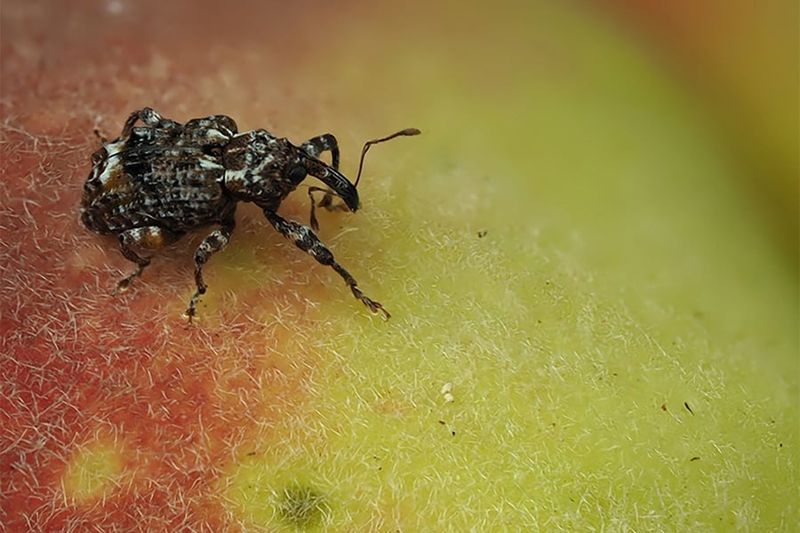
Damaged peaches showing up on the ground beneath the tree are worth picking up and examining closely.
Plum curculio is one of the most common insect problems for homegrown peaches in Georgia, and catching it early gives you more options for managing it before the damage spreads through the developing crop.
This small weevil causes crescent-shaped cuts in the skin of young fruit and lays eggs inside.
Fruit that drops prematurely or shows unusual dimpling and deformity should be removed from the ground rather than left to sit beneath the tree.
Leaving damaged fruit in place gives developing larvae a place to complete their cycle and increases the chance of higher pressure later in the season.
Scouting the tree and the ground around it regularly through early summer helps you notice changes before they become harder to manage.
Correct identification matters before taking any action, since other insects and environmental issues can cause fruit damage that looks similar at first glance.
Georgia home orchards deal with a range of fruit pests, and knowing what you are actually looking at helps you respond appropriately.
Extension resources for Georgia can help with identification if you are unsure what caused a particular type of damage. Consistent scouting through the early summer window is one of the most useful habits any home peach grower can build.
7. Stay Ahead Of Brown Rot And Other Disease Issues
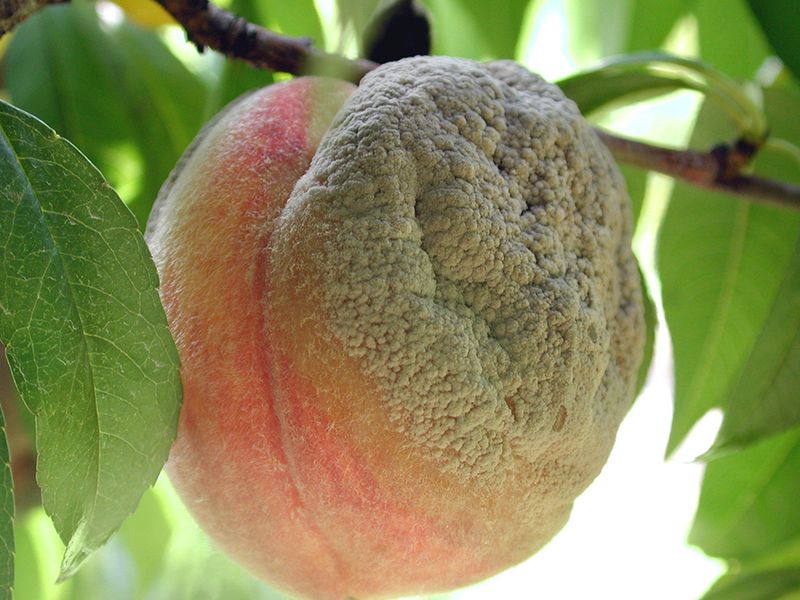
Humid air settling around a peach canopy during Georgia summers creates ideal conditions for brown rot to develop quickly.
This fungal disease can move from one infected fruit to the entire cluster in a surprisingly short time, especially when warm, wet weather follows a period of rain.
Catching it early is far easier than managing it once it has spread through several branches.
Brown rot often starts at wounds or contact points between fruits, where moisture collects and the fungus gets a foothold. Fruit that was already damaged by insects or cracking from uneven watering tends to be more vulnerable.
Keeping the canopy open for airflow, removing mummified or infected fruit promptly, and avoiding overhead watering that wets the fruit all help reduce the environment where brown rot thrives.
Other fungal issues, including peach scab and leaf curl, can also add stress to trees heading into the heat of a Georgia summer. Monitoring the foliage and fruit regularly means you catch changes before they become harder to address.
Correct identification is important because different diseases respond to different management approaches.
When in doubt, home orchardists can reach out to local extension offices for help identifying what they are seeing before deciding how to respond.
Staying observant through the early summer period makes a real difference in how disease pressure builds later on.
8. Keep The Canopy Open For Light And Airflow
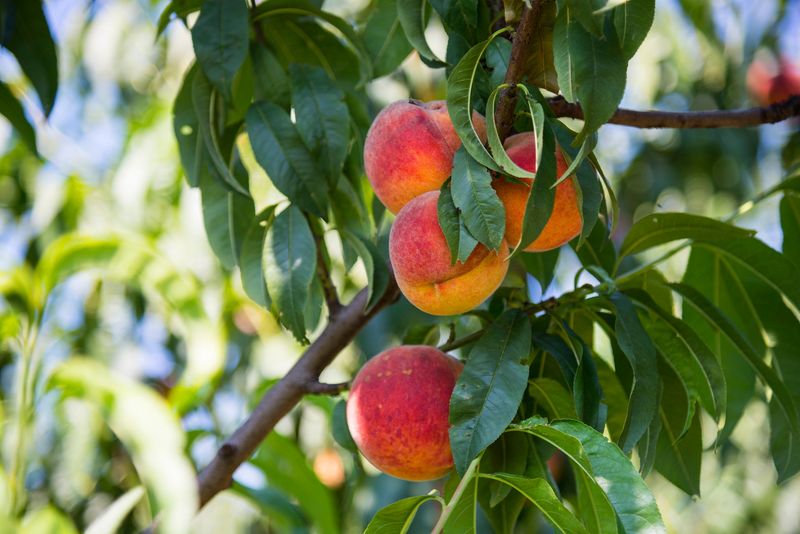
Upright shoots pushing through the center of a peach tree can shade out lower fruiting wood and reduce the airflow that keeps humidity from building inside the canopy.
Georgia summers bring enough warmth and moisture on their own without the canopy trapping additional heat and damp air against developing fruit.
Light summer pruning to remove crossing, crowded, or strongly upright growth helps the tree stay open and productive.
An open canopy lets sunlight reach the inner branches, which improves fruit color and helps foliage dry faster after rain or morning dew. Faster drying reduces the window of time when fungal spores can germinate on wet leaf or fruit surfaces.
Even a modest improvement in canopy airflow can make a noticeable difference in how much disease pressure builds through the Georgia summer months.
Summer pruning on peach trees is lighter than the structural pruning done during dormancy. The focus is on removing vigorous water sprouts and shading growth rather than reshaping the tree entirely.
Cuts should be clean and made at a natural junction rather than leaving stubs. Keeping the tree tidy and open through the summer season also makes fall and winter pruning easier by reducing the amount of excess growth that has built up.
A well-managed canopy simply handles the stress of extreme heat better than a crowded one.
9. Avoid Late Heavy Fertilizing Before Heat Peaks
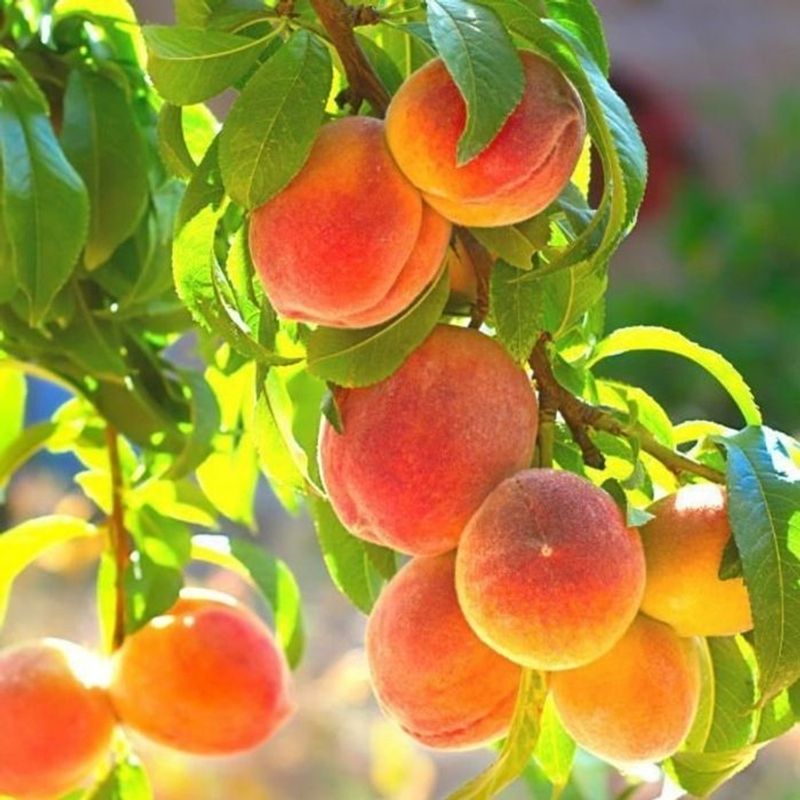
Fertilizer bags sitting in the shed can be tempting to reach for when a peach tree looks like it needs a boost heading into summer, but timing matters more than many home growers realize.
Heavy nitrogen applications late in the season push a flush of soft, tender new growth at exactly the time when the tree should be focusing its energy on ripening fruit and handling heat.
That new growth is more vulnerable to pest pressure and can struggle during dry stretches.
Most of the fertilizing that Georgia peach trees need for the season should happen earlier, during late winter or early spring before the tree breaks dormancy and again in early summer if needed.
By the time extreme heat is approaching, the tree generally benefits more from consistent moisture and good mulch than from additional fertilizer.
Applying heavy amounts of nitrogen too late can also affect the quality of the fruit still on the tree.
If a tree shows signs of nutrient deficiency, a soil test is a more reliable guide than guessing. Extension resources in Georgia can help interpret soil test results and suggest appropriate amendments based on what the soil actually needs.
Working from real data rather than assumptions reduces the risk of over-applying nutrients at a time when the tree is already managing significant heat and water stress. Restraint with fertilizer in midsummer is often the better choice.
10. Keep Watering After Harvest During Drought
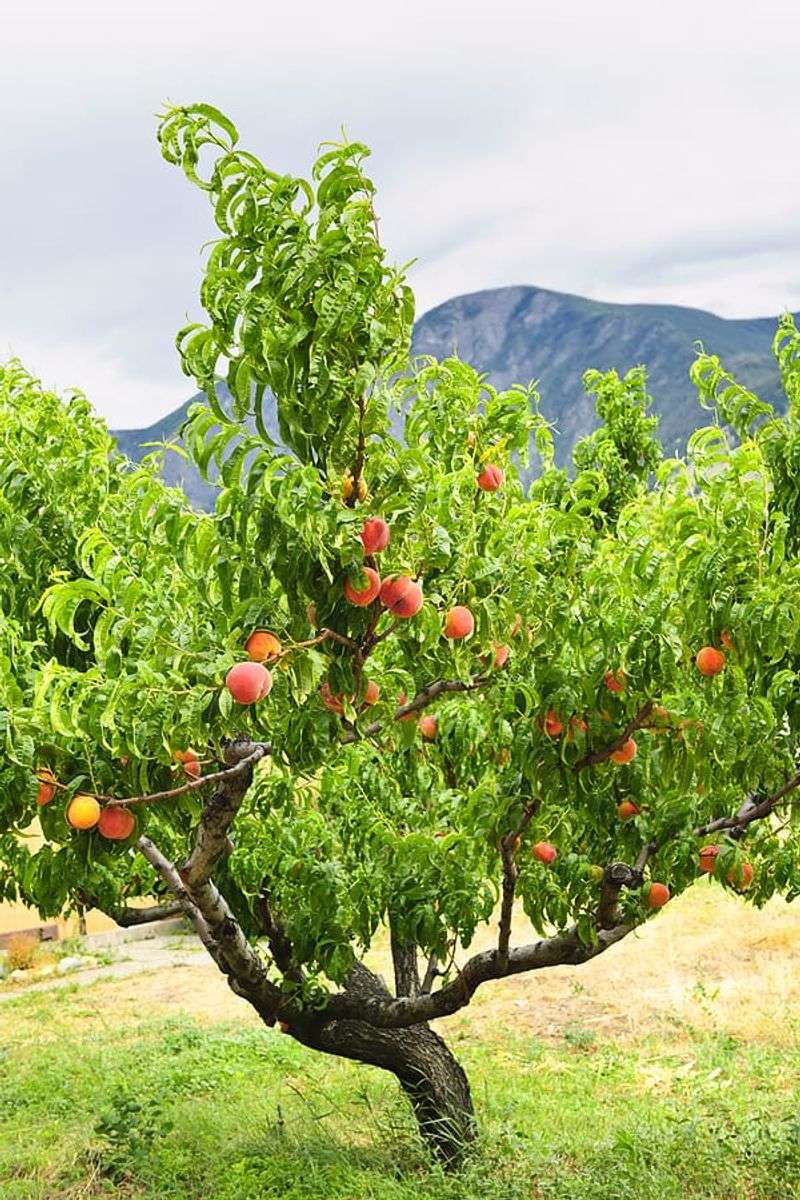
A harvested peach tree still has important work left to do, and a dry spell following harvest can affect that work in ways that show up the following spring. After fruit is removed, the tree begins storing energy and developing the buds that will become next season’s flowers.
Drought stress during this recovery period can reduce bud development and carry consequences well beyond the current growing season.
Georgia summers often stay dry and hot long after the last peaches come off the tree. Many home growers ease off on irrigation once the fruit is gone, assuming the tree no longer needs as much attention.
Keeping a reasonable watering schedule through late summer, especially during dry stretches, supports the tree’s recovery and helps it build the reserves it needs for winter and the following spring bloom.
Leaf health after harvest is a useful indicator of how the tree is doing. Yellowing or dropping leaves earlier than expected in late summer can suggest drought stress or nutrient issues that are worth investigating.
Keeping the mulch layer in place after harvest helps retain whatever soil moisture is available.
A peach tree that finishes the Georgia summer in good condition, with adequate moisture and healthy foliage through the postharvest period, tends to come back stronger the following year with a better foundation for the next crop.