8 Fall Vegetables California Gardeners Can Still Plant This Week
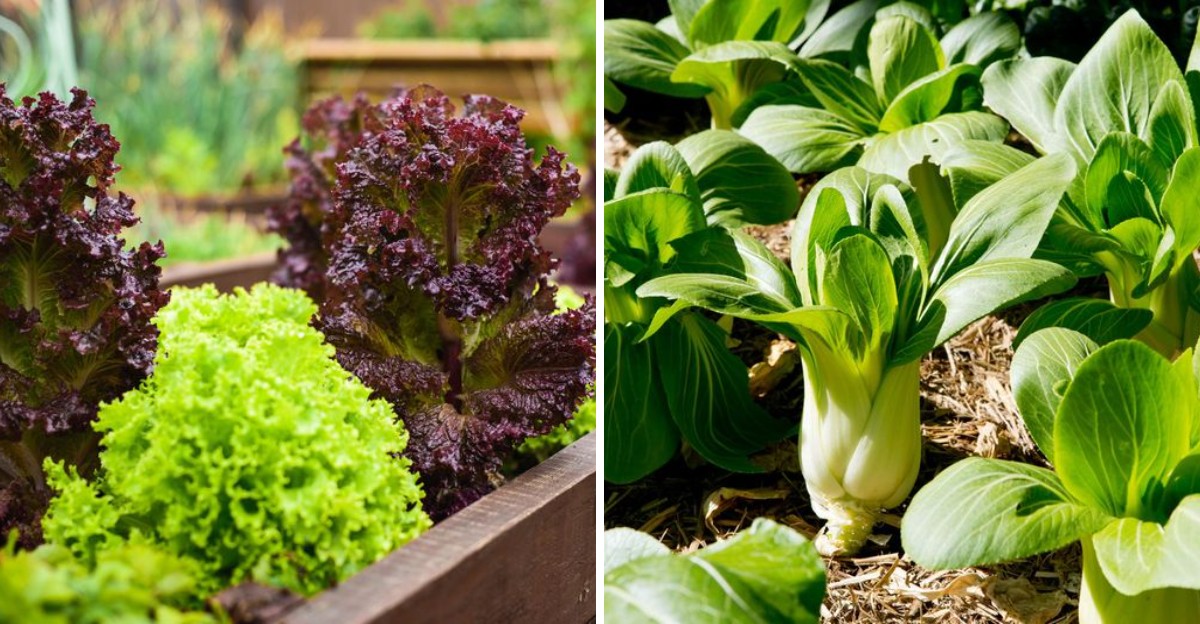
Gardeners near Los Angeles often wait until the final days of December for their first light frost of the year. That generous cushion turns late fall into a second spring for anyone holding a seed packet and a trowel.
Across most of California, the soil still holds plenty of summer warmth, so fresh seeds sprout quickly right now.
Meanwhile, cooler nights and shorter days give leafy and rooty crops the gentle conditions they genuinely prefer.
I find it funny that friends back east are coiling up their hoses while we are buying more compost. You might find it hard to believe, but this stretch of the year can outshine summer for flavor.
Fewer pests show up in cool weather, and many greens develop extra sweetness as the nights turn crisp.
So which crops still have time to settle in before winter, and could your California beds hold a few more?
1. Radishes
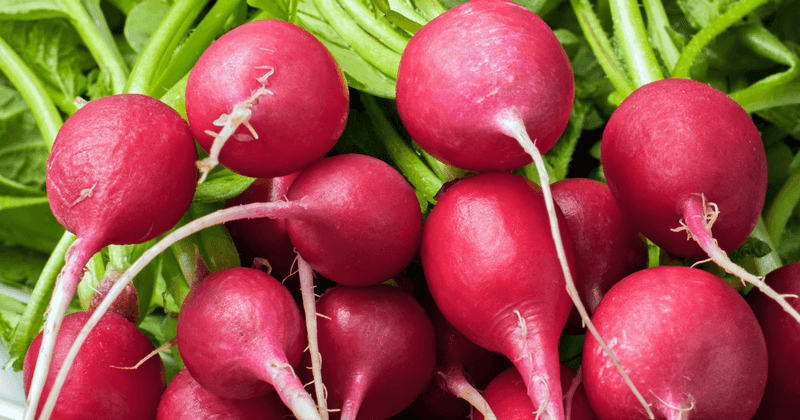
Few crops reward impatience like a radish, which can go from seed to crunchy snack in about a month. I love pulling one up and tasting that peppery bite before I even make it back to the kitchen.
Botanists call this speedy root Raphanus sativus, and it belongs to the same family as cabbage and broccoli. Round red types like ‘Cherry Belle’ mature fastest, while long white daikons need closer to two months.
Sow seeds about half an inch deep and roughly one inch apart in loose soil that drains well. Thin crowded seedlings early, because radishes squeezed together tend to make leaves instead of round, plump roots.
Steady moisture matters more than anything else with this crop, since dry spells make roots woody and harsh. Water lightly every few days if rain stays away, and let a thin mulch keep the surface from crusting.
Full sun gives the sweetest results, though radishes handle a bit of shade in warmer inland gardens. Containers work nicely too, so a deep window box can grow a respectable salad topping on a patio.
Pull small varieties when the roots reach about an inch across, because waiting too long brings pithy texture. Sowing a short row every two weeks keeps a steady trickle coming instead of one overwhelming crunchy flood.
Don’t toss the leaves, either, because young radish greens are tender and add a mild kick to soups. I like to tuck seeds between slower crops, since the radishes finish long before their neighbors need room.
2. Lettuce
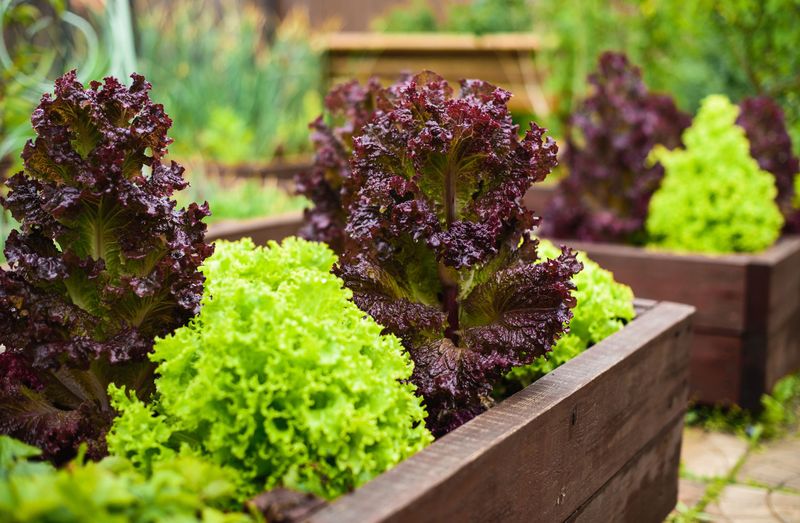
Lettuce seeds are fussy about heat, and many varieties sprout poorly once soil climbs above about eighty degrees. That quirk makes cooler weather the sweet spot, when tiny seeds wake up fast and leaves stay crisp.
The plant goes by Lactuca sativa, and it comes in loose-leaf, butterhead, romaine, and crisphead forms. Loose-leaf kinds are the quickest, often ready for picking about forty to fifty days after sowing.
Scatter seeds very shallowly, roughly an eighth to a quarter inch deep, because they need light to germinate well. Later, thin the seedlings to six to twelve inches apart, depending on how big each variety grows.
Shallow roots mean lettuce dries out faster than most crops, so frequent light watering keeps leaves sweet. Mixing compost into the bed before planting helps hold moisture and feeds plants without much extra effort.
I can see why so many gardeners treat lettuce as a cut-and-come-again crop in cool weather. Pick the outer leaves first, and the center keeps pushing out fresh growth for several more weeks.
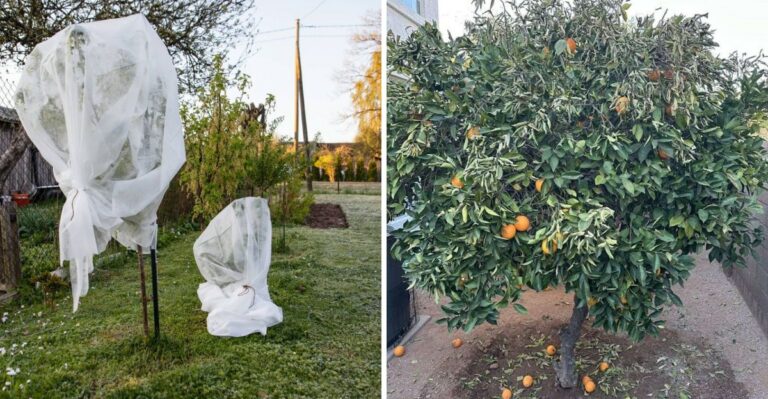
A light frost usually causes little harm, but a hard freeze can damage tender leaves in colder valleys. Keep a sheet of frost cloth handy, and drape it over the bed on clear nights below freezing.
Starting a fresh batch of seeds every three weeks gives you salads for months instead of one huge rush. Mixing red and green varieties also turns an ordinary bed into something that looks almost like a quilt.
3. Spinach
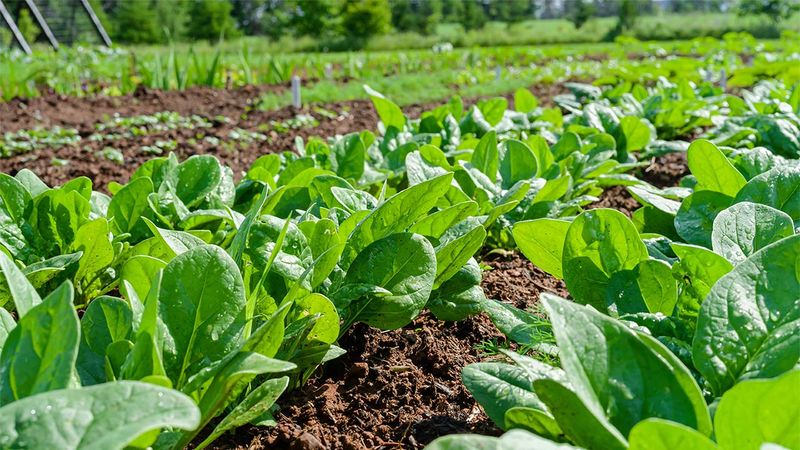
Spinach has a funny relationship with daylight, because long spring days push it to flower quickly. Shorter fall days slow that urge, so plants started now tend to stay leafy and tender much longer.
Its scientific name is Spinacia oleracea, and it handles chilly weather better than many other salad greens. ‘Bloomsdale’ offers thick, crinkled savoy leaves, while smooth-leaf types are easier to rinse after a muddy rain.
Spinach seeds can sulk in warm soil, so sowing during cooler weeks often gives noticeably better sprouting. Plant them about half an inch deep and one to two inches apart in rich, crumbly ground.
Thin seedlings to around three or four inches apart once they show a few true leaves. Those thinnings make a lovely baby salad, so pulling them feels more like an early bonus harvest.
Moist but not soggy soil keeps plants growing steadily, and a layer of mulch helps hold that balance. A nitrogen-rich organic fertilizer gives the dark green leaves a boost when growth seems to slow down.
Downy mildew can show up during damp spells, so look for resistant varieties and leave space for airflow. Watering at the base of plants instead of overhead also helps keep the leaves drier and healthier.
I’m always surprised by how quickly a small spinach patch fills a bowl once harvesting begins. Snip the outer leaves when they reach a useful size, and the plant should keep producing for weeks.
4. Kale
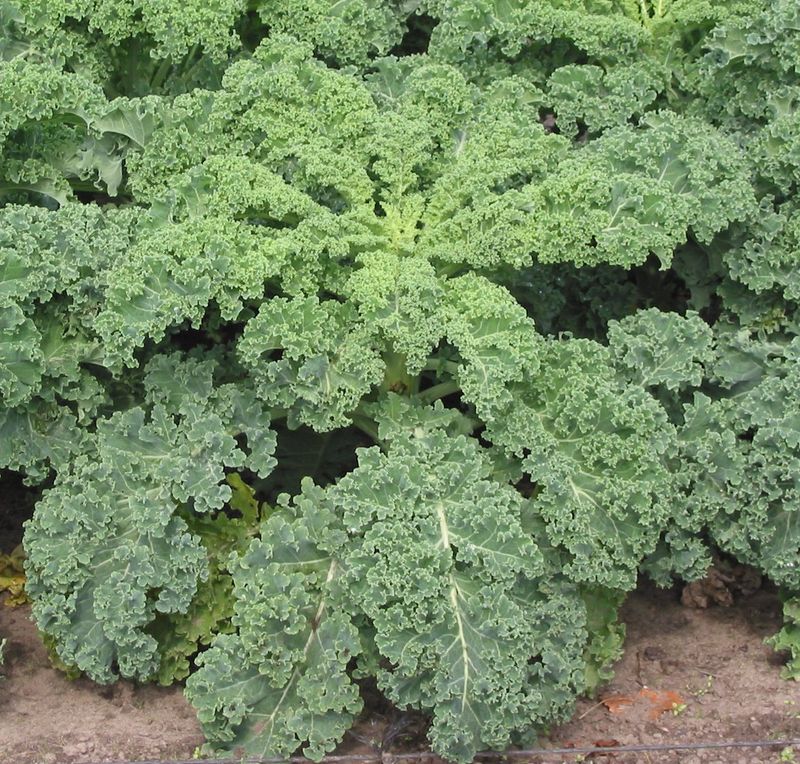
Kale actually gets sweeter after a light frost, because cold weather encourages the plant to store more sugar. One taste of a chilly winter leaf might change how you feel about this famously tough green.
Kale shares the species Brassica oleracea with cabbage and broccoli, which shows how creative early farmers were. ‘Lacinato’, often nicknamed dinosaur kale, has bumpy blue-green leaves that look almost prehistoric in the garden.
At this point in the season, transplants usually give you a faster start than seeds sown directly. Set them twelve to eighteen inches apart, because healthy plants grow wide and can reach a few feet tall.
Kale is a hungry feeder, so work plenty of compost into the bed before tucking in each seedling. Feeding with an organic nitrogen fertilizer every month or so keeps new leaves coming at a good pace.
Full sun works best during cooler months, and steady moisture keeps leaves tender instead of tough and chewy. A layer of mulch helps hold water in the soil and keeps roots comfortable on chilly mornings.
Aphids and cabbage worms enjoy kale as much as we do, so check under the leaves every week. Hosing off aphids and hand-picking caterpillars handles most problems before they grow into a real headache.
Harvest from the bottom up, picking the lower outer leaves and leaving the central bud to keep growing. I love how a single plant can feed a household for months when it gets this kind of care.
5. Swiss Chard
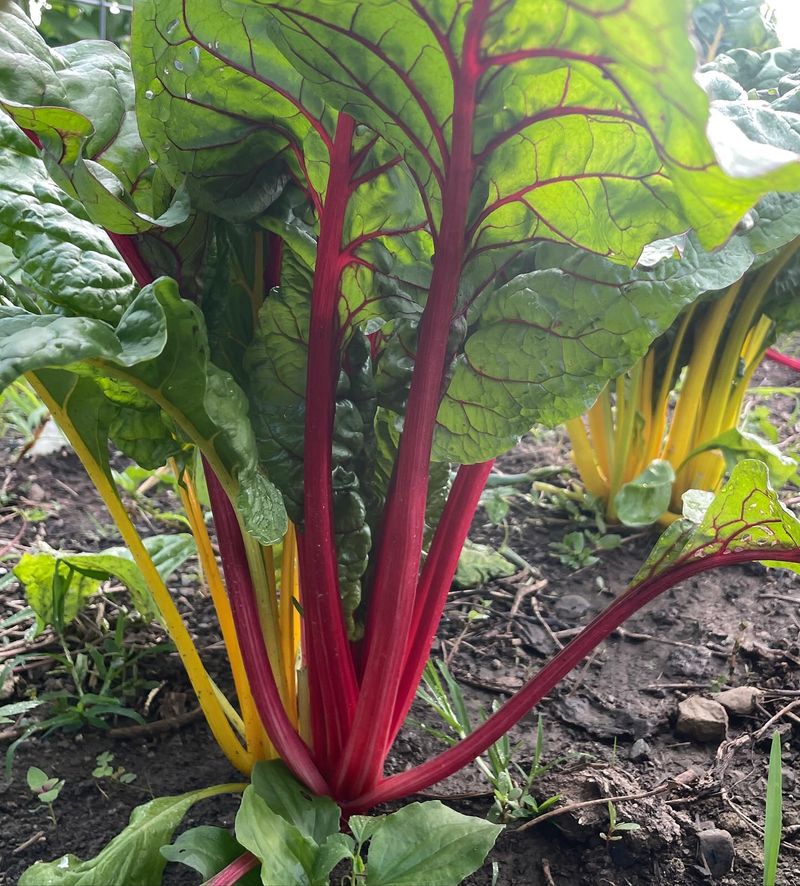
Chard stems can glow in shades like ruby red and lemon yellow, which makes this vegetable a real showstopper. I wouldn’t necessarily call it a flower, but neighbors often stop and ask what is blooming in my bed.
Swiss chard is Beta vulgaris, the same species as beets, though it was bred for leaves instead of roots. Its flavor sits somewhere between spinach and beet greens, with a gentle earthiness that softens nicely when cooked.
Each wrinkly seed is really a small cluster, so several seedlings often pop up from a single planting spot. Soaking the seeds overnight before sowing can help them sprout faster, especially when the soil feels dry.
Plant seeds about half an inch deep, then thin young plants to six inches apart or a bit more. Those thinned babies taste wonderful in salads, so a quick snip with scissors keeps nothing from going to waste.
Chard grows best in full sun and rich soil, though it handles partial shade better than many crops. Steady moisture keeps leaves tender, while dry spells can leave them tough with a slightly bitter edge.
Light frosts rarely bother established plants, and in mild winter areas they keep going well into spring. Harvest outer leaves near the base, leaving the center untouched so new growth can keep rising up.
‘Bright Lights’ is a popular mix for color, while ‘Fordhook Giant’ offers thick white stems and big leaves. You can see why gardeners love a crop that looks this good while feeding them for months.
6. Carrots
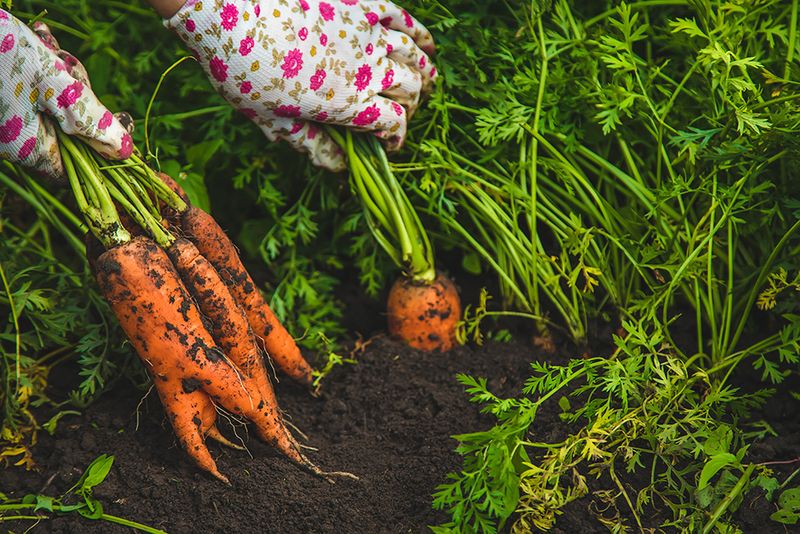
Carrot seeds can take two to three weeks to sprout, which tests the patience of even calm gardeners. The wait pays off, though, because cool weather often helps roots develop sweeter flavor and crisp texture.
Garden carrots are Daucus carota subsp. sativus, a cousin of the wild Queen Anne’s lace along roadsides. Orange is the classic color, but purple and yellow varieties add a fun surprise to dinner plates.
Sow seeds about a quarter inch deep in loose soil that is free of rocks and hard clods. Roots bend or fork when they hit obstacles, so shorter types like ‘Danvers’ or ‘Chantenay’ suit heavier ground.
Tiny seeds dry out fast near the surface, so keep the top layer damp until the feathery sprouts appear. Laying a board or burlap over the row for a few days can hold moisture, but check it daily.
Thin seedlings to roughly two inches apart, because crowded carrots tangle together and stay small and skinny. Uneven watering later on can crack the roots, so aim for steady moisture as they bulk up underground.
Fresh manure can cause hairy or forked roots, so stick with well-aged compost when preparing the bed. Full sun helps them grow steadily, even during shorter days when growth naturally slows down quite a bit.
Most varieties are ready in about seventy days, and you can brush away soil to peek at their shoulders. I still grin every time a bright orange root slides out of the dirt in one clean piece.
7. Beets
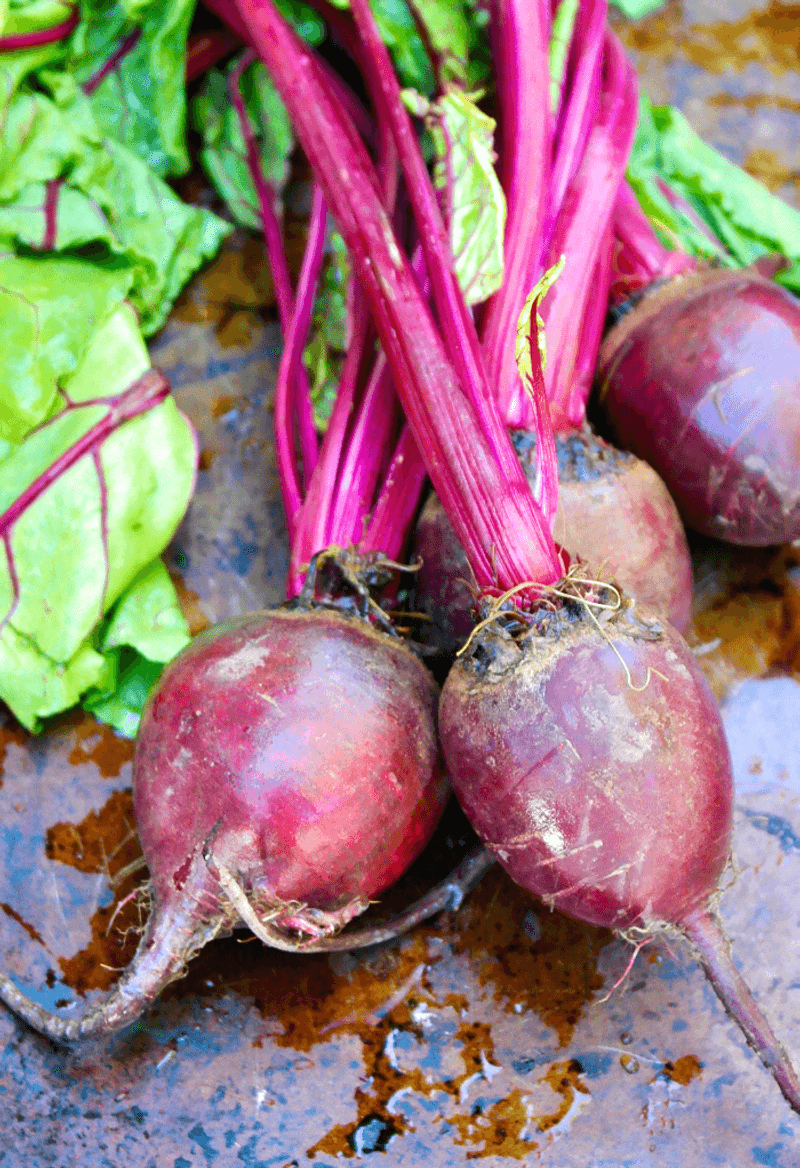
Every beet seed you plant is actually a tiny dried fruit holding several seeds packed tightly inside. Don’t be surprised if a little cluster of seedlings pops up where you expected just one lonely sprout.
Beets are Beta vulgaris, the same species as chard, and you can eat both the roots and the greens. ‘Chioggia’ slices open to show pink and white rings, which looks almost like candy on a salad plate.
Sow seeds about half an inch deep and one to two inches apart in loose, well-drained soil. Soaking the seeds overnight beforehand softens their corky outer layer and can speed up germination quite noticeably.
Thin seedlings to around three or four inches apart so each root has space to swell properly. Snipping extras with scissors avoids disturbing neighbors, and the tiny leaves make a tasty garnish for dinner.
Beets like full sun and a soil pH close to neutral, roughly between six and seven and a half. Steady watering keeps the roots smooth and tender, while dry stretches can make them woody and stringy.
‘Golden’ beets taste a bit milder and won’t stain your cutting board the way red ones do. Kids who claim to dislike beets sometimes change their minds after trying a roasted golden one fresh from the garden.
Pull roots when they reach about one and a half to three inches across for the best texture. Leaving an inch of stem attached during cooking keeps red beets from bleeding color into the pot.
8. Bok Choy
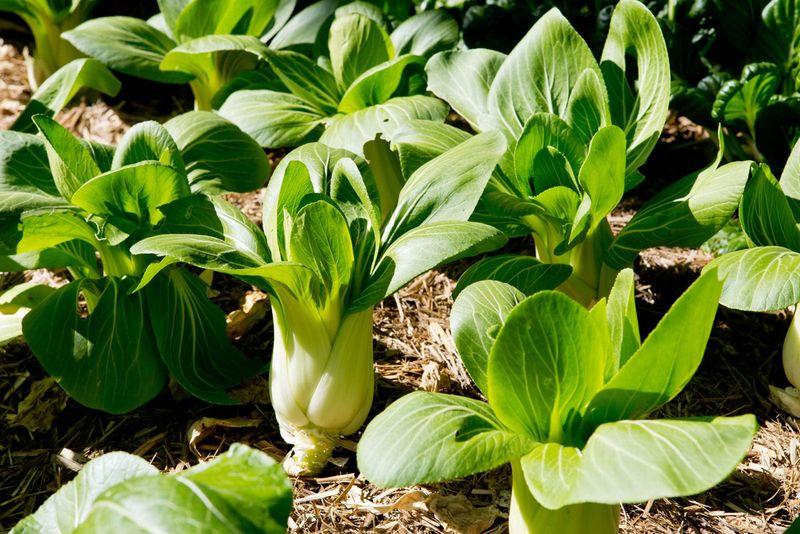
Baby bok choy can reach harvest size in about a month, making it one of the quickest greens around. I love snapping off a crisp stalk and hearing that juicy crack right in the garden.
Bok choy is Brassica rapa subsp. chinensis, a close relative of turnips that has been grown in China for centuries. Unlike regular cabbage, it skips forming a tight head and grows upright white stalks with dark green leaves.
Sow seeds about a quarter to half inch deep, or set out transplants for an even faster start. Space full-size types around ten inches apart, while baby varieties can sit closer together in a tidy row.
Bok choy bolts quickly when stressed, so consistent moisture is one of the best gifts you can give it. Aim for about an inch of water each week, adjusting whenever rain decides to help out on its own.
Rich soil with plenty of compost fuels the speedy growth this crop is known for in cool weather. Full sun is ideal during fall, though partial shade works fine in warmer inland spots with bright afternoons.
Flea beetles sometimes chew tiny holes in the leaves, and floating row cover keeps them from reaching young plants. Slugs also enjoy the tender stalks, so check under boards and pots on damp mornings for hiding culprits.
Cut the whole plant at its base, or pick a few outer leaves and let the center keep growing. A quick stir-fry with garlic shows exactly why this green earns a permanent spot in my cool-season beds.