8 Ohio Native Container Plants That Can Handle August Heat Like Pros
Ohio patio pots have to be tougher than they look by August.
The deck boards are hot. The soil dries fast. One missed watering day can make half the porch look like it filed a complaint.
That is where Ohio native plants earn their bragging rights.
They bring color, texture, pollinator traffic, and heat tolerance without turning every container into a daily rescue mission.
These plants already understand Ohio summers, from sticky Columbus afternoons to Cleveland rooftop heat and Cincinnati patio glare.
The trick is choosing natives that can handle container life, not just garden-bed life.
A pot gives roots less room, less moisture, and more heat than the ground ever would. The right plant still shows up, blooms hard, and keeps the porch looking alive when August starts acting bossy.
So which Ohio natives belong in containers when summer gets serious?
Start with tough bloomers, sturdy foliage, deep-rooted prairie plants, and pollinator magnets that do not panic when the patio feels like a griddle.
1. Purple Coneflower Handles Sunny Pots
A sunbaked porch pot is where Purple Coneflower truly earns its reputation.
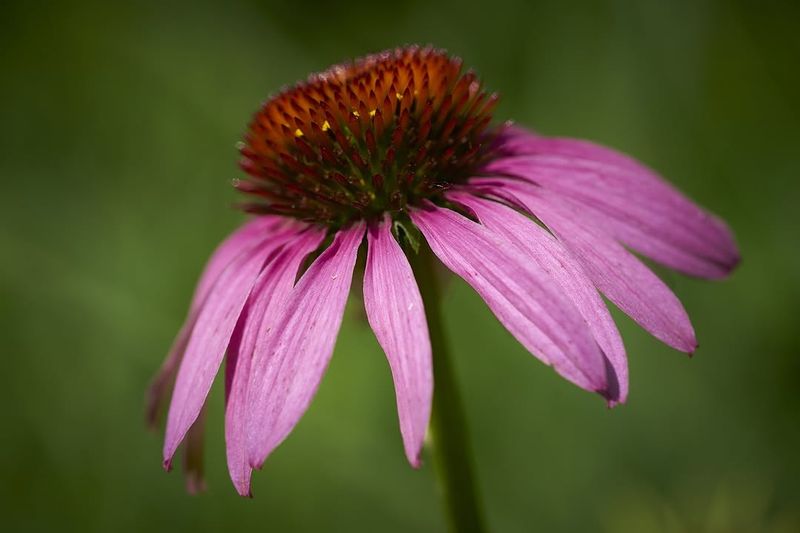
Known botanically as Echinacea purpurea, this Ohio native is built for full sun and does not flinch when temperatures push into the upper nineties.
The upright, daisy-like blooms in shades of pink-purple with a spiky orange-brown center stand tall above the foliage, giving your container real visual presence from midsummer straight through early fall.
For containers, choose a pot that holds at least three to five gallons.
Coneflower has a taproot that needs room to stretch, and cramping it leads to stress. Use a well-draining native or prairie-style potting mix rather than a heavy moisture-retaining blend.
Good drainage is non-negotiable, especially during Ohio’s humid August stretches when soggy roots can become a problem fast.
Pollinators absolutely love this plant.
Bumblebees, honeybees, and several native bee species visit the blooms regularly. Goldfinches will also work the seed heads once blooms fade, so resist the urge to trim every spent flower.
Leave a few standing and watch the birds arrive.
Water deeply when the top inch of soil feels dry.
Purple Coneflower can handle short dry spells once established, but containers dry out faster than garden beds, so check your pot every couple of days during peak heat.
A layer of mulch on top of the soil helps slow moisture loss. This plant is a true container champion.
2. Black-Eyed Susan Keeps Color Coming
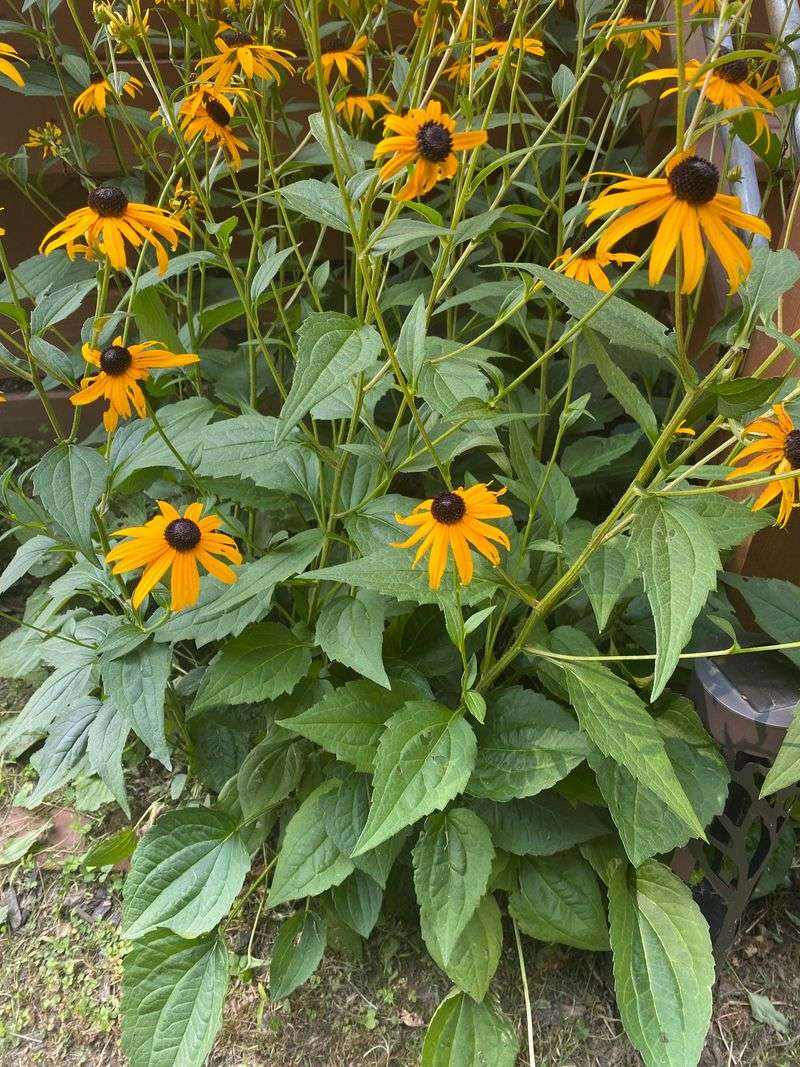
Bright yellow petals surrounding a bold dark brown center make Black-eyed Susan one of the most cheerful sights on any Ohio patio in August.
Rudbeckia hirta is a native wildflower that refuses to slow down when summer heat peaks.
While other container plants look tired and crispy, Black-eyed Susan keeps pushing out fresh blooms like it has somewhere important to be.
Sun is non-negotiable for this plant.
Give it at least six hours of direct sunlight daily, and it will reward you with continuous color from midsummer through early fall.
Choose a container with solid drainage holes, because standing water around the roots will cause more trouble than any heat wave.
Your Ohio Garden Changes Every Week. Your Plan Should Too.
Gardening in Ohio changes quickly throughout the season. Every Friday you’ll receive a simple weekly plan showing exactly what to plant, prune, fertilize, harvest, and protect so you never miss the right timing.
Trimming spent blooms encourages the plant to produce more flowers rather than putting energy into seed production.
Snip faded heads just above a leaf node every week or so during peak bloom time. You will notice a fresh flush of flowers within days.
Container size matters here.
A five-gallon pot gives the roots enough space to support vigorous blooming. Water when the top inch of soil is dry, and avoid wetting the foliage to reduce the chance of powdery mildew.
Black-eyed Susan is one of those plants that makes your patio look intentional and well-tended all season long.
3. Butterfly Weed Likes Dry Feet
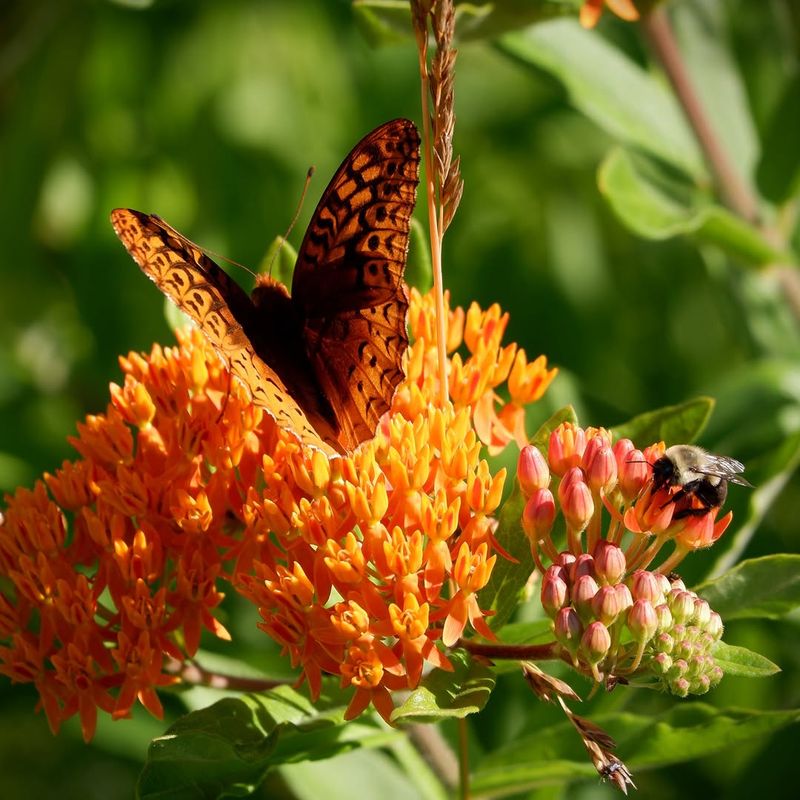
Soggy pots are the enemy of Butterfly Weed, and that is actually great news for Ohio container gardeners who sometimes forget to water.
Asclepias tuberosa is the native milkweed species with brilliant orange flower clusters that practically glow in the August sun.
It evolved on dry prairies and roadsides, meaning it genuinely prefers lean, dry conditions over rich, moist soil. Give it a well-draining container mix and a sunny spot, and it will thrive where other plants sulk.
Monarch butterflies depend on milkweed species for breeding, and Butterfly Weed is one of their favorites.
Planting it in a container on your patio means you could watch monarchs lay eggs right at eye level, which is one of the more magical things a porch pot can offer.
Bees and fritillary butterflies also visit the blooms regularly throughout the summer.
Use a container with excellent drainage, at least five gallons in size, and fill it with a sandy or gritty potting mix.
Avoid any mix labeled as moisture-retaining. Butterfly Weed has a deep taproot, so deeper pots work better than wide, shallow ones.
Do not overwater. Check the soil two inches down before adding any water.
One quirk worth knowing is that Butterfly Weed leafs out later in spring than most plants.
Do not assume the pot is empty and replant it. Be patient, because once it appears, it grows quickly and blooms beautifully through the hottest weeks of Ohio’s summer calendar.
4. Little Bluestem Brings Tough Texture
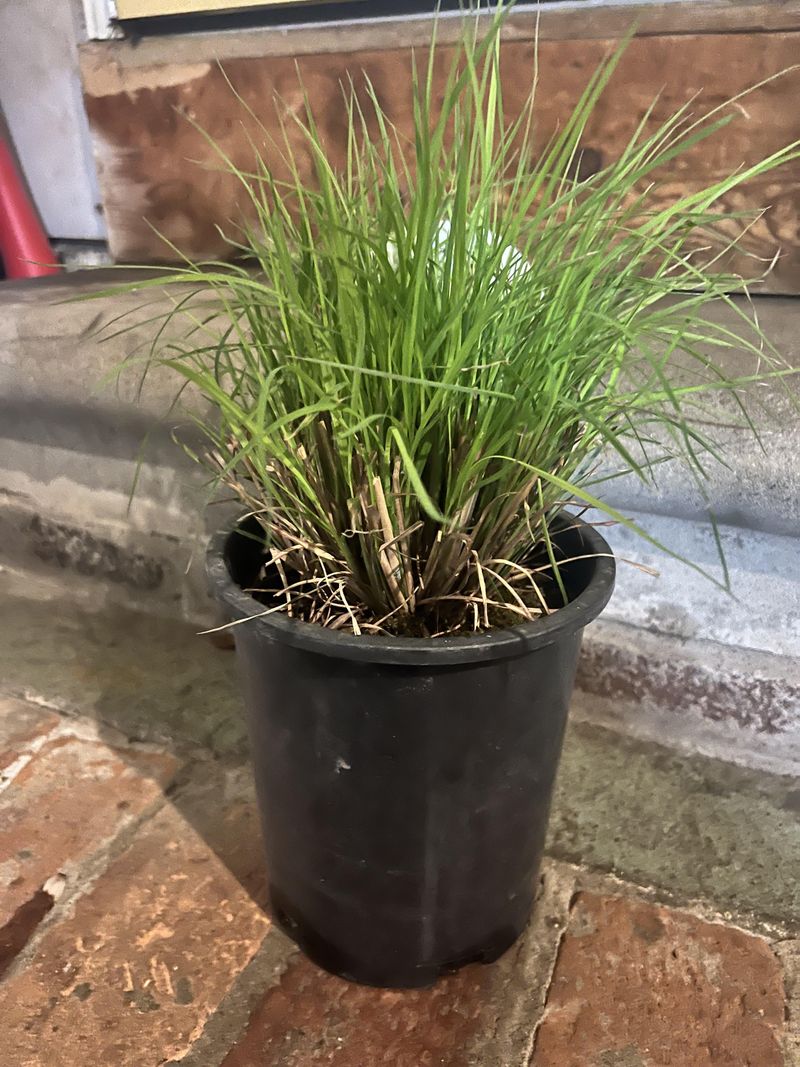
A container that still looks fresh at sunset after a brutal August day probably has Little Bluestem in it.
Schizachyrium scoparium is a native prairie grass that brings vertical movement, fine texture, and genuine drought toughness to any patio planting.
The stems start out blue-green in summer, then shift to rich copper and burgundy as the season cools into fall. That seasonal color change makes it a standout long after most flowers have faded.
Little Bluestem thrives in full sun and poor to average soil.
In containers, this works in your favor. Skip the rich, fertilizer-heavy potting mixes and use a leaner, well-draining blend. Too much nitrogen pushes floppy, weak growth.
A gritty mix with good drainage keeps the stems upright and the plant healthy through Ohio’s hottest and driest weeks.
Pot size matters for this grass.
Choose a container at least twelve inches deep to accommodate the root system. Little Bluestem does not like to be crowded, and a pot that is too small leads to poor performance.
Water deeply but infrequently, allowing the soil to dry between waterings.
Pair Little Bluestem with low-growing natives like Prairie Dropseed or Coreopsis for a layered container look that feels designed and intentional.
The feathery seed heads that develop in late summer add a soft, airy quality to your patio arrangement. Birds will also visit the seed heads as temperatures drop in September and October.
5. Prairie Dropseed Stays Tidy
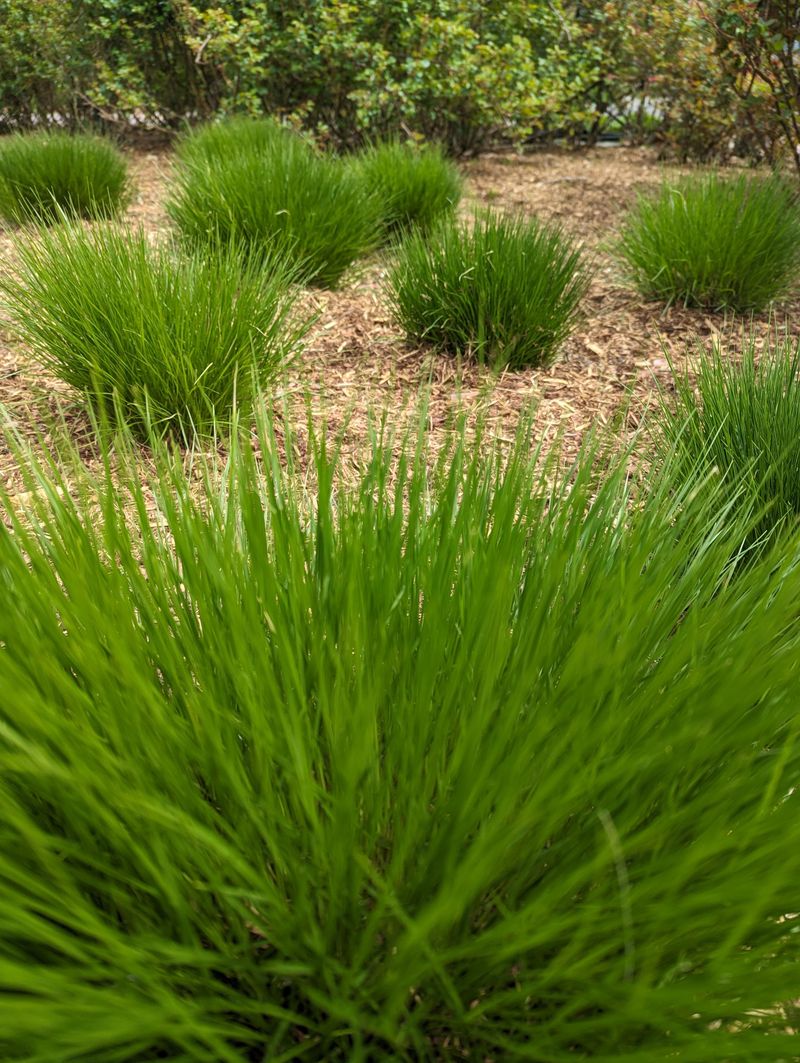
Not every container plant needs to be loud.
Prairie Dropseed, known scientifically as Sporobolus heterolepis, earns its place on Ohio patios through quiet elegance and rock-solid reliability.
The fine-textured, arching blades form a tidy mound that looks polished without any fussing.
In late summer, delicate flower panicles rise above the foliage and release a subtle fragrance that some people describe as buttery popcorn, which is either charming or unexpected depending on who you ask.
This native grass is one of the most heat-tolerant options for container gardening in Ohio.
It handles full sun without complaint and performs well in average to poor soil. Use a well-draining potting mix and avoid overwatering.
Prairie Dropseed is naturally adapted to dry prairies, so it appreciates a container that dries out between waterings rather than one that stays consistently moist.
The compact size of Prairie Dropseed makes it especially patio-friendly.
Plants typically reach twelve to twenty-four inches in height and width, fitting comfortably in a three-to-five-gallon container.
Fall color is another reason to love this grass.
The blades shift to warm golden and bronze tones as the season changes, extending the visual interest of your container well past Labor Day.
Prairie Dropseed is slow to establish but long-lived and genuinely low-maintenance once it settles in, making it a smart investment for any Ohio patio setup.
6. Coreopsis Keeps Pots Bright
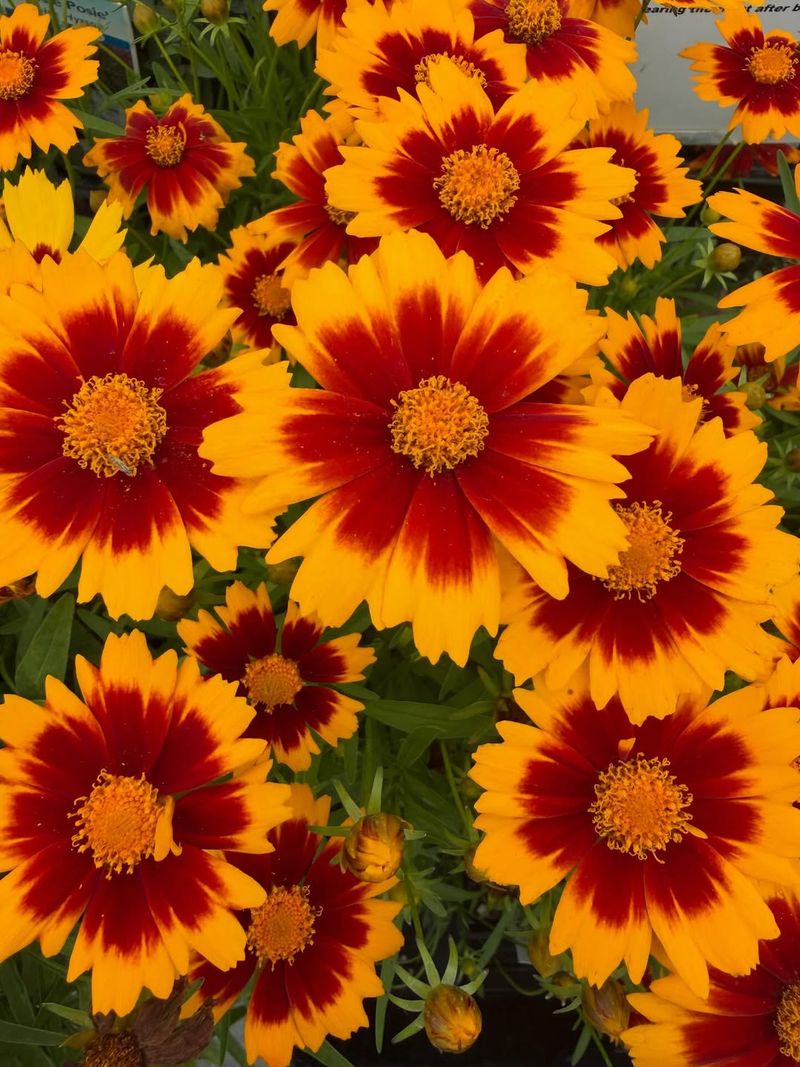
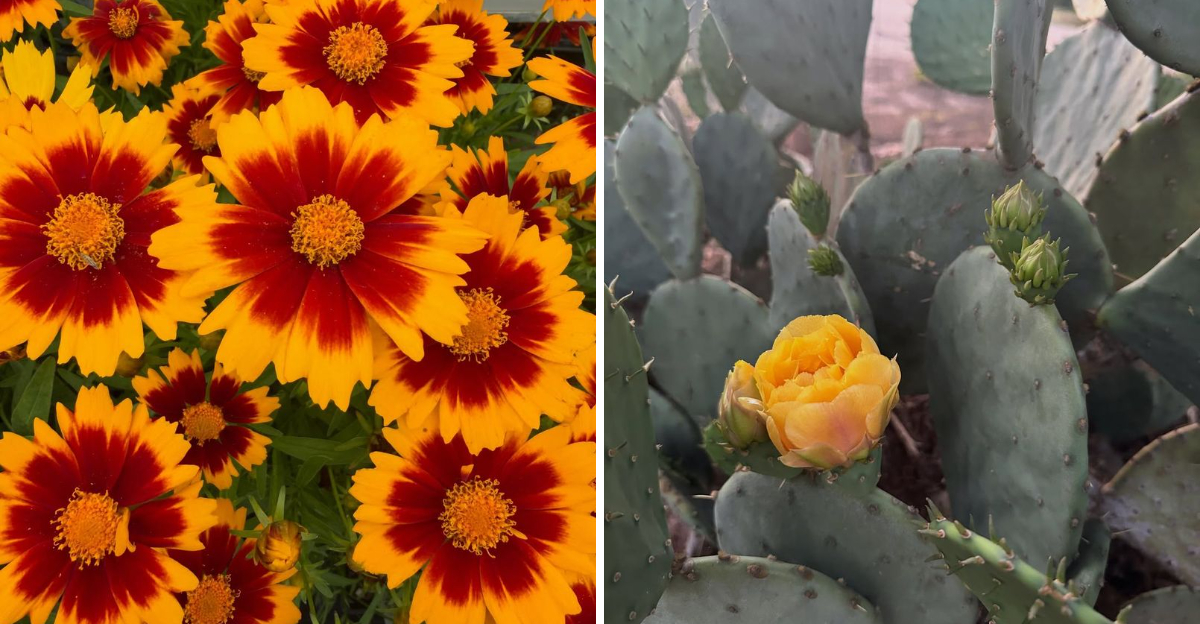
Few native plants bring as much cheerful color to a container as Coreopsis, and it does it without demanding much in return.
Ohio has several native Coreopsis species, including Coreopsis lanceolata and Coreopsis tripteris, both of which handle full sun and summer heat with impressive ease.
The bright yellow, daisy-like flowers bloom prolifically from early summer and keep going strong well into August and beyond, giving your patio a consistently sunny look.
Trimming is the single most effective way to keep Coreopsis blooming at full throttle.
Removing spent flowers every week or so redirects the plant’s energy toward producing new buds. It only takes a few minutes and makes a noticeable difference in bloom quantity.
Container choice matters.
Use a pot at least twelve inches in diameter with solid drainage holes. Coreopsis does not tolerate wet feet, so a gritty, fast-draining potting mix is strongly recommended.
Water when the top inch of soil is dry, and let the container drain completely after each watering.
Bees, butterflies, and small native pollinators visit Coreopsis blooms regularly throughout the season.
The plant pairs beautifully with Black-eyed Susan or Little Bluestem in a mixed container arrangement.
Coreopsis stays relatively compact in containers, usually reaching twelve to eighteen inches, making it one of the most manageable and rewarding natives you can pot up for an Ohio August patio.
7. Wild Bergamot Adds Pollinator Pull
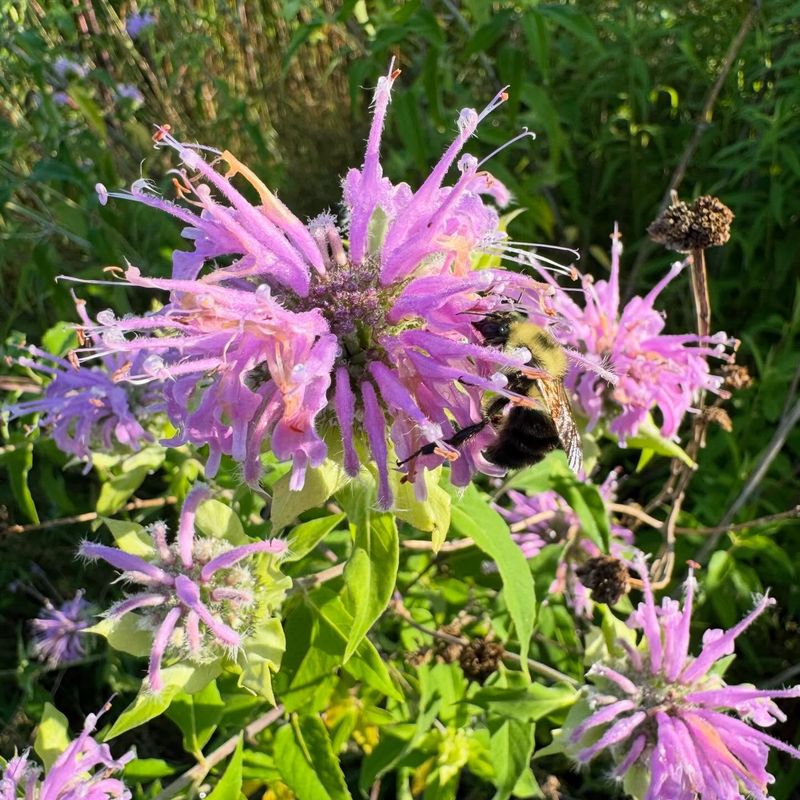
A buzzing, fluttering container is a sign that Wild Bergamot is doing its job.
Monarda fistulosa is a native Ohio wildflower with shaggy lavender-pink flower heads that attract bumblebees, native bees, hummingbirds, and butterflies in impressive numbers.
The aromatic foliage adds another dimension, releasing a pleasant oregano-like scent when brushed or when a breeze moves through. On a hot August evening, that fragrance can make your patio feel like something special.
Airflow is important with Wild Bergamot.
It is susceptible to powdery mildew, especially when air circulation is poor and humidity is high, which describes Ohio in August fairly well.
Choose a larger container, at least seven to ten gallons, to give the plant room to spread. Avoid crowding it with other plants in the same pot.
Full sun to light shade works well for this plant.
Water at the base rather than overhead to keep the foliage dry and reduce mildew pressure. A well-draining potting mix is essential.
Wild Bergamot tolerates dry periods better than many people expect, but consistent deep watering during the hottest weeks keeps it looking its best.
Plants typically reach two to four feet in containers, so place Wild Bergamot toward the back or center of a grouping.
Cutting spent flower heads back by about one-third encourages a second flush of blooms later in the season.
The combination of pollinator traffic and fragrant foliage makes this one of the most rewarding natives you can grow in a pot.
8. Eastern Prickly Pear Takes The Heat
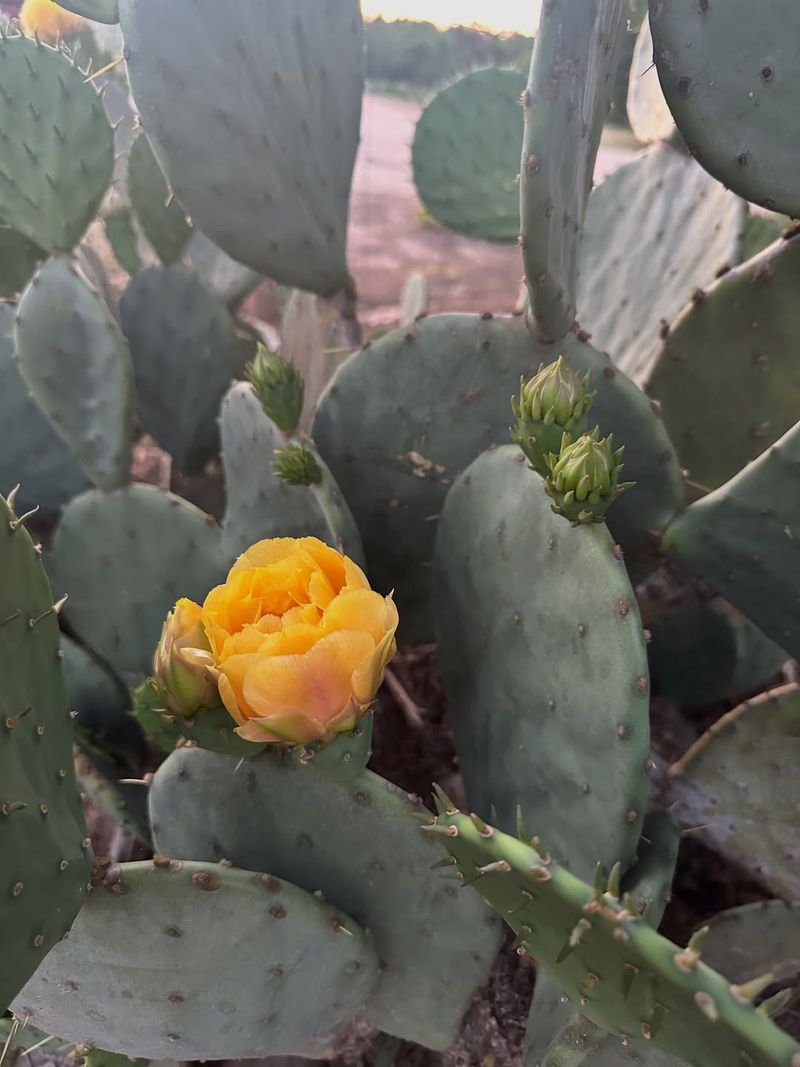
Yes, Ohio has a native cactus, and yes, it absolutely belongs in a container on your sunniest, driest patio spot.
Eastern Prickly Pear, Opuntia humifusa, grows naturally in sandy and rocky habitats across Ohio and handles heat that would finish off almost any other plant.
The flat, paddle-shaped pads are covered in spines and tufted bristles called glochids, so handle this one carefully with thick gloves.
The reward for that caution is a plant that practically laughs at August.
Drainage is the most critical factor for container success with Prickly Pear.
Use a cactus-specific potting mix or blend regular potting soil with coarse sand and perlite at roughly equal parts. The pot must have large drainage holes and should never be allowed to sit in standing water.
A terra cotta container works especially well because it allows moisture to evaporate through the walls, keeping the root zone dry.
Bright yellow flowers appear in late spring to early summer, and the plant may produce small reddish fruits later in the season.
Even without blooms, the sculptural form of the pads adds bold, unexpected texture to a patio planting. Full sun is required. This plant does not compromise on light.
Water sparingly once established.
In containers, once every two to three weeks during summer is often sufficient depending on your specific conditions.
Eastern Prickly Pear is genuinely one of the toughest container plants available to Ohio gardeners, and it earns every bit of its tough reputation.