Bring Hummingbirds Back To Ohio Yards With These Native Plants
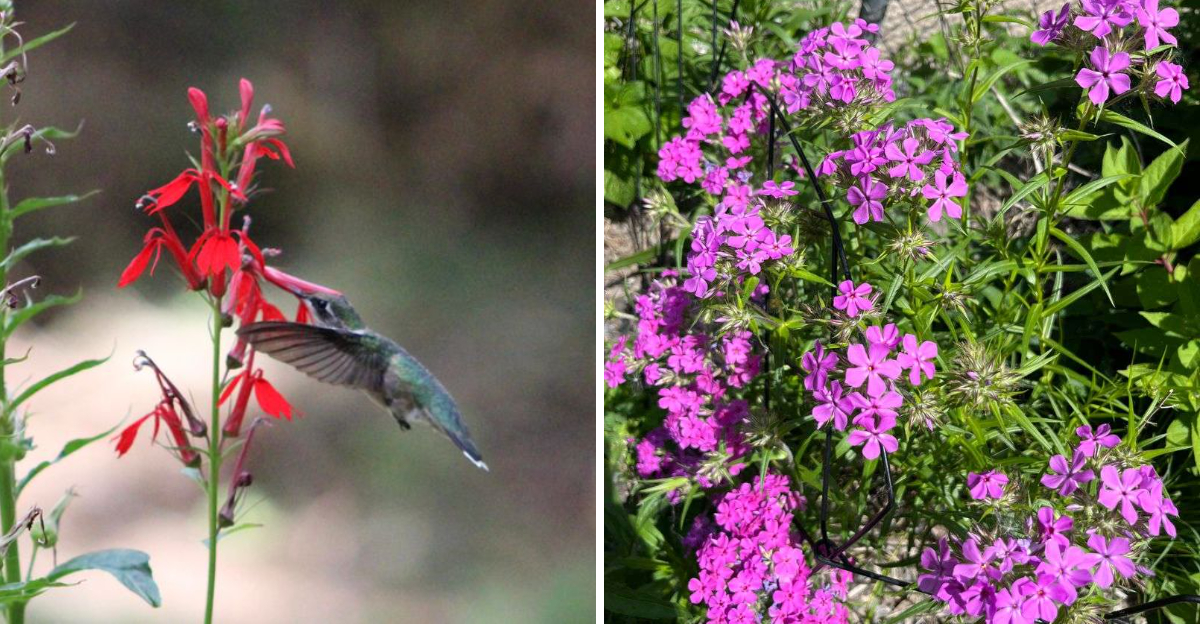
Ohio hummingbirds do not want your feeder drama in late July.
They want fuel.
Ruby-throated hummingbirds are tiny, fast, and getting very serious about calories as summer moves toward migration. Sugar water can help, but real flowers turn a yard into a place worth visiting again and again.
That is where native plants do the heavy lifting.
Tubular blooms, steady nectar, and smart timing can keep hummingbirds moving through your garden instead of making one quick feeder stop and vanishing into the neighbor’s trees.
The best Ohio yards offer a season-long trail of color, from early summer flowers to late-season bloomers that matter when birds are packing energy for the trip south.
So which native plants bring hummingbirds back instead of making you wait by the window like a hopeful porch detective?
Start with red, orange, and tubular flowers that bloom when the birds need them most. The feeder may get attention, but the plants make the yard unforgettable.
1. Wild Bergamot Keeps Nectar Open
Not every hummingbird plant announces itself with red.
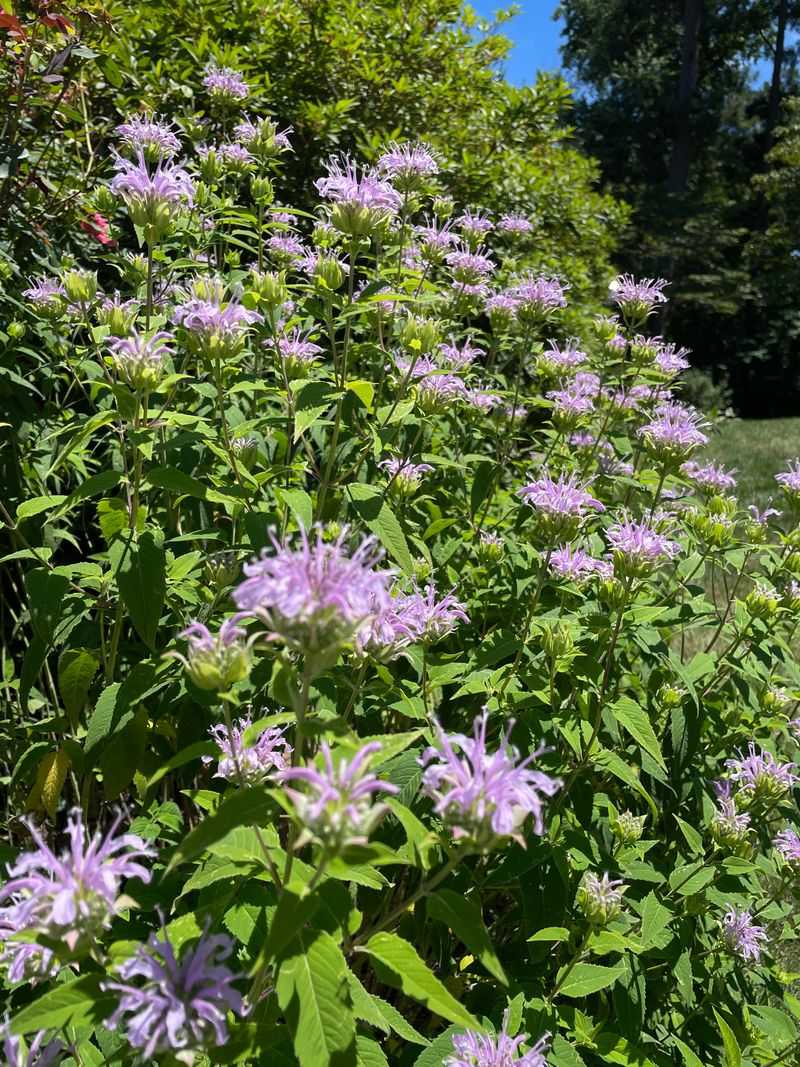
Wild bergamot, known scientifically as Monarda fistulosa, opens clusters of lavender-pink tubular florets that hummingbirds visit with surprising enthusiasm.
The blooms are arranged in a rounded head, and each tiny tube holds nectar that birds can access with ease. Midsummer is when this plant really shines, often staying in bloom from July well into August.
Sunny spots suit wild bergamot best.
It handles Ohio summers with confidence, tolerating dry periods once established and spreading gradually through underground rhizomes to form a fuller clump each year.
Gardeners who want a plant that pulls double duty will appreciate wild bergamot.
Bumblebees, native bees, and butterflies all stop in regularly, making the plant a genuine pollinator hub rather than a single-species attraction.
The fragrant foliage, which smells faintly of oregano, also discourages browsing deer, a real bonus in many Ohio neighborhoods.
Plant wild bergamot in average, well-drained soil and give it room to breathe.
Good air circulation reduces powdery mildew, which can appear in humid Ohio summers. Cutting plants back by half in early June delays bloom slightly and keeps plants compact.
Pair it with cardinal flower or native phlox for a nectar buffet that stays stocked from July through September.
2. Jewelweed Works In Damp Corners
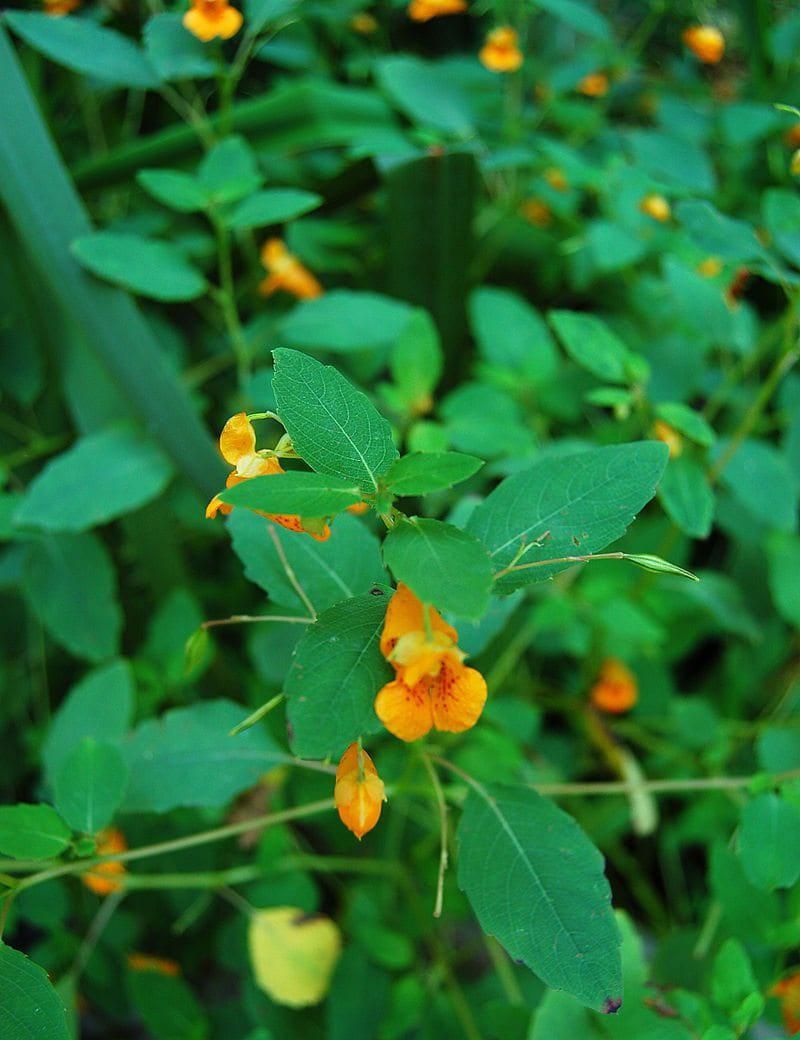
Tucked into a shady, wet corner of a yard, jewelweed does something remarkable: it turns a soggy problem spot into a hummingbird magnet.
Impatiens capensis produces small, dangling orange flowers with reddish spots that hummingbirds visit repeatedly throughout the day.
The blooms hang like tiny lanterns from arching stems, and their curved shape fits a hovering bird perfectly.
Jewelweed is an annual, which means it completes its life cycle in a single season and then drops seeds that sprout the following spring.
Once established in a suitable spot, it returns reliably year after year without any help from the gardener. It grows best in moist to wet, part-shade conditions, the kind of spots where most ornamental plants struggle.
Ohio homeowners with rain gardens, shaded creek edges, or north-facing borders that stay consistently damp will find jewelweed fills those areas naturally.
Your Ohio Garden Changes Every Week. Your Plan Should Too.
Gardening in Ohio changes quickly throughout the season. Every Friday you’ll receive a simple weekly plan showing exactly what to plant, prune, fertilize, harvest, and protect so you never miss the right timing.
It can grow three to five feet tall in good conditions, creating a soft, airy mass of foliage and flowers from midsummer through frost.
Hummingbirds tend to visit in the early morning and late afternoon when nectar concentration is highest.
Beyond hummingbirds, the plant also attracts sphinx moths and several bee species, keeping activity buzzing in shaded corners that might otherwise go unnoticed.
Touch a ripe seed pod and it explodes, flinging seeds several feet in all directions. That is actually how it earns another common name, touch-me-not.
3. Trumpet Honeysuckle Climbs For Visits
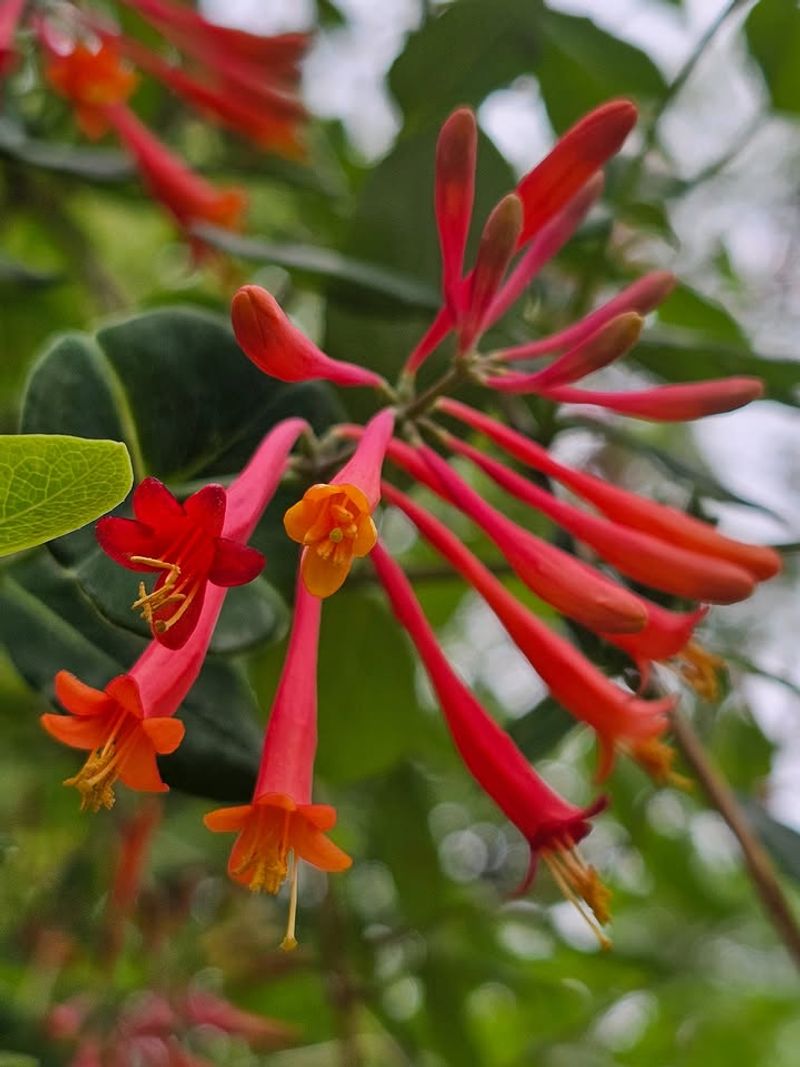
A vine on a fence can do more than provide privacy.
Trumpet honeysuckle, the native Lonicera sempervirens, covers trellises, arbors, and split-rail fences with clusters of long red-orange tubular flowers that hummingbirds find nearly irresistible.
Unlike the invasive Japanese honeysuckle that creeps through Ohio woodlands, this native species stays manageable and supports wildlife without taking over.
The blooms appear in spring and often repeat through summer and into early fall, giving hummingbirds multiple opportunities to visit the same vine over the course of the season.
Each flower tube is perfectly sized for a ruby-throated hummingbird’s bill, and the nectar reward is substantial enough to keep birds coming back.
Planting this vine on a south or west-facing fence maximizes sun exposure and encourages the heaviest bloom.
Trumpet honeysuckle grows vigorously once established, reaching ten to twenty feet in length over several seasons.
It tolerates a range of Ohio soil conditions as long as drainage is reasonable.
Pruning right after the main spring flush encourages a second round of blooms and keeps the vine tidy on smaller structures.
Beyond nectar, the red berries that follow the flowers feed songbirds in late summer and fall.
That makes trumpet honeysuckle a two-season wildlife plant rather than a one-trick wonder.
It is worth seeking out the straight species rather than cultivars, which may offer less wildlife value than the original wild form.
4. Cardinal Flower Brings The Red Signal
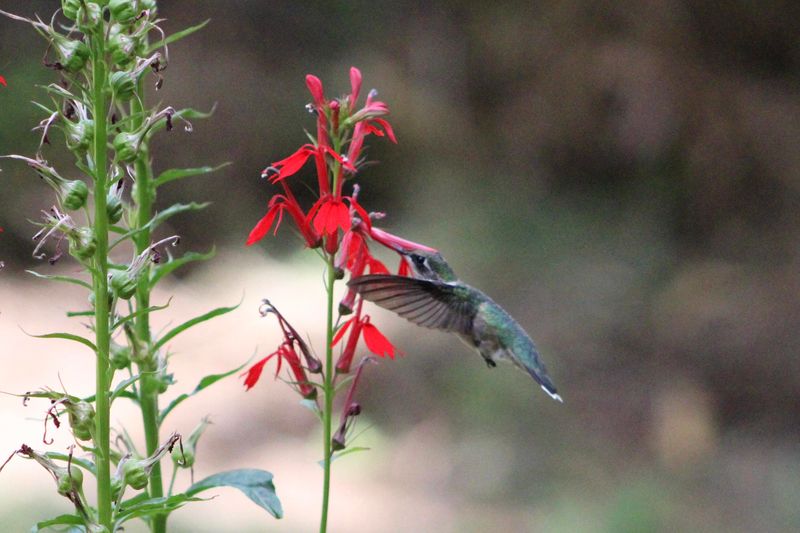
A flash of red near a rain garden or wet border is almost always cardinal flower doing exactly what it was born to do.
Lobelia cardinalis produces tall, brilliant red spikes that are practically a neon sign for ruby-throated hummingbirds.
The tubular blooms fit a hummingbird bill so perfectly that scientists often describe them as co-evolved, meaning the plant and the bird shaped each other over thousands of years.
Cardinal flower thrives in moist to wet soil, making it a smart pick for Ohio yards with low spots, rain gardens, or spots near downspouts.
It blooms from midsummer into early fall, giving migrating birds a reliable fuel stop right when they need it most.
Plant it in full sun to part shade and keep the roots consistently moist, especially during dry August stretches.
This plant grows two to four feet tall, so it stands out in a mixed border without being overwhelming.
It self-seeds reliably, which means a small planting can spread into a generous patch over a few seasons.
Avoid using pesticides near it because hummingbirds feed directly from the flowers and any chemical residue can harm them.
Get it in the ground early and it will reward you with blooms well before the first hummingbird heads south.
5. Cup Plant Holds Late Summer Nectar
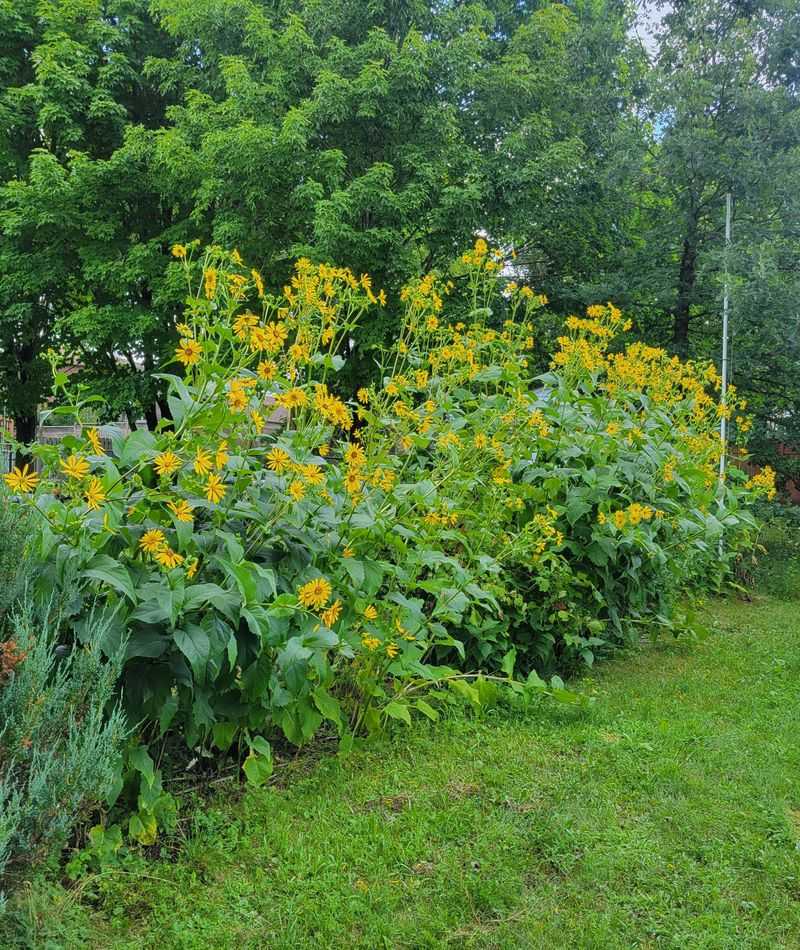
Tall, bold, and a little wild-looking, cup plant earns its place in an Ohio yard through sheer late-season generosity.
Silphium perfoliatum can reach six to eight feet by August, producing cheerful yellow blooms that keep opening well into September.
That late bloom window matters enormously because it coincides with the southward migration push of ruby-throated hummingbirds fueling up before crossing the Gulf of Mexico.
The plant’s most distinctive feature is its leaves, which fuse around the stem to form small cups that collect rainwater.
Birds, including hummingbirds, have been observed drinking from these tiny reservoirs. It is a built-in water feature that requires zero maintenance and costs nothing extra.
Cup plant does best in full sun and average to moist soil.
It spreads by both seed and rhizome, so give it space or plan to manage the edges of the clump annually.
Cup plant takes a couple of seasons to hit full height and bloom potential.
A young plant may look modest in its first year, but by year two or three it becomes a genuine focal point.
Goldfinches visit the seed heads after bloom, extending the wildlife value of this plant deep into autumn.
For Ohio gardeners who want a low-effort, high-impact native, cup plant delivers season after season.
6. Great Blue Lobelia Adds Cooler Color
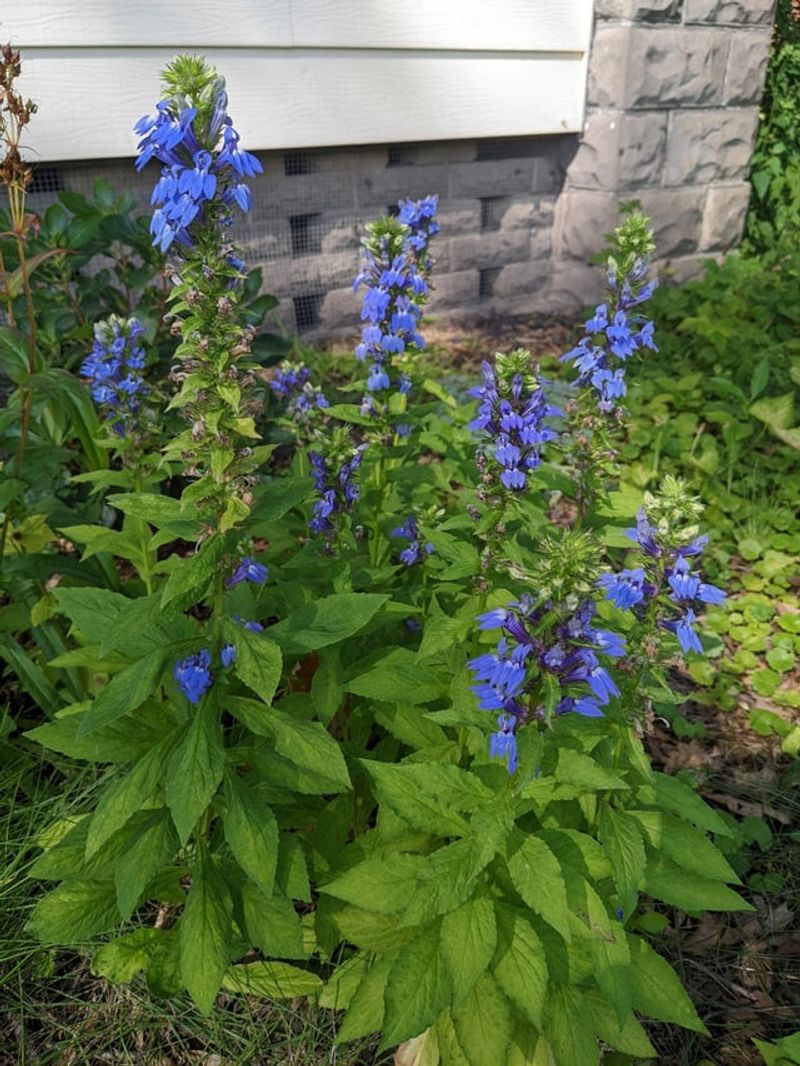
A bird hovering without landing near a blue spike is probably checking out great blue lobelia before committing to a sip.
Lobelia siphilitica produces tall racemes of blue to blue-violet tubular flowers that hummingbirds visit, though they tend to prefer red blooms when given a choice.
Pairing great blue lobelia directly with cardinal flower gives birds options and keeps them exploring the garden longer.
This plant loves the same moist conditions as its red cousin, making them natural companions in a wet border or rain garden.
Great blue lobelia blooms from late summer into October, often extending the nectar season past when many other natives have finished.
That late push is genuinely valuable for migrating hummingbirds passing through Ohio in September.
Growing two to three feet tall, great blue lobelia fits comfortably in the middle of a mixed planting.
It self-seeds moderately and may spread into small colonies over time, which fills gaps in a border without aggressive takeover.
The blue color also provides a visual contrast that makes the entire planting more noticeable from a distance, helping hummingbirds spot the garden from the air.
Ohio State University Extension lists great blue lobelia as a reliable native for moist sites, and it appears on several state pollinator planting guides.
Deer tend to leave it alone, which is a welcome bonus in suburban Ohio yards where deer pressure can be relentless.
Start with a few plants and let the garden do the math from there.
7. Native Phlox Keeps The Buffet Going
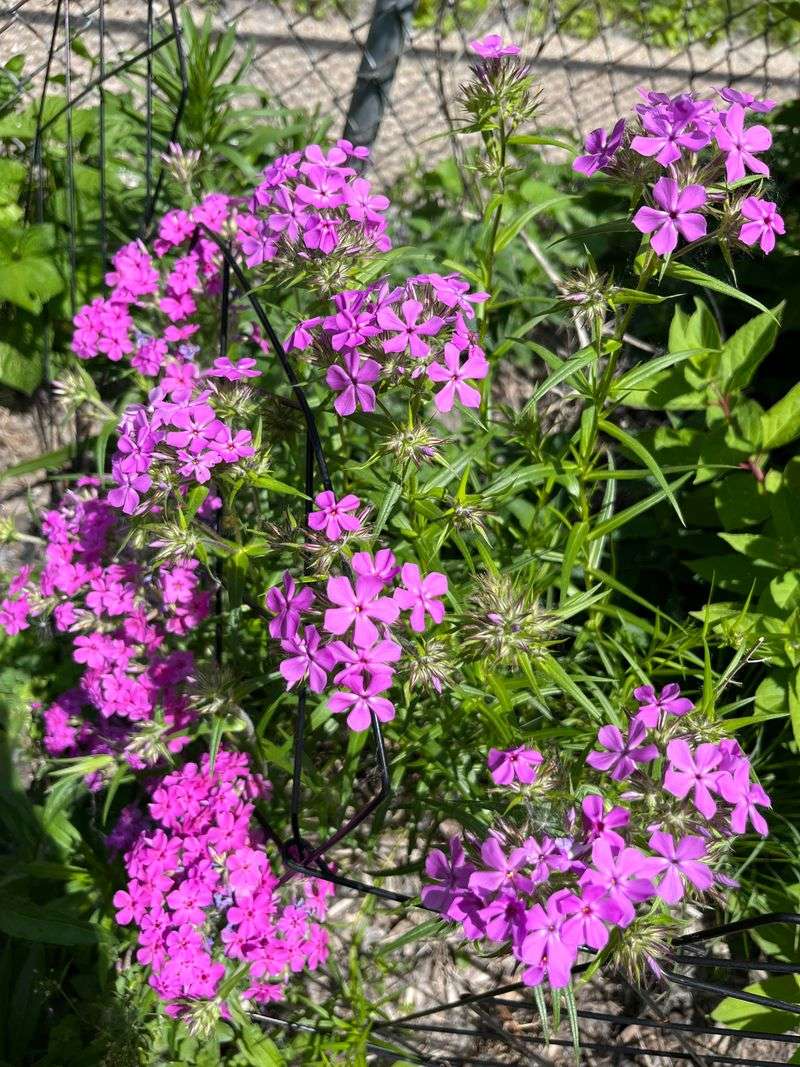
Few plants match the sheer visual impact of native phlox in full bloom.
Garden phlox, Phlox paniculata, is native to Ohio and produces large, fragrant clusters of tubular pink, purple, or white flowers from midsummer through late August.
The sweet scent draws attention from across the yard, and the dense flower heads give hummingbirds multiple nectar sources in a single stop.
Placement matters with native phlox.
It performs best in full sun with good air circulation to reduce powdery mildew, which can be a recurring issue in Ohio’s humid summers.
Spacing plants eighteen to twenty-four inches apart and avoiding overhead watering keeps foliage healthier and blooms lasting longer into the season.
Hummingbirds tend to work phlox clusters methodically, hovering from one flower tube to the next in a pattern that looks almost choreographed.
The plant’s height, typically three to four feet, puts the blooms right at eye level for both the gardener and the bird, making it easy to watch the action from a porch or patio chair.
Native phlox also supports swallowtail butterflies and sphinx moths, turning a single planting into a multi-species attraction.
Look for straight species plants or cultivars bred from Ohio-native stock rather than heavily hybridized varieties, which sometimes produce less nectar.
Dividing clumps every three years keeps plants vigorous and blooming heavily.
Add native phlox near a window and you will have a front-row seat to some of the best late-summer garden activity in Ohio.
8. Trumpet Creeper Pulls Them In From Distance
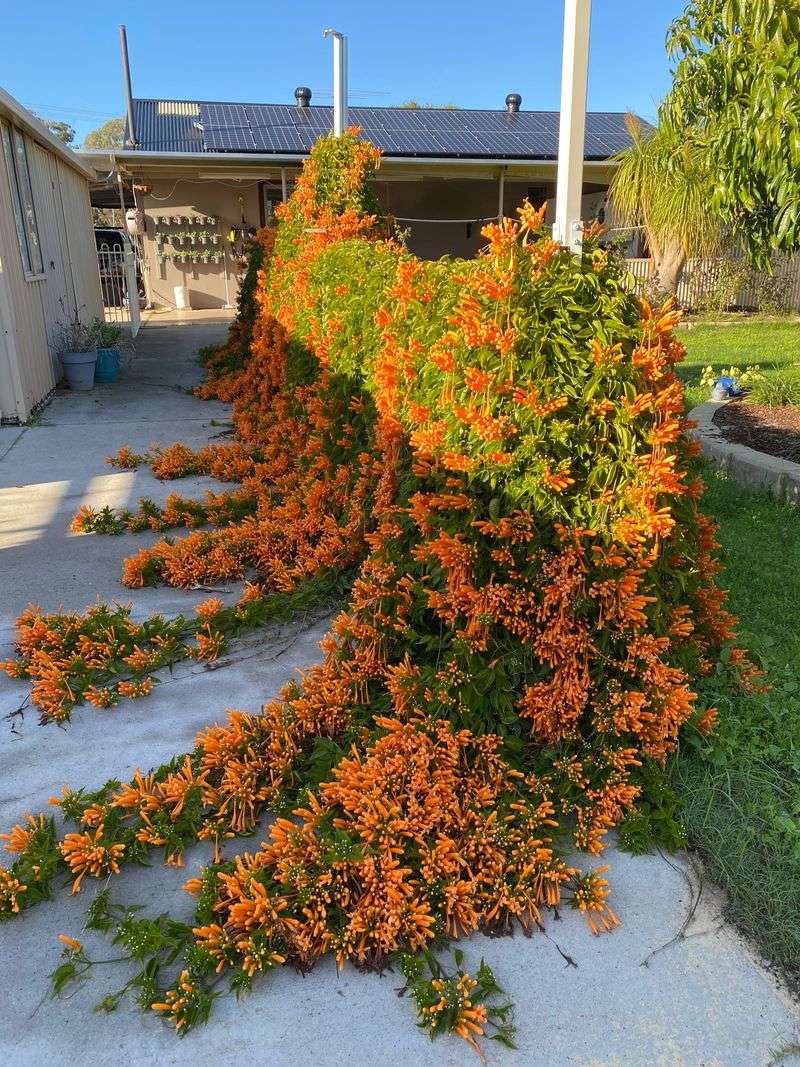
A hummingbird that has learned where a trumpet creeper lives will come back to it every single day it is in bloom.
Campsis radicans is a native Ohio vine that produces large, flaring orange-red tubular flowers so vivid they are visible from across the yard.
The bloom tubes are deep and nectar-rich, perfectly matched to a ruby-throated hummingbird’s bill length, and the plant pumps out new flowers continuously from midsummer through early fall.
This is a vigorous vine that needs a serious structure to climb.
A sturdy fence post, a brick wall, a heavy pergola, or a mature tree trunk all work well. Give it a support rated for something that can reach thirty feet in a good season, because trumpet creeper takes its climbing seriously.
Full sun brings out the heaviest bloom production.
In shadier spots, the vine will grow enthusiastically but flower less, which misses the whole point of planting it for hummingbirds.
A south or west-facing wall that catches afternoon heat is an ideal location in most Ohio yards.
Trumpet creeper spreads by runners and self-seeds, so plan to manage the edges of the planting each season.
Some Ohio gardeners contain it by mowing around the base regularly and pulling any runners that stray into lawn or beds.
The effort is worth it, because a mature trumpet creeper in full bloom with a hummingbird hovering at the flowers is one of the most spectacular things a backyard can offer in August.
Bees and orioles also visit the blooms, adding even more wildlife energy to an already busy planting.
Native plant nurseries across Ohio carry trumpet creeper reliably in spring, and it establishes quickly once planted in a warm, sunny spot.