8 Pennsylvania Plants Ready To Propagate In August
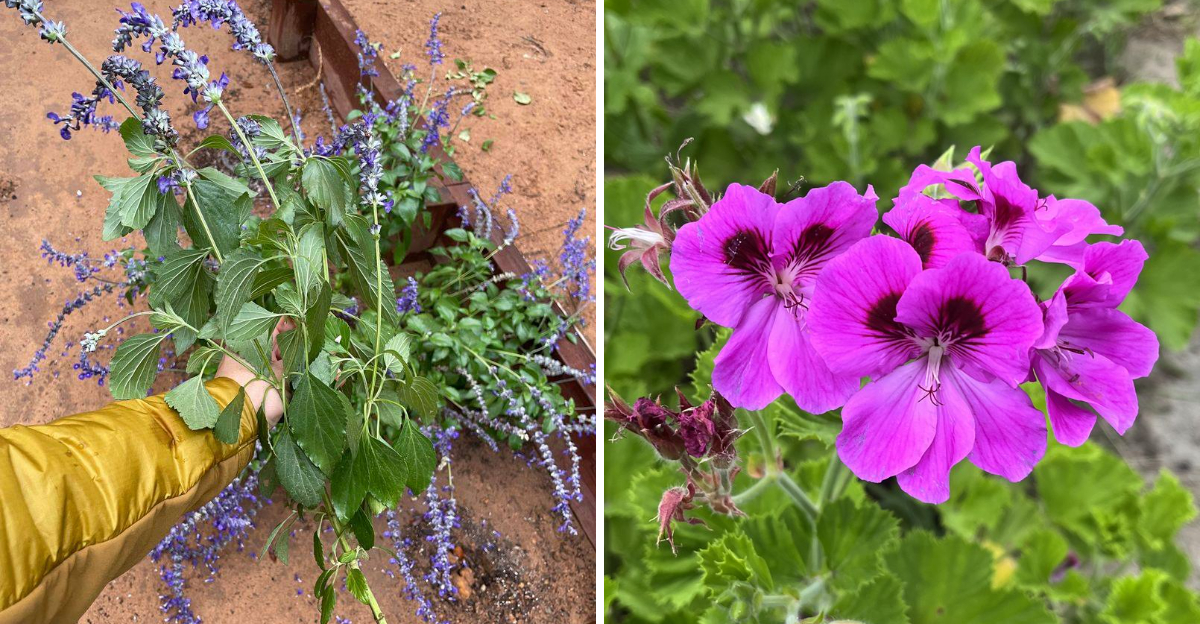
August can fool Pennsylvania gardeners.
Propagation season seems nearly finished. Flowers fade. Daylight shrinks. A few beds already look ready for fall cleanup, and spring can feel like the next logical chance to make more plants.
That would leave plenty of free plants on the table.
Crowded iris rhizomes can be divided now. Daylilies and hostas can be split while roots still have time to settle. Tender favorites such as geraniums and salvia can become small indoor plants before frost arrives.
So what is actually worth propagating this month?
The answer depends on the plant and the weather. Divisions need enough time to form fresh roots before cold soil arrives. Cuttings need protection from harsh afternoon heat as roots develop.
August is not the end of propagation season.
It is the handoff between summer growth and fall establishment.
Use that window well, and one mature plant can quietly become several before Pennsylvania’s garden season closes for the year and winter takes over the beds for another long, cold stretch ahead.
1. Divide Bearded Iris After Bloom
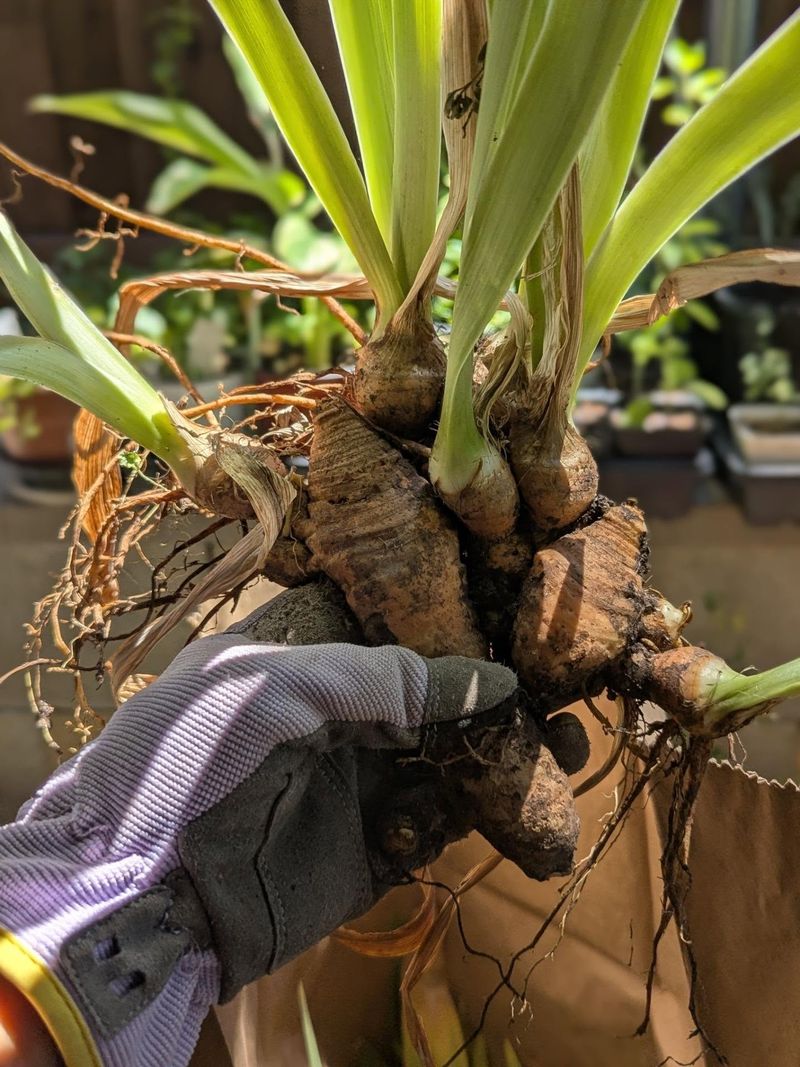
A crowded iris clump is practically advertising free plants by August.
Bearded iris finishes flowering earlier in summer, then spends late summer building energy in its rhizomes.
That makes July and August a practical division window in Pennsylvania, especially when an old clump has stopped blooming heavily or begun pushing outward in a dense ring.
Lift the clump with a garden fork rather than chopping straight through it. Shake away enough loose soil to see the rhizomes clearly, then inspect them before dividing.
Healthy pieces should feel firm. Discard sections that are soft, badly damaged, or showing obvious rot. Cut the remaining rhizomes into pieces with at least one healthy fan of leaves attached.
Trim the foliage back to roughly six inches so the divisions lose less moisture while they settle.
Planting depth matters more than generosity with compost.
Set each rhizome shallowly, with the upper surface at or just above soil level, and choose a sunny site with good drainage. Burying the rhizome deeply can encourage rot and weak flowering.
Water well after planting, then avoid keeping the bed constantly wet.
August divisions still have time to establish roots before Pennsylvania cold arrives.
One crowded clump can become a whole new border.
The iris was not overgrown. It was carrying inventory.
2. Split Daylilies Before Fall Settles In
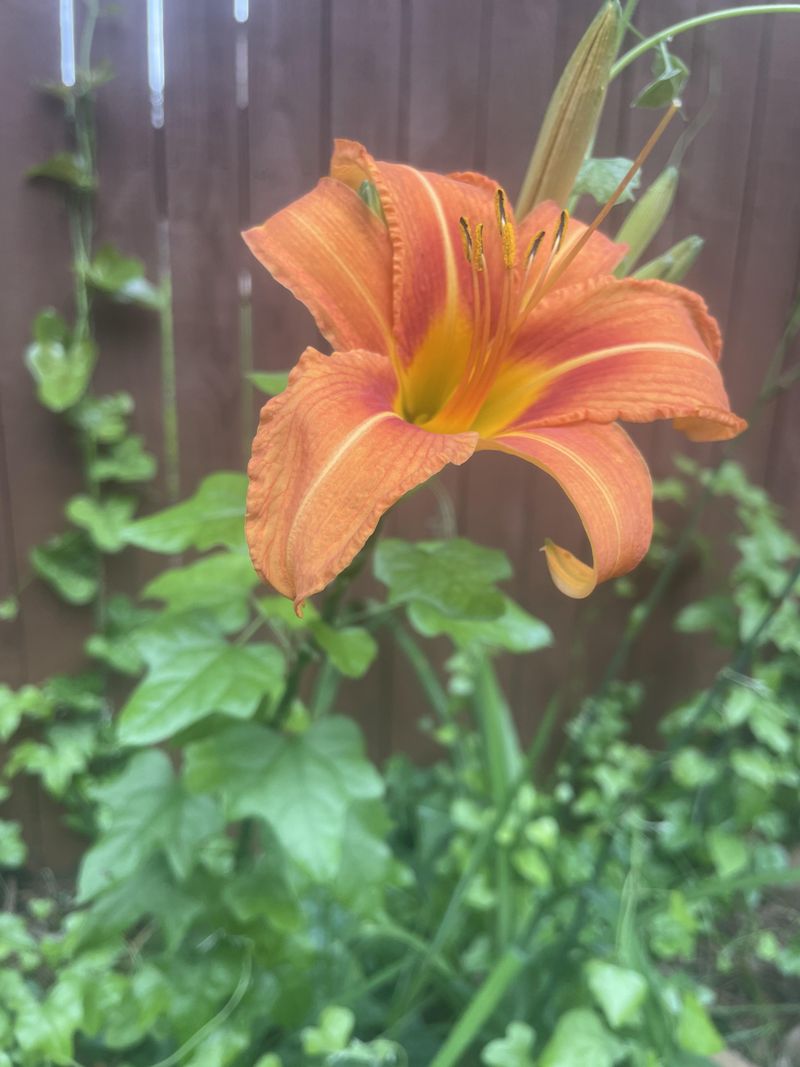
A daylily with a bare center and flowers only around the edges is giving you a useful August clue.
Older clumps can become congested after several seasons, and late summer offers a practical opportunity to divide them while the soil is still warm enough for new roots to establish.
Dig around the clump generously and lift the entire root mass. Daylily roots can form a dense knot, so two garden forks placed back to back can help pry sections apart without turning the whole plant into shreds.
A sharp spade also works on especially stubborn clumps.
Aim for divisions with several healthy fans and a solid root system. Tiny pieces can survive, but larger divisions usually establish faster and have a better chance of flowering sooner.
Your Pennsylvania Garden Changes Every Week. Your Plan Should Too.
Gardening in Pennsylvania changes quickly throughout the season. Every Friday you’ll receive a simple weekly plan showing exactly what to plant, prune, fertilize, harvest, and protect so you never miss the right timing.
Replant at roughly the same depth as the original crown. Space the new sections around eighteen inches apart so they have room to expand without immediately creating the same crowding problem.
Water deeply after planting and keep the soil consistently moist while roots recover during the first couple of weeks.
A light mulch layer can reduce moisture loss as late-summer temperatures swing.
Do not wait until hard frost is around the corner.
August gives Pennsylvania daylilies a useful head start.
A clump that looked tired in July can become three or four fresh starts by dinner.
3. Divide Hostas From Established Clumps
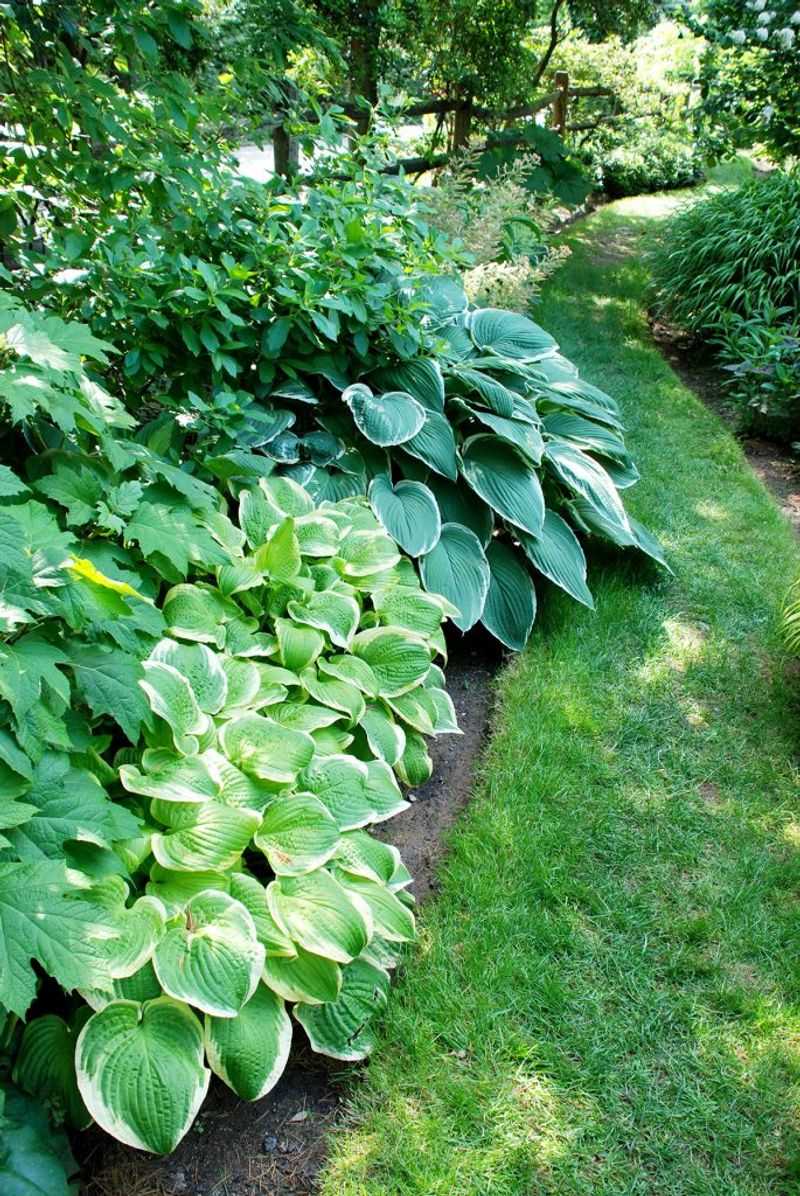
A hosta that has swallowed half the path can finally earn its keep in August.
Established clumps divide readily, but late-summer heat means the job needs a little more care than a cool spring division. Choose a cloudy day or work early in the morning so exposed roots and leaves spend less time fighting heat.
Dig around the outside of the plant and slide a fork beneath the crown.
Once the clump is lifted, use a sharp knife or spade to separate it into sturdy sections. Each division should carry several growing eyes and a healthy portion of fleshy roots.
Avoid turning one plant into twenty tiny pieces just because you can.
Larger divisions recover faster, especially when August weather stays hot and rainfall turns unreliable.
Replant each section at the same depth it grew before. Firm soil around the roots, water thoroughly, and maintain steady moisture while the plant re-establishes.
A couple of inches of mulch can help keep the root zone cooler, but keep the crown from disappearing under a heavy pile.
Shade or partial shade gives fresh divisions the easiest transition.
Hostas split in blazing sun have enough problems without being asked to audition for desert landscaping.
Give them moisture, cool soil, and a few weeks to settle.
That oversized clump suddenly becomes next year’s shaded border for free.
4. Divide Astilbe In Moist Shade
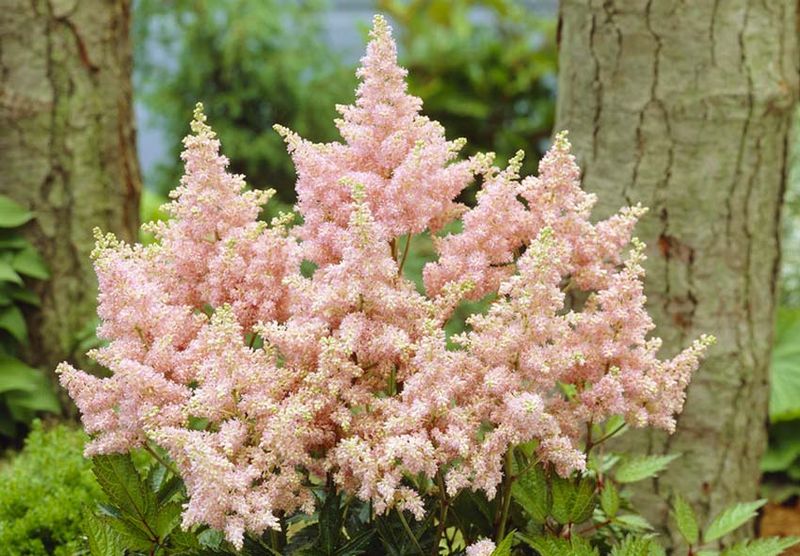
Fading flower plumes can signal that an astilbe clump is ready for a little August renovation.
Older plants often become woody through the center while the outer sections remain vigorous. Dividing those productive edges can refresh the original planting and give you several new plants for another moist, shaded corner.
Lift the clump carefully and keep the roots from drying while you work.
Astilbe crowns can be surprisingly tough, so a sharp spade or sturdy knife may be easier than trying to tease every section apart by hand.
Look for pieces with several healthy growing points and a generous root system. The hard, exhausted center of an old clump does not need to come along for the ride.
Replant divisions promptly in soil that stays moist and contains plenty of organic matter.
This is not a plant that enjoys baking in a dry August bed. Partial to full shade, steady moisture, and a layer of leaf-based mulch make establishment much easier.
Plant the crown at roughly its previous depth and water deeply after the move.
Continue checking moisture through late summer rather than assuming one soaking finished the job.
Pennsylvania August weather can still pull water from newly disturbed roots quickly.
Give the divisions enough time to settle before frost.
Astilbe may look delicate above ground.
The crown underneath is tough enough to turn one aging clump into a whole shady collection.
5. Split Coneflowers Before Cool Weather
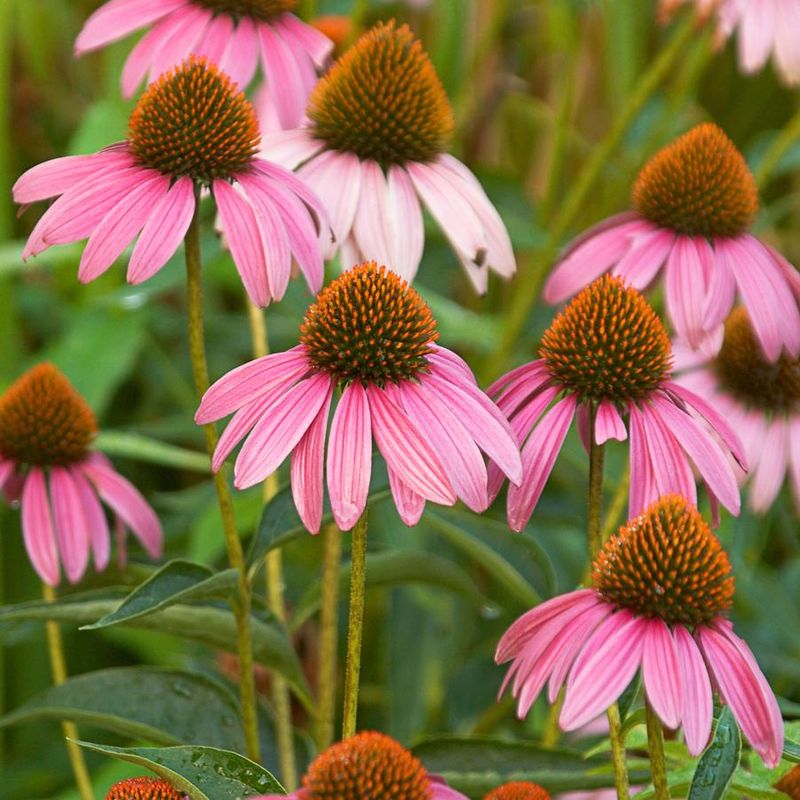
A crowded coneflower patch can look ready to split, but August timing deserves a little restraint.
Echinacea can be divided in late summer or early fall when necessary, provided the new sections have enough time to establish before freezing weather. In Pennsylvania, that means earlier is safer than waiting until autumn is already well underway.
Start with a healthy, mature clump rather than a young plant that is still settling.
Dig widely around the crown because coneflower roots can extend deeper than the flower stems suggest. Lift the mass carefully, shake away only enough soil to see the structure, and divide it with a sharp spade or knife.
Keep the pieces substantial.
Each division should have several healthy growth points and a strong root system. Very small fragments are more vulnerable to drying and may struggle to establish late in the season.
Replant at the original depth in a sunny, well-drained bed, leaving roughly eighteen inches between plants for airflow.
Water deeply after planting and keep the soil evenly moist during the first few weeks without turning it soggy.
A light mulch layer can reduce moisture swings.
Do not divide every coneflower simply because August appears on the calendar. Healthy clumps that still have plenty of space can stay put.
Propagation works best when the plant actually needs it.
Free plants are wonderful.
Free stressed plants are a much less exciting bargain.
6. Take Geranium Cuttings Before Frost
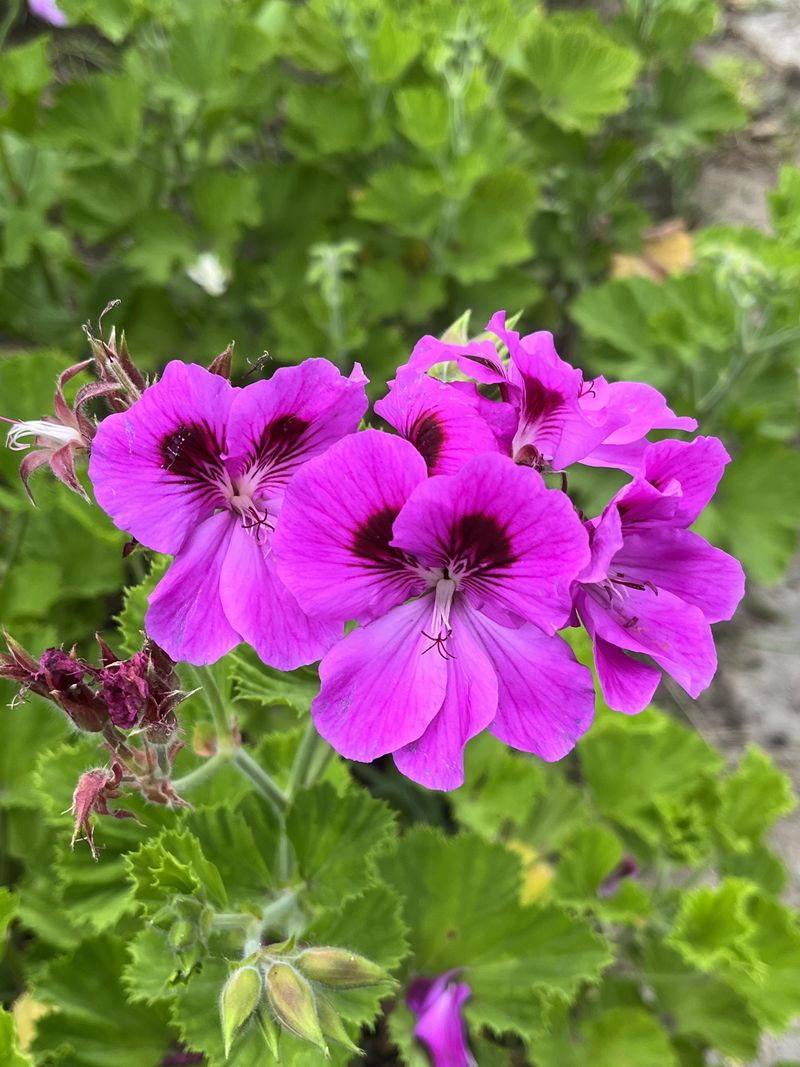
A healthy geranium stem can become a compact winter backup before Pennsylvania frost gets anywhere near the porch.
August is a useful time to take cuttings because warm conditions support rooting while there is still enough time to establish small plants before they move indoors.
Choose a non-flowering tip about three to four inches long.
Make the cut just below a node with a clean blade, remove the lower leaves, and pinch away any flower buds. Those blooms may look cheerful, but a fresh cutting has more important work to do.
Let the cut end dry briefly, then place it in a light propagation mix such as perlite blended with peat or seed-starting medium.
Keep the mix lightly moist rather than soaked.
Bright indirect light is ideal while roots develop. Strong afternoon sun can wilt an unrooted stem quickly, especially behind glass.
Rooting may take several weeks, so watch for fresh growth or gentle resistance when you tug the stem.
Once roots form, move the cutting into a small pot with regular potting mix.
Bring it inside before the first damaging frost in your part of Pennsylvania.
The smaller plant takes up much less space than dragging in a giant summer container.
One August snip can preserve a favorite geranium until spring.
That is propagation with excellent luggage control.
7. Root Salvia Tips From Fresh Growth
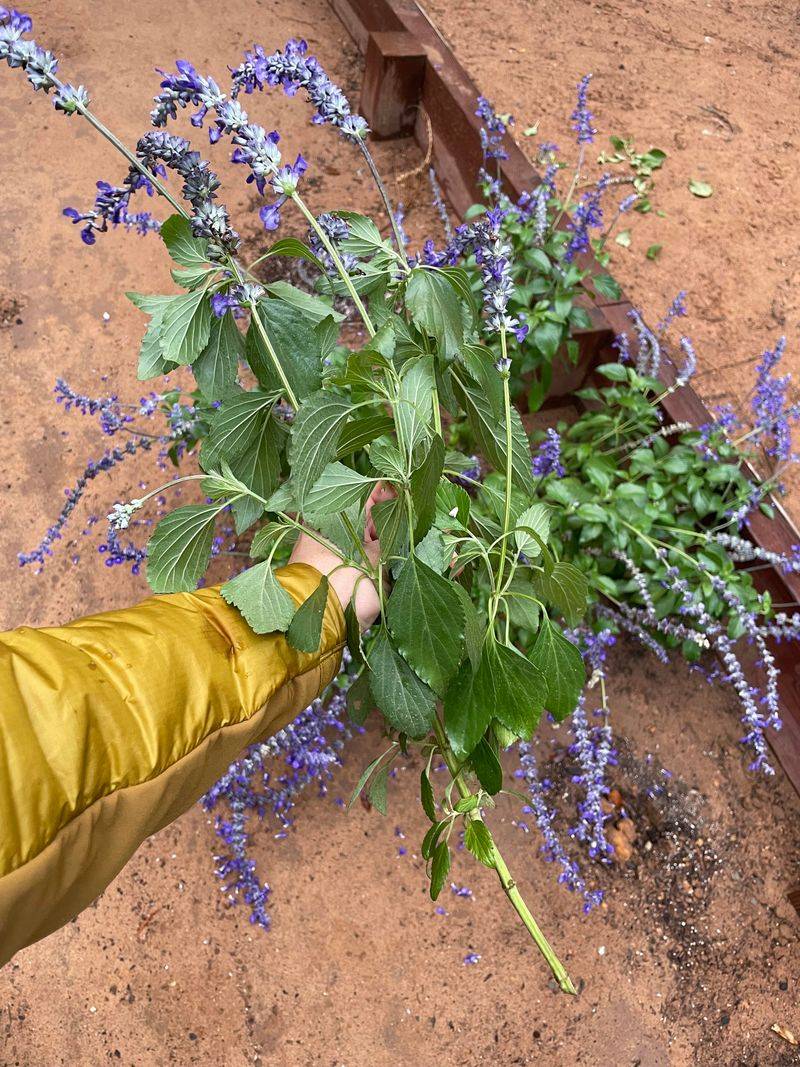
Fresh salvia growth gives you a narrow August window to make backup plants before cold weather arrives.
Choose soft, actively growing shoot tips rather than old woody stems. Pieces around three to four inches long are easy to handle and usually root more readily.
Skip stems already carrying flowers.
Remove any buds, make a clean cut just below a node, and strip the leaves from the lower portion of the stem.
Place the prepared cutting into a light, moist propagation medium. Perlite, vermiculite, or a loose blend of perlite and peat can provide the air and drainage young roots need.
A small amount of rooting hormone can help, but it is not a substitute for good moisture and clean material.
Keep the cuttings in bright indirect light.
A loose humidity cover can reduce water loss, but open it regularly so stale, overly wet conditions do not encourage rot.
The medium should feel barely damp rather than swampy.
Roots commonly take a few weeks to form.
Once new growth appears and the cutting has anchored itself, move it into an individual pot and keep it protected.
Tender salvia types will need an indoor winter plan in Pennsylvania, while hardiness varies by species and cultivar.
That distinction matters.
The propagation tray does not care what the plant tag promised.
August cuttings give you time to find out before frost does.
8. Root Thyme Before The Season Turns
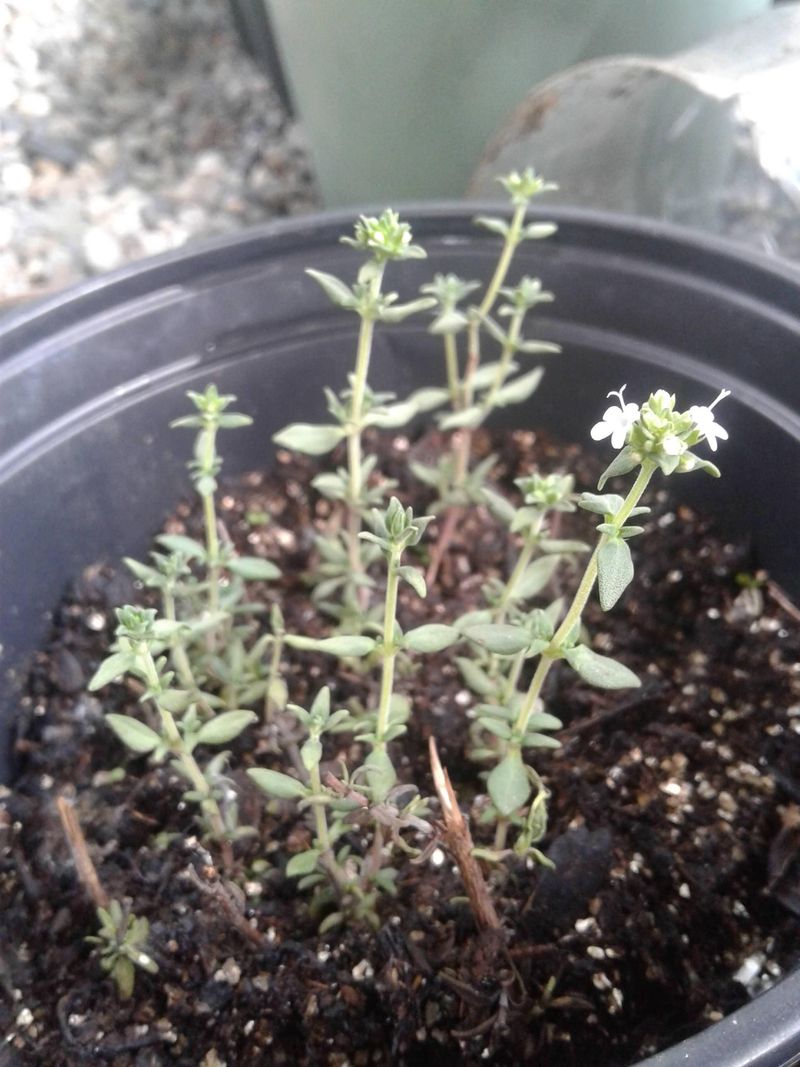
A woody thyme clump with fresh green tips is offering two propagation options at once.
For cuttings, choose current-season growth rather than the old woody center. Snip stems about three to four inches long, remove the lower leaves, and let the cut end dry briefly before planting.
Then give drainage top billing.
Thyme cuttings dislike soggy media, so use a loose mix with plenty of perlite or coarse material. A small terracotta pot can also help excess moisture escape more quickly than a large, constantly damp container.
Set the cuttings in bright light with good air movement, but protect them from the harshest afternoon sun while they have no roots.
Water lightly when the surface begins to dry.
Unlike moisture-loving cuttings, thyme does not need to live beneath a steamy plastic tent.
Established clumps can also be divided when rooted outer sections have spread away from a woody center. Lift those sections carefully and replant them in full sun with sharp drainage.
August gives new roots some time to settle before colder Pennsylvania weather arrives, but do not push the job too late in the season.
Local frost timing still matters.
A scruffy thyme plant can become several neat new starts with surprisingly little work.
It is the rare case where cutting corners actually produces more herbs.