These Pennsylvania Flowers Can Keep Blooming Into October
October in Pennsylvania is one of the most pleasant months to spend time outdoors, and most gardens don’t take advantage of it.
The summer performers have faded, the beds are winding down, and by the time the weather becomes genuinely enjoyable, there’s very little left blooming to make it worth looking at. It doesn’t have to be that way.
There are Pennsylvania flowers that don’t just survive into October. They bloom in it. Some produce their richest color after summer heat eases, hitting a final flush at precisely the moment the garden needs it most and the weather makes it most enjoyable to appreciate.
These aren’t difficult plants or hard to find varieties. They’re just flowers most gardeners have never specifically planted with October in mind.
1. Chrysanthemums (Mums)
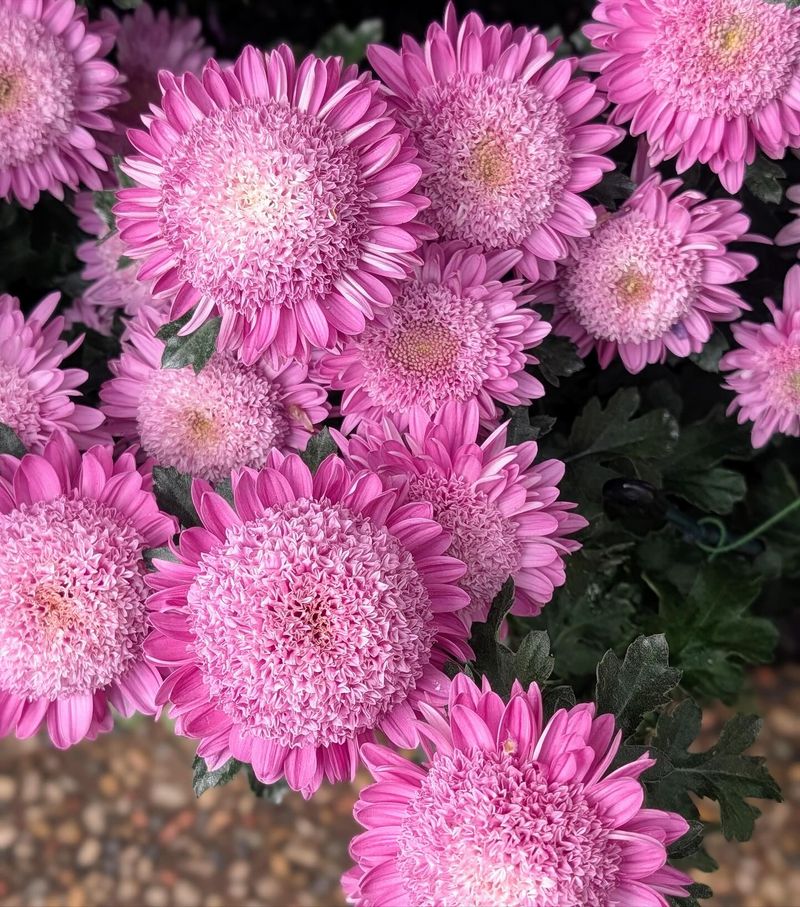
Nothing says fall in Pennsylvania quite like a porch full of mums. These cheerful flowers show up in stores and gardens every autumn, and for good reason. They bloom in rich shades of gold, burgundy, purple, and creamy white.
Mums love the cooler days of September and October. As long as you keep them watered, they will pump out blooms week after week. Plant them in a spot that gets plenty of sunlight for the best show.
A helpful trick is to pinch back the stems in early summer if you plant them as perennials. This makes the plants bushier and gives you even more flowers later.
Deadheading, which means removing faded blooms, keeps them looking neat and encourages new buds.
Many people buy mums as decorations and toss them after the season. But if you plant hardy garden mums in the ground early enough, they can come back year after year. The key is getting their roots settled before the first hard frost.
Water is the secret to long-lasting mums. Their roots are shallow, so they dry out fast. Check the soil often and give them a drink when the top feels dry.
Fun fact: mums have been grown for over two thousand years, first in China, where they were treated as royal flowers.
Today they are one of the most popular fall plants in America. With a little care, your mums will glow all the way through October, making them a perfect centerpiece for any Pennsylvania autumn.
2. New England Aster
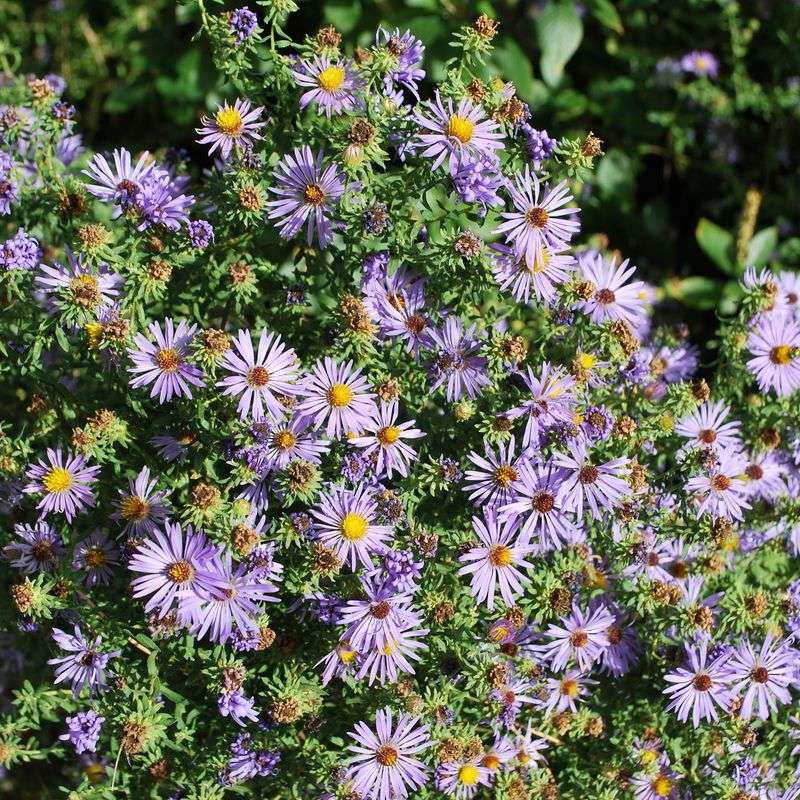
If you spot clouds of purple flowers along Pennsylvania roadsides in fall, you are probably looking at New England asters. These native plants put on a stunning display just when other flowers are winding down.
Their daisy-like blooms come in deep purple, pink, and blue, each with a sunny yellow center. Butterflies and bees flock to them, making your garden feel alive during the quiet autumn weeks.
Asters are tough and love full sun, though they can handle a little shade too. They grow best in soil that drains well but stays a bit moist. Once established, they need very little fuss.
One thing to know is that asters can grow quite tall, sometimes reaching four feet. To keep them from flopping over, pinch back the stems in early summer. This creates sturdier, bushier plants covered in blooms.
Your Pennsylvania Garden Changes Every Week. Your Plan Should Too.
Gardening in Pennsylvania changes quickly throughout the season. Every Friday you’ll receive a simple weekly plan showing exactly what to plant, prune, fertilize, harvest, and protect so you never miss the right timing.
Because they are native to the region, New England asters handle Pennsylvania’s chilly nights with ease. They keep flowering until a hard frost finally slows them down, often lasting through most of October.
These plants also help the environment. Late in the season, food for pollinators becomes scarce. Asters offer a rich source of nectar right when hungry monarch butterflies pass through on their long journey south.
Plant asters near goldenrod for a classic fall color combo of purple and gold. The pairing looks gorgeous and doubles the buffet for insects.
Easy to grow and full of charm, New England asters prove that some of the best flowers save their finest performance for the very end of the season.
3. Sedum (Autumn Joy)
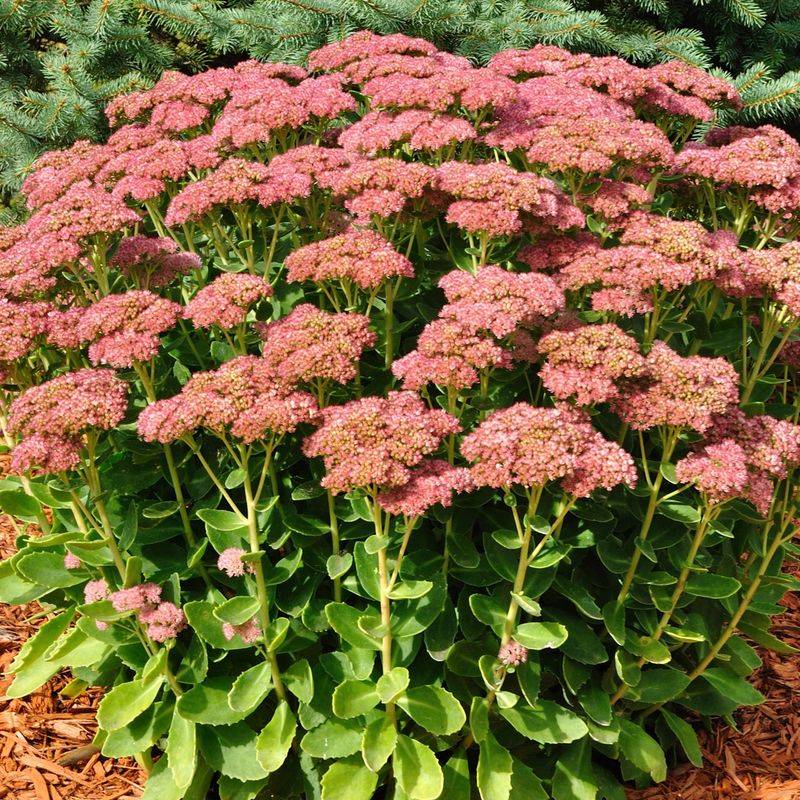
Meet the plant that seems almost impossible to disappoint. Sedum, especially the variety called Autumn Joy, is a fall favorite that practically takes care of itself.
Its thick, fleshy leaves store water, so it shrugs off dry spells with no complaints. As autumn arrives, its flat flower clusters shift from soft pink to deep rusty red. The color change is like watching a slow, beautiful sunset in your garden.
Sedum thrives in full sun and does not mind poor soil. In fact, rich soil can make it grow floppy. Give it a sunny, well-drained spot and step back.
Bees and butterflies adore sedum’s flowers. During October, when nectar is hard to find, these blooms become a busy gathering spot for pollinators looking for one last meal.
Another great thing about sedum is how it looks even after blooming. The dried flower heads stay standing through winter, catching frost and snow. This adds texture and interest to a bare garden during the cold months.
Caring for sedum is simple. Skip the heavy watering and fertilizer. Too much kindness actually causes weak, leggy stems. This is one plant that likes a little tough love.
You can easily grow more sedum by breaking off a piece and sticking it in the soil. It roots quickly, giving you free plants to share with friends or spread around your yard.
For gardeners who want big autumn color without the work, Autumn Joy sedum is hard to beat. It stays reliable, cheerful, and colorful right through the crisp days of October in Pennsylvania.
4. Black-Eyed Susan
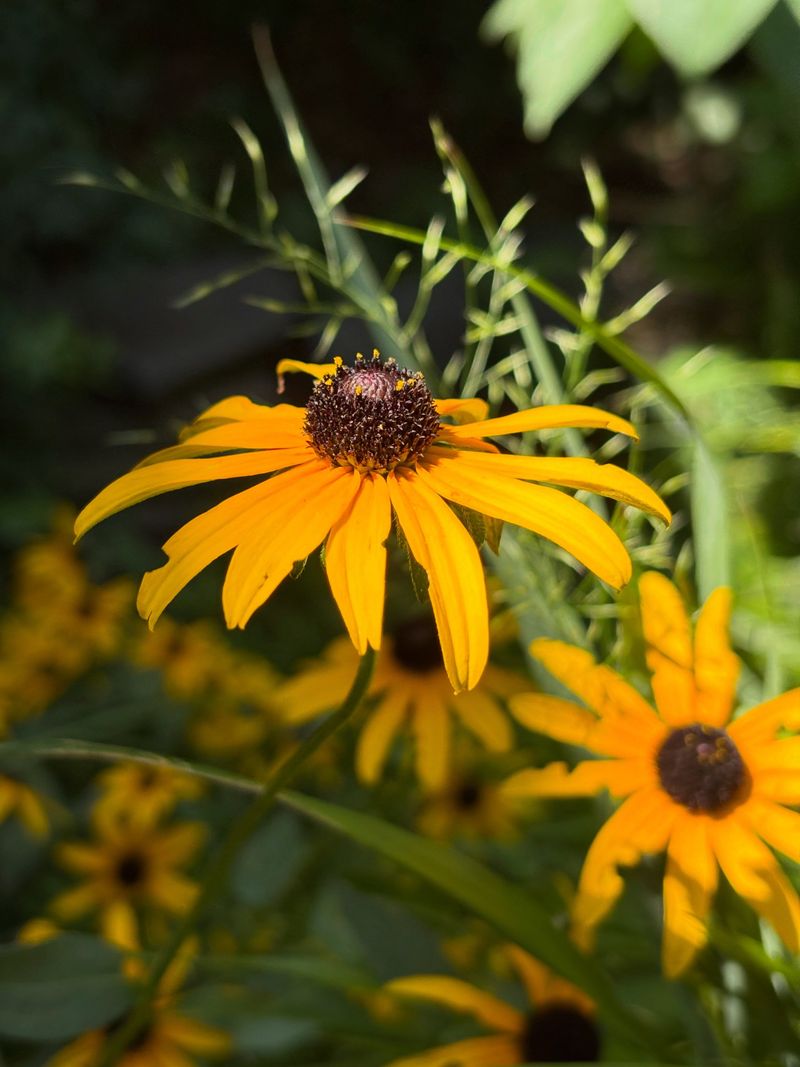
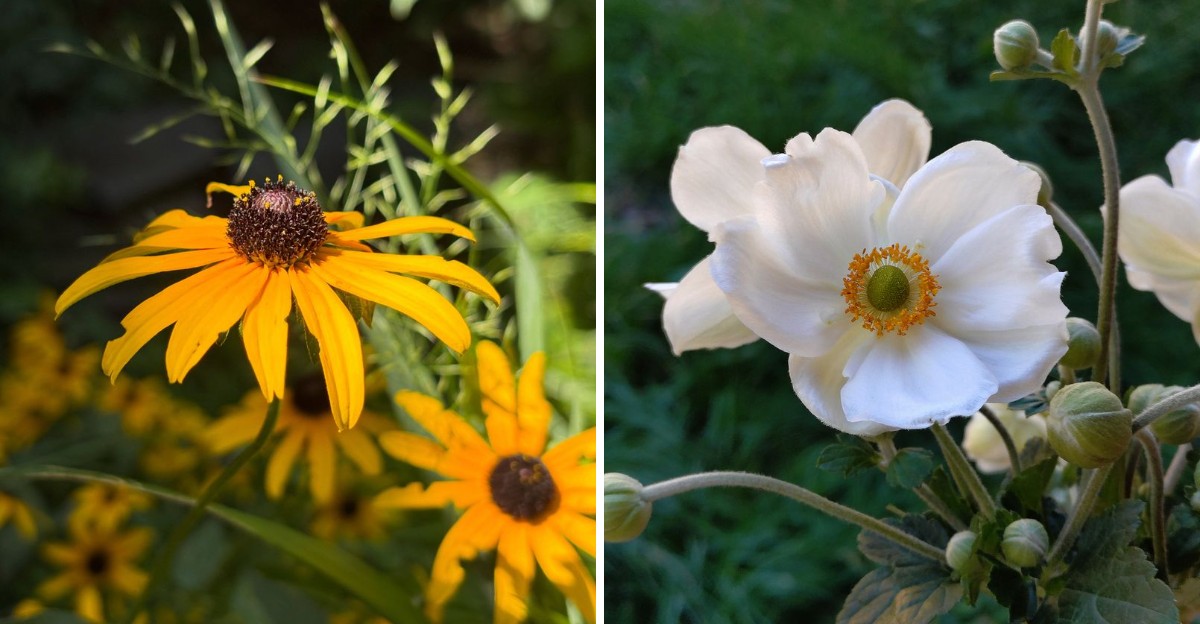
Bright and bold, the black-eyed Susan is like a burst of sunshine in the garden. Its golden petals and dark brown centers light up yards across Pennsylvania from midsummer well into fall.
These cheerful flowers are native to the area, which means they handle local weather like champs. They soak up full sun and keep blooming through cool autumn days without much help from you.
Black-eyed Susans are famous for being low-maintenance. They tolerate heat, drought, and poor soil. Once they settle in, they multiply and fill empty spaces with color.
To keep the flowers coming, snip off spent blooms during the season. This encourages the plant to make more buds. If you leave some seed heads in fall, birds like finches will happily snack on them.
Pollinators love these blooms too. Bees and butterflies visit often, making your garden feel busy and full of life even as the season winds down.
One fun detail is their long vase life. Cut a bunch and bring them indoors, and they will brighten your kitchen table for over a week. They make simple, cheerful bouquets that feel like autumn itself.
Black-eyed Susans spread by seed, so you may find new plants popping up nearby next year. Some gardeners love this surprise, while others thin them out to keep things tidy.
Pair them with purple asters or ornamental grasses for a stunning fall scene. Reliable, sunny, and tough as nails, black-eyed Susans keep the golden glow going strong through the early weeks of October in Pennsylvania gardens.
5. Goldenrod
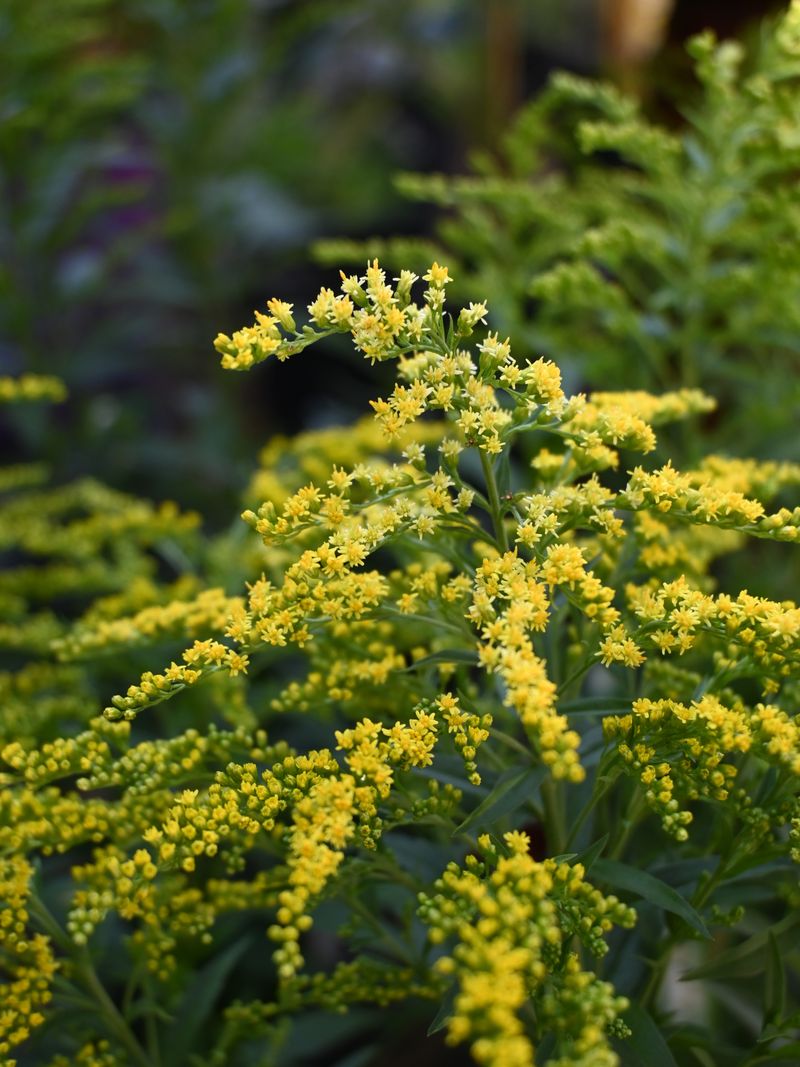
Goldenrod gets a bad reputation, but it truly deserves a spot in your garden. Many people blame it for fall allergies, when the real culprit is ragweed blooming at the same time.
This bright yellow beauty covers Pennsylvania fields and roadsides in September and October. Its feathery golden plumes wave in the breeze like tiny torches of color.
Goldenrod is a pollinator powerhouse. When most flowers have faded, its late blooms feed bees, butterflies, and other helpful insects. It is one of the most valuable food sources for wildlife heading into winter.
Growing goldenrod is easy since it is native and hardy. It likes full sun and can handle dry, poor soil without complaint. Just give it room, because some types spread quickly.
If you want a more polite version, look for garden varieties like Fireworks goldenrod. These stay tidy and burst outward in a spray of yellow that looks like a celebration.
Pairing goldenrod with purple asters creates one of nature’s most beautiful color combos. The gold and purple together look stunning and make your yard a haven for pollinators.
Beyond its beauty, goldenrod has a long history of use in herbal teas and remedies. Native Americans and early settlers valued it for many purposes.
You can cut the plumes for indoor arrangements, where they add a wild, cheerful touch. They also dry nicely for autumn crafts and wreaths.
Give goldenrod another chance, and it will reward you with weeks of glowing color and buzzing visitors right through the heart of October in Pennsylvania.
6. Japanese Anemone
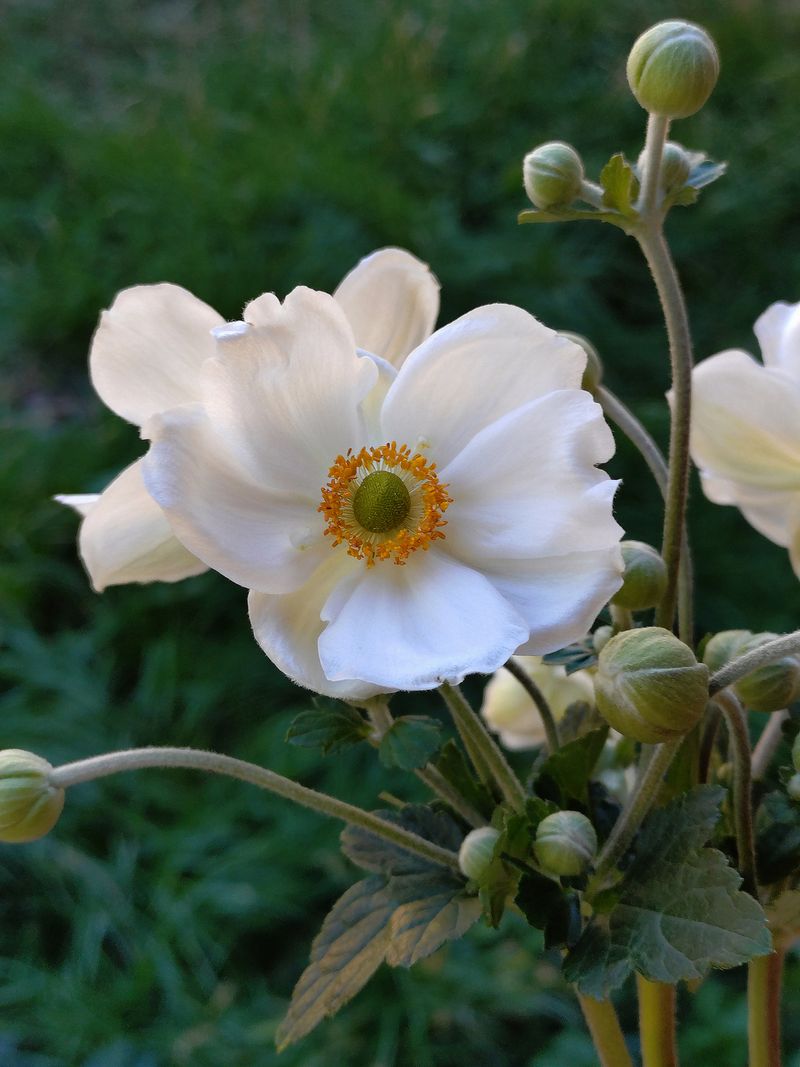
Graceful and elegant, the Japanese anemone brings a soft touch to the fall garden. Its delicate flowers dance on tall, slender stems, swaying gently with every breeze.
The blooms come in pretty shades of pink and white, each with a cheerful yellow center. They look almost like they belong in a fairy tale, adding a romantic feel to autumn borders.
Unlike many fall flowers that crave full sun, Japanese anemones enjoy partial shade. This makes them perfect for those tricky spots under trees or along the north side of your house.
They prefer soil that stays moist but drains well. Once they settle in, they slowly spread and form lovely clumps that return bigger each year.
Patience is key with these plants. They can be slow to establish, but the wait is worth it. After a year or two, they reward you with a generous show of blooms from late summer into October.
These flowers pair beautifully with ferns, hostas, and other shade-loving plants. Their airy stems add height and movement to garden beds that might otherwise feel flat.
Pollinators visit them too, especially bees searching for late-season nectar. So they add beauty while helping local wildlife at the same time.
A little care goes a long way. Mulch around them to keep roots cool and moist, and cut back the stems after blooming finishes.
For gardeners who want something graceful and unusual in shady corners, Japanese anemones are a real treasure. They keep the show going with quiet charm well into Pennsylvania’s crisp October days.
7. Helenium (Sneezeweed)
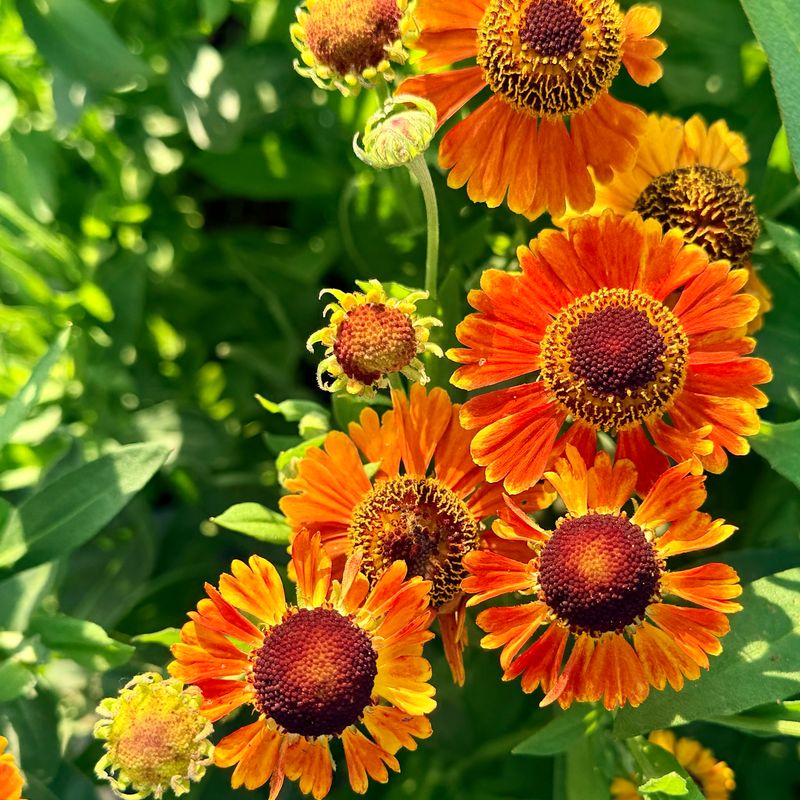
Do not let the funny name fool you. Helenium, also called sneezeweed, will not make you sneeze at all. The old name came from a past use of its dried leaves, not from pollen troubles.
What this plant really offers is a fiery burst of color. Its daisy-like blooms glow in warm shades of red, orange, and yellow, like little bonfires scattered across your garden.
Helenium loves full sun and moist soil. It grows tall and strong, often reaching three or four feet. Place it near the back of a flower bed where it can stand proud.
These blooms appear from late summer and keep going into October. That long season makes helenium a favorite for gardeners who want lasting autumn color.
Butterflies and bees cannot resist these flowers. On sunny fall days, you will often see them fluttering around the bright petals, gathering nectar before the cold sets in.
To keep helenium happy, water it during dry spells since it does not like to get too thirsty. Pinching the stems in early summer helps the plant grow fuller and produce more blooms.
Deadheading spent flowers encourages fresh ones to open. This simple habit stretches the colorful display even longer into the season.
Every few years, dig up and divide the clumps to keep the plants vigorous. You will also get extra plants to spread around or share.
With its warm, glowing colors, helenium captures the true feeling of fall. It brings energy and cheer to Pennsylvania gardens right up until the chilly end of October.