8 Privacy Plants That Thrive In Oregon’s Wet Winters And Dry Summers
Oregon privacy screens have to be tougher than they look.
A plant can sit through months of gray rain, heavy soil, and dripping fence lines, then face a completely different test by July.
The skies clear. The ground dries. The same yard that felt soaked in February can feel dusty and tight by late summer.
That is why a living screen needs more than good looks.
The best choices handle winter moisture without sulking, then keep their shape through dry summer stretches once their roots settle in.
They soften property lines, muffle street noise, shelter birds, and make a yard feel more private without the cold, flat look of another fence panel.
So which plants can handle Oregon’s soggy-to-dry personality and still give you cover?
Start with shrubs and small trees that understand the region’s rhythm. Some stay evergreen. Some offer seasonal screening with flowers, berries, fall color, and wildlife value.
Together, they can turn a plain boundary into a layered screen that feels alive all year.
1. Pacific Wax Myrtle
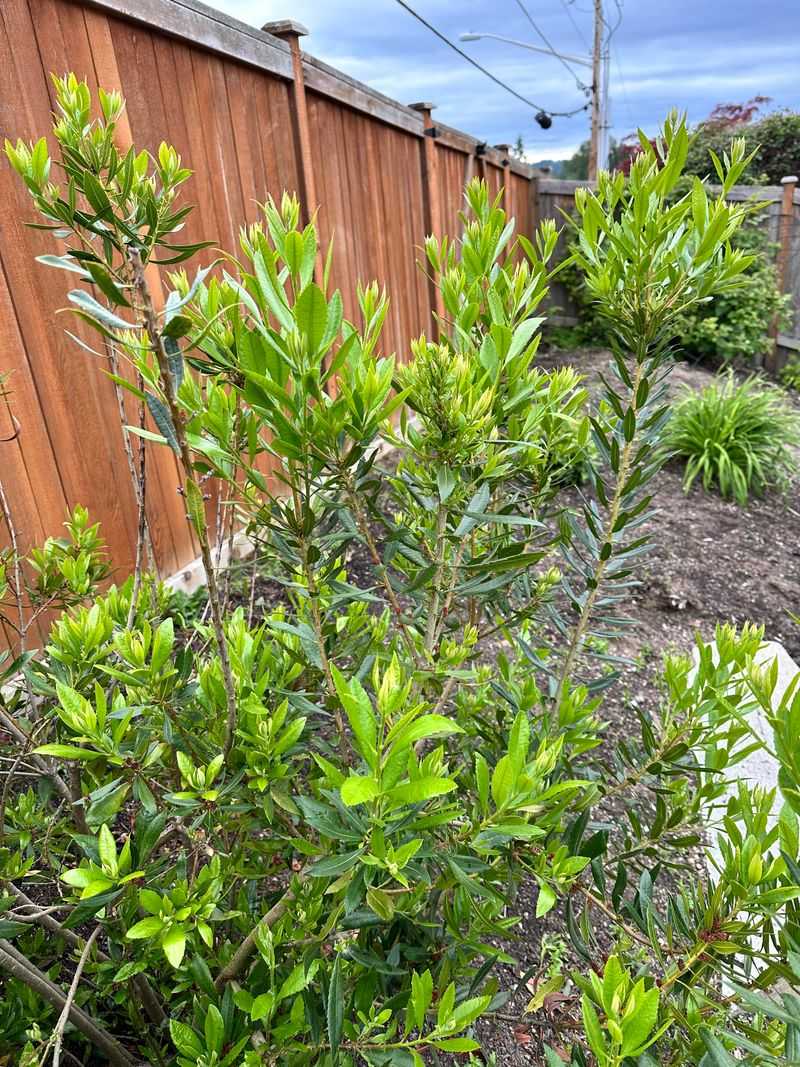
Pacific wax myrtle is one of the most reliable evergreen privacy plants for western Oregon.
It stays green through wet winters, handles coastal influence, and grows quickly enough to make impatient gardeners feel understood.
Once established, it also copes well with dry summer stretches, which makes it especially useful in yards that swing from soggy to thirsty in the same year.
This shrub can become a serious screen.
Left alone, it may reach fifteen to twenty feet tall and spread wide enough to block a fence line, driveway view, or neighboring window.
Regular pruning can keep it tighter, shorter, and more hedge-like. A light hand works best, though. The plant looks strongest when its natural dense shape still comes through.
The glossy leaves bring year-round structure.
They also have a pleasant aromatic scent when brushed, which gives paths and patio edges a nice little bonus. Fall berries can attract birds, adding movement and life to a privacy planting that might otherwise feel purely practical.
Pacific wax myrtle is especially valuable in difficult spots.
Damp winter soil, clay-heavy areas, wind, and coastal conditions do not bother it as much as many other evergreen shrubs. Give young plants regular water during their first dry summers, then let deeper roots take over.
For a green wall that does not act precious about Oregon weather, this one earns its space fast.
2. Tall Oregon Grape
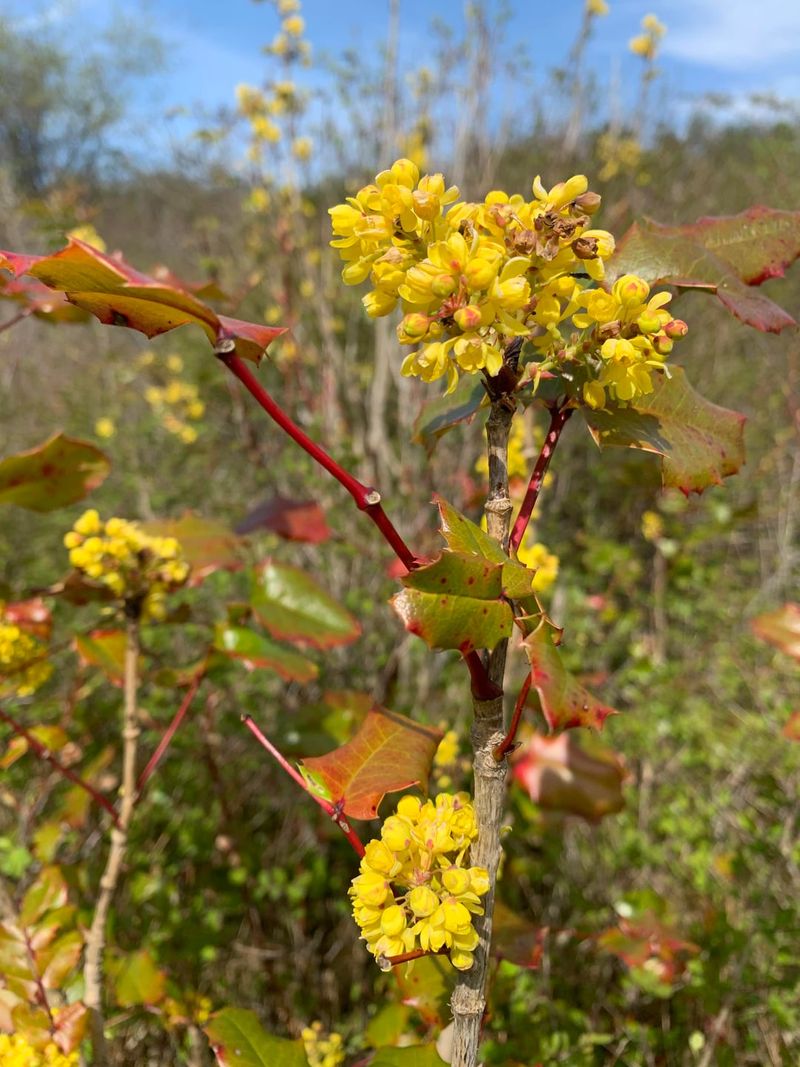
Tall Oregon grape brings privacy with attitude.
Its bold evergreen leaves look almost holly-like, with spiny edges that give the plant structure and a little natural boundary power.
In winter, the foliage stays present when many plants disappear into sticks, sometimes shifting bronze or red during cold weather.
That year-round presence matters.
A privacy screen in Oregon cannot rely only on summer fullness. Tall Oregon grape keeps working through gray months, especially in layered plantings along fences, shaded edges, and woodland-style borders.
Spring is its show season.
Bright yellow flower clusters appear early, bringing color when the garden still feels half-asleep. Those blooms support early pollinators, then give way to blue-purple berries that birds often find before you even notice they are ready.
Your Oregon Garden Changes Every Week. Your Plan Should Too.
Gardening in Oregon changes quickly throughout the season. Every Friday you’ll receive a simple weekly plan showing exactly what to plant, prune, fertilize, harvest, and protect so you never miss the right timing.
This shrub usually grows six to eight feet tall over time.
It can spread slowly and fill gaps, making it useful beneath taller shrubs or small trees. It works especially well in partial shade and can handle the dry, root-filled conditions under established trees once settled.
Give it some patience.
Tall Oregon grape is not the fastest screen on the list, but it is tough, long-lived, and beautifully adapted to the region. The spiny leaves also make it useful along property edges where a softer shrub might invite shortcuts.
Privacy does not always need to be towering.
Sometimes it needs a glossy, prickly Oregon classic that quietly keeps watch all year.
3. Red Flowering Currant
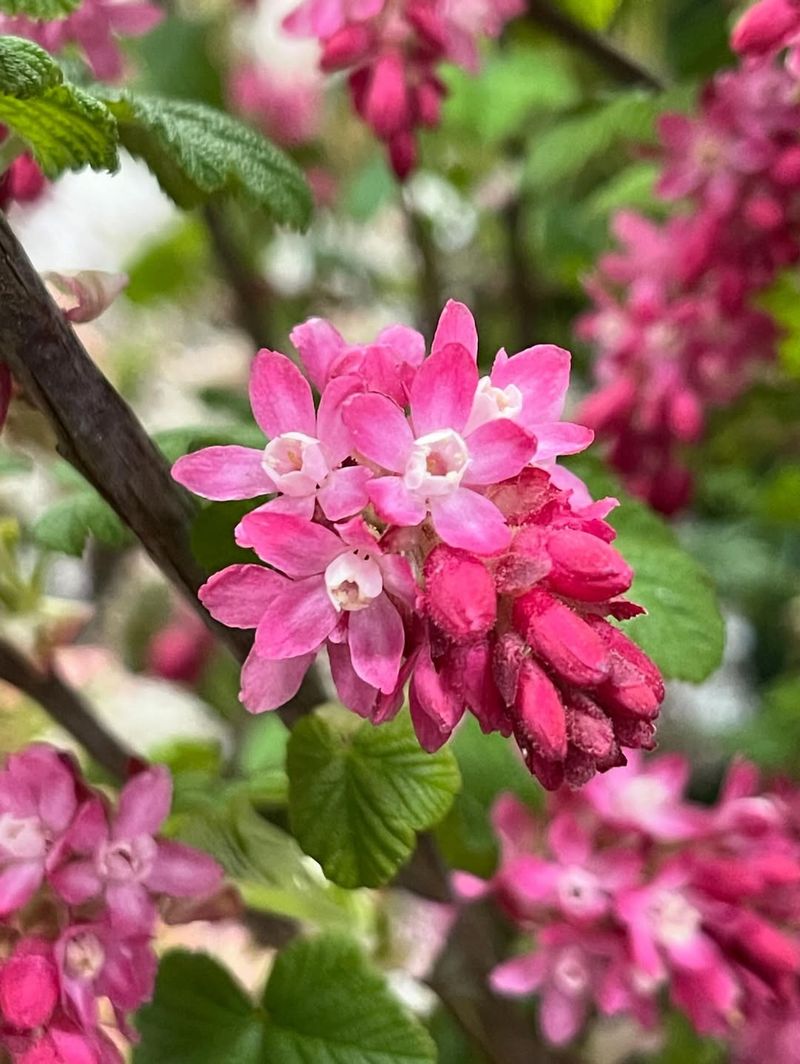
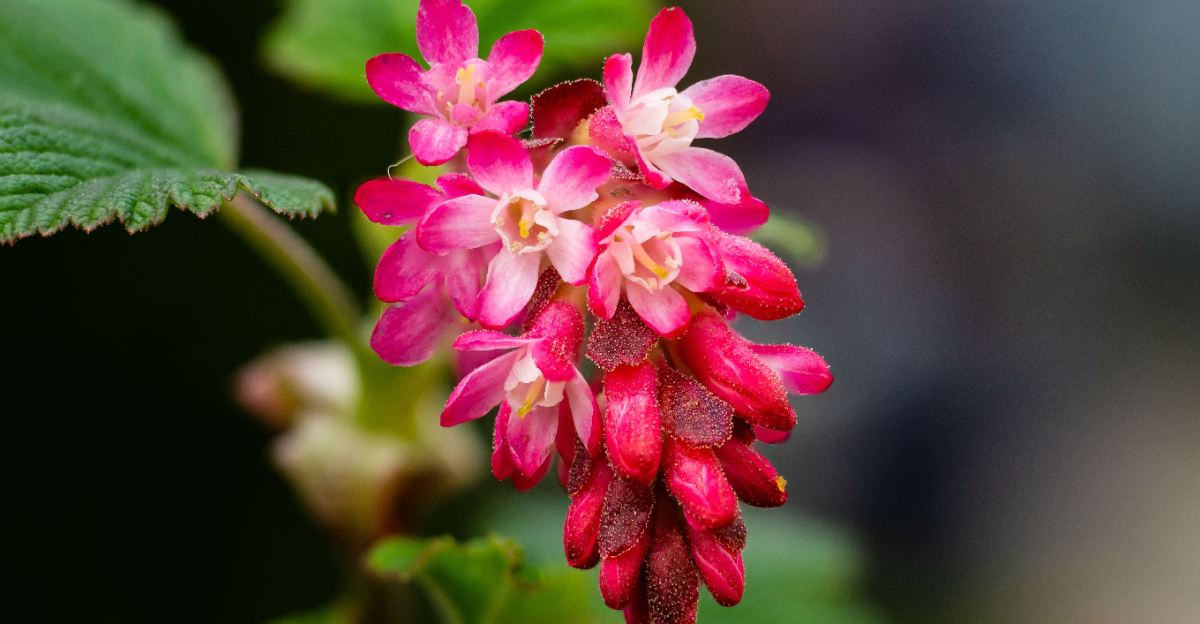
Red flowering currant brings spring drama to a privacy planting.
It does not form a solid green wall, and that is part of its charm. This native shrub creates filtered screening with arching branches, rosy flower clusters, and a relaxed shape that feels right at home in Oregon gardens.
The blooms are the big moment.
In late winter or early spring, pink to red flower clusters open before many other shrubs wake up. Hummingbirds often find them quickly, which makes the plant feel like a seasonal announcement that the garden is back in motion.
As a screen, it works best in layers.
Plant it in front of denser evergreens or mix it with other native shrubs along a fence line. The currant softens the view, adds height, and brings movement without making the planting feel heavy.
Mature plants can reach six to twelve feet tall.
They prefer sun to partial shade and usually handle dry summers well once established. During late summer, some leaf drop or tired-looking foliage can happen as the plant conserves moisture.
That is often a normal seasonal response, not a failure.
The berries support birds later in the season. That gives this shrub value after the flowers finish, even when its role becomes quieter. It is not the plant for someone demanding formal, clipped perfection.
It is the plant for a gardener who wants privacy with hummingbirds, spring color, and a little wild Oregon personality.
4. Oceanspray
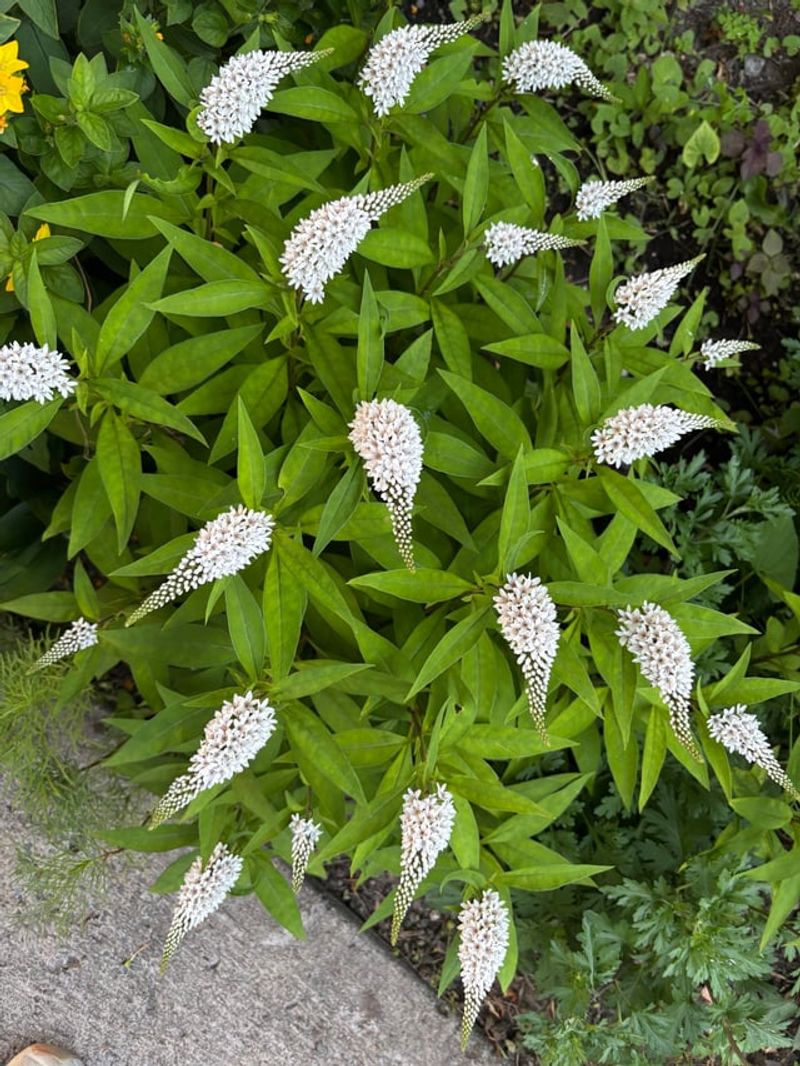
Oceanspray is built for dry summer confidence.
This native shrub can handle lean soils, sunny slopes, and late-season dryness better than many prettier but fussier choices.
In an Oregon privacy screen, it adds height, texture, and a graceful arching shape that softens hard edges beautifully.
The summer flowers are hard to miss.
Creamy white plumes appear in June and July, giving the shrub a foamy, glowing look when many gardens start shifting into dry-season survival mode.
Those flowers draw native bees, butterflies, and other beneficial insects, making the screen useful far beyond blocking a view.
Oceanspray can grow eight to fifteen feet tall.
Its loose form works especially well along back fences, woodland edges, slopes, and naturalistic property borders.
It will not create a formal evergreen wall, but it provides excellent seasonal screening and year-round twig structure.
The dried flower clusters often remain into fall and winter.
That adds texture after the main bloom period and gives small birds another reason to explore the branches. Dense stems can also provide shelter for wildlife.
Give it sun to light shade.
Well-drained, rocky, gravelly, or average soils suit it well. Once established, it generally needs little summer irrigation. That makes it a strong choice for Oregon yards where winter rain is abundant but summer watering is limited.
Oceanspray looks delicate from a distance.
Do not be fooled. This shrub has serious dry-summer backbone under all that creamy bloom.
5. Evergreen Huckleberry
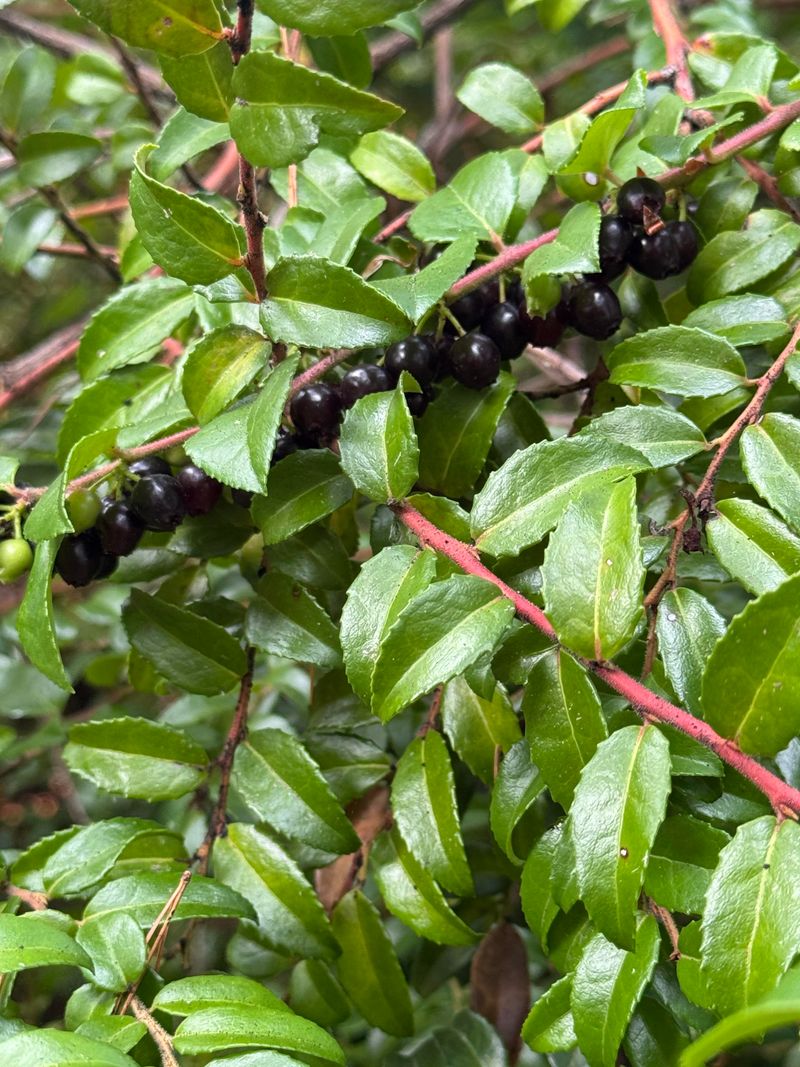
Evergreen huckleberry is the quiet luxury choice.
It grows slowly, but it grows beautifully. Small glossy leaves stay green all year, giving shaded privacy plantings a polished look without much fuss.
In Oregon yards, it fits especially well along north-facing fences, woodland edges, and protected side gardens.
This shrub usually reaches four to eight feet tall and wide.
That makes it a strong mid-layer plant, especially beneath taller screening shrubs or small trees. It will not give instant privacy, but it creates a dense, refined screen over time.
Spring brings small pink bell-shaped flowers.
Pollinators use them, then late summer and fall bring dark blue-black berries. Birds love them. Gardeners may love them too, though sharing with wildlife becomes part of the deal.
Evergreen huckleberry prefers partial shade to shade.
It likes well-drained to moderately moist soil and appreciates some water during establishment. Once settled, it can handle Oregon’s dry summer pattern with much less attention, especially in cooler shaded sites.
Avoid rushing it.
Fast-growing screens can bring quick cover, but they often need more pruning and correction later. Evergreen huckleberry takes its time and rewards patience with a long-lived, tidy, wildlife-friendly presence.
It can also handle light shearing.
That makes it useful near paths or patios where a softer natural shape still needs a little boundary control.
For privacy that feels calm, green, and distinctly Pacific Northwest, this shrub plays the long game beautifully.
6. Western Serviceberry
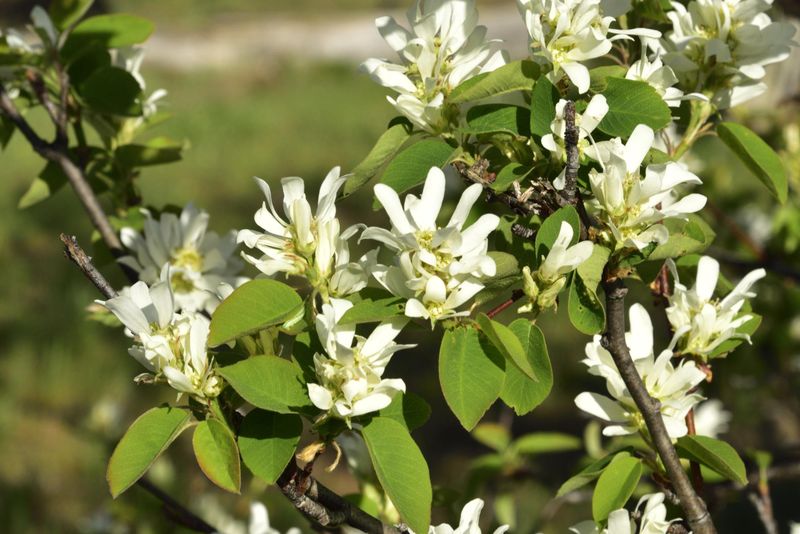
Western serviceberry adds privacy with four-season charm.
It can grow as a large shrub or small multi-stem tree, which makes it useful where a living screen needs height without the heaviness of a solid hedge. The effect is layered, airy, and full of seasonal change.
Spring starts with white flowers.
The blooms open as new leaves emerge, creating a soft cloud of color that attracts early pollinators. By early summer, the berries ripen to deep blue-purple and draw birds fast.
Cedar waxwings, robins, and thrushes tend to treat the fruit like a reservation they made months ago.
Fall brings another reward.
The foliage can shift into orange, red, and gold, adding warmth to cloudy Oregon afternoons. In winter, the branching structure still softens a fence or property edge, even without leaves.
Western serviceberry can reach eight to fifteen feet tall.
It works well in mixed privacy borders, especially with evergreens behind it and lower shrubs in front. That layered approach gives screening, habitat, and seasonal interest all at once.
Plant it in full sun to partial shade.
Average to well-drained soil suits it, and established plants generally handle Oregon’s dry summers with composure. Young plants need regular water while roots develop.
This is not a plant for someone who wants a rigid green wall.
It is for gardeners who want privacy that blooms, fruits, colors up, and brings birds close enough to make the window view worth lingering over.
7. Snowberry
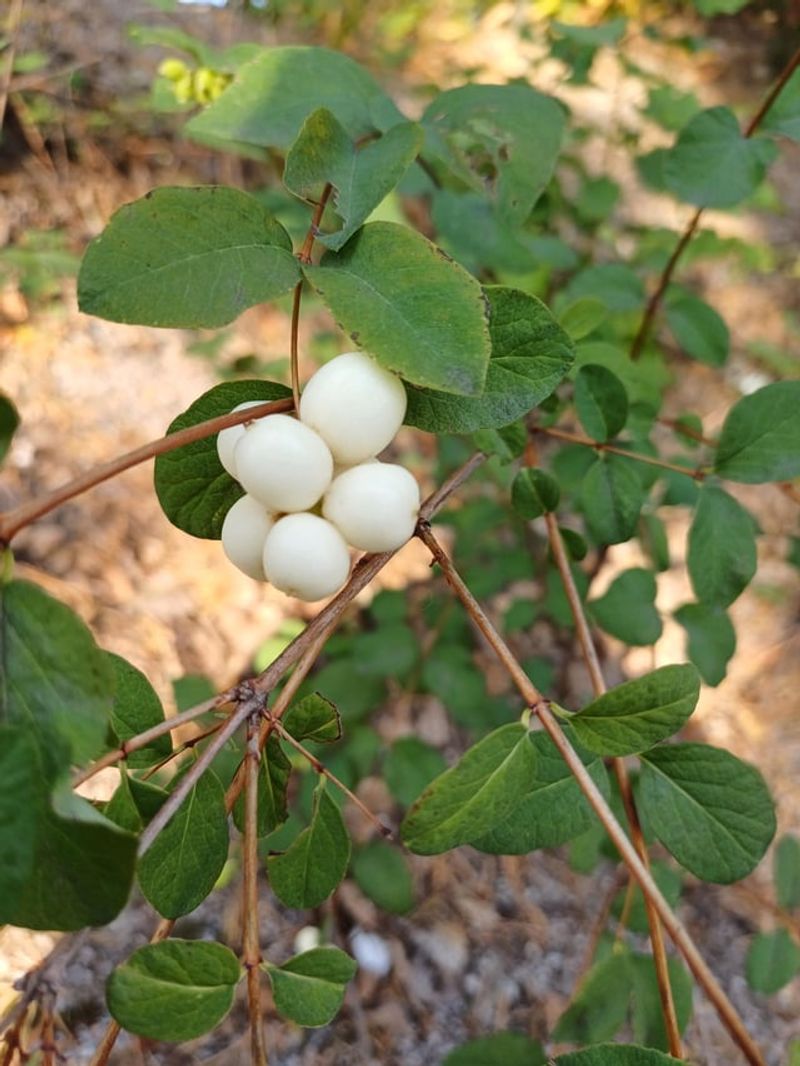
Snowberry is the problem-solver for difficult spots.
Dry shade, root competition, slopes, and tough corners under large trees can make many shrubs sulk. Snowberry tends to keep going anyway, spreading into a loose thicket that gives low to mid-level screening and excellent wildlife cover.
It usually grows three to six feet tall.
That makes it useful beneath taller shrubs or along the lower edge of a privacy planting. It can fill gaps where bare stems and open views tend to show, especially under trees or along shaded fences.
The flowers are small and easy to overlook.
Pollinators still find them. Later, the white berries become the main visual feature, standing out against bare stems in fall and winter. They are not for people to eat, but birds and wildlife use the plant for cover and seasonal food value.
Snowberry spreads by root sprouts.
That habit is useful in larger areas, slopes, woodland edges, and informal screens. In tight beds, it needs occasional boundary control. Cut back outer stems in spring or remove unwanted shoots to keep the patch where it belongs.
This shrub handles clay, compacted soil, and summer dryness once established.
It will not give formal elegance, and it does not pretend to. It gives resilience, cover, and a natural thicket effect that many Oregon yards badly need.
For a shaded back fence or under-tree privacy layer, snowberry is less diva, more dependable understudy.
That is often exactly the role the garden needs.
8. Vine Maple
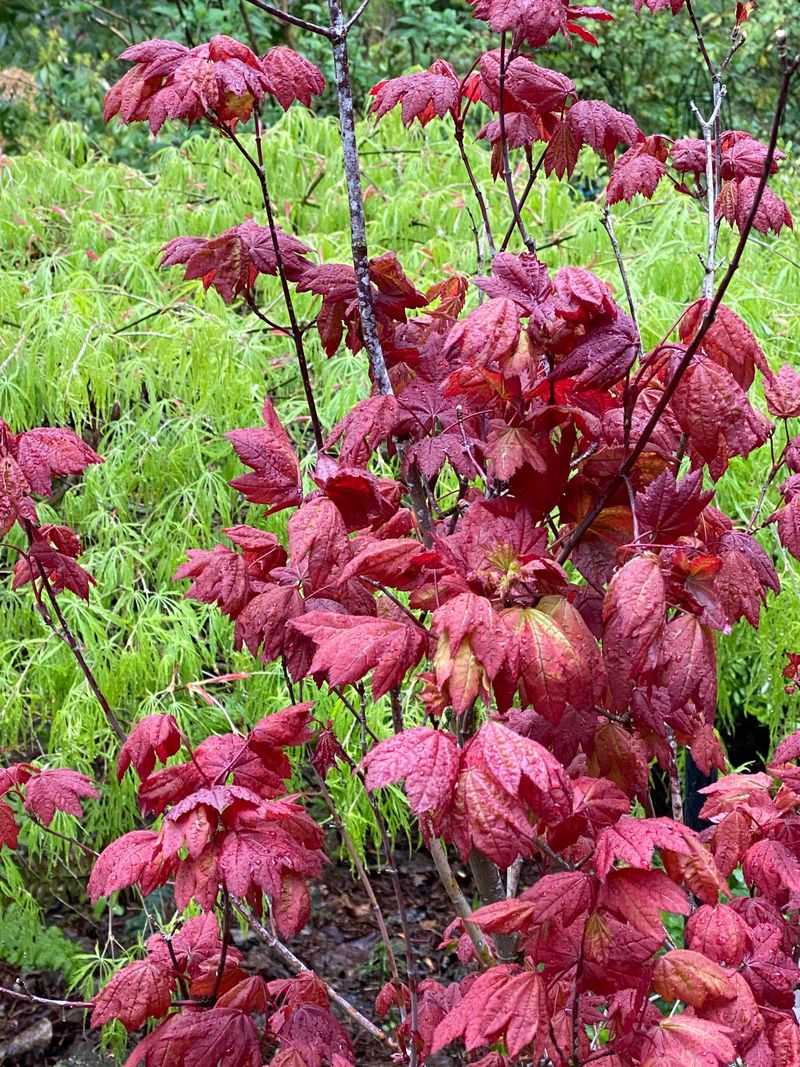
Vine maple gives privacy with movement instead of a wall.
Its branching structure feels woodland-like, graceful, and distinctly Oregon. In spring and summer, the leaves create filtered screening.
In fall, the plant can turn brilliant orange, red, and gold, adding the kind of color that makes a fence line suddenly feel intentional.
This native maple can grow ten to twenty-five feet tall.
The final shape depends on light and moisture. In shade, it often spreads wider and more horizontally. In brighter conditions, it may grow more upright and rounded. Both forms can work beautifully in privacy plantings.
Vine maple is best as part of a layered screen.
Pair it with evergreen shrubs for winter cover, then let the maple provide height, shade, and seasonal drama. It works especially well along woodland edges, shaded driveways, creek corridors, and larger side yards.
The winter form still has value.
Even without leaves, the branching softens views and adds structure. It will not block everything during the cold season, but it keeps the planting from feeling empty.
Give it moist to well-drained soil and protection from harsh afternoon sun in hotter inland areas.
Once established in a suitable spot, it handles Oregon’s wet winters and dry summers well, especially in partial shade.
Vine maple does not shout “privacy hedge.”
It whispers “forest edge,” then turns the whole boundary red and gold in October. A fence could never.