8 Signs Your Georgia Fig Tree Is Struggling After Heavy Summer Rain
Heavy summer rain can be great for a thirsty garden, but your fig tree may tell a different story. Too much moisture can leave behind changes worth noticing.
In Georgia, downpours can keep soil wet and put extra pressure on fig trees. The tricky part is knowing which changes deserve your attention.
Take a closer look at the fruit, leaves, and soil around your tree after rainy stretches. Changes can reveal how well the plant is handling wet conditions.
Some warning signs appear quickly, while others become easier to notice over time. Catching them early gives you a better chance to respond.
Do not assume unusual leaf or damaged fig means the same thing.
Knowing what to watch for can help you spot trouble before it becomes harder to manage.
1. Yellowing Leaves Can Point To Waterlogged Roots
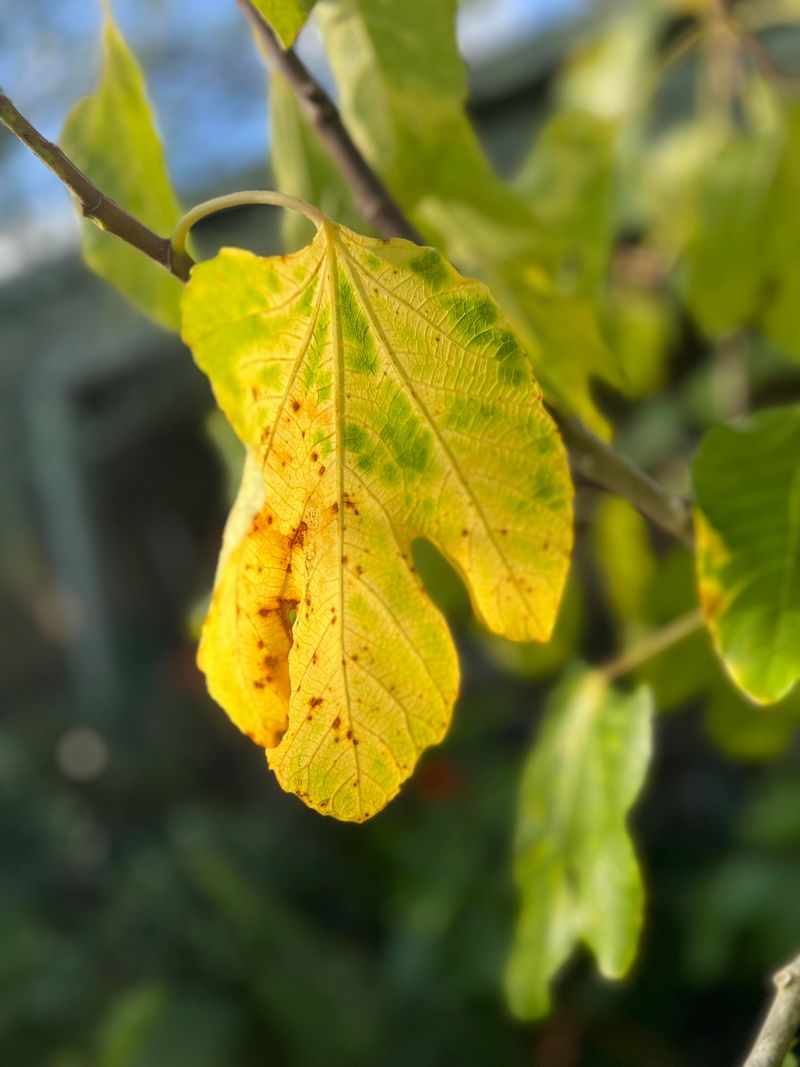
Yellow leaves showing up after a big rainstorm are not just a cosmetic problem. When roots sit in waterlogged soil, they struggle to pull in oxygen.
Without oxygen, nutrient uptake slows down fast, and leaves start to turn yellow.
Roots need air gaps in the soil to function properly. Saturated ground pushes out that air and leaves roots suffocating.
Even a tree that looked perfectly healthy before the rain can show yellowing within a few days of standing water.
Check the base of the tree first. Press your finger about two inches into the soil near the trunk.
If water pools in that small hole almost immediately, drainage is a serious concern right now.
Not all yellowing means waterlogged roots, so look at the pattern. If leaves are yellowing from the bottom of the tree upward, that is a stronger sign of a root issue than scattered yellowing across the canopy.
Improving drainage around the base can help. Pulling back any mulch that is trapping moisture near the trunk is a good first step.
Adding coarse sand or compost to the surrounding soil over time may also improve how quickly water moves through.
Avoid overwatering on top of already saturated ground. Let the soil dry out between rain events before adding any supplemental water.
Patience matters here more than quick fixes.
2. Sudden Wilting May Appear Despite Wet Soil
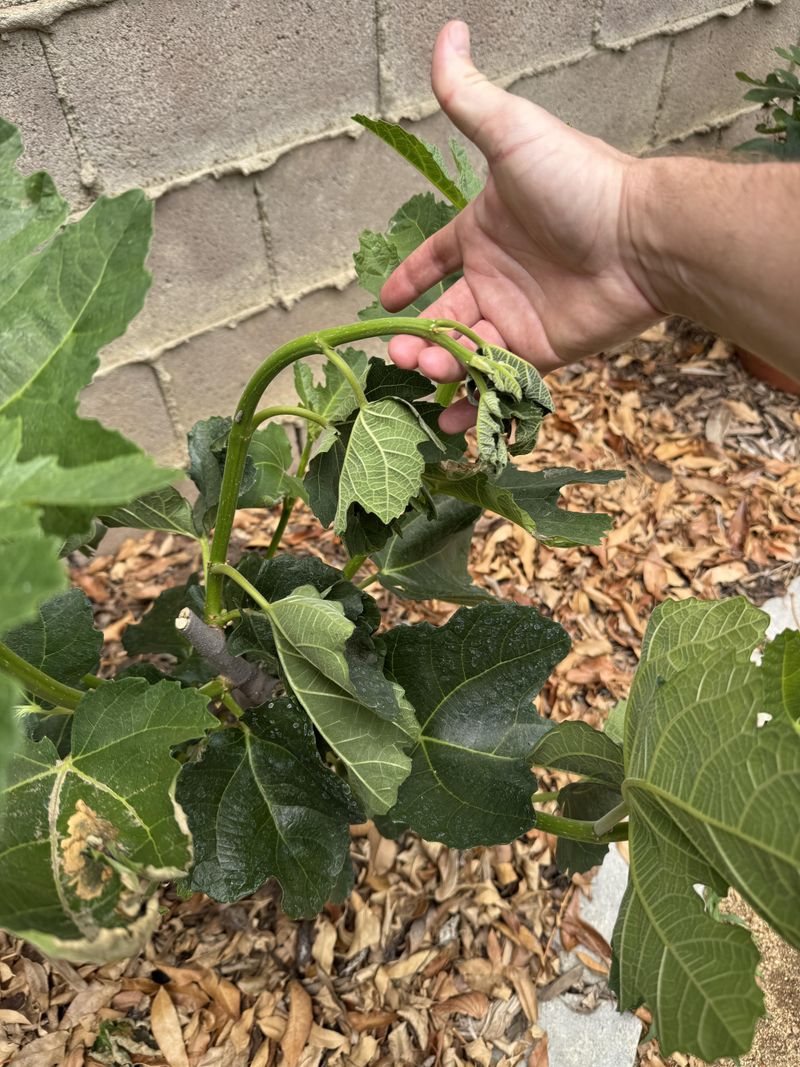
Wilting leaves on a fig tree after heavy rain can feel confusing. You just had inches of rain, so why does the tree look thirsty?
Wet soil does not automatically mean the roots can absorb water properly.
Overwatered roots can lose their ability to function. When root cells are damaged from prolonged saturation, water transport through the tree breaks down.
Leaves wilt because the system is disrupted, not because the ground is dry.
Check soil moisture before assuming the tree needs water. If the top few inches are already soaked, adding more water will only make things worse.
Step back and let drainage happen naturally first.
Wilting during the hottest part of the day is sometimes normal for fig trees, even healthy ones. But if wilting continues into the evening or appears on overcast days, that signals a deeper problem worth investigating.
Your Georgia Garden Changes Every Week. Your Plan Should Too.
Gardening in Georgia changes quickly throughout the season. Every Friday you’ll receive a simple weekly plan showing exactly what to plant, prune, fertilize, harvest, and protect so you never miss the right timing.
Root-level issues from excessive moisture can sometimes look identical to drought stress from above. Pulling a small amount of soil away near the base can help you see whether roots look firm and light-colored or soft and discolored.
Georgia summers bring both intense heat and sudden heavy downpours. That combination puts extra pressure on fig trees.
Monitoring your tree closely for a few days after a major storm gives you the clearest picture of what is actually happening.
3. Brown Leaf Spots Can Spread In Damp Weather
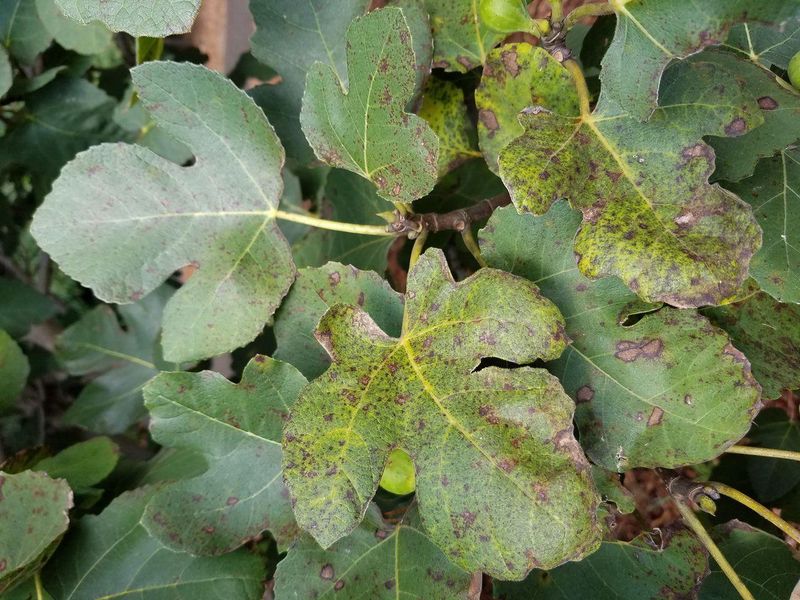
Brown spots on fig leaves after wet weather are often a sign of fungal activity. Fungi spread quickly when humidity stays high and leaves remain wet for extended periods.
A few spots can multiply across the whole canopy faster than most gardeners expect.
Fig leaf rust and Cercospora leaf spot are two common fungal issues that show up in humid climates. Both cause discolored patches that may have yellow halos or dark centers.
Spots that look dry and papery often point to fungal damage rather than a pest problem.
Overhead watering makes this worse. If your irrigation system sprays the leaves directly, consider switching to drip lines at the base.
Keeping foliage as dry as possible slows fungal spread considerably.
Air circulation matters too. Crowded branches trap moisture and create ideal conditions for fungal growth.
Light pruning to open up the canopy can help dry things out faster after rain events.
Removing affected leaves and disposing of them away from the garden reduces the number of spores left behind. Leaving spotted leaves on the ground under the tree allows spores to cycle back up to the plant.
Copper-based fungicides approved for edible plants can help manage active outbreaks, but results vary depending on how advanced the infection is. Apply according to label directions and avoid spraying during peak heat to prevent leaf burn.
4. Premature Leaf Drop Signals Growing Stress
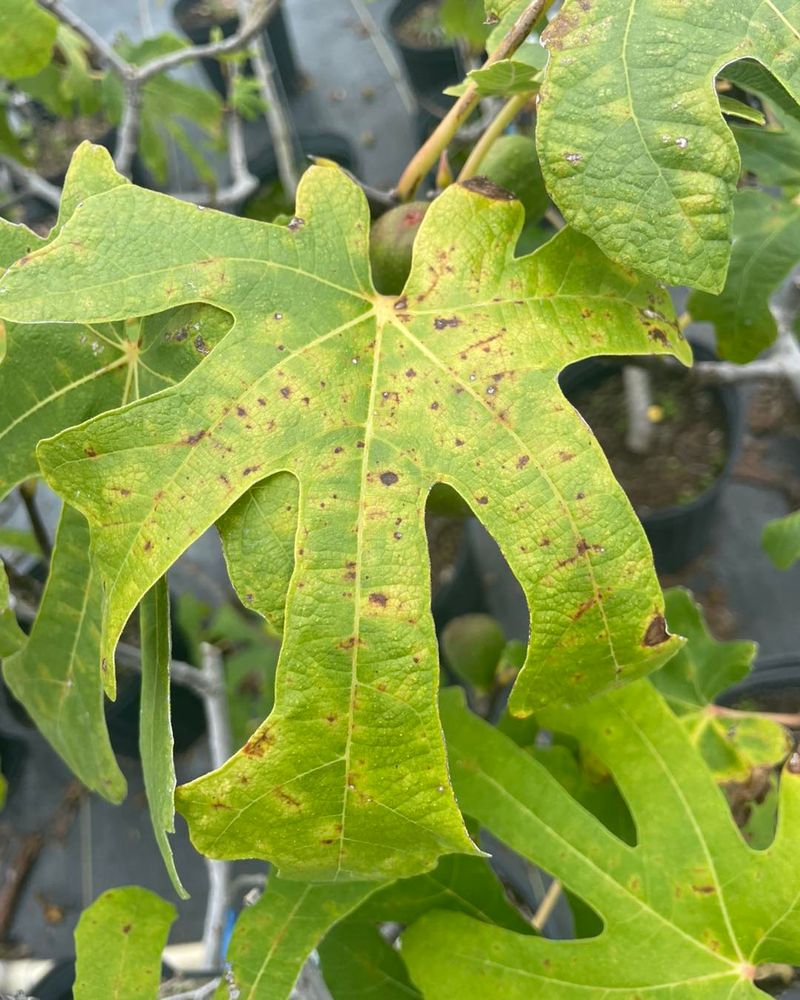
Leaves falling off a fig tree in midsummer is not normal. A healthy fig should hold its leaves through the growing season without shedding them early.
When leaves start dropping ahead of schedule, the tree is reacting to stress it cannot manage on its own.
Excessive moisture is a common trigger for premature leaf drop. Roots under stress send signals through the tree that cause it to shed leaves as a survival response.
Fewer leaves means less water demand, which is the tree attempting to rebalance itself.
Fungal infections can also cause leaves to fall before their time. If the dropped leaves show spots, yellowing, or discoloration, a pathogen may be involved alongside the moisture issue.
Look at how many leaves are falling and how fast. Losing a handful of older leaves near the base is less alarming than seeing large sections of the canopy drop within a week.
Rate matters when assessing severity.
Avoid fertilizing a tree that is actively dropping leaves. Adding nitrogen during a stress period can push weak new growth that the tree cannot support.
Hold off on feeding until the tree stabilizes and conditions improve.
Across the Southeast, fig trees commonly face this kind of late-summer stress after multi-day rain events. Giving the tree time to recover and focusing on drainage improvements tends to produce better results than rushing to intervene.
5. Splitting Fruit Often Follows A Surge In Moisture
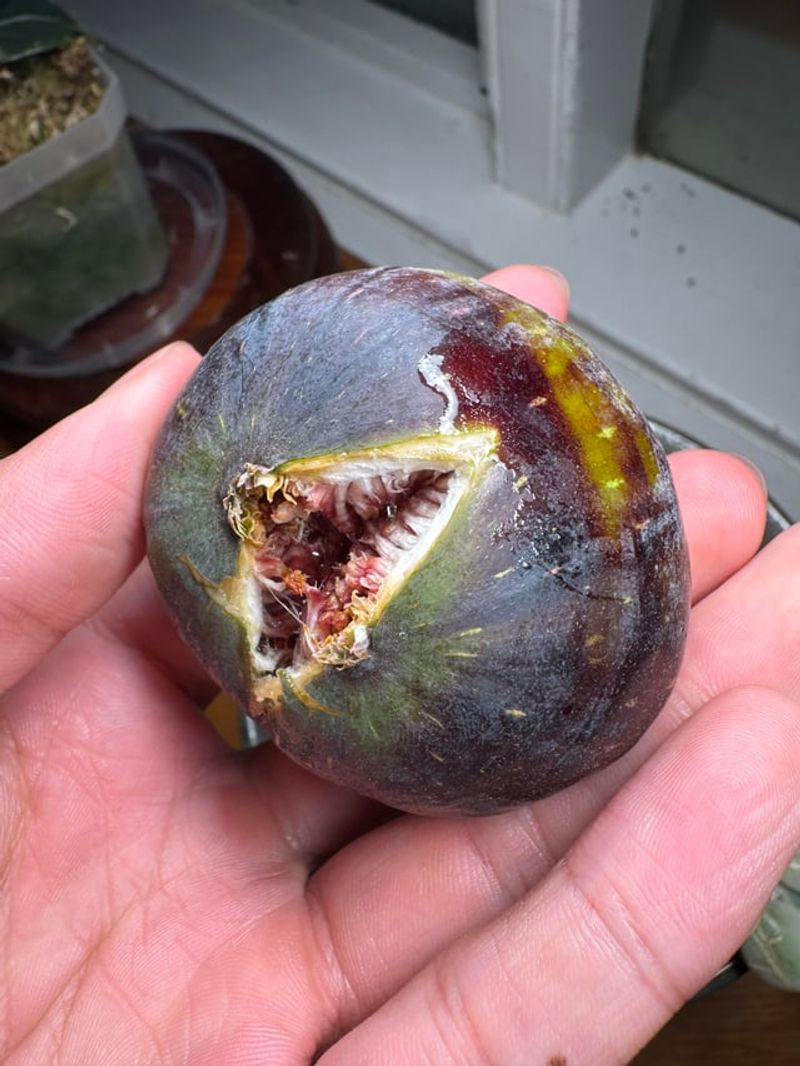
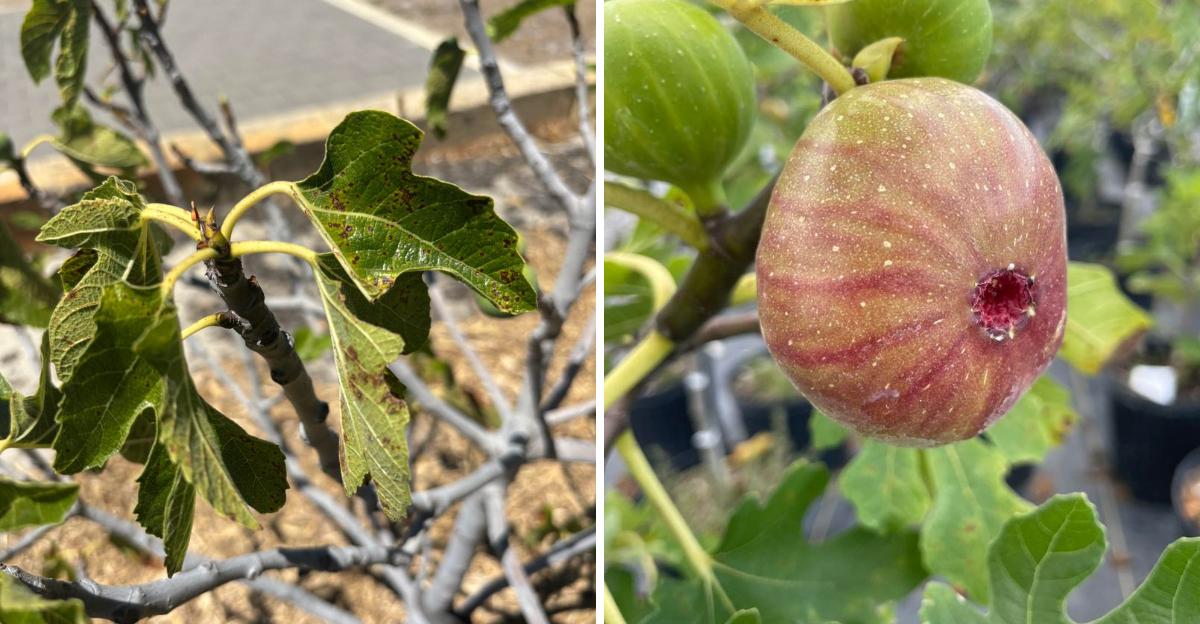
Cracked figs are one of the most visible signs that a moisture surge hit the tree at the wrong time. When heavy rain follows a dry stretch, the fruit takes in water faster than the skin can stretch.
Splitting happens quickly and often affects a large portion of the crop at once.
Figs that split are still edible if caught early, but they become targets for insects and mold within hours. Checking the tree after every major rain event lets you harvest split fruit before it becomes a bigger problem.
Irregular watering is often the root cause, not just the rain itself. When soil moisture swings between very dry and very wet, fruit development becomes unstable.
Trying to keep soil moisture more consistent through mulching can reduce how dramatically the tree reacts to sudden rain.
Mulch laid around the base helps buffer moisture swings by slowing both evaporation and absorption. Keep it a few inches away from the trunk to avoid trapping moisture against the bark.
Some fig varieties are more prone to splitting than others. Brown Turkey and Celeste, both popular choices in Southern gardens, can still split under extreme moisture swings despite being relatively tough varieties.
Harvesting figs slightly before full ripeness during rainy stretches is a practical workaround. Figs ripen quickly indoors at room temperature, and picking early protects the fruit from splitting in the field.
6. Figs May Turn Sour Before They Fully Ripen
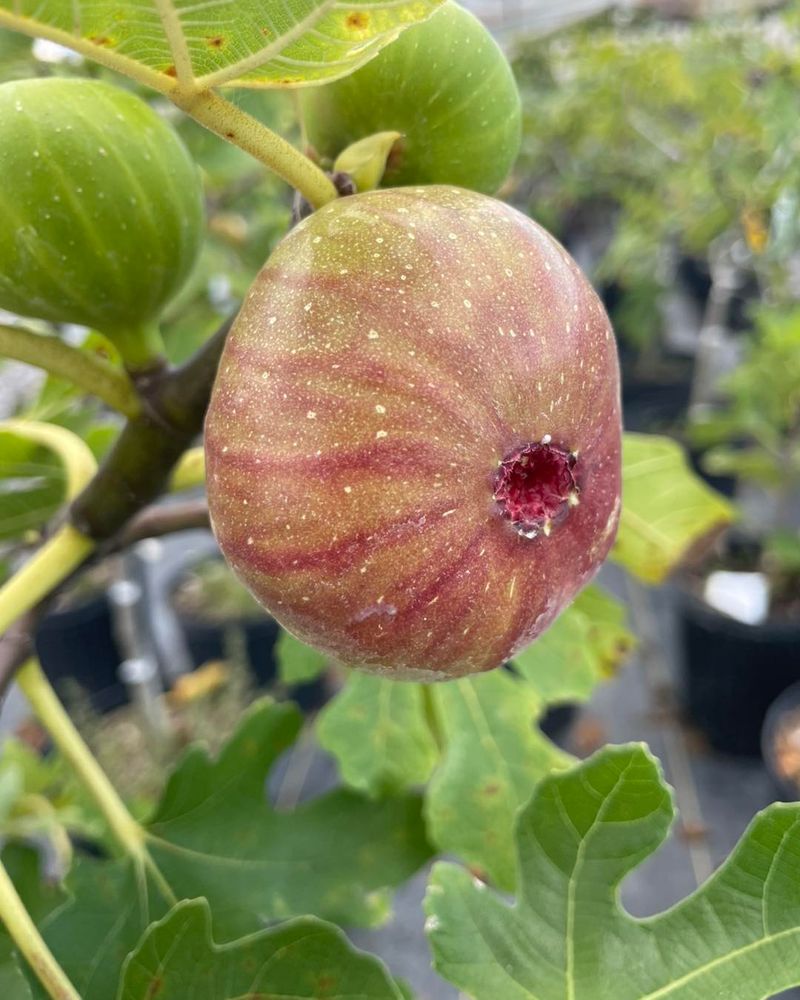
A fig that smells sharp or fermented before it even looks ripe is a clear red flag. Excess moisture can speed up internal breakdown inside the fruit, causing it to sour well before reaching peak ripeness on the tree.
Warm, wet conditions create the right environment for yeast and bacteria to work faster than usual. Once that process starts inside a fig, there is no reversing it.
Sour figs need to come off the tree immediately to avoid attracting insects and spreading spoilage to nearby fruit.
Smell is often the first indicator before any visual change appears. If the fruit smells off while still looking intact and green-tinged, check the inside by cutting one open.
Soft, watery flesh with an unpleasant odor confirms spoilage has started.
Figs do not continue ripening the same way some other fruits do once removed from the tree. Picking them at the right stage matters.
Fruit that has already started souring internally will not recover after harvest.
Good air circulation around the tree helps. When branches are too dense, humidity builds up around the fruit and accelerates fermentation.
Light summer pruning to thin out crowded areas is worth considering if this problem repeats each season.
Keeping a closer eye on the tree during extended wet periods helps catch sour fruit early. Removing affected figs quickly protects the rest of the crop and reduces pressure on the tree overall.
7. Weak New Growth Can Follow Prolonged Saturation
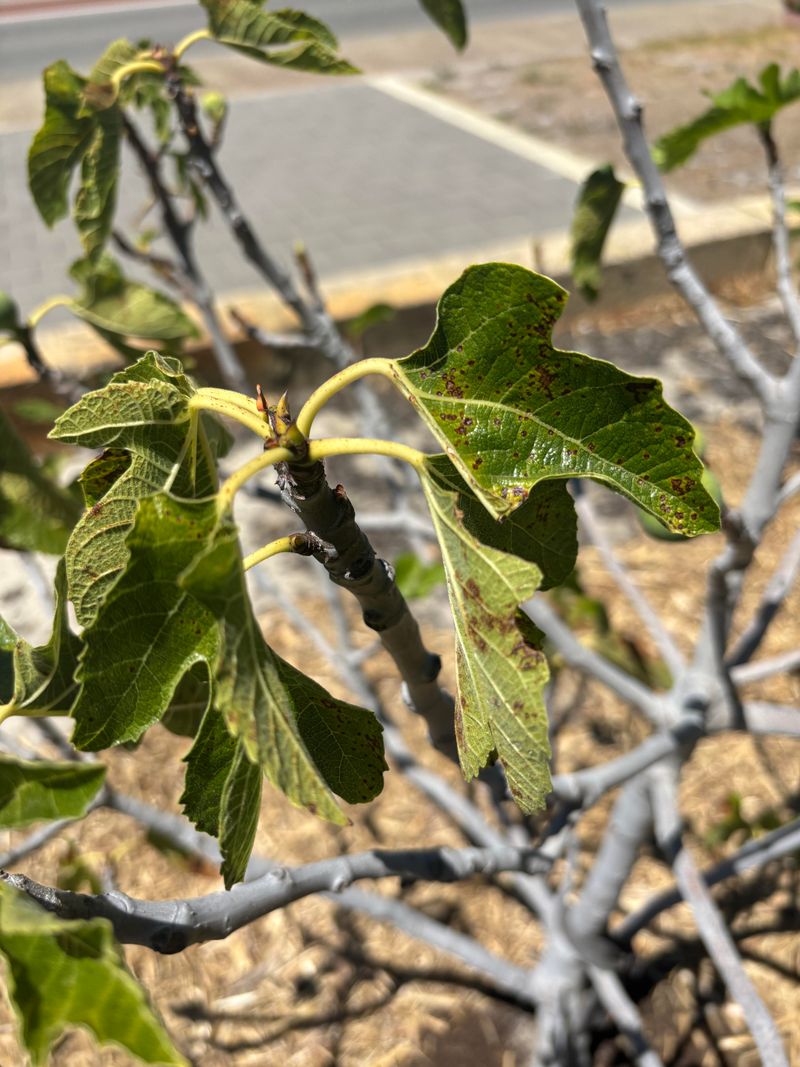
New growth that looks pale, thin, or limp after a long stretch of rain is worth paying attention to. Saturated soil disrupts how roots absorb nutrients, and that shows up quickly in fresh shoots and new leaves.
Nitrogen is especially vulnerable during waterlogged conditions. It leaches out of soil fast when water moves through continuously.
Without enough nitrogen, new growth comes in light green or yellowish instead of the deep, healthy green you would expect.
Weak new shoots are also more vulnerable to pests and fungal issues. Soft, underdeveloped tissue does not have the same natural defenses as firm, well-nourished growth.
Aphids and other insects tend to target these tender areas first.
Resist the urge to fertilize immediately when you notice weak growth. If roots are still sitting in saturated soil, they cannot use added nutrients effectively.
Wait until drainage improves and the soil starts to dry out before feeding.
Once conditions stabilize, a light application of balanced fertilizer can help the tree push out stronger growth. Avoid heavy doses, since stressed trees respond better to gentle support than aggressive feeding.
In Georgia, summer rain events can be intense and back-to-back during certain weeks. Watching new growth closely after each storm gives you an early warning system.
Catching nutrient deficiency signs early makes recovery much more manageable over the following weeks.
8. Soft Roots Can Signal Serious Moisture Damage
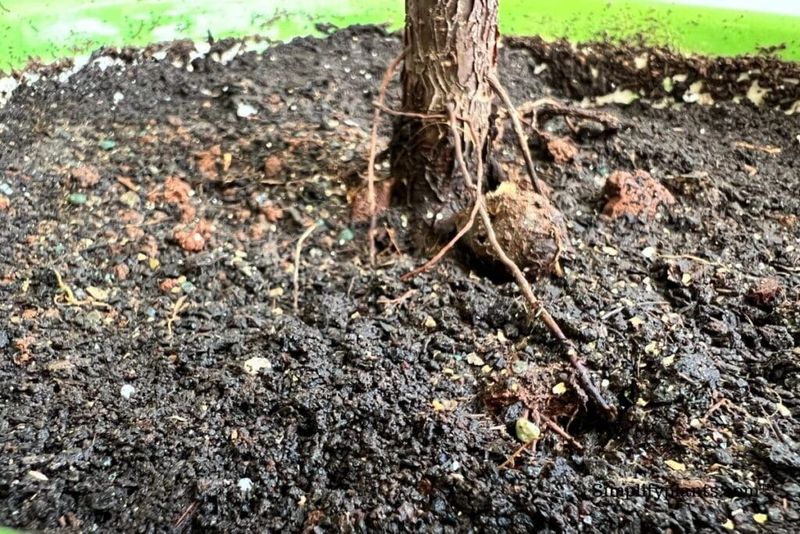
Healthy fig roots are firm, light-colored, and spread through the soil without much resistance. Roots that have been sitting in waterlogged conditions for too long start to break down.
Soft, dark, or mushy roots are a serious warning sign that the tree is under significant stress.
Root rot is most commonly caused by Phytophthora and other water mold pathogens that thrive in saturated soil.
These organisms move quickly through wet ground and can affect a large portion of the root system before visible symptoms appear above ground.
Checking roots requires some careful digging near the outer edge of the canopy, not right at the trunk. Gently expose a few roots and feel them.
Healthy roots snap cleanly. Damaged roots feel spongy or fall apart when touched.
Improving drainage is the most important step if root damage is found. Raised beds or mounded planting areas work well for fig trees in clay-heavy soils that tend to hold water.
Better drainage from the start prevents many of these issues from developing.
Avoid compacting the soil around the tree when it is wet. Walking on saturated ground near the root zone pushes out remaining air pockets and makes recovery harder for the tree.
Southern summers bring unpredictable rainfall that can test even established trees. Catching root problems early and improving soil structure gives a stressed fig tree a much better chance of bouncing back strong.