What It Really Means When St. Augustine Grass Develops Gray Spots During Texas Summer Heat
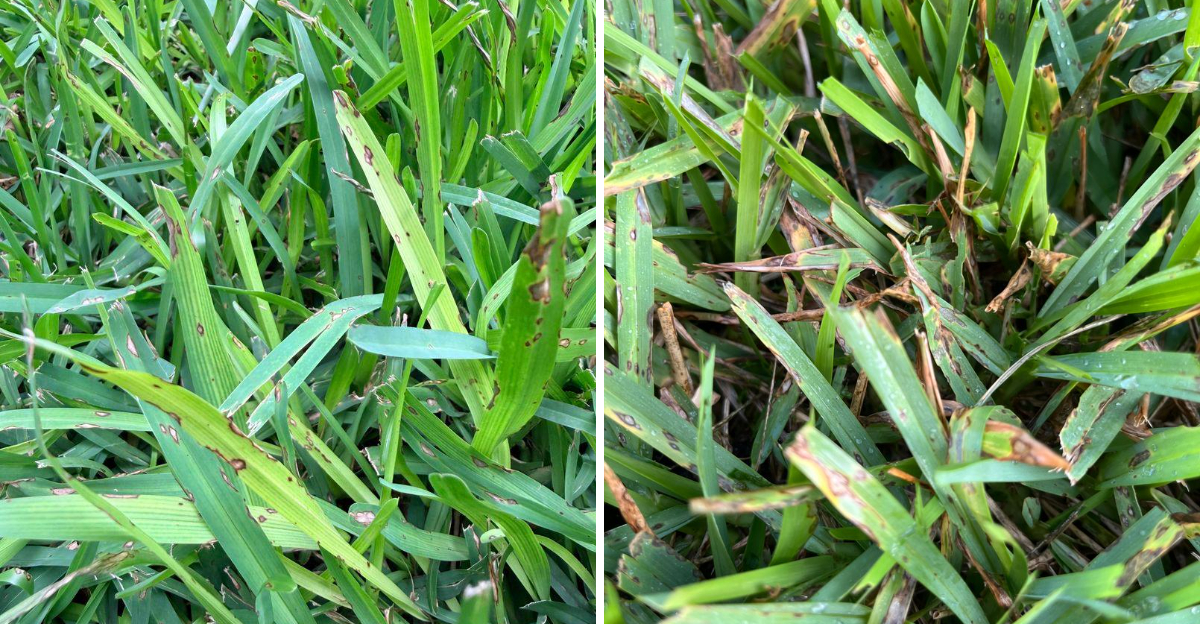
You step onto your lawn one August morning in Texas and your St. Augustine grass looks wrong. Gray patches are spreading across the blades like ash settled overnight.
This is not sunburn or drought, and it will not disappear on its own. Texas summers create the exact heat and humidity that let gray leaf spot fungus take hold fast.
Homeowners across the state notice this pattern every year, usually right after a stretch of heavy rain followed by intense heat. The lawn that looked fine on Monday can show damage by Friday.
The sooner you catch what is behind these spots, the sooner your St. Augustine grass stops losing ground.
Gray Leaf Spot Disease Causes These Summer Symptoms
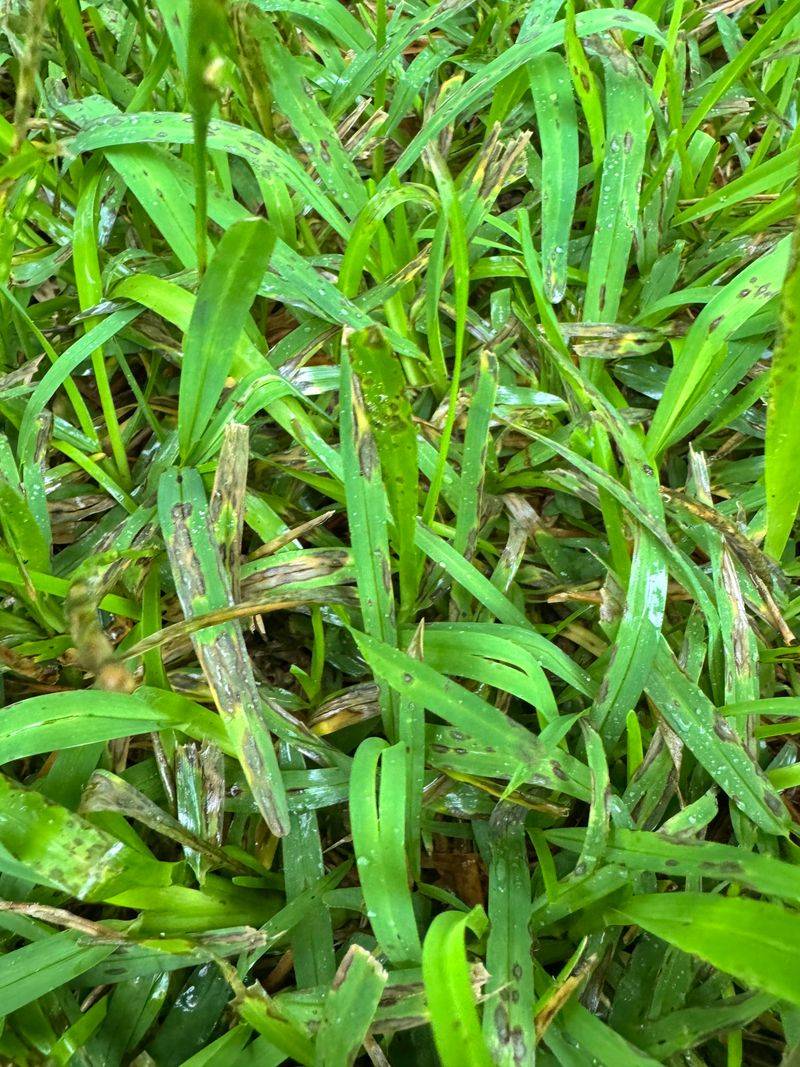
Those gray spots on your St. Augustine grass have a name, and it is gray leaf spot disease. A fungus called Pyricularia grisea causes gray leaf spot in Texas lawns.
The fungus attacks individual grass blades first, leaving small tan or olive-colored spots. Those spots quickly expand into larger gray lesions with distinctive brown or purple borders.
Each infected blade looks damaged from the inside out. The damage moves fast when summer conditions line up just right for fungal growth.
Heavily infected lawns start looking thin and ragged within just a few weeks. The grass blades twist, shrivel, and collapse under the weight of the infection spreading through the turf.
Homeowners often mistake this disease for drought stress or heat damage at first glance. Both conditions create a grayish, wilted appearance that can fool even experienced gardeners on a quick walk-through.
The key difference is that drought stress affects the whole lawn evenly. Gray leaf spot tends to cluster in irregular patches, especially where moisture lingers longest after rain or irrigation.
Catching the disease early is everything when it comes to St. Augustine grass recovery in Texas. A single infected area can spread spores across your entire yard within days if conditions stay warm and wet.
Identifying the problem puts you firmly in control of the situation. Treatment becomes much more effective when you identify gray leaf spot before it spreads through the rest of your lawn.
Warm Humid Conditions Create Ideal Fungal Growth
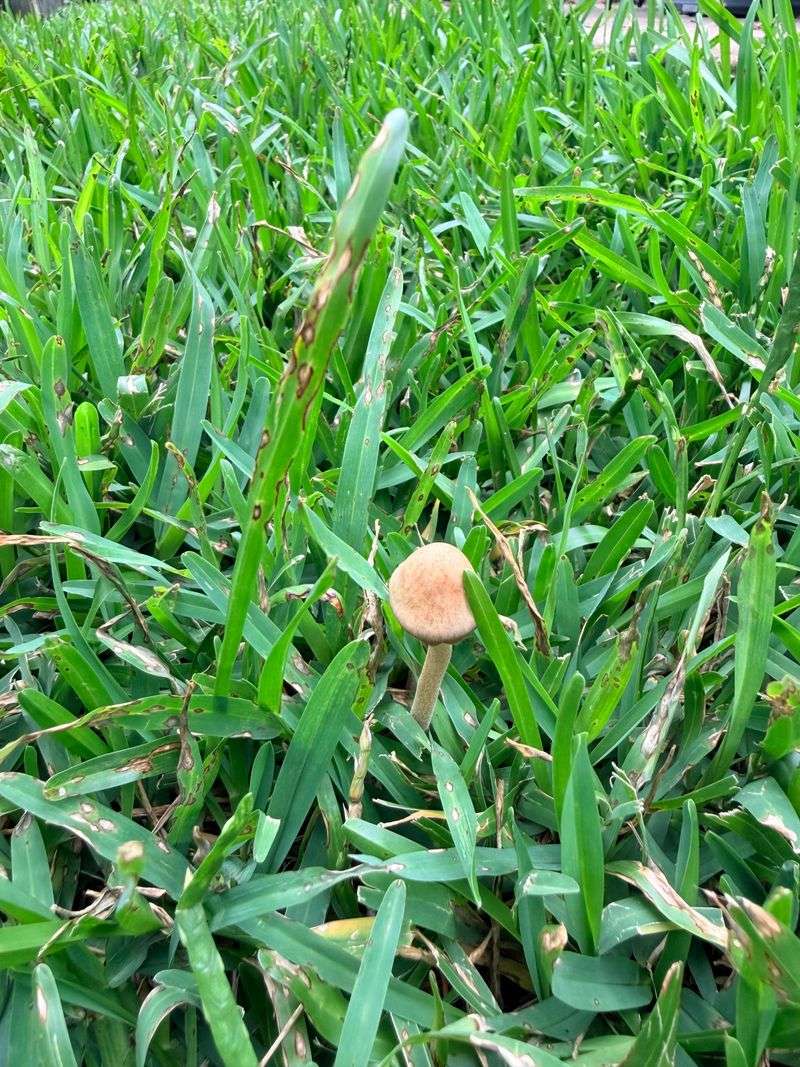
Summer in Texas creates a warm, wet environment gray leaf spot fungus loves. That same sticky heat you deal with every July is exactly what this fungus needs to thrive.
The disease thrives when daytime temperatures stay between 80 and 95 degrees Fahrenheit. Nighttime humidity above 80 percent gives the fungus the perfect overnight window to spread across your turf.
Spores travel easily through water droplets, wind, and even foot traffic across wet grass. Once a single spore lands on a moist blade, infection can begin within just a few hours.
Extended periods of cloudy, rainy weather make the problem significantly worse for St. Augustine lawns. Less sunlight means slower drying, which keeps the grass surface wet long enough for spores to germinate.
Overwatering during summer is one of the biggest mistakes Texas homeowners make with this grass type. Watering at night or in the late afternoon leaves blades wet for hours, creating conditions the fungus needs to spread.
Your Texas Garden Changes Every Week. Your Plan Should Too.
Gardening in Texas changes quickly throughout the season. Every Friday you’ll receive a simple weekly plan showing exactly what to plant, prune, fertilize, harvest, and protect so you never miss the right timing.
Irrigation timing matters more than most people realize when managing lawn health in summer. Watering early in the morning gives blades time to dry completely before temperatures drop again at night.
Poor air circulation around dense turf also traps moisture near the soil surface. Areas near fences, shrubs, or walls tend to stay damp longer and often show gray leaf spot symptoms first.
Recognizing the weather patterns that trigger outbreaks helps you act before the fungus gets a foothold. Staying ahead of humid stretches is your best natural defense against summer lawn disease.
Distinguishing Gray Leaf Spot From Other Lawn Diseases
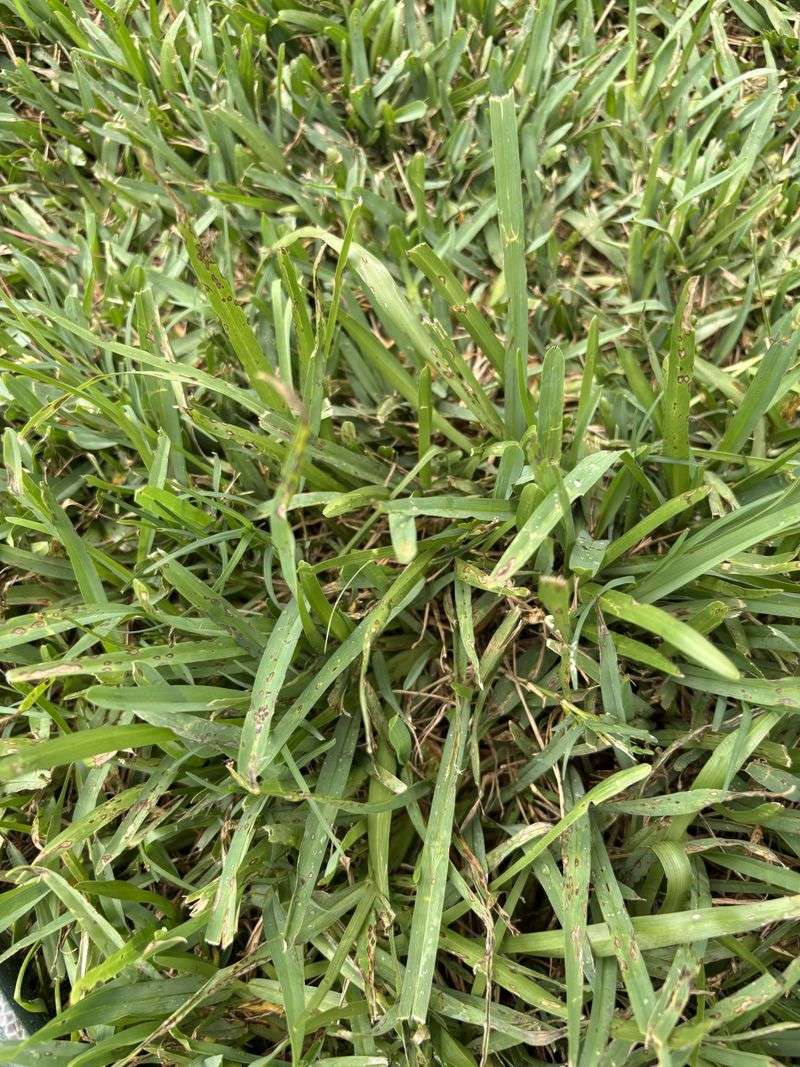
Not every brown or gray patch on your lawn means gray leaf spot has moved in. Several other fungal diseases can create similar-looking damage, making accurate identification a crucial first step.
Brown patch disease is one of the most common lookalikes Texas homeowners encounter in summer. It creates circular rings of tan or brown grass, while gray leaf spot leaves elongated lesions directly on individual blades.
Take-all root rot is another condition that causes widespread turf discoloration and thinning. Unlike gray leaf spot, take-all attacks the root system first, so pulling up affected grass reveals black, rotted roots underneath.
Dollar spot fungus creates small, silver-dollar-sized decaying patches scattered across the lawn. Gray leaf spot lesions are more elongated and show up on the blade surface instead of affecting entire turf circles.
Chinch bugs also cause gray or yellow patches that spread through St. Augustine grass in summer heat. The difference is that insect damage shows no visible lesions on individual blades when you examine them up close.
Grabbing a magnifying glass and checking individual blades is the fastest way to confirm gray leaf spot. Look for the characteristic gray center with a brown or reddish-brown border on each lesion.
Wet a small patch of infected grass and place it in a plastic bag overnight. By morning, you may see fuzzy gray fungal growth confirming the diagnosis without an expensive lab test.
Correct identification leads to correct treatment, which saves you money and prevents unnecessary chemical applications. Misdiagnosing your lawn problem only makes it harder to fix.
Nitrogen Levels Play A Key Role In Susceptibility
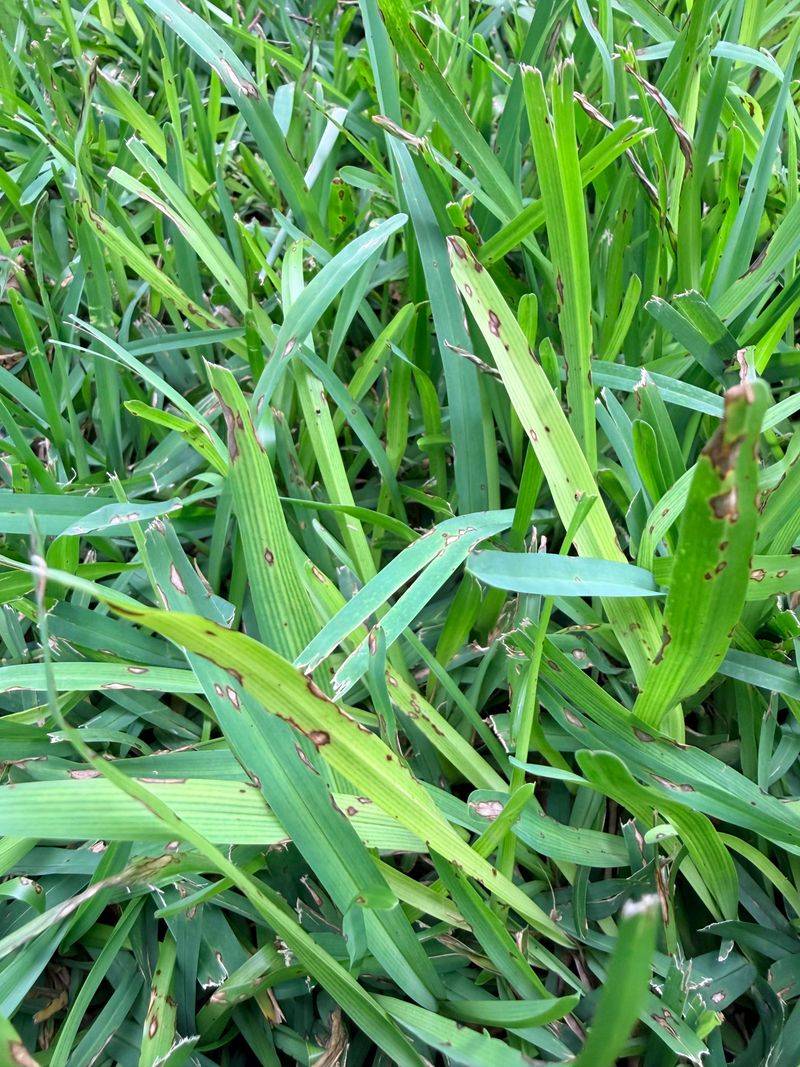
Too much nitrogen fertilizer practically invites gray leaf spot into your Texas yard. Heavy applications push soft, tender growth that fungal spores penetrate with ease.
Pushing your St. Augustine grass hard with fertilizer during summer creates a feast for the fungus. The new growth emerges fast but lacks the cell wall strength to resist infection during peak disease season.
Fertilizing during a gray leaf spot outbreak is one of the worst things you can do for your lawn. Adding nitrogen when the fungus is already active only speeds up the damage.
Most lawn care experts recommend holding off on nitrogen applications from late spring through the hottest summer months. Resuming fertilization in early fall gives the grass strength without triggering a fungal explosion.
Slow-release nitrogen fertilizers are a smarter choice for homeowners who want to feed their lawns safely during warm months. They deliver nutrients gradually instead of flooding the grass with a sudden growth surge.
Soil testing before fertilizing gives you a clear picture of what your lawn actually needs. Many homeowners over-fertilize based on guesswork, which creates more problems than it solves over a full growing season.
Phosphorus and potassium levels also influence how well St. Augustine grass resists disease pressure. A balanced soil nutrient profile builds turf that can fight off fungal threats more naturally throughout summer.
Adjusting your fertilizer schedule is one of the simplest and most effective changes you can make this season. Your lawn will reward you with stronger, healthier growth that holds up against gray leaf spot pressure.
Treatment Options For Established Gray Spot Infections
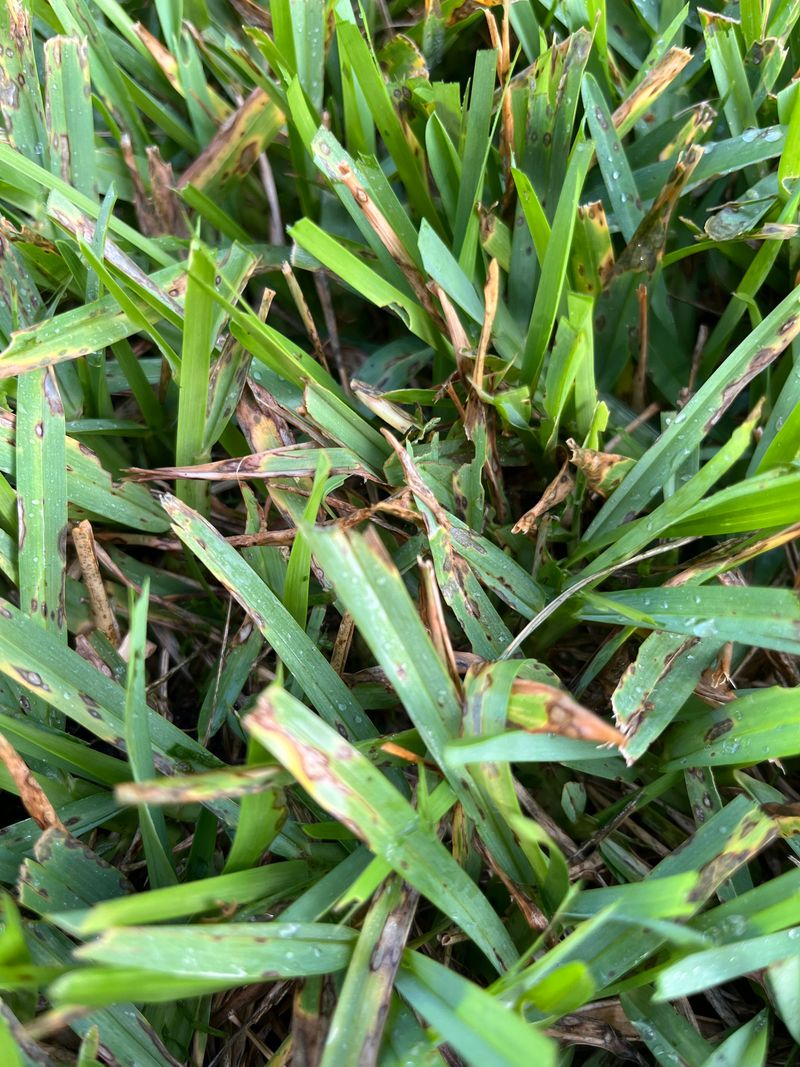
Spotting gray leaf spot early means you still have solid options for turning your Texas lawn around. Acting fast with the right fungicide can stop the spread before it reaches your entire yard.
Azoxystrobin is one of the most effective treatments for gray leaf spot in Texas St. Augustine lawns. It is widely available at garden centers and labeled specifically for this disease.
Propiconazole also performs well against this disease when applied correctly. Follow label instructions precisely, since too little leaves the fungus alive and too much stresses weakened turf.
Timing your fungicide application matters almost as much as choosing the right product. Apply treatments in the early morning when wind is calm and temperatures are lower for better absorption and coverage.
Repeat applications are usually necessary every 14 to 21 days during active disease pressure. A single spray rarely eliminates an established infection, especially when humid weather keeps feeding new fungal growth.
Avoid mowing infected grass immediately after a fungicide application. Mowing too soon removes treated blade surfaces and spreads spores to previously unaffected areas of your yard through the mower blades.
Cleaning your mower deck thoroughly between uses is a simple step that prevents cross-contamination. Rinsing off grass clippings removes spores that would otherwise hitchhike to healthy sections of your lawn.
Treating gray leaf spot aggressively but smartly gives your St. Augustine grass the best shot at a full recovery. Patience and consistency with your treatment plan will show real results within a few weeks.
Preventing Recurrence Through Proper Lawn Maintenance
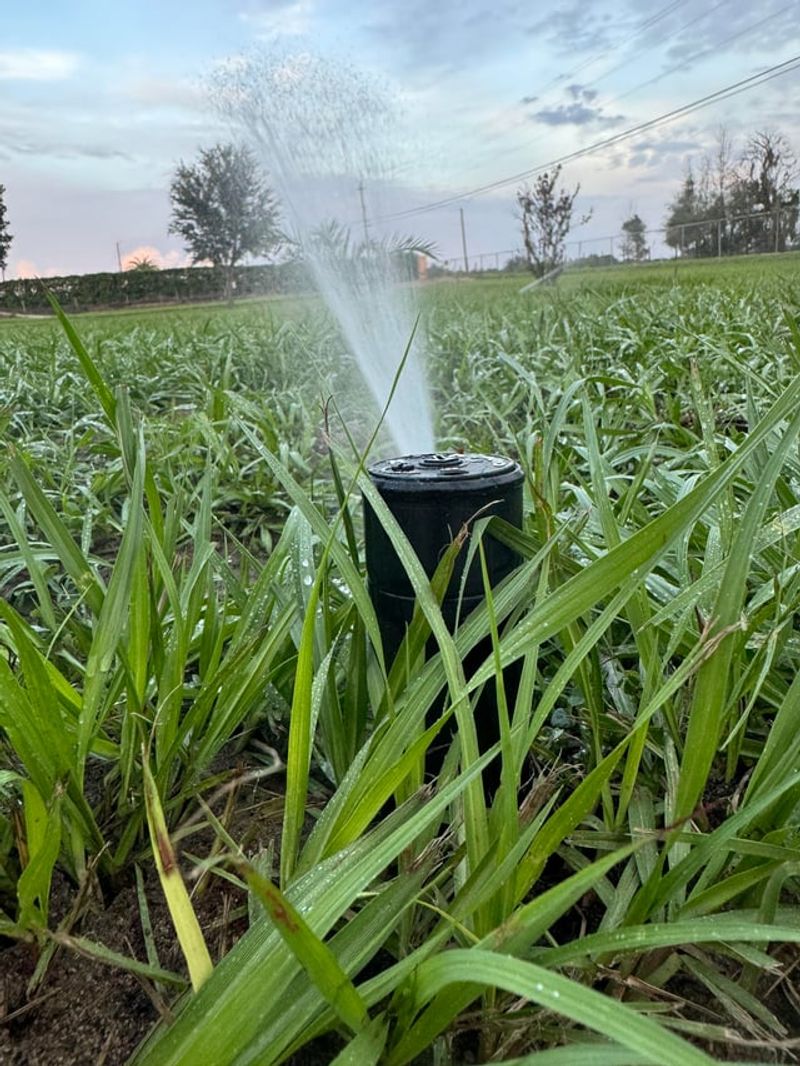
Beating gray leaf spot once is satisfying, but watching it come back the following summer is genuinely frustrating. Building a prevention routine is the real key to keeping St. Augustine grass healthy year after year in Texas.
Watering deeply but infrequently trains grass roots to grow deep into the soil. Deep roots create more drought-resistant, disease-resistant turf that handles summer stress far better than shallow-rooted grass ever could.
Always water in the early morning so blades dry completely before nightfall. Evening irrigation is one of the most common habits that leads directly to repeated gray leaf spot outbreaks in home lawns.
Mowing at the correct height keeps your St. Augustine grass in its healthiest possible condition throughout summer. Maintain a blade height between 3.5 and 4 inches to reduce moisture retention and improve air circulation at the soil level.
Avoid scalping your lawn with a too-short mow, especially during hot weather. Short grass dries out faster and struggles to compete with fungal pressure when summer temperatures peak.
Texas homeowners who dethatch every year or two remove the layer of decayed organic material where fungal spores overwinter. A thick thatch layer holds moisture against the soil surface and gives gray leaf spot a perfect hiding spot.
Improving drainage in low-lying areas of your yard eliminates standing water that feeds fungal outbreaks. Regrading or adding soil amendments to problem spots can make a dramatic difference in overall lawn health.
Consistent lawn care habits protect your St. Augustine grass from gray spots and keep your yard looking sharp all season long. Prevention always costs less time, money, and effort than treating an established disease outbreak.