8 Tweaks Georgia Gardeners Make This Month for a Christmas Cactus Full of Blooms
Your favorite holiday houseplant originally grew wild on mossy tree branches in cool, misty mountain forests. It skipped the desert life, even though its flat green stems look like they belong in a dry climate.
Those mountain forests stay cool and misty, and the plant times its flowers by reading long autumn nights.
Many plants handed down through families keep blooming for decades, outliving the folks who first potted them.
I have to admit my first one rewarded me with exactly three flowers, and I felt a little cheated. Georgia homes run warm and bright in fall, which quietly confuses a plant expecting chilly forest nights.
You can fix that mismatch with small changes that take minutes, not hours, during these shortening November days. The difference between a stubborn green plant and one covered in pink blooms often comes down to a few overlooked details in its fall routine.
1. Long Dark Nights Trigger Christmas Cactus Buds
Your living room lamp might be the sneakiest reason your plant refuses to flower each December.
Christmas cactus reads darkness like a calendar, and a single bright evening can reset its internal count.
University extension experts recommend twelve to fourteen hours of uninterrupted darkness each night for about six weeks. That long stretch tells the plant that winter is coming and buds should start forming soon.
I slide my pot into a guest room closet around six each evening, then bring it out by morning. A large cardboard box set over the plant works just as well if closets are already packed.
Even a streetlight shining through blinds or a glowing television can interrupt the signal you are building. Night means real night here, so check the spot after dark for any sneaky light leaks.
Cool temperatures can help too, since nights near fifty-five degrees push buds along regardless of day length.
Combining darkness with a cool room gives you the strongest chance of a crowded, colorful show.
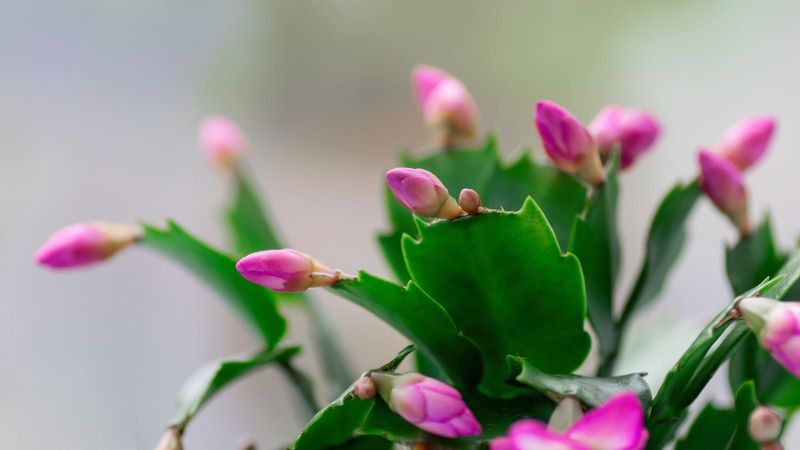
Once you spot tiny pink or red bumps at the stem tips, you can relax the routine. Normal household light is fine after buds set, as long as the plant stays put afterward.
Personally, I set a phone reminder because forgetting just a few nights in a row can stall progress. The effort feels small compared with the thrill of finding dozens of buds lined up on every branch.
2. Cool Spare Rooms Help Christmas Cactus Set Flowers
Chilly back bedrooms finally earn their keep this time of year, because your cactus loves a cool hangout.
Nights between fifty and fifty-five degrees strongly encourage bud formation, according to several university extension horticulture guides.
At those cooler temperatures, the plant can set buds even without perfect darkness, which helps busy households. Warmer rooms above seventy degrees often produce lush stems and very few flowers, sadly enough for us.
Across much of the South, an unheated sunroom or enclosed porch hits that sweet spot during November nights.
Just watch the forecast, since sudden cold snaps in the northern mountain counties can dip below freezing.
This tropical plant tolerates a light chill, but it suffers real damage when temperatures fall near freezing overnight. Bring it indoors whenever the forecast calls for frost, and return it once mild nights come back.
I keep a cheap digital thermometer beside my pots so I am not guessing about the actual numbers. Those little gadgets reveal surprising differences between rooms, especially near exterior walls and old drafty windows in winter.
Avoid spots beside heating vents or space heaters, since blasts of hot dry air can shrivel developing buds. A steady cool room beats a spot that swings from warm afternoons to frosty early mornings.
Once flowers open, that same cool room helps each bloom last noticeably longer than it would elsewhere. I love sneaking into my chilly guest room just to admire the color before anyone else wakes up.
3. Careful Watering Keeps Christmas Cactus Buds Plump
Soggy soil causes more trouble for this plant than almost any other mistake indoor gardeners make each fall.
Root rot sneaks in quietly, and by the time stems go limp, the roots are often mush.
Unlike desert cacti, this rainforest native dislikes going bone dry for long stretches of time either. The trick is finding a comfortable middle ground that keeps roots moist without drowning them in water.
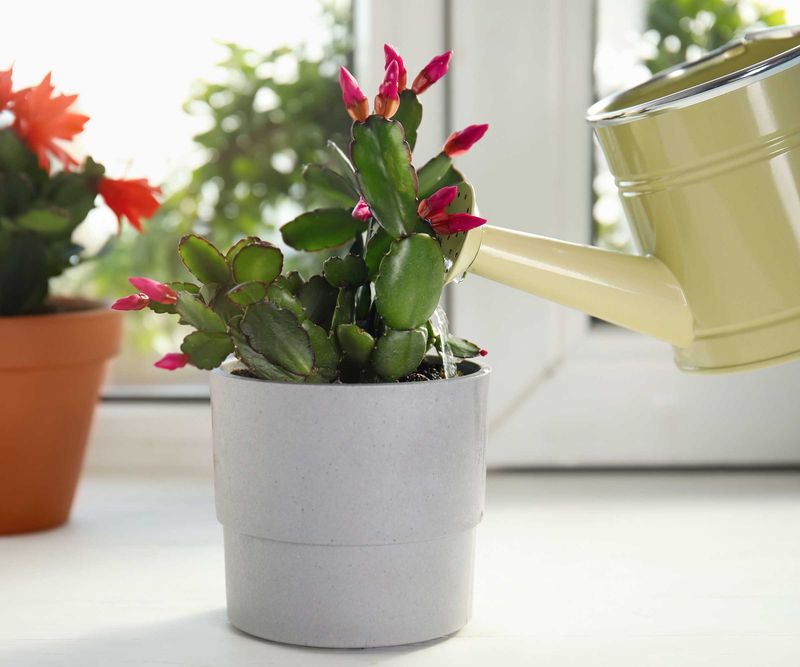
I push a finger into the mix, and I water once the top inch feels dry. That simple test works better than any calendar schedule because indoor conditions change from week to week.
During bud set, many extension guides suggest letting the soil dry slightly more than during summer growth. Fewer drinks encourage the plant to shift its focus from new stems toward flower production instead.
Water slowly until it trickles from the drainage hole, then empty the saucer within about fifteen minutes. Standing water around the pot bottom invites fungus gnats along with rotting roots, which nobody wants indoors.
Once buds appear, switch to keeping the soil evenly moist, since dry spells can trigger sudden bud drop.
Wrinkled, limp segments usually signal thirst, while mushy dark stem bases point toward too much water instead.
Room temperature water feels gentler than icy tap water, which can shock tender roots on chilly mornings. I fill my watering can the night before so it warms up while the house sleeps.
4. Pause The Fertilizer For Christmas Cactus Blooms
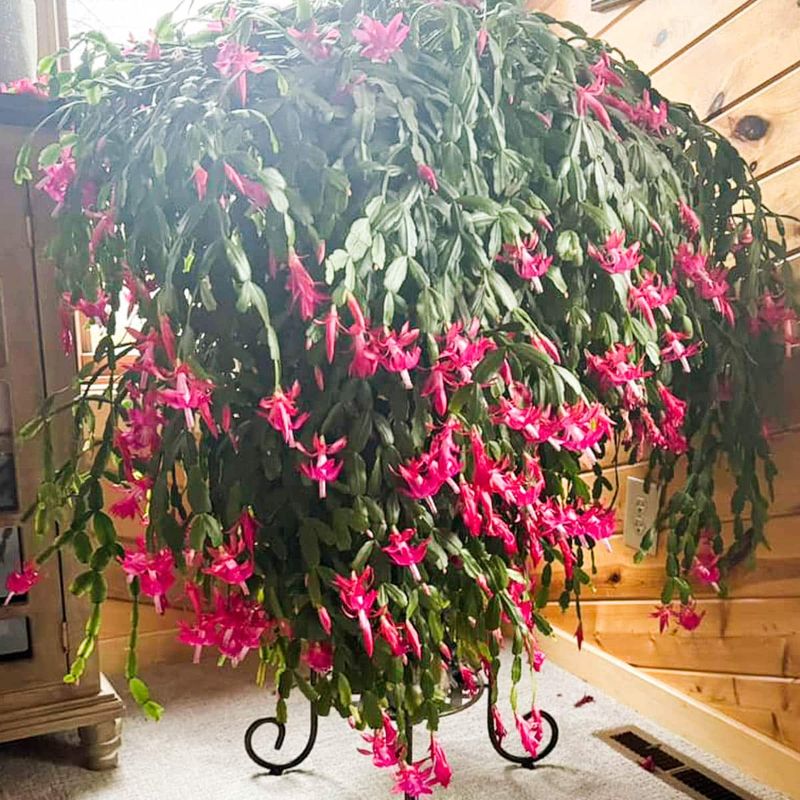
Feeding a plant less to get more flowers sounds backwards, yet that small break really pays off now. Your cactus spent spring and summer building stems, and now it needs a quieter season for buds.
Many extension specialists recommend stopping regular fertilizer by late summer or early fall for the best flowering results.
Extra nitrogen during bud season pushes leafy growth, leaving fewer resources for the colorful show you want.
I tuck my fertilizer bottle onto a high shelf so I am not tempted during November watering. Out of sight really does mean out of mind when my nurturing instincts start kicking in.
If your plant looks pale, check light and watering first before assuming it needs a nutrient boost. Yellowing segments often point to sunburn or soggy soil rather than any shortage of plant food.
Feeding resumes after the blooms fade and fresh green growth appears, usually by late winter or spring. A balanced houseplant fertilizer mixed at half strength every few weeks keeps things healthy without burning roots.
Some growers also add a little Epsom salt during the growing season, since these plants use plenty of magnesium.
Skip that extra during bud set, and save it for the warmer months when stems are actively stretching.
Rest periods seem boring, but this plant rewards patience with flowers that can cover nearly every stem tip. Honestly, letting a plant simply rest is one of the easiest chores on my whole gardening list.
5. Bright Indirect Light Fuels Christmas Cactus Flowers
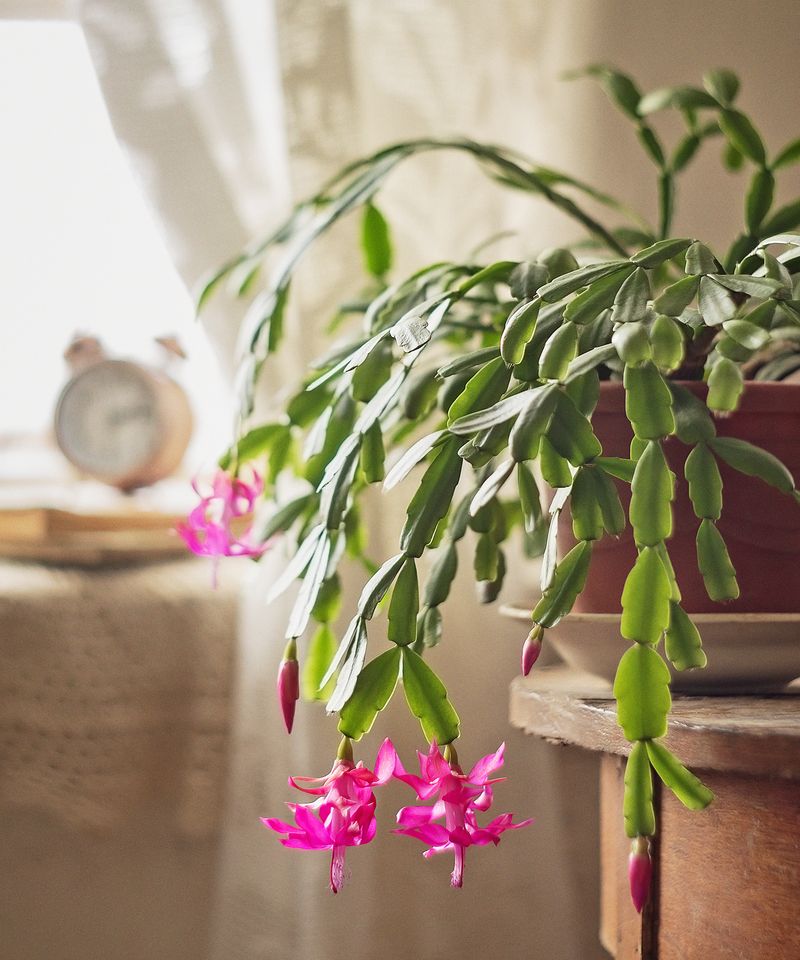
Daytime sunshine matters just as much as nighttime darkness, even though the dark part gets most attention.
Your plant still needs daytime energy to build those fat buds that eventually burst into color.
In the wild, these plants perch on tree branches where leaves filter sunlight into soft, dappled patches. Copying that gentle light indoors keeps stems green and gives the plant fuel for a strong flowering season.
An east-facing window works beautifully because morning sun is mild and the afternoon stays bright yet indirect. Sheer curtains help soften harsher south or west windows, which can scorch the flat segments quickly.
You might notice stems turning reddish or purple when the plant gets more direct sun than it likes. That color shift is a stress signal, so slide the pot a few feet back from the glass.
Fall sunlight in Georgia still packs surprising strength, especially on clear afternoons through a large sunny window. Watch your plant for a week, and adjust its position based on how the stems respond.
Too little light causes thin, floppy growth and very few buds, so dim corners rarely make good homes.
If your brightest window still feels gloomy, a simple LED grow light can help during the daytime hours.
Just switch off that grow light well before evening, since the darkness routine still needs protecting each night. I like pairing a timer with my light, because remembering every evening is harder than it sounds.
6. Keep Budding Christmas Cactus In One Steady Spot
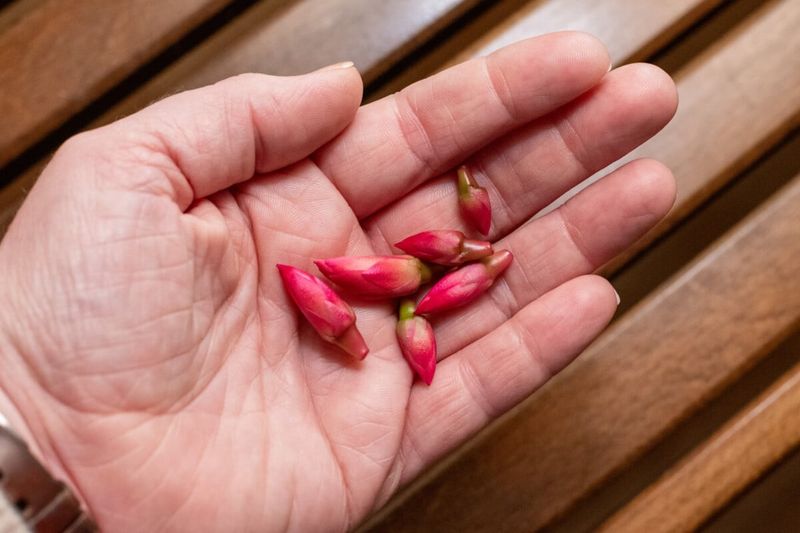
Nothing stings quite like finding a dozen pink buds scattered across the floor after moving your pot.
Bud drop is the classic heartbreak with this plant, and sudden changes in conditions usually cause it.
Once buds form, the plant settles into its surroundings and dislikes being shuffled from room to room. New light angles or chilly drafts can each convince it to drop buds and save energy.
I pick my holiday display spot early, then move the pot just once before buds get very large. After that, it stays put, even when I am itching to show it off to visitors.
Turning the pot to chase the light can also cause trouble, since buds orient toward their original light source. Leave it facing the same direction, and you will get a fuller, more even display across the plant.
Keep budding plants away from exterior doors, where cold blasts sweep in every time someone steps outside.
Drafty spots near holiday gatherings get busy quickly, so plan ahead before relatives start arriving for dinner.
Hot air from heating vents dries buds quickly, and the flowers may shrivel before they ever open. A spot several feet away from vents, with steady cool temperatures, gives the buds their best chance.
Personally, I treat a budding plant like a sleeping baby, tiptoeing around and leaving it in peace. The reward comes when those buds swell and blush with color before opening into dangling, layered blossoms.
7. Pebble Trays Add Humidity For Christmas Cactus
Running the heat for the first time each fall feels cozy for us, but it parches tropical houseplants.
Indoor humidity in many Georgia homes drops well below what misty Brazilian mountain forests provide these plants.
Many growers aim for humidity around fifty percent or a bit higher to keep buds and segments healthy. Dry air can lead to shriveled stems, and some plants respond by dropping buds before they open.
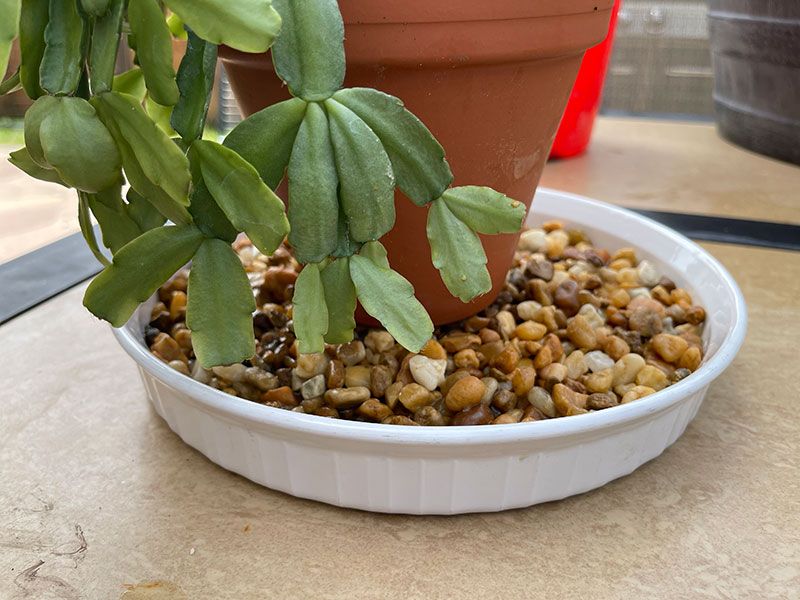
A pebble tray offers an easy fix that takes about five minutes to assemble from kitchen supplies. Fill a shallow tray with gravel, add water below the stone tops, then set the pot on top.
Keep the pot bottom above the waterline, because roots sitting in water quickly invite rot and trouble. As the water evaporates, it creates a small pocket of moist air right around the plant’s stems.
Grouping houseplants together also raises humidity slightly, since leaves release moisture as part of normal growth.
I cluster my cactus with ferns during winter, and the little indoor jungle looks charming on bookshelves.
Misting gives only a brief boost, so I treat it as a bonus rather than the main plan. A small room humidifier works better in very dry homes, especially in bedrooms where plants spend nights.
Kitchens and bathrooms with bright windows often stay naturally humid, making them surprisingly good spots for these plants. Just remember to check temperature and light too, since humidity alone cannot guarantee a crowded bloom display.
8. Snug Pots Keep Christmas Cactus Blooming
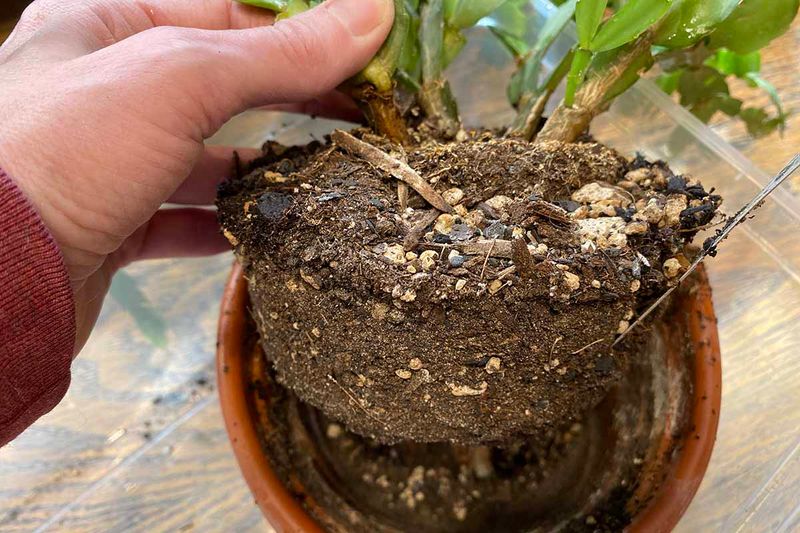
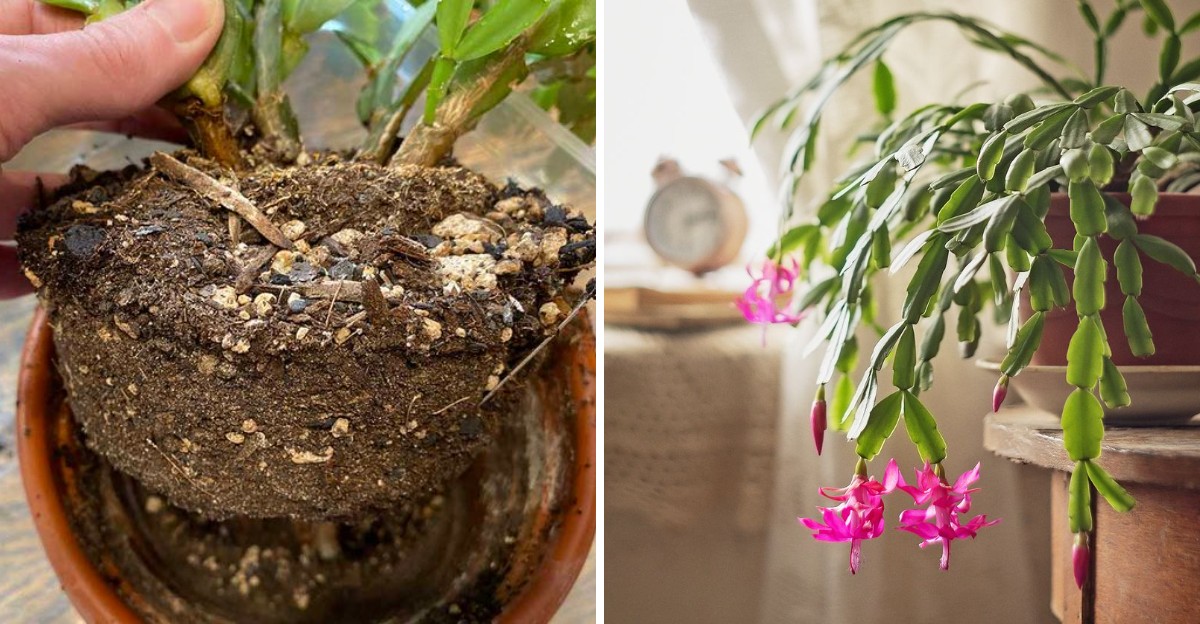
A crowded pot looks like a problem, but this plant actually flowers better with slightly cramped roots. In nature, it grows in thin pockets of leaf litter on tree bark, not deep garden soil.
Repotting now can shift the plant’s energy toward new roots and away from the buds you want.
Fresh soil and a roomier container also change moisture levels, which can stress a plant during bud set.
Most extension guides suggest repotting only every few years, ideally in spring after flowering has finished. Moving up just one pot size, about an inch or two wider, keeps the roots comfortably snug.
I have to admit my oldest plant has lived in the same clay pot for four years. It rewards that neglect with more flowers each season, so I have stopped feeling guilty about it.
When spring repotting time arrives, choose a fast-draining mix, such as potting soil blended with perlite or orchid bark.
Containers with drainage holes matter far more than fancy designs, since soggy roots cause most problems.
If roots are poking out of the bottom right now, simply wait until blooming ends before taking action. A little patience this month protects the buds that are already forming along each arching stem tip.
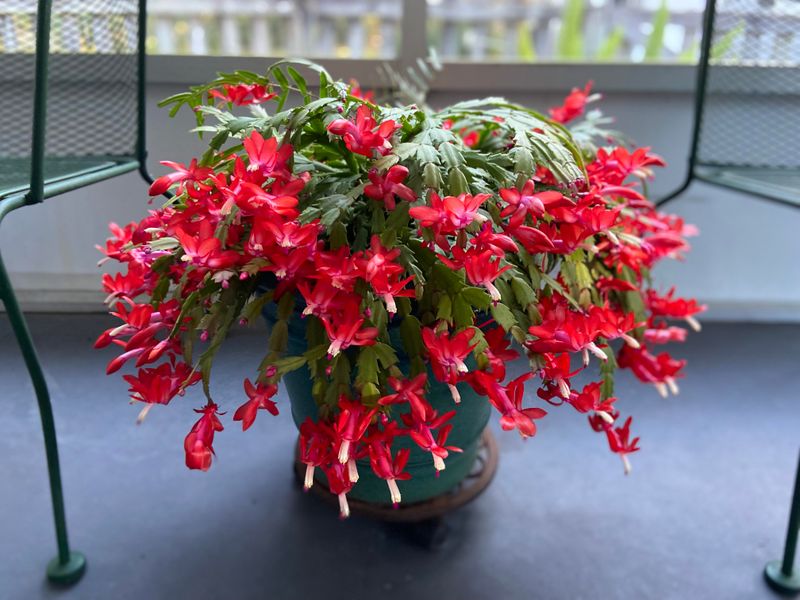
These long-lived plants can stay with a family for decades, and steady care keeps them blooming year after year. Your snug little pot might just become the treasured heirloom someone inherits along with your favorite holiday stories.