9 Things That Attract More Opossums to Your Ohio Yard
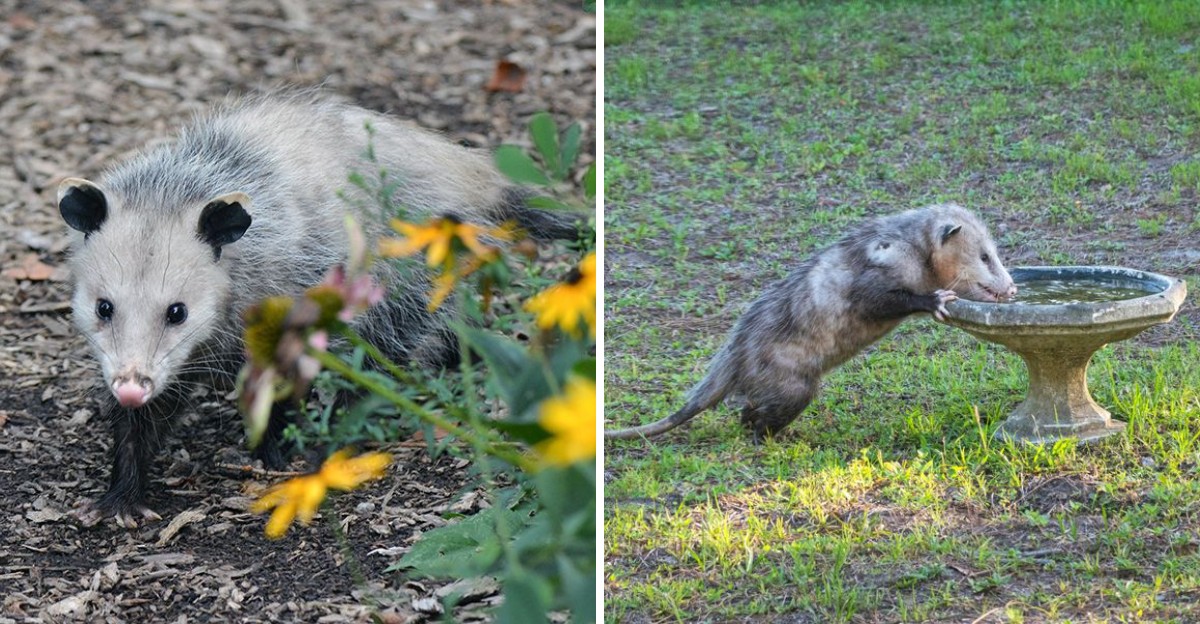
Fifty sharp teeth fill the grin of the shy visitor that waddles past your tomato beds after midnight. That is more teeth than any other land mammal in North America, which explains the famous toothy hiss.
It is also the only marsupial found north of Mexico, carrying its tiny babies in a pouch like a kangaroo. Wildlife officials report this night wanderer in every single one of the 88 counties across Ohio.
I have to admit that I used to blame raccoons for every tipped bucket and nibbled strawberry in my garden. You might notice the real culprit only once a flashlight catches those glowing eyes near the fence.
Your own yard may be sending out quiet dinner invitations that you did not mean to mail. Which of those invitations are pulling these hungry guests toward your back porch every single night?
1. Overflowing Garbage Cans With Loose Lids
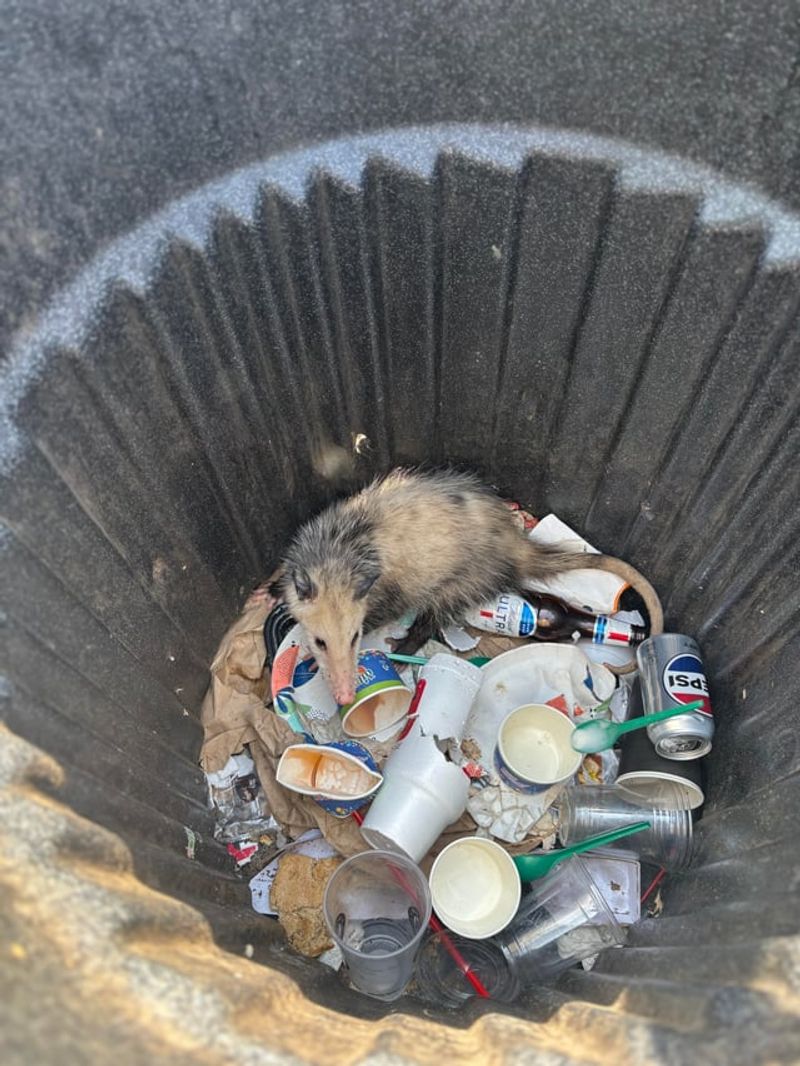
My trash can once sounded like a drum solo at two in the morning, played by a pink nose. Opossums have a powerful sense of smell, and greasy food scraps send a loud signal through the night air.
These animals are true omnivores, so a bag of leftover chicken bones looks like a holiday buffet to them. Once they find a reliable meal, they tend to return to the same spot night after night.
I like how simple the fix can be, because a tight lid stops most of the midnight snacking. Bungee cords or locking latches work well on cans that tip easily when a curious animal climbs up.
You can also store bins inside a garage or shed until the morning of pickup day. Rinsing out sticky cans with soapy water every few weeks removes the lingering smell that keeps visitors coming back.
Many Ohio towns have their own rules about trash storage, so check your local guidelines before buying new containers. Some cities even offer sturdier carts with attached lids that are much harder for wildlife to open.
Personally, I do not mind sharing my yard with opossums, since they also clean up carrion and fallen scraps. Still, a garbage buffet can draw them right up to your back door, where pets and people roam.
Did you know that an opossum has thumbs on its hind feet that help it grip and climb fences? Those handy toes make an unlatched lid seem like a tiny puzzle with a tasty prize inside.
2. Pet Food Bowls Left On The Porch Overnight

Cat kibble smells like a gourmet dinner to a hungry opossum wandering past your porch after sunset. Those crunchy bites are packed with fat and protein, which makes them far easier to find than beetles.
Opossums are mostly nocturnal, so a bowl left out overnight becomes the main stop on their evening route. I learned this the hard way when my cat started sitting by the window glaring at an empty dish.
You might worry about fights, yet opossums usually prefer to avoid trouble and will often back away from pets. When cornered, some will hiss with open mouths, while others flop over and release a strong musky odor.
Sharing bowls is still a poor idea, because wildlife and pets can pass parasites back and forth. Fleas and roundworms are two common concerns that veterinarians mention when animals eat from the same dish.
The easiest habit is feeding pets indoors or picking up outdoor bowls as soon as meals are finished. Wiping away spilled kibble on the porch helps too, since crumbs keep that tempting scent hanging around.
If you care for outdoor cats, try feeding them in the morning and removing leftovers well before dusk. Raised feeding stations inside a garage with a pet door can also cut down on uninvited guests.
Wildlife rehabilitators note that pet food is not a balanced long-term diet for wild opossums anyway. Bringing bowls inside helps your furry friend and the wandering marsupial stick to meals that suit them best.
3. Fallen Apples And Ripe Berries On The Ground
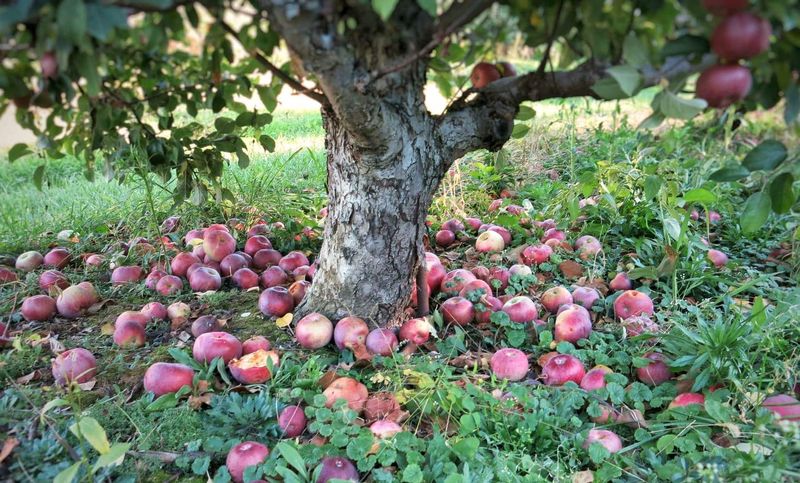
Few smells drift farther on a warm evening than a pile of bruised apples softening in the grass. To an opossum, that sweet, mushy fruit is basically a dessert table with no waiter in sight.
Opossums happily eat fallen apples, pears, grapes, and berries, especially during late summer and early fall. They also love the native American persimmon, a tree that grows wild across southern parts of Ohio.
I can’t imagine a harvest season without at least one masked or pointy-nosed visitor checking my orchard floor. Personally, I gather windfalls every morning, and the nightly traffic around my old apple tree dropped noticeably.
You can toss sound fruit into a covered bin or add it to an enclosed compost system right away. Raking up fruit also cuts down on yellow jackets, which love sugary snacks as much as opossums do.
Berry patches need attention too, since low-hanging raspberries and strawberries sit right at opossum snout height. Lightweight bird netting secured at the edges protects ripe berries from both birds and nighttime nibblers.
Opossums are good climbers, so they may reach fruit on low branches before it even hits the ground. Picking ripe fruit promptly gives you first dibs and leaves less for curious visitors to sample.
On the bright side, opossums can spread seeds from the wild fruits they eat across woods and fields. That small service helps native plants like persimmons and wild grapes pop up in new places.
4. Open Compost Piles Full Of Kitchen Scraps
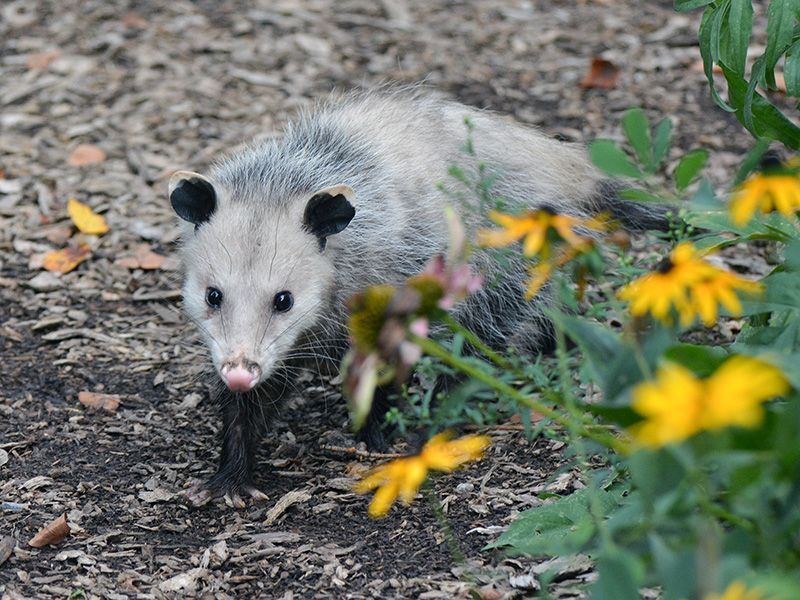
A steaming compost pile packed with kitchen scraps looks like an all-night diner to a passing opossum. Melon rinds and bread crusts send out a scent trail that is hard for a hungry nose to ignore.
Beyond the scraps, compost hides plump grubs and earthworms, which give nocturnal foragers a tasty protein boost. I have caught one happily digging in my pile with only its pale face showing above the peelings.
You can reduce the attraction by keeping meat scraps and greasy leftovers out of your compost bin. Ohio State University Extension advises against composting those items because they create odors and draw animals.
An enclosed bin with a lid works much better than an open heap sitting at the yard’s edge. Rotating tumblers raised off the ground are especially tricky for opossums to open or climb into.
If you prefer an open pile, bury fresh scraps under several inches of leaves or finished compost. That layer hides odors and helps the pile break down faster, which is a win for your garden.
Turning the pile regularly also keeps it hot and active, so scraps disappear before they get too smelly. A sturdy hardware cloth lining around wooden bins adds another barrier against digging and climbing visitors.
I believe compost is one of the best gifts you can give your soil, so do not give it up. Just treat it like a pantry, and close the door after you add each fresh bucket of scraps.
5. Spilled Birdseed Beneath Backyard Feeders
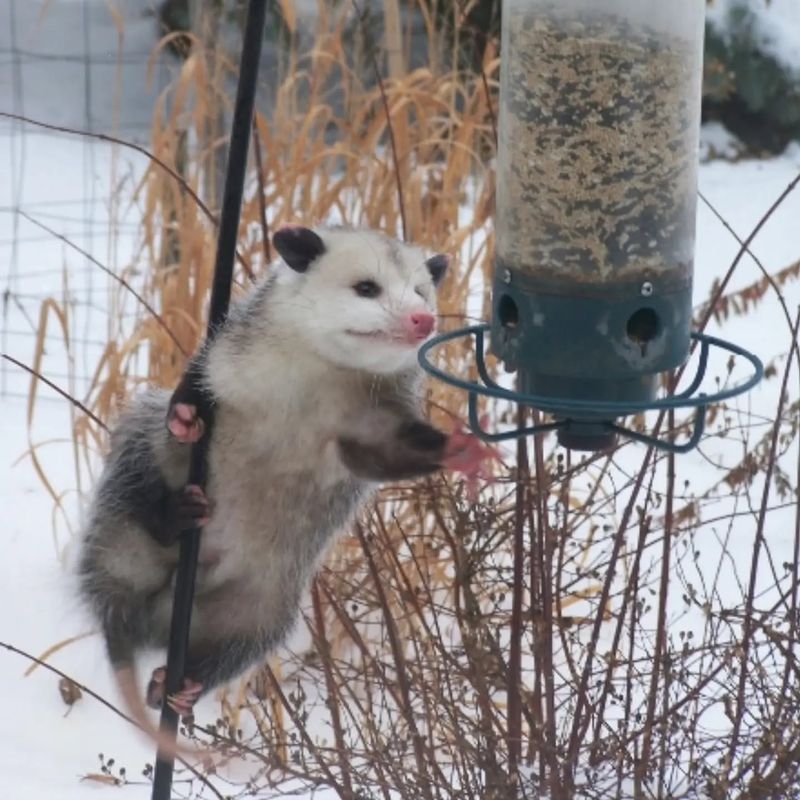
Your cheerful cardinals may be messy eaters, flinging sunflower hulls and millet across the lawn all day long. Once the birds settle in for the night, an opossum may shuffle over to vacuum up their leftovers.
Fallen seed is an easy snack that needs no climbing at all from a tired, hungry forager. You might notice the ground under your feeder looks surprisingly tidy each morning, even after a busy day.
Seed catcher trays attached below the feeder catch most of the spillage before it hits the grass. No-mess blends with hulled sunflower hearts also leave less waste behind, which means fewer evening visitors.
I like to sweep or rake the feeding area every evening, especially during summer when wildlife stays active. A quick cleanup takes only a few minutes and keeps seed from molding in damp Ohio weather.
Taking feeders inside at dusk is another smart option if you notice regular visits after dark. Baffles on poles help as well, since opossums are skilled climbers with grasping feet and tails.
Opossums are opportunists, and they will occasionally raid bird nests for eggs when a chance appears. Keeping feeders tidy may reduce how often these visitors linger near nesting shrubs during spring months.
Personally, I still feed the birds all year, but I treat the ground below like my kitchen floor. A clean floor means fewer surprise guests at night and happier songbirds waiting for breakfast the next morning.
6. Slugs And Beetles Crawling Through Garden Beds
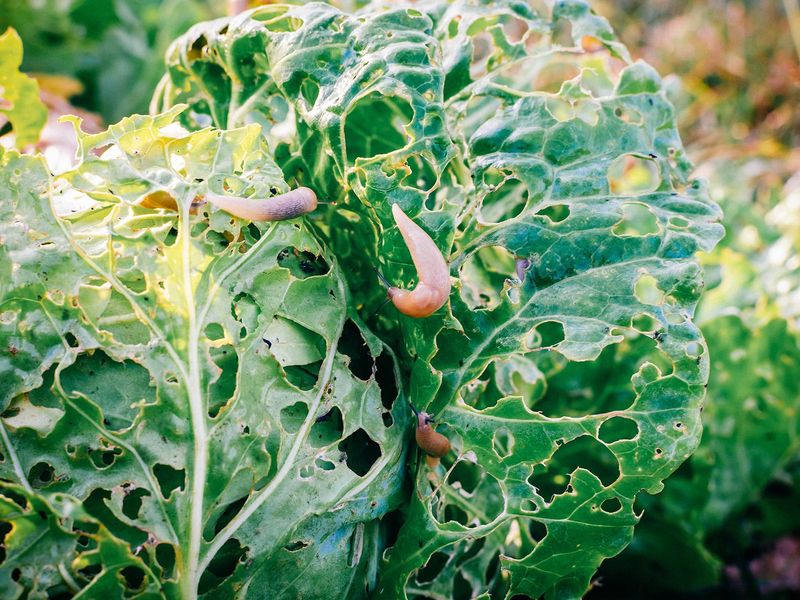
Slugs chewing holes in your hostas might be the reason a long-tailed visitor keeps patrolling your flower beds. Opossums happily munch on slugs, snails, beetles, and crickets, turning garden pests into a nightly snack.
I love how they work the night shift while I sleep, quietly cleaning up after my vegetable rows. Their diet changes with the seasons, and insects make up a bigger share during warm months.
You may have heard that one opossum eats thousands of ticks each season, a claim that spread widely online. That number came from a 2009 lab study, but a later 2021 study found few ticks in wild opossum stomachs.
Researchers now suggest opossums are probably not the tick vacuums once described, though they still eat plenty of other pests. Doing your own tick checks after gardening is still the smartest way to protect your family.
Overwatering and thick mulch can boost slug numbers, which then draws more hungry wildlife to your beds. Watering in the morning lets the soil surface dry by evening, so slugs have fewer damp hideouts.
Hand-picking beetles and setting shallow traps for slugs can lower pest numbers without using harsh chemicals. Fewer pests usually means fewer foraging visits, though plenty of gardeners happily welcome the free pest help.
Personally, I count an opossum in the garden as a fair trade for fewer slimy surprises on my lettuce. Just avoid pesticides near their paths, since poisoned insects can harm the very animals eating them.
7. Birdbaths And Leaky Outdoor Faucets
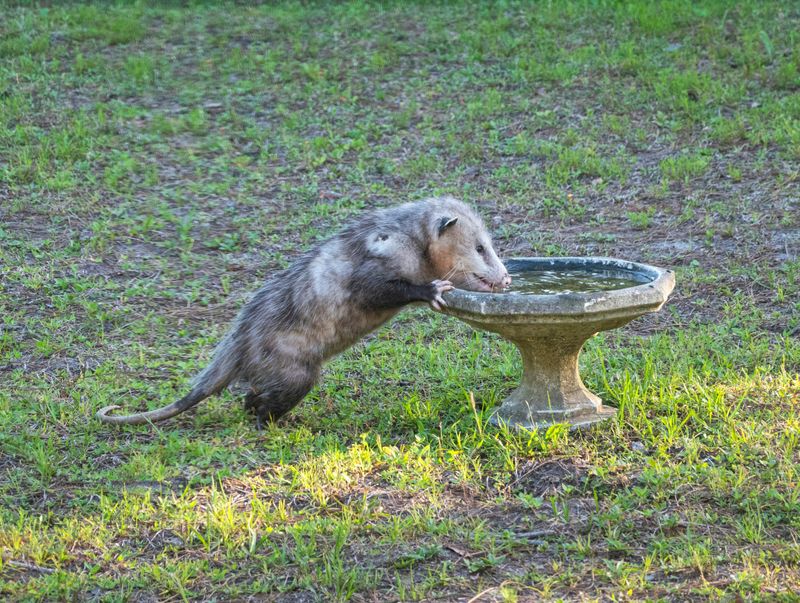
A shallow birdbath glinting under the moon may be the most popular drinking fountain on your whole street. Opossums need fresh water every day, and dry spells in midsummer can send them searching through backyards.
Pet water bowls, dripping hoses, and puddles near leaky faucets all count as easy sips for a thirsty visitor. You might find muddy little handprints on the edge of your birdbath, complete with that unusual thumb print.
I have to admit I enjoy providing water for wildlife, even when I know who sneaks a late drink. Still, if you want fewer visits, removing extra water sources is one of the simplest changes to make.
Fix leaky outdoor faucets and check irrigation lines for drips that create soggy spots near your foundation. Damp areas also attract slugs and insects, which gives opossums a reason to stay and snack after drinking.
Bring pet water bowls inside at night, along with any food dishes left on the porch. Tip out buckets and plant saucers after rain, which also helps reduce mosquito breeding around your home.
If you love your birdbath, keep it but place a stone or stick inside as an escape ramp. Small animals sometimes tumble into deep basins, and a simple rough ramp gives them a way to climb out.
Good drainage around downspouts helps too, especially during soggy Ohio springs when puddles linger for days. Directing water away from the house keeps your yard less inviting and protects your foundation at the same time.
8. Brush Piles And Thick Shrubs For Daytime Naps
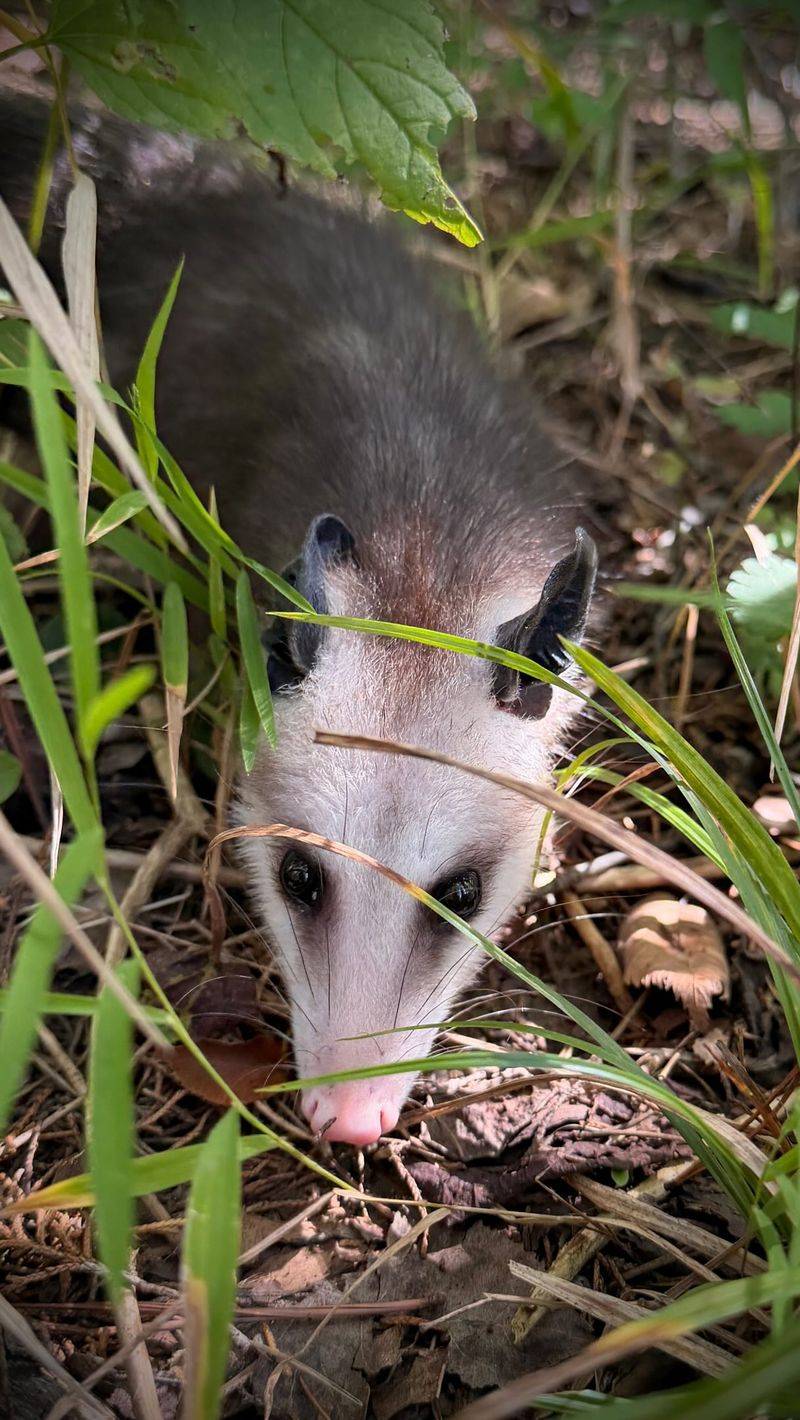
Somewhere between your woodpile and that overgrown forsythia, a sleepy opossum may be snoozing the day away right now. These nocturnal animals rest during daylight, so they look for snug, shaded hideouts close to food sources.
Opossums rarely dig their own burrows, preferring to borrow spaces that other animals or people have created. Brush piles and stacked firewood offer instant shelter with no construction required on their part at all.
They are wanderers by nature, often moving to a new den every few nights instead of settling down. I find that habit oddly charming, like a traveler hopping between cozy cabins along a long road trip.
If you want fewer daytime sleepers, stack firewood on a raised rack at least a foot off the ground. Keeping the pile away from your house also discourages other critters, including mice, from moving in nearby.
Trim low, dense shrubs so the bottom branches sit higher, leaving less hidden shady space underneath them. Late winter is a fine time for many shrub cleanups, but check bird nests before cutting in spring.
On the other hand, brush piles support many helpful creatures, including songbirds and toads that eat pests. You might keep one tucked at the far edge of the yard, well away from patios and doors.
Personally, I like a wild corner, yet I keep it far from the deck where my dog likes to roam. That balance lets wildlife enjoy shelter while keeping surprise face-to-face meetings near the back door to a minimum.
9. Open Gaps Under Decks And Sheds
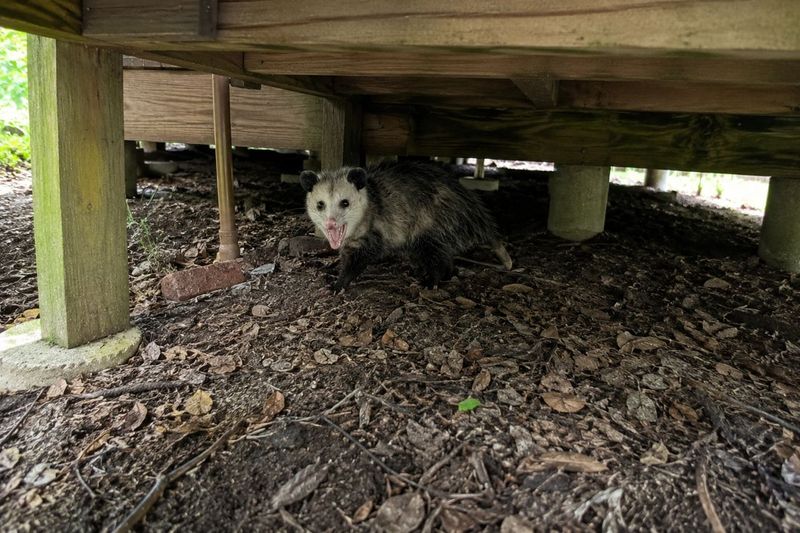
A gap only a few inches wide can lead an opossum straight into the dry, shadowy space beneath your deck. From the animal’s point of view, that hidden room offers welcome shelter from cold rain and roaming coyotes.
Sheds, porches, crawl spaces, and open garages can all become temporary dens when doors or vents are left open. Ohio winters push opossums to seek warm hideouts, since they do not truly hibernate and lack thick fur.
Their bare ears and tails can even suffer frostbite, which explains why a sheltered spot matters so much in January. I once found a mother tucked under my garden shed, with tiny babies clinging to her back.
Females give birth in late winter or spring, and the young ride in the pouch for about two months. Because of this, wildlife experts suggest checking for babies before sealing any opening during spring and early summer.
One easy trick is loosely stuffing the hole with newspaper and checking whether it has been pushed aside overnight. If the paper stays put for a few nights, the den is likely empty and ready for sealing.
Hardware cloth makes a sturdy barrier, especially when you bury the bottom edge several inches into the soil. Bending the buried section outward into an L shape helps stop determined diggers from pushing underneath the fence.
In Ohio, a licensed nuisance wildlife operator can help if an animal refuses to leave a structure. That route keeps everyone safe and follows state rules, while the opossum simply moves on to a better den.